
In my twenties, I flew a light four passenger aircraft on a scenic flight above Sicily, but as it was such a bad experience, I promised I would never set foot on a small plane again. I kept that promise for forty years. However, this all changed on March 8, 2019; on that day, I broke my promise and am absolutely delighted to have done so!
While visiting New Zealand and planning a trip from Queenstown to Milford Sound, I had planned to travel by land to Milford Sound, enjoy the natural beauty on the way, driving through lush Fiordland National Park, before sailing through Milford Sound on a catamaran. Although I knew flying back to Queenstown was an option to enjoy the breathtaking views from above, I did not even want to consider that option at first. As I pondered on whether I would consider hanging up my past fears and possibly considering the light aircraft flight back from Milford Sound to Queenstown, I started pondering the option.
In the days preceding the flight, I imagined myself up in air and visualized the whole experience. I told myself there was absolutely no way I could live the fear of those earlier years, but that I was ready to do my best to overcome my fears of the past. I started practicing self help strategies in preparation to the flight as focused breathing and meditation. After much anticipation, the day arrived!
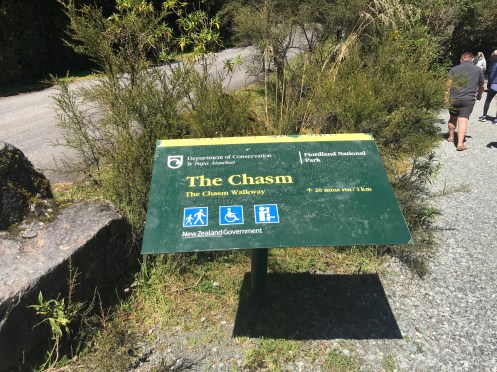
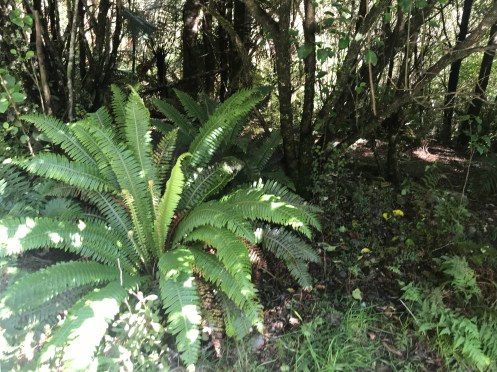
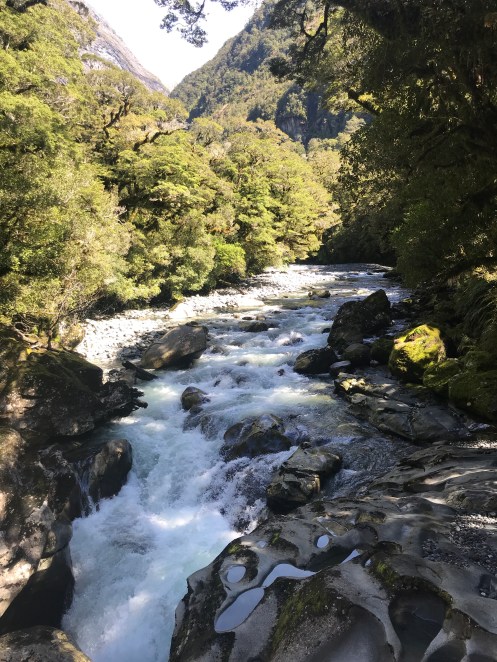
In Queenstown, I boarded a coach traveling by land to Fiordland National Park with opportunities to stop and walk in its forest and be embraced by that lush natural beauty. I enjoyed plush vegetation, large ferns I had come to love, waterfalls and reflecting water bodies to name a few.


Next, I boarded the catamaran that took me through Milford Sound, with its mountains plunging into the outlet, sailing through the narrow outlet and reaching the Tasman Sea. On the way back, the view of the narrow outlet from the opposite angle and a close encounter with the largest waterfall and its refreshing sprays!
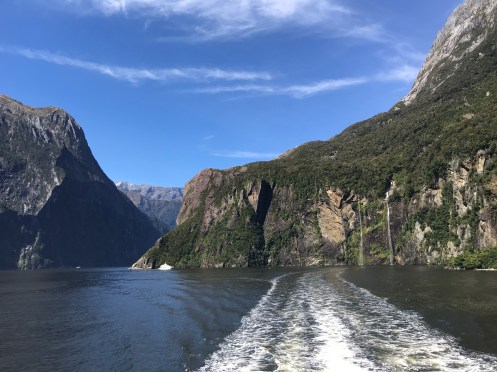

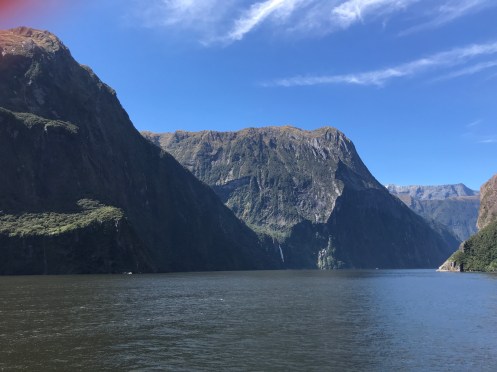


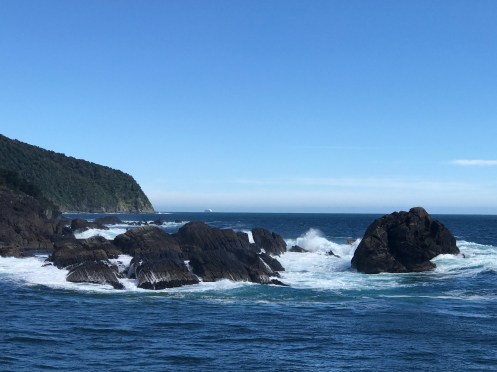
Stirling Falls
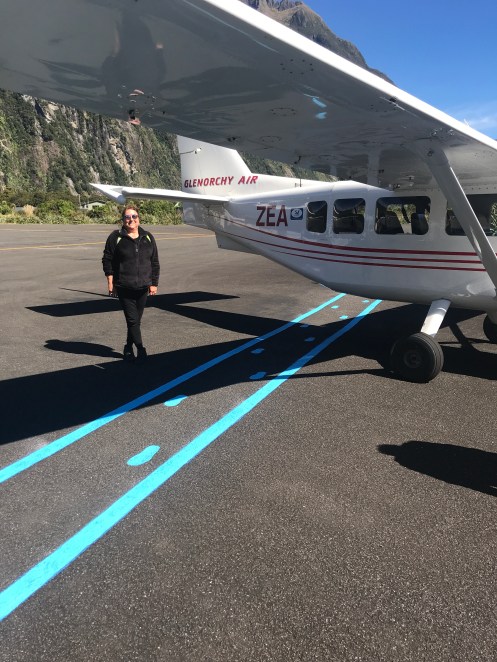
At last, stepping off the catamaran, I met the pilot and the fellow passengers and walked to the airfield to board the Cessna A8 that would fly me back to Queeenstown. After boarding the light plane and taking off, the much-awaited experience began. Words can hardly explain the emotion felt in embracing an experience I had avoided and feared for most of my life! But the natural beauty that I was admiring enveloped me and I was embraced by the excitement that overcame me as I admired those enchanting views from above. I focused on my breathing and enjoyed. The sun was shining brightly and the mountains diving vertically into the waterway in the narrow outlet with its waters glistening, giving a magical touch to the picture. As we traveled, the mountains seen from above were majestic with the lush vegetation hanging onto them tightly. The flight lasted approximately thirty-five minutes – thirty-five minutes of pure enjoyment. Stepping off the plane I told myself perhaps this would be the first of a series of new experiences for me.
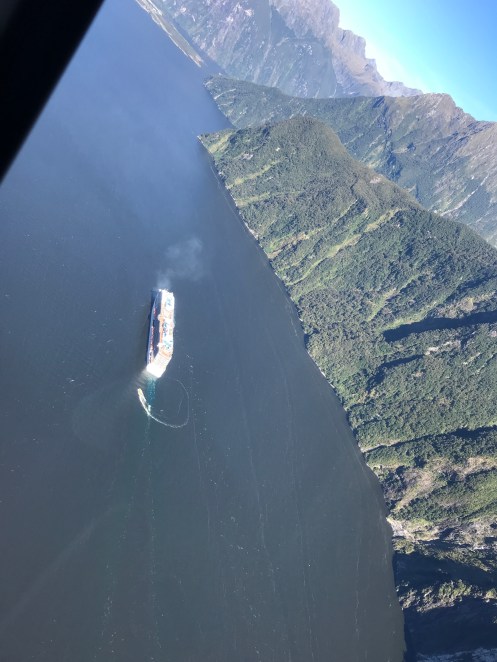


Reflecting upon this experience I know what allowed me to reach this point. By traveling solo in lands so distant from any land I have lived in or known, little by little I stretched myself beyond my comfort zone. Stretching beyond the comfort zone allowed me to step out and realize what for so long seemed unreachable was just within my reach! Never stop growing!
In conclusion, I would like to share practical information on my experience for any who may seek to pursue the same. On this trip, I rode a glass top coach from Queenstown to Milford Sound managed by Southern Discoveries and a catamaran through Milford Sound also run by Southern Discoveries. Both rides were very enjoyable and lots of interesting information was provided on board by the guides. Paul, the coach guide, was fantastic in his explanations, the result of lots of personal research. My light plane flight back to Queenstown was by Glenorchy Air and I would certainly recommend this flight to anyone who wants to take the entire air land water experience. The pilot, Lucas, was great, the flight smooth and never did I feel unsafe.
An interesting note is information I learned from the pilot of my flight, Lucas. Only 20 percent of scheduled flights from Milford Sound to Queenstown actually take place due to the weather in the Sound; consequently, if you go, just hope you are one of the lucky ones who gets to fly back!!!
When visiting Cairns, on the Far North Queensland Australia coast, a train ride up to the town of Kuranda is well worth the trip!
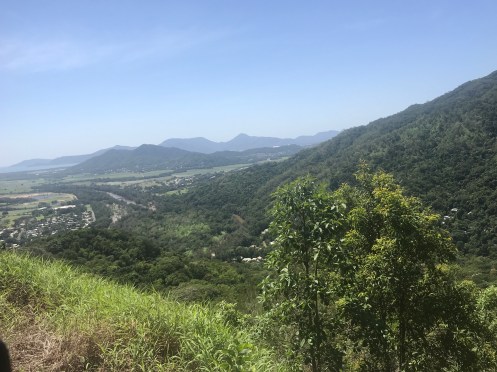
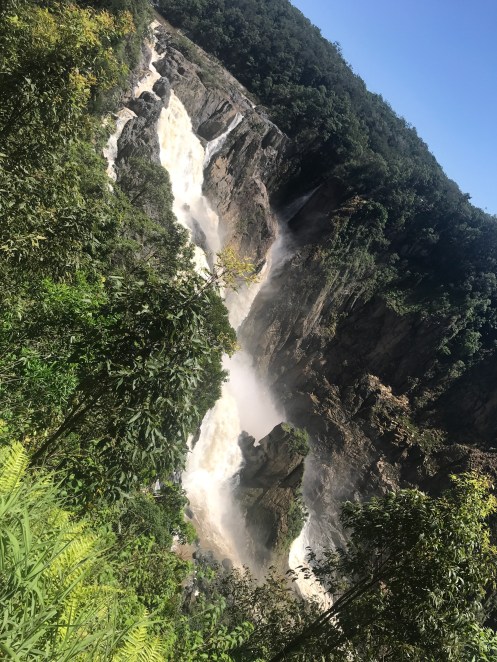
The scenic railroad climbs up through rainforest, passing by gorges and waterfalls.
it is surely worth the upgrade to Gold Class on the Kuranda Scenic Railroad to ride in a classic wagon, with comfortable bucket seats and refreshments on board.
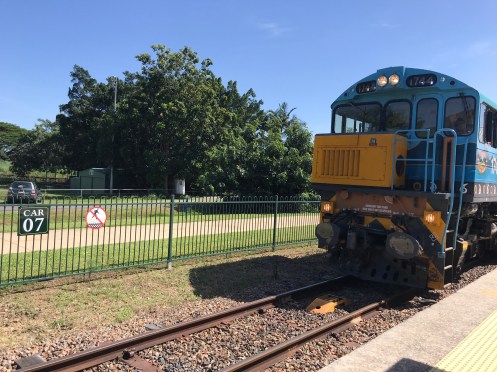

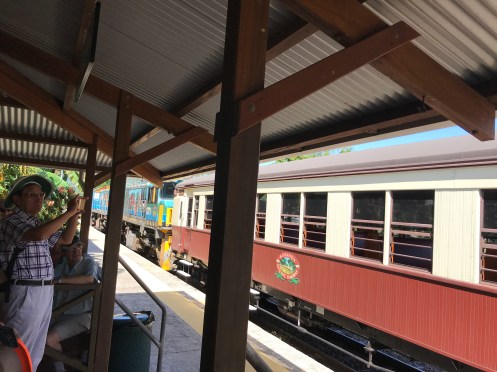
Snaking through the rainforest


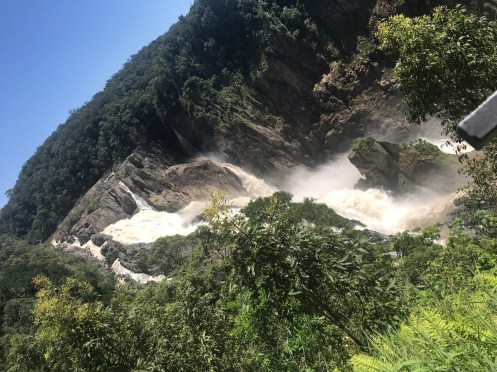
Barron Falls – The train makes a stop to allow a chance to view the falls from a viewing deck
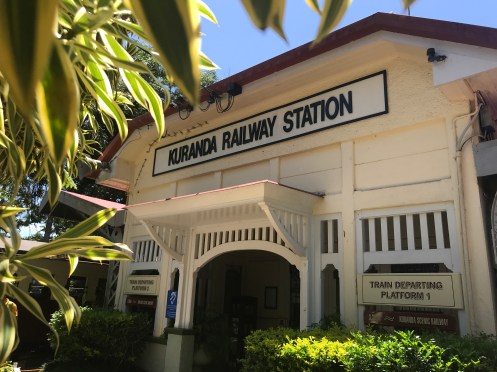
Upon arrival at the Kuranda train station, a short walk leads to the town of Kuranda where one can visit local artisans selling their goods at a market.
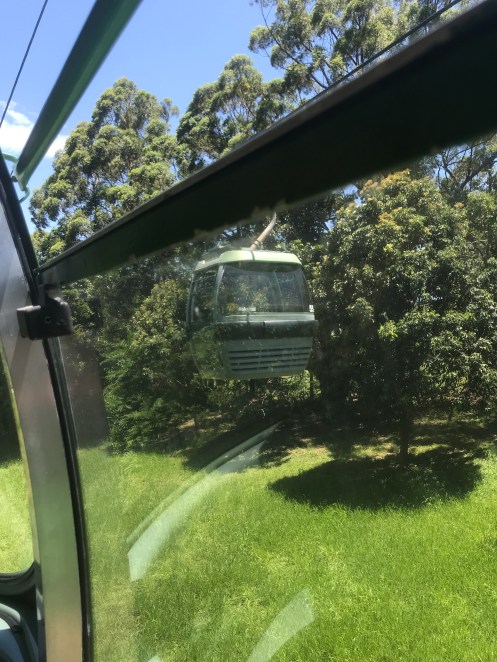
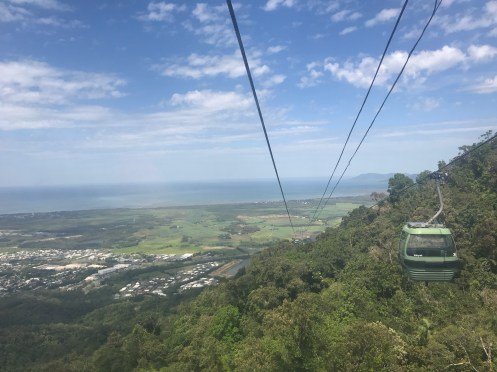
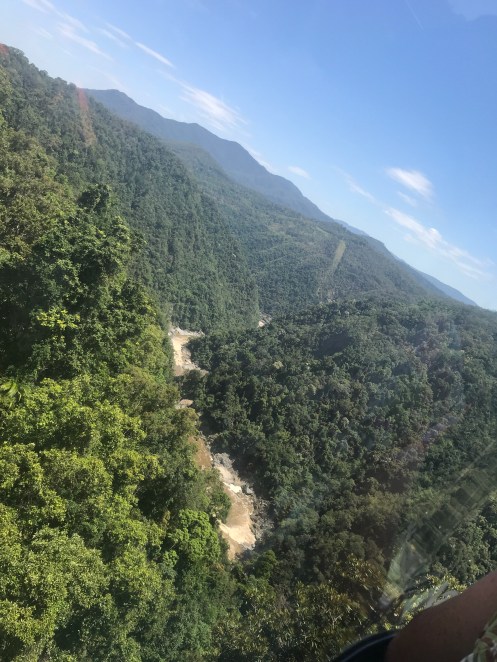
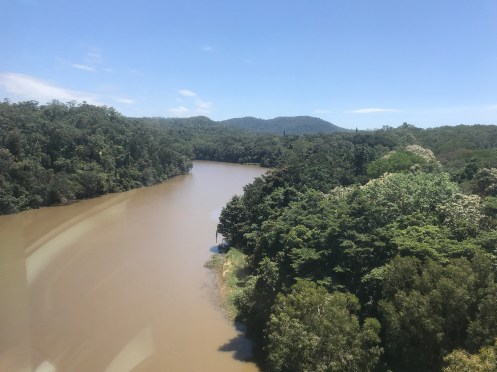
On the return trip back to Cairns, Skyrail cableway travels back down right over the rainforest canopy offering breathtaking views from a different angle.


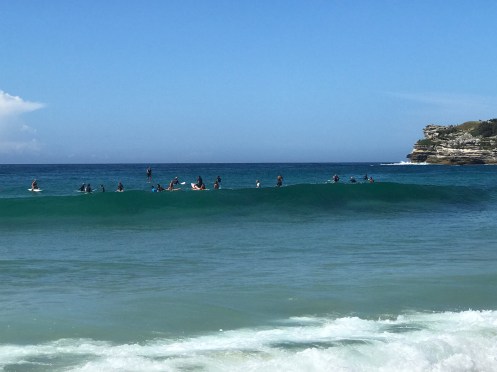
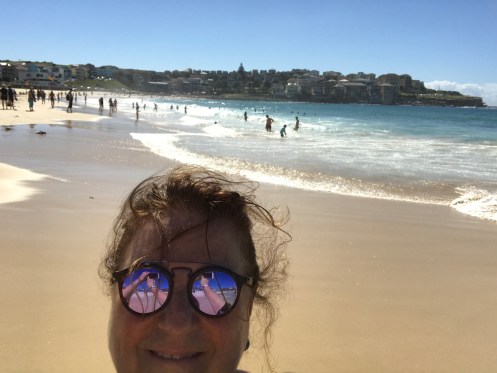
In my few days in Sydney, I have experienced sudden shifts in weather and realized the most cloudy sky still holds hope for a sunny day! A trip from Darling Harbour, Sydney, to Manly beach is a pleasant forty minute ride and one can enjoy a beach in the ferry landing cove or on the opposite side beach on the ocean.
Darling Harbour Pier 26
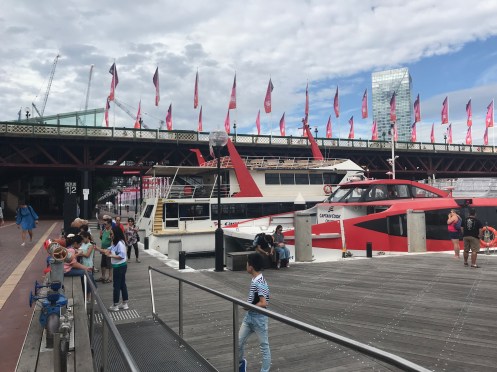
Sydney Harbour Bridge


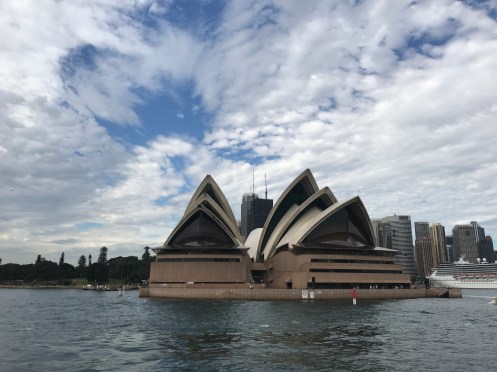
Sydney Opera House

Fort Denison
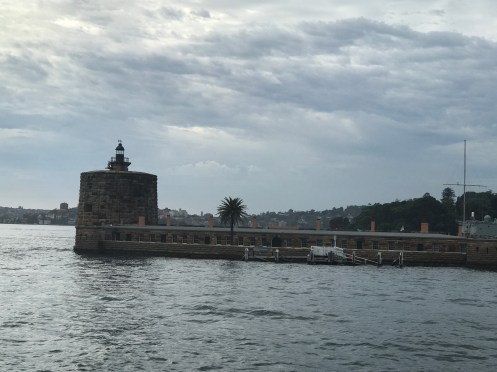
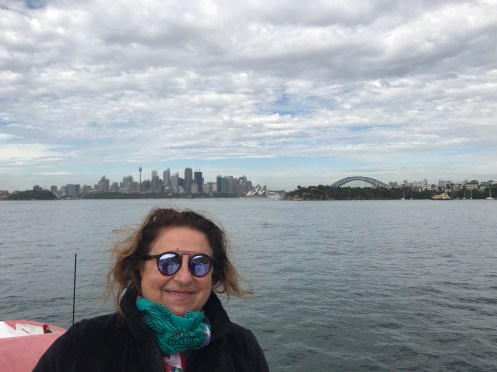
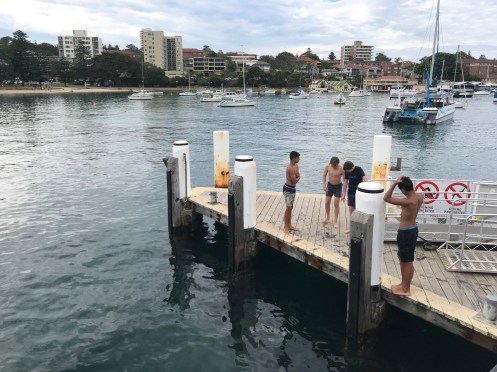
At ferry landing spot local kids enjoy diving


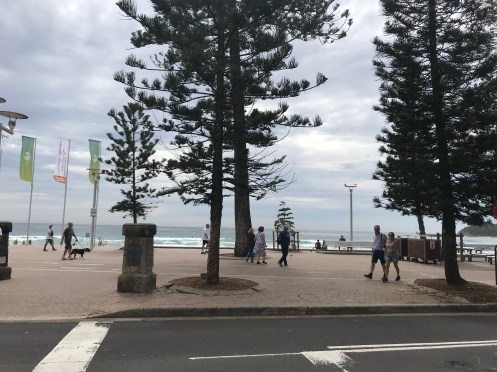
Manly Beach
Walking from beach back to ferry landing
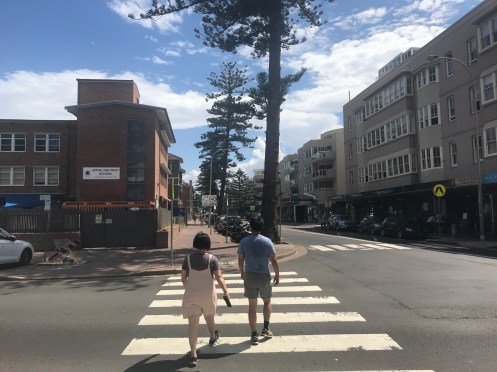


What a refreshing place on a hot summer afternoon to walk and relax in Hyde Park.
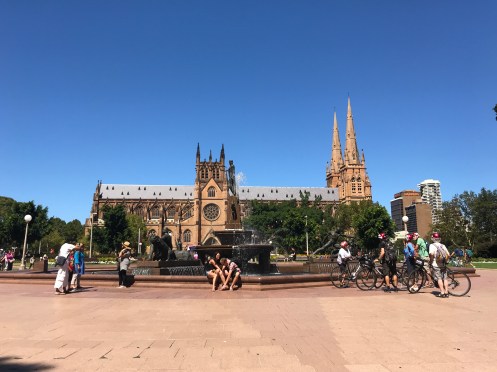
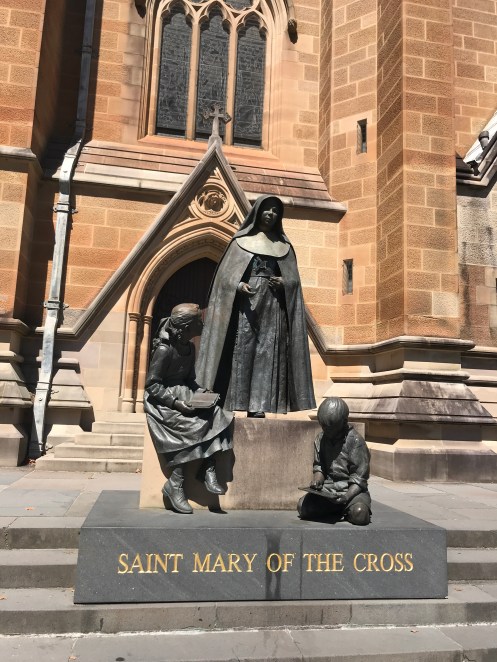
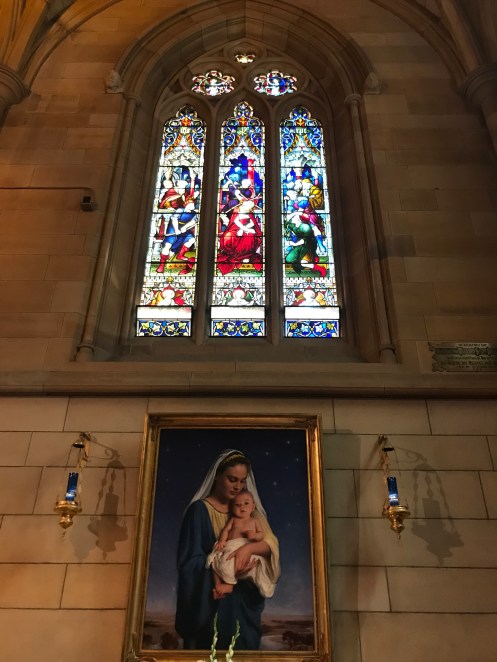
St. Mary’s Cathedral



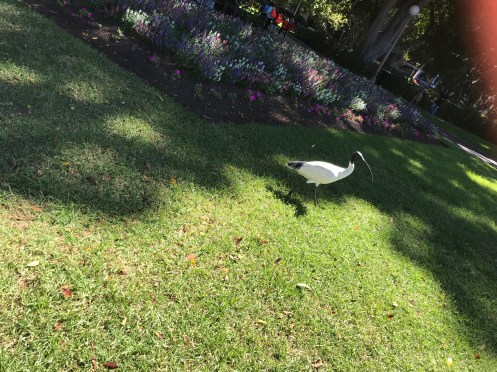
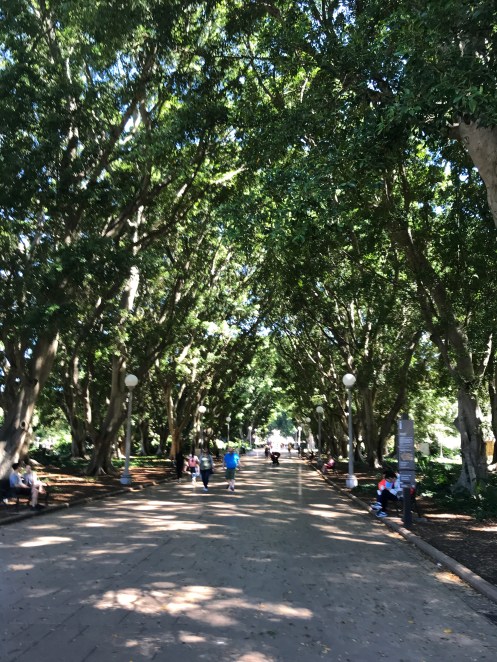
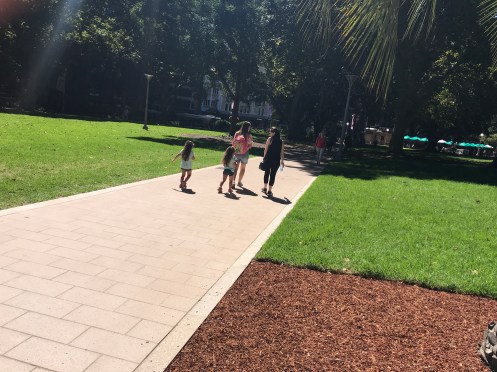
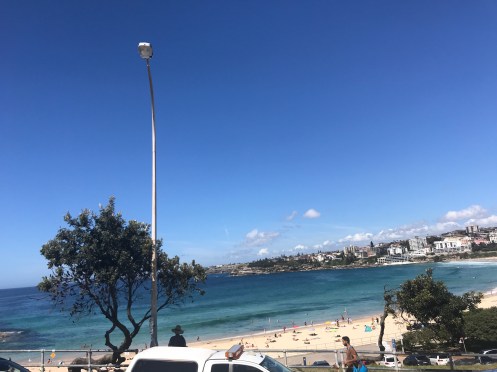
When at the beach, who needs words?



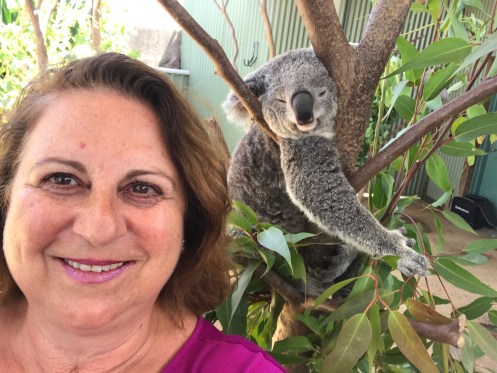
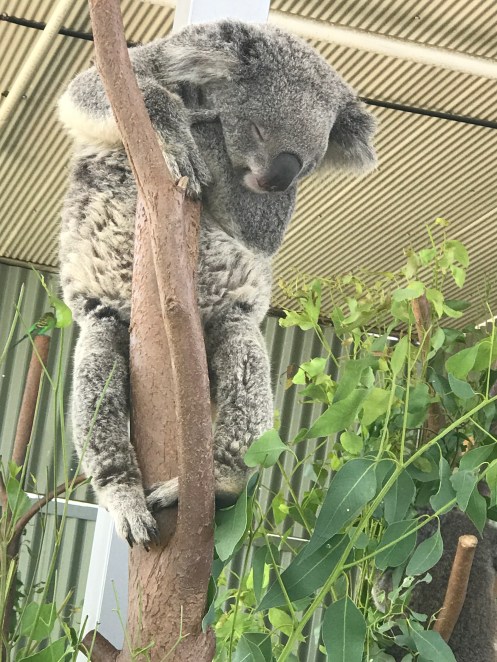
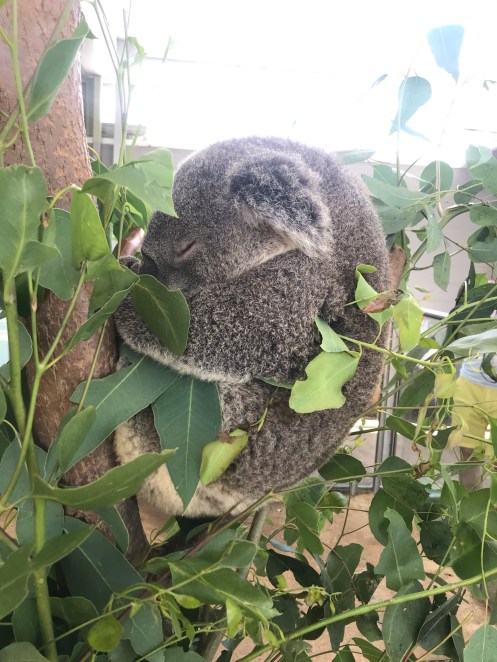
A visit to Wild Life in Sydney offers a close up look at many Australian wild life, but I was enchanted by the koalas!

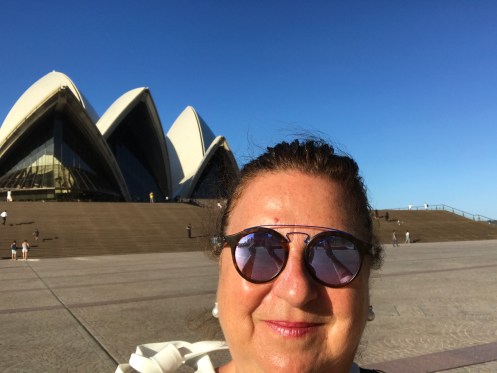
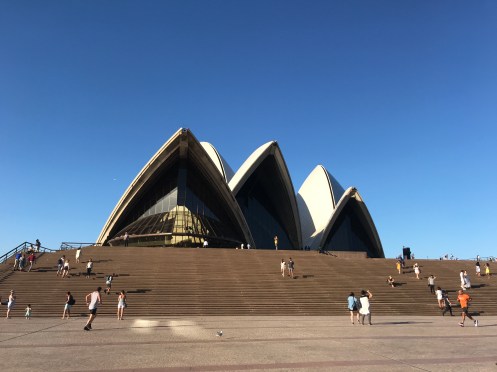
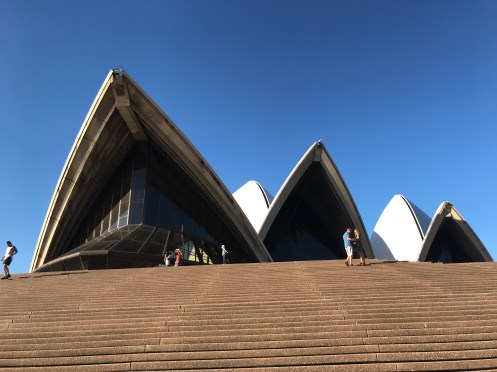
When planning my visit to Sydney, I knew that the highlight of my visit would be not only to visit the iconic Sydney Opera House, but to actually enjoy an opera performance at the Opera House. On February 7th, 2019, I did just that when I attended the performance of Turandot, by Giacomo Puccini. What an exceptional evening in Sydney!
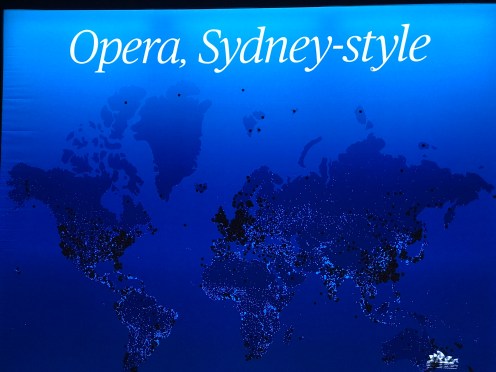
Koala stickers to mark on a world map from which locations audience comes
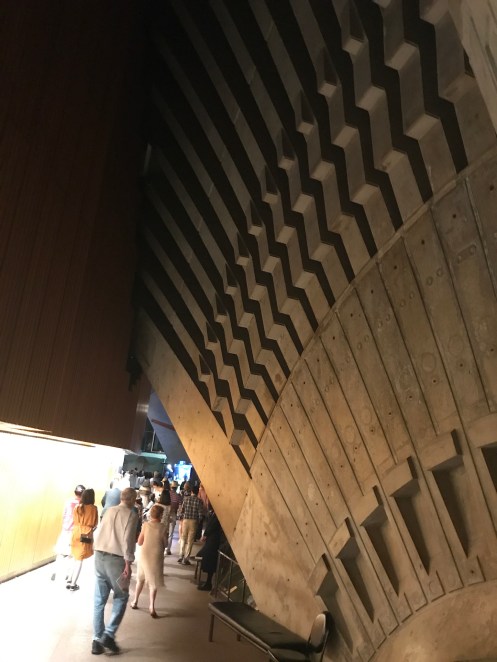
Inside the building

Artwork

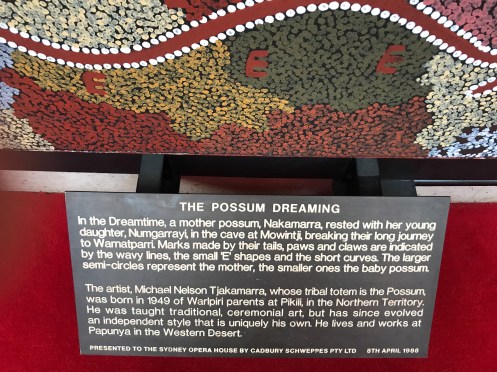
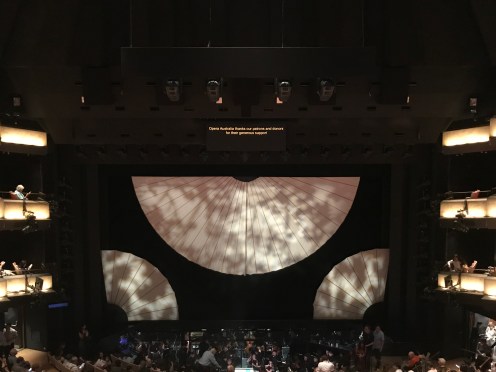
Photo of stage at performance intermission
Lights celebrating Chinese New Year – Year of the Pig- around the Opera House


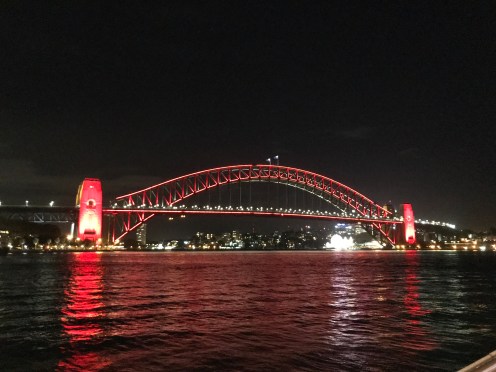

When traveling inland from the Southwestern Coast of Sicily, the Mediterranean Coast, up North to Palermo, the main Highway to travel is Highway 624. This highway can be reached from several Southern towns on the Southernwestern Coast, towns as Sciacca or Porto Palo di Menfi.
When traveling on Highway 624 one can make a stop on the way, driving slightly Eastward it is a short drive to the town of Sambuca di Sicilia. This is a pleasant drive through the countryside and when you make this trip in the Fall, you can enjoy the scenery of vineyards adorned by their Fall colors.
Vineyards on the way to Sambuca di Sicilia

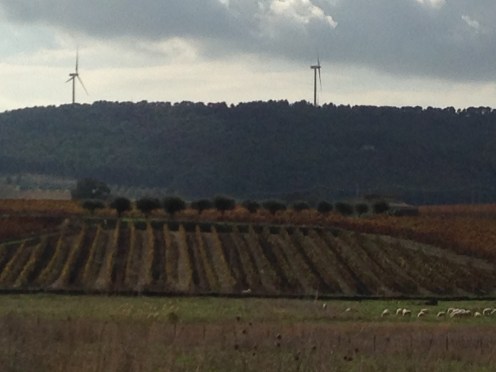
Hillside views from Sambuca

Following are just a few images captured around the city. At the entrance of Sambuca is a statue in the shape of a harp; some say it refers to the Greek musical instrument from which the town draws its name, Sambuca di Sicilia.

Typical desert of Sambuca di Sicilia, “Minni di Virgini.” A view of a section of this dessert.

Whole “Minni di Virgini” – the pastries are filled with cream, chocolate chips, candied fruit and a secret ingredient that no one will share!

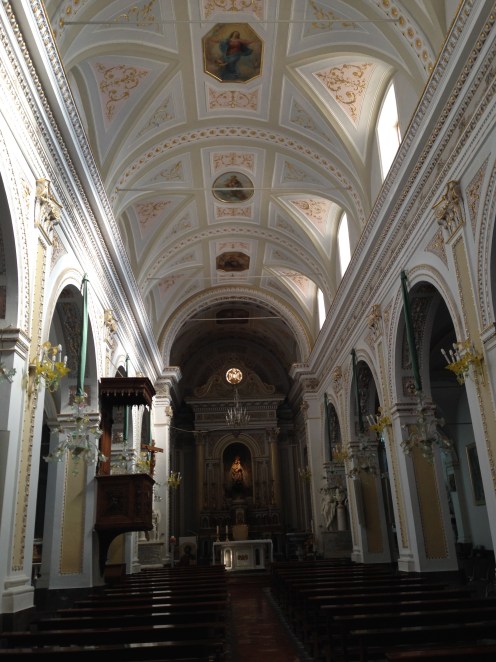
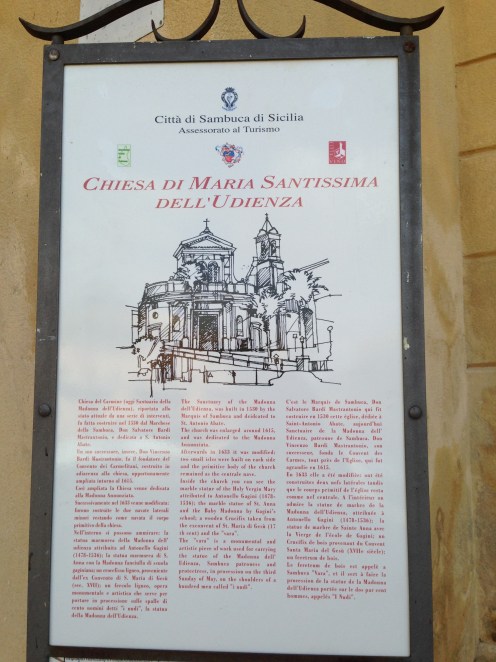
There is a food festival held each year, called la Sagra di’ “Minni di Virgini”, taking its name from these pastries. The Sagra is held on the third Sunday in May in conjunction with the celebration of the Patron of the City, Maria Santissima dell’Udienza. The Maria Santissima dell’Udienza Church is pictured below.
Main entrance

Interior of the Church
In closing, a sculpture found in Sambuca, the artwork of a Sicilian Artist from Palermo. It is the sculpture of a snail and it stands to represent the slow lifestyle of the population in Sambuca. The name of the sculpture is, Babbaluciaro, dialectal form of snail, a term often used to describe the people of Sambuca.

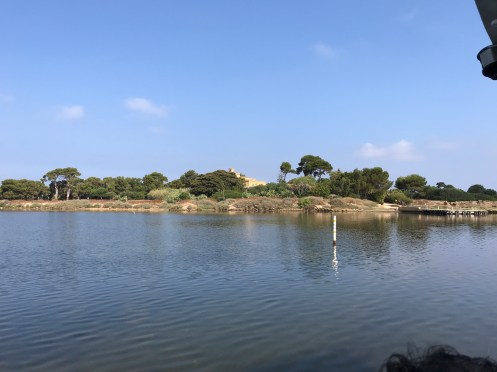
Located across from the Saline Ettore ed Inversa, Ettore and Inversa Saltworks, lies the tiny island of Mozia. Just a short boat ride from the saltworks, upon stepping on to the island you are embraced by the stillness and peaceful sounds of nature. On the day I visited, as I walked along the path leading to the Museum, there was an enchanting fluttering of butterflies taking place all around me.
In Mozia you can visit the Archeological Museum displaying artifacts recovered from the archeological sites of the island dating back to the time when the Phoenicians settled the island. After the Museum, a walk around the island offers a view of the archeological sites.
For centuries the island was in ruins and abandoned. However, in the early XX Century, the island was purchased by Giuseppe Whitaker. To paraphrase a plaque on display in one of the courtyards you walk through upon entering the island, it was thanks to Whitaker’s studies and perseverance that light was brought back to shine upon history, a history that had been silenced for centuries.
View of Mozia upon arrival by boat
Inside the museum stands the statue of the Youth of Mozia

Phoenician ceramic

On display many examples of the techniques adopted by the Phoenicians in extracting color from mollusk.

A walk around the Sacred Area of the Kothon


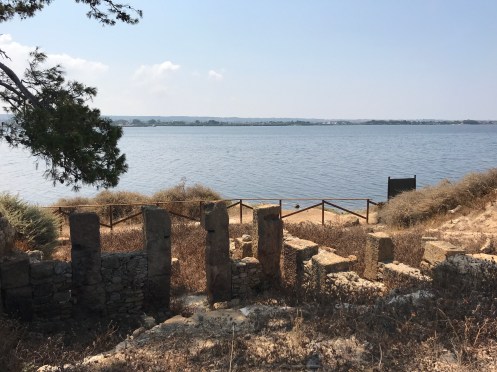
Walking around this tiny island it was the stillness that allowed me reflect and think of the volume of the history contained in these ruins.
There is just something magical about Mozia and it is certainly worth a visit when visiting the Western Coast of Sicily.
A visit to the Western Coast of Sicily takes the traveler to the coastline which lies between the towns of Marsala and Trapani. This area has been known for its tradition of extracting salt from the sea.
Just a thirty-minute drive north of Marsala, driving along the coast, one can visit the Ettore and Infersa salt work, which lies adjacent to the Riserva Naturale Orientata delle Isole dello Stagnone, Stagnone Islands Natural Reserve. In this specific location, the practice of salt extraction is still carried out manually, in the traditional manner. This traditional practice differs from the mechanized process found up the coast close to the town of Trapani. I recently visited the Ettore and Infersa salt works and enjoyed learning about the rich tradition of salt making and walking along the various ponds , “vasche”, which hold the seawater at different stages of the process of salt making.
Salt making season usually runs from the end of March to July, but climate change has had an impact on some of the practices of salt making and I learned that this year the final harvesting of salt may be delayed due to rain at unexpected times.
Each salt work facility has a curator who diligently plans the various steps to allow the seawater to enter specific ponds on the soil created by building a low levee between each pond, le “vasche”. At Ettore ed Infresca salt work the current curator is carrying on a long family tradition.
From the very first pond the seawater enters to the final one, the seawater undergoes a natural chemical process which is monitored constantly by the curator. It was interesting to learn that the traditional practice of extracting the salt manually allows the salt to maintain its iodine content thus producing whole salt. When the mechanical process is utilized in extracting the salt, the salt is depleted of its iodine and it is necessary to add iodine to the final product, which is iodized salt.
The following photos taken at the Ettore ed Infresca Salt Works near Marsala
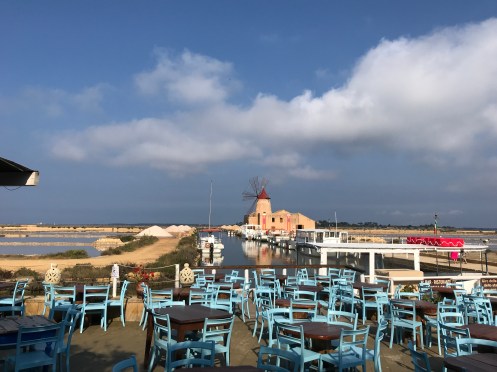
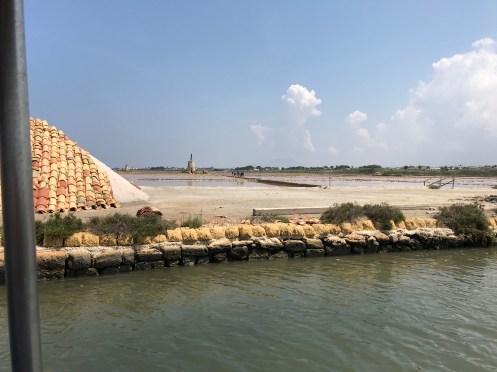
Salt mounds seen from a canal that runs between the ponds

A mound of salt from the previous season’s harvest covered with terracotta tiles for protection

More salt works ponds seen from the canal
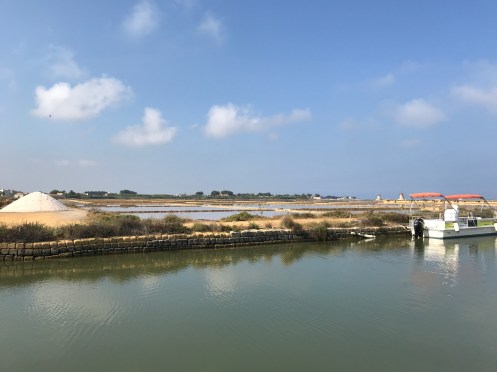
The 16th century windmill adjacent to the salt works ponds seen from the ponds
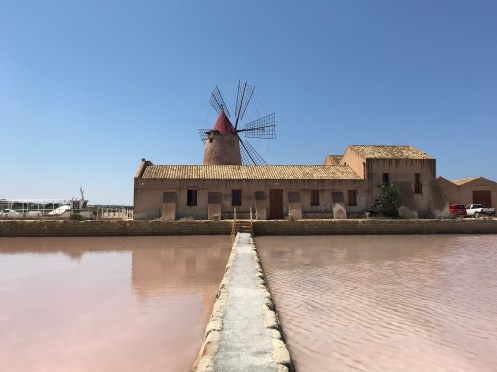
A stroll along the borders between the ponds


Inside the 16th century windmill

Salt works viewed from high above at the windmill building- terracotta tiles on ground next to salt mounds waiting to be placed on top of the salt mounds

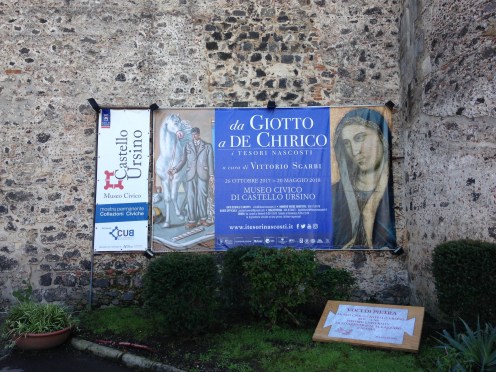
I always enjoy visiting Castello Ursino in Catania. Castello Ursino is a medieval castle built in the 13th century by the King of Sicily at that time, Frederick II from the Hohenstaufen dynasty. This castle is certainly worth visiting when traveling to Catania. Nowadays, the Castle is a museum holding permanent exhibits as well as periodic ones. One of the exhibits currently on display, running from October 2017 to May 2018 is entitled da Giotto a De Chirico – I tesori nascosti – from Giotto to De Chirico – The Hidden Treasures, curated by Antonio Sgarbi. There are audio guides available that I strongly recommend listening to while visiting the exhibit.
Listening to the audio guides of this exhibit one learns that the works of art on display come from a variety of sources and do not follow one specific theme or one specific school of thought. These works come from private collections, foundations and have not been on public display before this time.
Upon entering the exhibit, one finds the two sculptures of heads seen below which date back to the thirteenth century. They have come from the Imperial Palace in Foligno. The sculptures were carried out by a sculptor from the Frederick II era and they present a comparison between ancient art and Roman art. They have been called the first Italian faces.

There are many exceptional works of art to enjoy in the exhibit, although I shall mention only a few in this post.
Below is a portrait of the Madonna by Giotto; Giotto created this painting at the beginning of his career.

I giganti assaltano l’Olimpo – The Giants assail Olympus. Work by Giuseppe Cesari who was the teacher of the world famous painter, Caravaggio.

Maddalena addolorata- Heartbroken Magdalen by Michelangelo Merisi known as Caravaggio; through his style, Caravaggio presented the human side of his subjects.

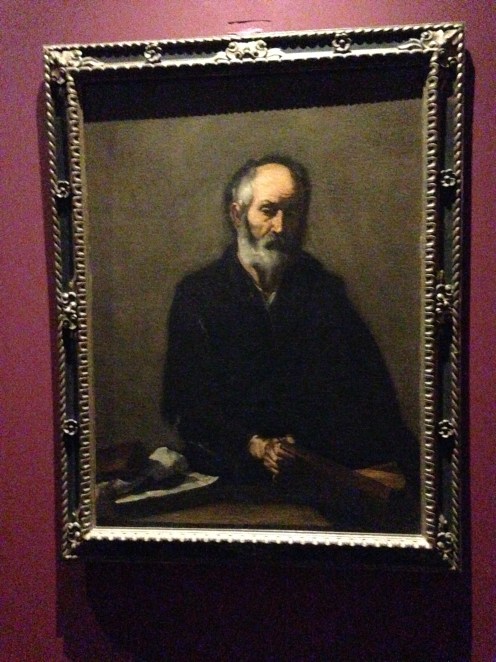
The painting below is Platone, Plato; the painter is Jusepe De Ribera. The painting was originally owned by a Jewish family, but as no family member claimed the work of art after WWII, fifty years later the painting was sold at an auction in Austria.
Ritratti dei Principini Marescotti di Parrano (Allegoria dei cinque sensi) – Portraits of the Marescotti di Parrano by Sebastiano Ceccarini, XVIII century. Each of the subjects in the painting represent one of the five senses by what they are doing but their characterization stands to represent the power of a lavish lifestyle.

Below, Allegoria dell’Inverno by Gusto Le Court – Allegory of Winter. While viewing this sculpture and listening to the description of each element of the work that represents its theme, Winter, one can feel mesmerized by the superb work. I was!
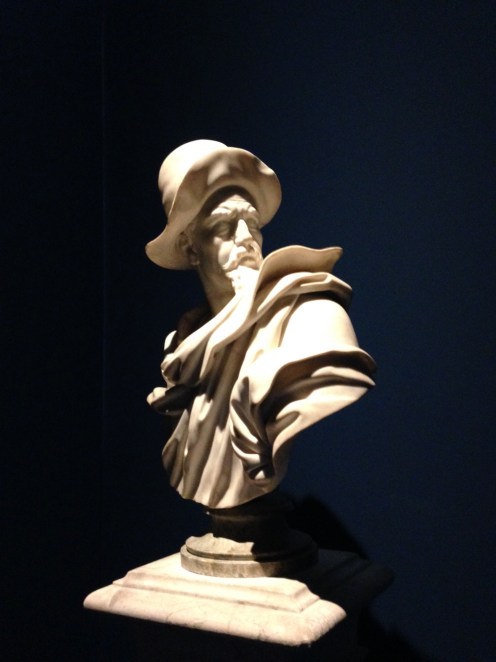
Antonio Ligabue – Autoritratto – Self Portrait

Giorgio De Chirico – I Bagni Misteriosi – The Mysterious Baths
De Chirico told that the idea for this painting came to him while he was observing a man walking in front of him on marble floors that had been waxed and were very shiny. The reflection on the floors made the author think of a pool in which he could just get lost. The painting presents symbols of childhood, classical times, ancient ruins, and skyscrapers in NY.

I would recommend allowing several hours to visit the Castello Ursino and its exhibits. I did and enjoyed every moment!
November 2nd is the day in which Italians remember all who are deceased. However, over the years, the tradition has not been the same in Sicily as in the rest of Italy. In Italy, November 2nd is La Commemorazione dei Defunti, Commemoration of the Deceased. In Sicily November 2nd is the Feast of the Dead, A Festa ri Morti.
In the Sicilian tradition, the Feast of the Dead has been the day in which deceased family members return to bring gifts to the children in the family. On the night of November 1st, children would place baskets under their beds before going to bed. The children believed that during the night the deceased family members would come to their home and leave gifts for them. The gifts as toys were hidden around the house so on the morning of November 2nd the children would search for the gifts in a treasure hunt.
The baskets that had been placed under the beds on the night of November 1st were found in the morning filled with the traditional sweets. The children believed their loved ones who had passed on had come during the night and left all those goods for them. Then, on November 2nd, the tradition was for the children to join their parents in visiting the graves of the relatives who had brought them the gifts to thank them. It is clear that although many families carry out the traditional practices some of the true essence of the festivity has gone lost.
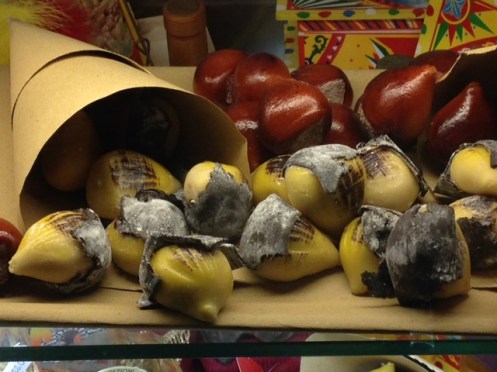
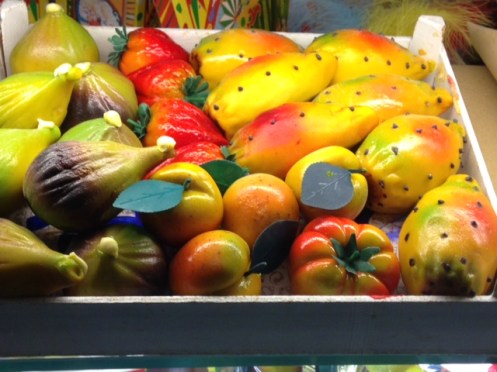
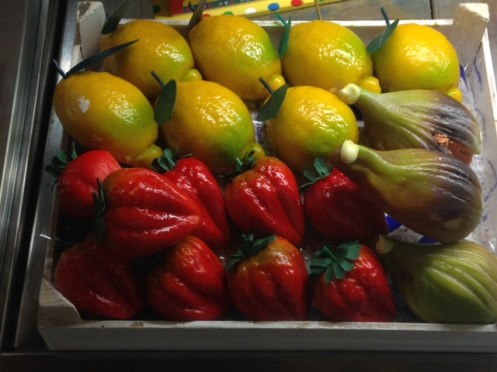
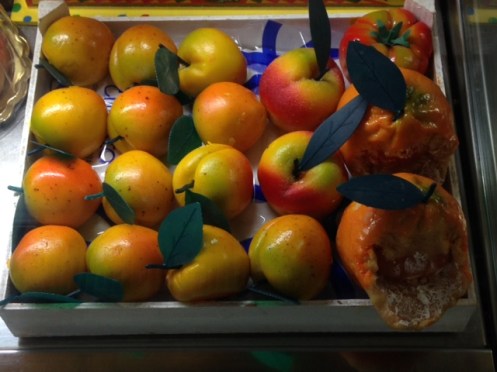
The traditional sweets of the Feast of the Dead in Sicily were i pupi, figurines made of a mixture of water and sugar, pasta martorana, marzipan made into the shape and colors of a variety of fruits and nuts, and the cookies known as crozza ri morti, bones of the dead, a sugar biscuit with a white topping.
Photo below shows traditional marzipan representing chestnuts, both raw and roasted
Marzipan fruit representing figs, strawberries, apricots, a tomato and prickly pears
Marzipan lemons, strawberries and figs
More marzipan
Crozza ri morti – ossa di morti

 Sicily & MORE Explored by Rosanna