
Carob tree
Driving across the Iblei Monutains, in the southern part of Sicily around Chiaramonte Gulfi, off the beaten path, and through country roads, I stopped to visit Renate at her property of four hectares. I had met Renate at Cava d’Ispica and was looking forward to visiting her at her home in the countryside. Truly immersed in nature, she lives and runs CaseCaroCarrubo (name derived from the carob tree adorning the entrance to the property). CaseCaroCarrubo lies in the municipality of Ragusa, close to Comiso and 30 km from the Mediterranean coast. Twenty years ago this land was one of the many which had been abandoned as the locals had emigrated to seek work elsewhere. Renate, a German from the Black Forrest area, moved to this location -her plan was to bring it this land back to life and she has accomplished her dream.
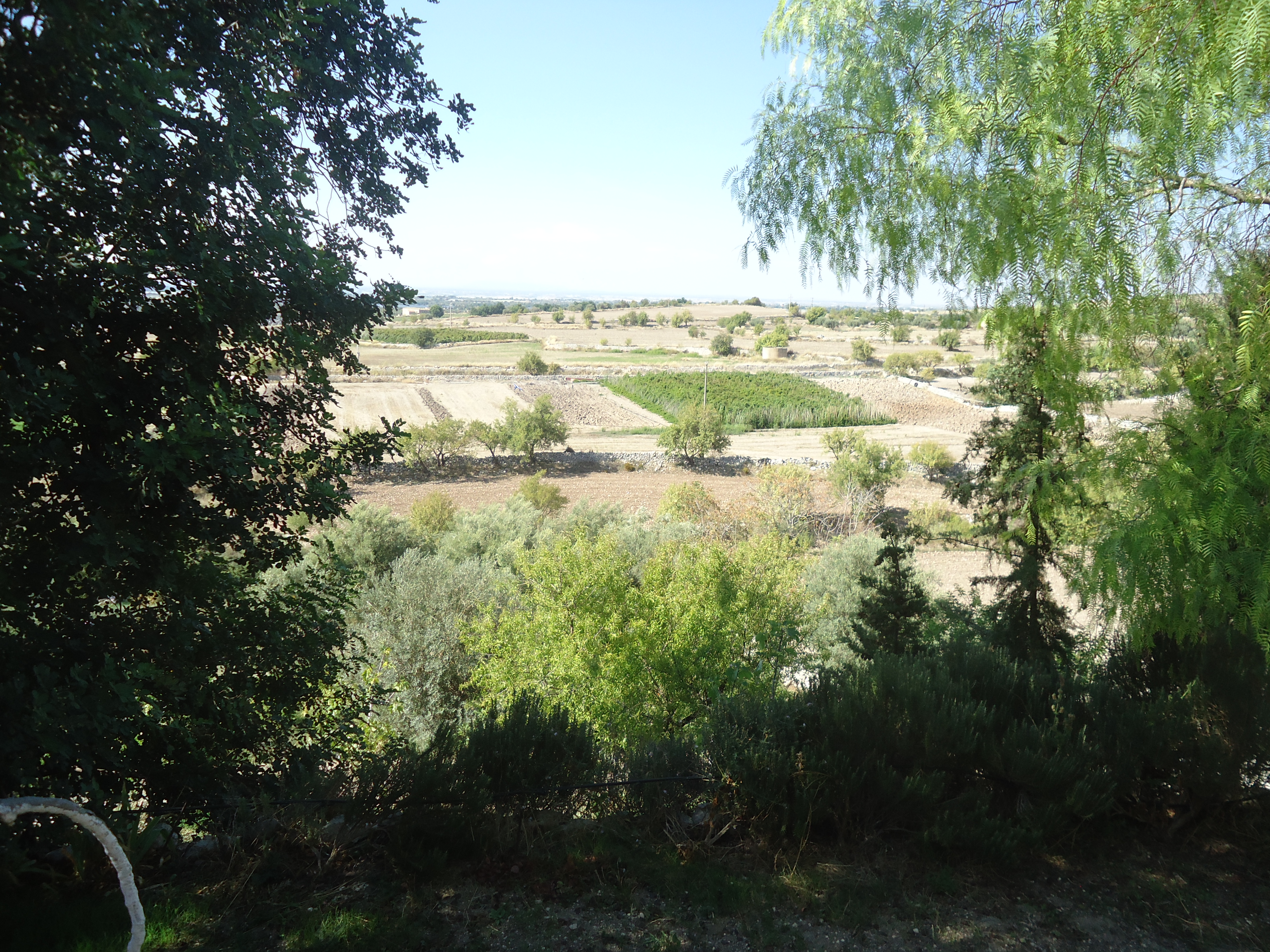
Over the last twenty years, 1000 trees and bushes have been planted on her property. Furthermore, the original almond trees and olive groves have been brought back to life. This green “oasis” lies surrounded by bare hills that reach as far as one can see. The original country cottages have been refurbished. One is an independent guest house, composed of a single room with a loft, a bathroom and a terrace with a beautiful view. The other is Renate’s residence. Here Renate offers sustainable tourism, in the respect of nature. She uses only renewable energy with electrical energy provided by solar panels and hot water provided by solar power. Heating is provided by a wood stove. One can find information on the property at www.carocarrubo.org
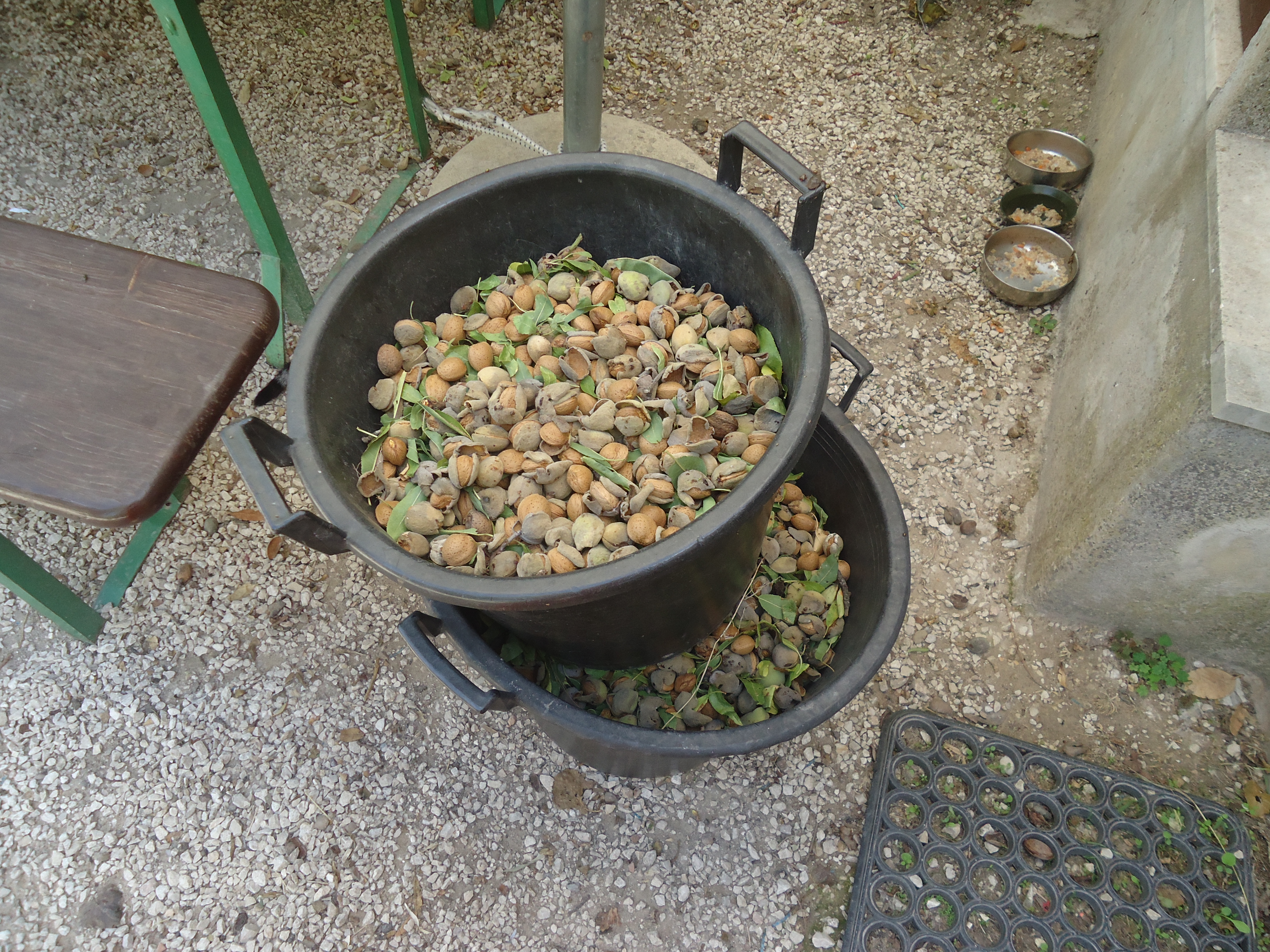
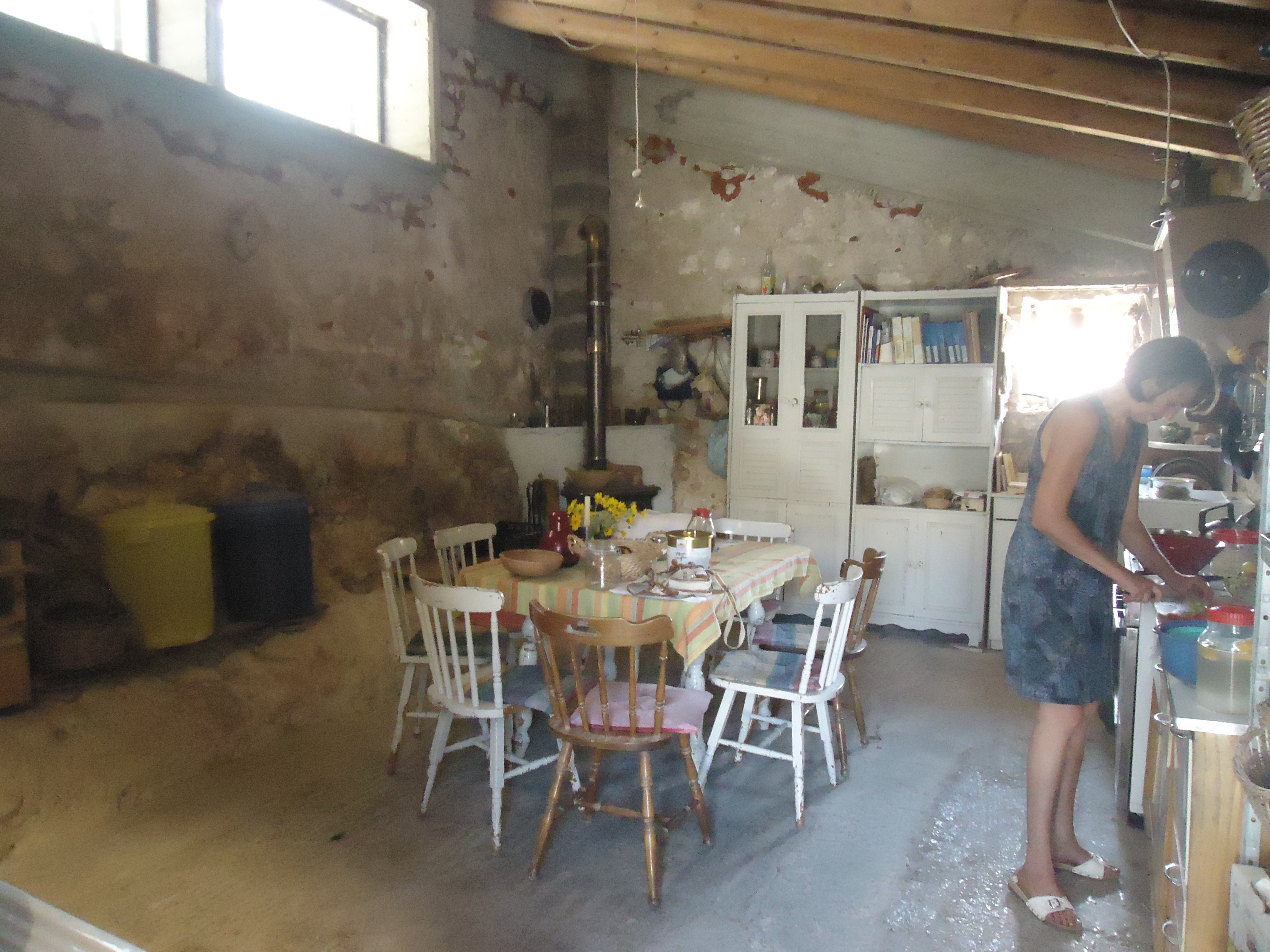
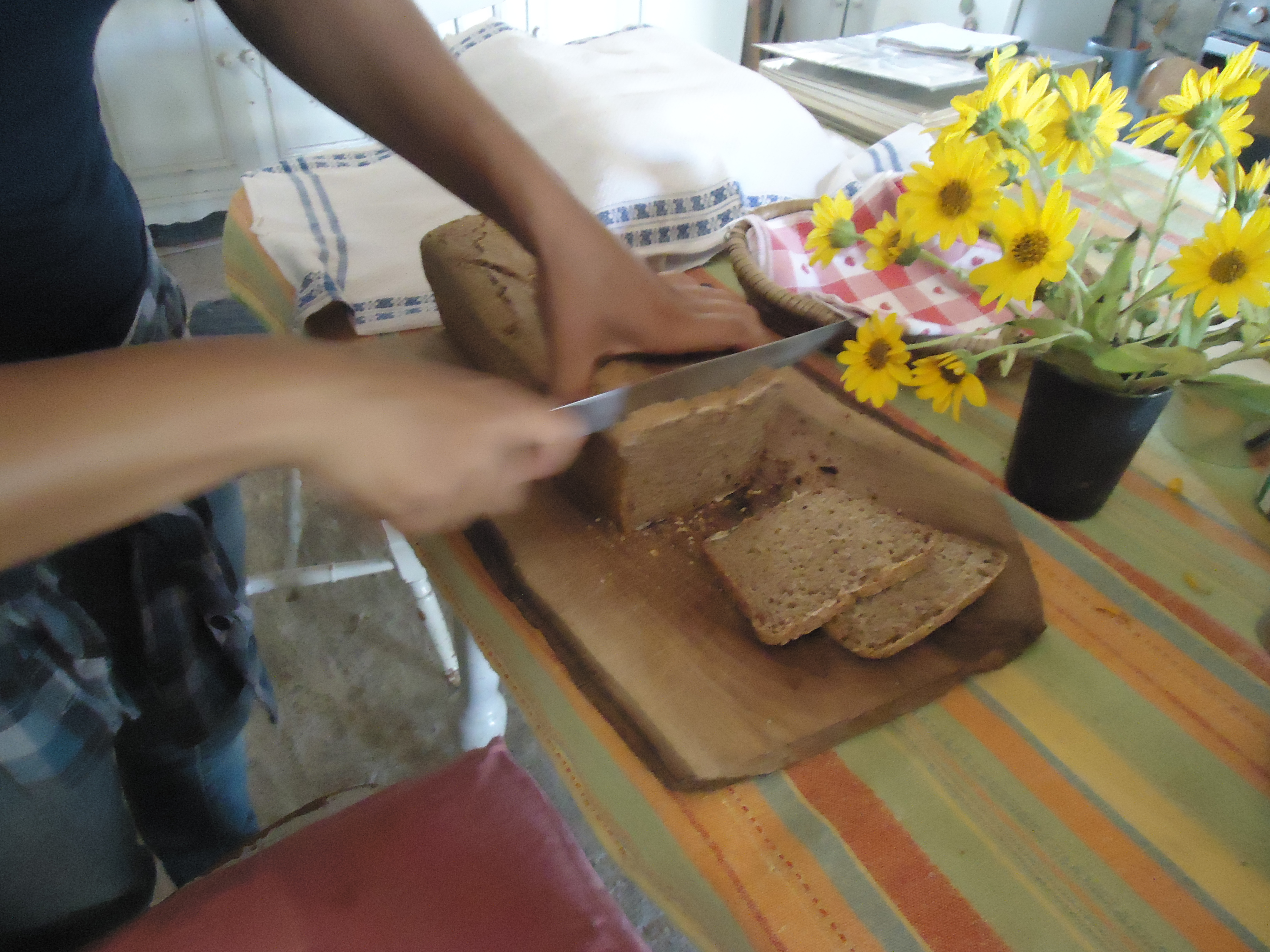
The day I visited, in September, it was almond picking time; I met a young Woofer from Brazil as she returned for lunch after picking almonds. Renate had been busy preparing a lunch made exclusively with produce from her vegetable garden and home backed bread and cake.
Fabulous Freshly Picked Almonds
Renate’s Kitchen
Bread had just been baked
Homemade Taralli

Upon my arrival, we all sat down for lunch and talked about the history of CaseCaroCarrubbo. There is no doubt Renate takes great pride in the work she has carried out and still carries out; CaseCaroCarrubbo is interwoven with her personality. We enjoyed looking at the photos which offered step by step evidence of the way the property had developed over time and I read the guest books and the many comments made by her guests.
Renate in front of her Guesthouse

Renate is also an artist. I saw some of her paintings and a book displaying examples of her work over the years. She has adapted to circumstance and now also makes many crafts, which she also sells at the local markets. Finally, she offers courses on introduction to painting, Italian language and Sicilian cuisine at her home.
In closing,I would like to quote Renate, “Fire, water, air and earth: these are the basic elements of life. However, nowadays, especially in the city, it is difficult to keep in touch with these elements. Case Caro Carrubo is full of this richness and we are more than happy to share these with all of our guests. Above all, we like to offer these basic experiences to the children. The space that surrounds us, without the dangers of roads and cars, is vast and invites exploration.”

Quetzal is a Fair trade Cooperative established in 1995 to promote fair trade. The cooperative was born with ties to female cloth weavers in Guatemala and as it imported these cloths it took the name Quetzal, from the quetzal parrot, a symbol of that country. I recently visited their chocolate workshop in Modica, talked to one of its founders, Sara, and saw the chocolate makers at work. The Sicilian town of Modica has had a long standing tradition of chocolate making and it is a chocolate with its own characteristics.
In 1998, following a trip made by some Quetzal Cooperative members to Ecuador, they started importing the cocoa mass. At first, the cooperative had started importing the raw materials to make chocolate for domestic production by its members, who would buy their raw materials from these countries instead of the traditional network of the local pastry shops. However, at a later time, the Quetzal members decided to start making the chocolate for other fair trade shops in their network of shops in Italy, a consortium or network of cooperatives operating in fair trade. So, in 2004, this chocolate making facility was started thanks to a loan through Banca Etica and Quetzal started producing chocolate for the cooperatives.
As Sara stated, for them, chocolate is an excuse to talk with other people about globalization and economic relations with fair trade producers in the third world countries. Quetzal carries out its work through presentations at schools, meetings with fair trade shops all around Italy and by publishing books such as Pane e Cioccolato, a chocolate cookbook. Furthermore, this work offers them an excuse to build relationships that are important to the members of Quetzal, such as with the Sicilian manna producer, Giulio Gelardi, who is one of the few manna producers in Sicily.
Modica chocolate and Quetzal chocolate, as it belongs to this town, are an example of the authentic Aztec chocolate recipe. This recipe arrived in Modica in the 17th century through the Spanish, as Sicily was in the Spanish kingdom. The recipe is the same as the one utilized to make chocolate that one can find at the Central American indigenous markets. Only in Modica is the chocolate still made this way, as in other parts of Italy and Europe the process has changed into chocolate as we know it today.
So what are the particular characteristics of Modica chocolate? It is made with cocoa mass, manna, sugar and spices at a very low temperature. The technique adopted is Bain Mari, using a double boiler. The process is simple and the important element is the quality of the raw materials; it is fundamental that the raw materials be of excellent quality as the flavor of each ingredient comes through. There is no adding of ingredients that could cover the taste of any ingredients that might not be at the best of their quality. Some people who may have chocolate allergies may find that they can eat this chocolate with no problem due to the absence of ingredients such as lecithin or milk.
In understanding the composition of the cocoa bean, one must know that it is made up of 50% fat (cocoa butter) and 50% dry, cocoa powder. In the Modica chocolate, only the proportions contained in the bean are used. Other types of chocolates can contain more than 50% fat and still be called chocolate as the rules and regulations of many countries allow this, even with added fat that is not cocoa butter.
Consequently, Modica chocolate contains less fat when compared to other chocolates. Another difference between Modica chocolate and other chocolate is that in other types of chocolate interventions are made that contribute to making it creamier. The composition of the Modica chocolate explains the “gritty” texture as sugar doesn’t melt completely at the temperatures utilized in this chocolate production.
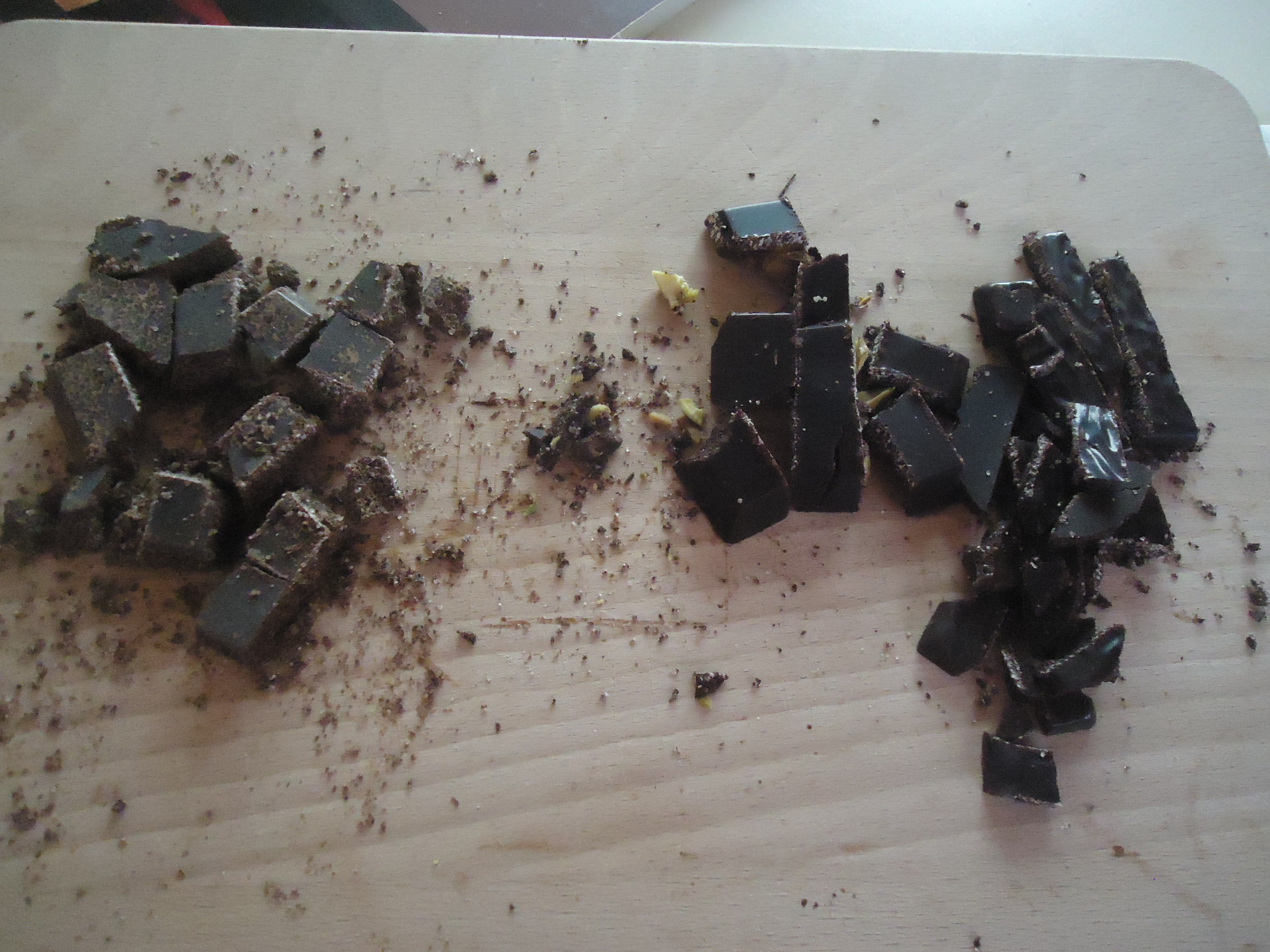
The picture above shows the Modica chocolate in its appearance at different times after its production. To the right hand side is chocolate that is shiny and has just been made, while the chocolate to the left has a different color, and looks dry. However, it is not bad, but this is how it looks after about two days from production. The Modica chocolate looks dry because it doesn’t undergo the “temperaggio” process, used on other chocolates, in which the chocolate undergoes a rapid drop in temperature and then the temperature is brought back to normal with the purpose of stabilizing the product.
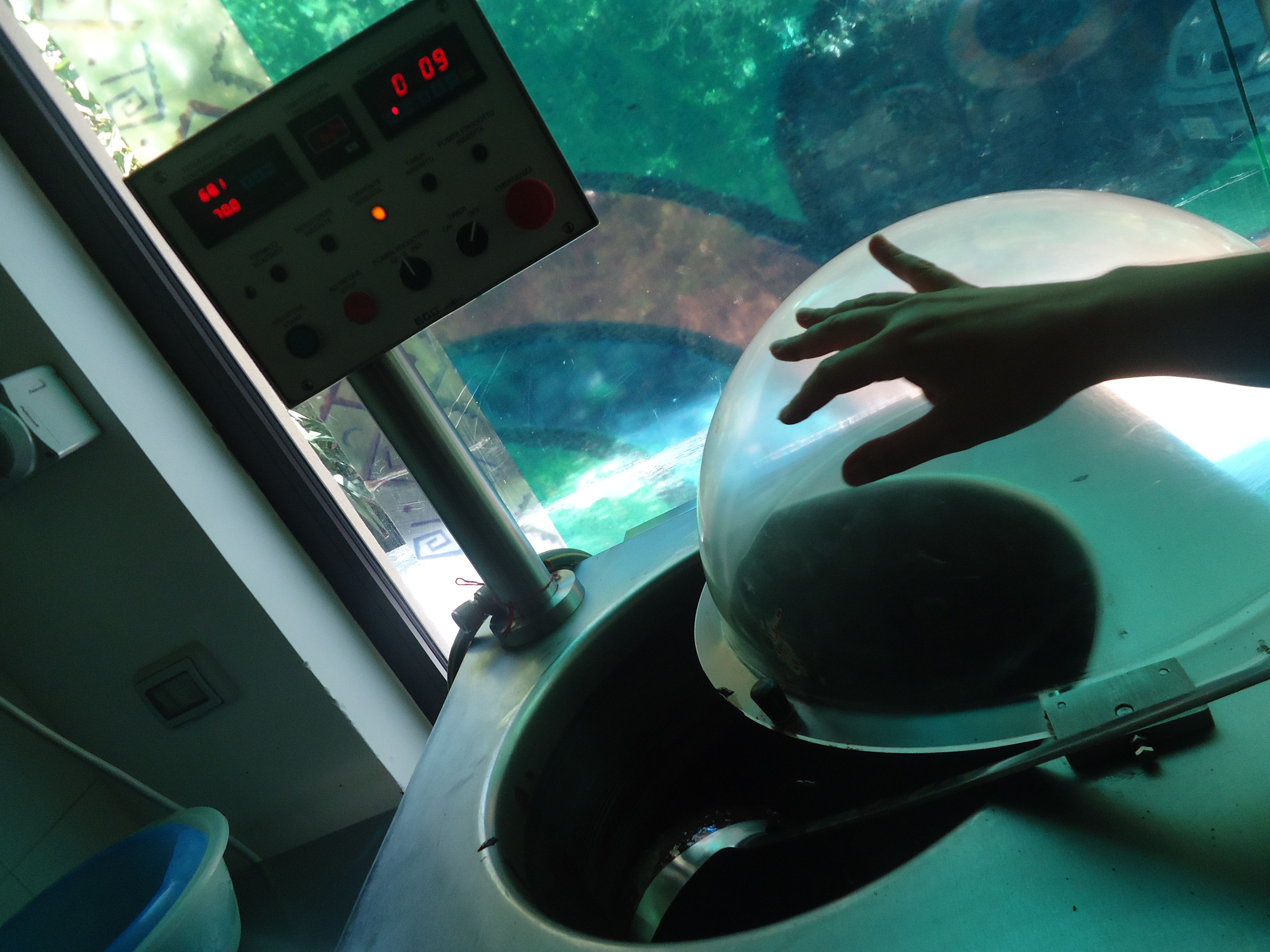
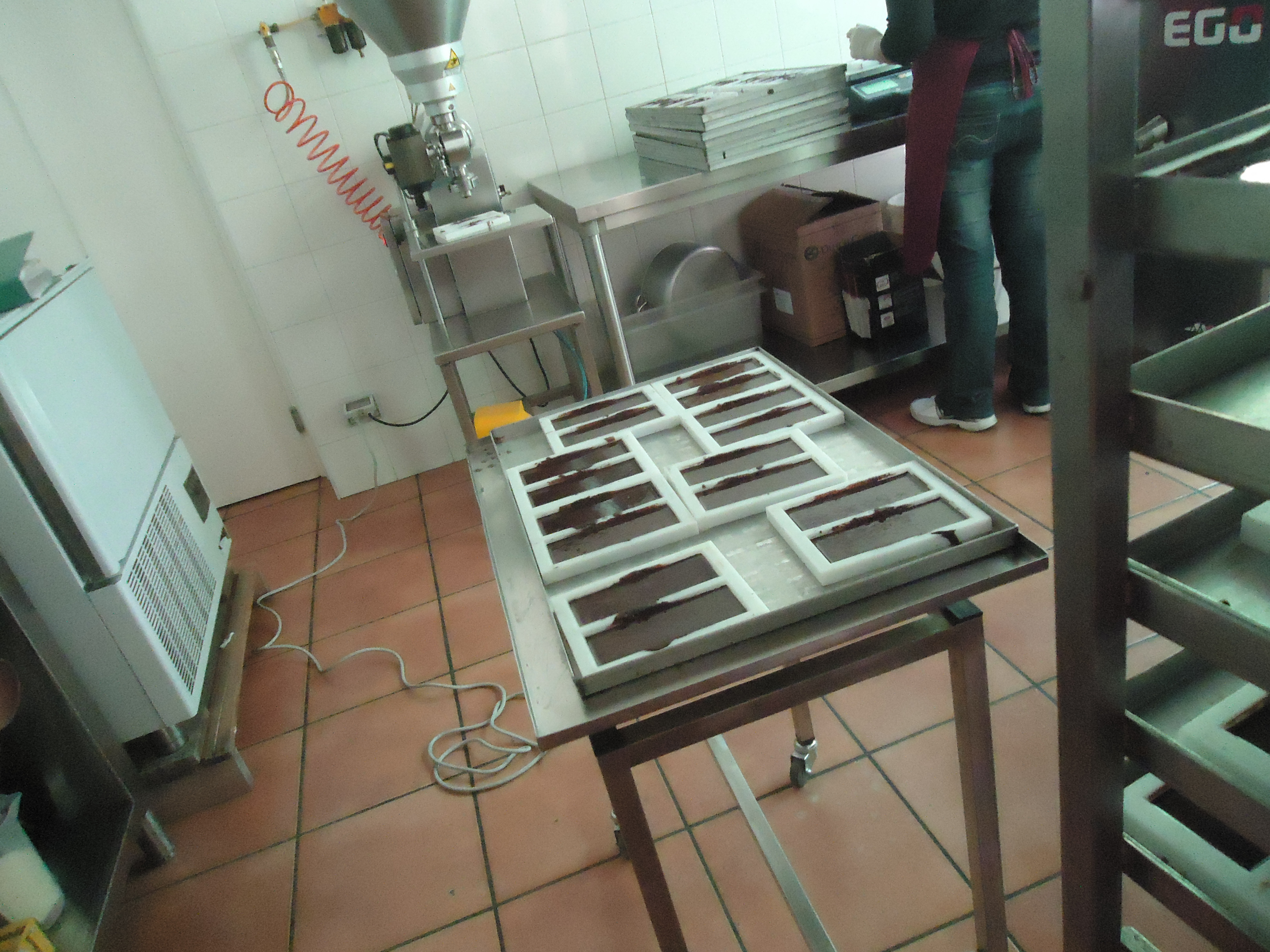
Chocolate production at the Quetzal workshop

Following the cooperative’s philosophy, the production of hazelnut chocolate came as a result of supporting the rebirth of hazelnut production in the Polizzi area in Sicily. The hazelnut production had died down as there had been problems in the area tied to water acquisition. The local population had been acquiring their water by purchasing it and having it delivered by trucks, even though there was water to be had in the area, but other entities had illegally taken charge of the water supply system. However, about eight years ago, the municipality of Polizzi was able to take charge of the water supplies. Consequently, the water is now canalized for proper use and acquisition and to support the cause Quetzal purchases the hazelnuts form the Polizzi area to utilize them in its chocolate. The relationship with the town of Polizzi has also lead to an exchange of services through which groups from Polizzi come to the chocolate facility in Modica to visit it, as part of a sustainable tourism project.
A variety of spices are also used in the chocolate production as Quetzal makes chocolate with red pepper, chili, salt, and cinnamon. Salt is acquired from the Riserva Naturale Orientata of the salt pan in Trapani, managed by the WWF, another example of relationships built through chocolate. Other ingredients utilized in the chocolate are lemon, orange, coffee, pistachio, and almonds. Quetzal chocolate utilizes no essence, adding only lemon and orange zest, which is dried and ground before being added to the chocolate. All the other raw materials utilized here, such as the spices and the coffee, are also ground right here in the chocolate workshop.
Quetzal takes pride in naming the producers of their raw materials.
Cocoa mass from a coop in Fortalesa del Valle, Ecuador;
Three types of raw sugar cane are utilized:
Coop Manduvira’, Paraguay, main cane sugar (very refined). Thanks to their relationship with the Italian Fair Trade network, AltroMercato, the Manduriva’ coop sugar cane peasants who had sold only to large factories, are now working on a project to own their own factory. They form a small coop of 100 peasants, creating their own network of sales and allowing other peasants to become part of this project.
Copropap Ecuador (not as refined);
PFTC Philippines (very, very, raw sugar cane); Quetzal members visited PFTC and saw the simple processing workshop of the coop. The peasants bring their sugar cane to the facility where it is squeezed. The juice obtained is boiled and then placed in large, cold metal tanks and by shaking it manually, it is crystallized. This sugar cane is very aromatic as it is rich in fiber and mineral salts, whereas refined sugar has no fragrance.
The spices utilized at Quetzal come from PODIE Coop, in Sri Lanka, and the coffee from UCIRI Coop, in Mexico.
Finally, the lemon, manna and hazelnuts utilized come from Sicilian organic producers, whereas the almonds and pistachios are Sicilian, but not organic.
After leaving the workshop, I walked to the AltroMondo shop close-by, where I could see all the products for sale and buy my own bars of chocolate to enjoy at home.
In closing, Sara mentioned they offer, on a regular basis, tours of the chocolate making facility and also trips to the surrounding areas. Sara speaks English well, so anyone interested can contact Sara directly at saroesara@gmail.com
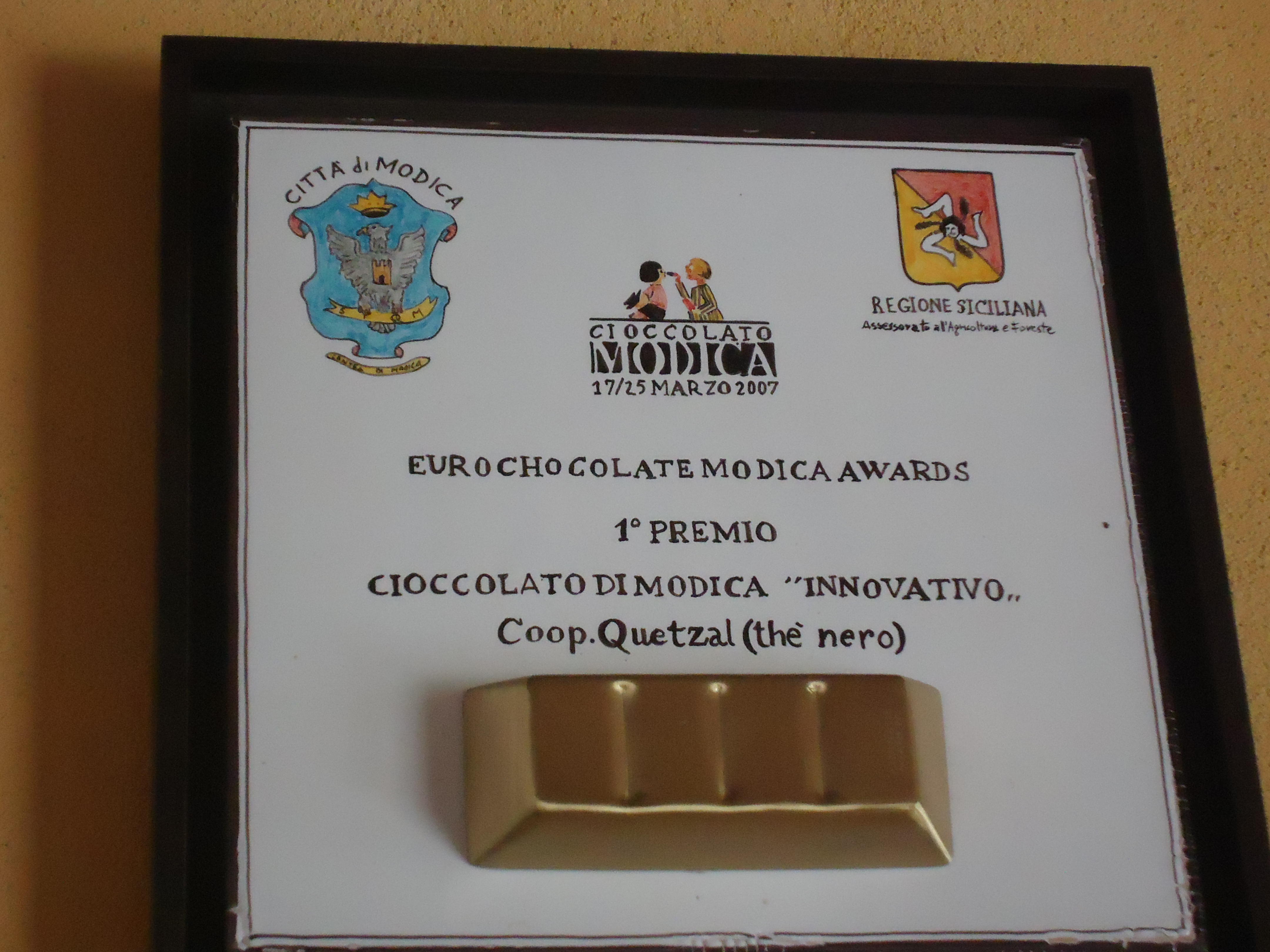
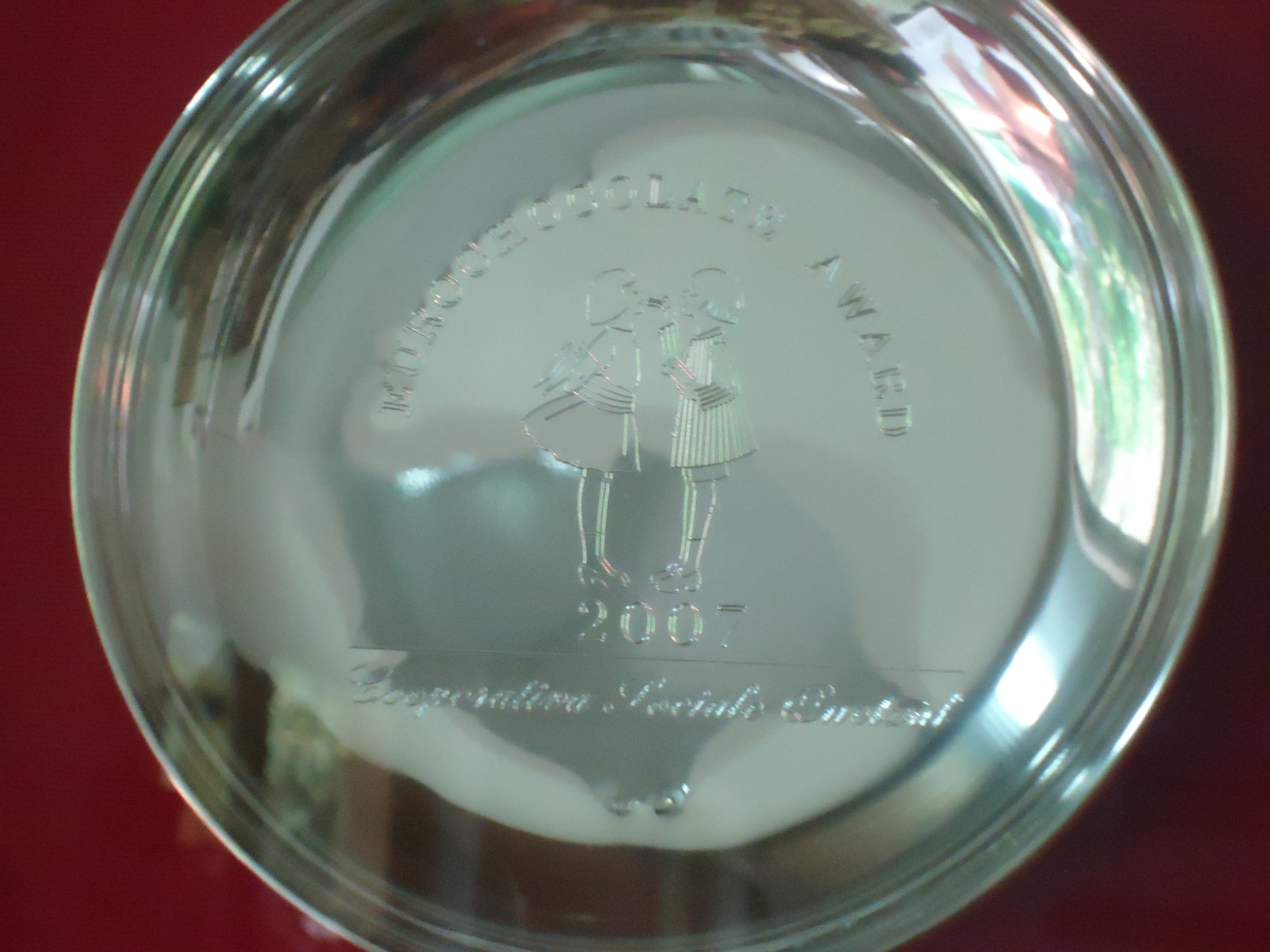
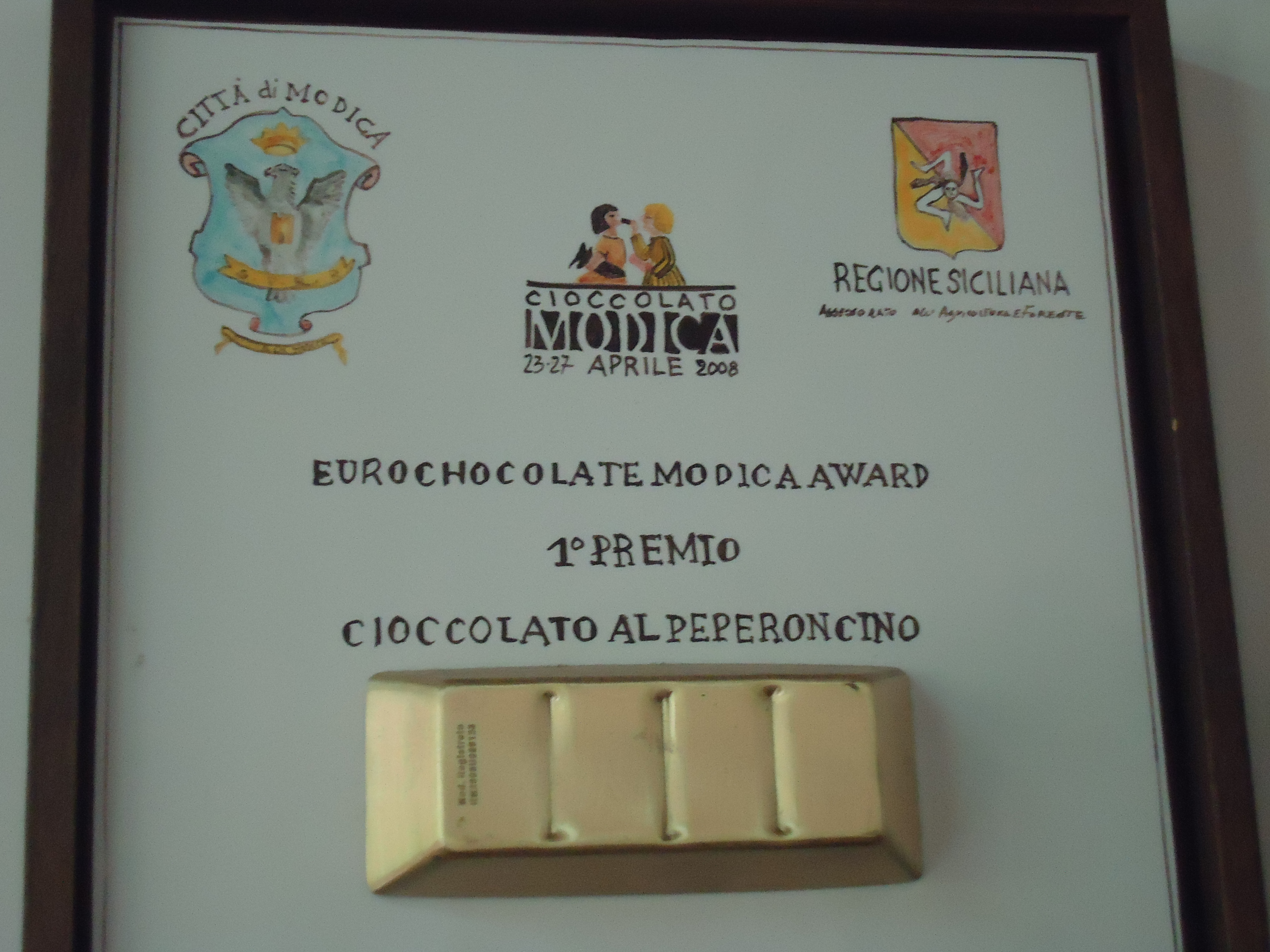
Awards Received by Quetzal
Pane e Cioccolato – Written by Peppe Barone and Sara Ongaro


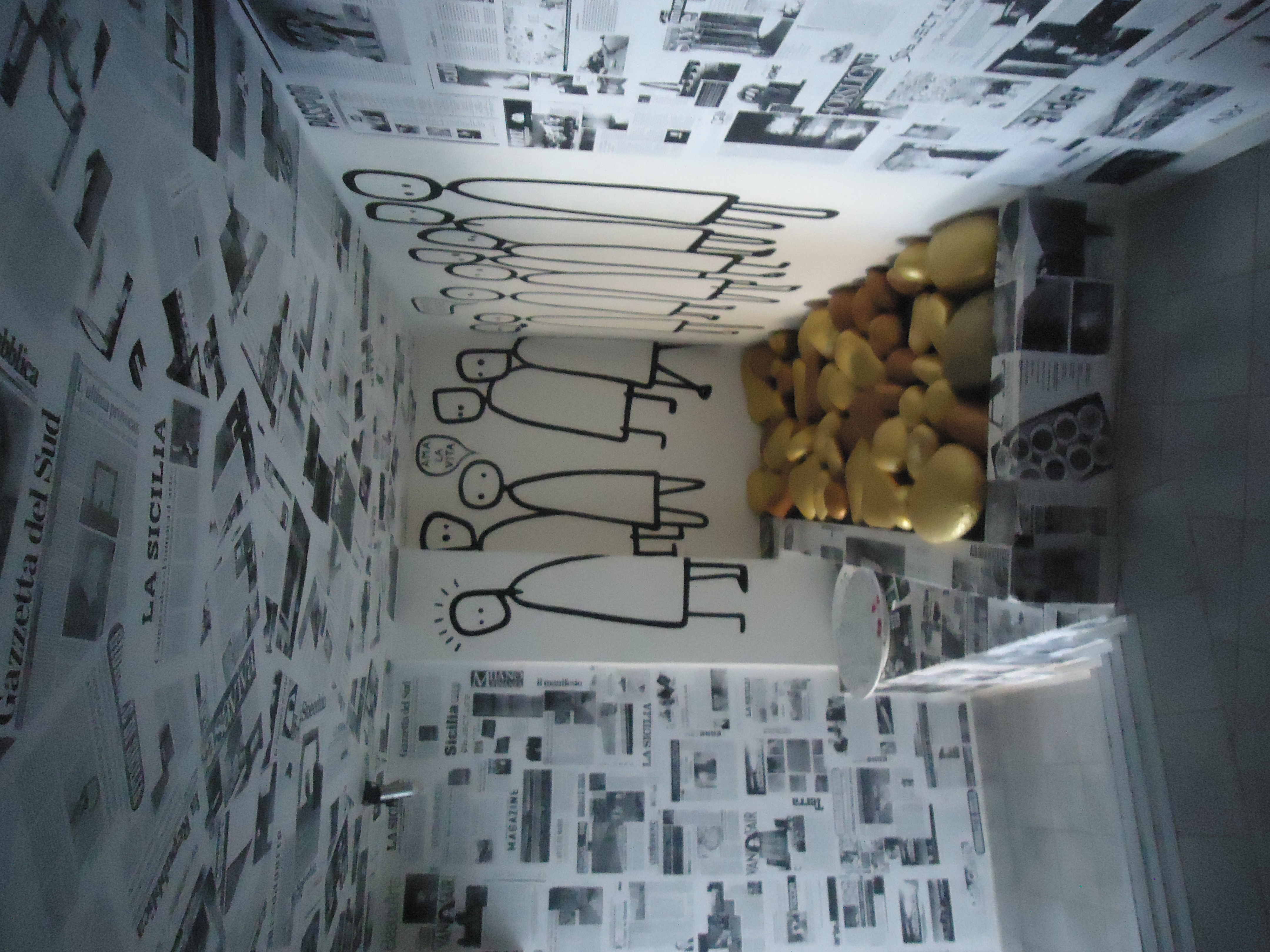
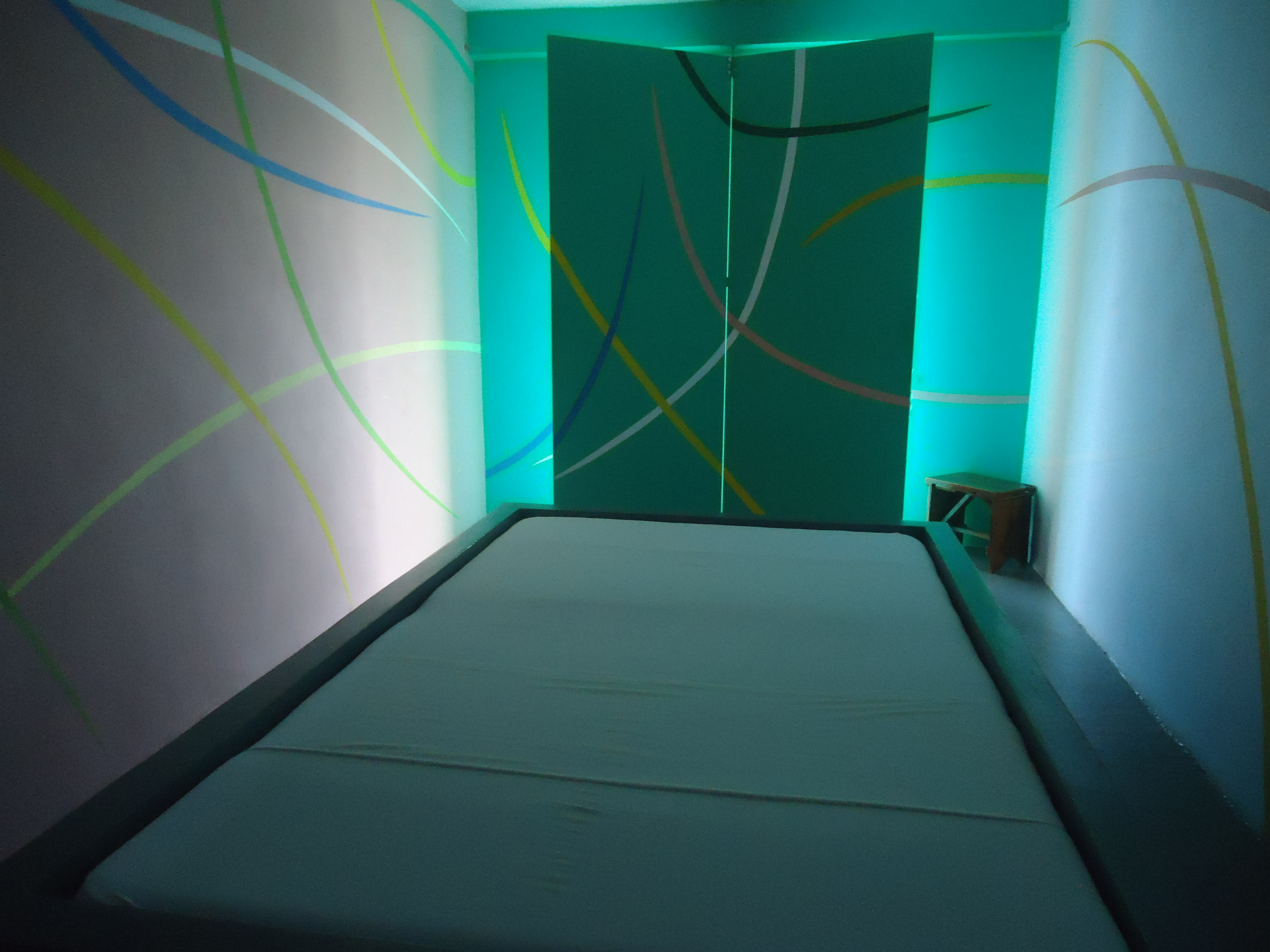
A tiny fishing town on the northern coast of Sicily! The gentle sound of the waves reaching the large pebbles adorning the coast. Hills in the backdrop and just a sense of absolute beauty. This is what one finds in Castel di Tusa. This quaint town lies on the Tyrrenean Coast one third of the way from the eastern tip to the western one. Over twenty years ago, a Sicilian artist, Antonio Presti, decided to buy a hotel and turn its rooms, one by one, into works of art to be experienced and lived in by the guests. The purpose of this Museum/Hotel was indeed to offer the guests a chance to experience first hand contemporary art, breath it, take it in, and live inside of it. Then, at noon, each day, the tour of the hotel/museum takes place and one can visit the rooms, each a work of art.
The concept has been working for many many years and people still stop in awe at the masterpieces found here. Artists from all over the world have decorated the rooms following a specific theme. Pictures cannot do justice to the feeling one has when inside this place, but I will try to show just a small part of the beauty found here. The hotel’s name is Atelier sul Mare. Also, there is an ongoing ceramics workshop in the basement of the hotel/museum where guests can stop and talk to the artist, Claudio, who also conducts the museum tours as he did on the day I toured the hotel/museum.
One of my favorite rooms – Lunaria – Cousntryside without Name – A blue room, inspired by a story written by V. Consolo in which the theme of the deline of power, culture and poetry are present. The round bed represents the moon, the olive tree columns, some of which have shapes that remind one of the pages of a book, represent books. The third picture shows the light coming in through the window.
Entrance corridor to the Lunaria room

With the window closed

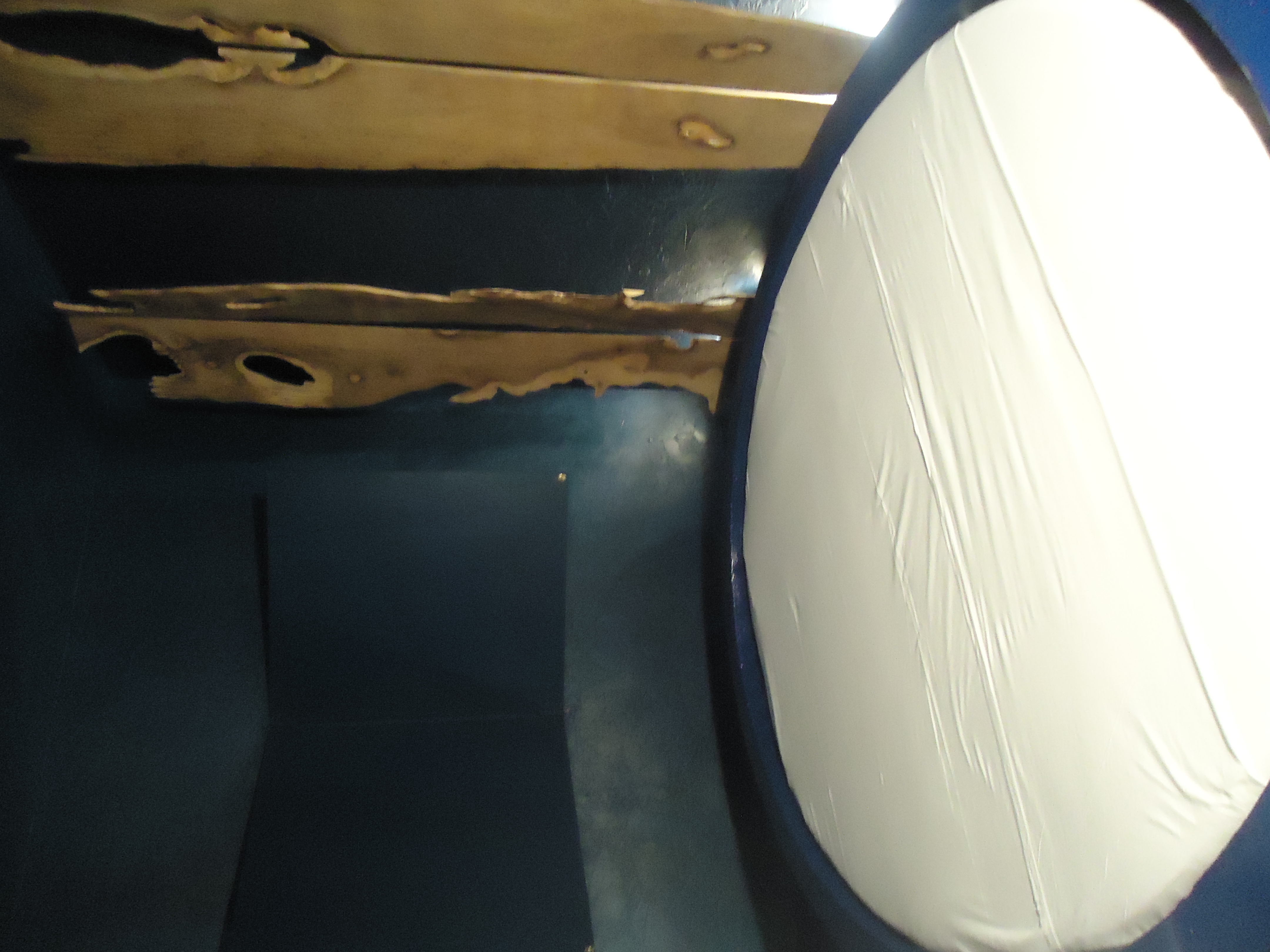

Above picture shows Lunaria with window slightly open
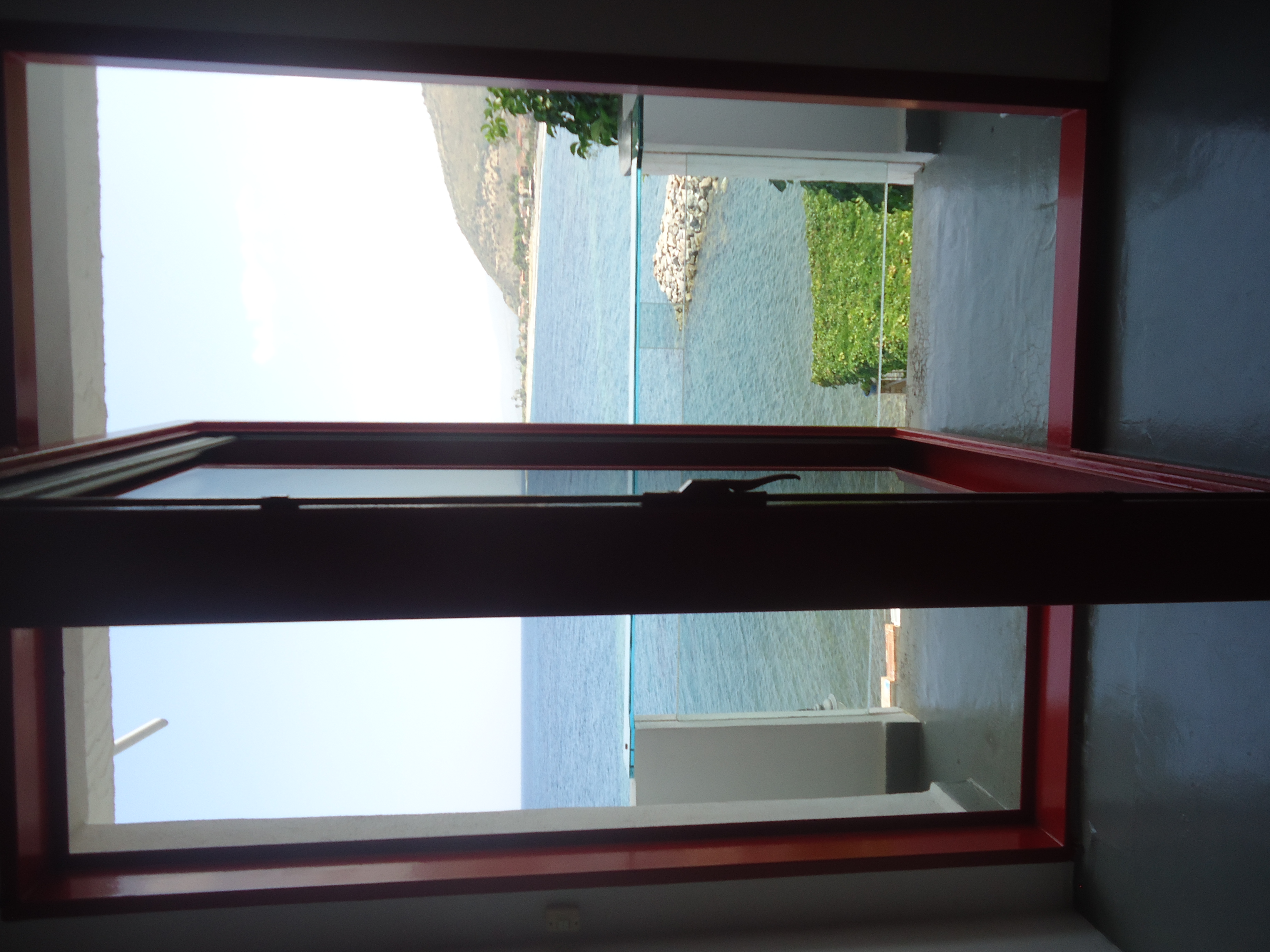
The Energy room is all in red. When the window is closed, there are lights illunimating the room on the floor, below the furniture thus irradiating red color and energy. When the window is open the red blends in with the peaceful colors of the sea and the natural landscape outside.
Energy Room
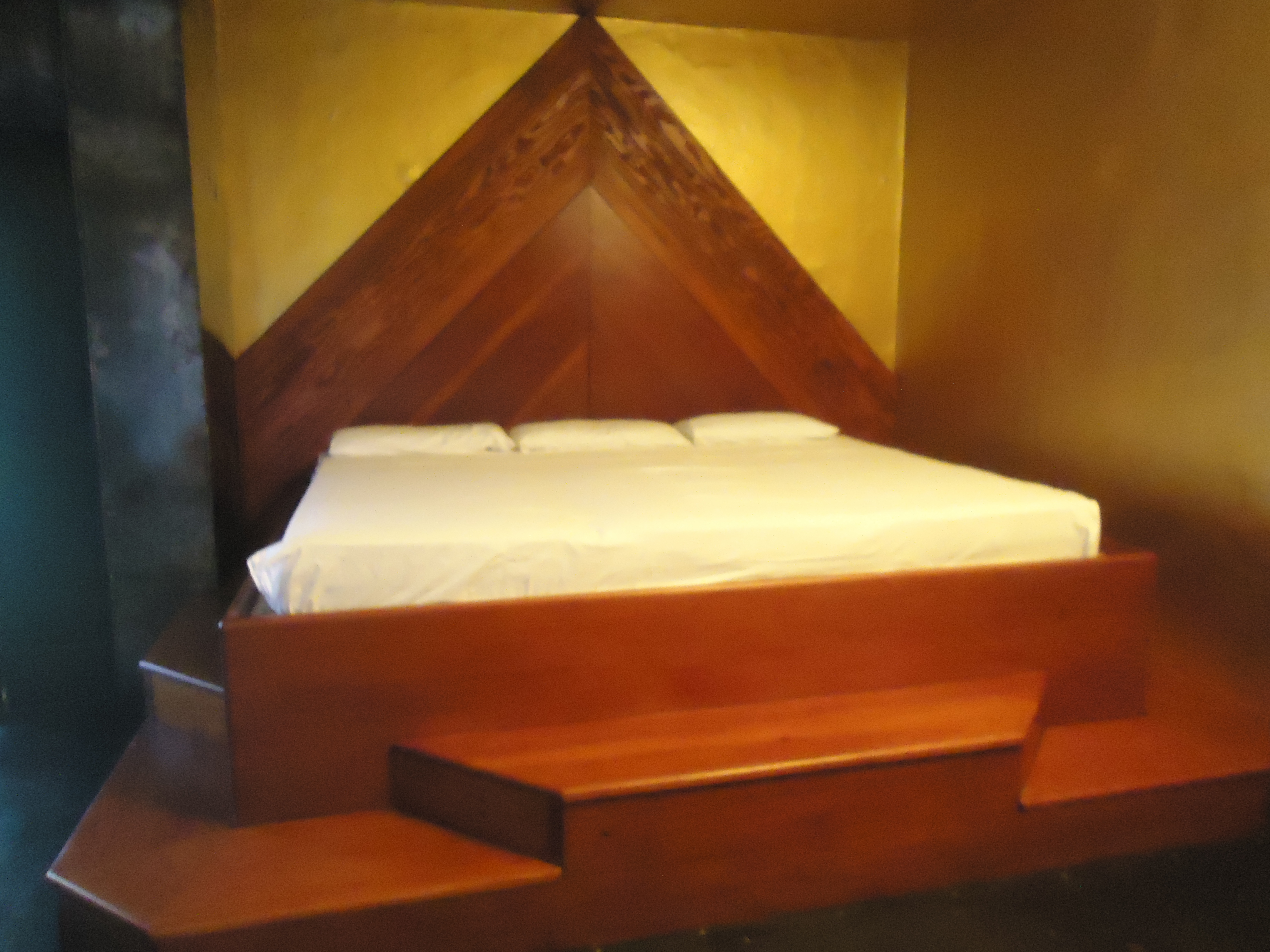
The Pyramid Room
The Paintings’ Room
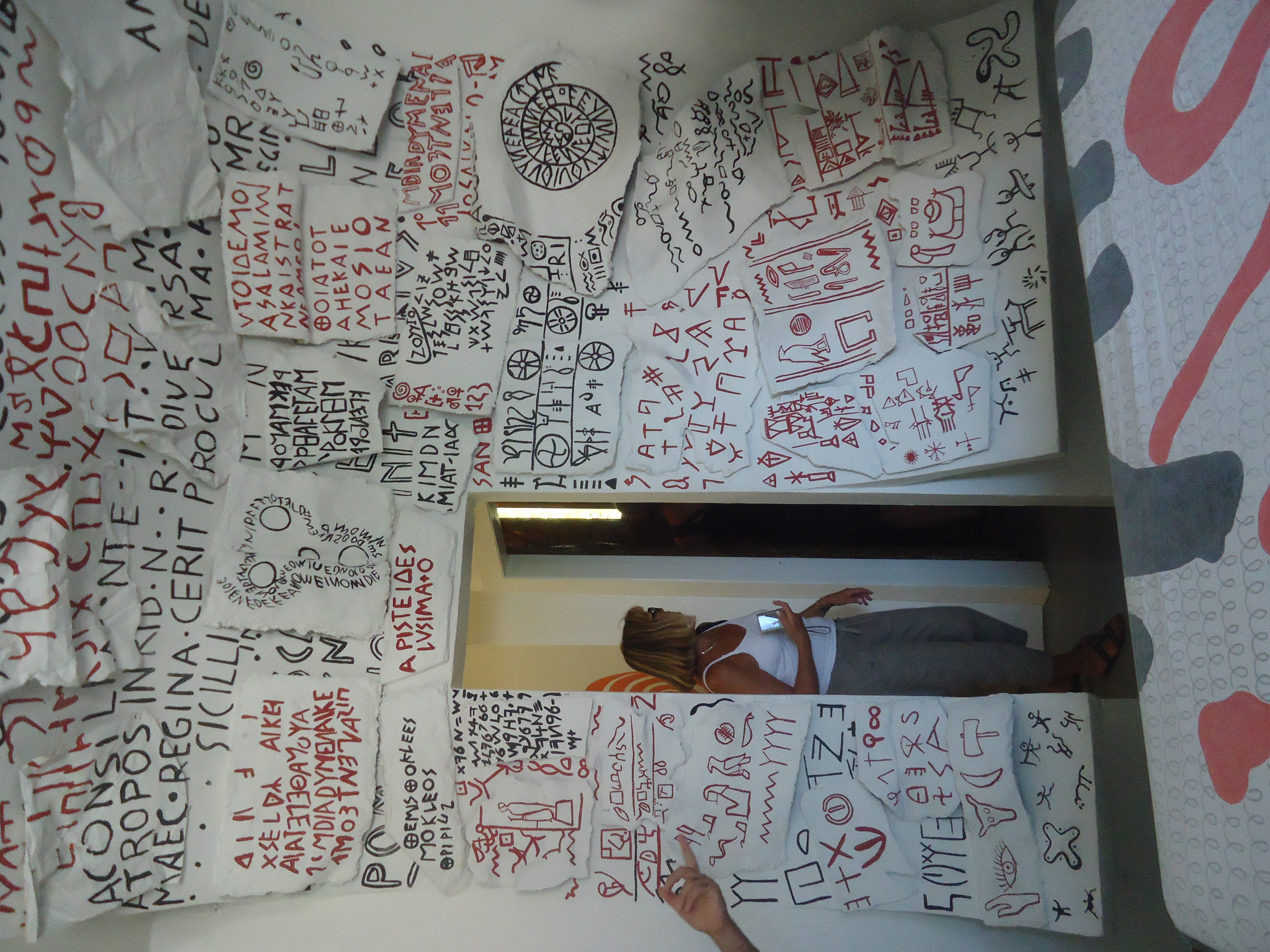
Dreams between Signs where the writing symbols of the world are represented on the walls, ceiling and the bedspread
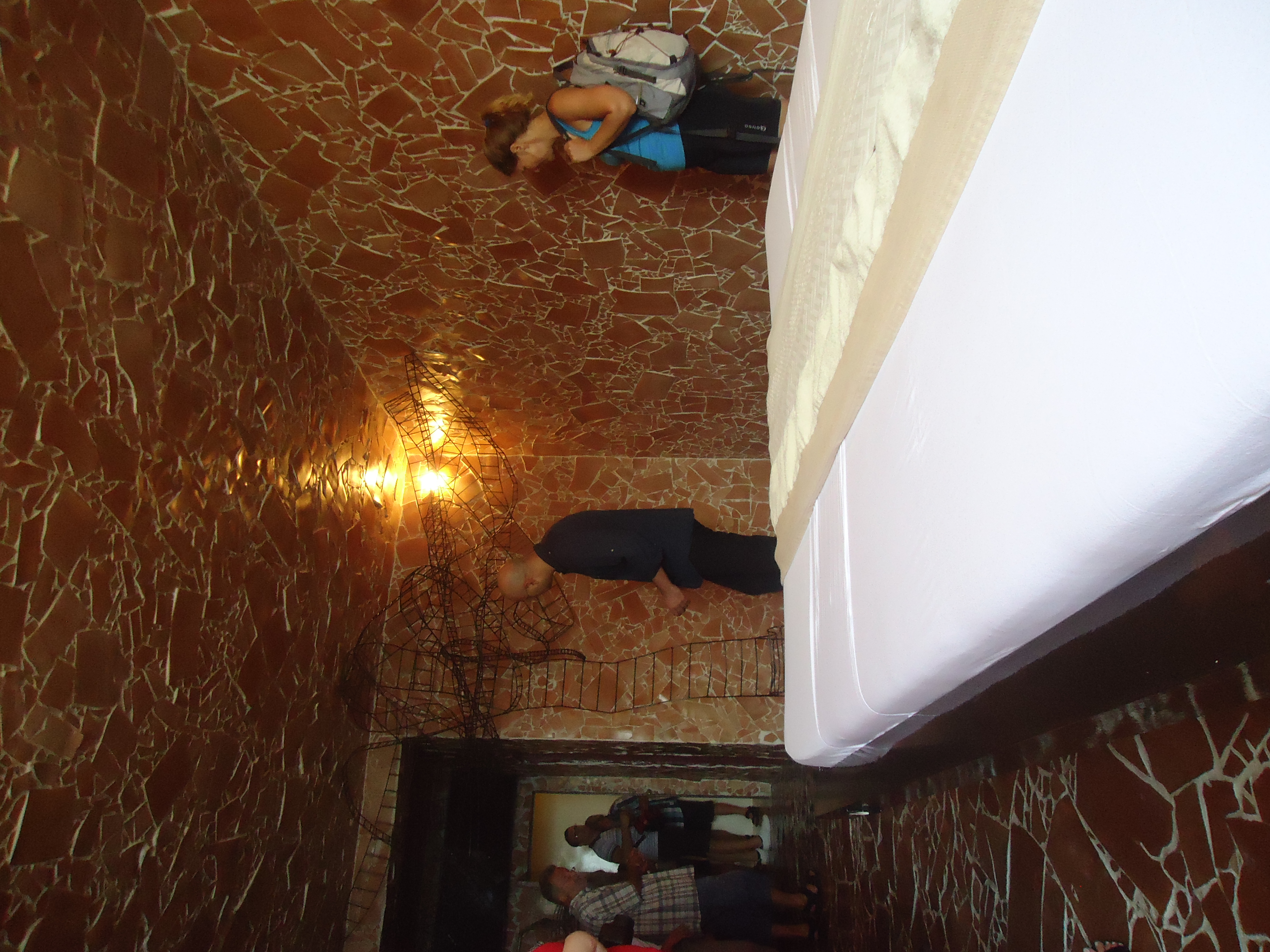
Earth and Fire Room Below
A burst of terracotta pieces arranged all over the room
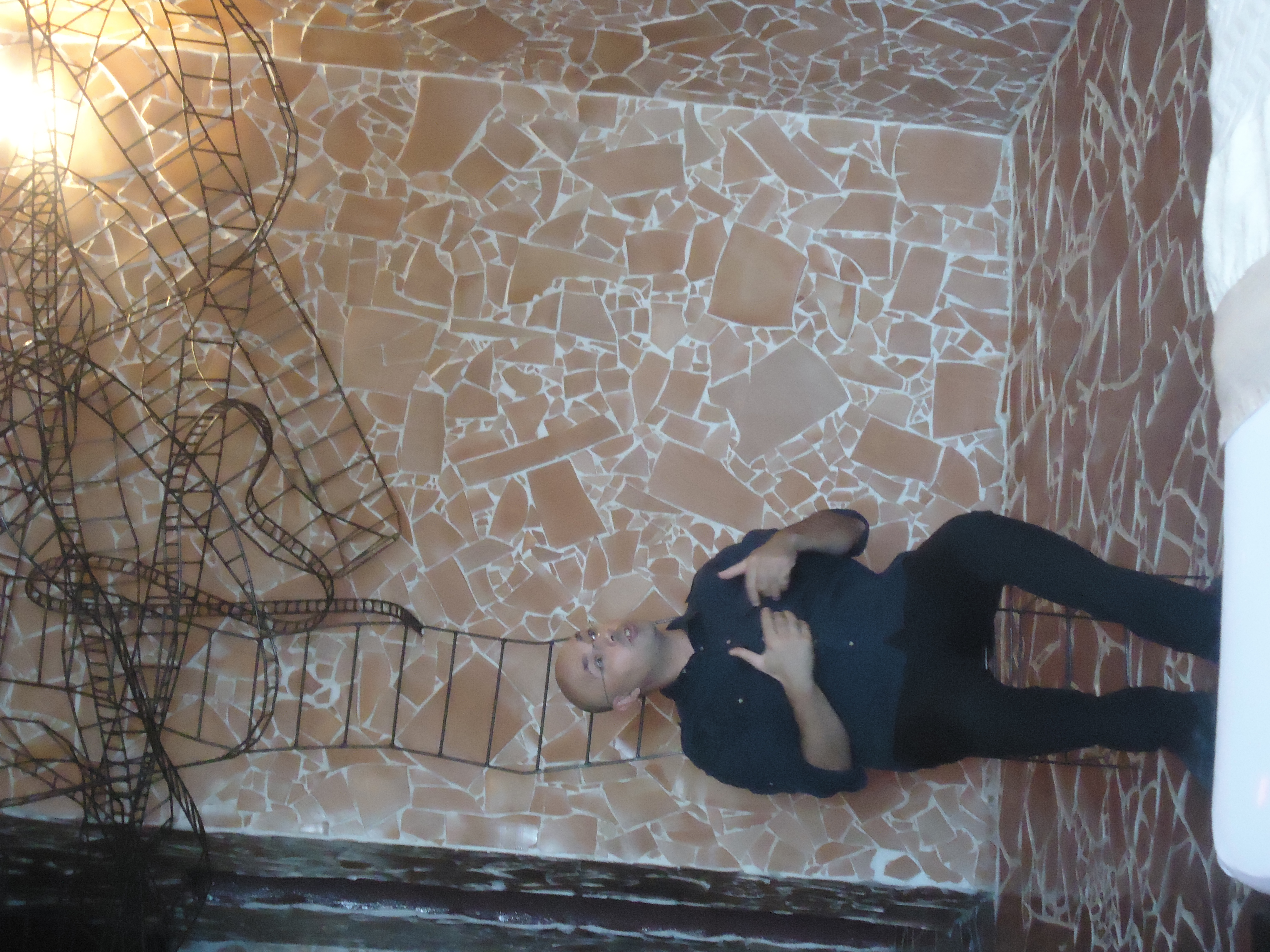
Claudio, conducting the museum tour, sitting on the iron chair represented in a non traditonal form to communicate freedom
The Mystery of the Moon Room created by a Japanese artist is all in gold lit by a candle – it exudes peace and serenity. Its terrace overlooks the coastline with the hillls in the backdrop.
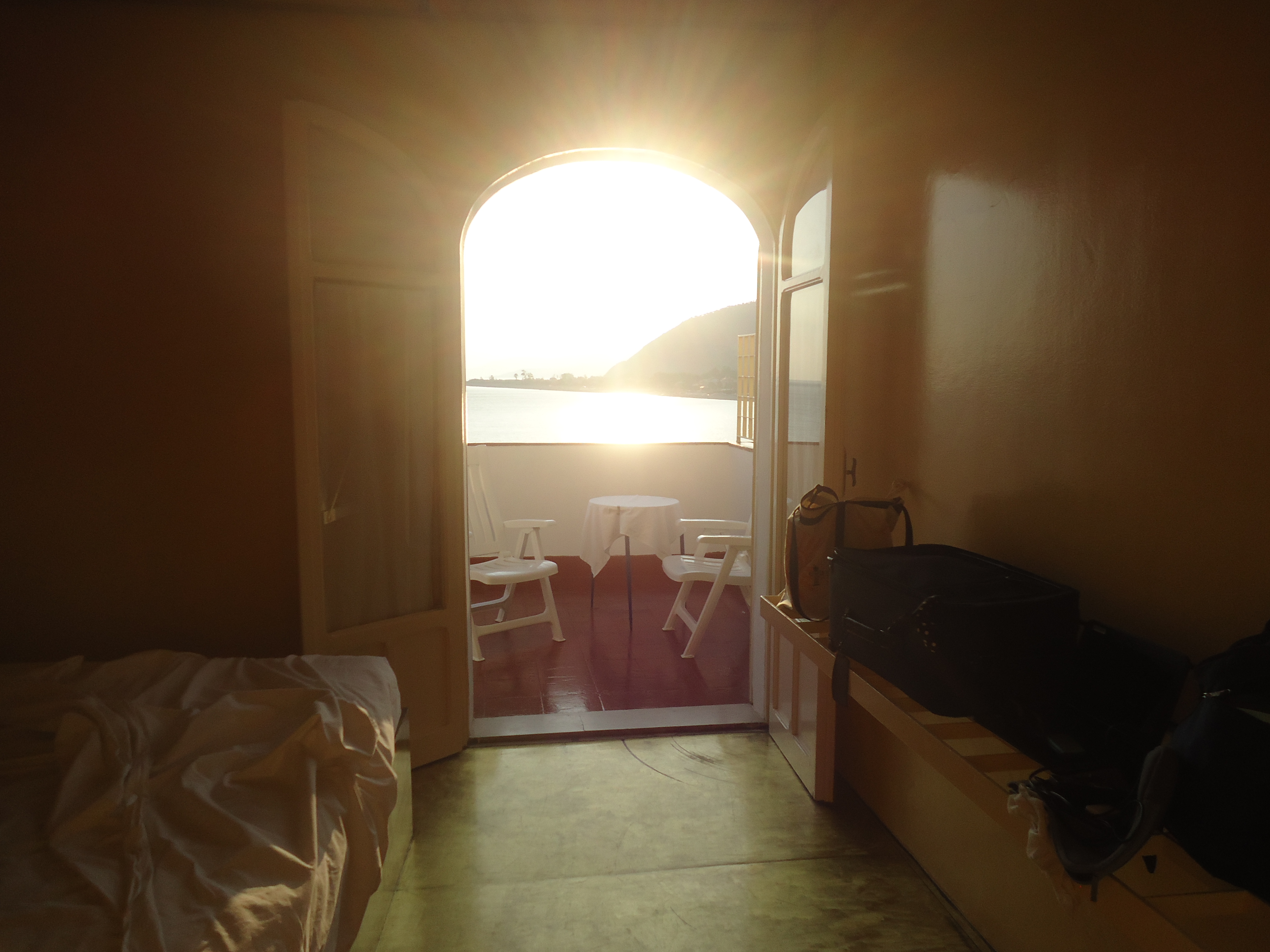


Upon arrival at Calogero’s
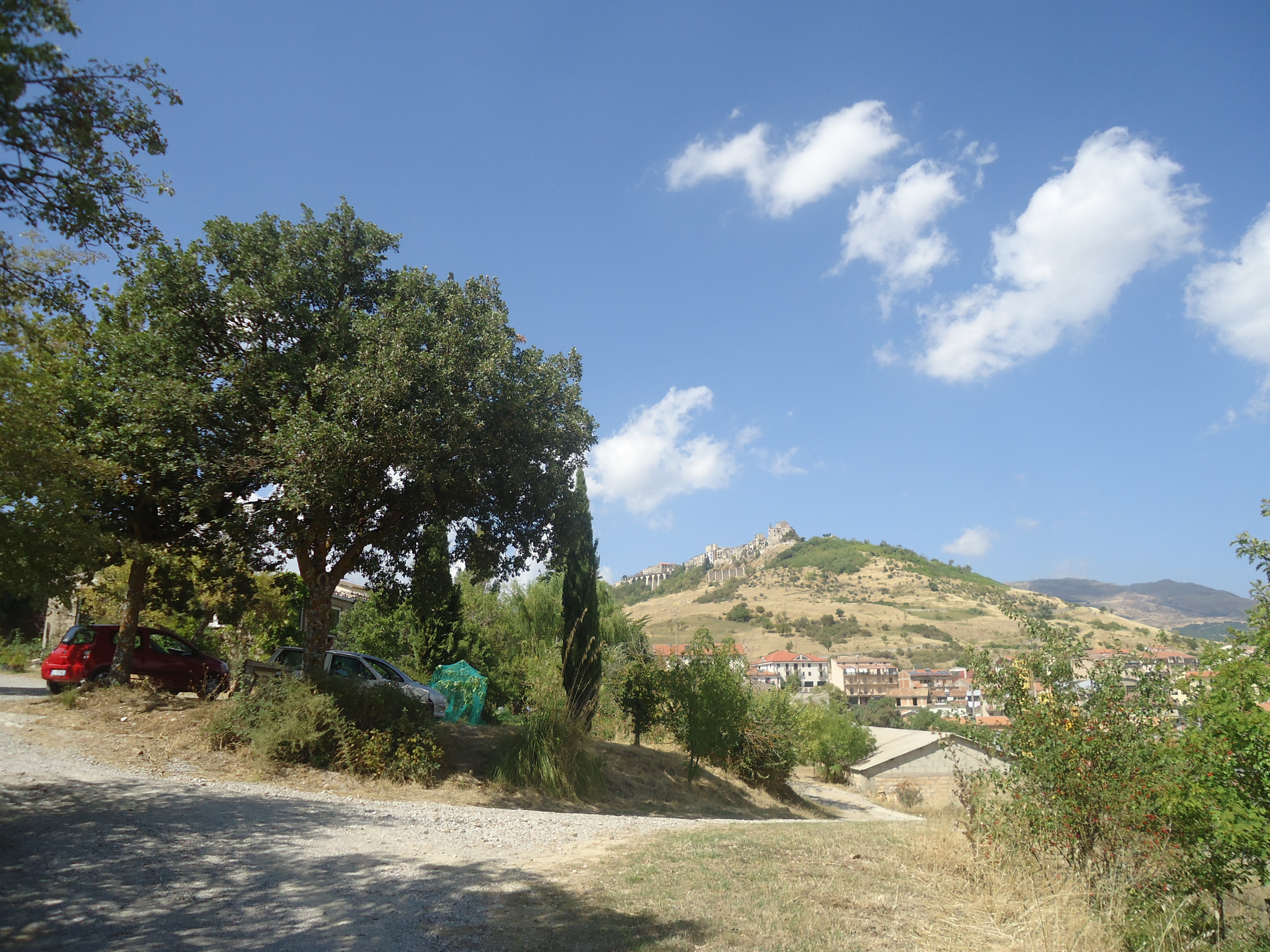
A breathtaking view of the Madonie Mountain Range is what you get on the drive up the mountains looking down at valleys and medieval towns perched up on mountain tops. One of these towns is Petralia Soprana and it was my destination as I traveled to visit Calogero at his Casadeisalici. Calogero and his mother greeted me with an espresso at a local cafe’ and then off we went to visit the property. As soon as we arrived, we were greeted by some houseguests, one of whom was cracking almonds which had just been picked, and then we decided to take a walk through the woods on Calogero’s property as he led his two horses for a leisurely trot.

After years of hardship and a bankruptcy in the family, as a reaction, Calogero felt a desire to live surrounded by beauty and make money decrease in his scale of values. He wanted to live away from the negative conditions which he had experienced and to which he had been subjected during his prior life and his wish came true.
Consequently, in 2002, Calogero was able to give his full attention to the family farm. He explained the philosophy behind his approach towards his farm, his land. In his approach, he lets nature take its course, following the principle of not forcing his will on the land, but allowing a natural harmony to be born. He mentioned that this principle has an expression in the Sicilian dialect and he quoted it, “Comu Voli Diu’. His farming practices call for a peaceful relationship between man and nature and a collaboration in which man doesn’t force his will on nature. When spontaneous plants appear and want to thrive he will not eradicate them but let them take their natural course and the results have shown to work. So, in winter, there will be vegetables that grow spontaneously on the land, and the result is biodiversity, allowing nature to offer its richness available because it is there that it belongs and has its natural habitat. Some spontaneous vegetables are boragine and mushrooms which abound on his land. To support his principle of keeping what is native to the land on the land, his fruit trees bare fruits without him having to make any kind of intervention; there are plums native to this area, pears, apples and other fruits.
He has tried to bring in seeds from other regions and the plants did not grow as they were not in their natural habitat. For example, when he collects seeds from the asparagus that grows spontaneously in this region, (he showed me three types of asparagus plants here) the plants grow well as they are in harmony with the land. Another of his local vegetables, which has only a Sicilian name, “shiaccabulici”, grows low and is bitter and it grows only in specific areas – he tried planting the seeds elsewhere and it grew in some places and not in others. Each season offers different plants and there is a practice to eat what is in season and what the season offers through the land. Here again the principle of harmony; not trying to conquer by forcing something that is not natural.
When guests arrive, the wish is to allow them to enter into the harmony created in this natural habitat, and I am a witness that this works having been one myself. He runs a B&B at his mountain home, casadeisalici.com, but even in this aspect of his work he is not interested in numbers, but his goal is that in the experience of staying at his home the guests find what they are looking for right there in the countryside on the Madonie Mountains. He wishes to offer the type of hospitality that makes a guest feel as if they were staying at a friend’s home. So the stay at his home will be one in harmony with nature and that will satisfy the wishes of the guests.
Twenty years ago, Calogero built the stables and houses horses. I saw his American bred horse, Spot, while visiting the stables. Many times, his guests are groups of horseback riders who come to explore the territory on horseback. Calogero is also a horseback riding guide. While we conversed, he provided an example and mentioned one path where he led a group this summer. Leaving on horseback from Petralia Soprana, the group proceeded to the Miraglia Woods heading East. They traveled across the Madonie Mountain Range and then the “Dorsale” of the Nebrodi Mountains, an old path. This trip takes five days on horseback, stopping to sleep along the way at the farmhouses of friends or official guesthouses.
Almost home Photo by Monica

Photo by Monica
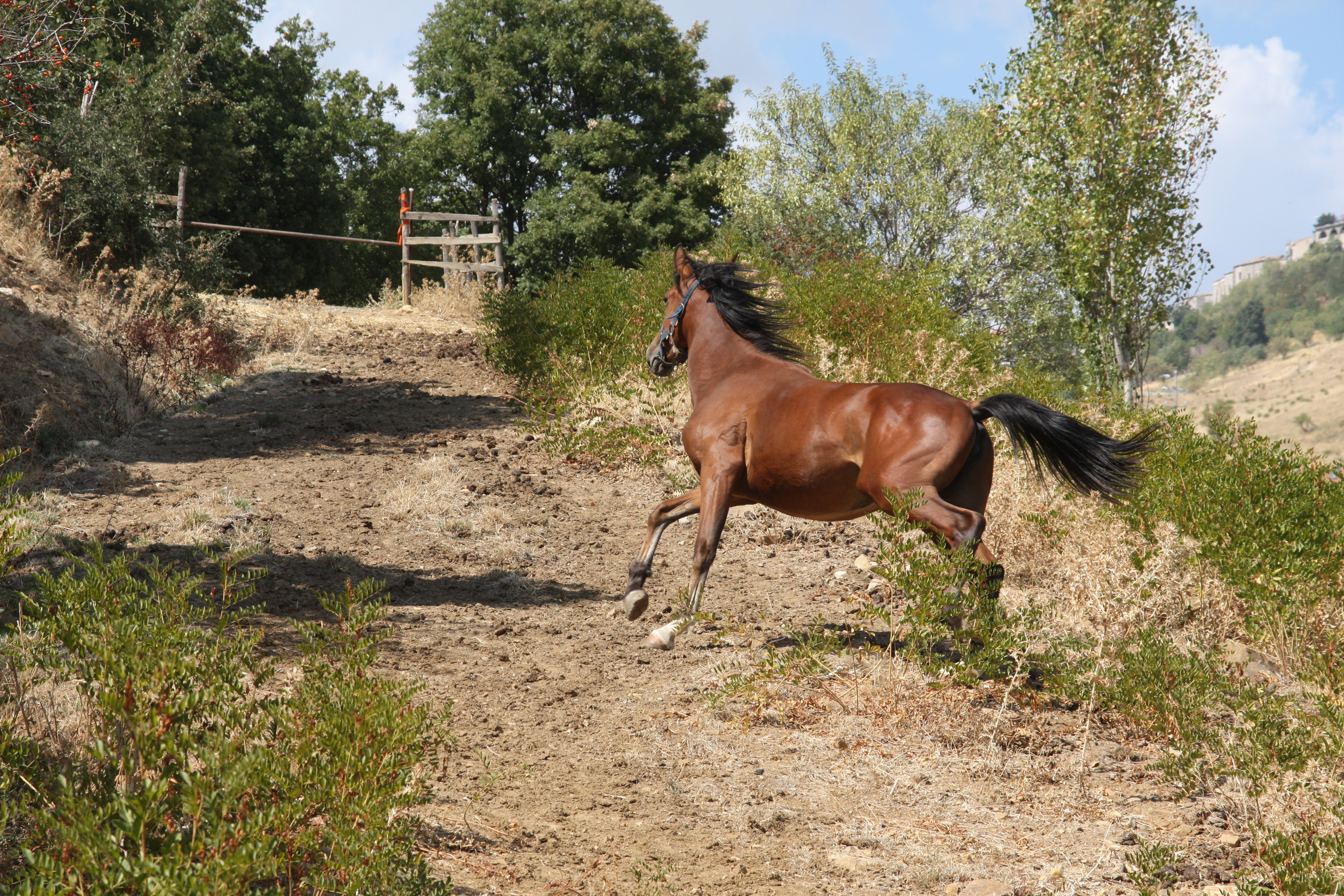
Photo by Monica

Other groups may come to take part in other seasonal practices such as grape harvesting or picking apples. He likes to have groups stay at his B&B farmhouse that are interested in group activities that the location can support. This summer, in August 2012, he hosted the event “Madonie Sotto Le Stelle”,”Madonie Under the Stars”, an event in the woods of storytelling, poetry, traveling musicians who went from the house to the stables and then into the woods. Both locals and people from afar participated in this event.
His guests usually share a common interest and find here the space to carry out their activities. He has had musical groups that needed a quiet isolated place to practice and not have to interrupt their work and they have found what they needed here.
At the end of our conversation, Calogero wanted to convey an important message. He stated, that unfortunately, around the world, Sicily has been known for some negative characteristics, but that in experiencing the land first hand one can appreciate that its harmony and beauty are stronger. There is a lot of beauty to discover here. Calogero wanted to quote Ian, a Brit who lives in Petralia Soprana and who expressed his positives feelings towards the beauty which he experiences by living in this land, through a poem he shared at the event, Madonie Sotto le Stelle. In his poem, Ian named, one by one, the elements of beauty he has encountered and experienced while living in this land. As he mentioned each one, he also mentioned the one word that has always obscured them to the ears of people around the world: the word, Mafia.
Scenes from my visit
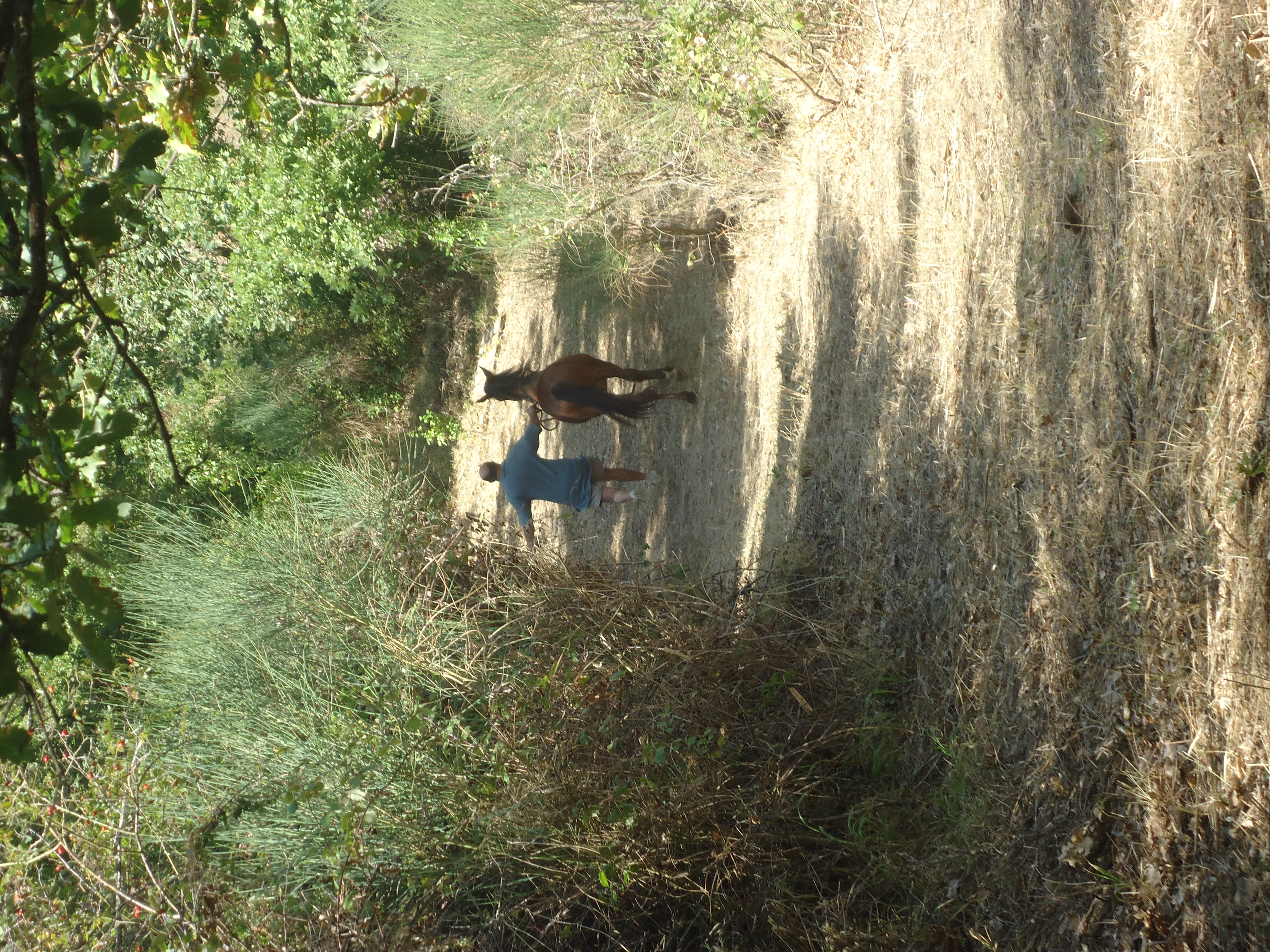
Cat followed us on walk but decided to rest

Anna and I picked the eggplant right then and fried it for lunch, Rigatoni alla Norma
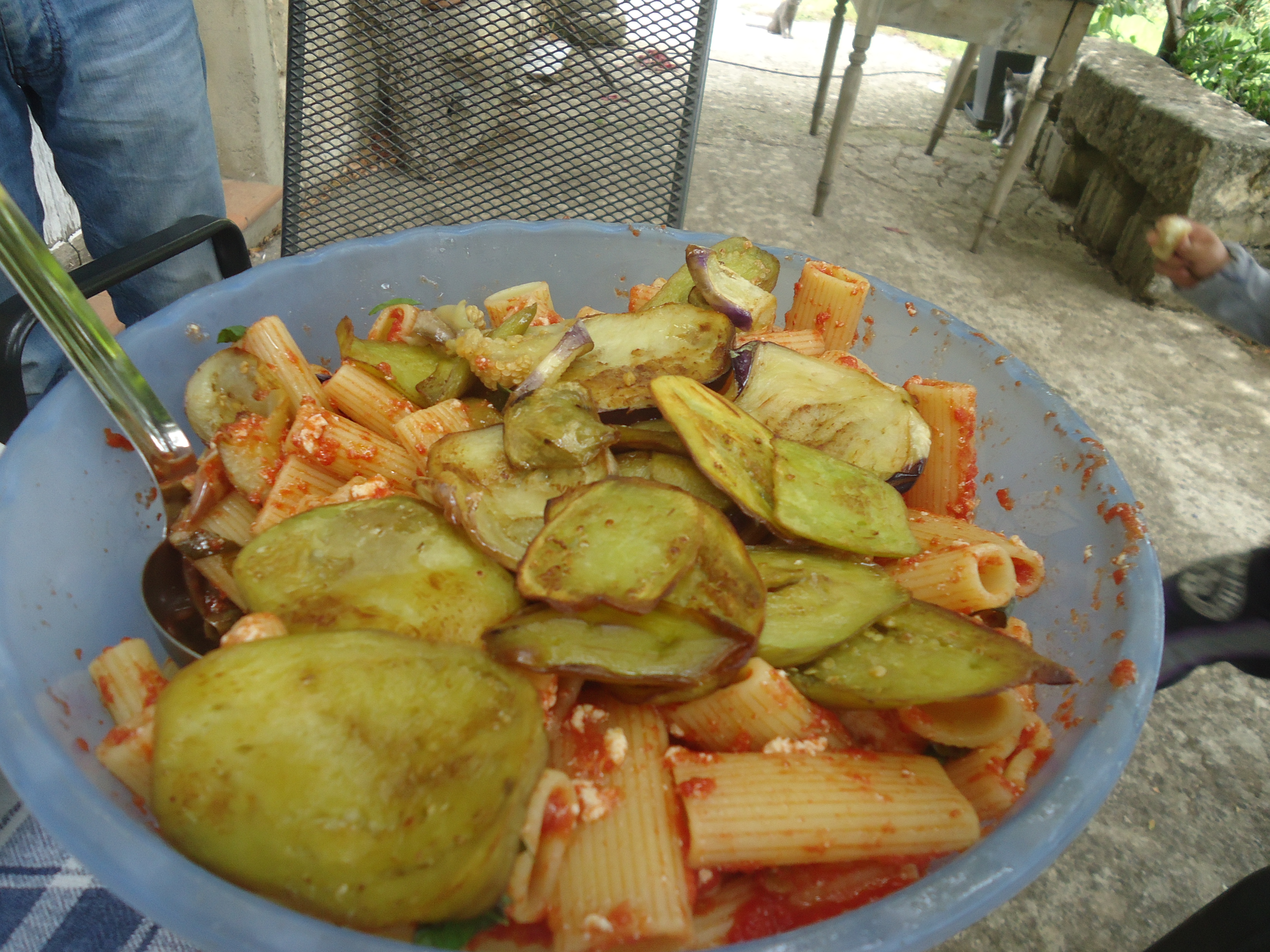
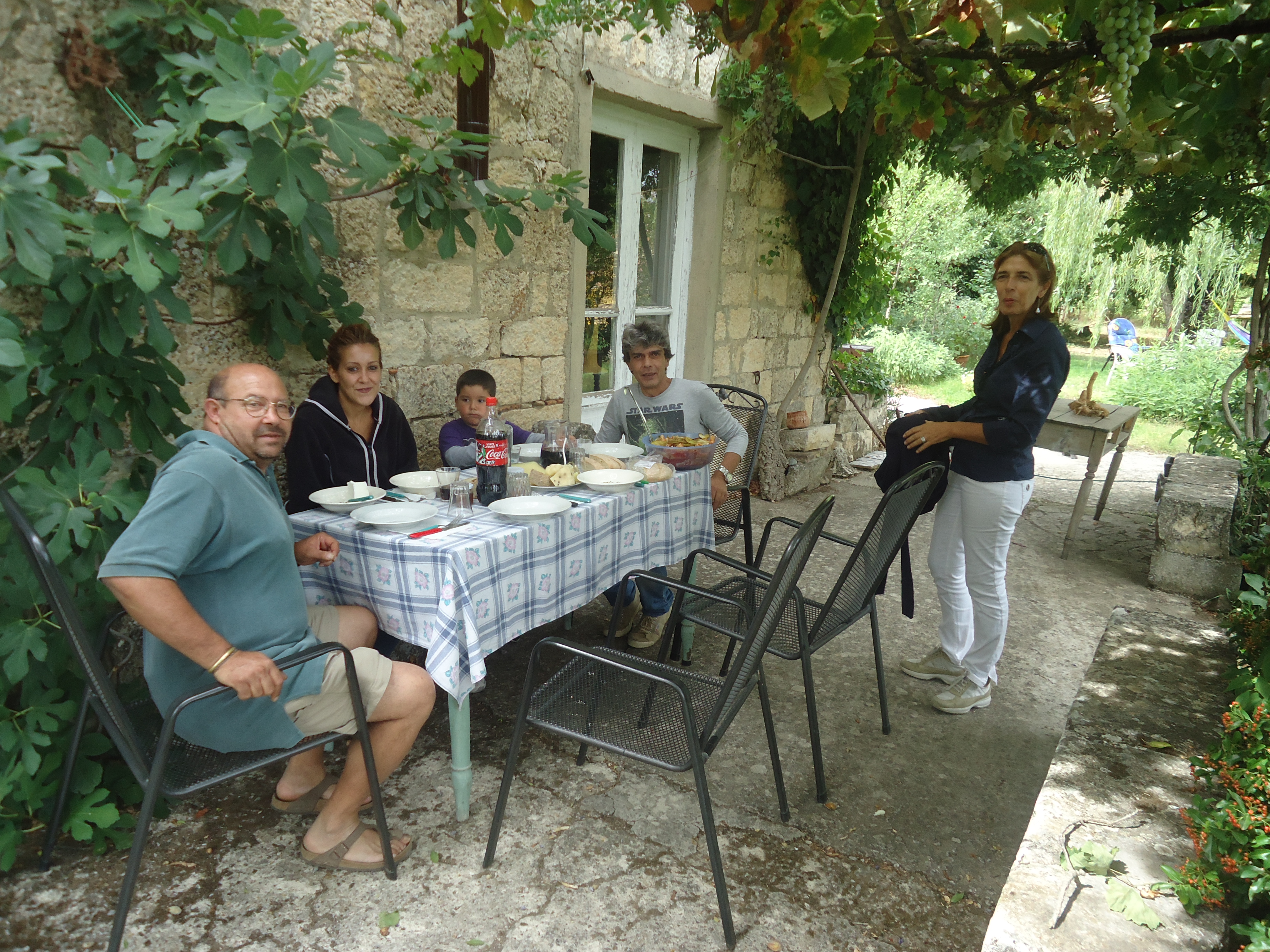
Fabulous Meals and Conversation!!!
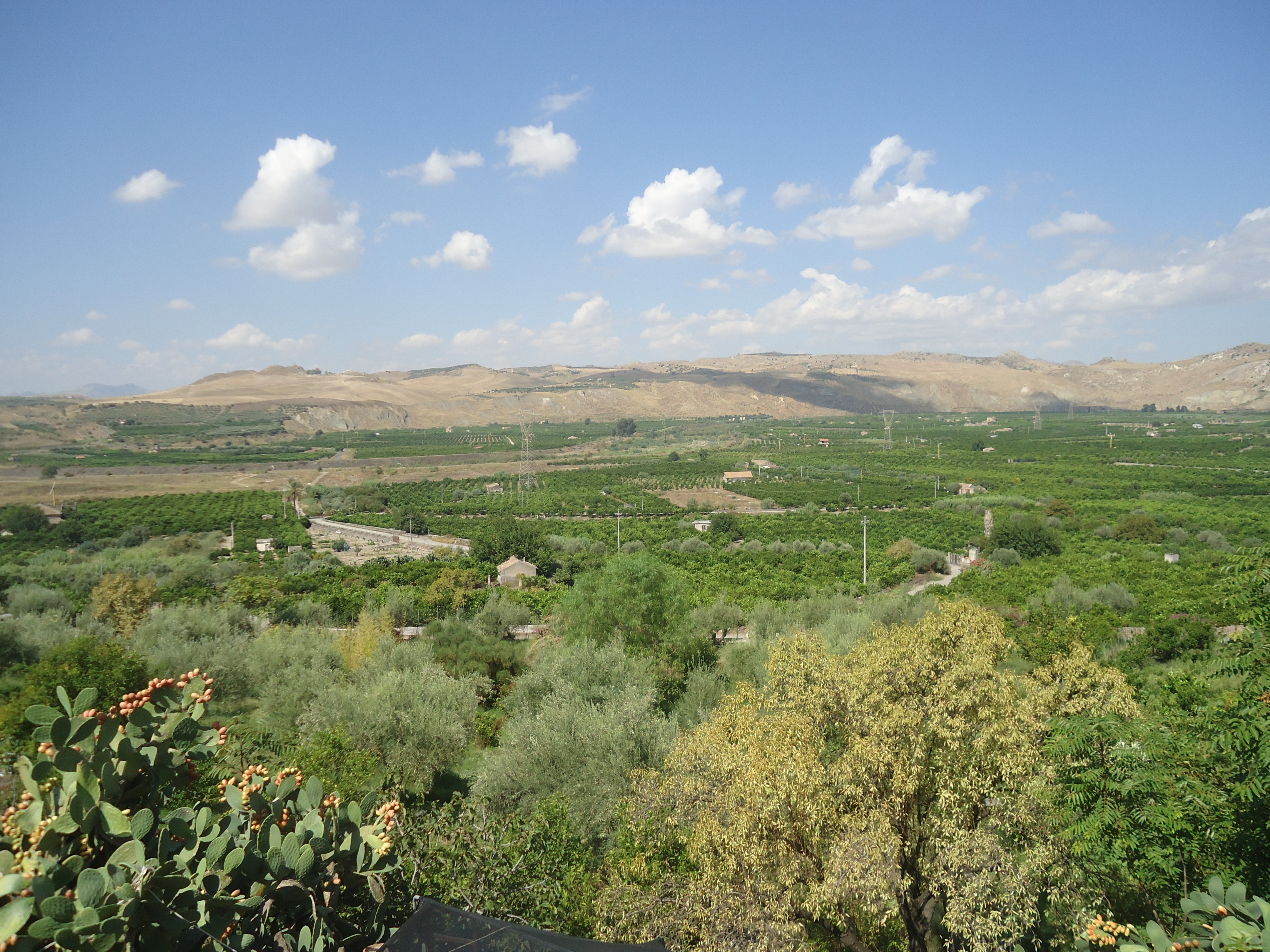
The Simeto River Valley
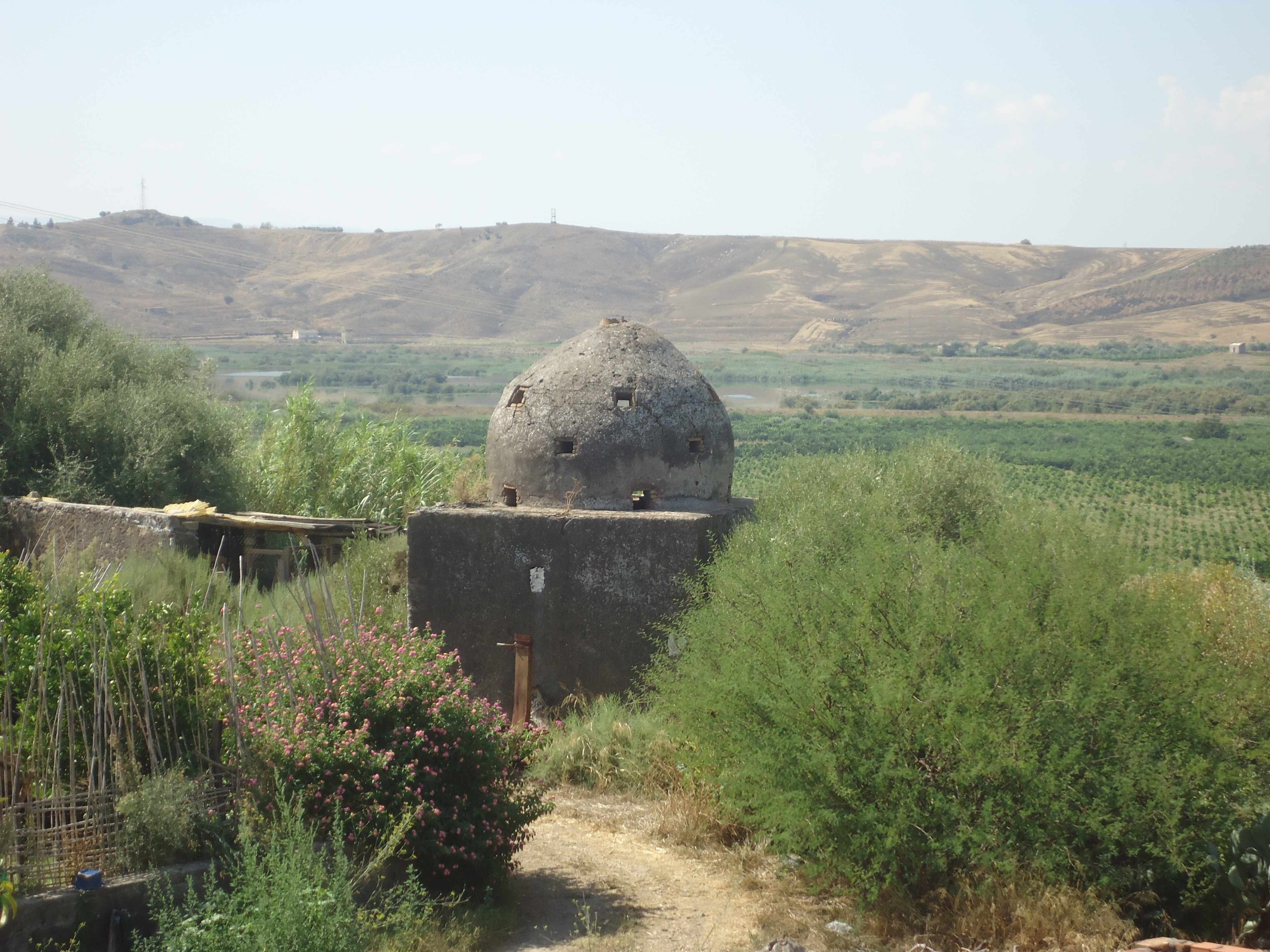
Original Stone Oven
La Casa delle Acque – Puddle in the Shape of a Heart!
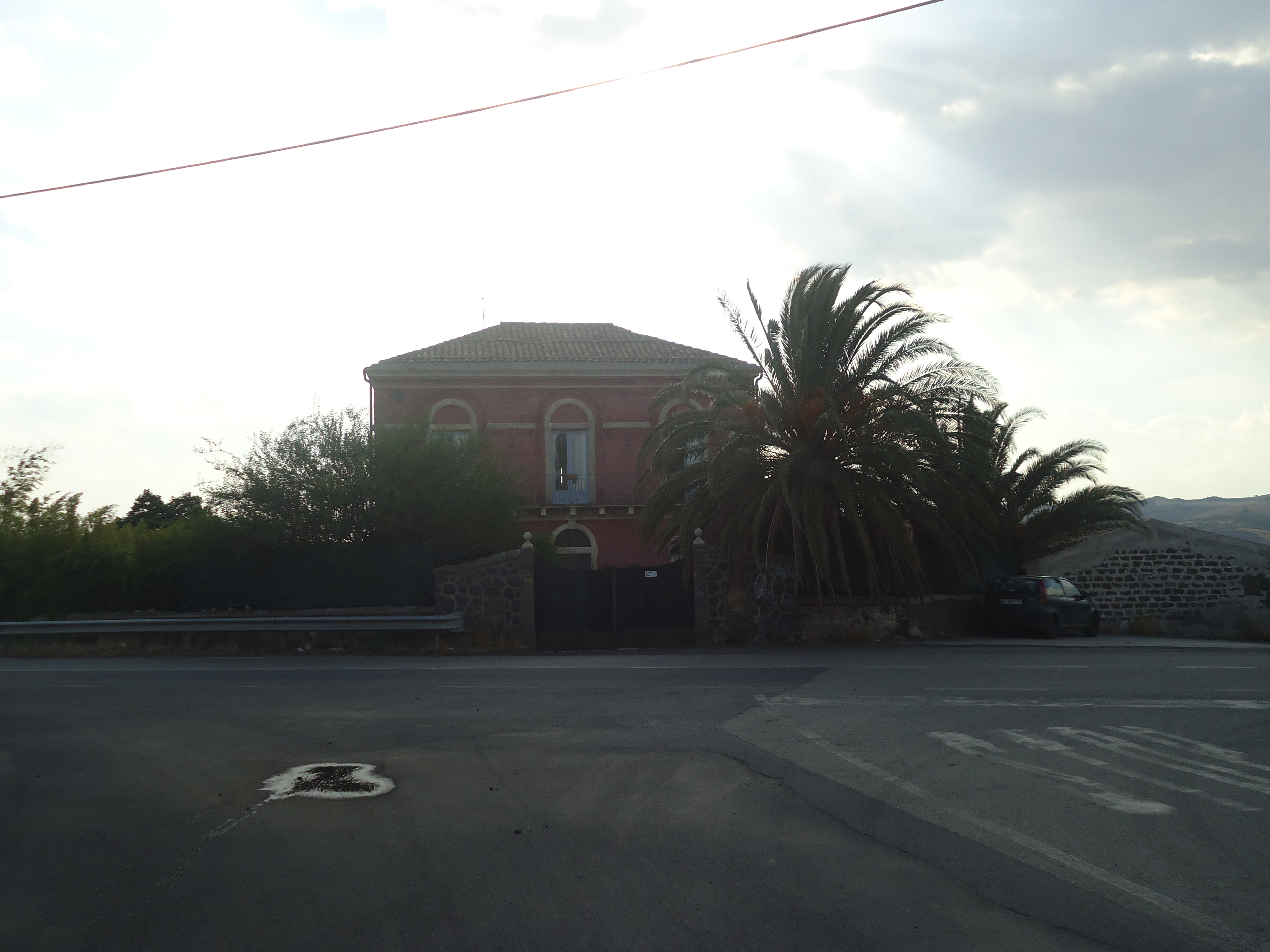
In the Simeto River Valley, which marks the border between the plush green area and the clay based bare hills called “calanchi”, stands a house called La Casa delle Acque, owned by Nirav. He is one of the coordinators in Sicily for the World Wide Opportunities on Organic Farms (WWOOF) program. Those who come to Sicily through this program make their own arrangements for the assignment, but Nirav intervenes only as a troubleshooter when there may be a problem between the Woofer and the host farm or to provide assistance to new farms joining the program.
After traveling extensively for many years, Nirav decided to settle in this area and bought La Casa delle Acque, which had been abandoned for forty years. He worked on restoring it for six good years. The original objective set for the use of the house was to hold seminars on meditation and healing. However, circumstances changed and transformed the plan and it became a lab on sustainable agriculture, environmental consciousness, with Woofers passing by bringing their fresh energy and all working together on the farm. There are an average of 40 people a year staying for 2-3 weeks at a time and helping in the farm, contributing their new ideas and trying a different lifestyle.
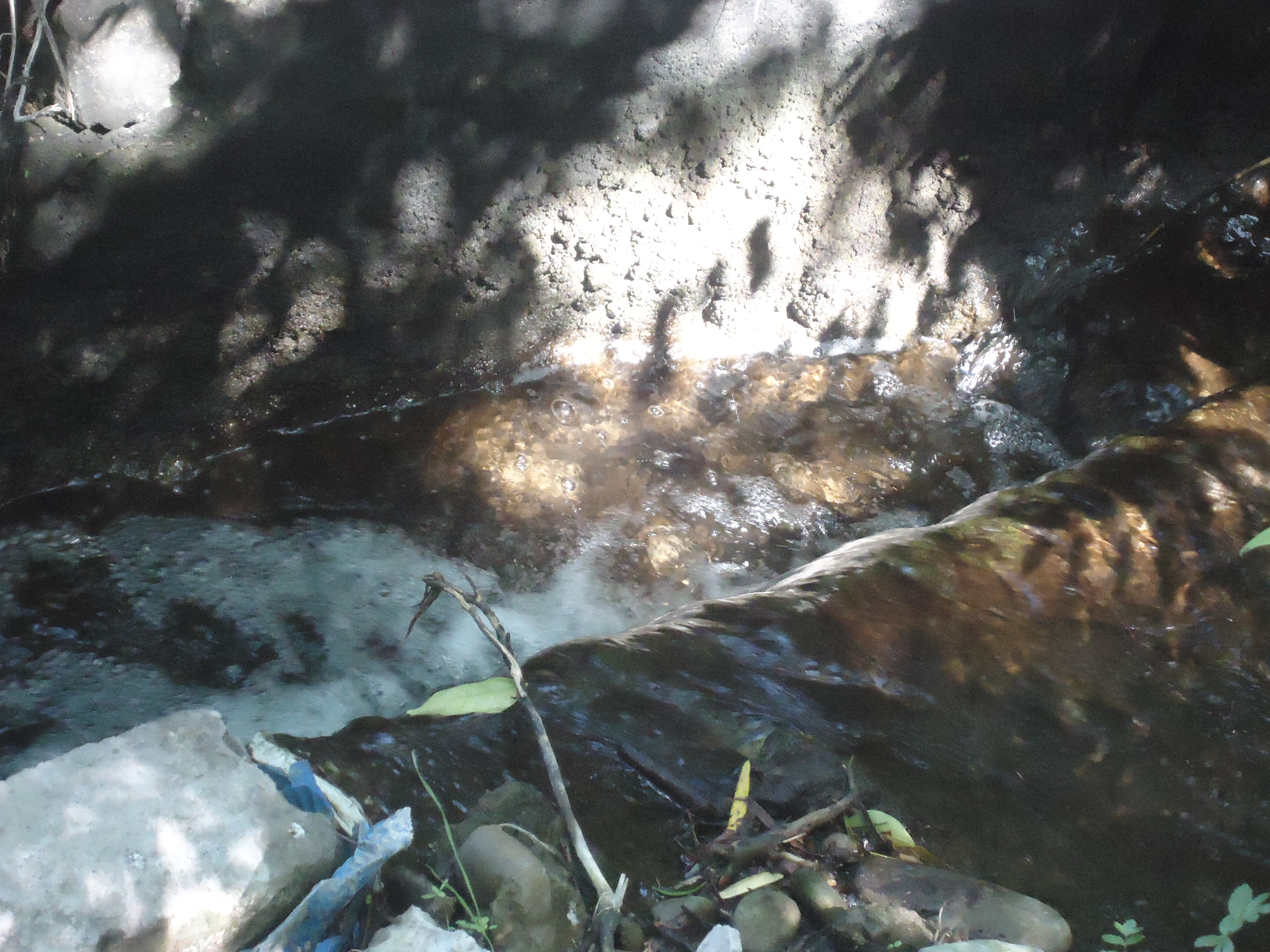
One of the water springs at La Casa delle Acque
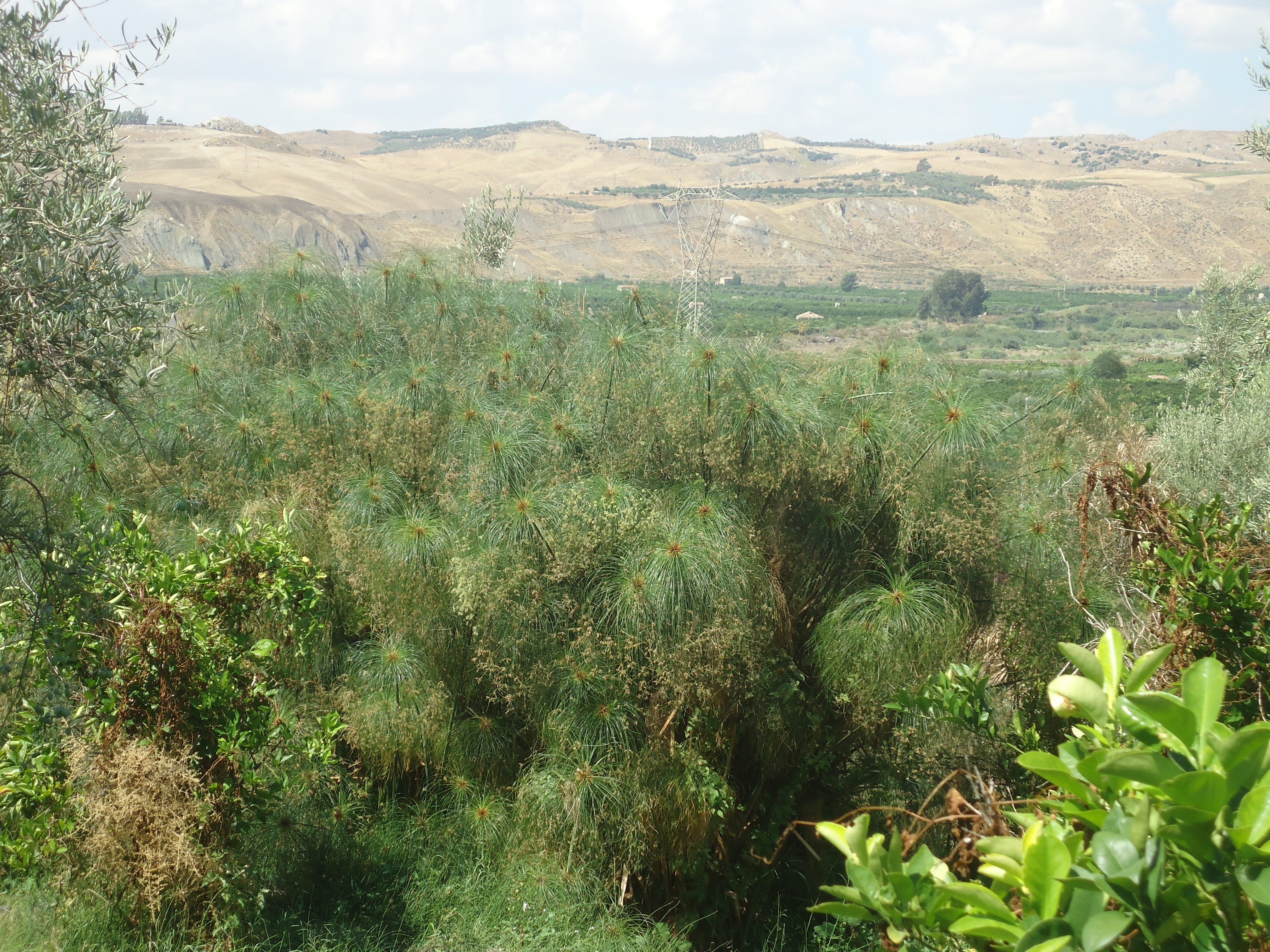
A Papyrus Thriving in this Habitat
La Casa delle Acque is a member of the Siquillyah Cultural Association whose purpose is to create networks among organic farmers, GAS (purchasing goods coops), small hospitality entities, artisans and all those who care to support a sustainable lifestyle in Sicily. The objective is to create a direct relationship with the clients based on trust. Consequently, for the last three years, the members have organized and taken part in fairs where relationships built with the clients are more important than the business itself.
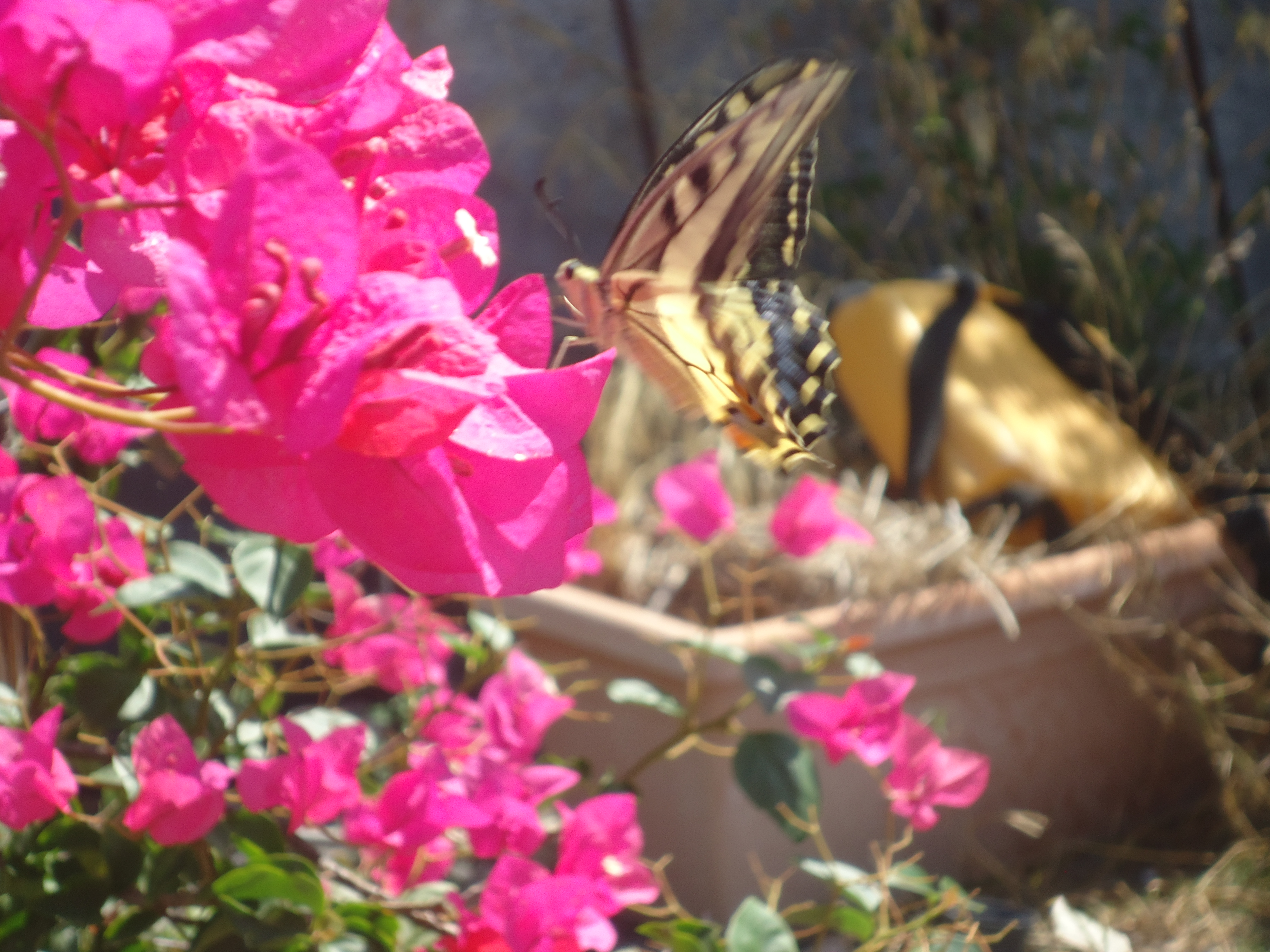
Butterflies Always Follow Me
Another endeavor of La casa delle Acque is its membership in Vivisimeto, an environmental protection association of the Valley of the Simeto River. The main objective of the association is to support a sustainable development of the economy of the River Valley; for example, one of the recent actions taken was to not allow an incinerator be placed in the valley, in an environmentally protected area. Vivisimeto has started the development of a community map for the Simeto Valley. More than 500 people have shared their stories of this area of the land which they consider “home.” Il Patto per il Fiume is an agreement stipulated between the local residents, institutions, farmers and many more citizens of the River Valley coming together to rebuild with pride a lost sense of community.
As we looked out at the Valley from the beautiful terrace of the home, Nirav pointed out the town of Paterno’, which sits on top of a hill overlooking the Valley. He stated that, over the years, Paterno’ has turned its back to the Valley and lost its identity, by looking towards the city, Catania. The goal is to bring back the river towns to face Their river!
Filippo left Sicily to seek work in the north at a young age, and after several years away, he decided to return to work on the land his father had owned. He now grows oranges on a land close to the town of Paterno’, Sicily. In talking with him, one can sense that this is a man who after many trials and tribulations has found his place. He loves what he does. He expressed the importance in his trade of having a network with other farmers and supporting one another in many ways, and that is exactly what he has done since joining Siquillyah. Siquillyah offers a chance to collaborate, a network between farmers who are there to support one another in a variety of ways. He practices organic farming but stated that the certification process is too expensive, so he hasn’t acquired it. However, his customers can visit his farm at any time and see first-hand his practice and what he does on his land. He doesn’t use any products that have been treated in any way and even removing grass from the land is done naturally. There is respect for each plant, which is different and has its own characteristics.
To Filippo, dealing directly with the customers is what allows a group of farmers who love their work to continue doing it. In following this system, there is more work to do, as besides farming one must also work at the distribution process and relationship with the customers. However, if there are any glitches with the product, it is thanks to this way that the producer can intervene directly.
Last but not least, Filippo enjoys what he does and he made it clear that his business is going well. He doesn’t feel the crisis due to the fact he can collaborate with other farmers and that they can support one another. As he talked about the value of being selective in the food one chooses to eat, his final comment was to stress the need for any given person to be aware of the quality and origin of the food they choose to buy and consume.
Tilia Europaea – Lime Tree
I arrived at Vera’s orchard after a long drive on a hot summer afternoon and as she greeted me, she ran to the kitchen to squeeze fresh orange juice! I must say, it truly hit the spot and was greatly appreciated! Vera moved to the countryside in 2008. As a child, she had lived in many different places, even Germany from age three to ten. Her parents were farmers and father, an agronomist, had a dream: to grow orchards and carry out a sustainable type of agriculture. In the late 70’s, Vera’s father drew the plan for the orchards and planted all the trees on a land which was called Vignagrande, vigna meaning vineyard in Italian, a land which had been a vineyard up to the beginning of the 1900’s. This land is on the eastern coast of Sicily, close to Fiumefreddo.
After high school, Vera moved to Florence to study architecture, but with the wish of returning to Sicily after completing her studies. However, this did not happen right away. Then at the time of father’s death, the desire to return to Sicily grew tremendously as did her wish to support her father’s project, which she felt was also her own. She was not happy living in Tuscany, then Liguria, and knew she did not want to do what it would have taken to make a career in architecture. She was confused – she knew what she wanted, but did not know how to achieve it. All she knew was that she wanted to make a living as a farmer and offering hospitality.
While living in Tuscany, Vera had learned about organic farming and GAS (the goods buyers’ coops) and, as a student, she had purchased her produce directly from the producers. She knew she wanted to return to Sicily with the knowledge she had acquired in Tuscany and Liguria. After Father’s death, taking care of the land had become a burden for Mother, making no money selling to the local businesses; Vera knew they needed to join the short pipeline, selling directly to the consumers. At the time of Vera’s return to Sicily, Mother had already sold one orchard and Vera realized she needed to save the remaining ones. She started slowly in 2008; at first, to earn a living, she worked on restoration of old country homes. Also, she lived with an old uncle and took care of him.
Little by little, the farming brought results. She grows Valencia oranges, which she described as the only oranges which have the flowers on the plant at the same time as the oranges are ripe, then tangerines, lemons, and avocado. Up on the mountain town of S. Alfio she has hazelnuts. In support of the shorter pipeline, Vera has been very active in selling her produce at the Sbarchinpiazza events. At these events, southern farmers are invited by local groups around Italy to bring their produce and sell directly to the consumers. The objective is to bring awareness to folks around Italy in the added value of buying directly from the producers. However, Vera decided to take things one step further. This past May, she loaded a van, and drove directly to deliver to her customers and meet them in person. She drove 23,000 kilometers, about 14,000 miles, between May and August 2012, delivering to her customers throughout Italy, those who purchase her goods through the GAS. She explained the special sense of purpose her having a direct relationship with her customers gives her. Also, as she doesn’t run a formal B & B, she does offer hospitality at her farmhouse to her customers who want to come and visit her in Sicily. As we spoke and then gathered around her kitchen table for a superb dinner, I met her current guests, two of her customers from Perugia, Italy. They had come to visit her after she met them this summer on her trip up north.


As I sat down to talk with Paolo, overlooking his farm, I asked, “What is the best element in what you do?” He answered, without a blink, “Sharing ideals and work with others.” Paolo has been associated with the World Wide Opportunities in Organic Farming (WWOOF) organization for 14 months and this has brought new life to his farming experience. However, farming is a venture Paolo started after having worked in the IT world until the year 2002; on his old job he travelled extensively in the western part of Sicily and, one day, he felt the need to put down roots. He had a large house in the country and decided to stop work and refurbish the country home, starting a business. In 2003, the B & B was born and the farming business had taken off just a few months earlier.
Thanks to his neighbors, Paolo discovered the organic farmers’ markets and at that point he stopped working with local businesses and started selling directly at the markets. Now, he is very happy to belong to this network and this world. He works on a vineyard, grows plums, cherries and other fruits; he has olive trees, hazel nuts and walnuts. For the last three years, he has been managing an avocado farm which had been exporting its produce to France for about 35 years.
As I had arrived right after lunch time, I found the three WWOOFers that were staying at Paolo’s still seated at the table in the garden. I enjoyed talking to them as two were from England and the third was from Colorado. In discussing the purpose of the WWOOF program, Paolo stated it is an exchange program; participants exchange labor for the opportunity to experience a new culture, authentic cuisine, acquire a new language, and the farming methods and practices. Paolo gets help on his farm but he, too, has the chance to practice the language of his WWOOF guests, thus another example of sharing.
In asking Paolo which goals he has set for himself, he stated that food self-sufficiency is his top goal, followed by a sustainable lifestyle that can also offer a model for others who are interested in change. Some other goals are saving water and recycling.
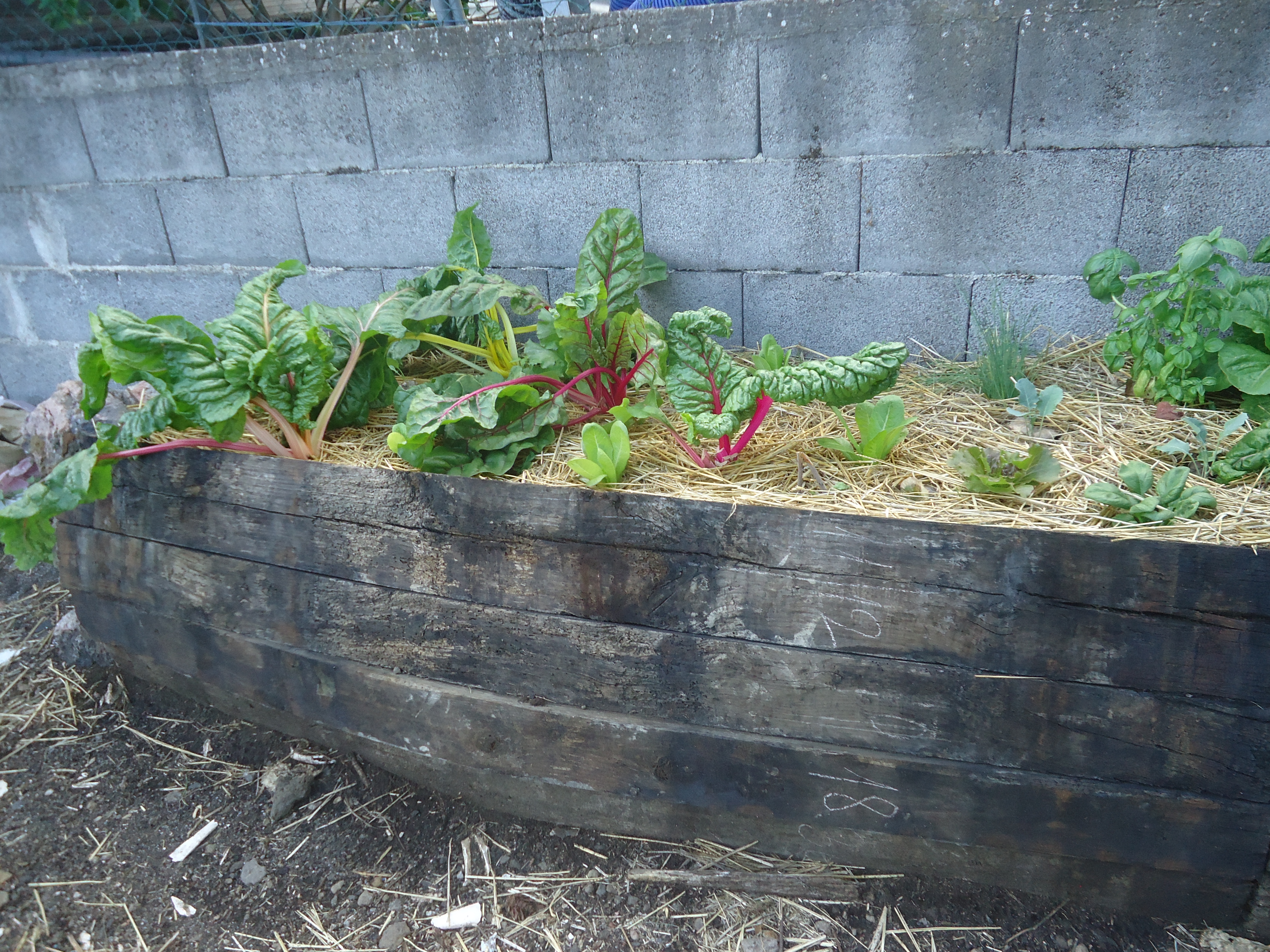
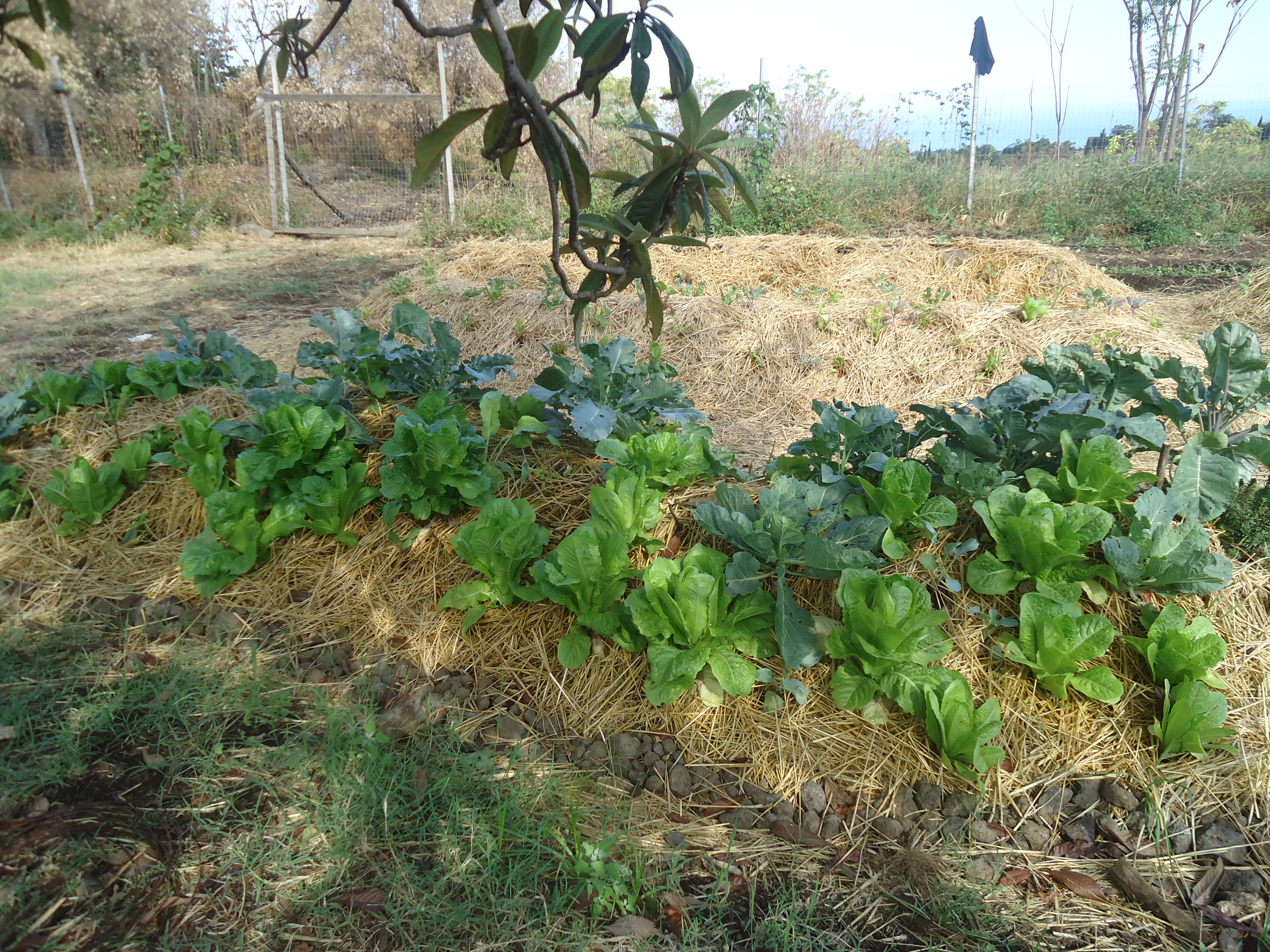
At the end, we walked around some of the vegetable beds on mounds he had created. He grows a large variety of vegetables and has followed the Hugel Method, which he briefly explained. At the base of the mound are tree trunks, then branches, leaves, fronds, covered by soil, a layer of cardboard and straw. In applying the irrigation system, the hose lying on the mound, one can chose to place it either above or under the cardboard. There are pro and con to each method. The pro in having the hose above the cardboard is that if there is a problem with the irrigation system it is easier to access the hose, but the con is that the water will run off the cardboard and, consequently, there will be a greater consumption of water. When placing the hose under the cardboard the pro is that you need less water, but if there is a problem, one has to pull apart the cardboard and the mounds, so Paolo chose to adopt both methods.
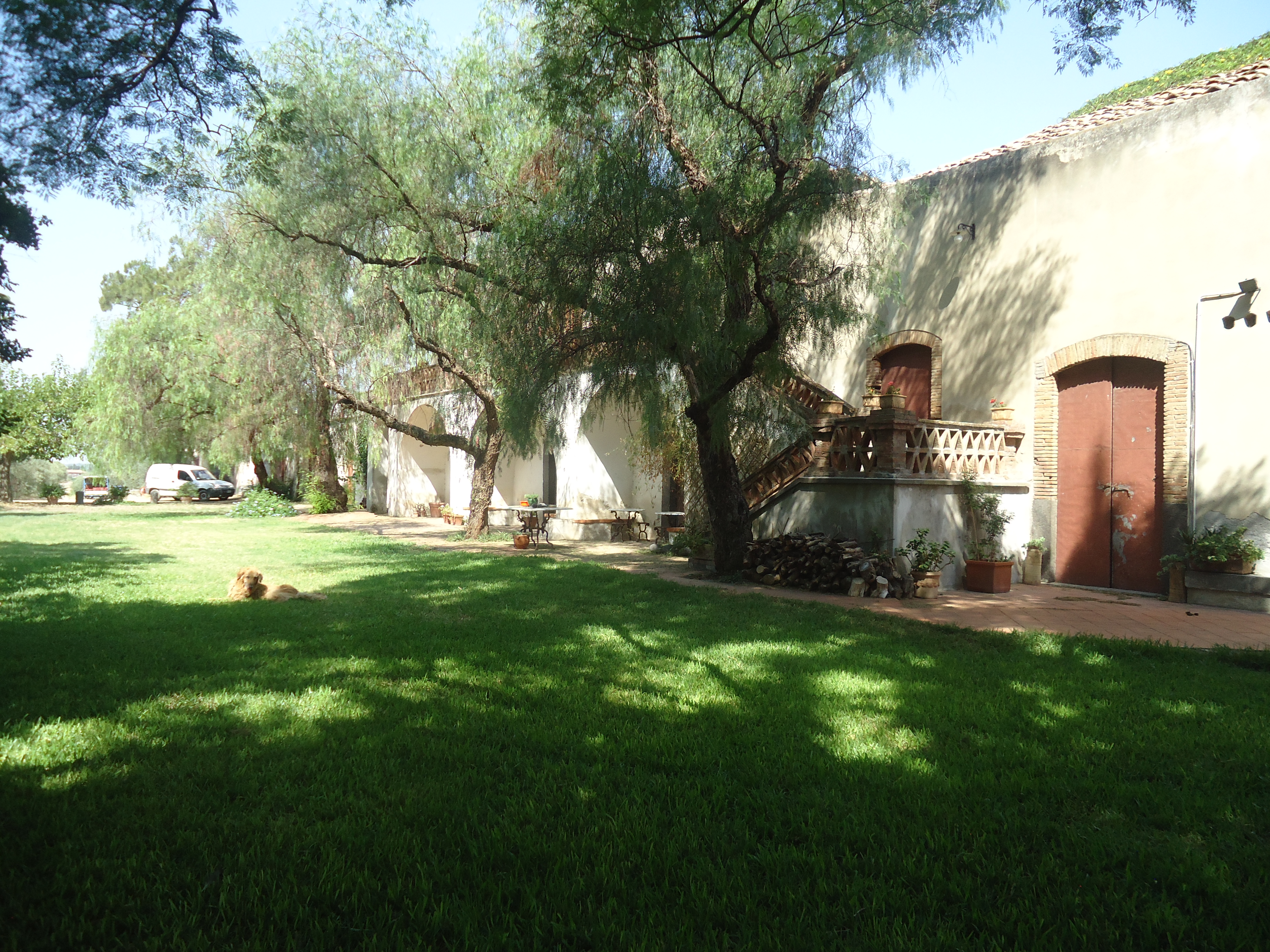
In conclusion, Paolo mentioned the philosophy lying behind his B & B. The B & B objective is to intend it as a place with a family atmosphere, with no strict rules regarding breakfast or coming and going. One should feel like one is staying a t a friend’s house and following this principle, many times guests are asked to join in family events, as occurred recently during a birthday celebration. The B & B, “Sotto I Pini”, in Pisano, Zafferana Etnea.
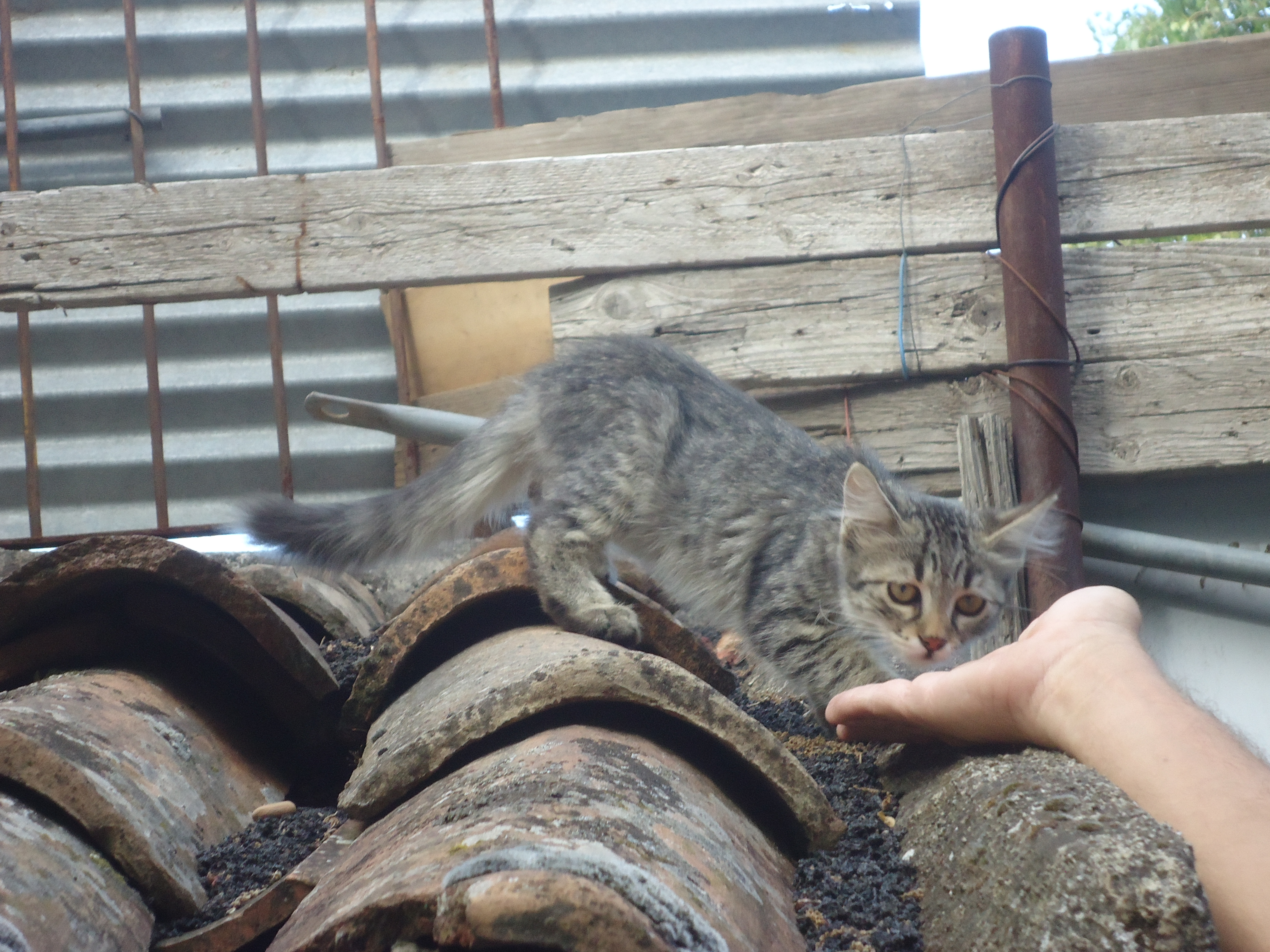
Just before leaving, I stopped and watched Paolo as he was interacting with the wild cats. He was finally able to get a wild cat to eat from his hand. The cat had been roaming his area for one month and had never allowed him to get close to it.
As I met with Antonio Grimaldi at his farm, the topic came up regarding a cooperative he belongs to, so he talked about the coop, legallinefelici. His farm is the gathering and loading station for the goods to be shipped and produced by the twelve entities that form the coop. They work exclusively with Gruppi d’Acquisto Solidale (GAS) , Grocery Coops, in the center and northern regions of Italy. The goods to be shipped up north are loaded on the trucks at all hours of night and day right there at Antonio’s farm.
The twelve entities which belong to legallinefelici are not only farmers but, for example, there are some fishermen in Marzamemi, a town on the southernmost tip of Sicily, Ionian Coast; these fishermen process their catch and the products they offer vary as they depend on the fish caught at a specific time. Another member of the coop is a social coop, L’Arcolaio, which has as its primary purpose to provide prisoners in Siracusa the opportunity to acquire a trade and in this specific case it is the production of traditional Sicilian desserts made with ingredients grown on local organic farms.
Many of the farmers that belong to legallinefelici grow oranges, lemons, clementines, and tangerines which are shipped north to the GAS. The merchandise produced is not limited to the fruits mentioned, but more items are made with the primary products such as soaps made with oil, marmalade and more. Some producers hold organic certification and others do not as the certification process is too expensive for small businesses.
Antonio continued stating that the coop has a vision based on ethical principles. Last year it gave work to a trucking company which had been confiscated from an illegal entity. The costs of operating the trucking company were higher than others, but everyone involved was willing to incur slightly higher expenses to allow the company to get back on track; another positive outcome of the acquisition of this specific trucking company was the fact it allowed deliveries to customers throughout the mainland of Italy reaching them directly door to door.
The coop, legallinefelici, was created about five years ago, and the driving force behind it was Antonio’s friend, Roberto Li Calzi. Some of the people who work at the coop and make it possible are Gabriele, accountant, handles oil and oregano; Antonio, manages the picking teams and workers; Barbara, quality control and packing boxes; Mario, manages purchase orders and transformed goods storage.
In conclusion, Antonio conveyed the idea of how all those involved have a sense of ownership in the cause and an interest to perform in the best way possible thus leading to the positive outcome they all enjoy.
As I started meeting members of the Siquillyah Association, organic farmers, B & B owners, artisans, to share their stories with my readers, my first meeting took place with Antonio Grimaldi at his farm, Azienda Agricola Grimaldi, located in C.da Cuba, Misterbianco, Catania.
I met Antonio Grimaldi at his property in the Misterbianco area as he hosted the weekly Farmers’ Market, as he does each Saturday morning. We sat in his garden across from his country home on a sunny summer day.
Antonio owns 36 hectares of land, which encompass olive groves, orchards, a vineyard and, as of this year, he has started growing vegetables. As Antonio explained, the agricultural world in Sicily is experiencing tough times; farmers can no longer provide only goods, but they need to provide services to their customers on top of the goods. Offering organic produce falls under the services category, he stated, and then there are all the many products derived from the primary goods that farmers can produce.
Vineyard
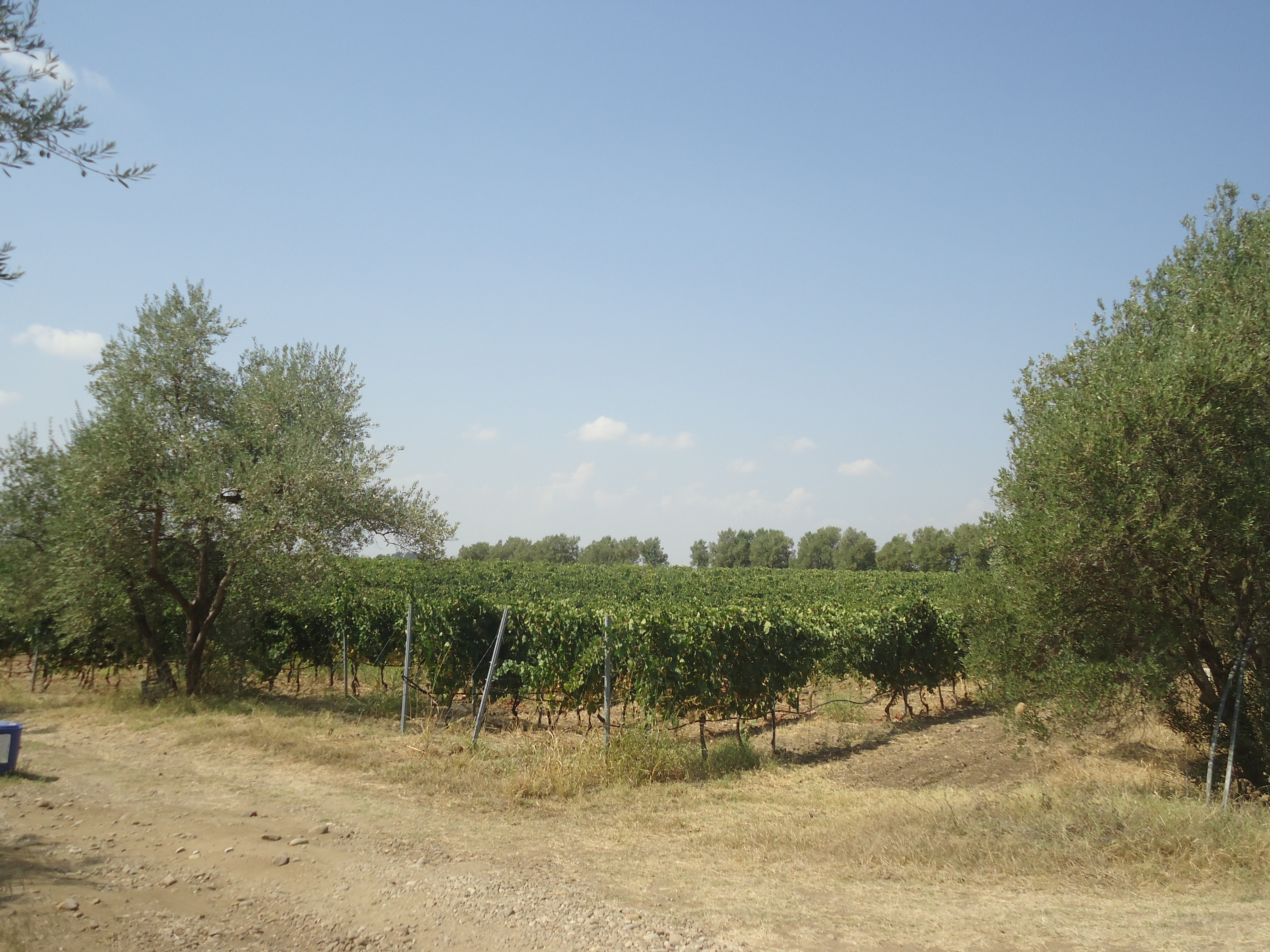
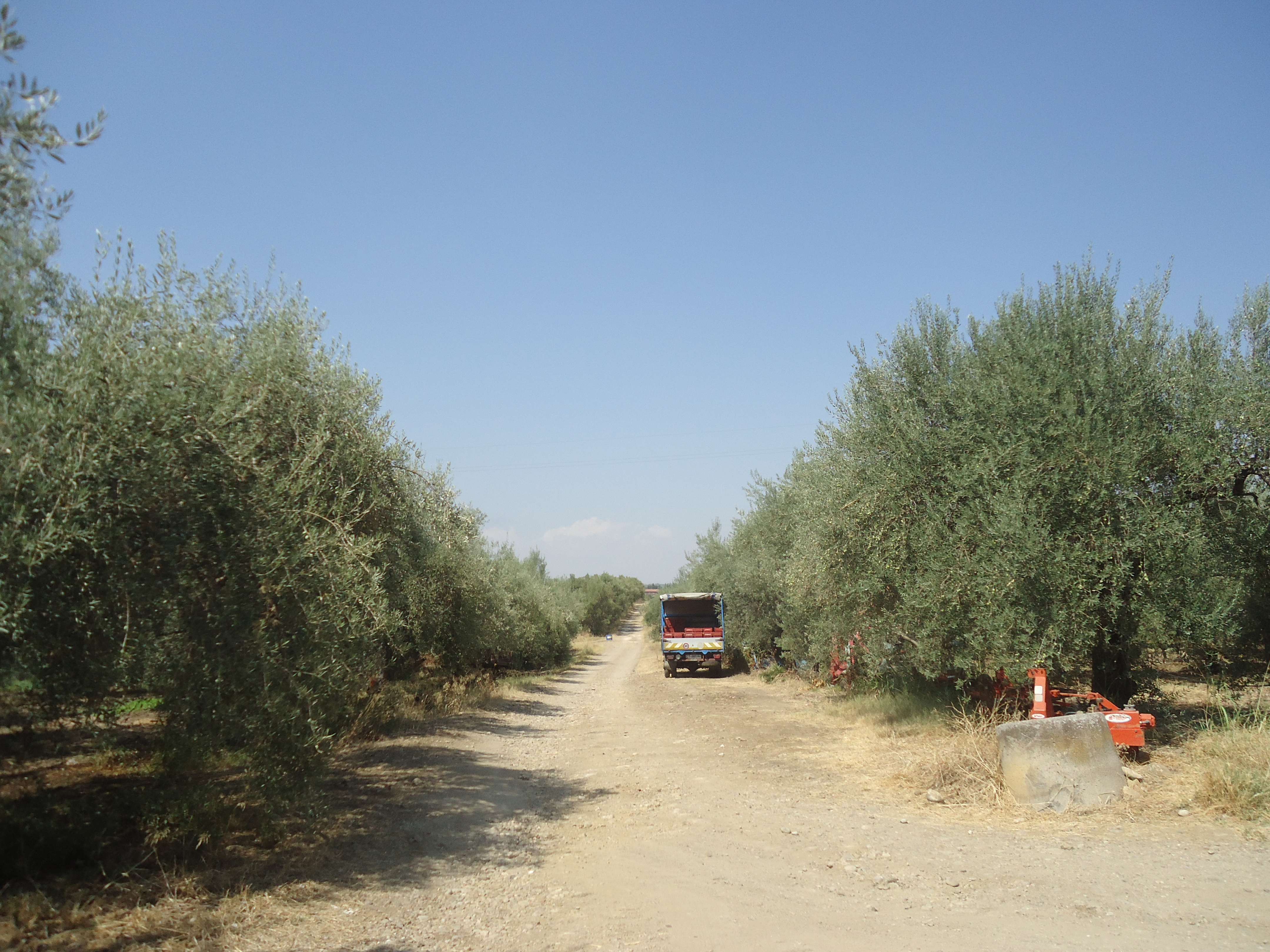
Olive Grove
Prickly Pears
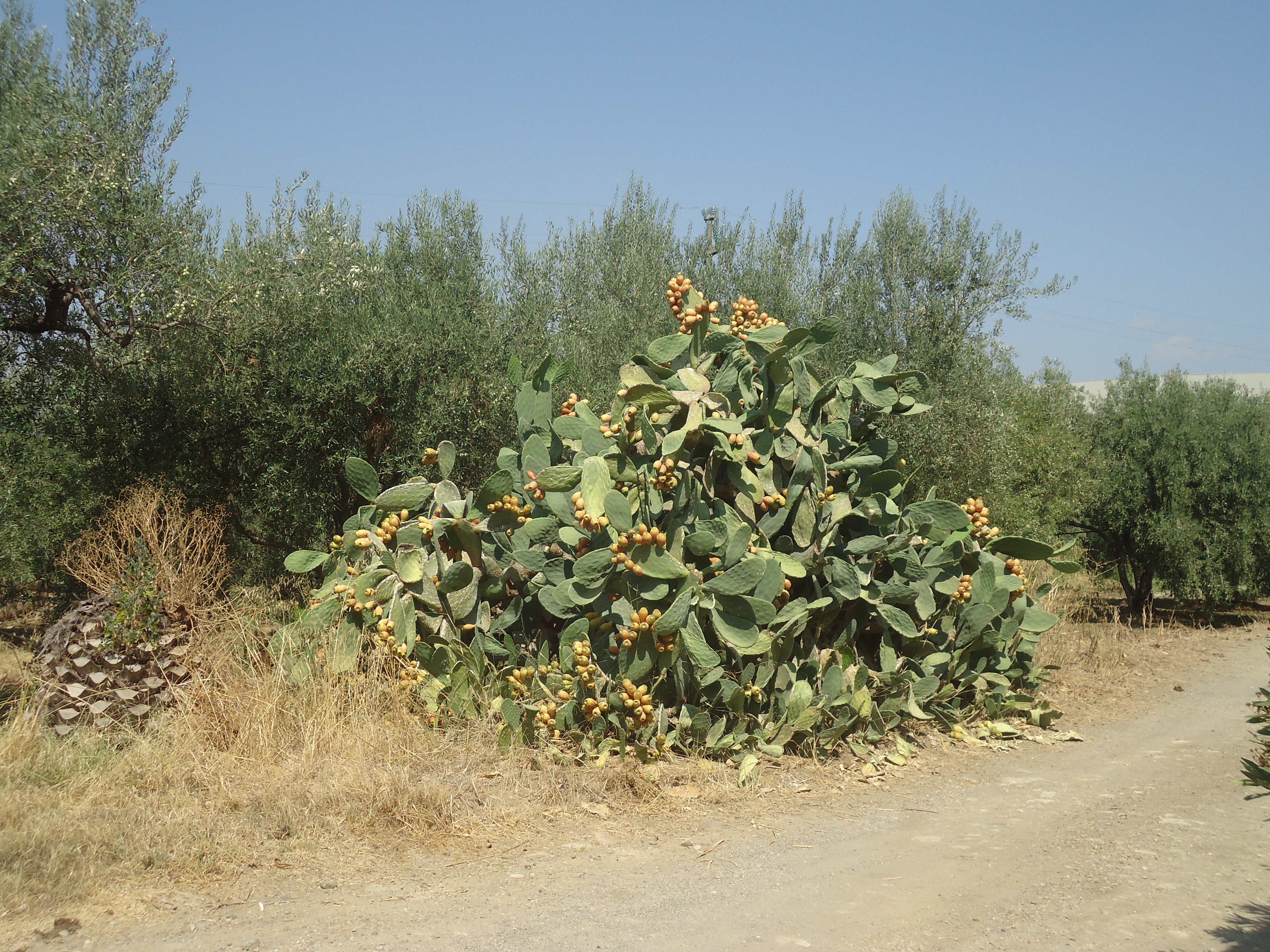
This particular farm has many areas which have been left uncultivated in order to allow nature to take its own course, offering biodiversity and attracting birds and animals. Antonio’s father purchased the land over 60 years ago and, at that time, there were no streets around it but only paths for the carriages. Getting to his land in those years from the city, Catania, was truly an adventure. Today, unfortunately, the roads leading to this property are packed with traffic.
Antonio’s farm not only provides services to the local communities, but it also carries out a social role as it offers support to local youth. The farm offers local autistic youth the opportunity to practice farming on the premises, in fact, one autistic kid recently worked on the farm for eight months. There is another group of young, from the Librino neighborhood, a tough neighborhood made up of high-rises on the outskirts of the city, who through an association have had the opportunity to practice farming on this land.
Finally, Antonio stated that even though he doesn’t have a B & B on his property, he is hospitable and welcomes visitors who may like to drop by and have a chat with him.
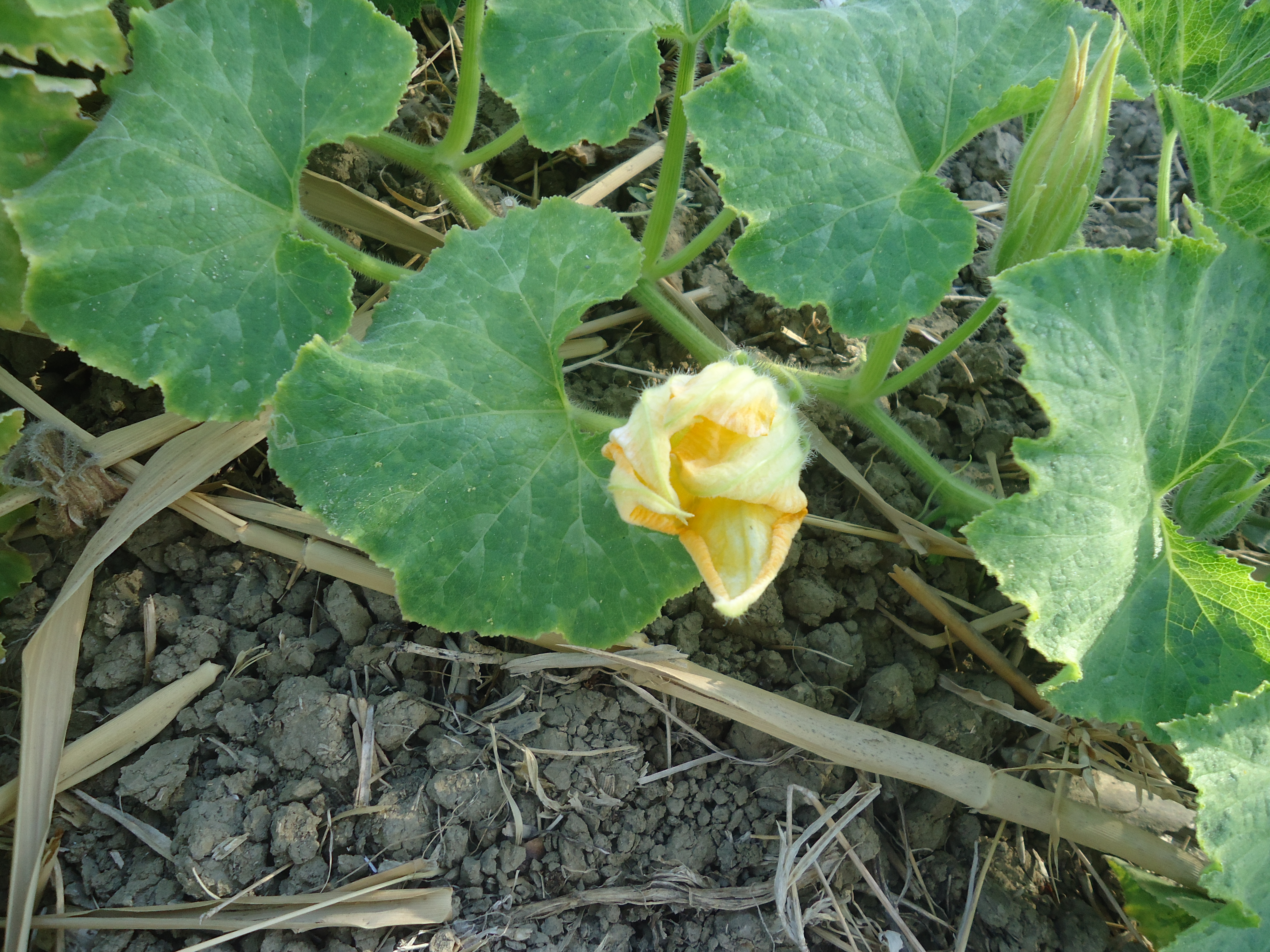
What do you do when you have a lot of bare land in the countryside, and you work and live in the city? You just try something new with no knowledge of the outcome. This is what recently happened to my HS friend, Franca, and her family, and what a surprise they got!
At first, they had no idea what to plant. Then their son, Giansalvo,now a young adult, made a suggestion. As he told me, he had visited a friend as a child whose grandfather had a pumpkin patch. Unfortunately, the grandfather did not allow the children to touch any of the pumpkins and this was a childhood experience that Giansalvo had never forgotten. Consequently, when the family was deciding what to do with the bare land they had acquired through inheritance, Giansalvo exclaimed: “Pumpkins!!!!!!!!!!!!”.
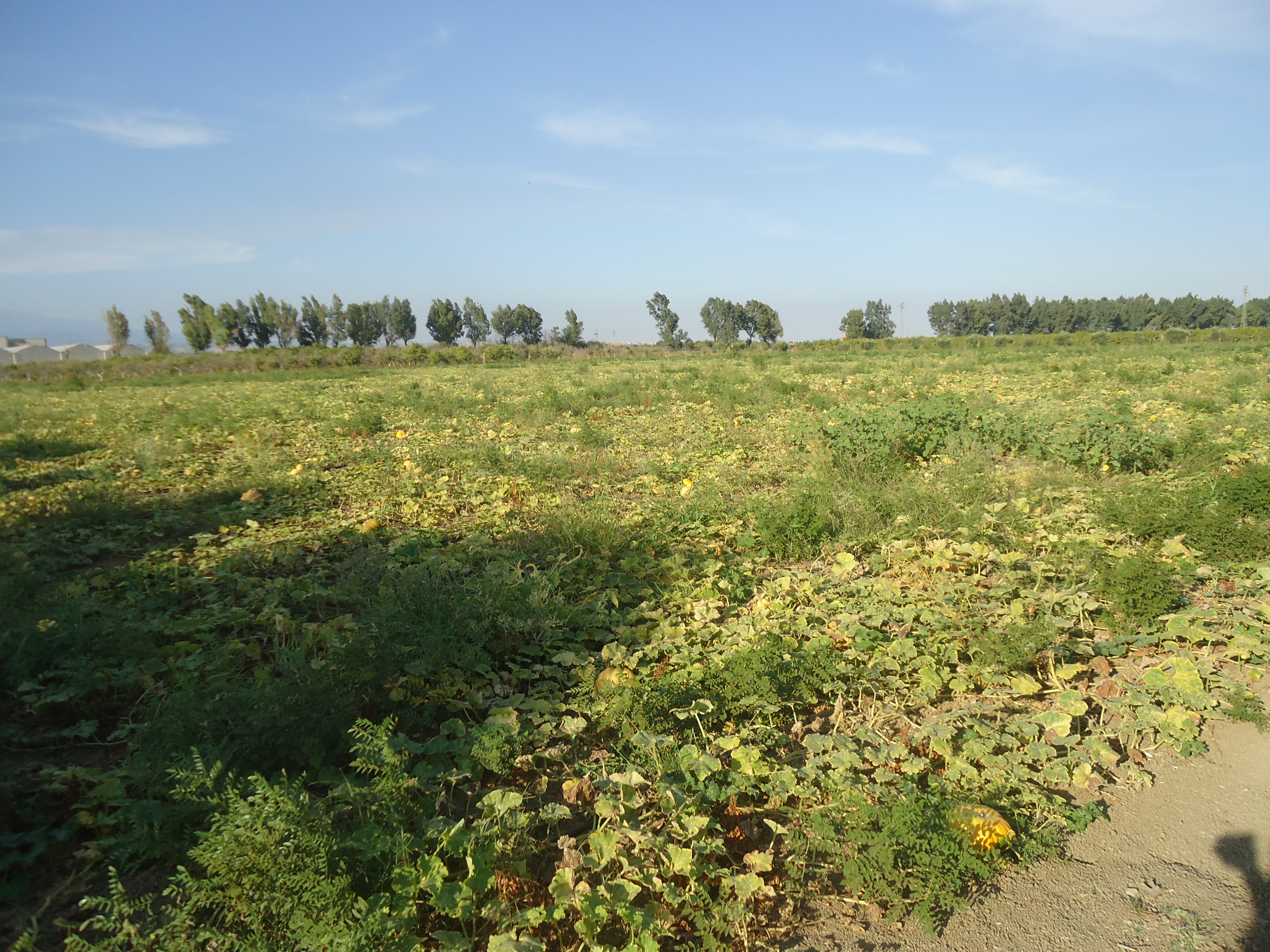
To many, pumpkin patches are fun places to visit. I remember my own children, Charlie and I going to pick our own pumpkins in Virginia and enjoying the experience, then going home to bake the goodies and carve the pumpkins. However, growing up in a city in Sicily, I had never seen a pumpkin patch or even heard of one before moving to the USA in the 80’s. So off I went yesterday with my friend and her husband to visit their pumpkin patch in the Piana di Catania, Catania Plains.
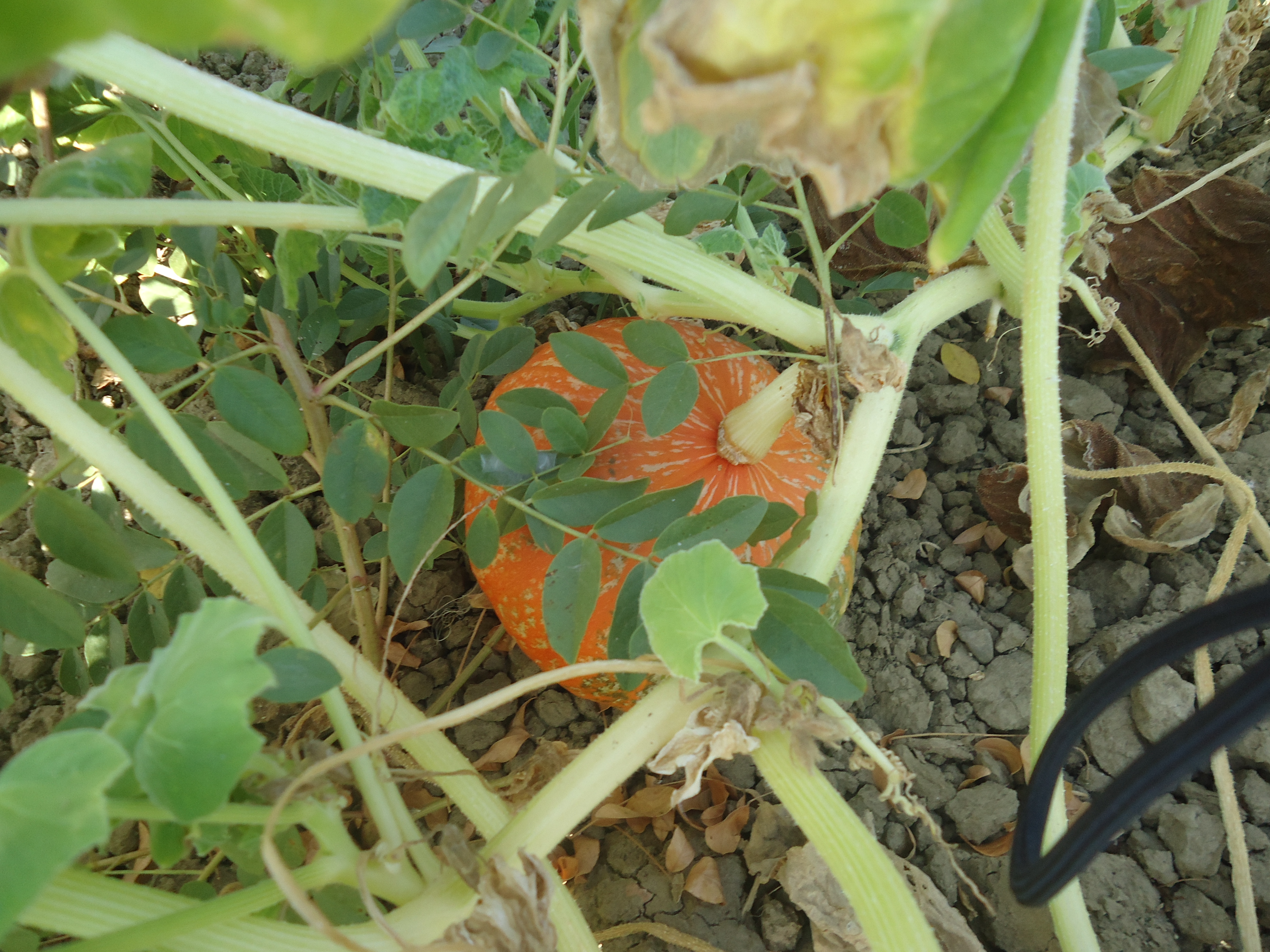
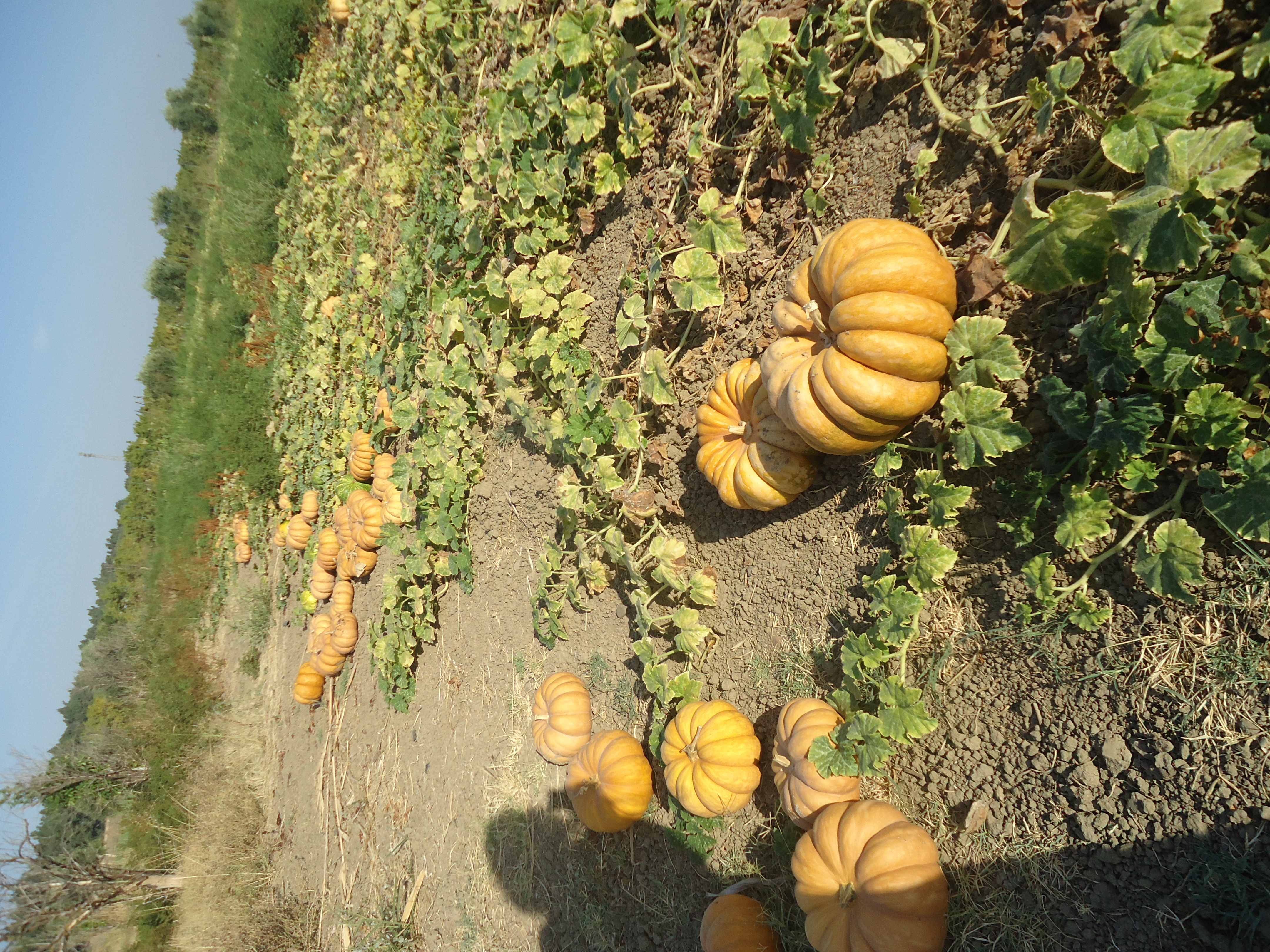
Franca proudly explained the way they had planted the seeds, in rows two metres apart, and the watering system they used. The black hoses placed along the 103 rows where they planted the seeds, three in each spot, 2 metres apart. One and one half hectares of pumpkin seeds planted. When this was all done on April 24th, they had no idea what the outcome would be.
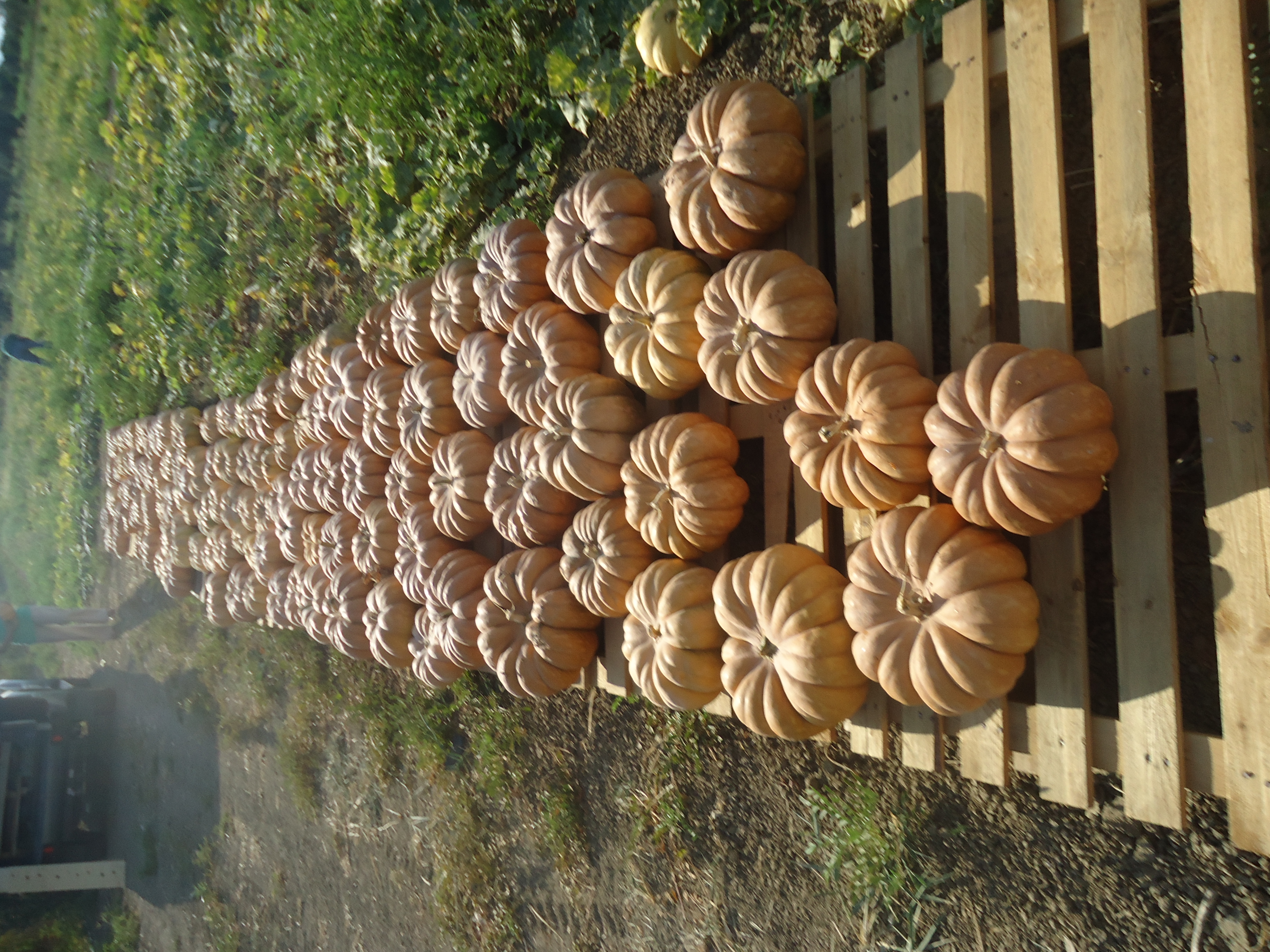
What a surprise, for these amateurs, when within a few months, they were harvesting 3,000 kilograms of pumpkins!!!! As they retold the story I could still perceive the sense of awe. Franca and I walked along the rows and observed the different pumpkins. She is very proud of the first row, which she planted in a straight line. One of Franca’s questions, yet unanswered, is why from the same types of seeds in a cluster the size of the pumpkins at their final stage can be so different. Perhaps the amount of water each absorbed? I know the feeling of planting from seed (in my case at a much smaller scale) and enjoying the creatures grow!
They planted three varieties of pumpkins, two of foreign origin, Moscato di Porvenza and Hokkaido, and one, Pepone Maximo, a Sicilian variety. The Moscato grows to 4-5 kilos, in the shape of a turban, with a flat top. The hokkaido, japanese origin, is very orange and great to eat raw on salads. Finally, the Pepone Maximo, Sicilian origin, can reach 10 kilos, has a much more rounded shape and is not flat on the top.
Franca and her family are having a great time exploring this new venue and it was so much fun visiting their farm! I look forward to my next visit, perhaps to lend a hand!!!!!!!!!



Pictures courtesy of my daughter, Julia, aka JEWLZ!
A boat trip along the coast starting from the port of Ognina, Catania and up to Acitrezza, and back.
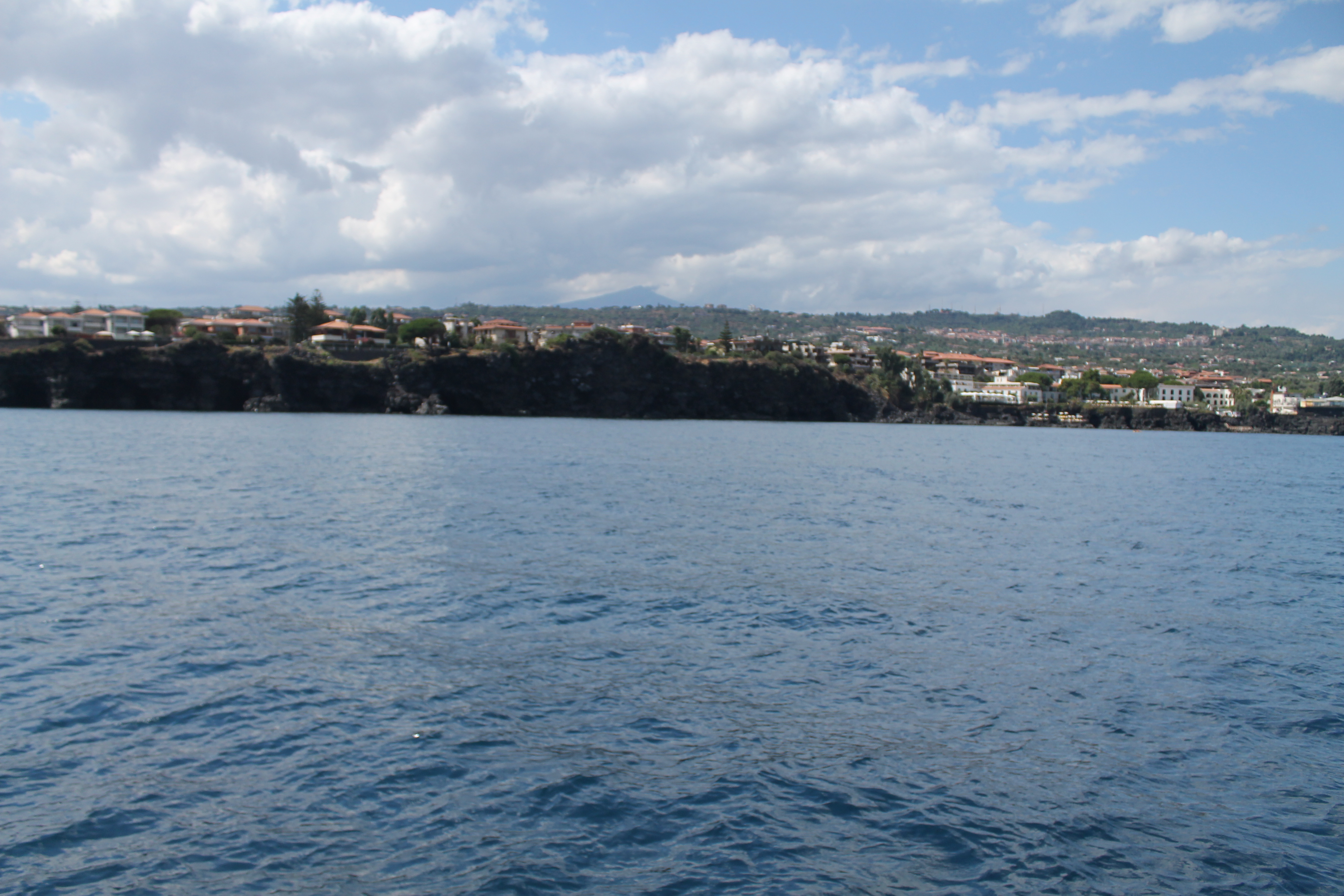

Notice Mt. Etna in the backdrop
The Castle in Acicastello

Faraglione, Acitrezza
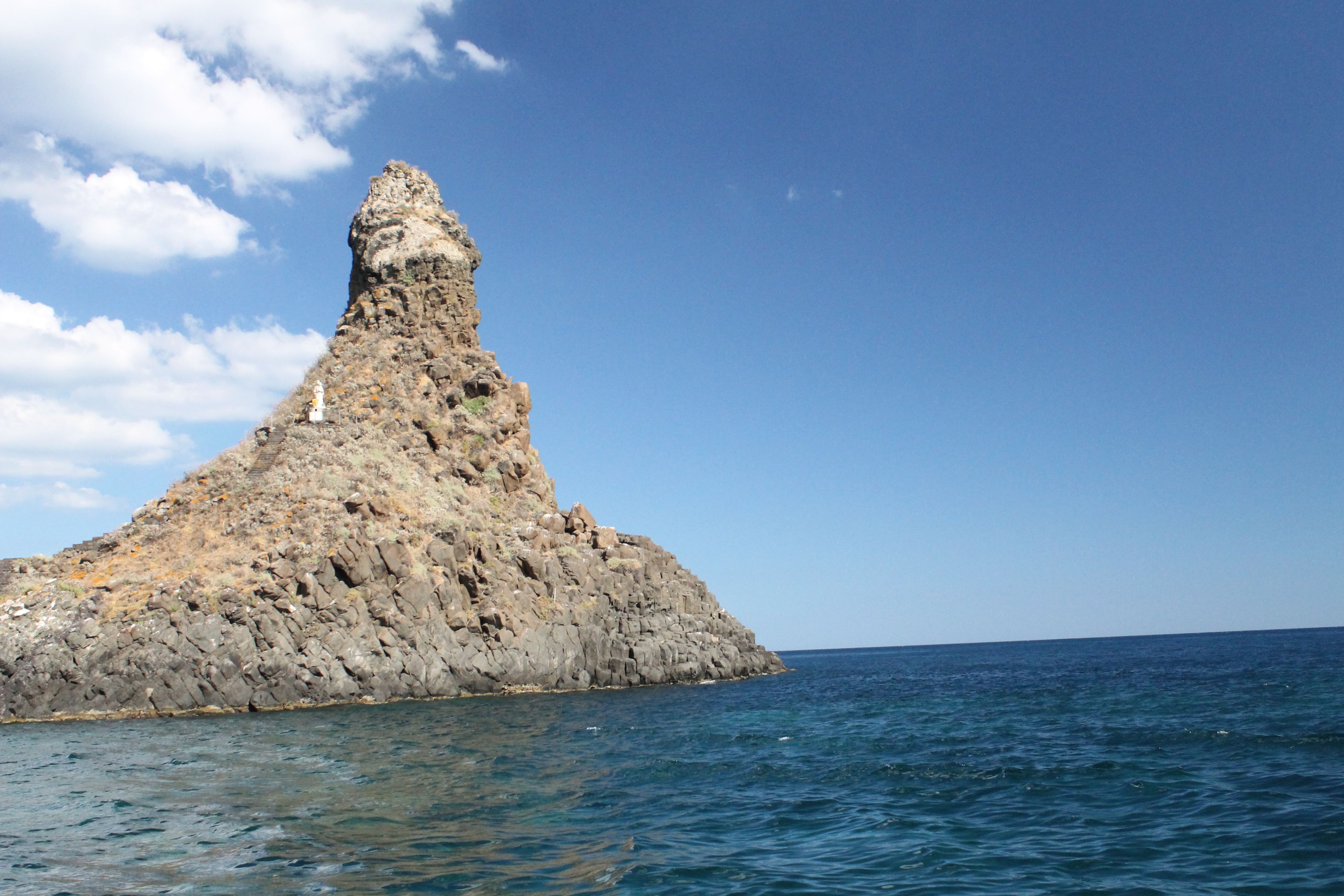
Isola Lachea, Acitrezza
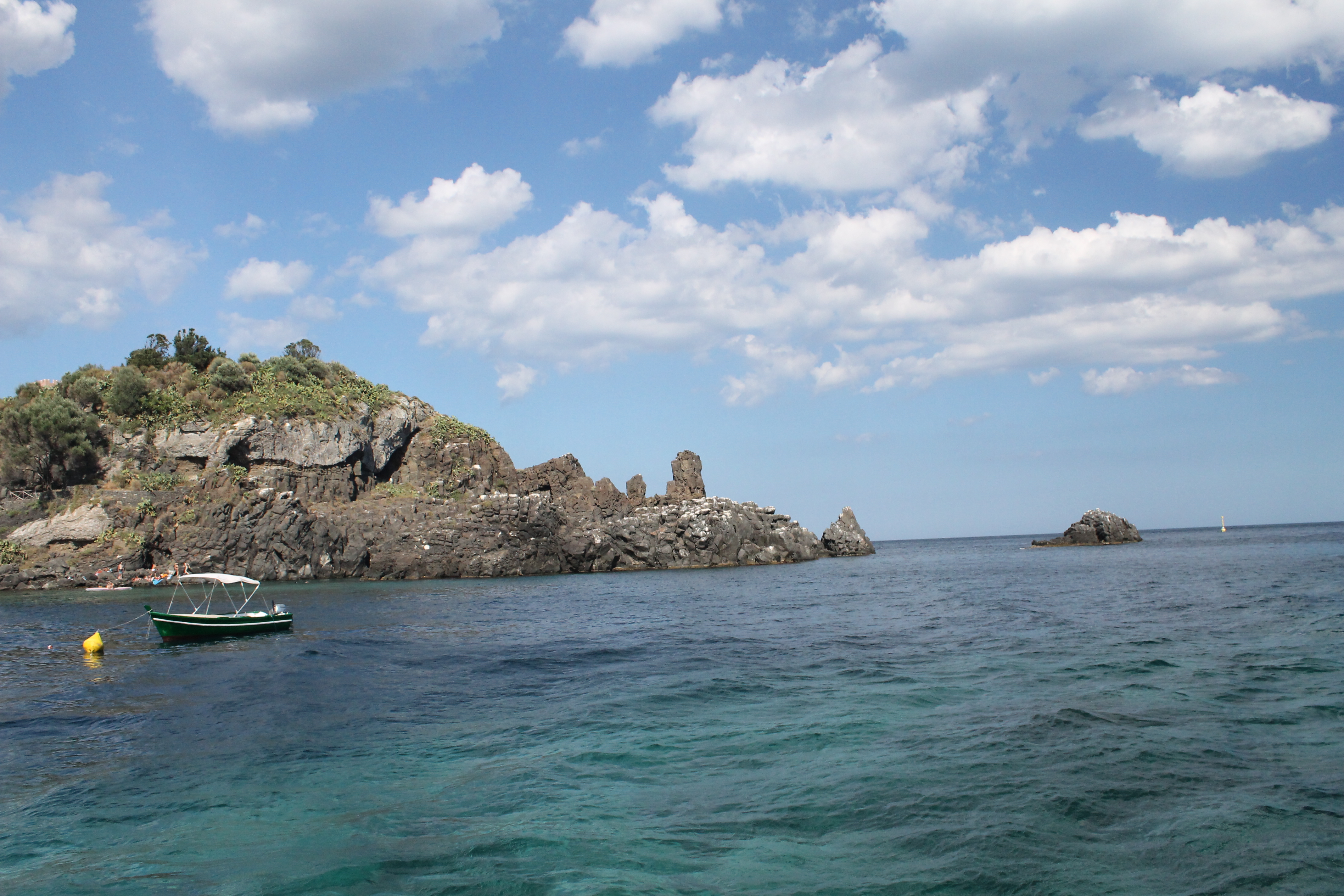
Houses along the coast


 Sicily & MORE Explored by Rosanna