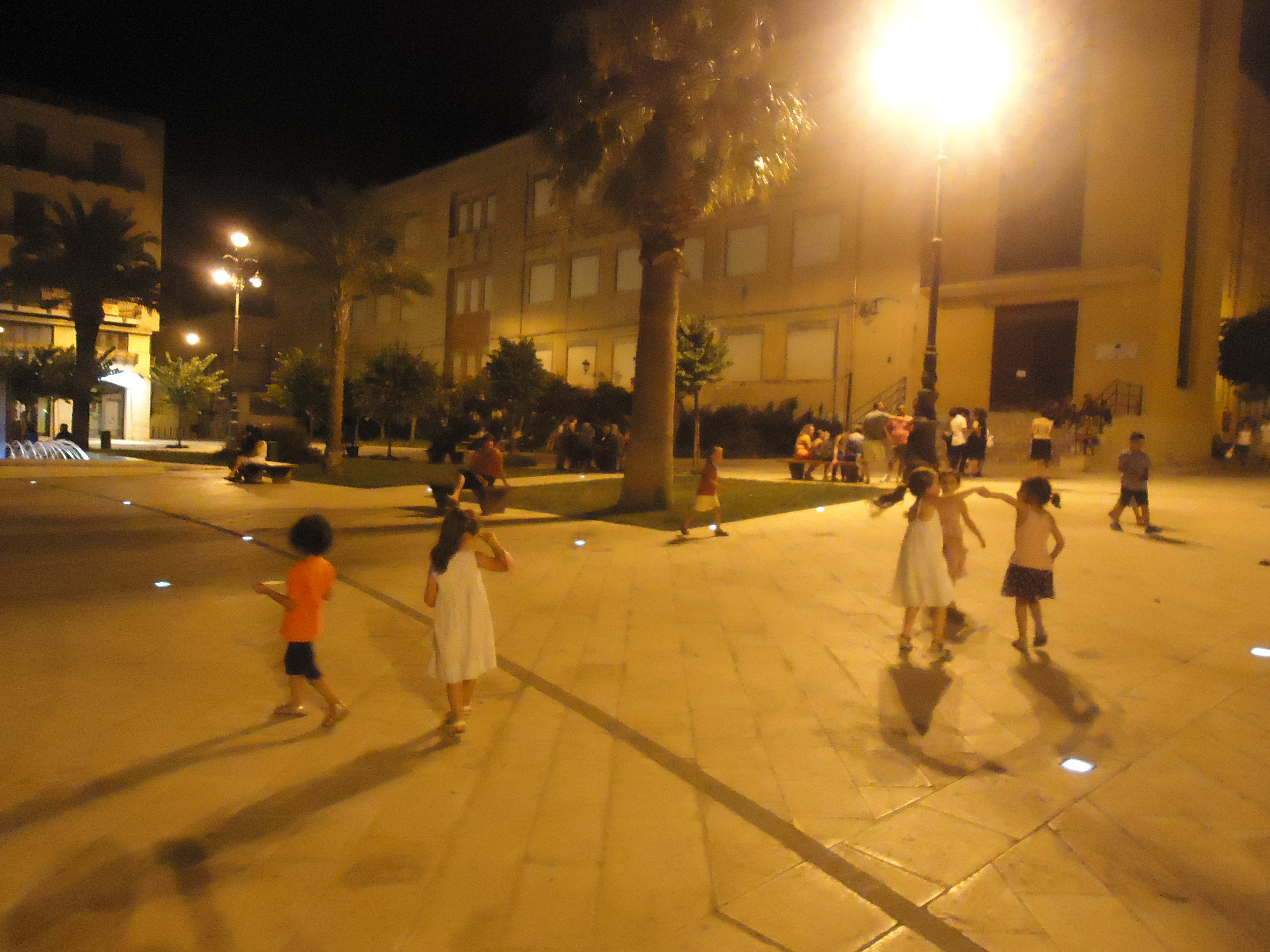
In the Sicilian tradition, children stay up at night and enjoy a stroll in the piazzas of their towns with their adult family members and friends.
There is no strict bedtime in this culture.
Children enjoying the evening breeze with their adult family and friends in Acicastello, Catania.

Children at play in Piazza Unita’ d’Italia in Ispica, Sicily.
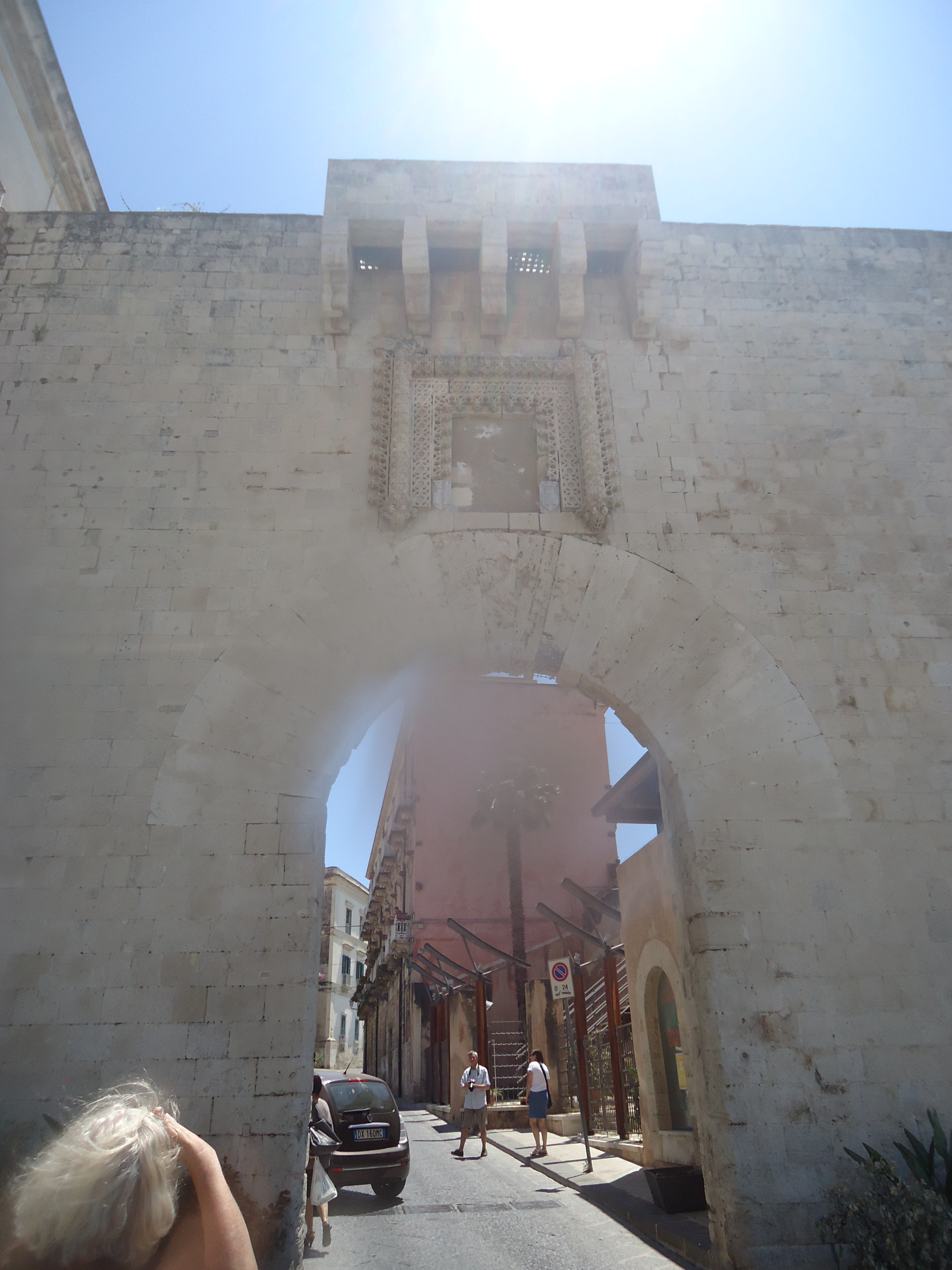
Ortigia, the old city of Siracusa, is separated from Siracusa by water. Standing on the eastern coast of Sicily, south of Catania, approximately a 45 minute drive, Ortigia’s architectural beauty portrays Sicily’s layers of history. The old city was founded by the Greeks, who were followed by Romans, Arabs, Byzantines, Normans and Spanish. It is a pleasant walk to stroll through Ortigia starting at the city’s entrance, called Porta Marina. Unfortunately, the picture below is not of the best quality as it was taken at noon.
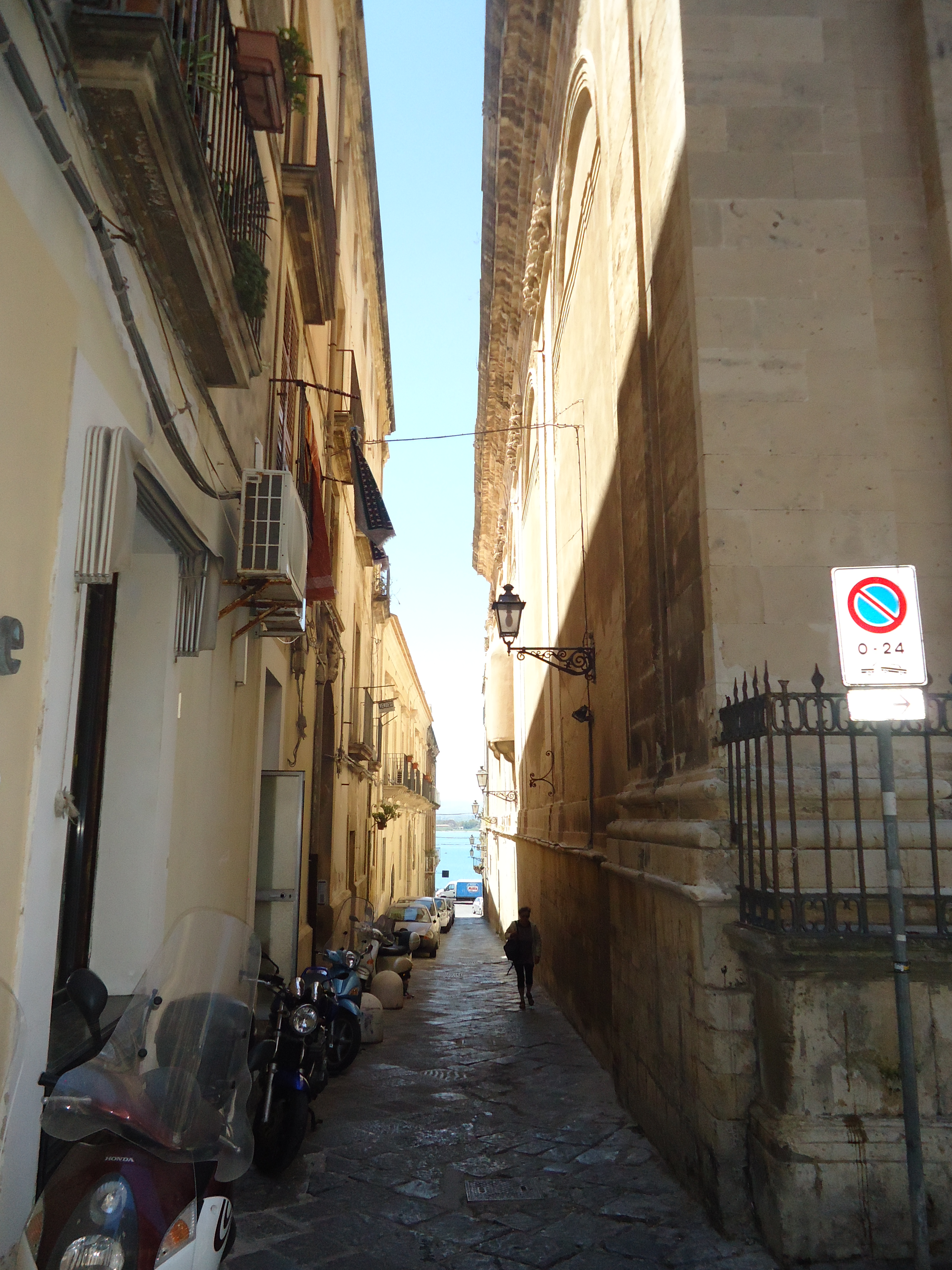
On a hot summer day, the shade offered by an alley can provide great relief.
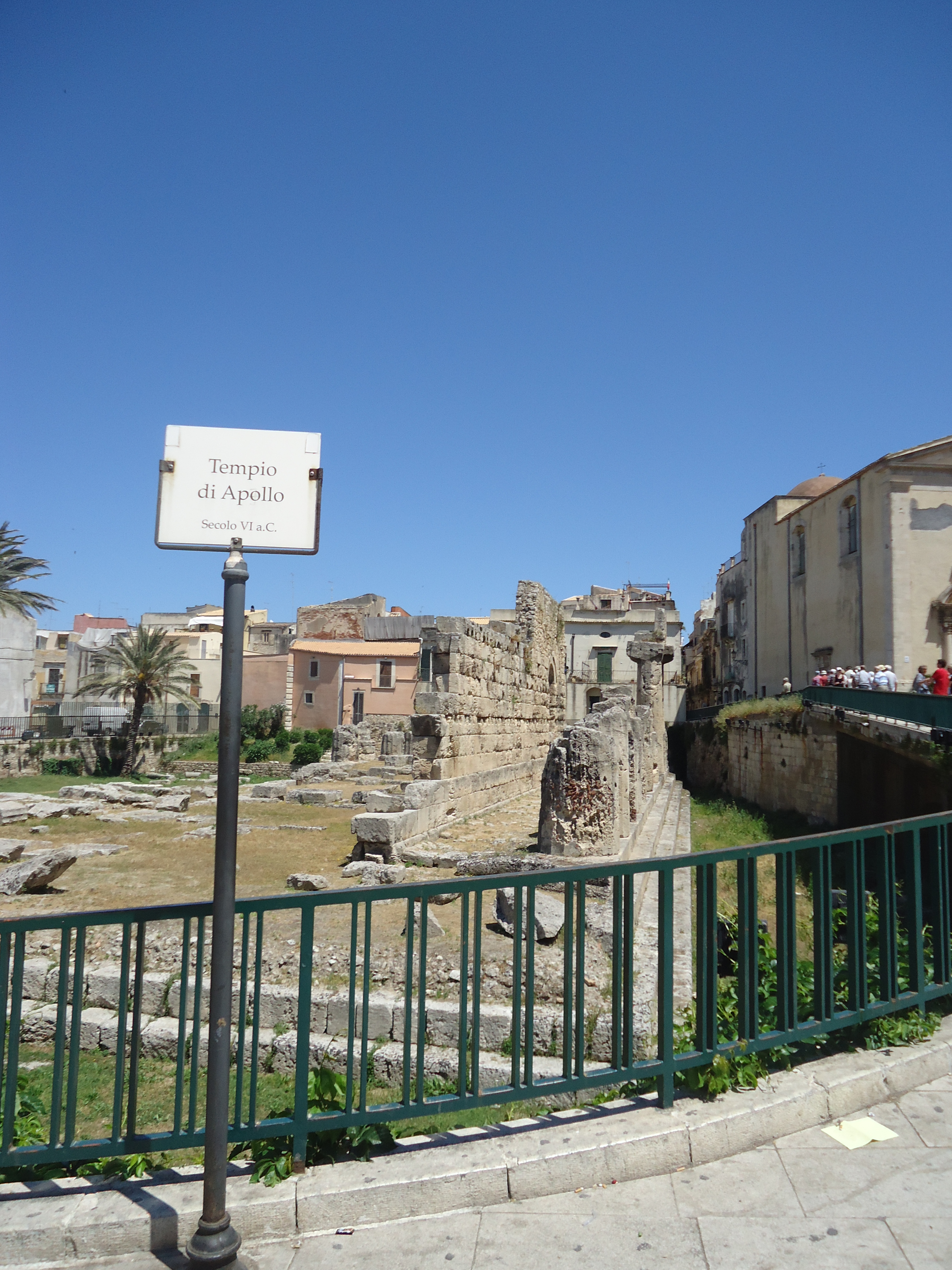
The Temple of Apollo across from the market
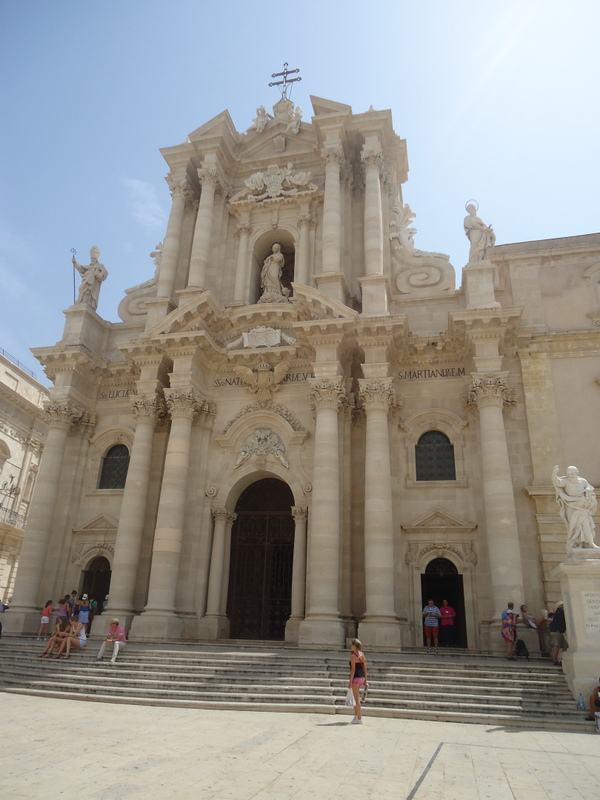
On a stroll into the Duomo Square, the Duomo of Santa Lucia, Patron Saint of Siracusa, the cream stone buildings create a blinding beauty on a bright summer day. Who can resist just sitting and people watching!
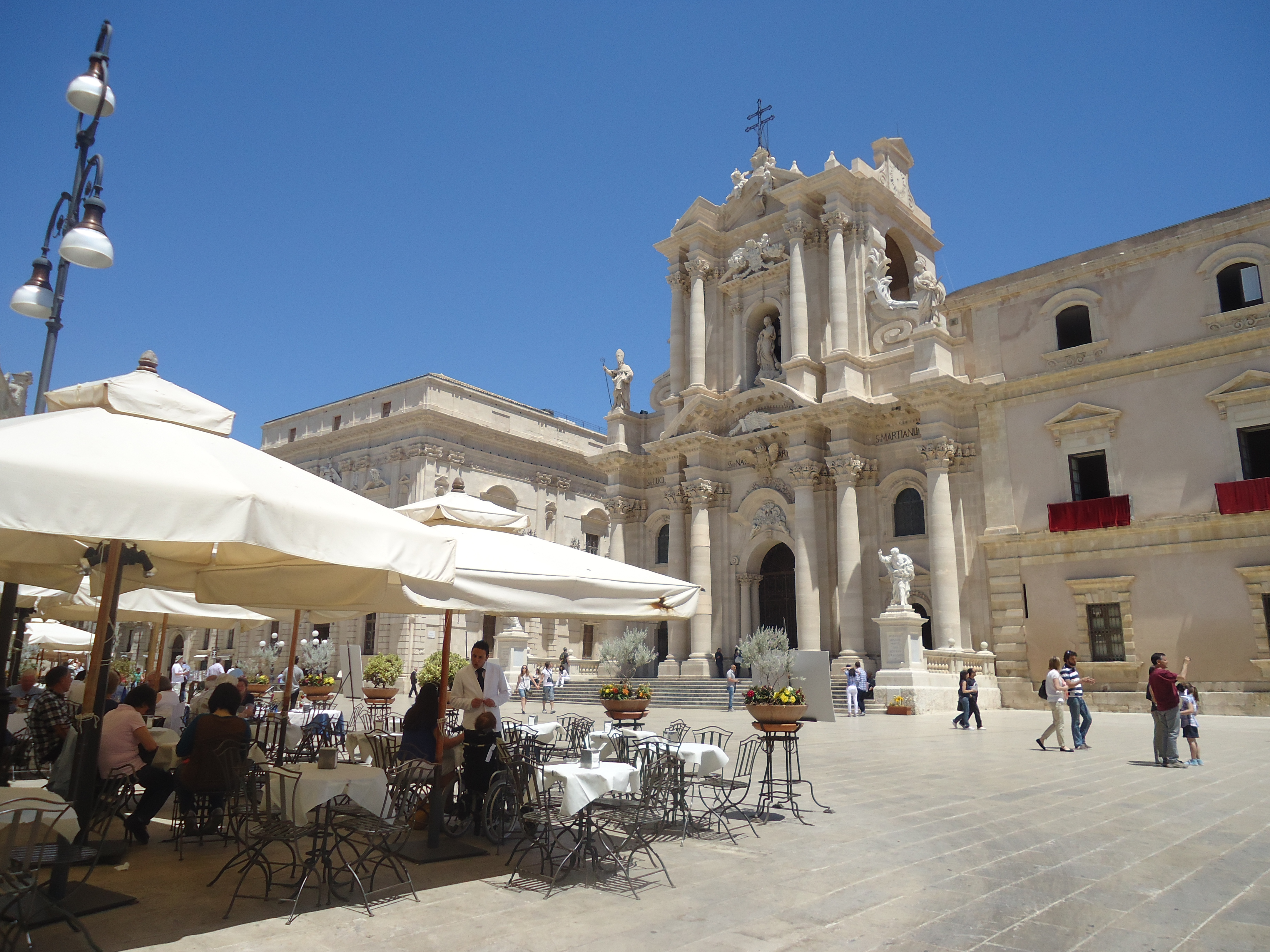
Duomo di Santa Lucia
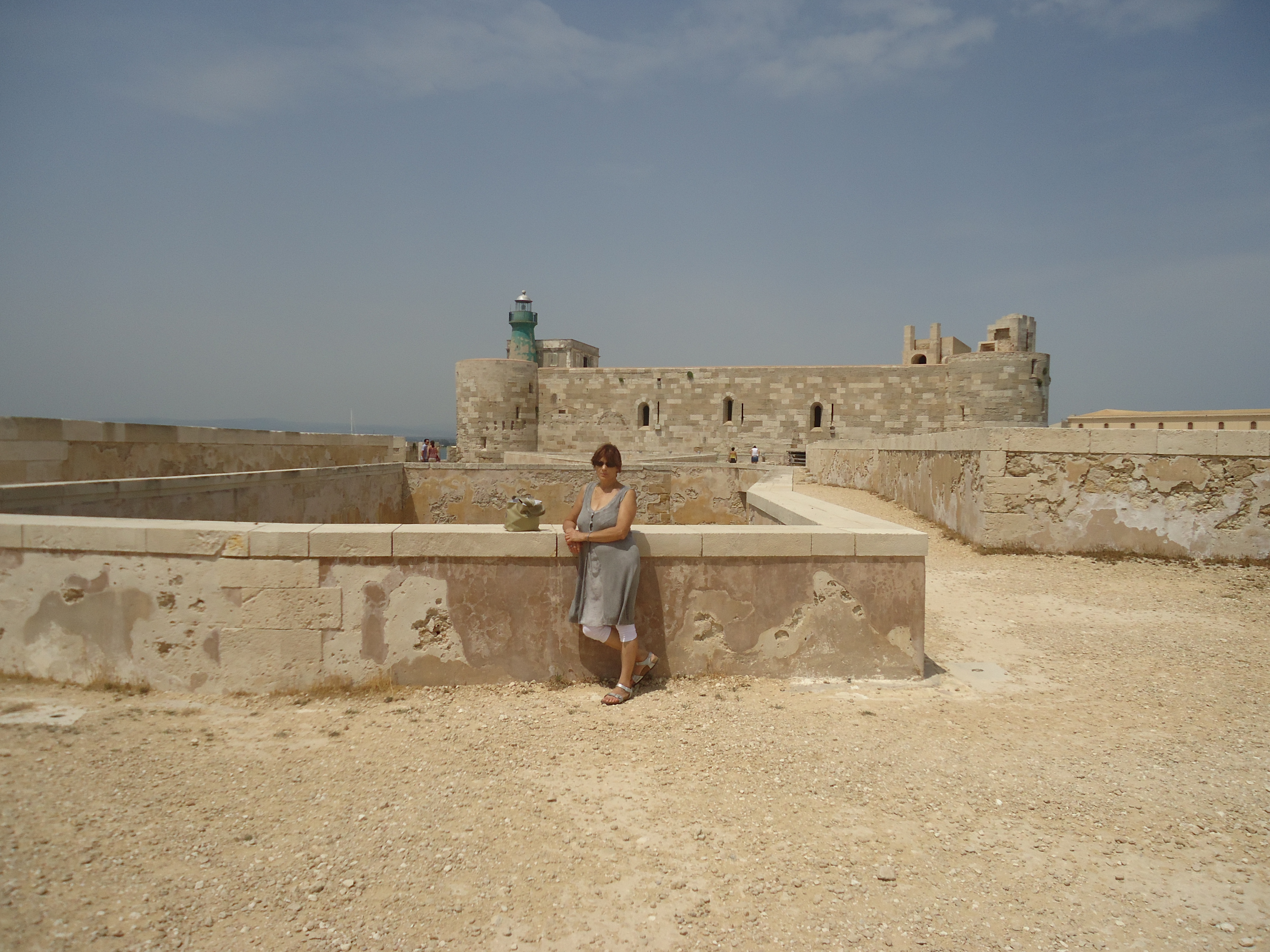
Another highlight of a visit to Ortigia is Castello Maniace, a majestic fortress overlooking the sea, standing on the furthest edge of the island of Ortigia. In a way, it reminds one of the fortress along the shoreline of La Valletta, in Malta, built in La Valletta after the 1565 siege.
Castello Maniace was originally a fortress built in the 11th century by the byzantines and it was transformed into a castle in the 13th century. It remains an important monument of the Swabian period in Sicily.
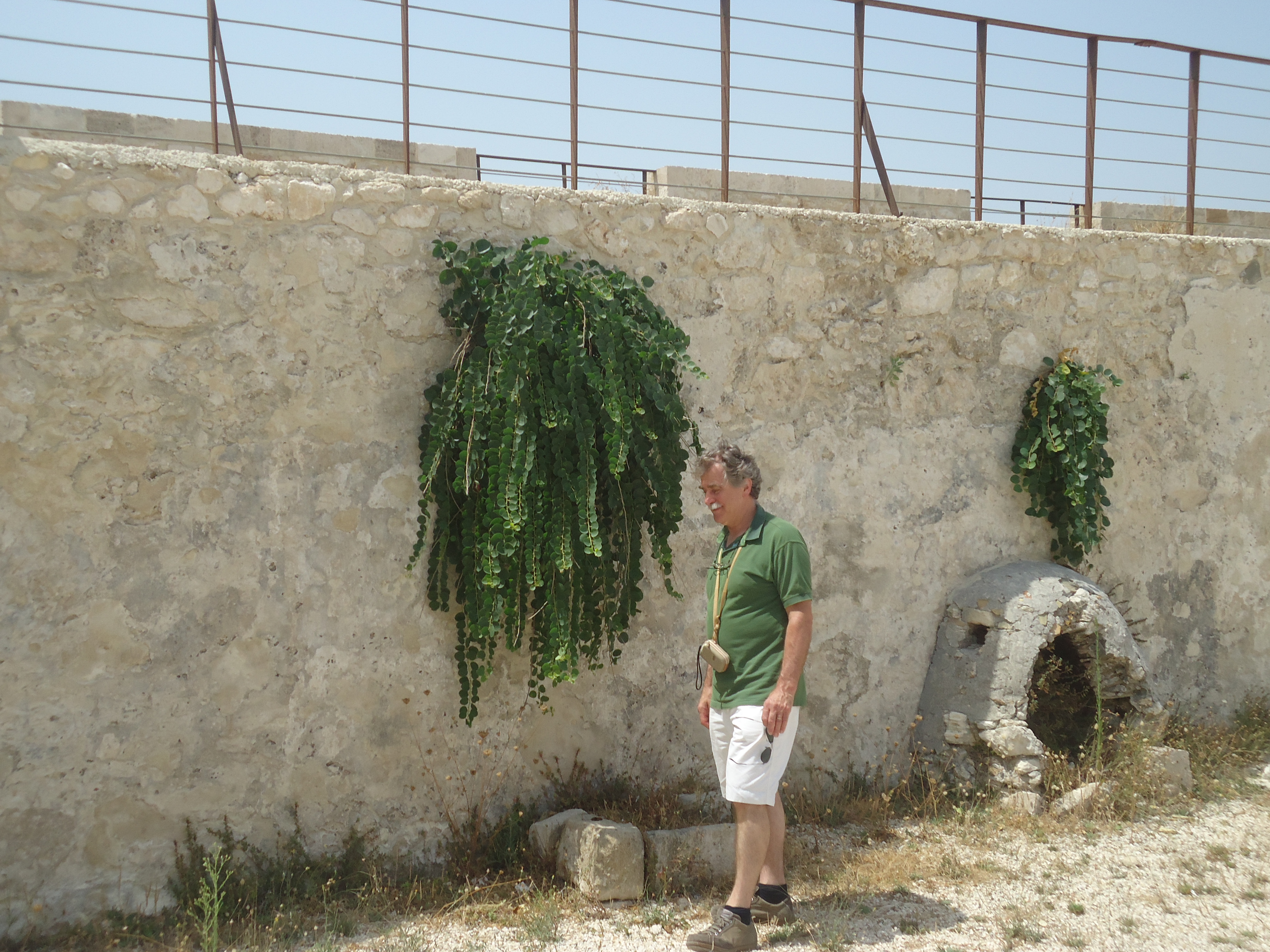
Capers, capers, growing wild everywhere
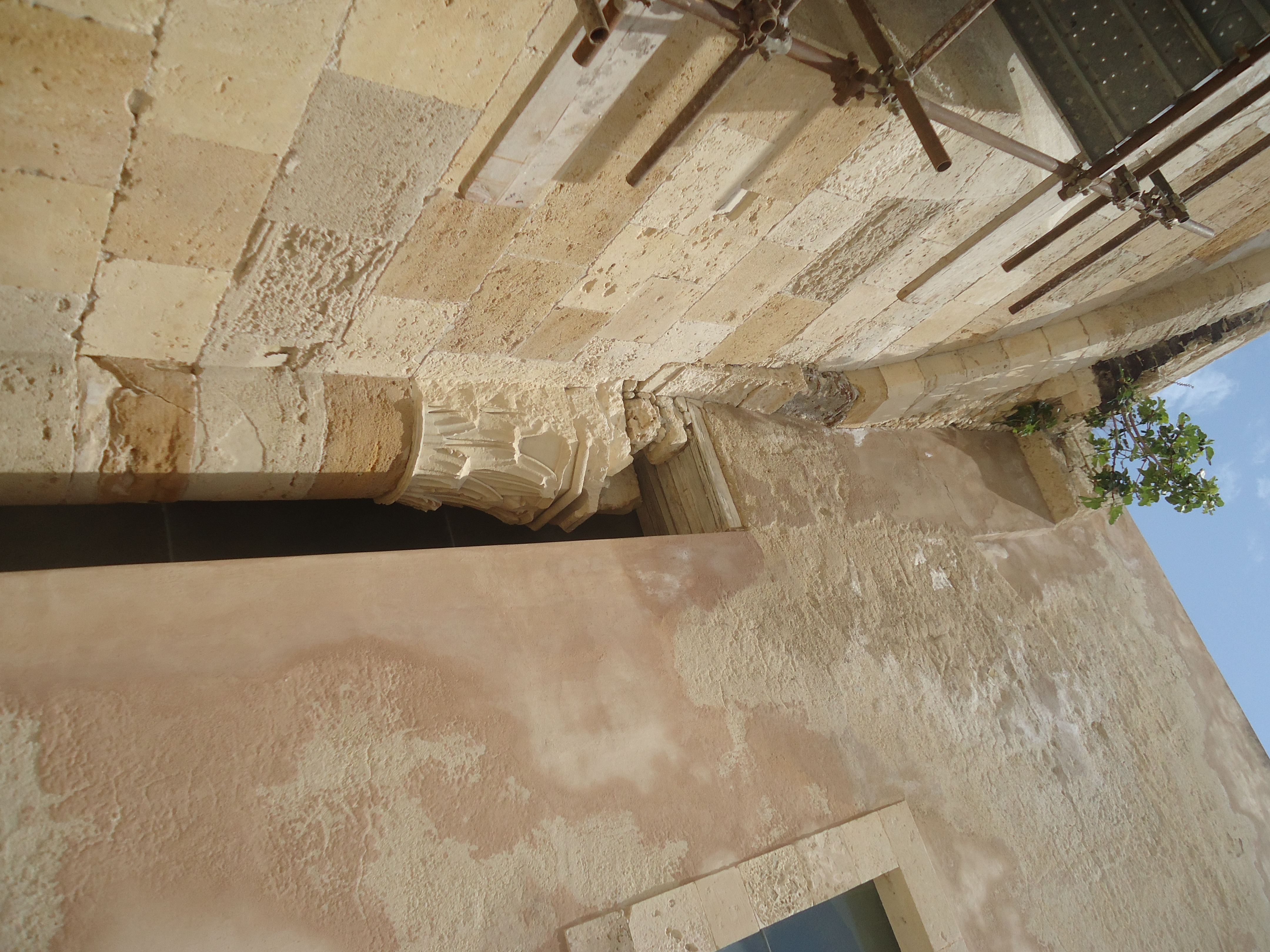

Inside Castello Maniace a copy of one of Caravaggio’s masterpieces, the Beheading of Saint John the Baptist. The original copy of the painting is in La Valletta, Malta.
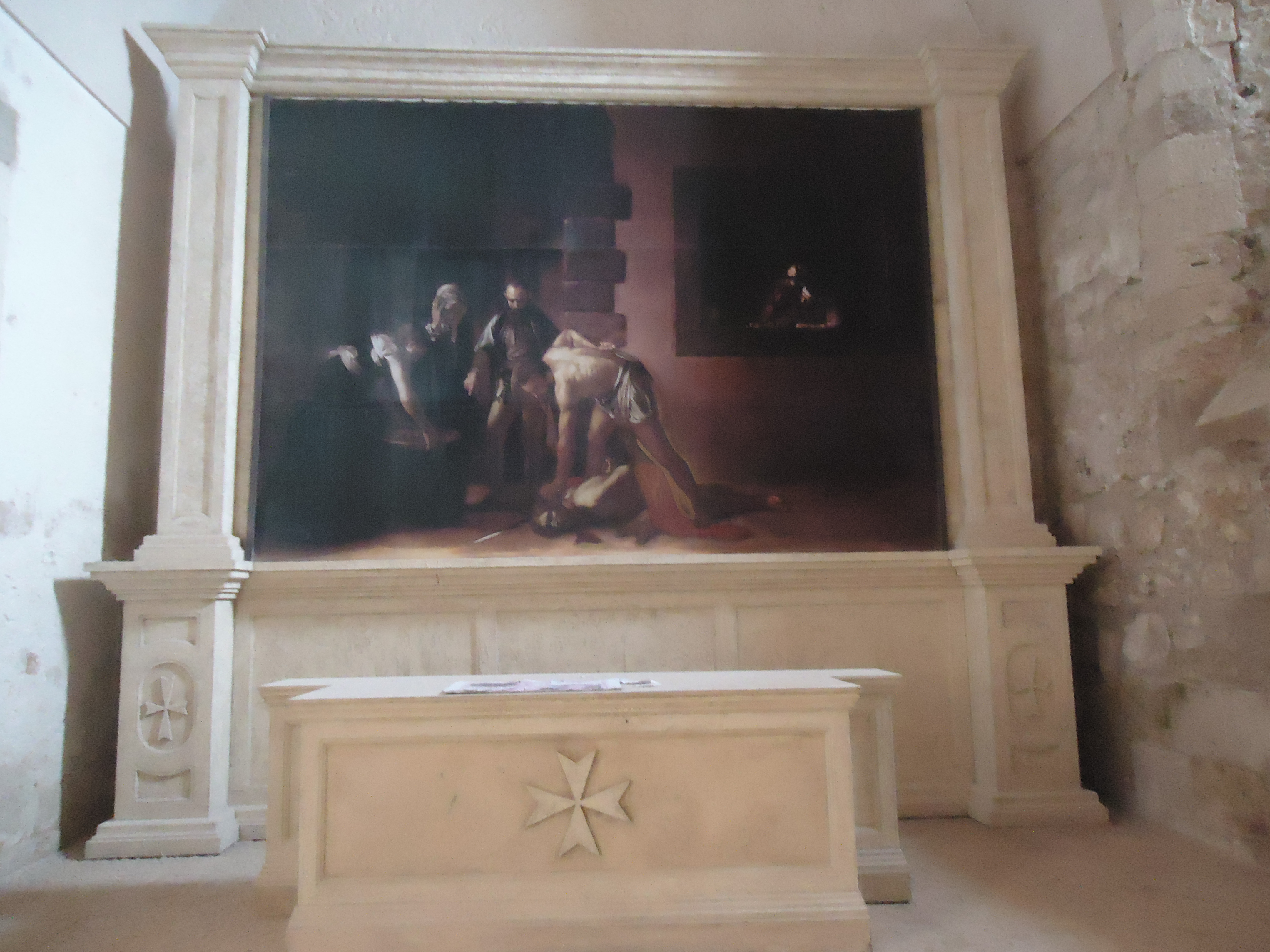
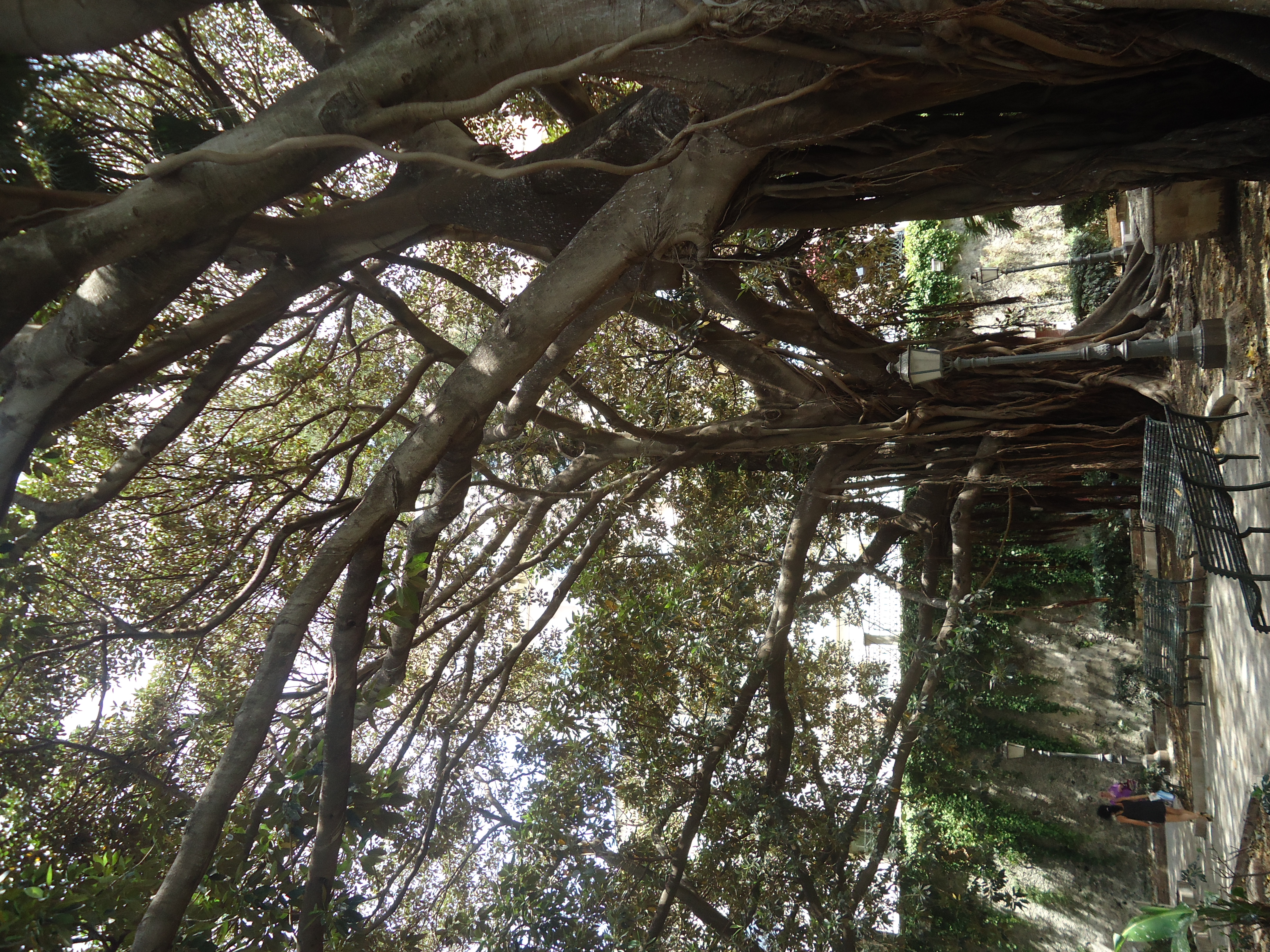
As one closes the loop of a walk along the waterfront of the city, one encounters majestic centuries old trees. The gnarled chestnut trees offer shelter to other trees growing within their structure, as the palm tree growing between the branches in the picture below.

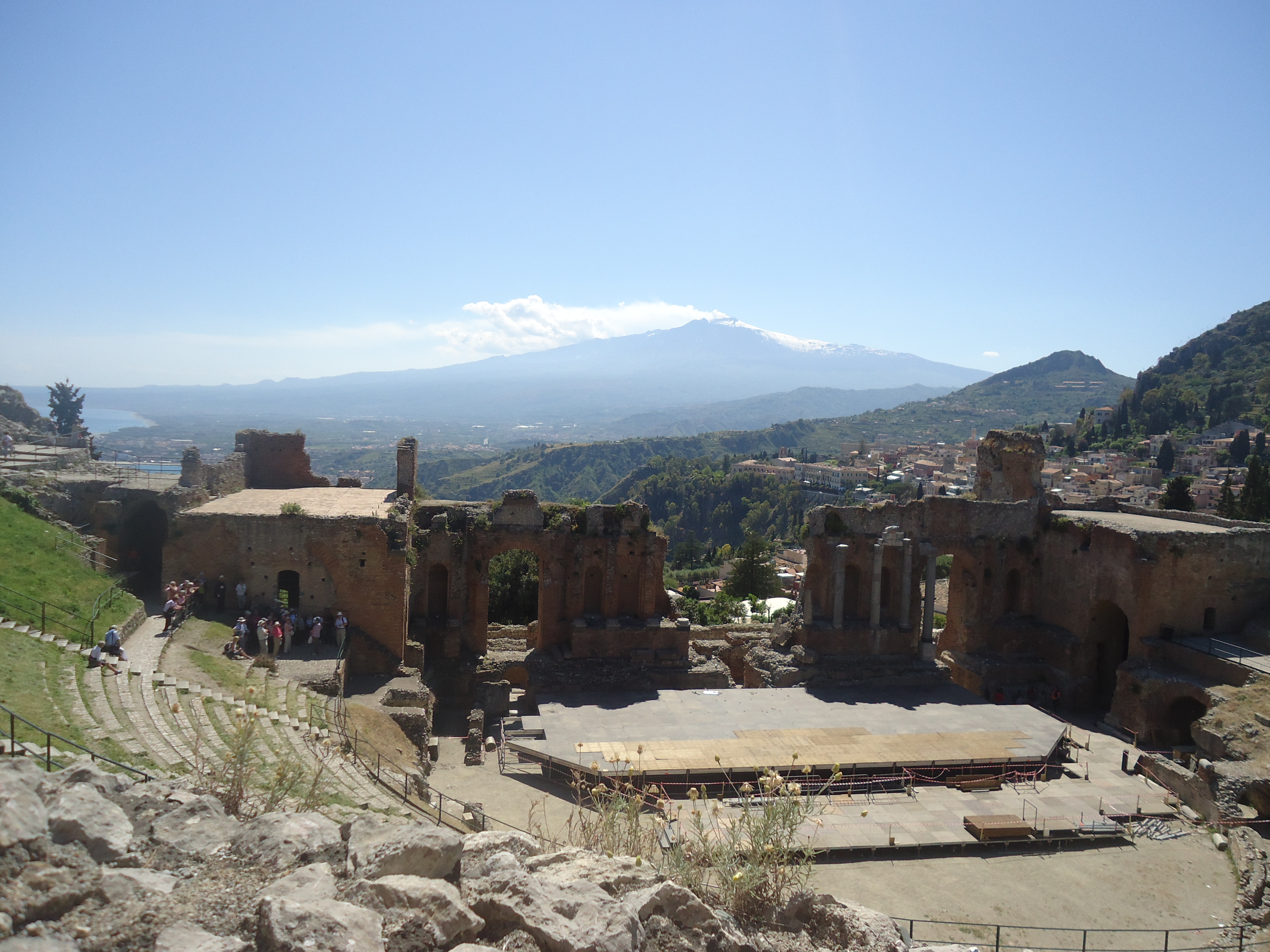
There are several ruins of Greek theaters throughout Sicily, but the most enchanting is certainly the one remaining in Taormina, Sicily. It stands up at about 500 metres from sea level, staring at Mt. Etna and its puffing “plume” as the locals call the smoke emerging from the central crater.
The Greeks built the theatre, the Romans made additions to meet their needs, and today the Sicilians and people from all over the world enjoy its breathtaking views, backdrop and ambience.
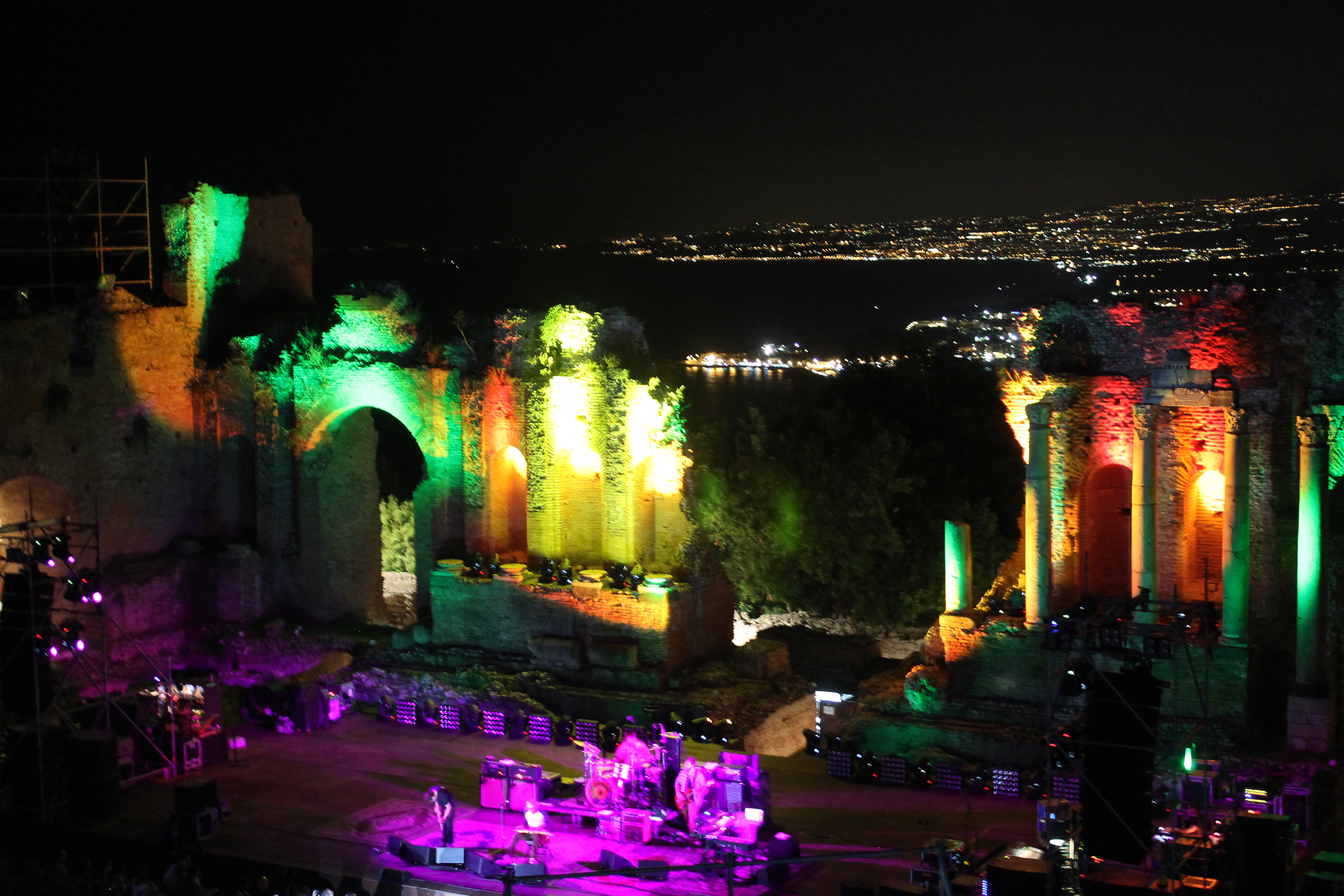
As one stands inside this theatre one can see both the mountain and the coastline. Many visitors come during the day. And at night, in the summer months, several performances take place at the theatre, both modern, such as contemporary artists’ concerts, as well as classical performances of many kinds.
Following are some daytime pictures I took this summer at the Greek Theatre in Taormina.
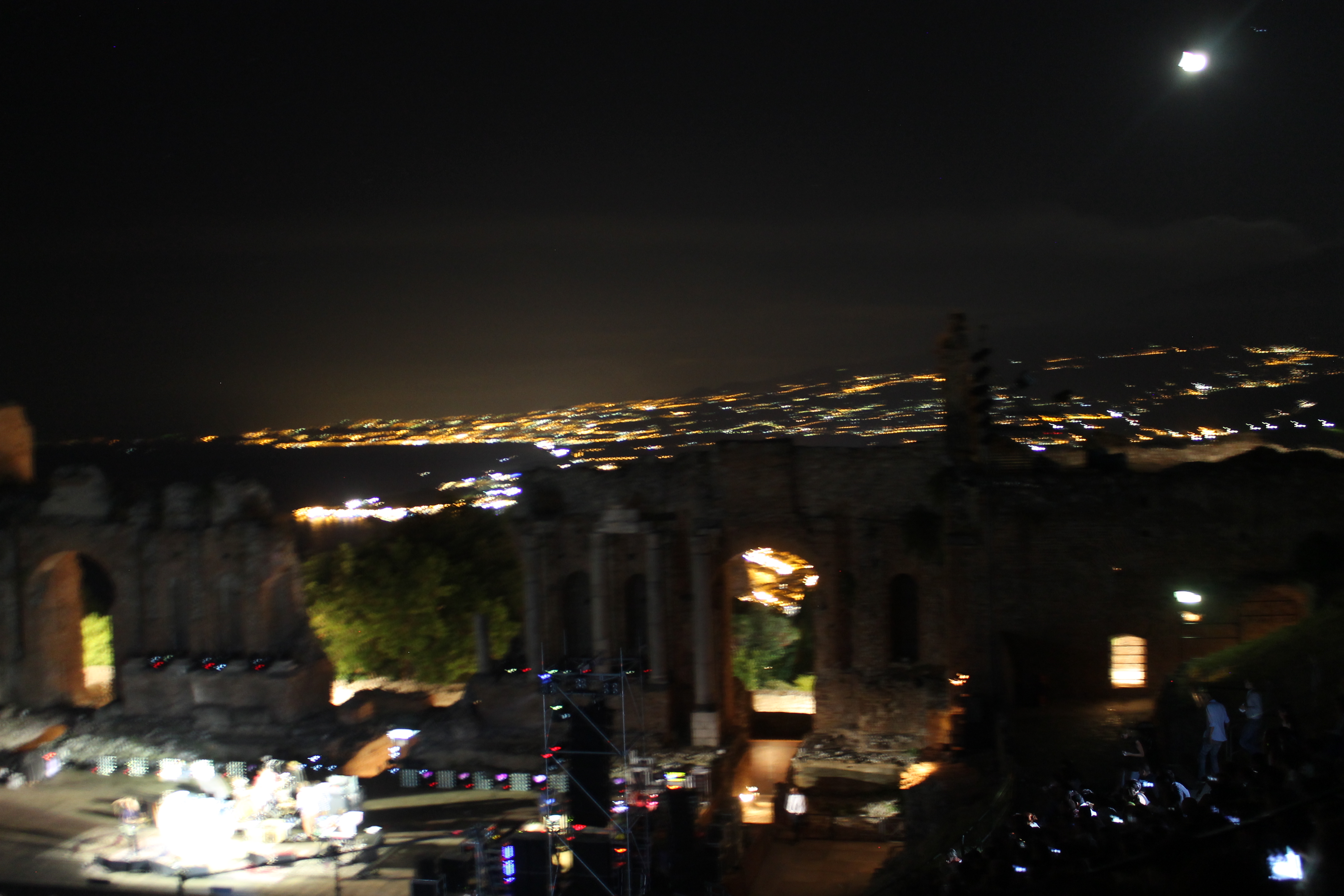
They will be followed by night-time pictures taken this July by my daughter, Julia, at a concert held by Ben Harper.
The Greek Theatre in Taormina and Mt. Etna in the backdrop



I visited two Britsh friends, Kathy and Liz, who are working in Malta this summer. In just four days I traveled around so much and visited so many places that words cannot do justice to the experience. However, this post will give an outline of the places visited and perhaps someone can take from it and follow the itinerary one day on their visit to Malta. However, a brief account of Malta’s history is necessary. Malta is lodged on an underwater ridge which starts in Northern Africa and extends to the island of Sicily. In a far away past, Malta submerged and is in the Mediterranean Sea between Africa and Sicily. Traces of the earliest inhabitants on the island go back to 5200 B.C. and they probably arrived from Sicily. Malta, located in a strategic spot in the Mediterranean, was constantly attached by so many invaders in the course of its rich history. Here in Malta,, during the Crusades, the Knights of St. John were established to set up outposts along the way to the Holy Land to assist pilgrims travelling in either direction. In 1565, the great Siege had an enormous impact on the following history of the island. In the 1800’s, Malta became part of the British Empire. In 1964, Malta gained its independence. A visit to Malta shows the interesting combination born from all the cultures that make it up. The language, Maltese, is influenced 60% by Arab, 20% by Italian and 20% by English. A visit to Malta is a visit to the rich history of the Mediterranean cultures over thousands of years.
My four day visit to Malta:
Day 1
Arrive Luqa Airport
Ride bus to Bugibba – visit coastline shops – have tea – Bus to Mdina, The Silent City – Walk around Mdina – Visit Mdina Glass Shop – Back in Bugibba – Watch European Football Match in Bugibba Square
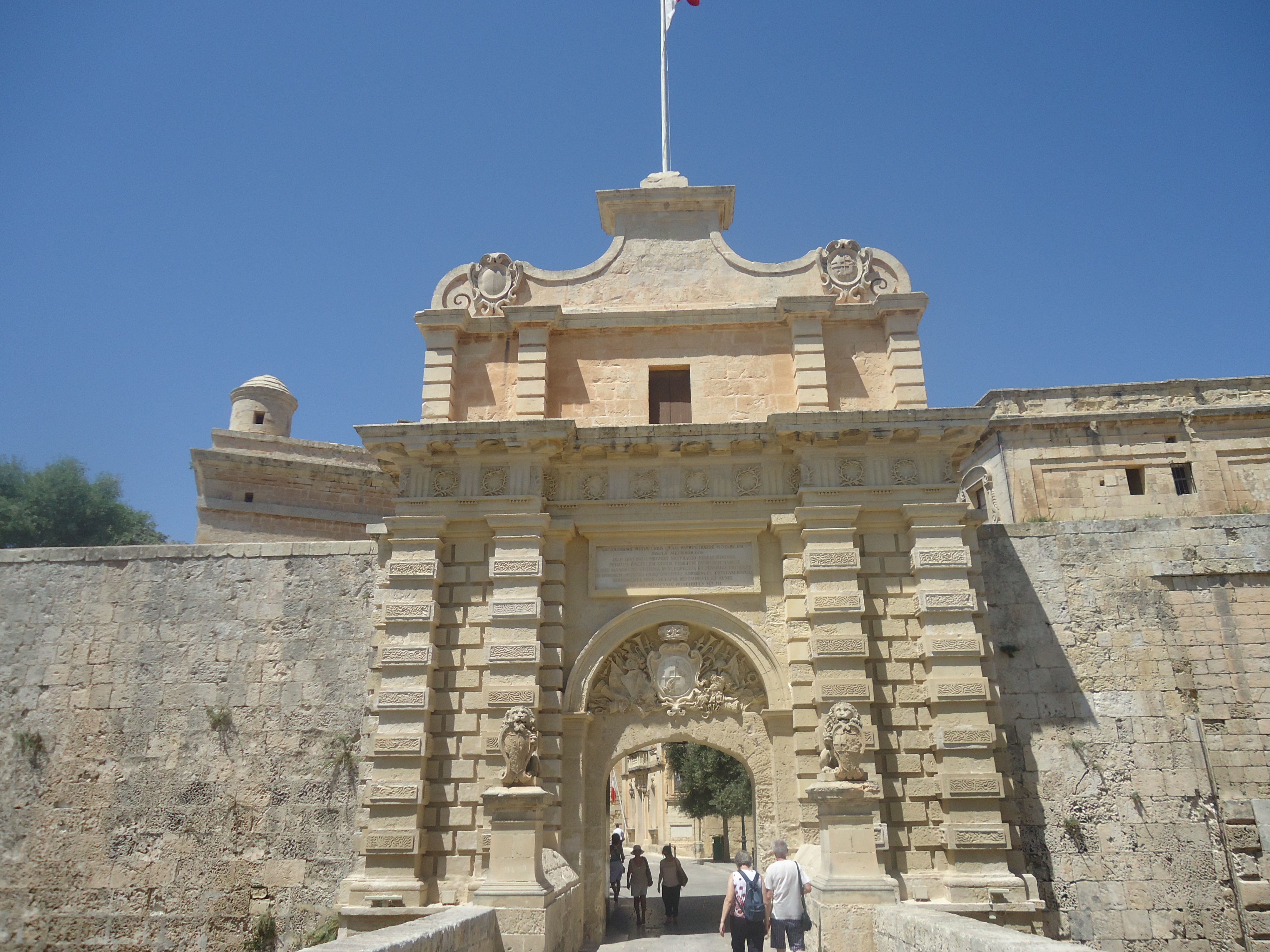
Entry Gate to Mdina
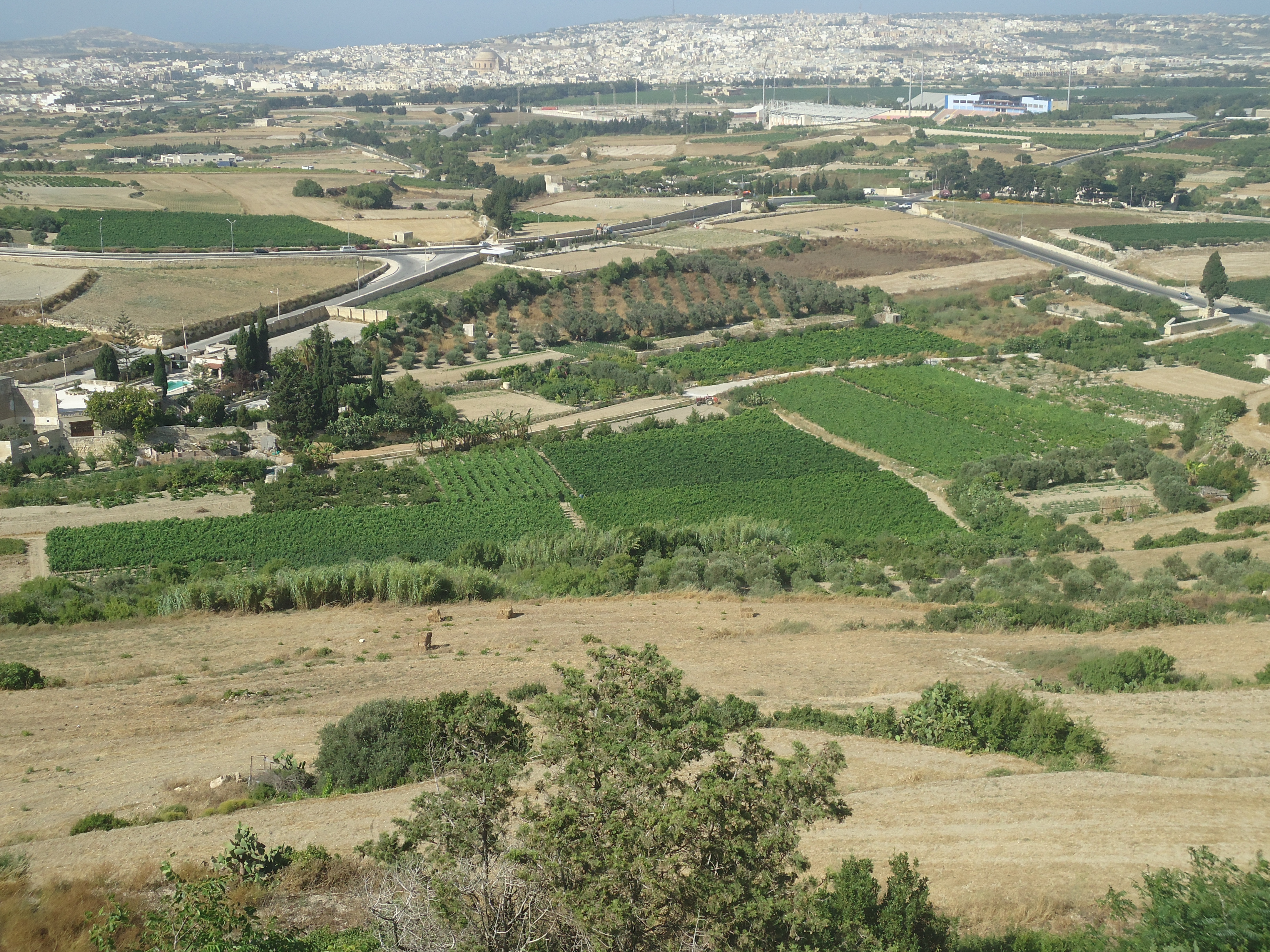
Landscape Area Outside Mdina taken from Mdina
Day 2
Ride Bus to Cirkewwa Ferry Terminal – Ferry to Gozo Island – Bus to Victoria and from there to Marslaforn – Lunch at Masalforn Beach – Waterfront restaurant – CLIMB a rugged rocky hill to JESUS Statue – Ferry back to Malta – Watch Football in Bugibba Square
The statue of Jesus seen from a distance
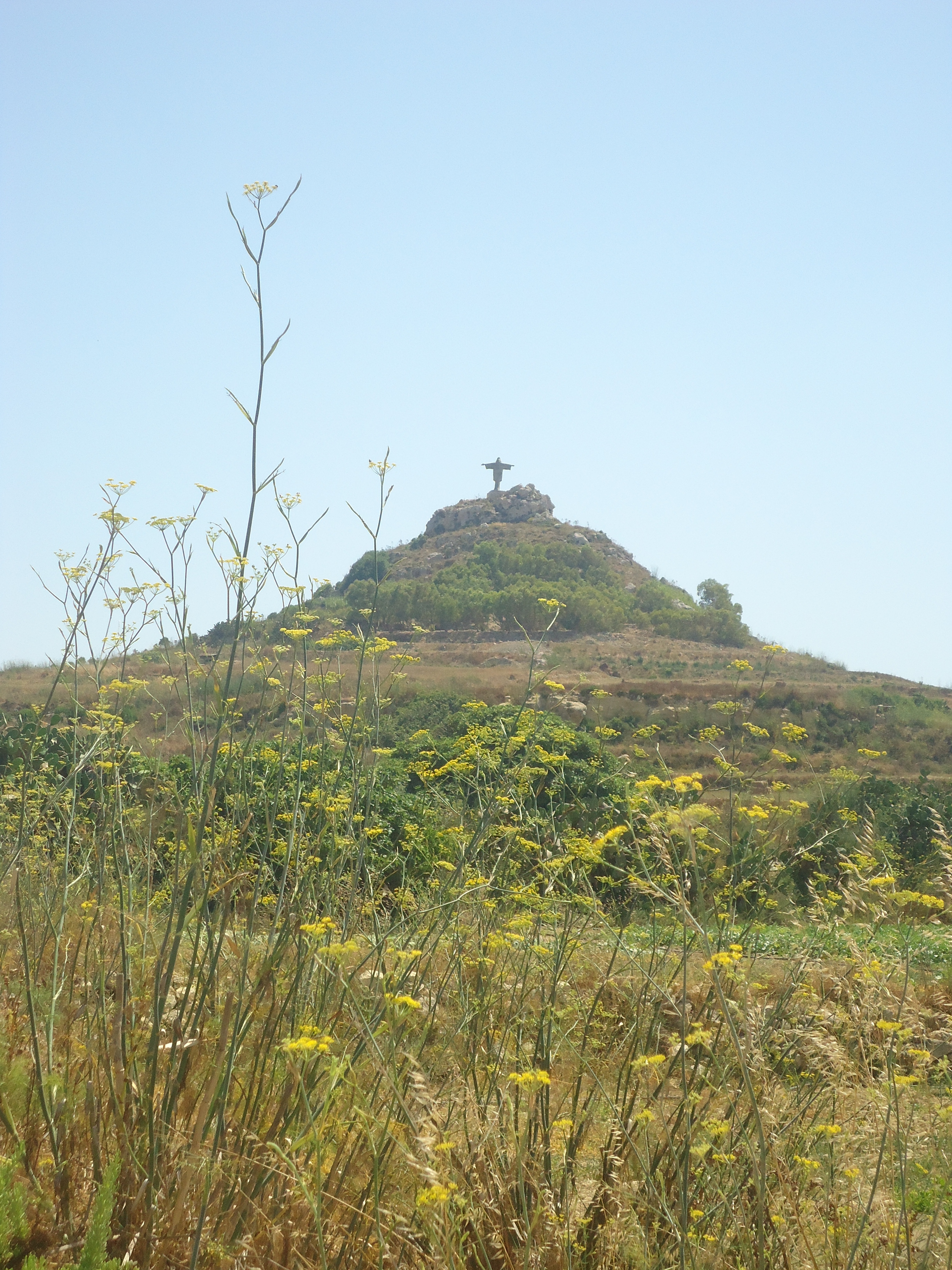
Hiking towards th statue

Some had already reached the top
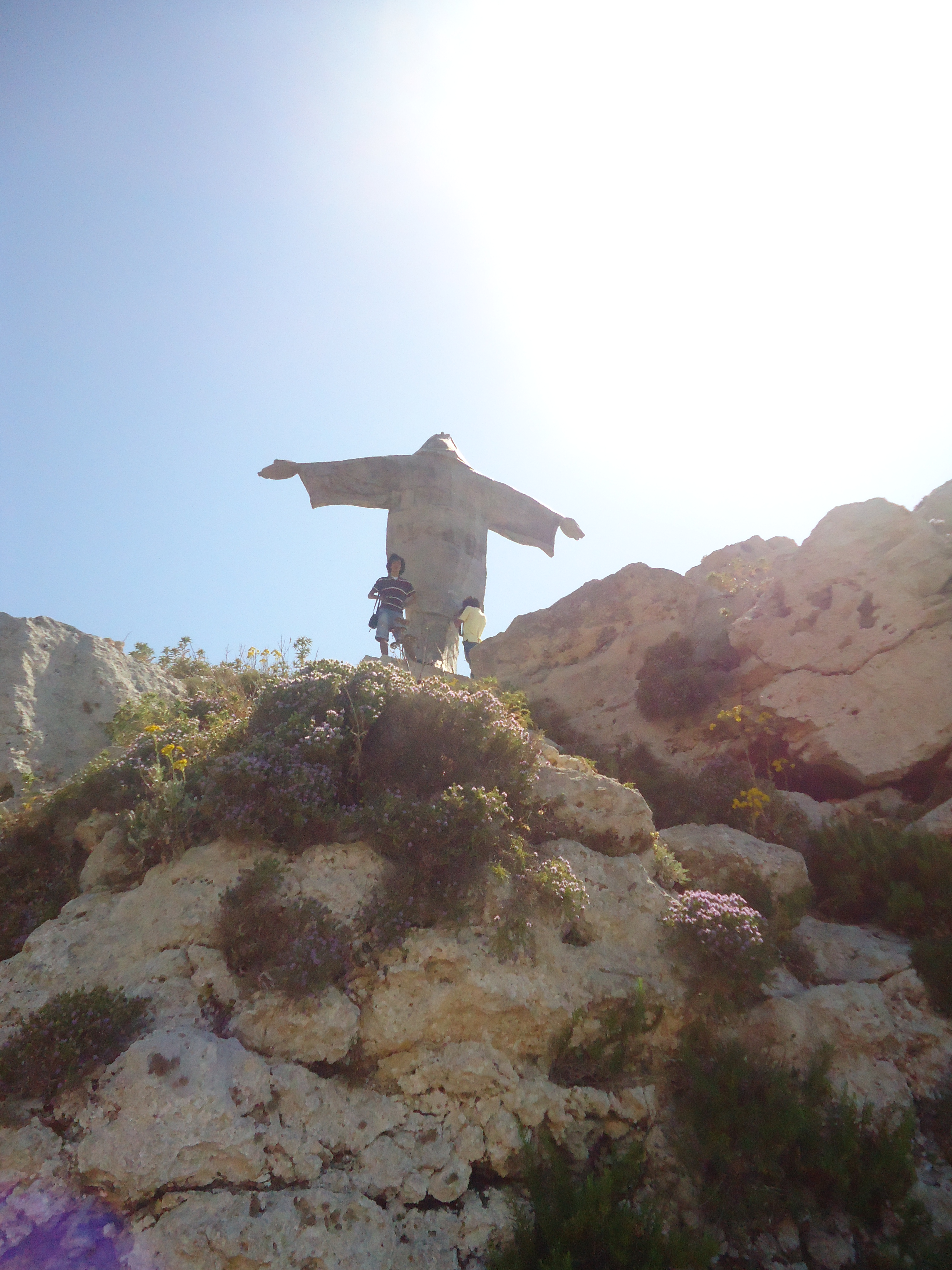
Liz is almost there…………..

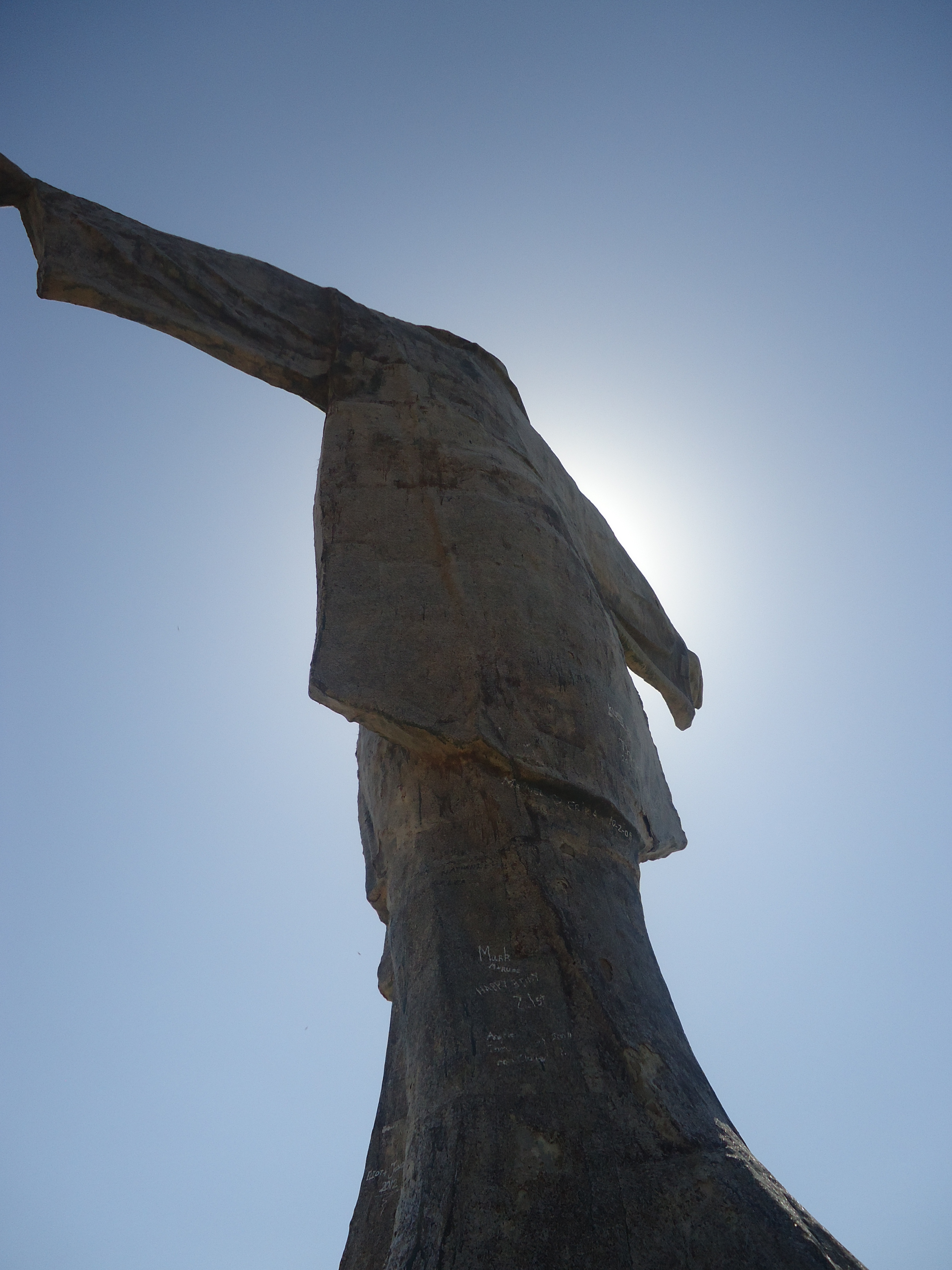
The majestic view from the top!

I made it thanks to my fellow hikers!

Day 3
Bus to Valletta – Eat Patstizzi (Reminds me of the Sfogliatella Napoletana which I also found at Virginia Beach, Virginia, USA) – Valletta to Marsoklokk – Visit Fish Market – Walk to St. Peter’s Pool – Enjoy the Sea!!!!
St. Peter’s Pool
Day 4
Visit Valletta – St. Elmo’s Fort – Watch video, The Malta Experience, which offers a 45 minute visual and narrative account of the history of Malta over thousands of years. Learn about The Knights of Malta – Originally established at the times of the Crusades – Visit The Hospital Created by the Knights -Walk along the Waterfront of Valletta and enjoy the majestic views from St. Gregory’s Bastion!
Valletta – One view from St. Gregory’s Bastion
Thanks to Kathy and Liz for being the BEST Hostesses! But also to the group that supported me on the hike to the Jesus statue!
Each culture holds in its belief system principles which are the result of past experiences carried out over time by those who made up its world. Consequently, when dealing with new experiences one needs to offer a glance into the meaning and interpretation one element holds in the traditions of its culture.
While donkeys may have had a positive role in the fables of some cultures, in the traditional view of donkeys in Sicily they never enjoyed glamour. There are many legends that tell stories of donkeys in the Sicilian world over time in history. Many times donkeys were relevant characters in stories written by Sicilian writers. Remember Giovanni Verga whom I mentioned when I found his lines cited at the B&B in Pozzallo? Verga wrote “Storia dell’asino di San Giuseppe”, (my translation) The Story of the Saint Joseph Donkey, in which the representation of the donkey in general is one that portrays an animal which is the victim of a human society which has turned ugly by hard labor and has become accustomed to serving.
In the Sicilian dialect, a donkey is called “scecchu” and there is an interesting legend that explains the origin of that word. In 827 A.C., the Arabs were conducting a holy war (jihad) in Sicily. The Arab King at the time, Miramolino, had forbidden that any Sicilian ever tower higher than an Arab, consequently Sicilians were not allowed to ride horses. The Sicilians rebelled by poisening the waters the horses drank and there were no horses left. King Miramolino ordered horses be brought in from Northern Africa, but a storm caused all the ships to drown, thus the horses went lost. The only ship that made it through the storm was the one carrying donkeys. Therefore, the Sheiks rode donkeys and the Sicilians made fun of them and nicknamed the donkeys with a word they extracted from the sound of Sheik, “scheccu”.
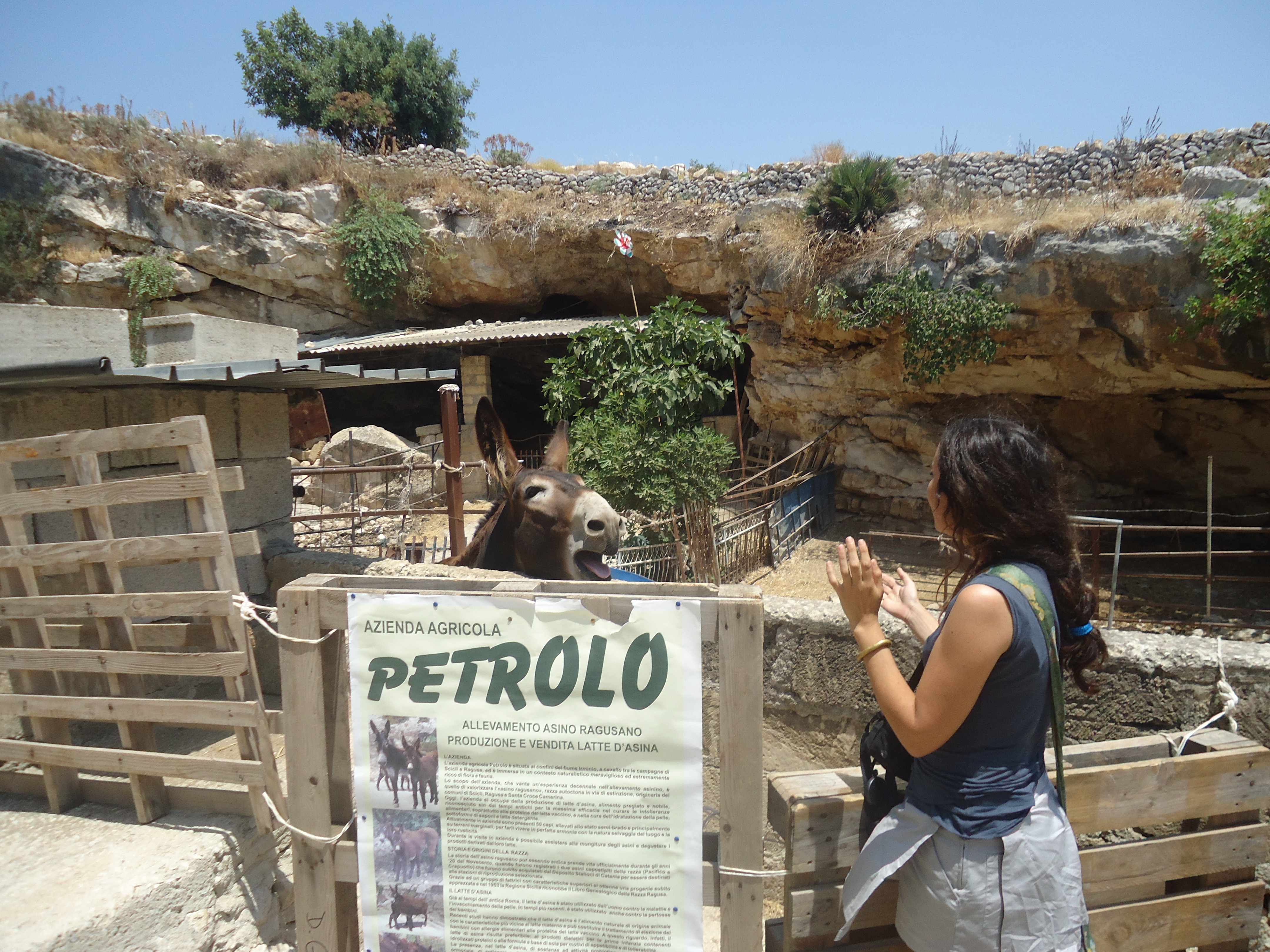
However, many times stigmas attached may be removed when circumstances allow someone to observe from a new point of view. Recently, I visited a donkey farm in the province of Scicli, Sicily, and had a chance to experience donkeys one on one. I visited the Petrolo Farm and met the owners who escorted my friend, Serena, interested in purchasing a donkey, and me on a visit to their farm. These donkeys range freely on the property which stands on flat land as well as a rocky cliff where they find dwellings which offer shade. I was touched when while talking in front of one of these donkeys to the others in the group, the donkey gently nodged me as to ask for a gentle stroke. I had never interacted with a donkey and realized that if they are treated properly they in turn are warm, tender animals.
This farm also produces donkey milk which is a natural element provided by animals which holds the closest characteristics to a mother’s milk. Donkey’s milk is recommended for those who have developed food allergies or intolerances. I remember my grandmother telling the story of how her youngest child, my Aunt Lella, was weak as a baby and she was fed exclusively donkey’s milk.
Some of the donkeys I met will leave the farm one day to be adopted in onotherapy, through which they will once again give help and support to humans.
On the road to the Petrolo Farm

“I have to cross THAT BY CAR?” Mission accomplished!

Serena talking to a Donkey
Valentina, owner’s daughter, showing us a donkey and its foal, born the previous day, resting in stable.

Owner’s Son and donkey

Proud Mr. Petrolo in his Milk Processing Facility

Recently, I spent a weekend at a local canyon, Cava d’Ispica , at the refuge owned by the Kalura Hiking Association. This association is a member of the Siquillyah Association, founded in 2008, with the purpose of creating a network of solidarity economy.
Siquillyah has been working to create a network amongst its members. It has been the force behind the creation of local produce purchasing groups (GAS),working hard to encourage consumers to buy local produce. Over the last few years, Siquillyah has sponsored events to promote solidarity among its members, members that include organic farmers, agri-tourisms, bed and breakfast facilities, and other entities, such as the hiking association Kalura. There have been courses to promote practices in the agricultural arena based upon traditional natural farming, and one example are the courses on permaculture.
As I learn more about the members of the Siquillyah Assocation in Sicily and have the opportunity to visit their facilities, I will share my knowledge on this blog and call them “Siquillyahni”.
The visit to one of Cava d’Ispica’s corners was indeed an opportunity to bring some Siquillyahni together to discuss cooperation in the field of sustainable tourism. The group stayed at the refuge which is nestled in the canyon along one of the sides of a high rocky wall. Just below the refuge the land formed terraces and by walking down from the last one through some plush vegetation one would end up at a natural spring enclosed by a cave. Swimming in the spring was invigorating as the chilly water was a relief from the heat.
Cava d’Ispica is a canyon which runs for 13 kilometers between the towns of Modica and Ispica. Its cliff dwellings were inhabited by humans as far back as the Neolithic Age, commonly considered the last part of the Stone Age. I visited just one small section of the canyon hiking a loop created by the Kalura association departing from the refuge, walking over to a rocky wall across from the refuge and returning to the refuge in just one hour. I asked the guide, Nanni di Falco, how long a group would take to hike the entire canyon and learned it is approximately a 5-6 hour hike.
Following are some pictures taken around the Kalura Refuge in Cava d’Ispica.
Cars cannot reach the refuge so we parked the cars and hiked to the refuge
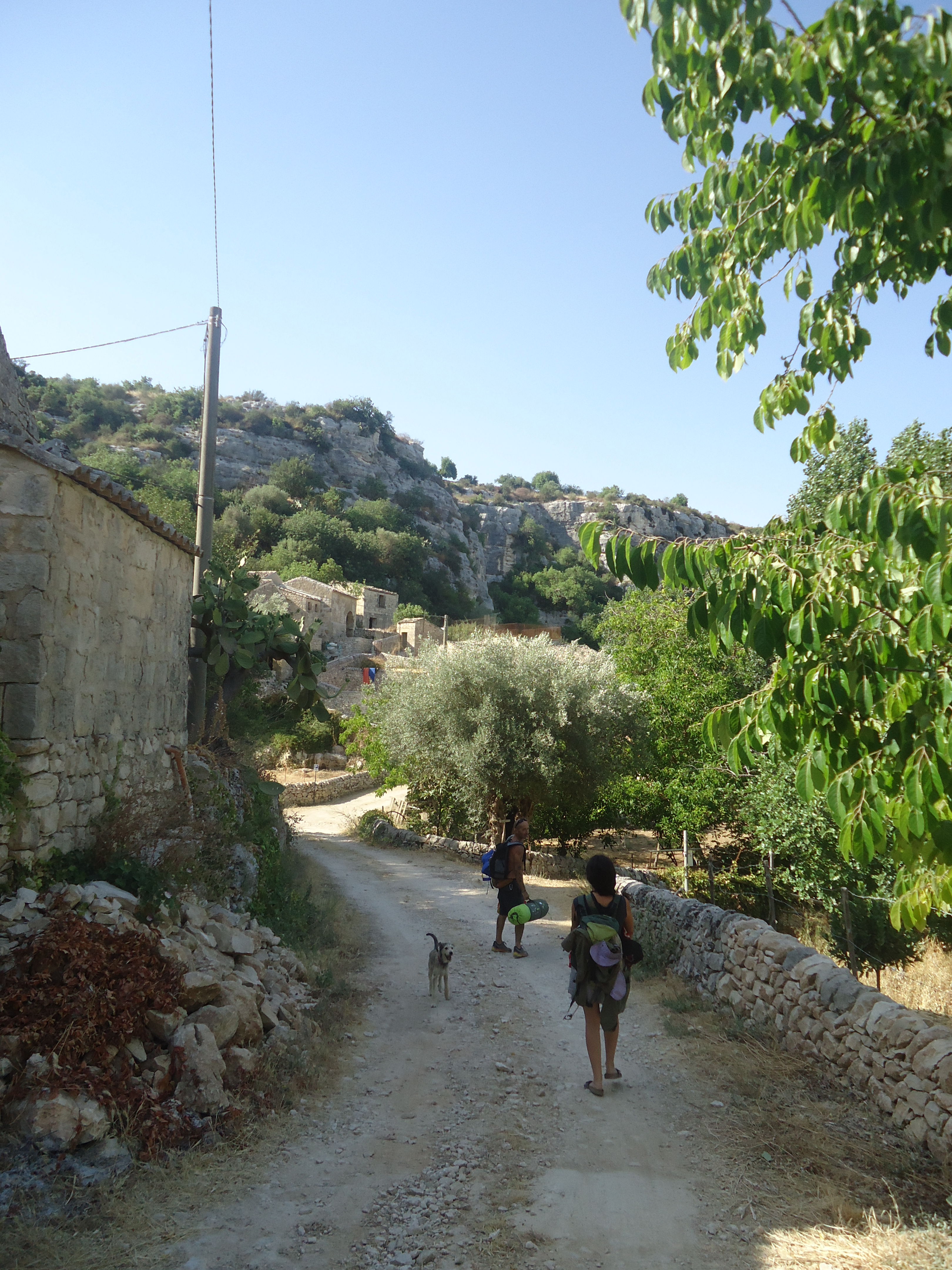
Great afternoon hike
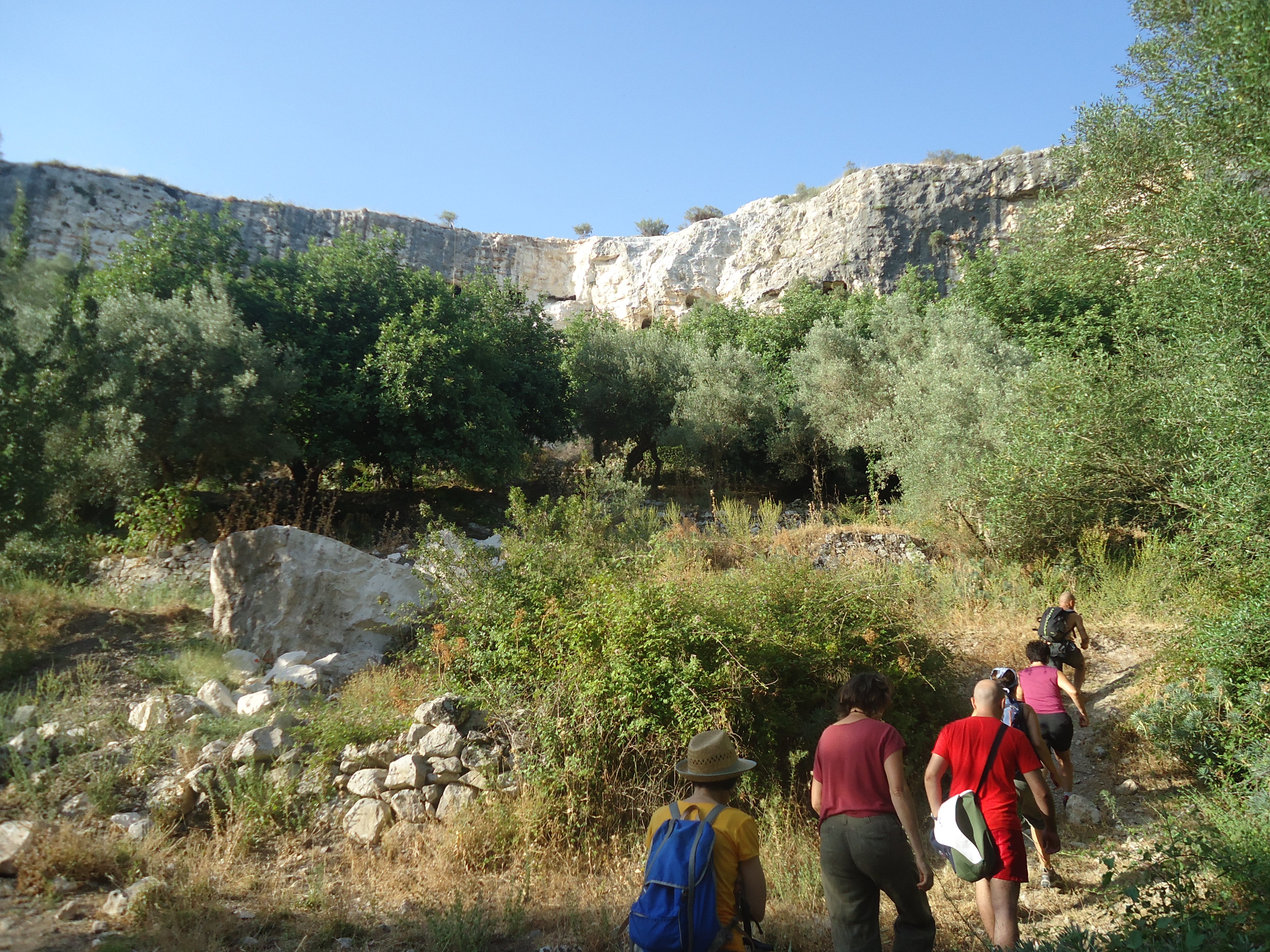
Sunset
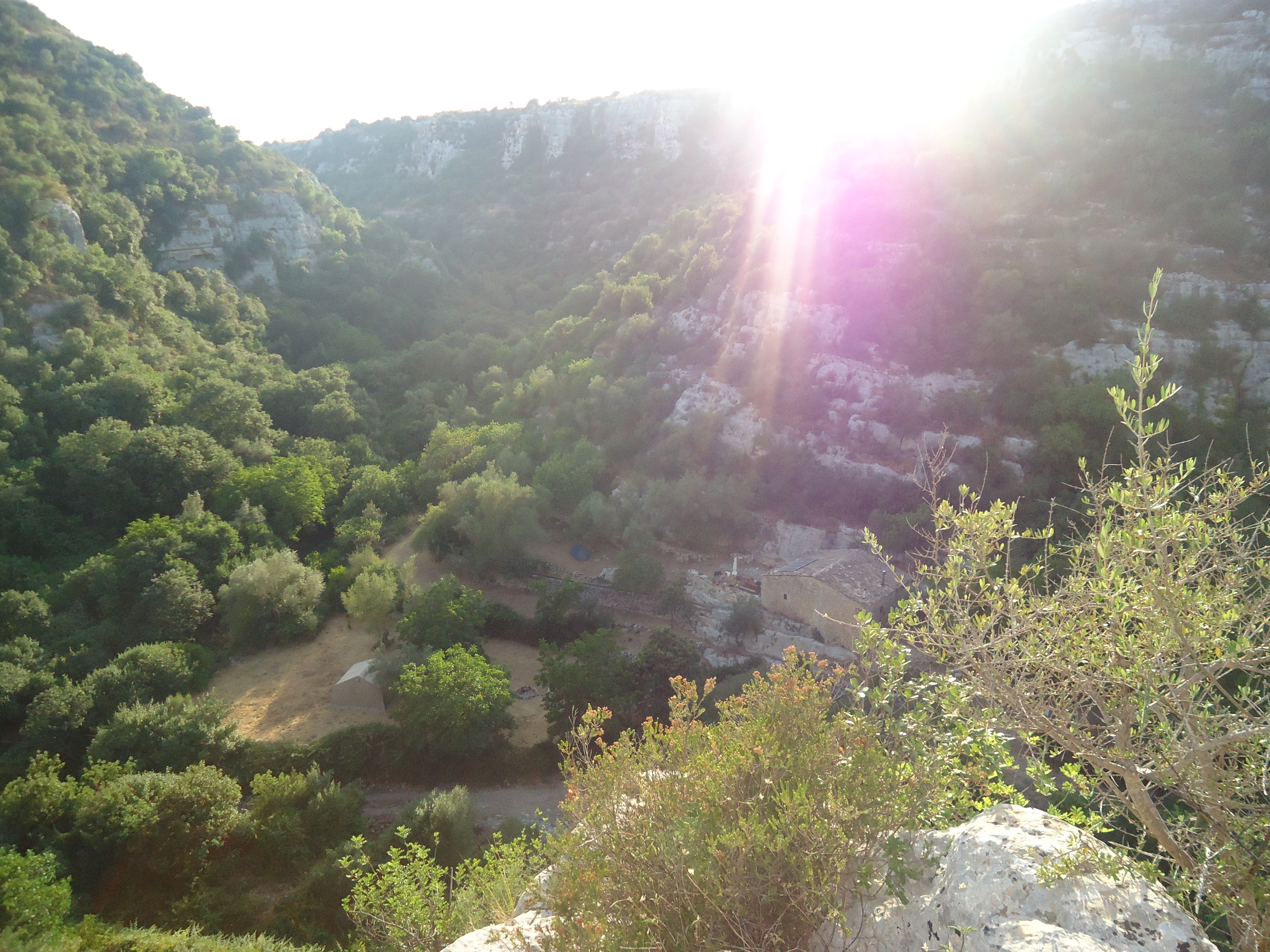
Looking down into the canyon
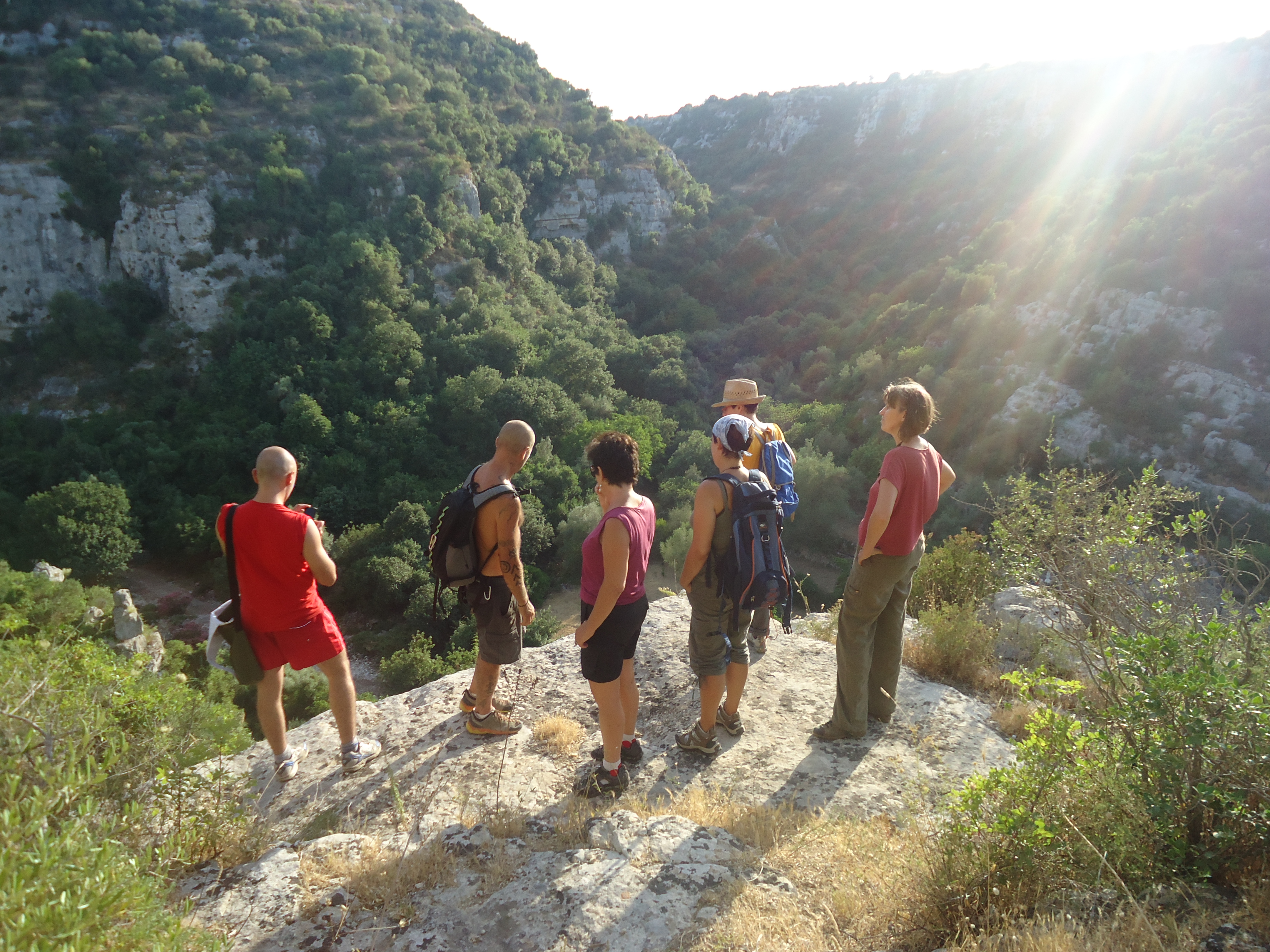
Plush vegetation

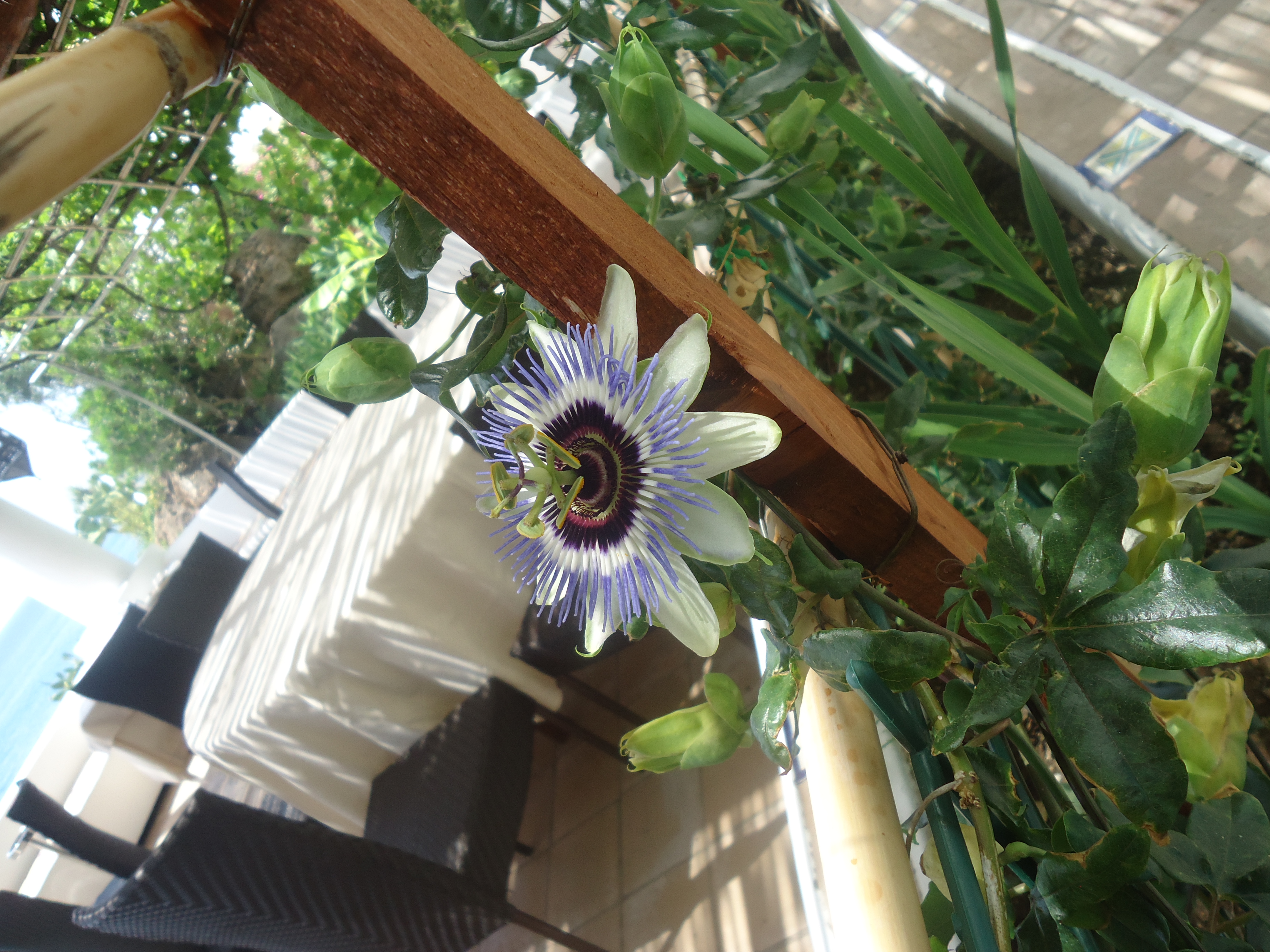
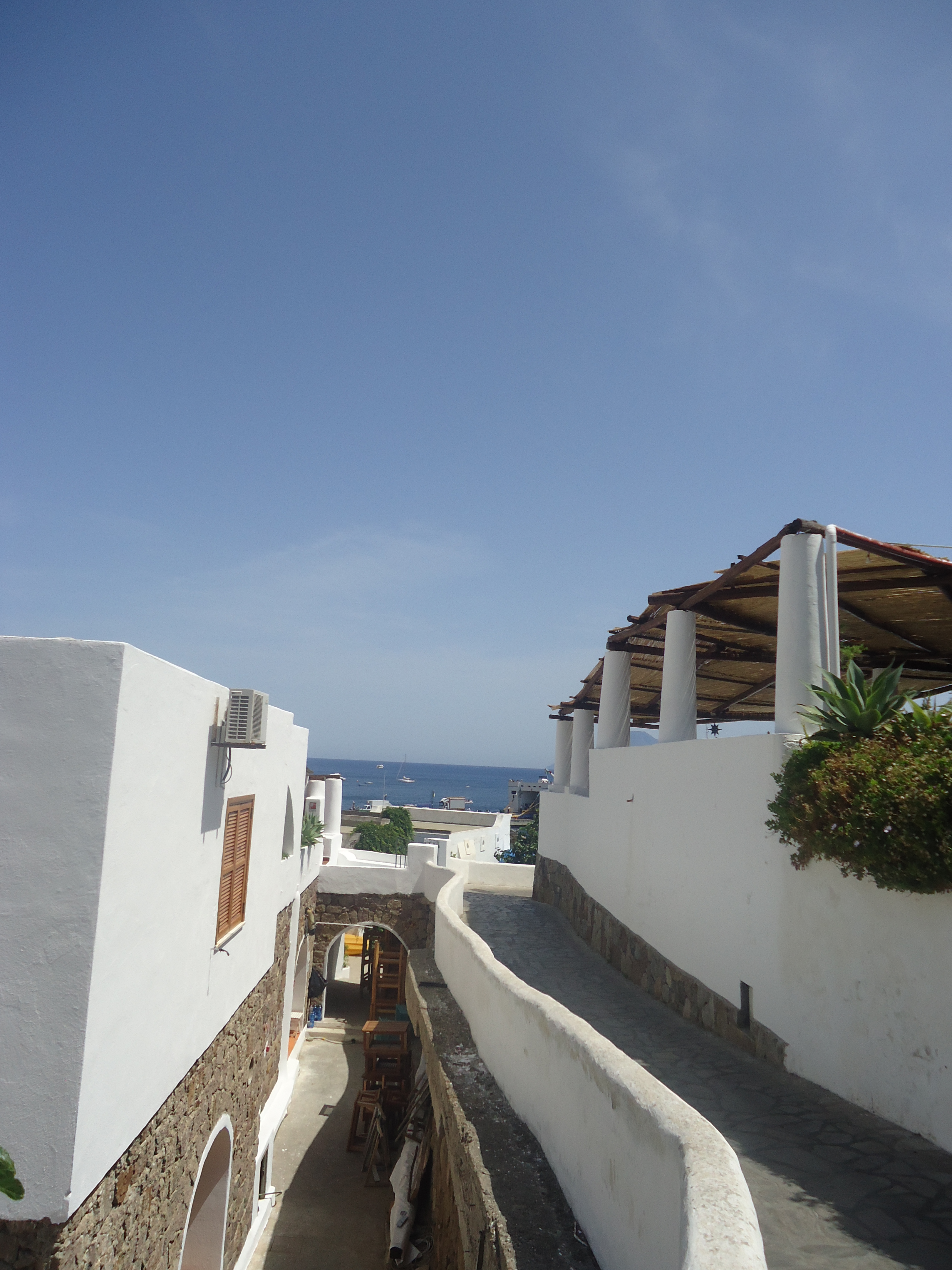
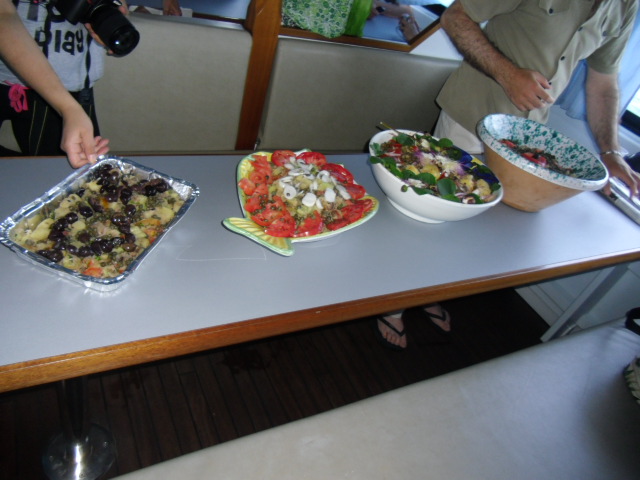
During the Salina Slow Food weekend, the group took a short trip to visit the island of Panarea. With its white buildings and plush mediterranean vegetation this island is truly another land of beauty. The following pictures are just some spots in Panarea.
Arriving on the island

A cove in Panarea

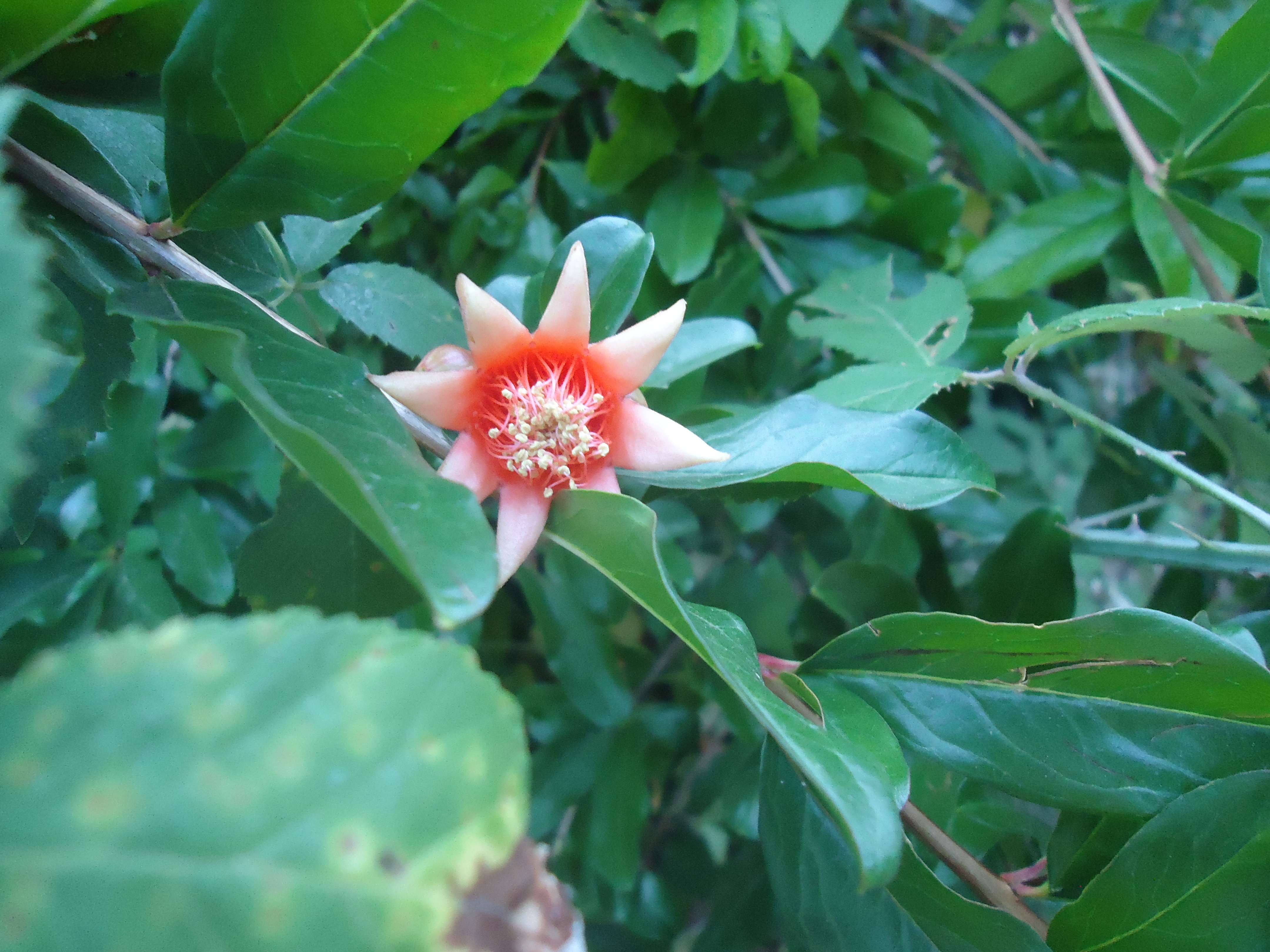
A beautiful caper flower
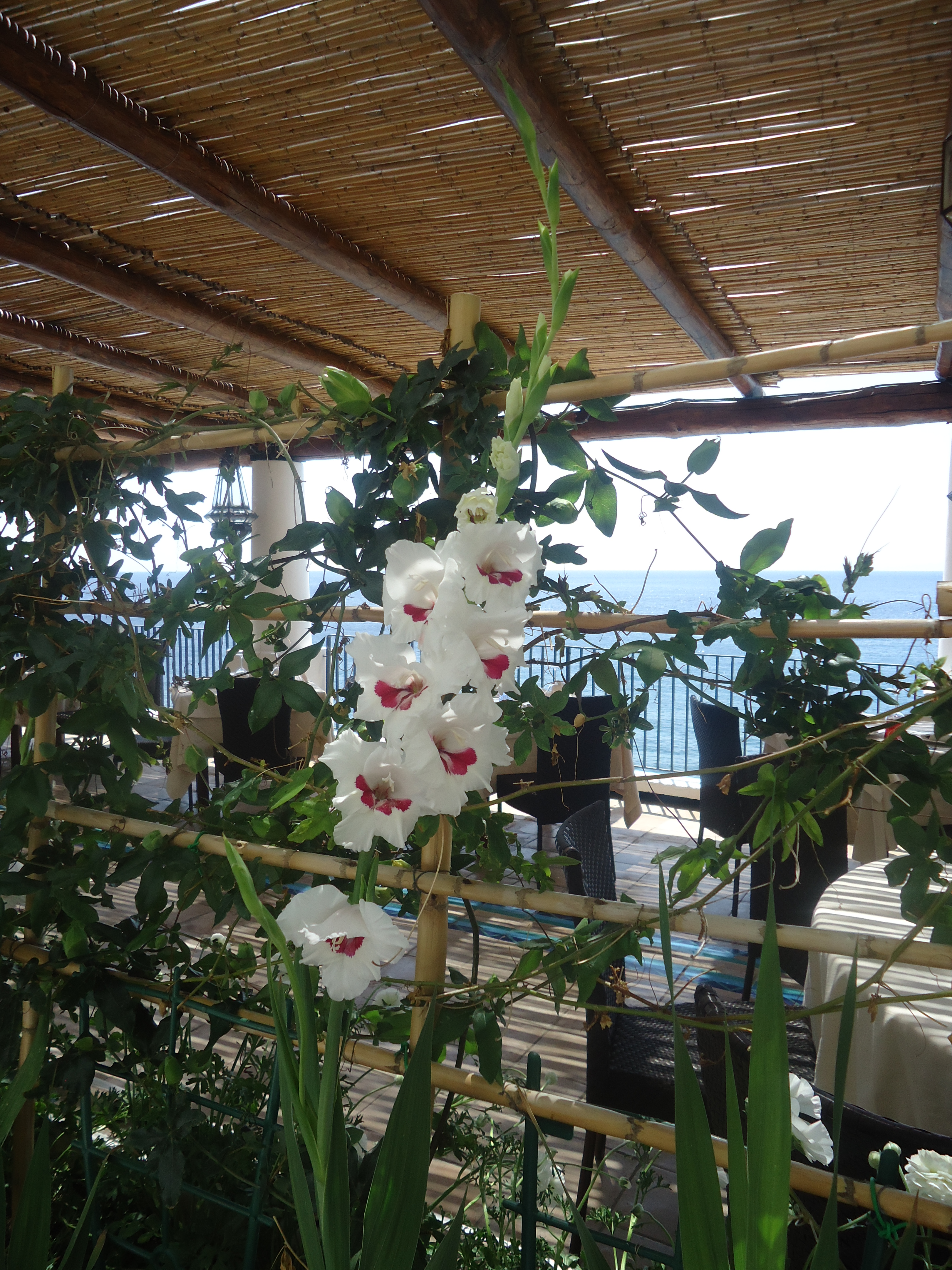
Gladiolas
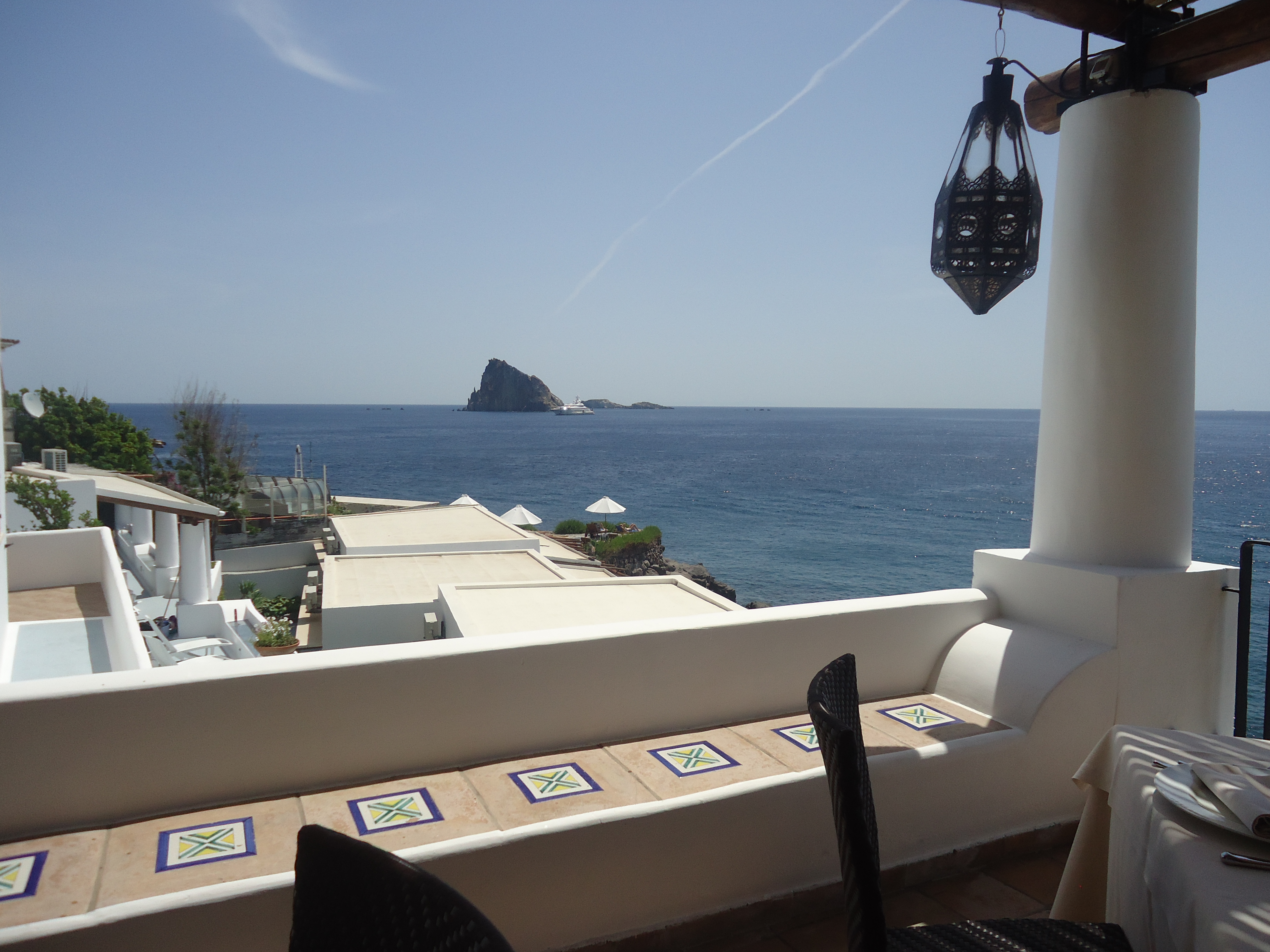
A corner view
Walking along the streets of Panarea
A view of the island of Stromboli, an active volcano

Salina Slow Food 2012, held on the island of Salina, June 8-10 2012, was the ninth edition of this food and wine event sponsored by the Slow Food Chapter of Valdemone, Sicily. Salina is one of the Aeolian islands off the northeastern coast of Sicily. Saro Gugliotta is the volunteer leader of the Valdemone Slow Food Chapter and thanks to him I was able to obtain a last minute reservation to partake in this event. Saro did an excellent job with the help of his volunteers including his wife and two children.
Slow Food, created by Carlo Petrini, is a non- profit association with 100,000 members in 130 countries and the main concept behind the association is Good, Clean, Fair Food.
Salina enjoys a great production of capers, cucunci, and the Malvasia grape. Capers are picked in different sizes, with the smaller ones utilized mainly for decoration and the larger ones offering a rich flavor. Cucunci are elongated, almost looking like tiny cucumbers, and they grow out of the main pistil of the caper flower. Malvasia grapes make a dessert wine, the color of honey.
Upon arrival the first evening of the event, four restaurants of S. Maria di Salina, A Cannata, Alfredo in Cucina, Il Delfino, and Il Gambero, offered the public four typical dishes of the Aeolian cuisine. One dish I had never tasted and enjoyed was the Caper Pesto. Capers are both grown and grow spontaneously on this island and many local dishes contain them. After that, the Slow Food participants went to one of the resturants and ate the typical “Pani Cunzatu.”
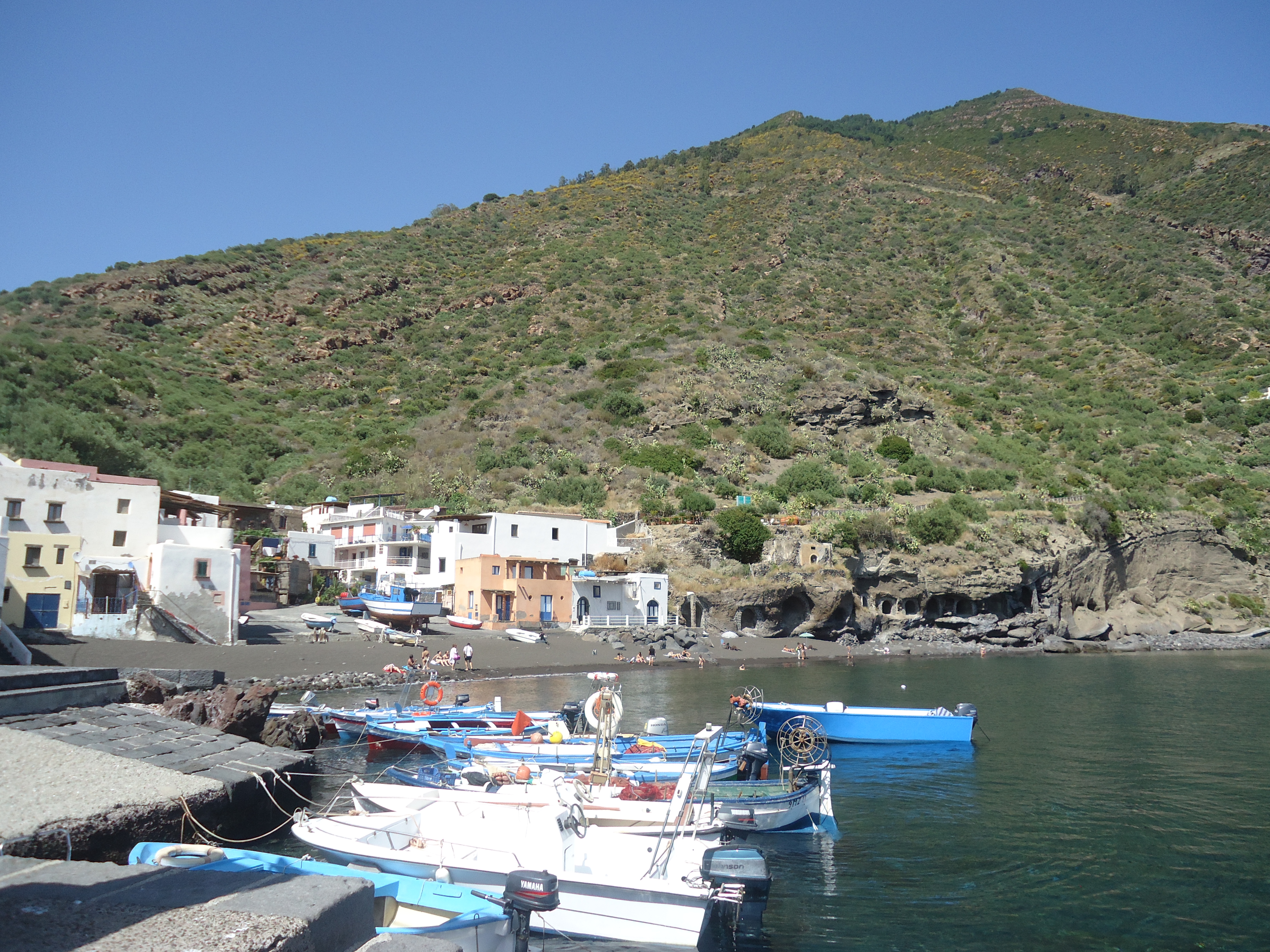
On the next day, the group boarded a boat and went for a trip to visit the island of Panarea. While navigating, of course, food could not be but the main topic. Therefore, there was a Culinary Challenge on the Boat. Four Aeolian salads were prepared and were served as lunch. Then, all present voted for their favorite one.
That evening, dinner was at the Rapa Nui, Salina. Following is the menu:
Seafood Cous Cous;Eggplant balls; fresh anchovies and eggplant flan; caponatina(Sicilian sweet and sour dish containing peppers, eggplant, celery, potatoes); peppers’ involtini; pastry in form of a ship stuffed with locally caught albacore tuna and “cucunci”; fried capers; spicy spaghetti; risotto made with wild Salina herbs; lizard fish filets cooked with garlic; paddle fish served on a zucchini puree’. Dessert was made with the Malvasia wine, typical of Salina.
On the last day, the group visited a caper field and learned about growing capers. Then, there was a wine and caper tasting, in which capers were served also in the form of a puree’ on toasted bread. Then the final event! Local chefs, Sicilian chefs, chefs from Bassano del Grappa, a prestigious chef from Vicenza, and chefs from the local Maroccan community prepared lunch for all to share in the open air. Too many dishes to mention, but the Vicenza chef prepared Baccala’ alla Vicentina(cod) and the President of the Messina Association of Lovers of Pescestocco prepared a typical Messina salad with pescestocco(stockfish).
At the end, a tribute was made in the memory of Davide Taranto, a young local man who died in a helicopter crash two years ago.
No picture can do justice to the first hand experience!
View upon Arrival
First Evening Hors d’Ouvres

Orecchiette Salad; Caponata; Caper Pesto Penne.

Four Aeolian Salad Contest on Board the Boat
At the Capers Field an Excellent Presentation by Saro Gugliotta

Caper Plant and Flower
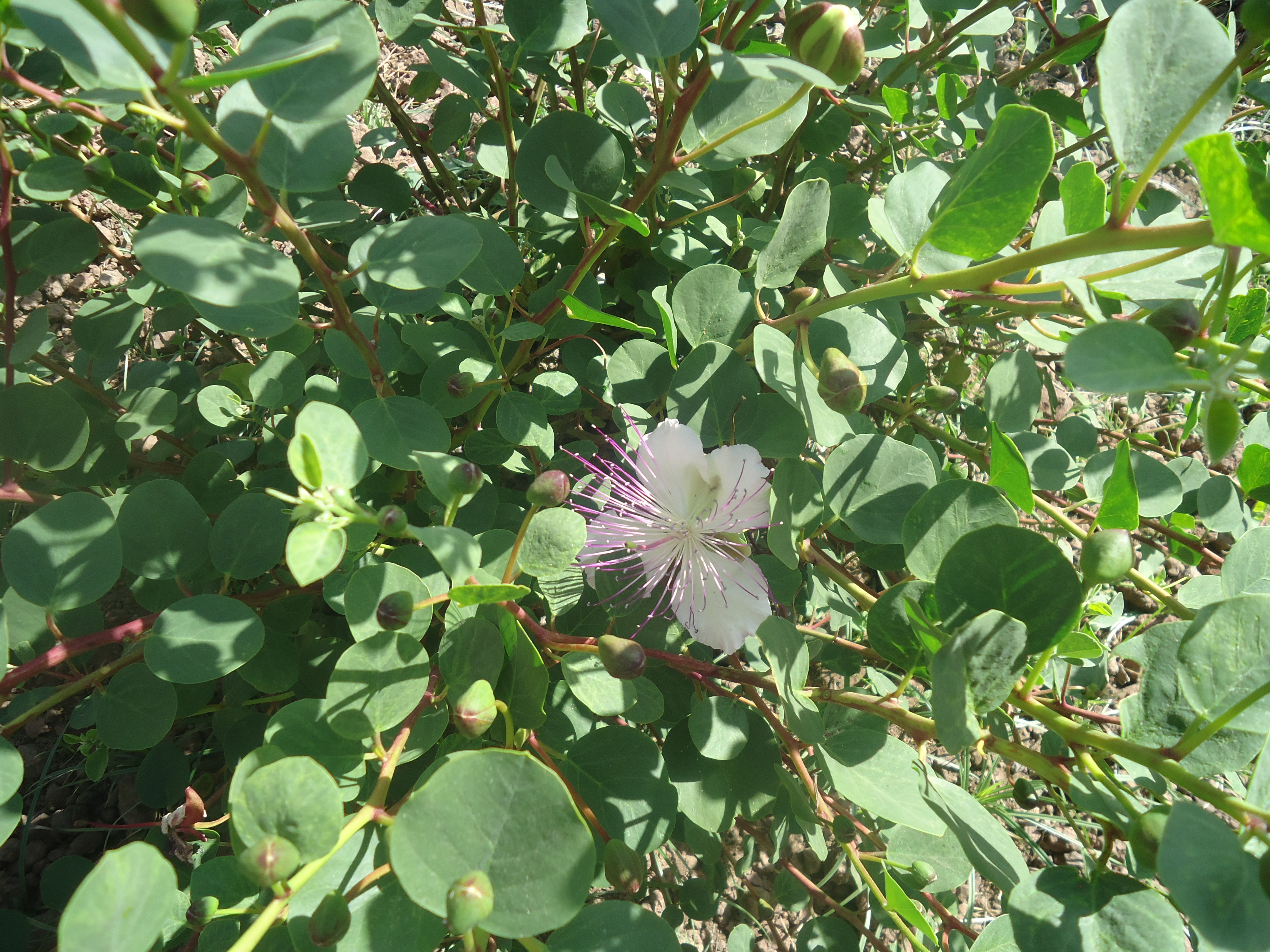
Capers

Only Part of the Final Food Event

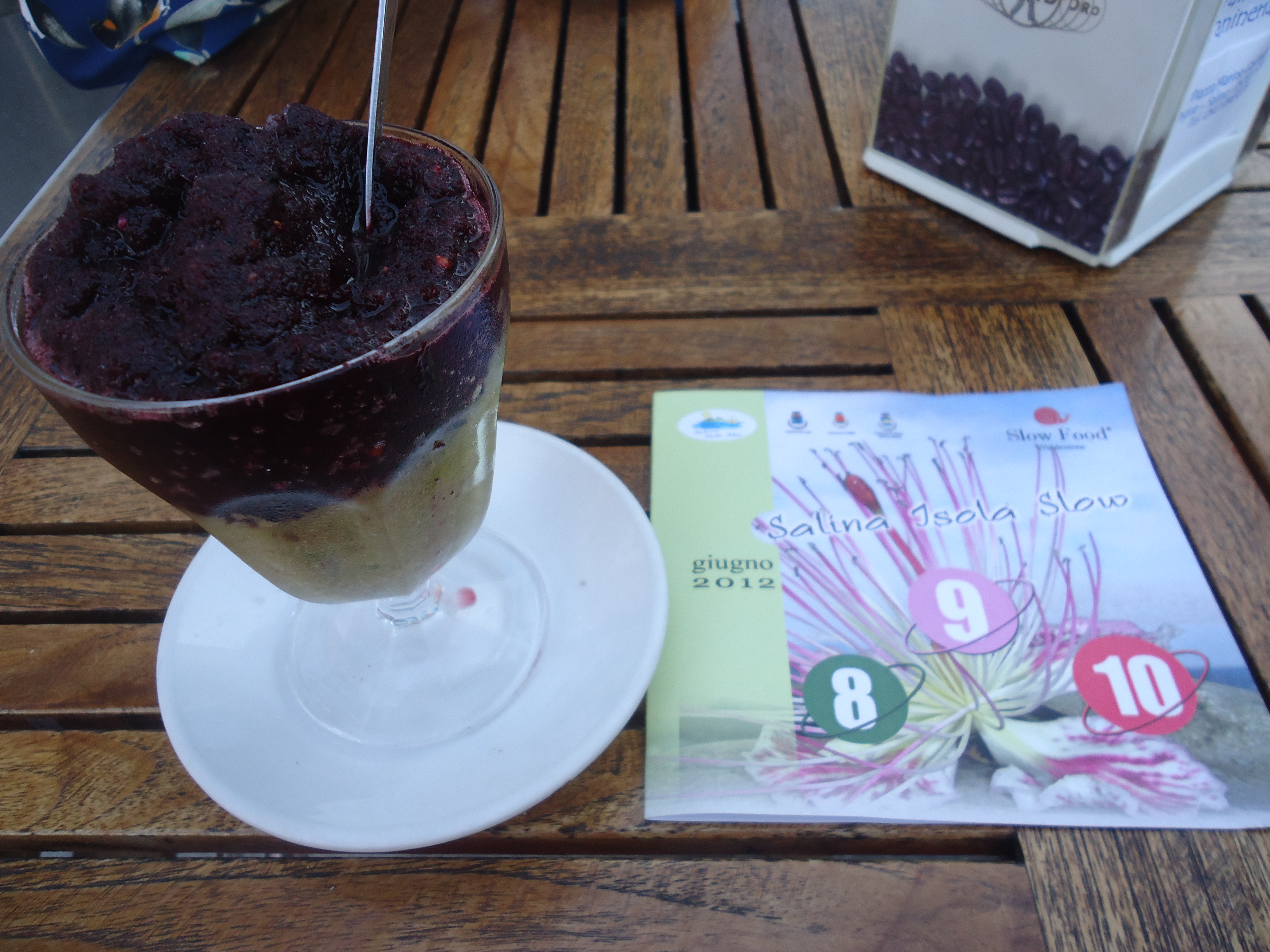
Granita di Gelsi – Mulberry Ice Made Fresh Daily – Used to be Charlie’s Favorite
Tanker Delivering Water to the Island

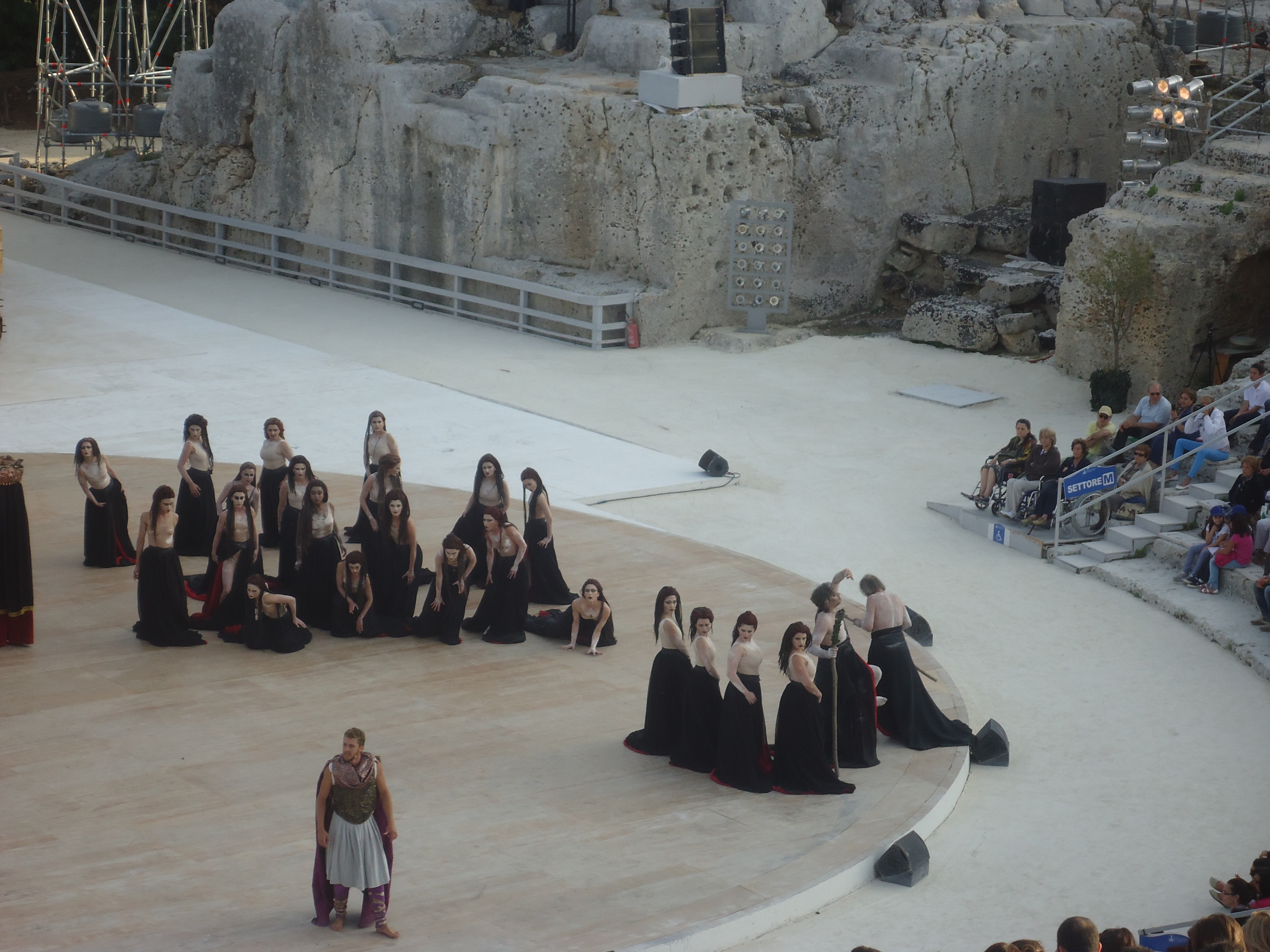
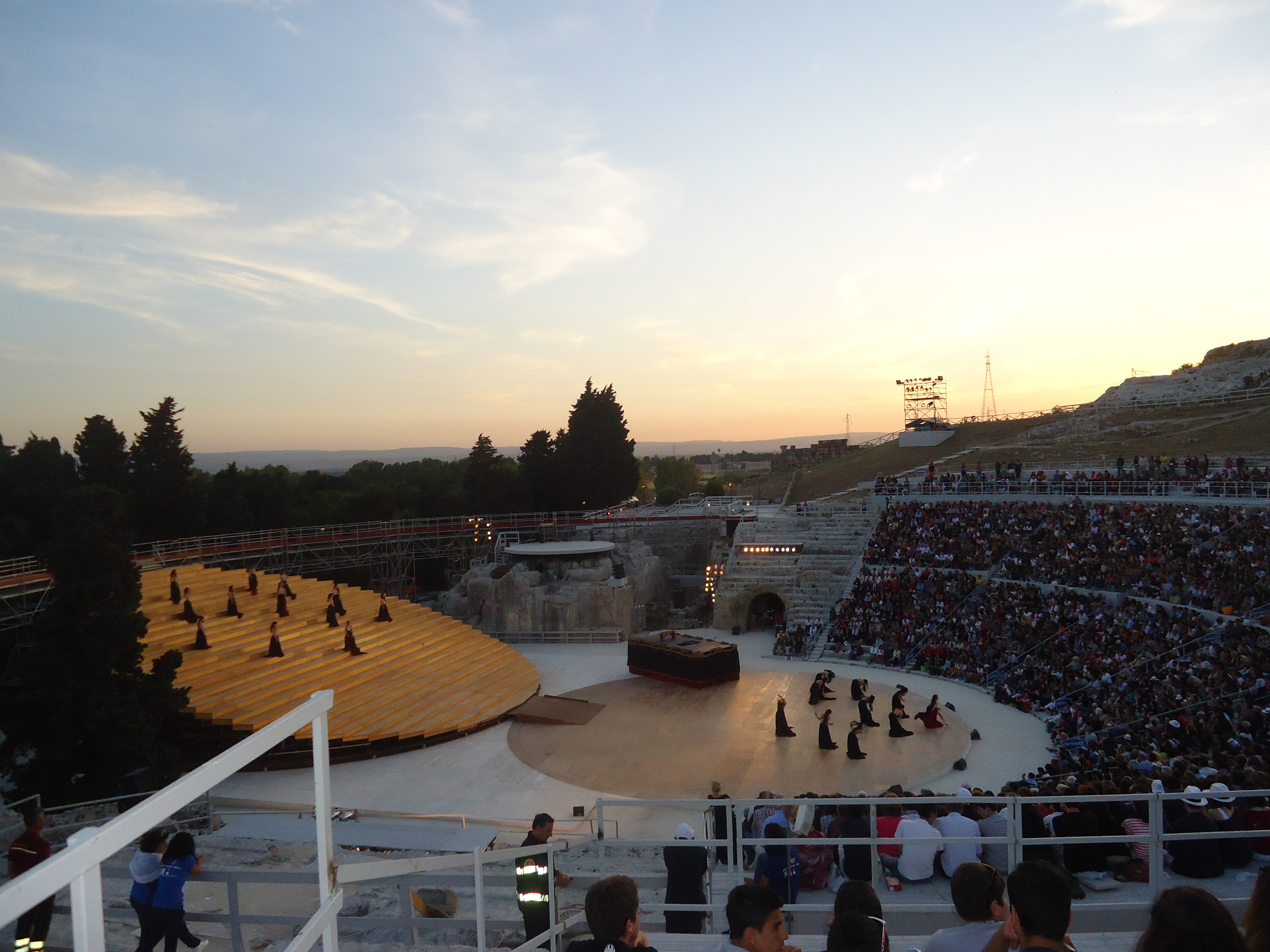
Each year, in May and June, the Greek Theatre in Siracusa comes alive with the performance of Greek tragedies. The setting is magical as the tragedies start one hour before sunset and the superb choreography of nature adds an essential element to the staging of the play. Recently, I attended the performance of The Bacchae, by Euripides.
In this tragedy, there is a mother’s pain for the death of her son. Furthermore, there is a mother realizing she has killed and beheaded not a lion, but her own son. This is Dionysus’ revenge against his aunt Agaue, who had questioned his divine nature and caused the death of his mother Semele, her own sister. In this tragedy by Euripides, Dionysus returns to his birthplace, Thebes, to seek revenge. His cousin Pentheus is the ruler of the city state. Dionysus manages to trick his cousin Pentheus, strip him of his authority, and lead to the events which will cause Pentheus’ death by the hand of his own mother.
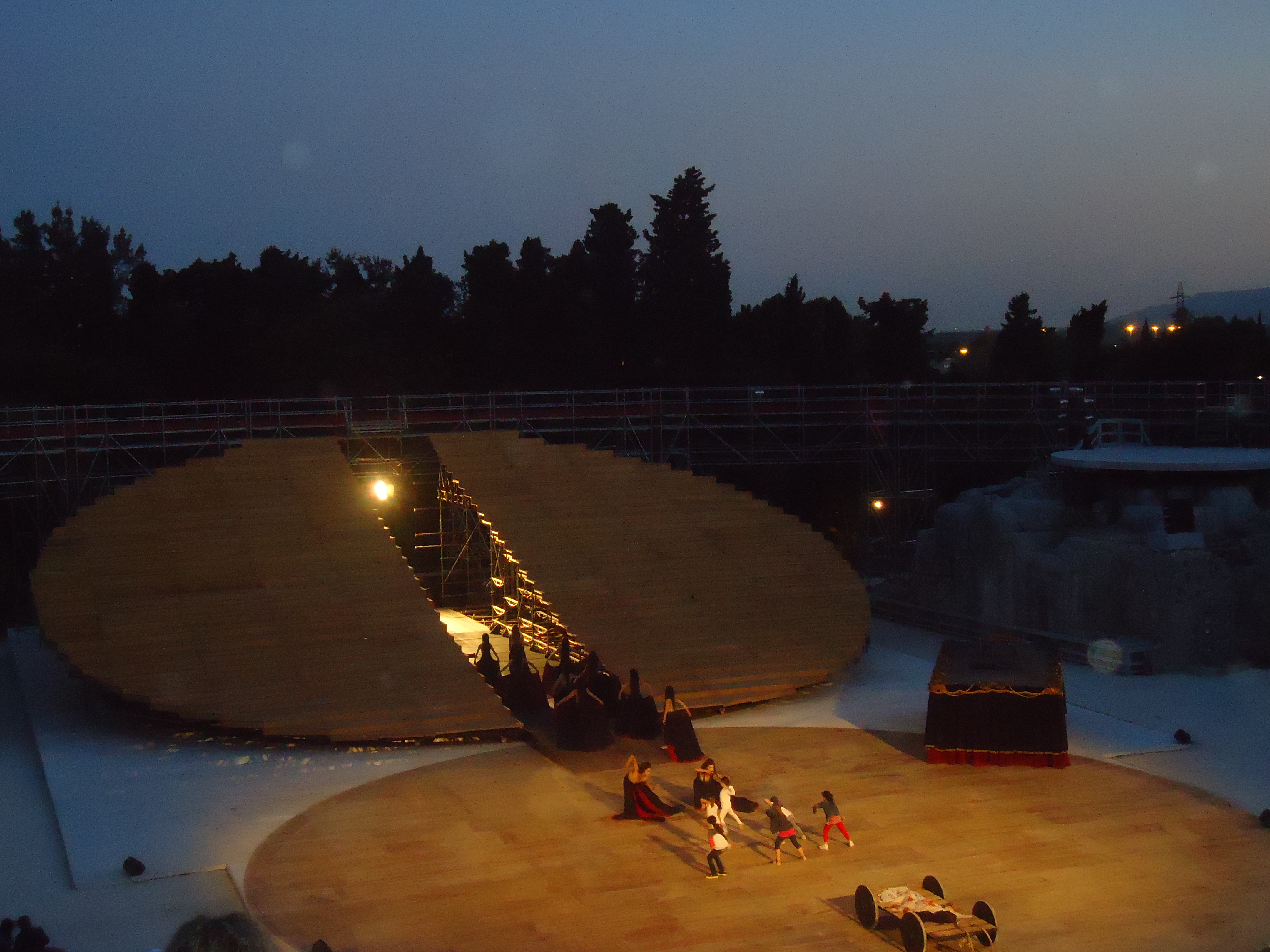
The play of lights on the stage created by the sunset, the impact it had on the representation of Mount Cithaerona where the bacchae had retreated, was superb. Furthermore, the music and the whole ambience made this experience one to be remembered for a long time.

Pentheus and The Bacchae


Nature’s Lights



A blood covered Agaue enters boasting the head of the Lion

Agaue realizes it is the head of her own son

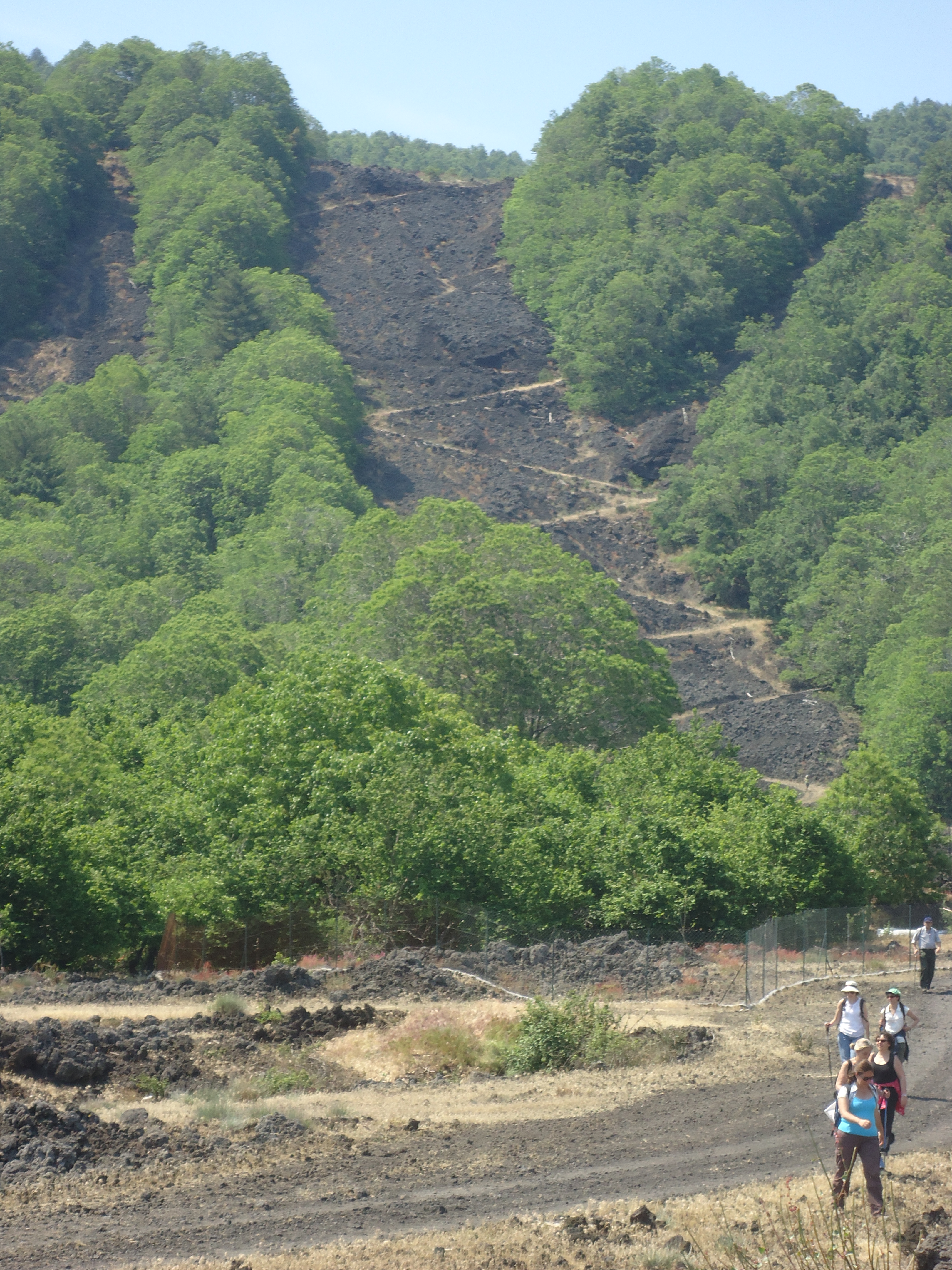
Hiking with the group Etna ‘Ngeniousa is always an enjoyable experience!!!!!!!!!!!!!! A few days ago, I joined the group as we hiked up Mt. Etna to visit the lava trails left by the 1928 eruption that destroyed the town of Mascali. Mascali was later rebuilt in a different location of the mountain. The breathtaking views one enjoys while hiking Mt. Etna are priceless. Add to that a group of hikers that keep an upbeat mood and one cannot ask for more. The two guides are usually Matilde and Aristide. Aristide, a nature guide, botanist and quite knowledgable in geology, explains the characteristics of the natural environment the group is exploring; Matilde leads the afternoon session which usually touches upon the history and art history of a specific location or building(s).
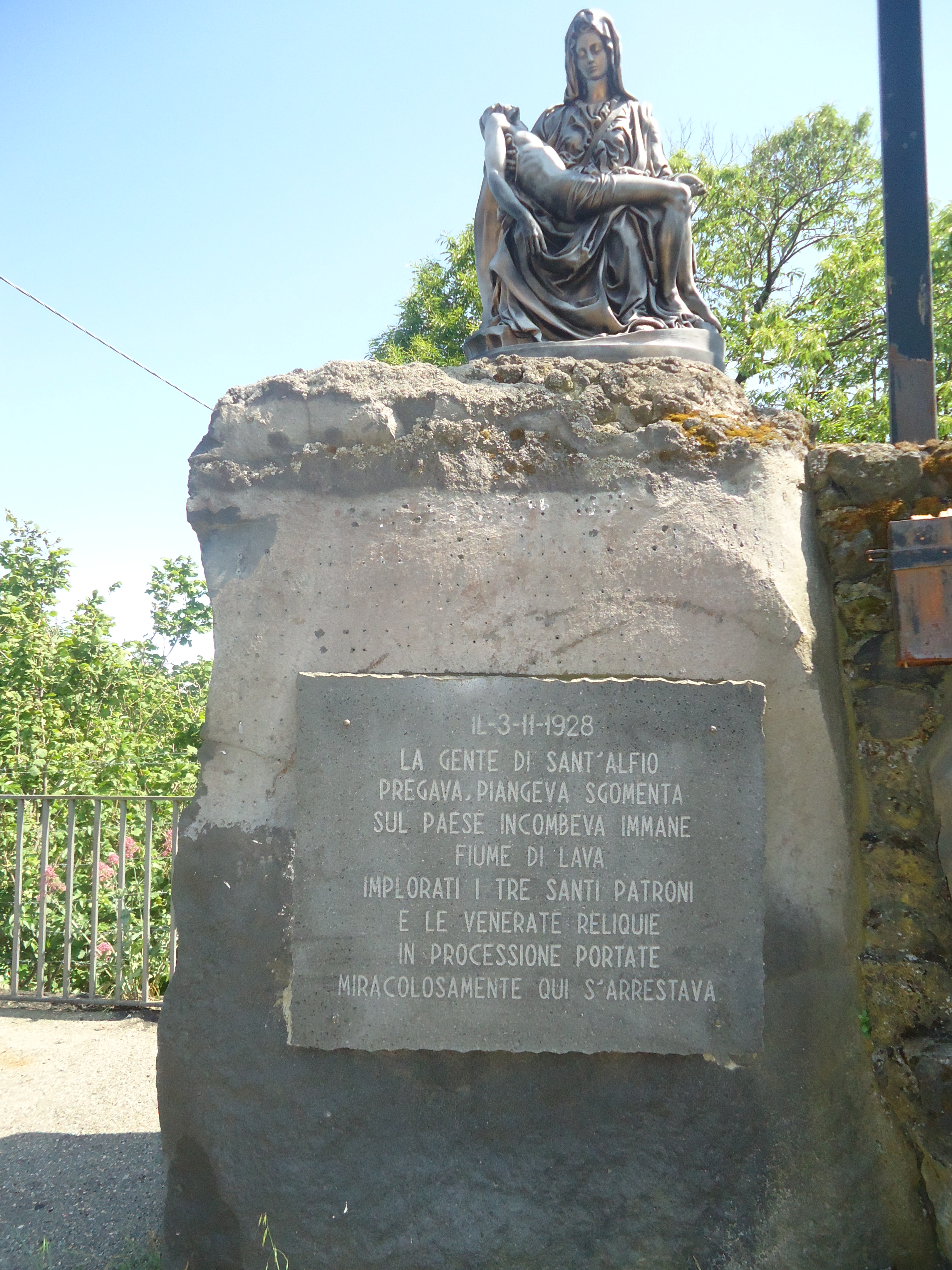
The hike, Le Ripe della Naca, involved a hike up to the spot where the 1928 Etna Eruption started and then hiking down one of its lava trails. The group hiked up to an elevation of 1,100 meters and basically made a loop. After the hike, the group went to a shrine erected in Sant’alfio, a town adjacent to the destroyed Mascali, shrine which was built by the inhabitants of Sant’Alfio to show gratitude for their town not being destroyed by the eruption.
At the end, the last site to visit was a two thousand year old chestnut tree, Il Castagno dei Cento Cavalli.
View from parking lot
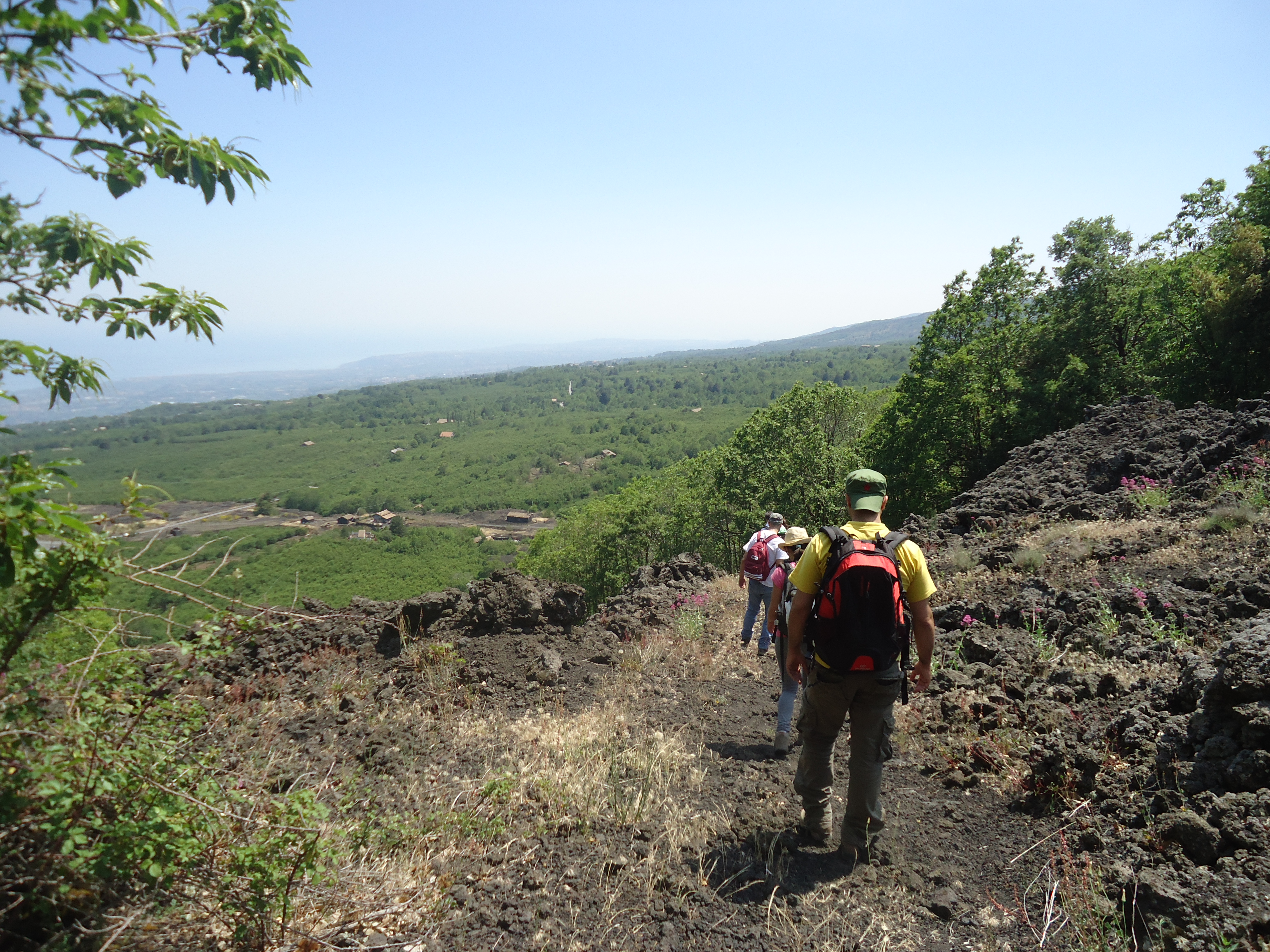
Etna Eruption Trails 1928

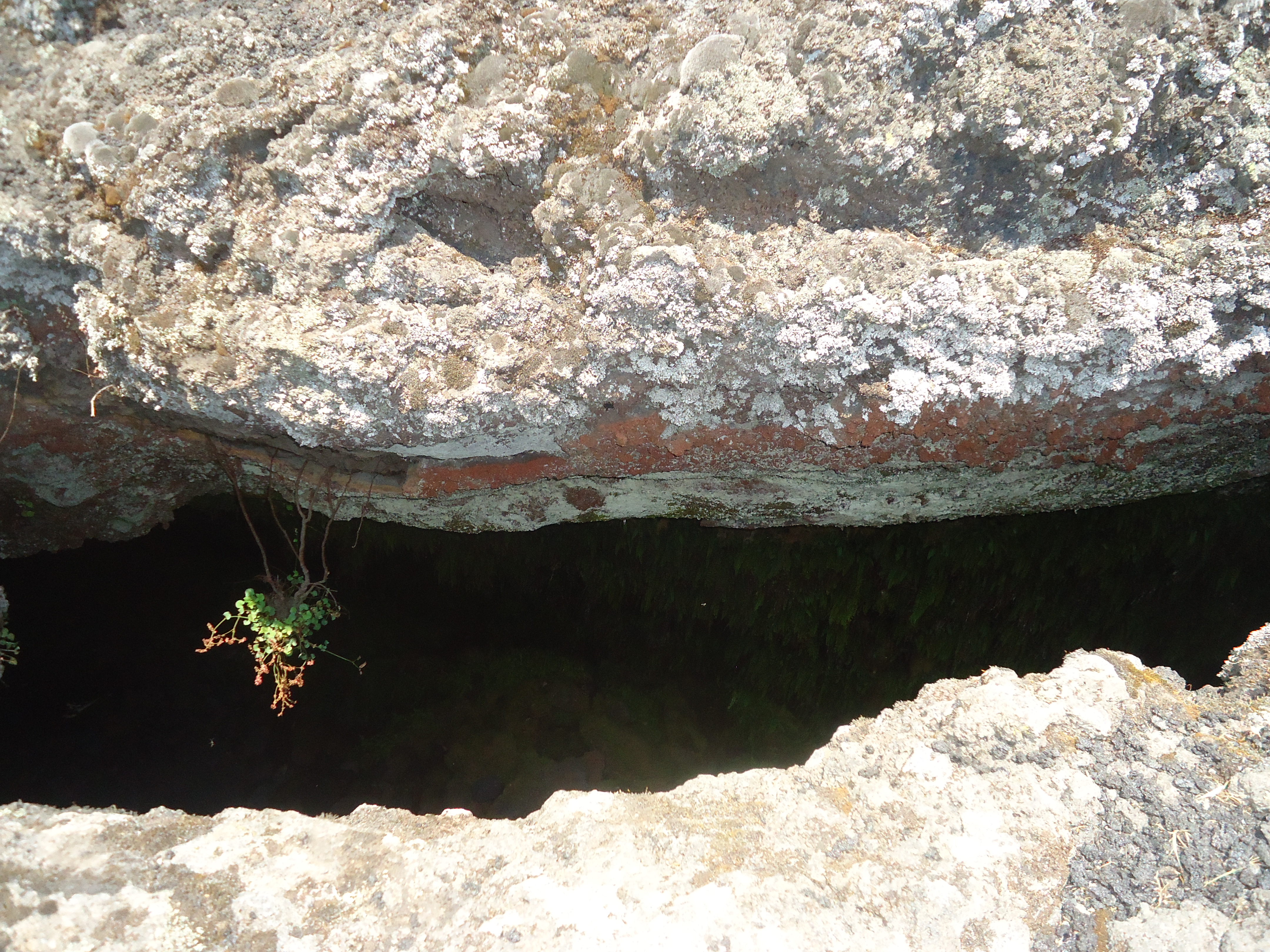
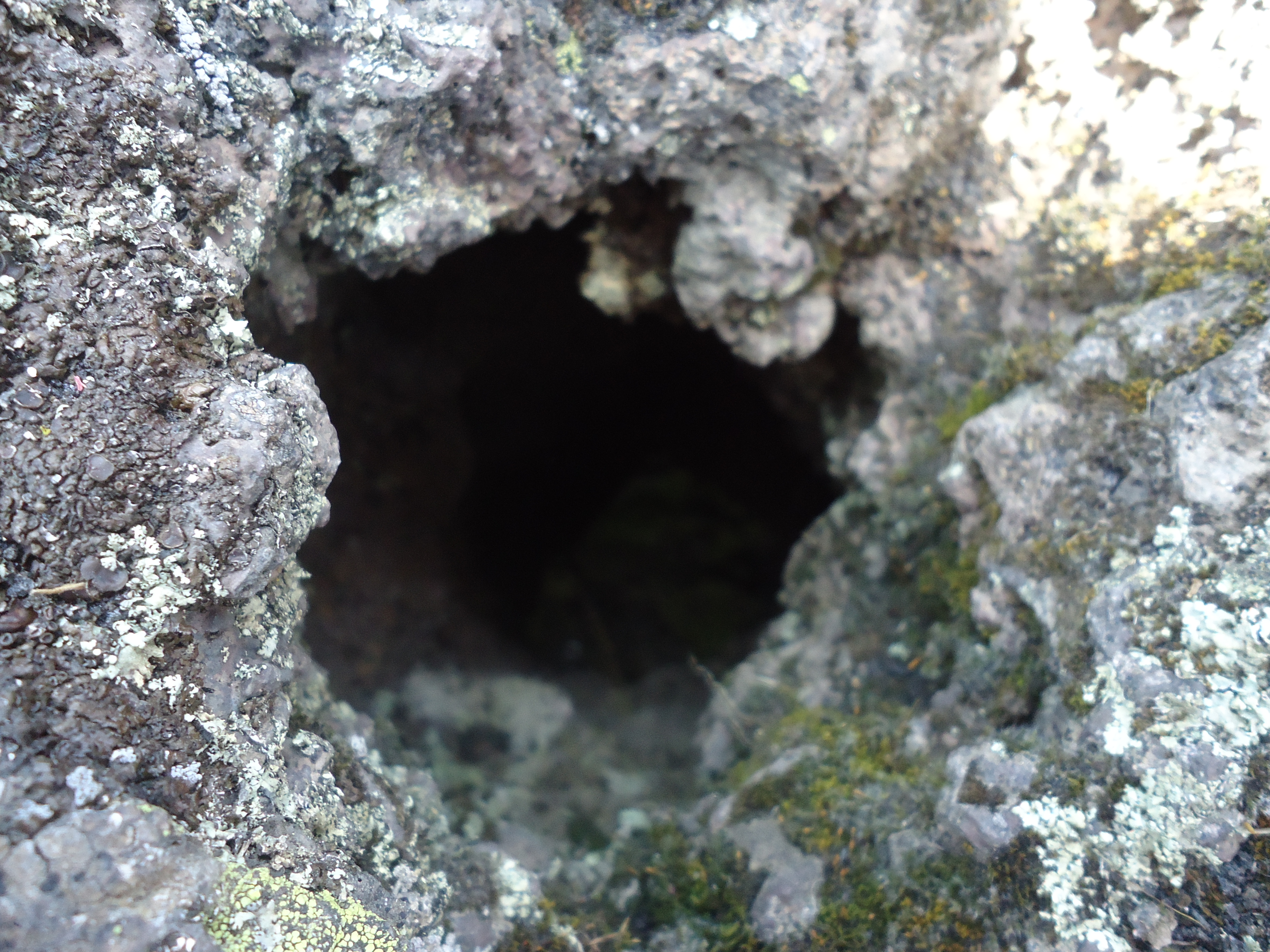
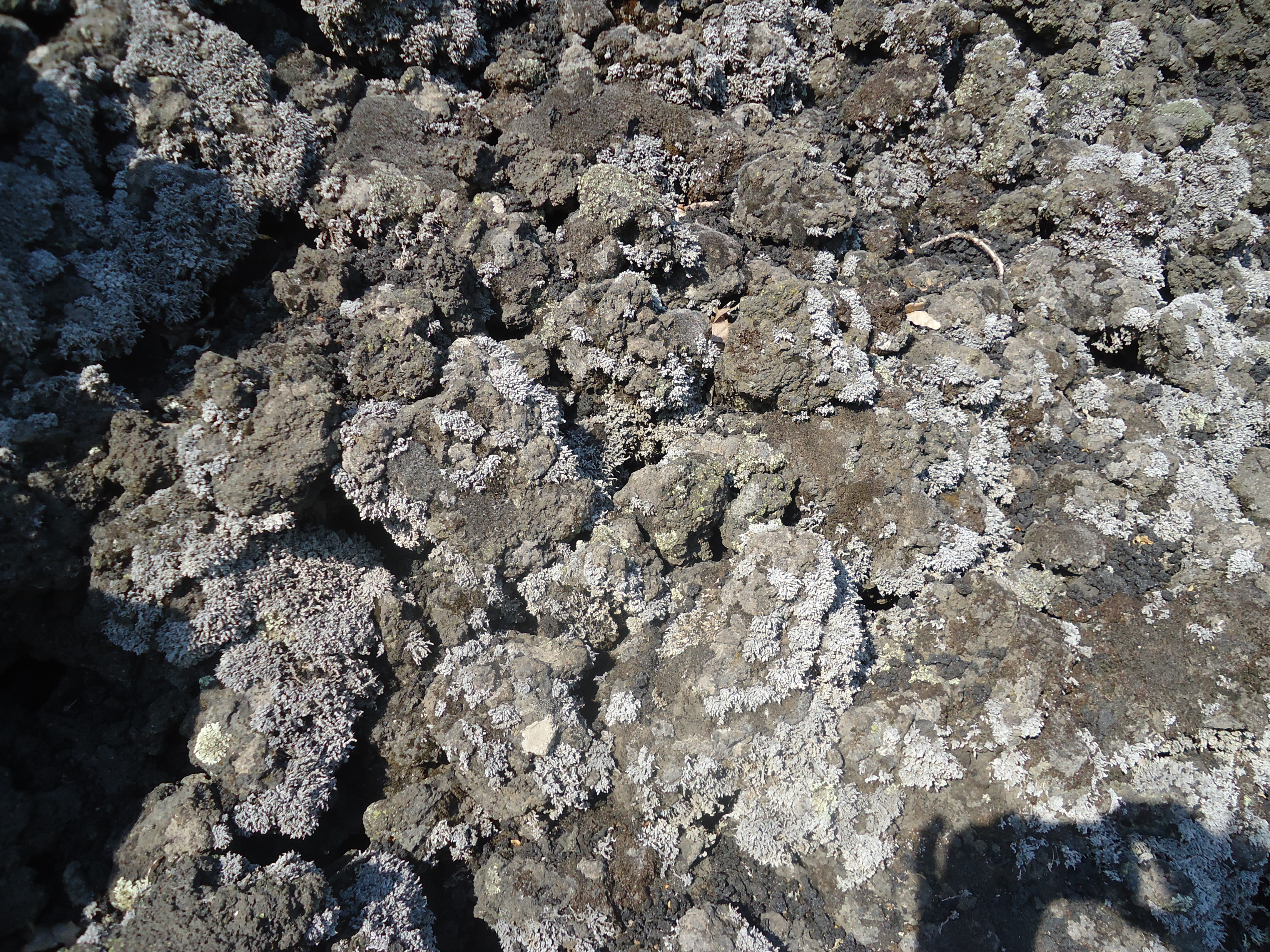
Piece of Lava

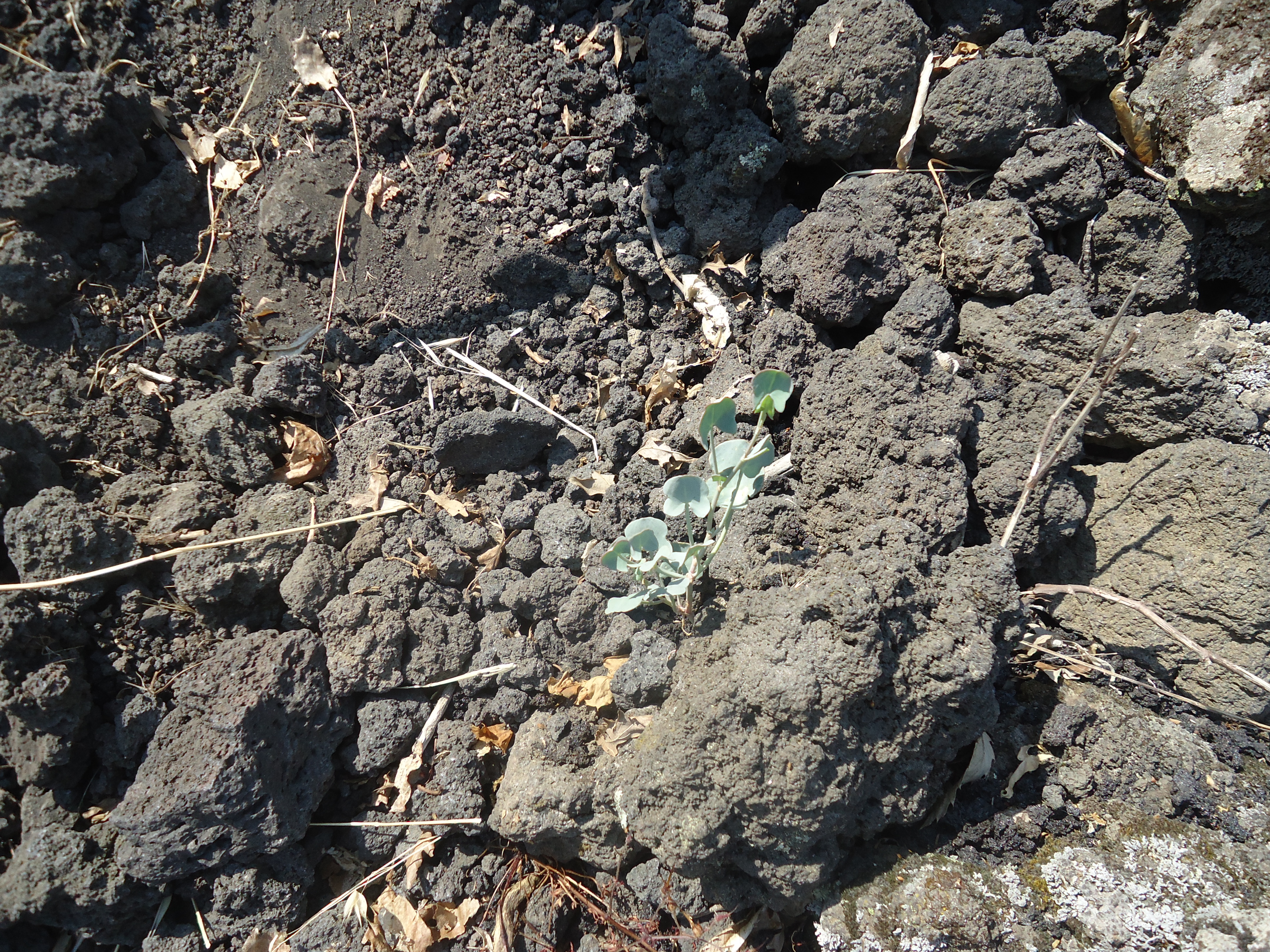
Wild Eadible Plant from Turnip Family (Scrumptious)
Lava Trail We Trekked Down
Shrine in Sant’Alfio
One of the routes one can choose to drive to travel from Licata, on the southern coast of Sicily, to Catania, on the eastern coast, is to proceed east along the coast from Licata to gela. Then one heads north east, inland, heading east towards Catania. Taking this route, one passes by the cities of Gela and Caltagirone, and then takes the final drive to Catania on S 417.
The following pictures were taken around Licata and Gela during the month of June.
Licata Harbour
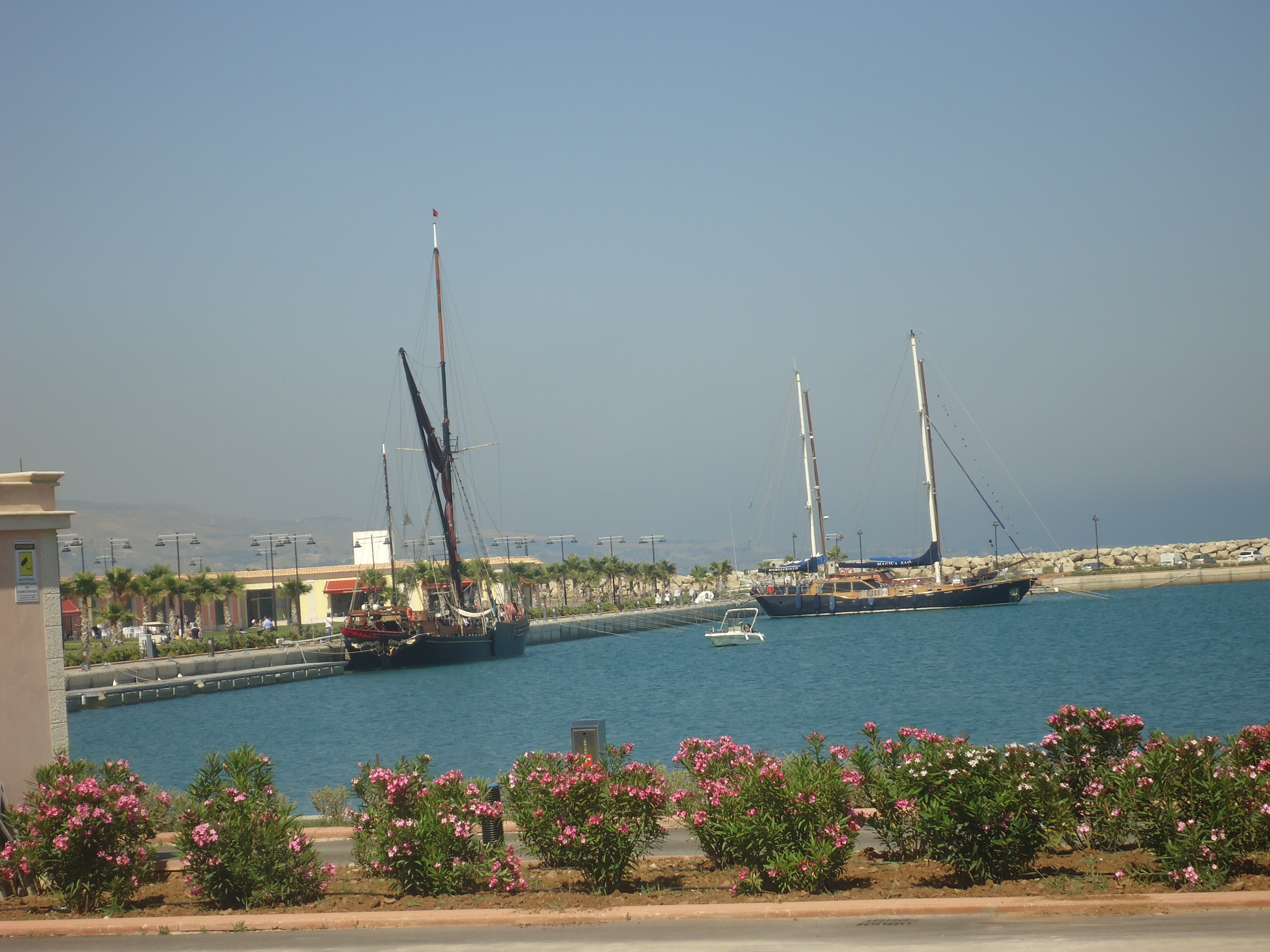
Licata Waterways

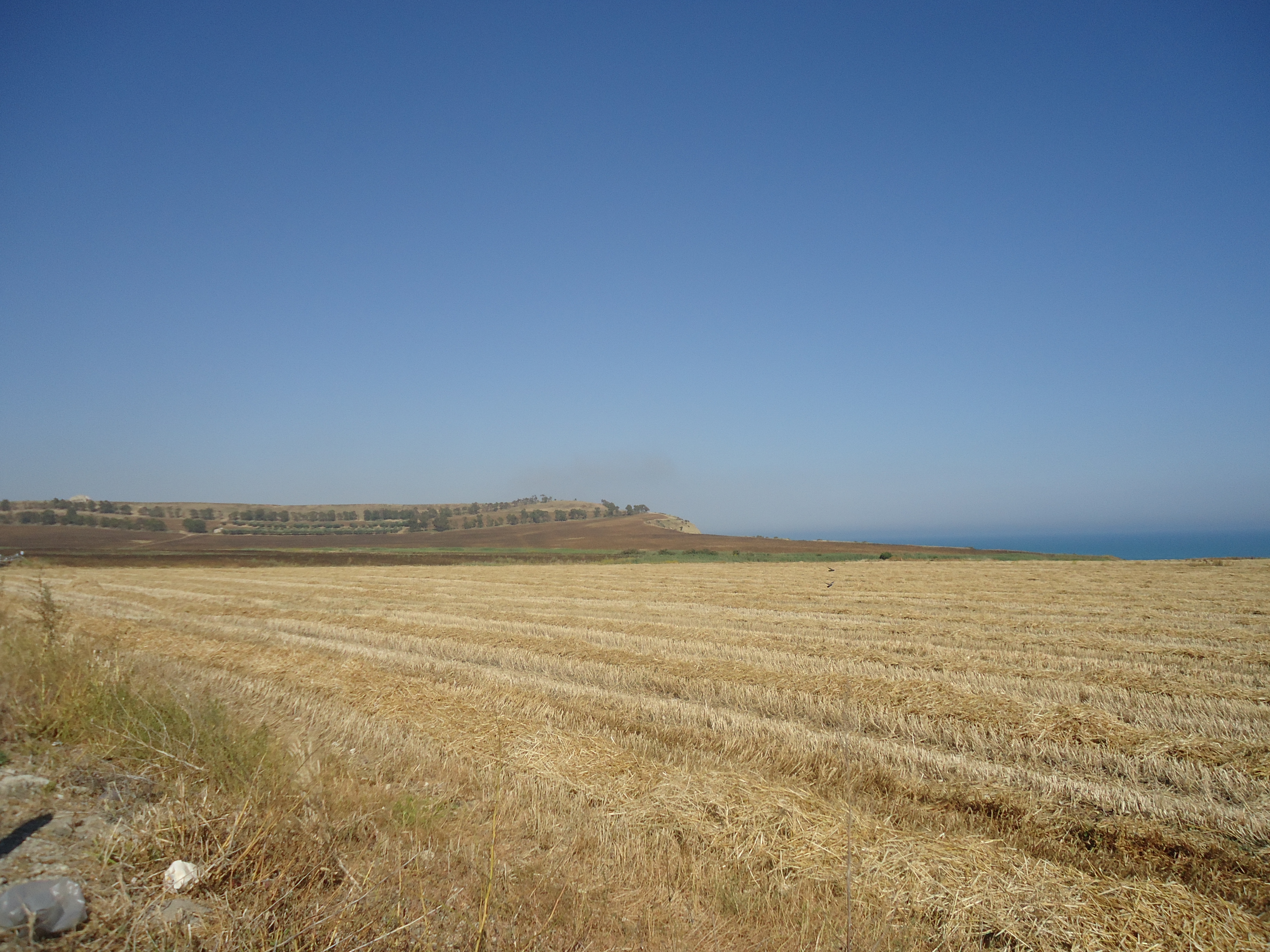
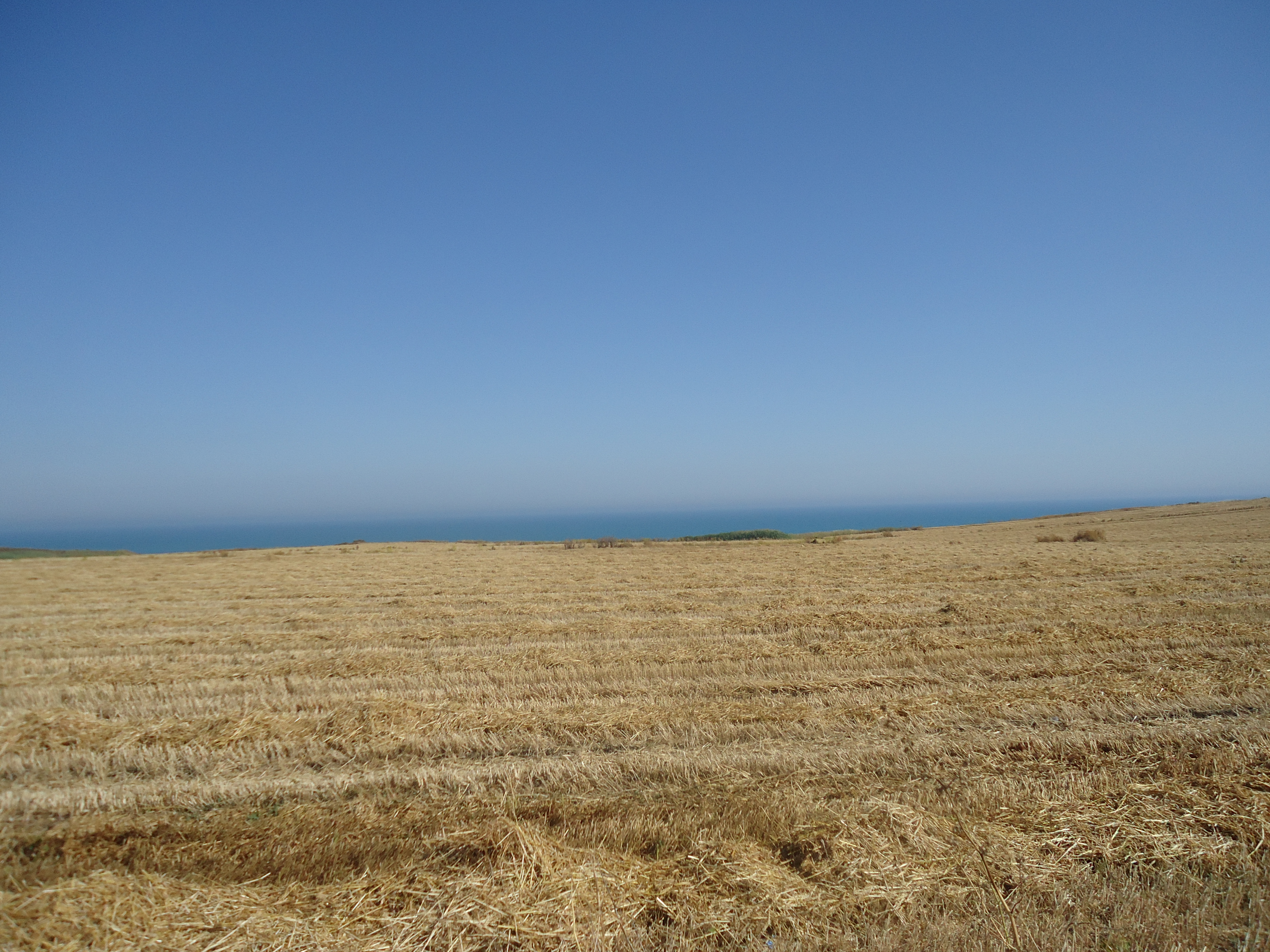
Fields along the Coast between Licata and Gela
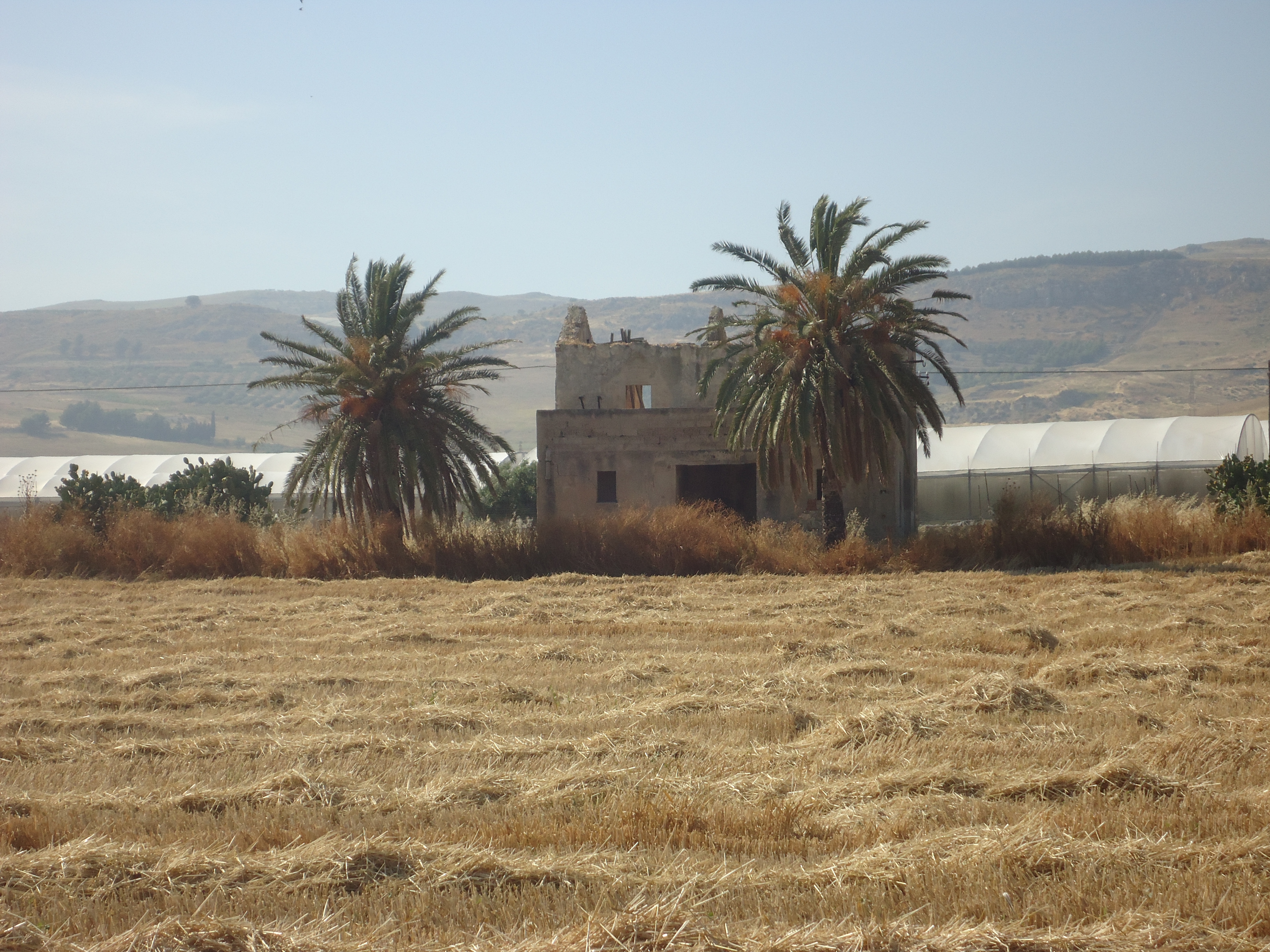
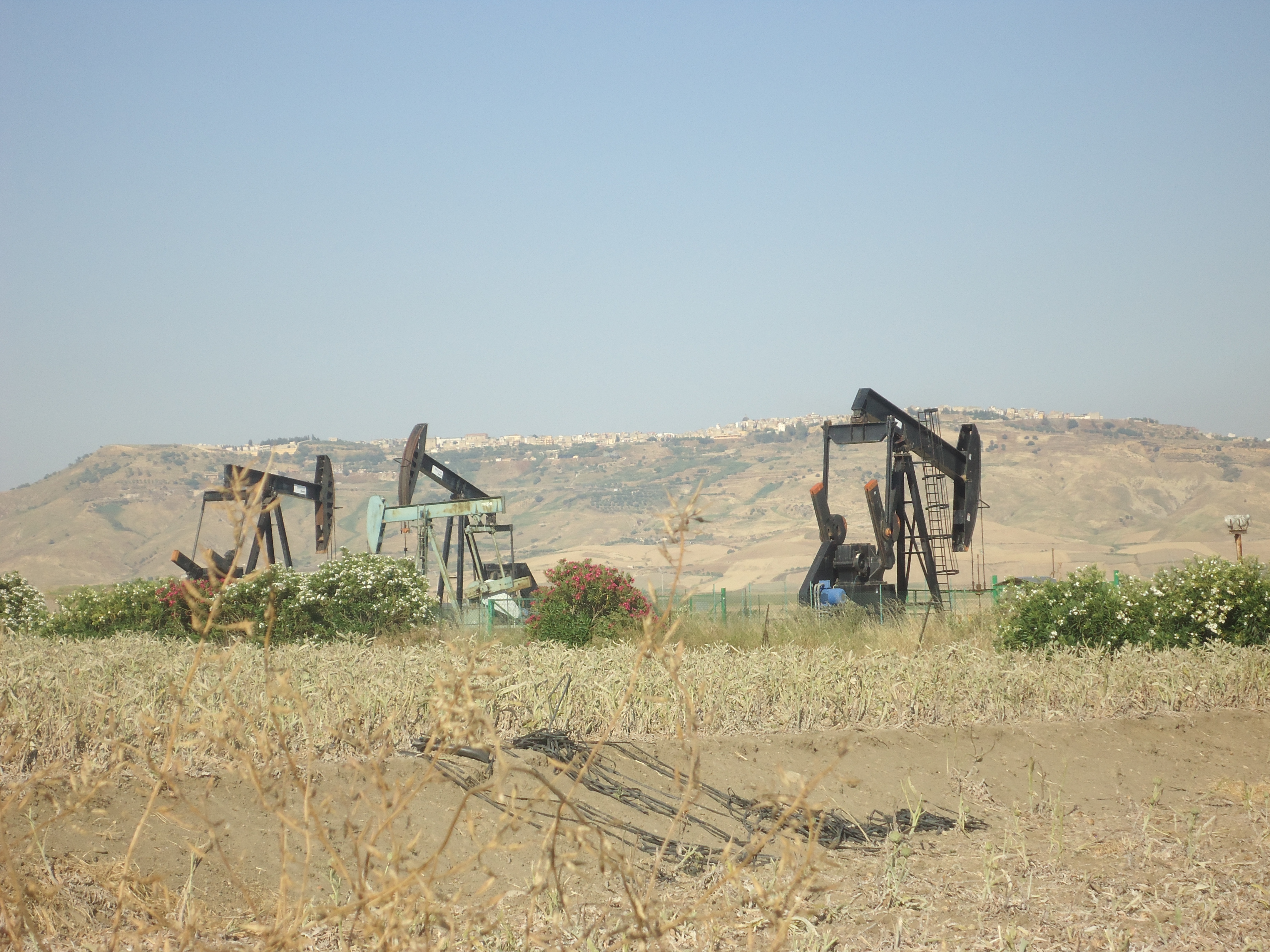
Oil Wells North of Gela
La Madia, in Licata, which holds the appellative of one of the best restaurants on the island of Sicily. Licata is off the beaten path and anyone who wishes to go to this restaurant will most likely travel a long distance. So today, my friend, Rosa, drove us to Licata just to eat lunch at La Madia. Apparently, we are not the only ones who drove a total of four hours to eat this unique lunch, but we learned while talking to the staff at the restaurant that 95% of their customers come from afar. The Chef of La Madia is Pino Cuttaia, who after working for twenty years in the Piedmont Region in the north of Italy has returned to his hometown of Licata. Cuttaia’s cuisine is famous for his choice of creating original interpretations of fundamental ingredients of the Sicilian culinary tradition. His dishes are truly a form of art!
This blog entry will not go into detail, but will briefly describe the dishes seen in the pictures below.
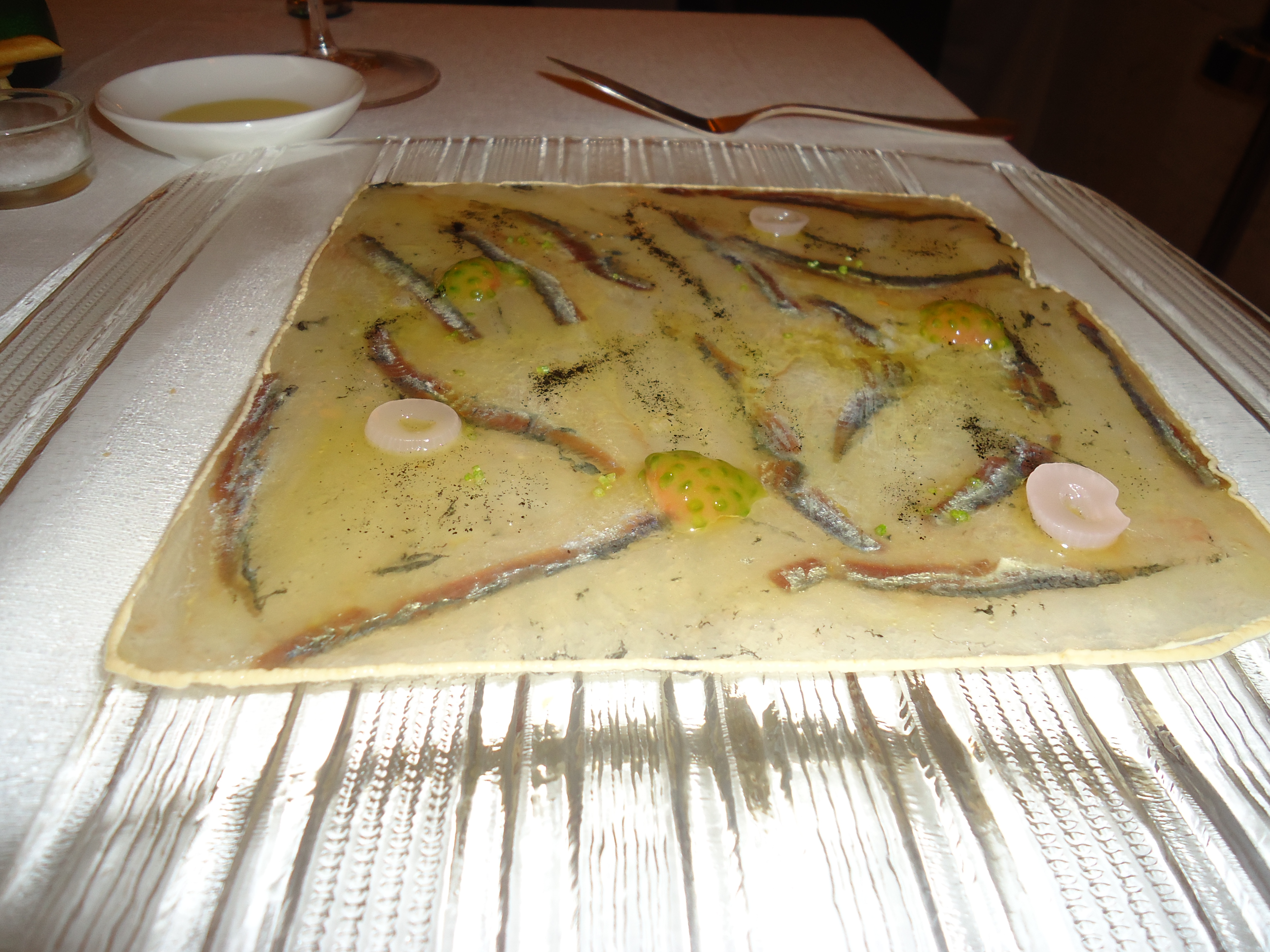
Fresh anchovies congealed in a sea water based gelatin with a light mayo along the edges create this sea water mosaic
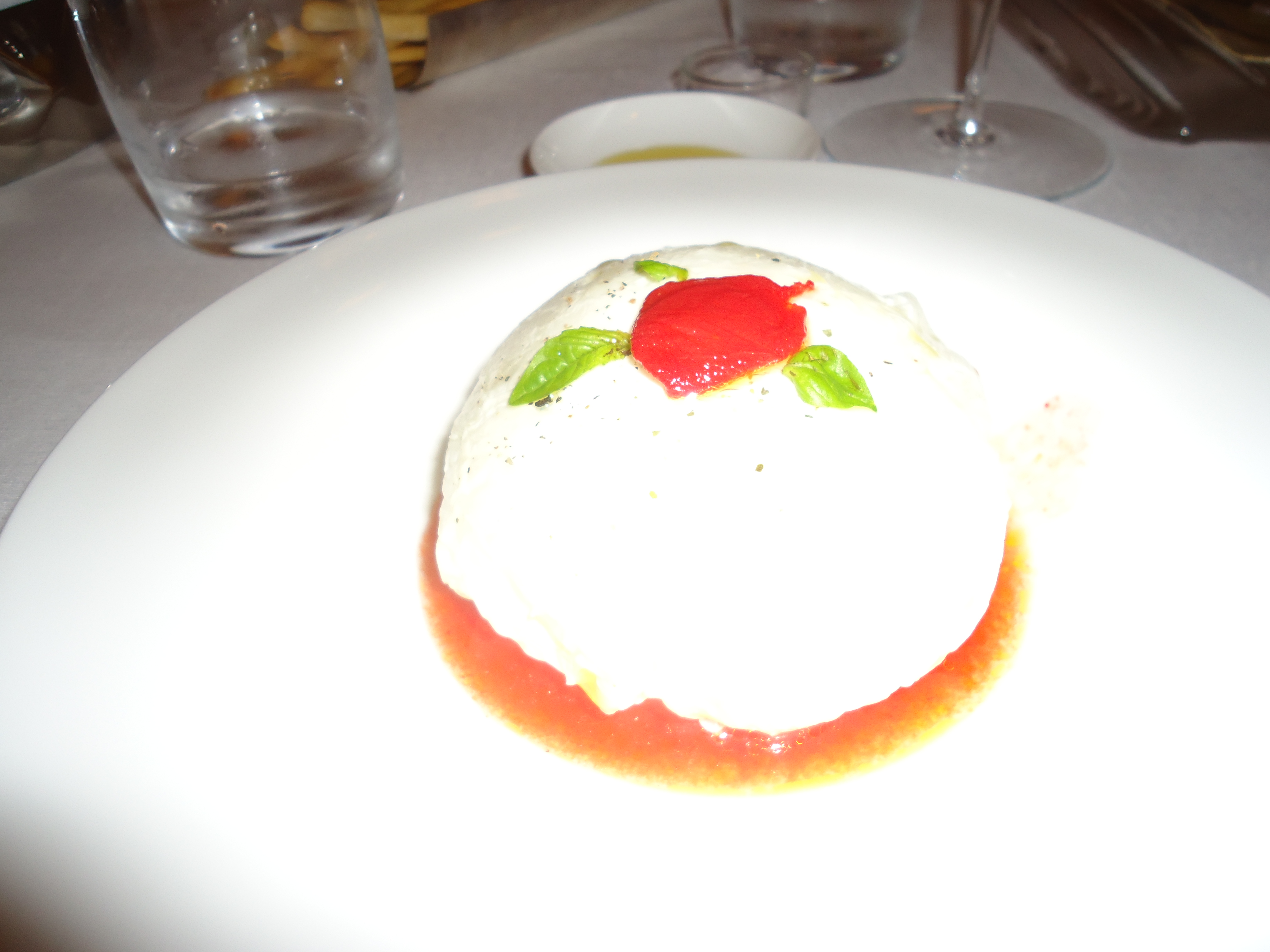
As many people know, mozzarella and tomato have formed Caprese salad, but here the ingredients are combined in a totally new creation. This buffalo milk mozzarella from Battipaglia is stuffed with a tomato soaked bread and then the cold tomato sauce is added along its perimeter. Biting into this mozzarella one finds the inside a foamy, light texture which simply melts in one’s mouth.
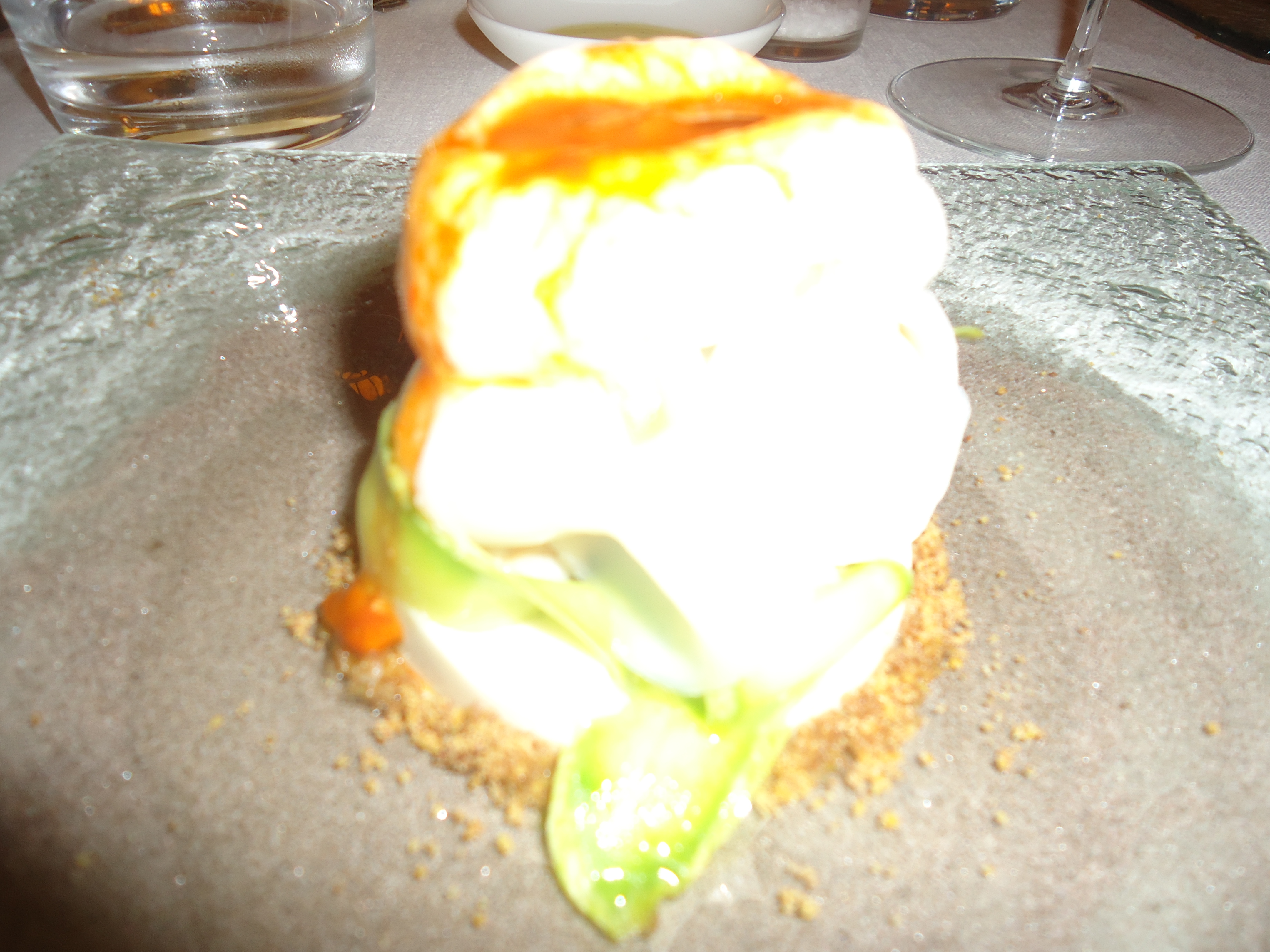
The picture above is a calamari tower with zucchini, sea urchins roe, lentils and almonds
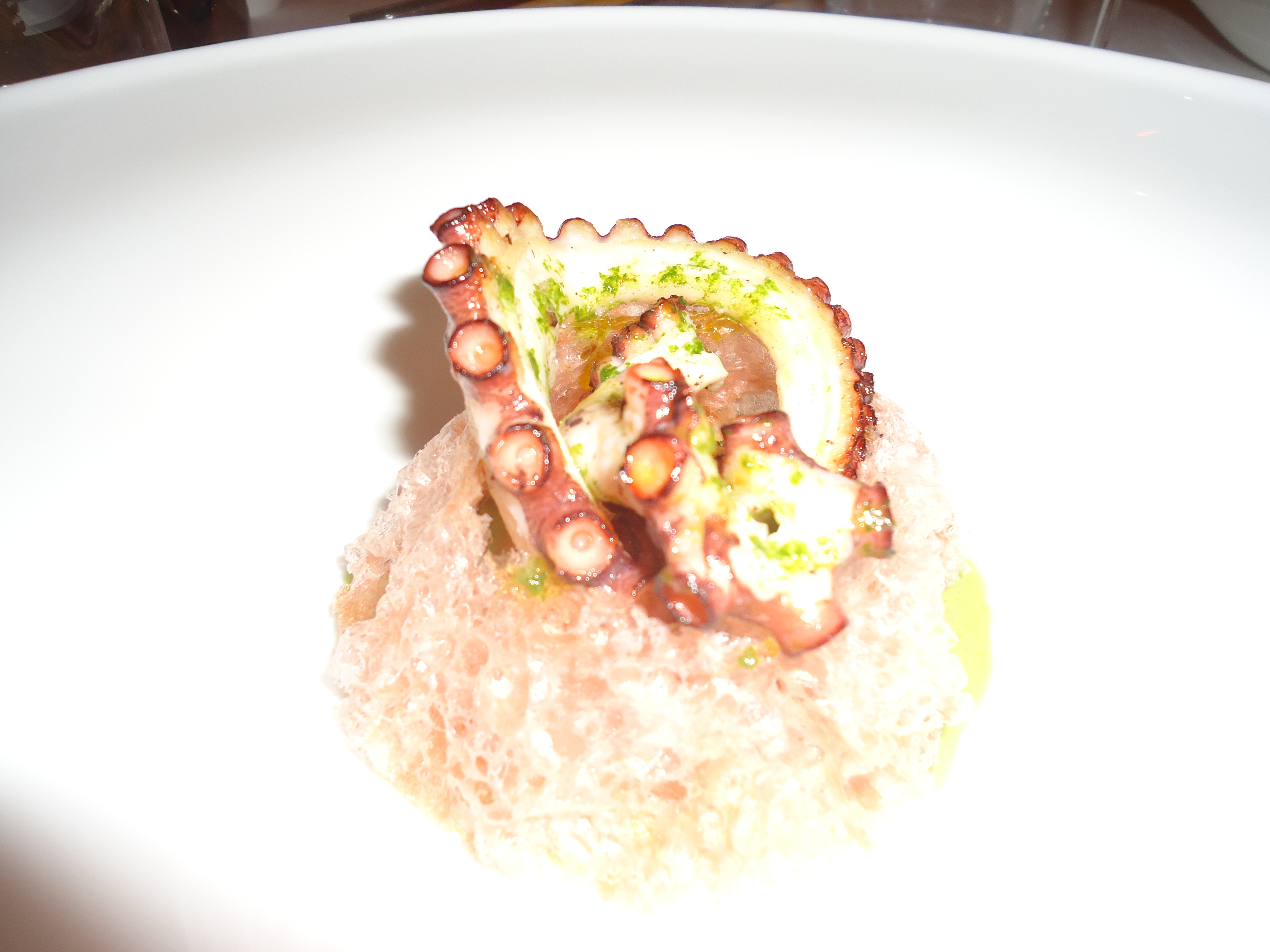
One of my favorites is below, Octopus on a Rock. The rock was created my making a merengue of the foamy water in which the octopus was cooked! Ingredients included lentels, mussels and capers. As the chef mentioned in one of our conversations, his dishes are also inspired my his memories.
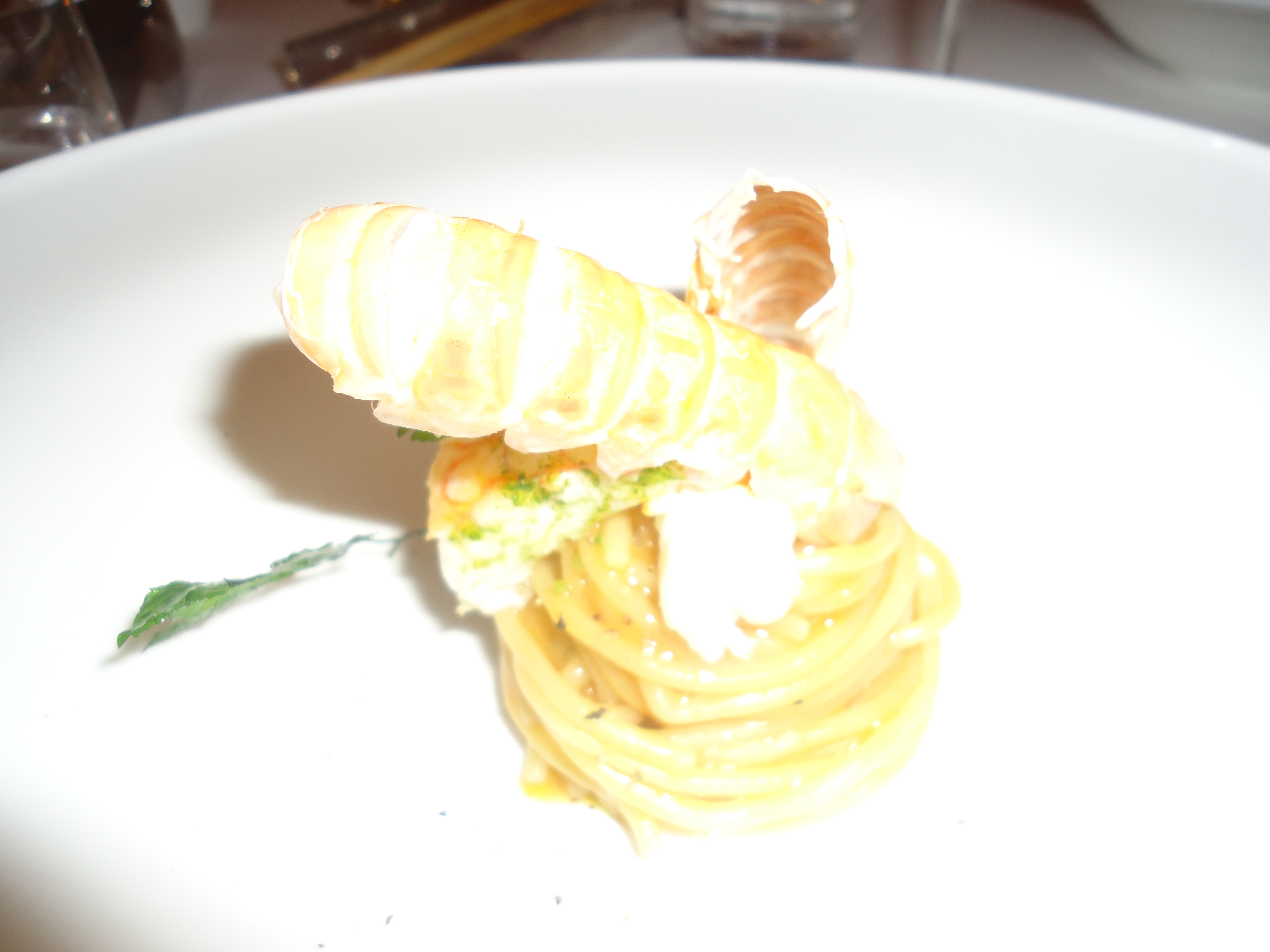
Home made spaghetti with shrimp
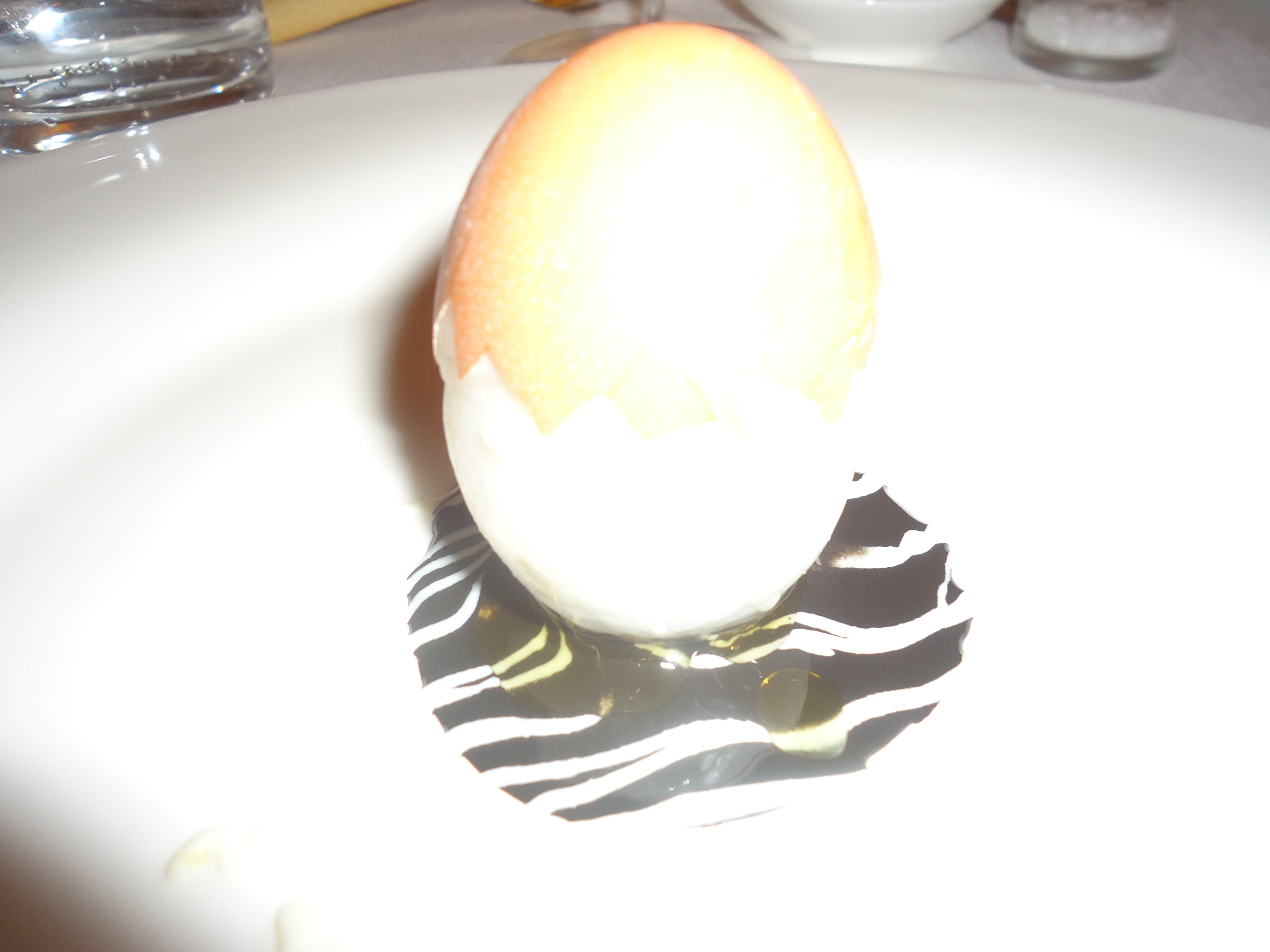
Exceptional!!!!!!!! Cuttlefish in an egg shell! Cuttlefish is minced and then cooked inside an egg shell and takes on the shape of an egg; here it is placed on sepia, the black sauce cooked from the liquid contained in the cuttlefish’s sac and decorated with stripes of mayo
Scent of almond charcoal to complement the seared tuna

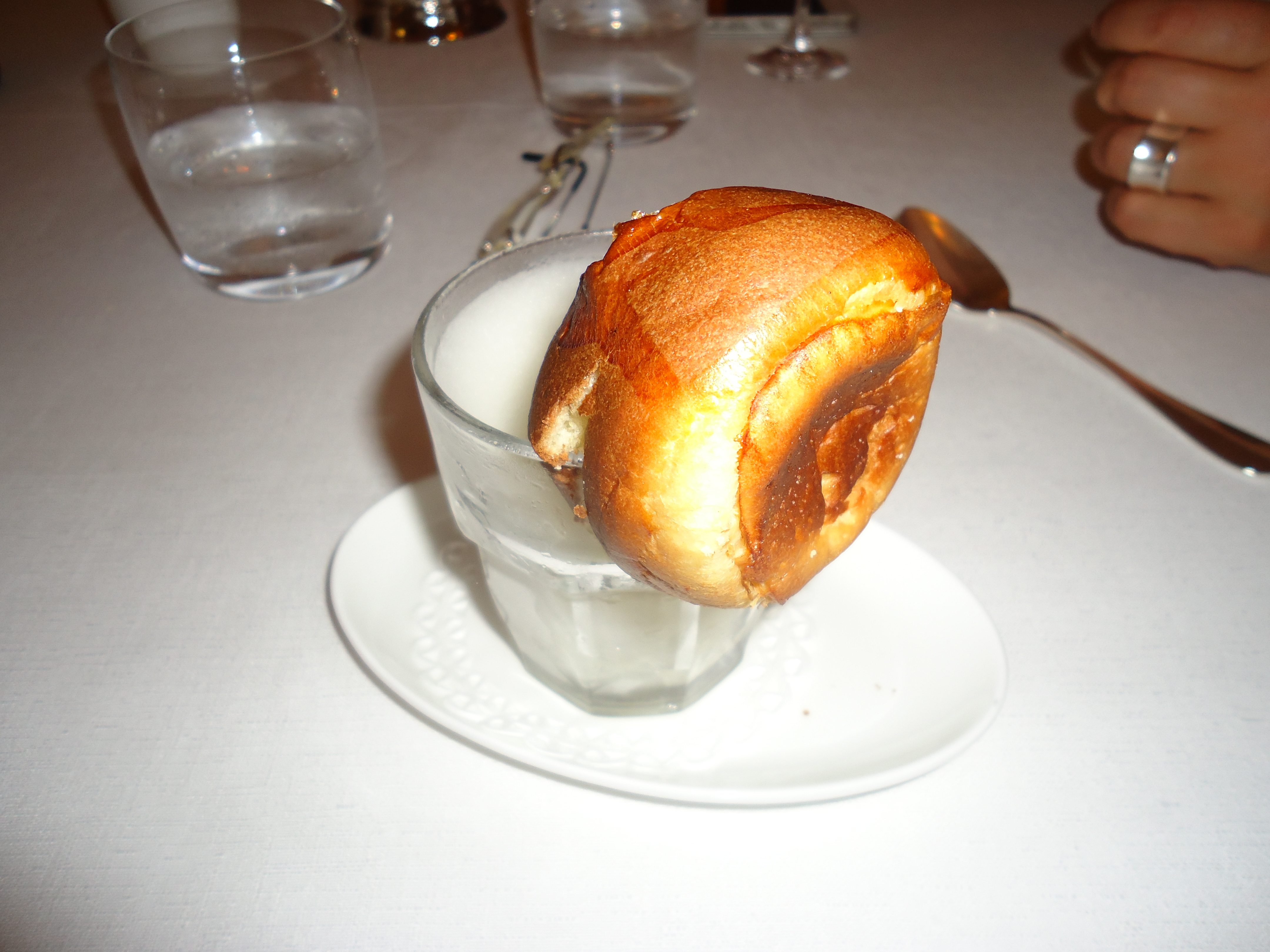
Granita with mini brioche
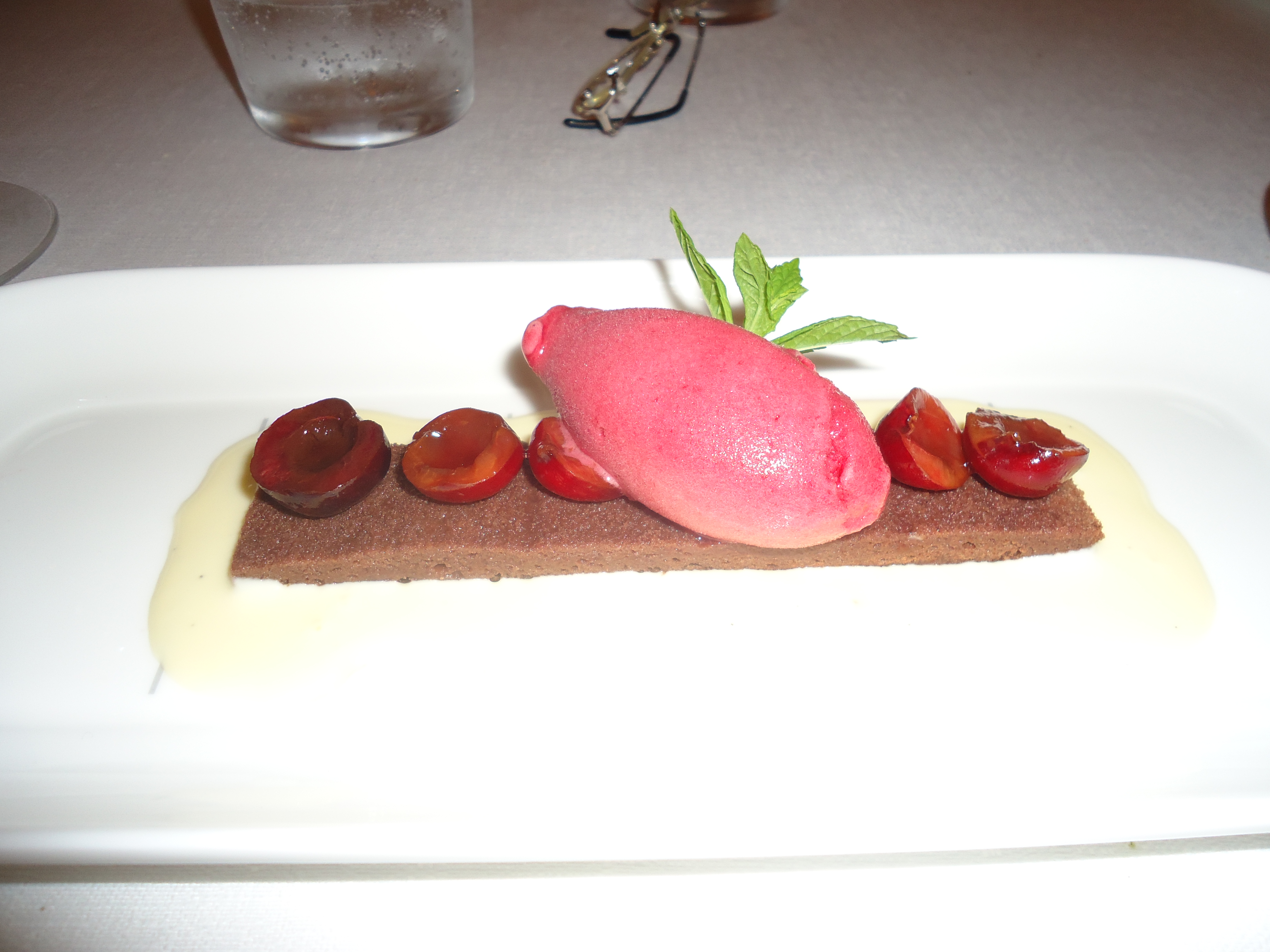
Above is Black Forest cake and below an original espresso cup with cover
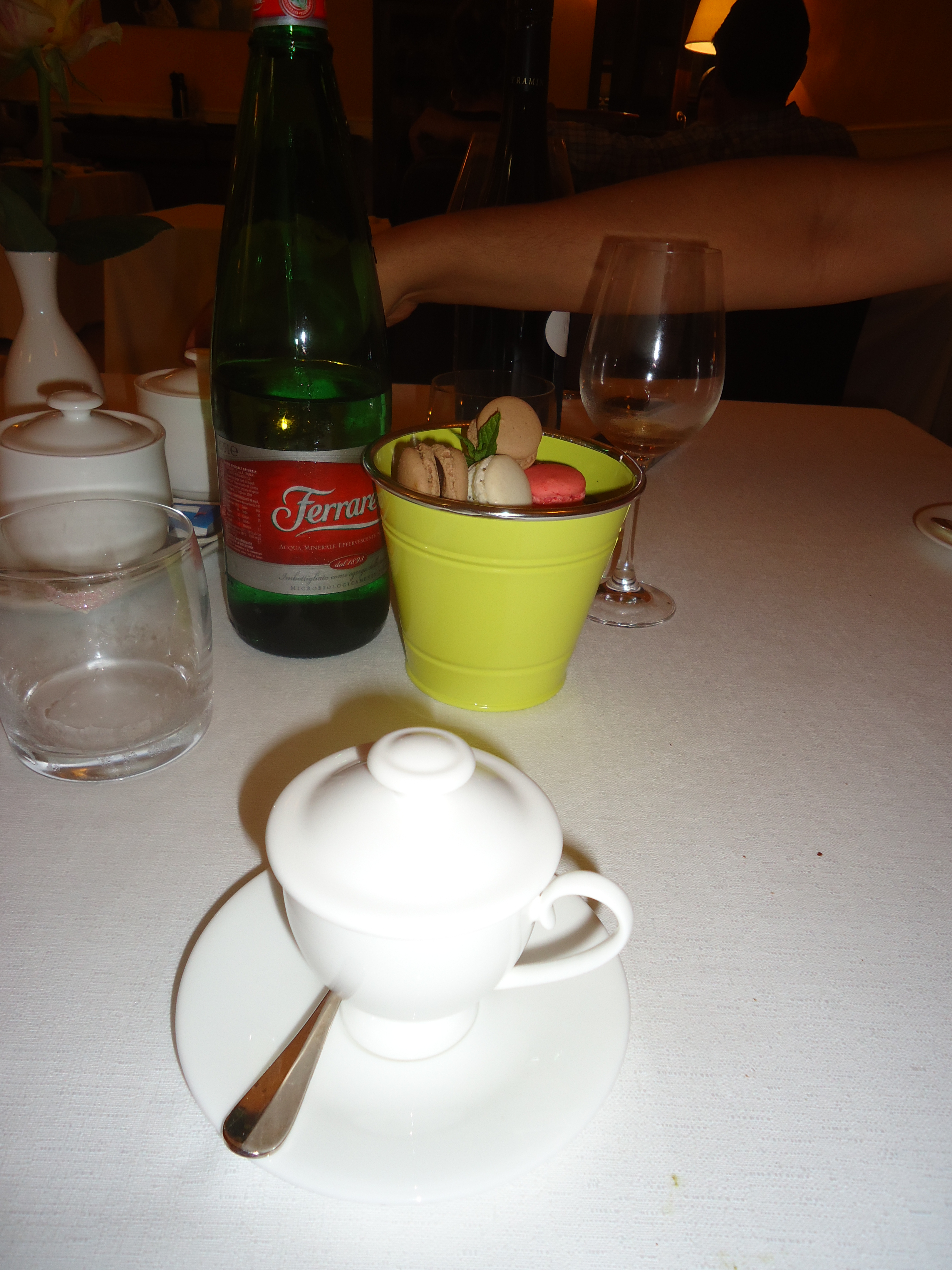
What can I say? This is true art form in the kitchen. The dishes are elaborate but simple. The taste buds discern each ingredient but the result is a harmonious ensemble of flavors!
 Sicily & MORE Explored by Rosanna