No words needed for this show by Nature…………







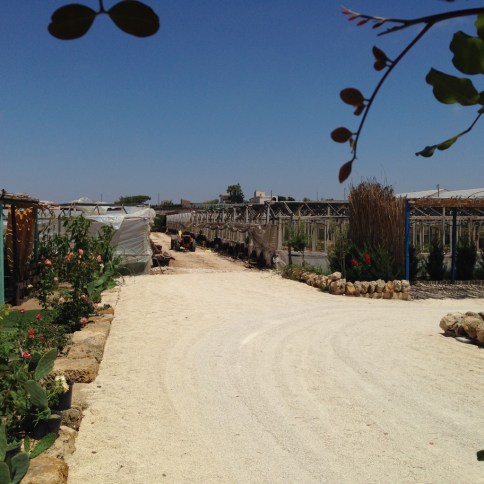
Nestled in nature on the Southern Coast of Sicily, away from the crowds and noise, is a gem called Mareindaco B&B. I stayed at Mareindaco after picking up Julia at the Comiso airport, just a convenient twenty minute drive away. The owners of the B&B, Angela and Elio, were very hospitable and kind, going out of their way to make everyone staying at their facility feel at home. At Mareindaco, the ambience, the hospitality and the food are superb and as their motto is A Place Like Home, one could say that for some aspects this is better than home!!
Mareindaco B&B is on the premises of the family organic farm and all the produce and delicacies served to the guests come from the farm.
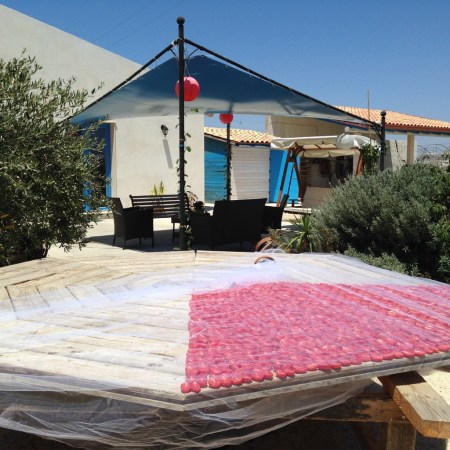
The day I visited, Angela was drying her cherry tomatoes in the sun and had started placing the first set of tomatoes on her hexagonal table.
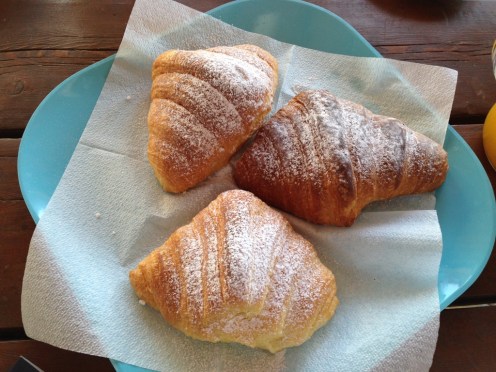
Breakfast was superb!!! All homemade!! Below are the cornetti.
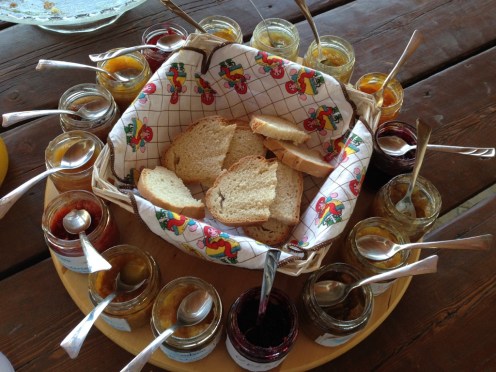
A variety of marmalades and jams all made by Angela
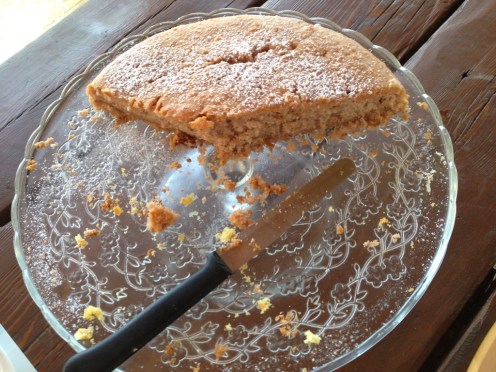
Fabulous cakes

Just a short walk down the road, one arrives at a lovely beach…..
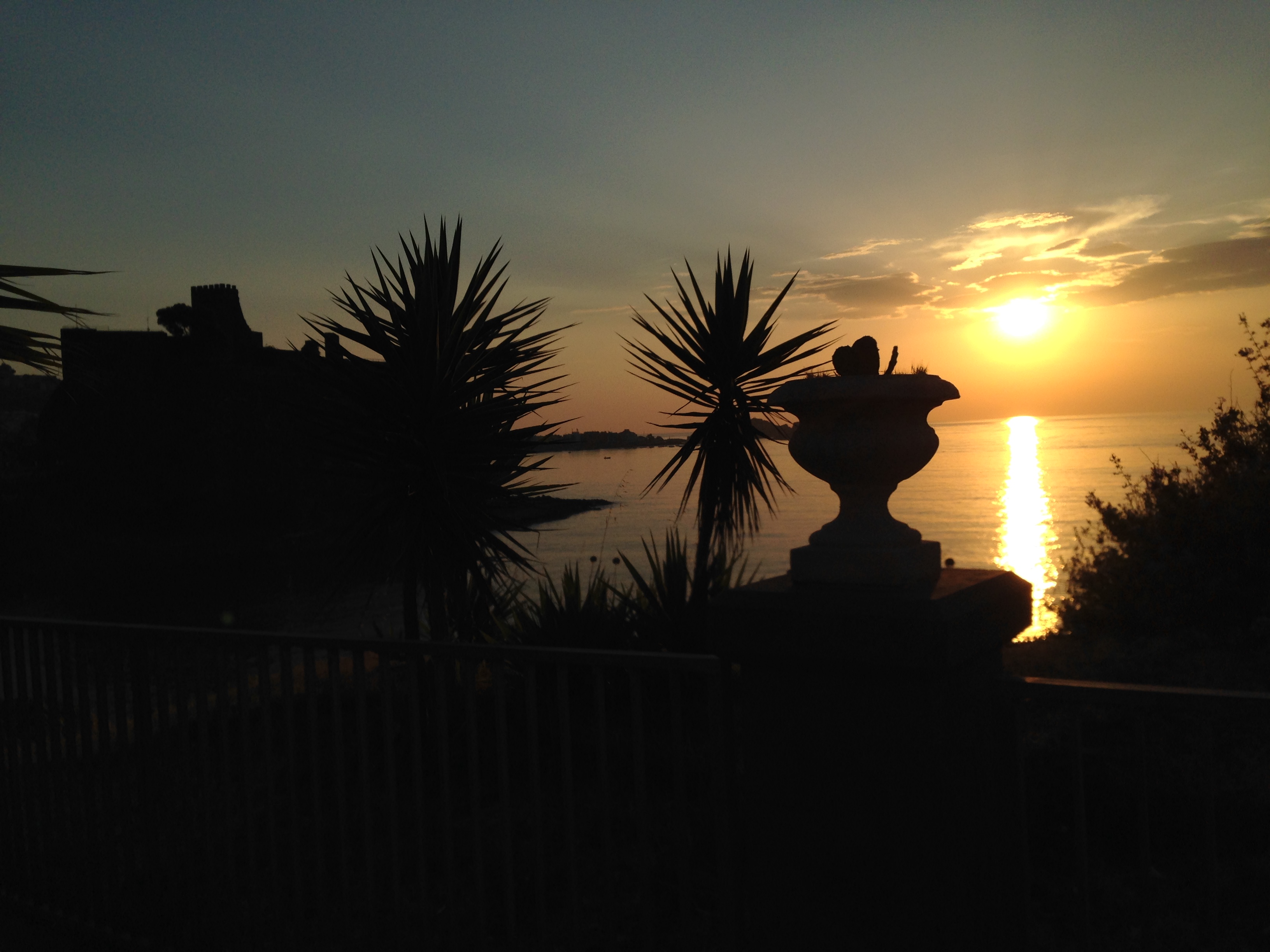
In the evening, a stroll down the Punta Secca beach at Sunset offered breathtaking views of the sea


and dinner at a local restaurant in Punta Secca right on the beach was superb!
I have thoroughly enjoyed exploring Sicily, driving on all kinds and conditions of roads, and there are many stories I will be telling for years to come. One of my favorite areas to visit is the Southern tip of the Island where the Ionian Sea and the Mediterranean Sea meet. Once one turns onto the Southern coast, one of the first towns one meets is Pozzallo. I have visited Pozzallo several times at this point, hitting it at different times of the year.
However, there is one experience that has stuck to my mind on traveling away from Pozzallo, heading west on the Southern Coast of Sicily. As I am always looking for roads that lead me to the coastline itself, to the sea, I had an interesting encounter the first time I travelled through this area. When one leaves the harbour of Pozzallo behind, one can take a highway which travels slightly inland thus not allowing to be right at the coast all the way, SP 64 (which changes number in increments of one digit as one travels along the coast), but with the coastline in sight on and off. I chose not to take that road when I saw a road sign indicating the next town on the Southern Coast, Marina di Modica,pointing towards the coast itself and took that road following the road sign.
Unfortunately, although the road sign indicated the town of Marina di Modica was just 4 kilometers away, the road ended after 300 yards. I had to go back and check this area out this summer to see whether anything had changed. That first time I had taken the road that ended after 300 yards, when I reached the end of it, only to see the town of Marina di Modica at a distance, I found a car which had stopped at the end of this short road. I got out of my car and spoke to its driver who also had gotten out of his car and was looking around. He was a British traveler, who like me, had followed the road sign only to stare at the destination from afar with no actual road to connect the road he had taken to the town he was seeking!!! This road sign indicating that Marina di Modica is four kilometers away is still there and there is still no road that takes to the destination it indicates along that path!
Leaving Pozzallo harbor behind you heading West

Driving up the hill to the road leading westward

The point where you can take a turn to SP 64 or go to the coast road following its road sign
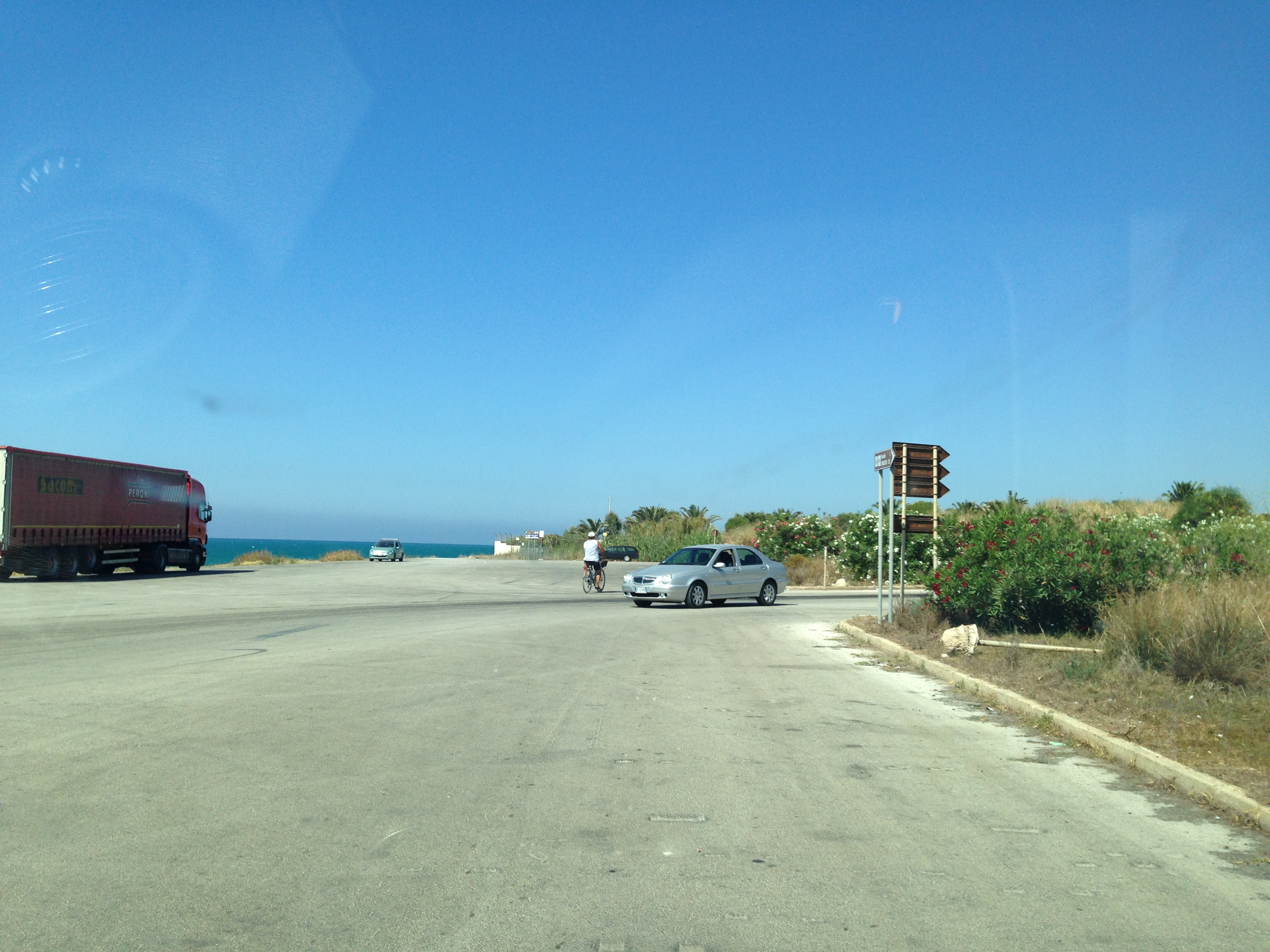
Sign indicating the town of Marina di Modica only 4 kilometers down this direction

Road following that road sign

OOPS!! Roads ends and does not lead to that destination!!!!!

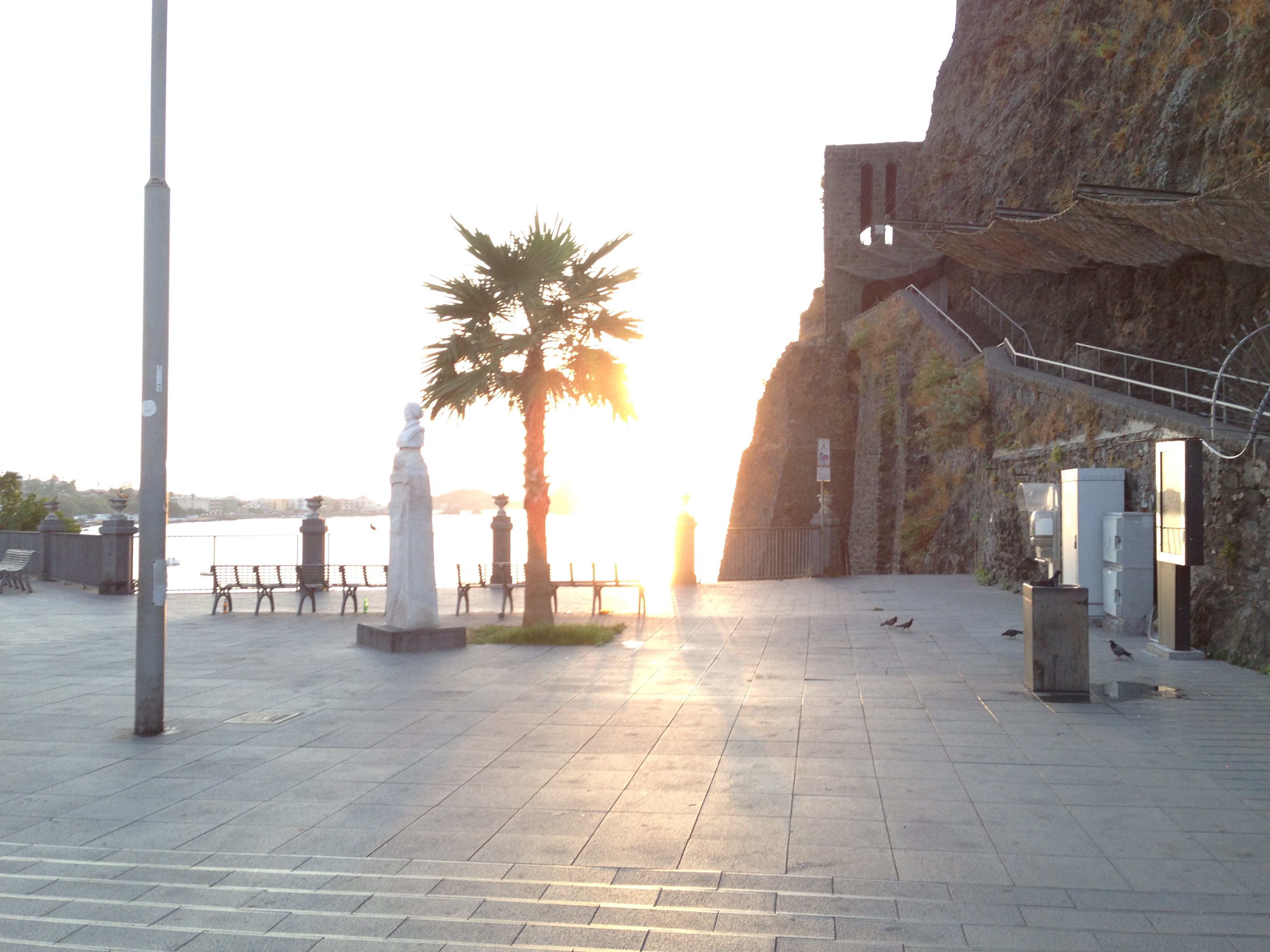
One of my favorite early morning walks is to Acicastello, the town adjacent to Catania, Sicily. In Acicastello, overlooking the open sea and the Faraglioni further north up the coast, sits a Norman Castle. Nowadays the Castle is open to the public for visits and it is also the setting for many weddings and receptions. Following pictures were taken this week on my early morning visit to the town.
Acicastello Norman Castle

In backdrop one can see the Faraglioni of Acitrezza

Castle and Faraglioni
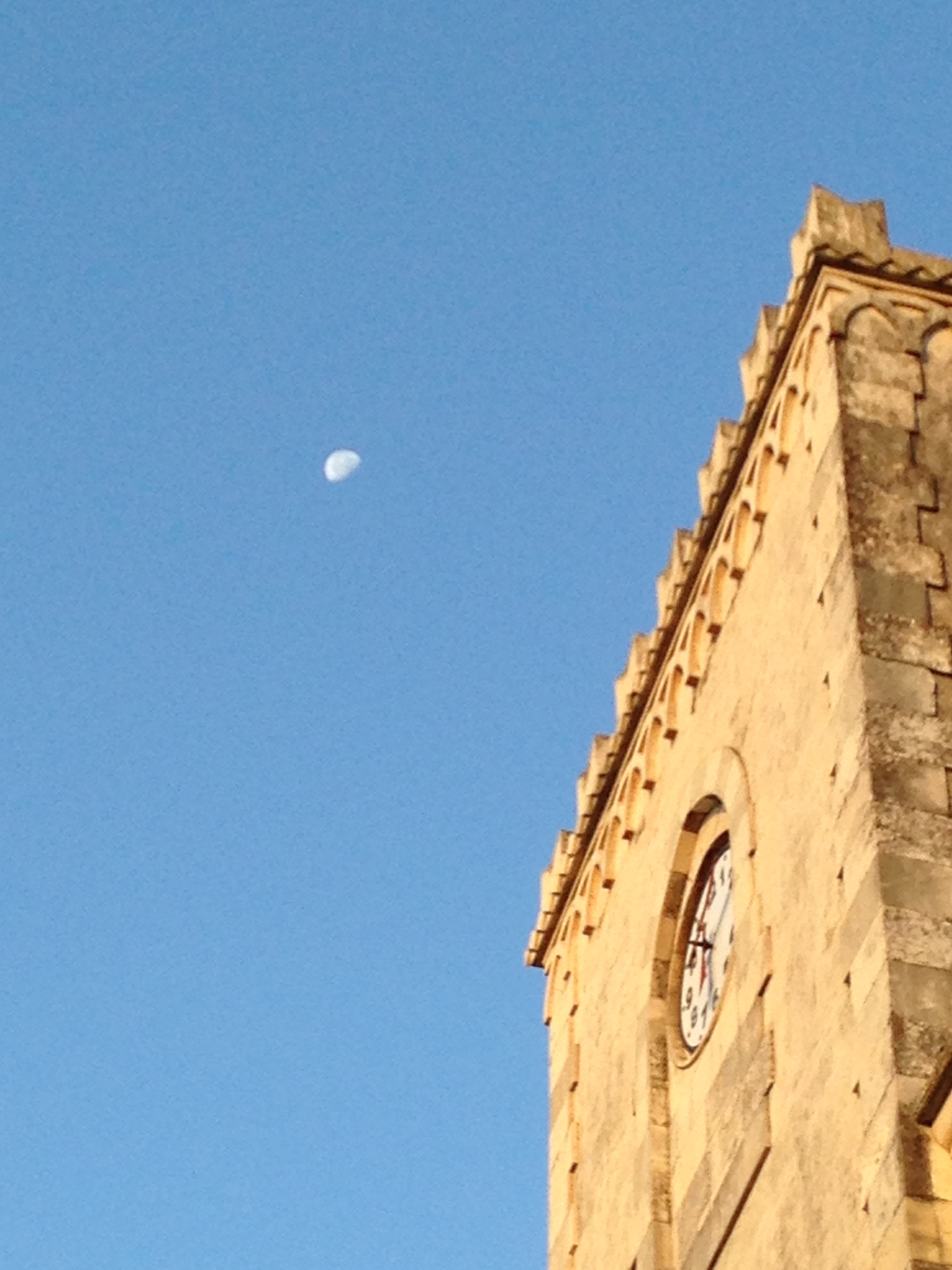
La Bella LUNA still lingering………….above City Hall Clock Tower across from Castle.
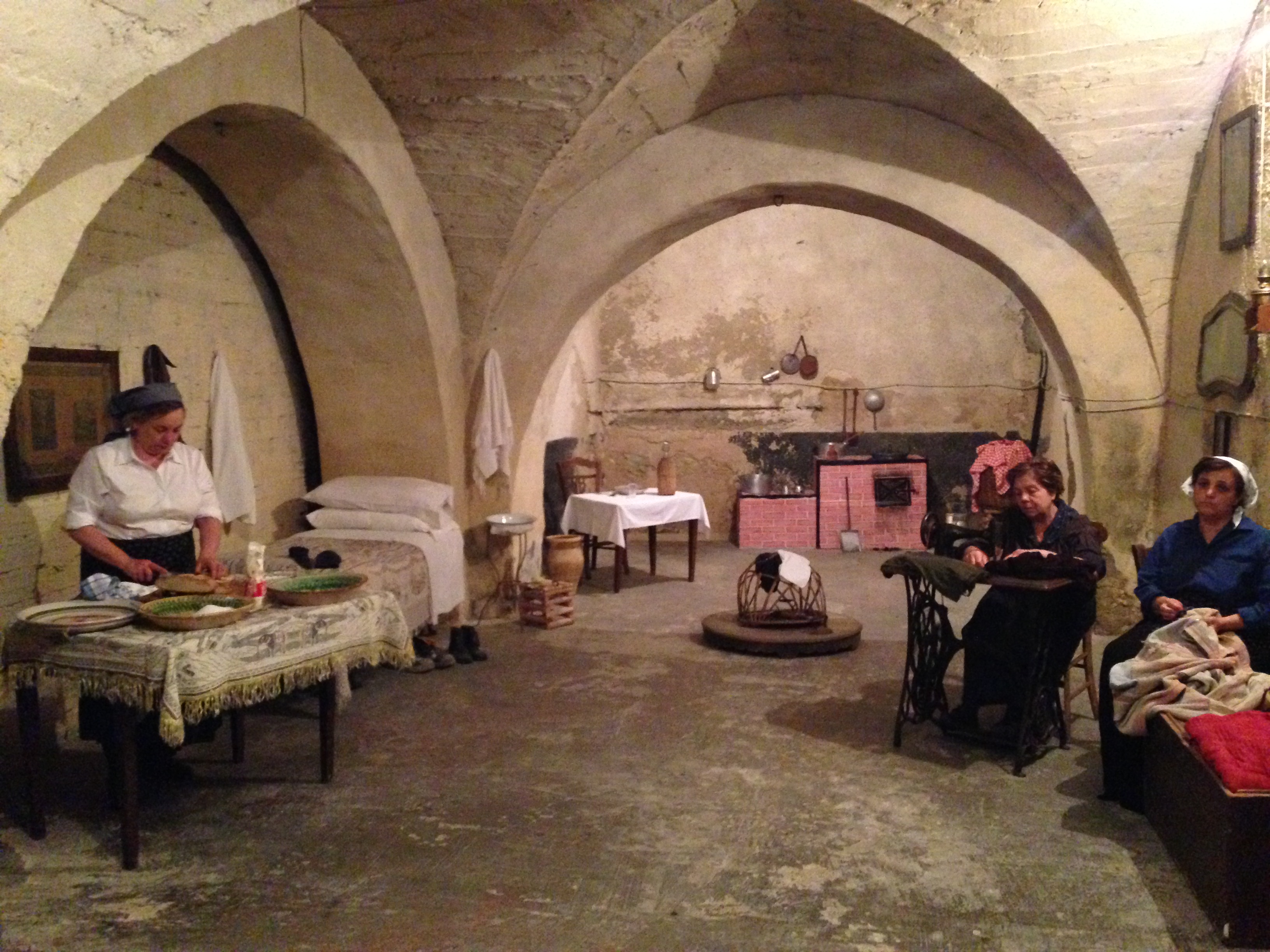
During the event held in Gangi, Sicily, Memorie e Tradizioni, Memories and Traditions, visitors to the town had a chance to take a ninety minute guided tour through town, in the evening, and view reenactments of the traditional practices of everyday life inSicilian villages in the past. Along the way, traditional food was served for all those participating in the event.
Walking along the streets of the village, participants encountered visiting stations set up to show the various artisans that would have been living in the village in the past, groups performing traditional dances, and at one point, visitors stopped to view a short performance presented by a narrator. The topic of the performance was a recurring reality of life Sicilian culture in the past; the topic, “a fuitina”, “elope”, portrayed a young girl and her loved one who had eloped one year earlier. Now, the couple was returning for the first time to seek acceptance by the parents, especially the father of the bride. Traditionally, many young couples would elope to escape the will of the Father of the bride who would have preferred to set up a prearranged marriage for the daughter with a man she did not love or even know at all.
Following are some scenes from the Memorie e Tradizioni event in Gangi.
Ricotta makers

Tasting the fabulous ricotta!!!!

A group of ladies would gather in front of their homes and work at their fine needlepoint

A lady and her crochet

Weavers

Sewing
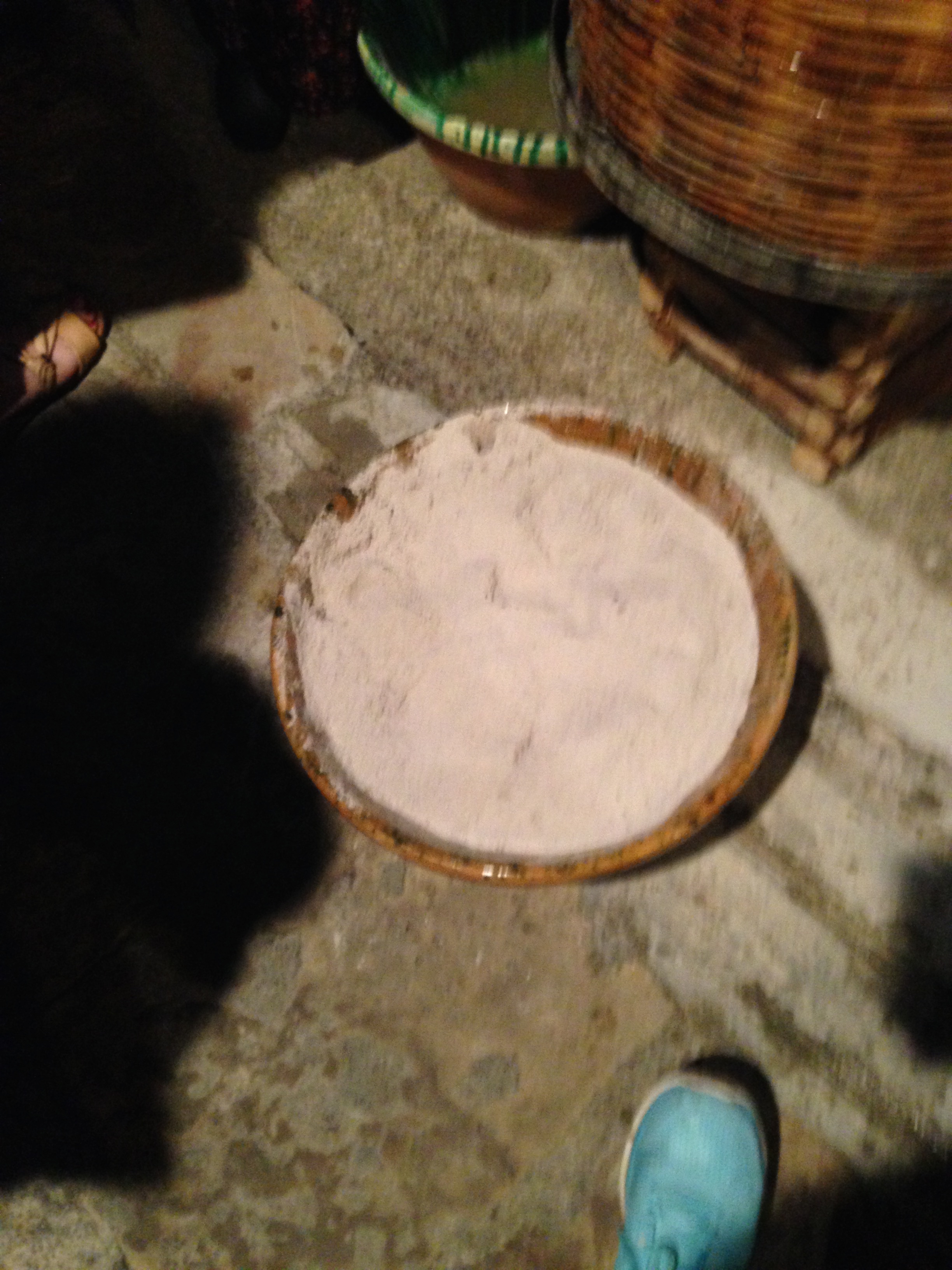
Traditionally, when laundry was hand washed, to brighten the white linens a process would be followed in which after washing the piece it would be soaked in water containing ashes – the ashes acted as a natural bleaching process!


A CUCCIA was a type of custard made from wheat. It was explained that is was invented accidentally after some wheat got wet and to avoid having to dispose of it the process of making A CUCCIA was created.


During the guided tour, I joined a group from the University of Iowa. Prof. Glenn and his fourteen students were working at an archeological site in the area and it was my pleasure to join them during the tour and translate from Sicilian dialect and Italian into English. We had a great time!!!

After the event, there were vendors selling their goods from cheese to cookies to olive oil.
A variety of local cookies

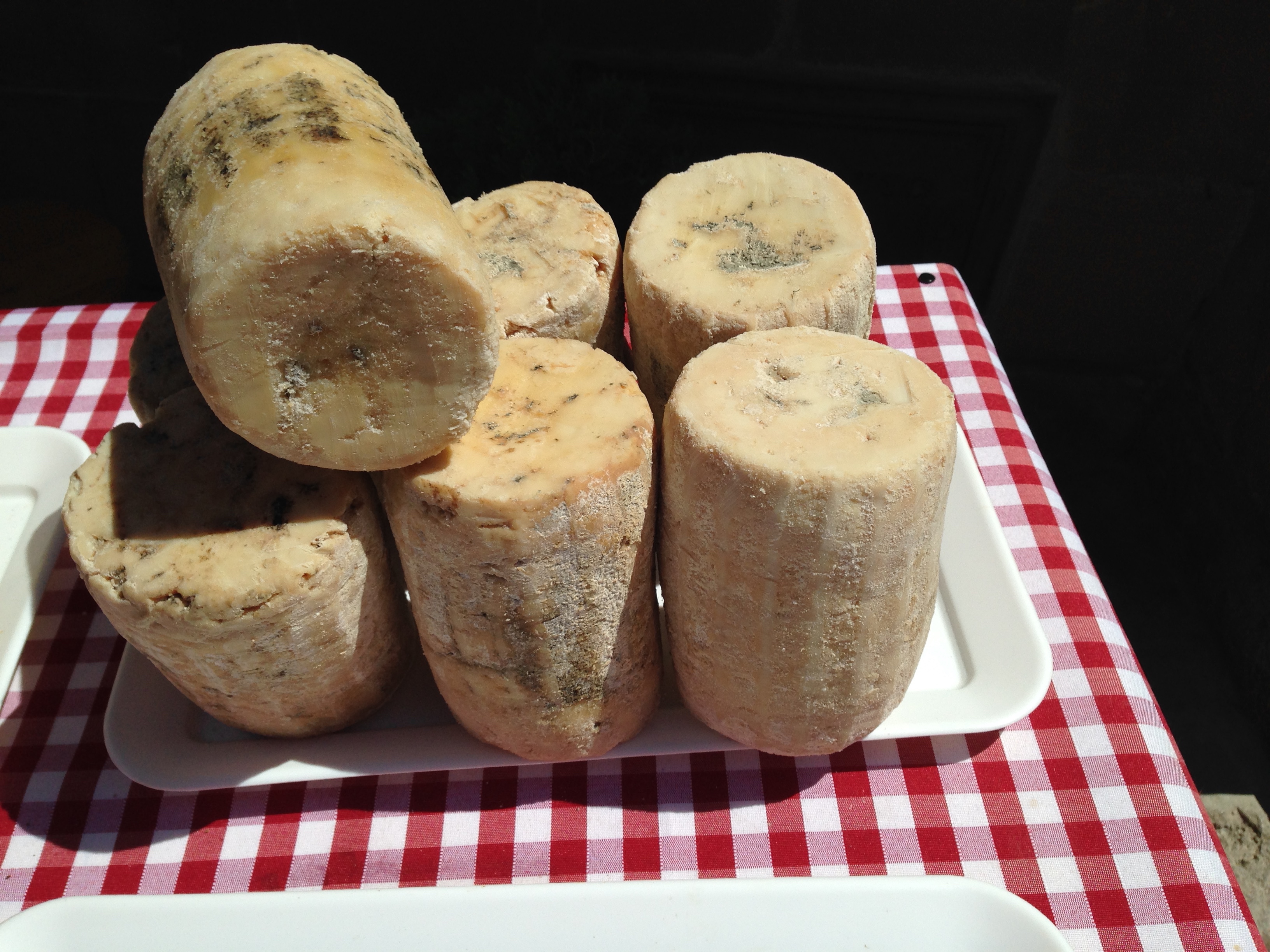
Ricotta salata – a typical Sicilian ricotta cheese
The local olive oil named U Crastu – native to this basin of the Madonie Mountains
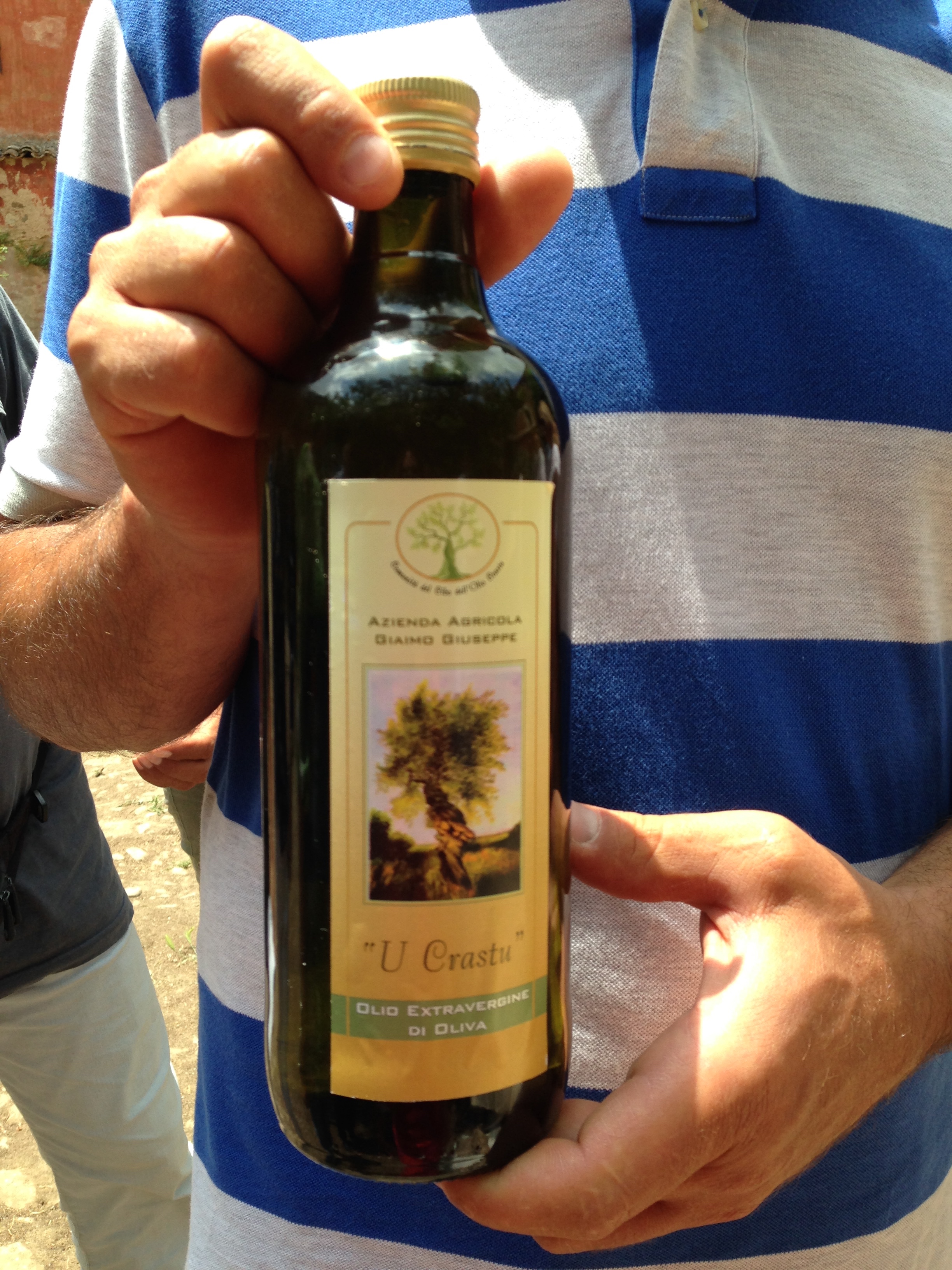
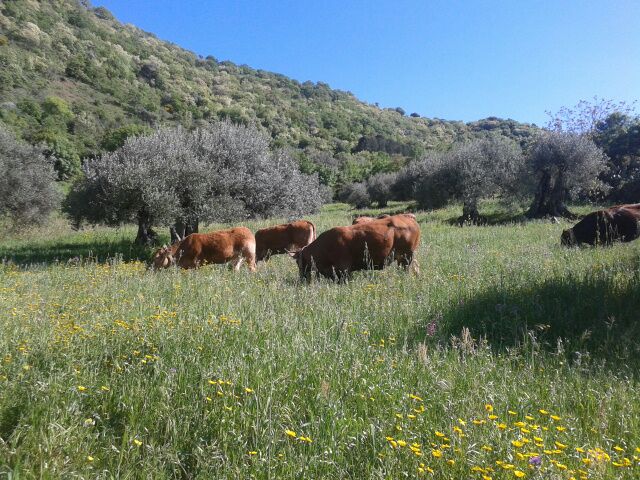
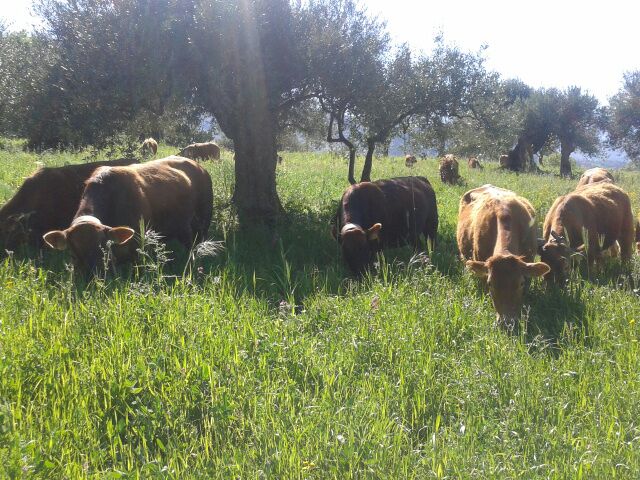
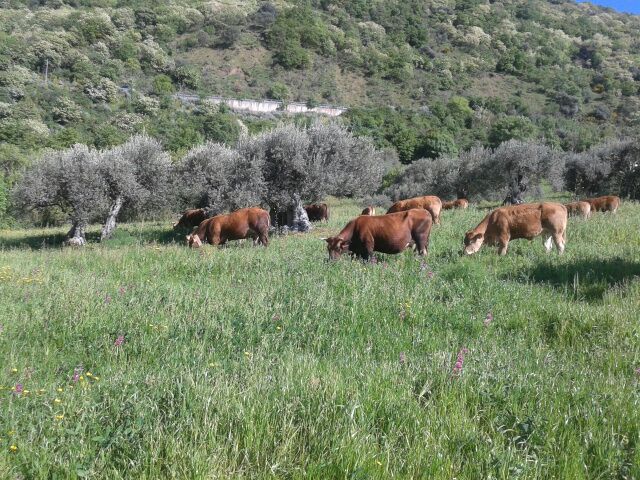
After the tour, I sat down and conversed with many of those who live and work in this are. Among others, I spoke with the olive oil producers, Giuseppe Gioimo and Rosa Laplena and once again had a chance to realize the great pride that is felt in practicing old traditions, in this particular case, in the olive oil production. At the event, Giuseppe was presenting the olive oil, “u crastu”. The u crastu olive cultivar is native to the Madonie basin close to Gangi and there are trees that date back 500 years. Giuseppe is carrying on a family tradition and now “U crastu” olive oil is part of Slow Food as it follows the Slow Food principles of a product that is good, clean and fair. To quote Giuseppe, the “u crastu” olive oil identifies its territory. It is clean, because it abides to the natural process of the olive plant, with no interventions as pesticides. The olives are picked manually and great care is taken in the whole process from care of the land to final product. While we were talking, Giuseppe shared some photos of his olive groves. Below are photos of the olive groves and the owner’s cows roaming freely on the land.
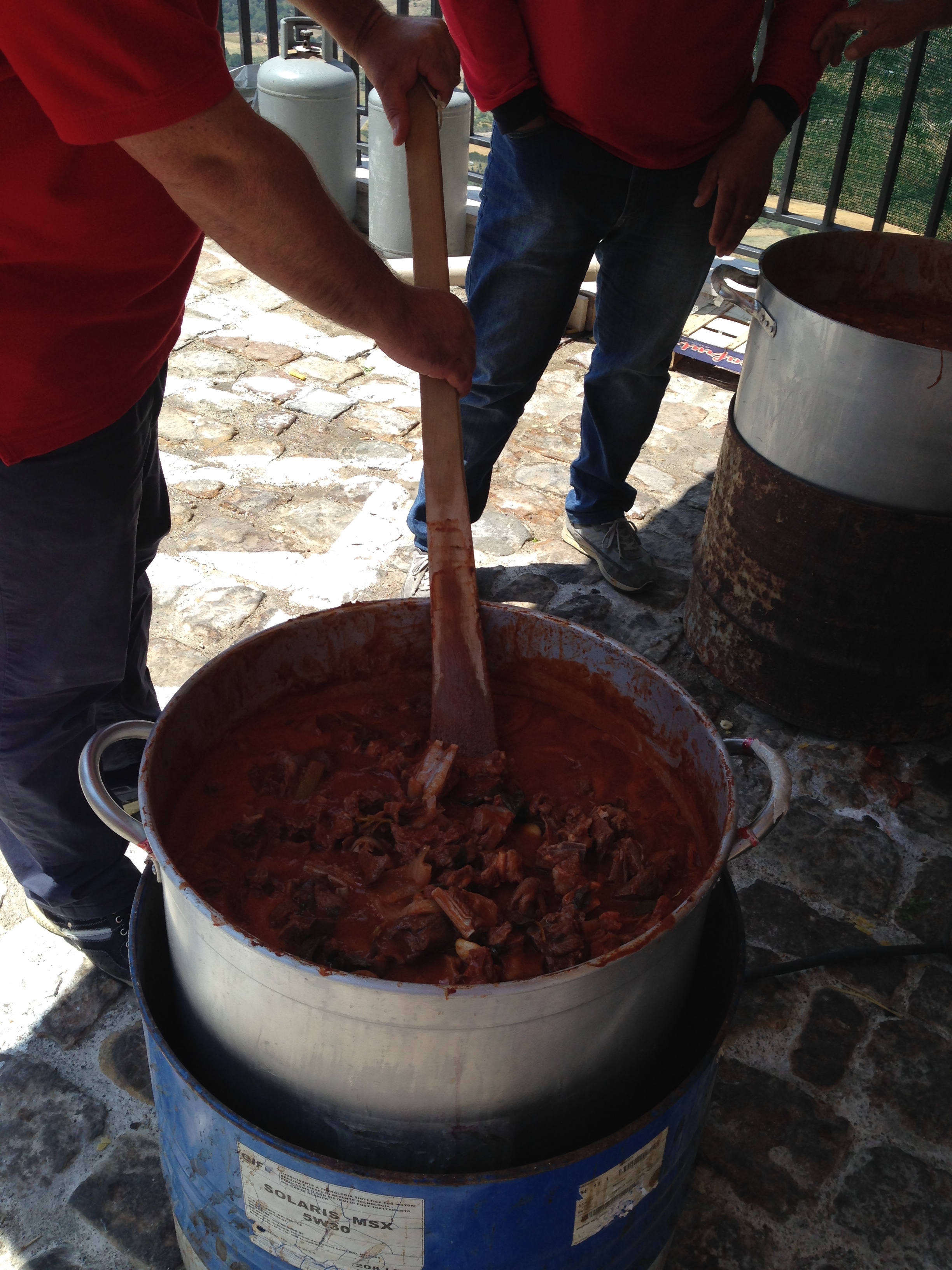
One of the dishes that were presented at the event was mutton, which was cooked slowly for hours. The following morning during a walk through town, I encountered the cooks who were cooking the mutton to be served to the visitors that would participate at the event that following evening.
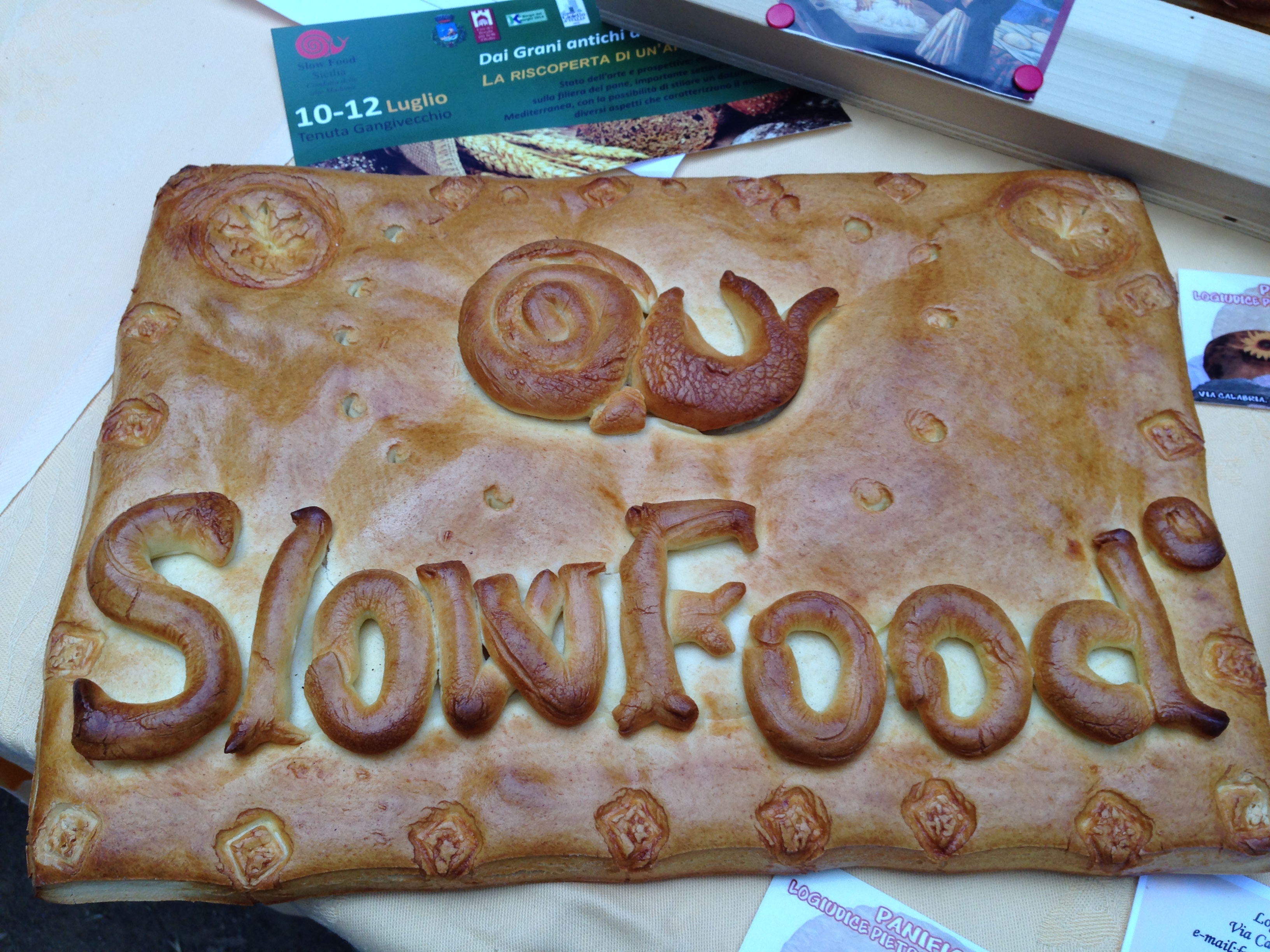
Finally, Carmelo Giunta offered many a sample of the Nero Madonita wheat native to this region shown in the picture below.

 The village of Gangi, is perched on Mount Marone, at an elevation of 1010 meters, overlooking hills and valleys adorned by wheat fields, cow pastures, and olive groves in an enchanting natural landscape. In this setting, at the Estate Gangivecchio, Slow Food Sicily held its event, “FROM ANCIENT GRAINS TO DAILY BREAD” from July 10-12, 2015. This event coincided with the event held in the village of Gangi, July 11-12, Memories and Traditions, a historical, cultural and gastronomic journey, organized by the village of Gangi with the collaboration of the Gangi Slow Food Chapter led by Carmelo Giunta. The Slow Food Event offered the opportunity to bread-makers from all over Italy to come together to share their knowledge and experiences and discuss the best practices in the trade of bread-making. Through brainstorming sessions, guided by Slow Food Sicily President, Saro Gugliotta, the initial guidelines were devised with the purpose of starting to compile a document that could represent “a starting point to establish possible guidelines both regional as well as national on the parameters guiding the quality, traditions and health to share and divulge, not only within the Slow Food context” (excerpt from the program of the event). These guidelines relating to best practices in adopting ancient grains in everyday bread-making. The importance of the journey was a fundamental topic, the process which starts from proper care of the soil, the seeds, the choice of stone milling, the adoption of only one type of leavening, a natural process utilizing sour dough, the kneading done in a manner to avoid heating the dough, all leading to the respect for the consumer. Il borgo di Gangi, giace sul Monte Marone, a quota 1010 metri, circondato dallo splendido scenario di colline e valli tapezzate da campi di grano, pascoli, uliveti in un paesaggio incantevole. In questo scenario si e’ tenuto un evento di Slow Food Sicilia, “DAI GRANI ANTICHI AL PANE QUOTIDIANO”, presso la Tenuta Gangivecchio, dal 10-12 Luglio, 2015,.
L’evento Slow Food si e’ svolto in concomitanza con l’evento a Gangi, Memorie e Tradizioni , un iter storico, culturale e gastronomico, organizzato dal borgo di Gangi con la collaborazione della condotta Slow Food Alte Madonie, il cui Fiduciario e’ Carmelo Giunta. L’evento Slow Food ha dato l’opportunita’ a panificatori giunti da varie localita’ del territorio Italiano di incontrarsi e confrontarsi nelle loro sapienze ed esperienze e discutere le pratiche migliori nell’arte della panificazione. Attraverso uno scambio di idee guidate dal Presidente Slow Food Sicilia, Saro Gugliotta, sono state determinate delle linee guida con lo sopo di iniziare a compilare un documento che possa rappresentare “un punto di partenza per stabilire delle eventuali linee guida regionali e nazionali sui parametri di qualità, di tradizione e salutistiche da condividere e diffondere, non solo nell’ambito Slow Food”(citazione dal programma dell’evento). Riconoscere l’importanza dell’iter, il processo che inizia da una cura appropriata della terra, i semi, la molitura a pietra, la lievitazione con pasta madre naturale, l’impasto effettuato in maniera da non aggiungere calore, il tutto verso il rispetto del consumatore. 
 Meeting of Slow Food event participants during address by Carmelo Giunta, Alte Madonie Slow Food Chapter
Incontro dell’evento Slow Food durante l’intervento di Carmelo Giunta, Fiduciario della Condotta Slow Food Alte Madonie 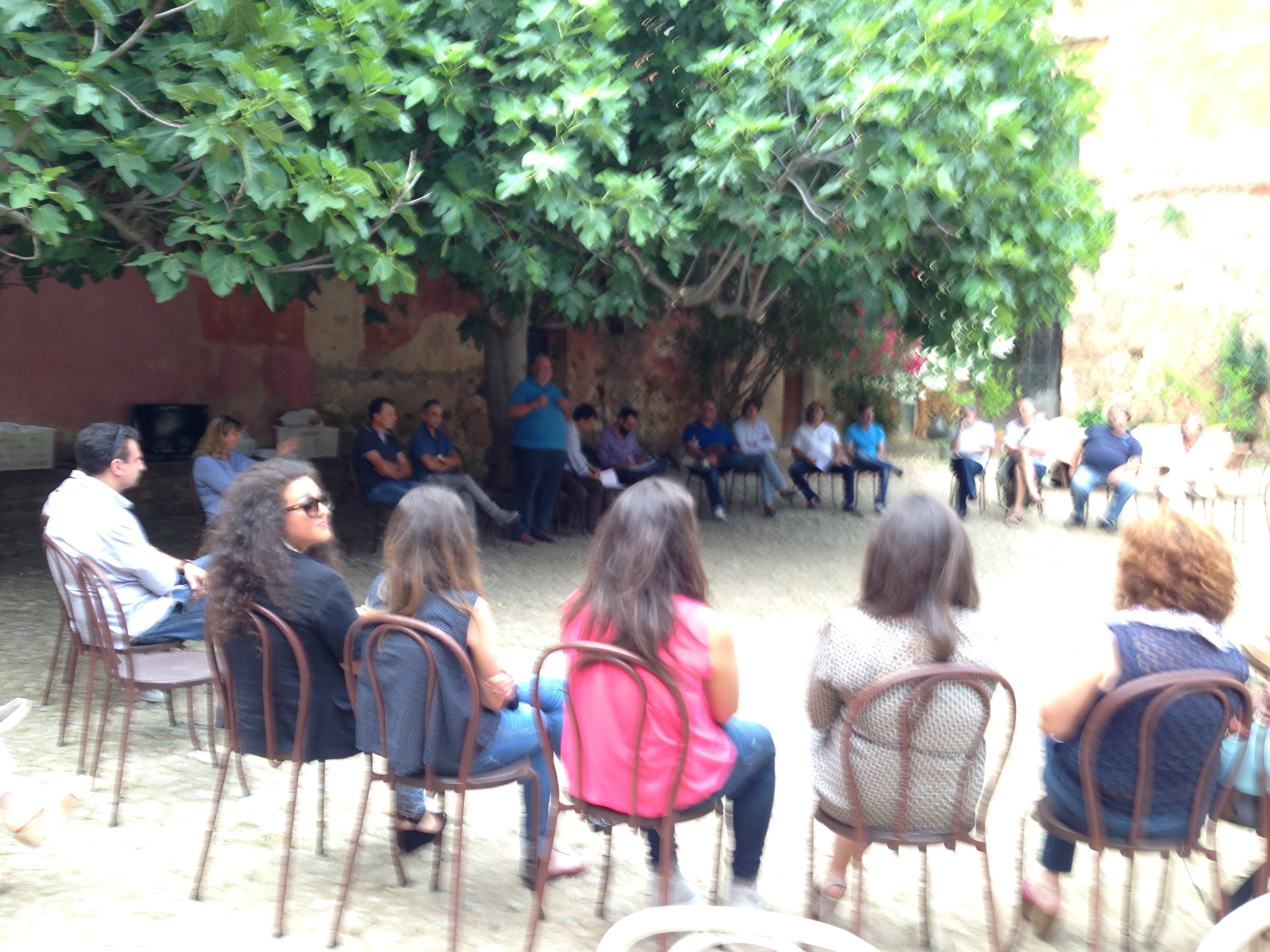 Following are some samples of breads presented at the event.

 Nativity Scene made of breads, created by Logiudice Francesco, can be found on display at Palazzo Bongiorno
Presepe di pane realizzato da Logiudice Francesco si trova esposto al Palazzo Bongiorno  MAFALDE from Catania
Paolo Cazzola, from the Veneto region, shared his experiences in working the entire pipeline of bread making from grain production to bread-making. He shared his “pane biscotto” which is a bread that is baked slowly for fifty hours following a specific procedure in an oven with forced air. One of the characteristics of this type of bread is that it is edible for several days. Paolo Cazzola, panificatore del Veneto, impegnato nell’intera filiera dal grano alla produzione del pane. Ha presentato il suo “pane biscotto”, un pane cotto lentamente per cinquanta ore in un forno ad aria forzata. Una delle caratteristiche del pane biscotto e’ che si puo’ consumare per piu’ giorni.  From Apulia Antonio Cera and Ludovico Petruccelli. Petruccelli slicing a loaf of pane Arso Dalla Puglia Antonio Cera e Ludovico Petruccelli. Petruccelli mentre affetta il pane Arso
 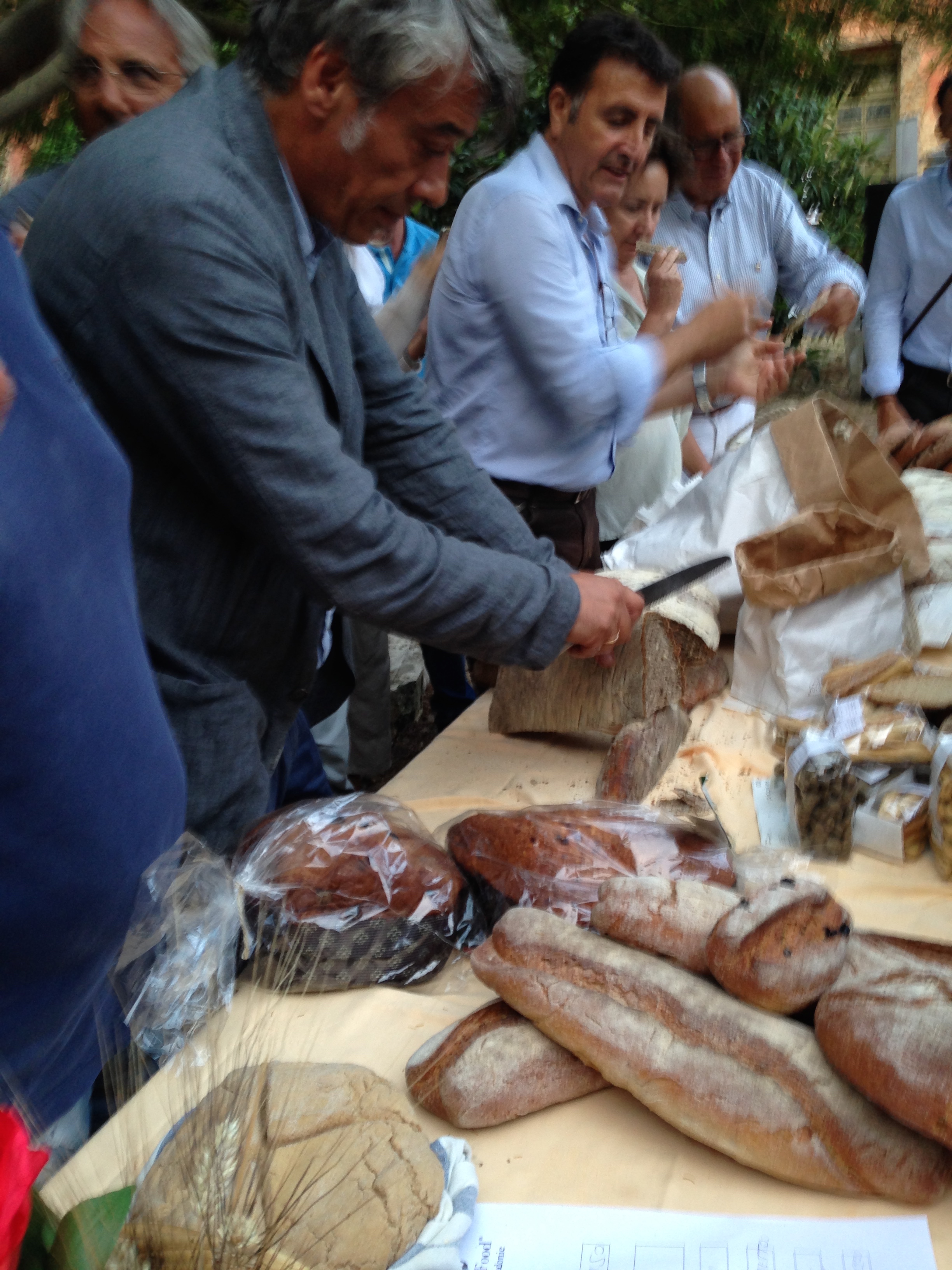 Pane Arso is rich in fiber and has a low glycemic index Il pane Arso ricco in fibre con indice glicemico basso
 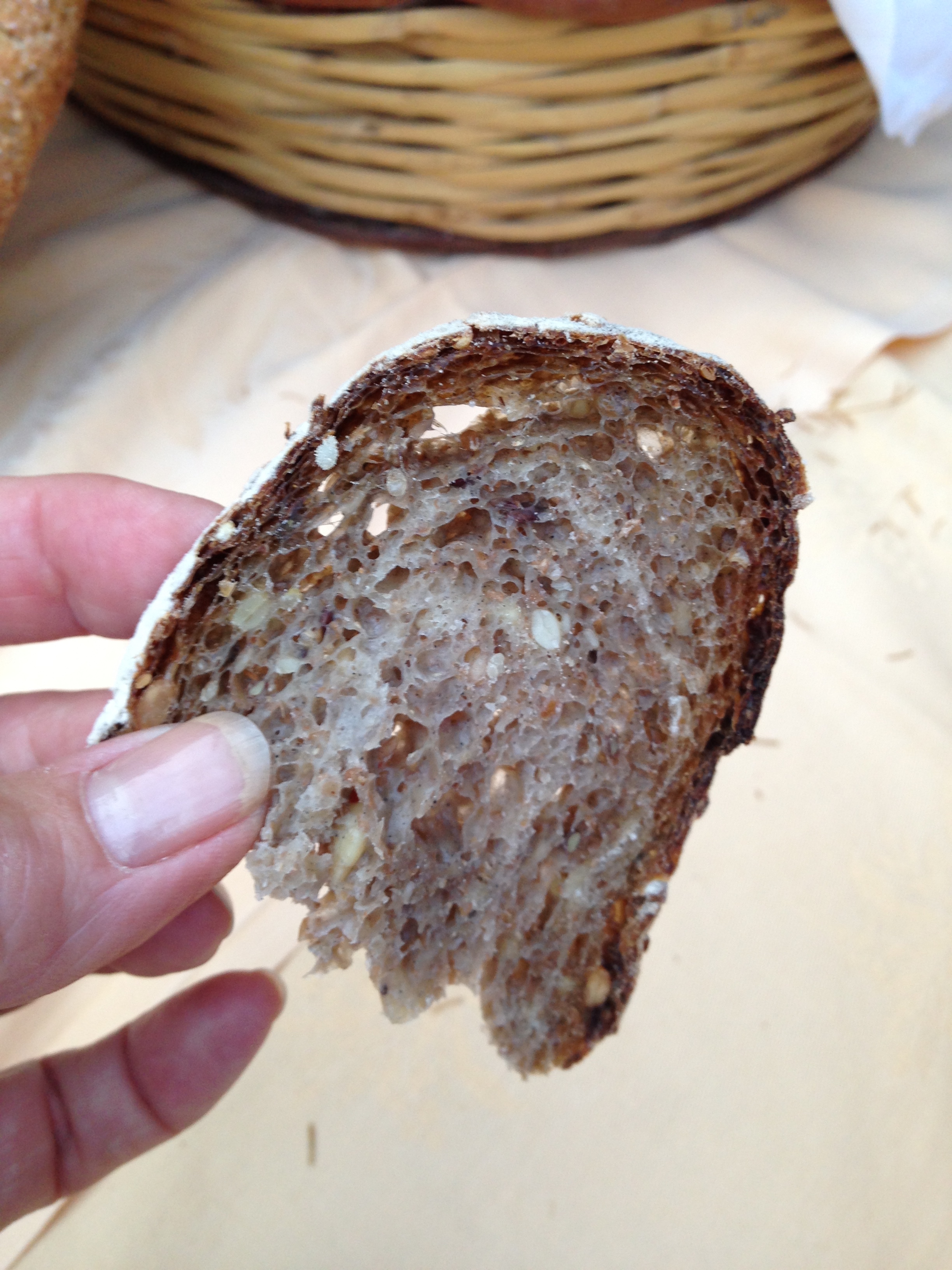 Panterrone di Antonio Cera with olives and butter made from Podalic cow’s milk Panterrone di Antonio Cera realizzato con olive e burro di latte di vacca Podolica
 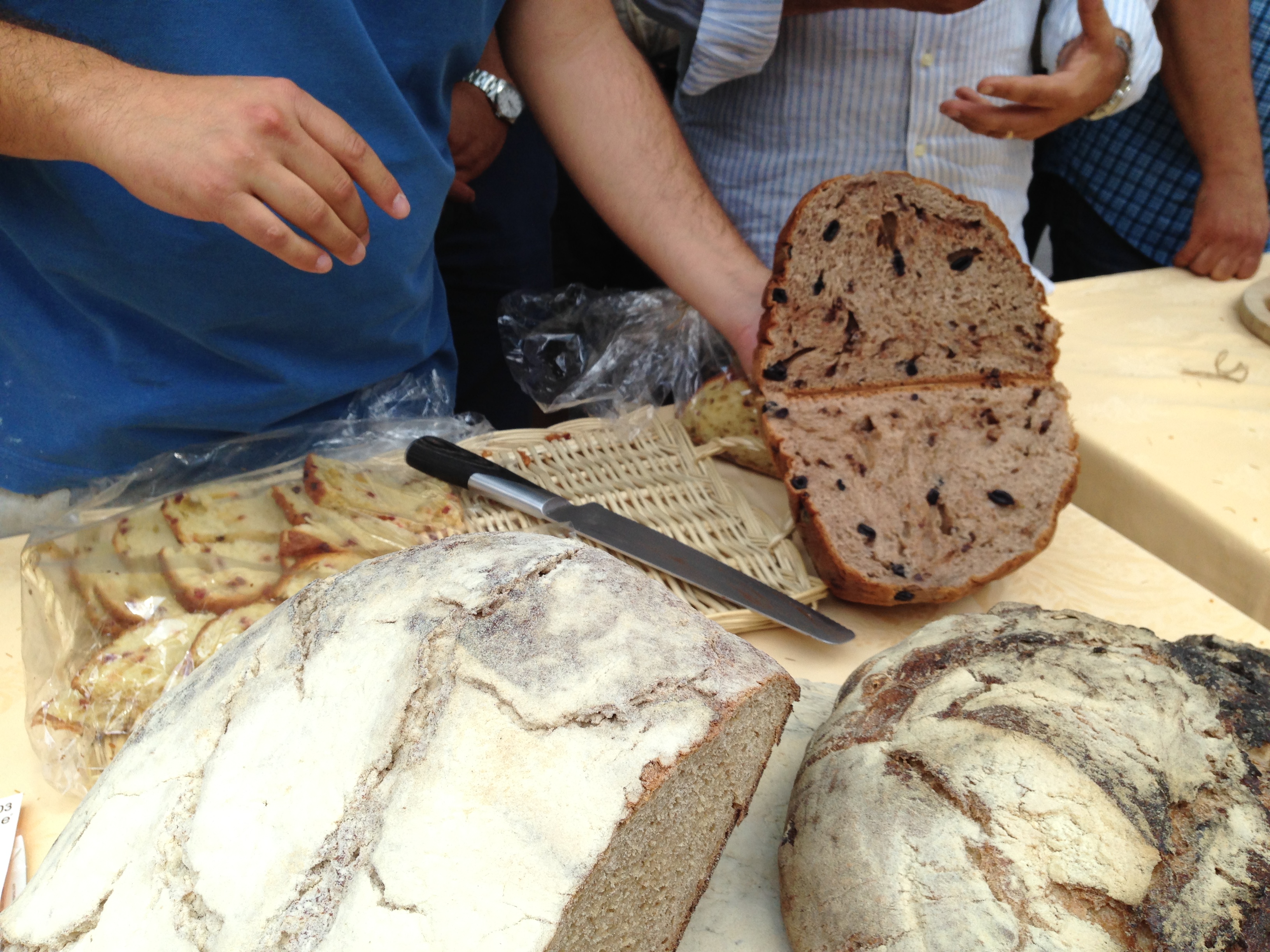 Sergio Martini from Montegemoli, Tuscany. I quote Sergio: “The aim of satisfying the growing modern request towards the traditions of the past has been the main reason that has led to the creation of this bread, which preserves the principles and features of the good bread in the 19th Century Tuscan countryside.”
Cito Sergio: “L’intenzione di soddisfare la crescente esigenza moderna verso la ricerca delle tradizioni del passato, e’ stata la motivazione determinante che ha portato alla nascita di questo Pane che conserva I principi e le fattezze del buon pane delle campagne toscane del novecento”. 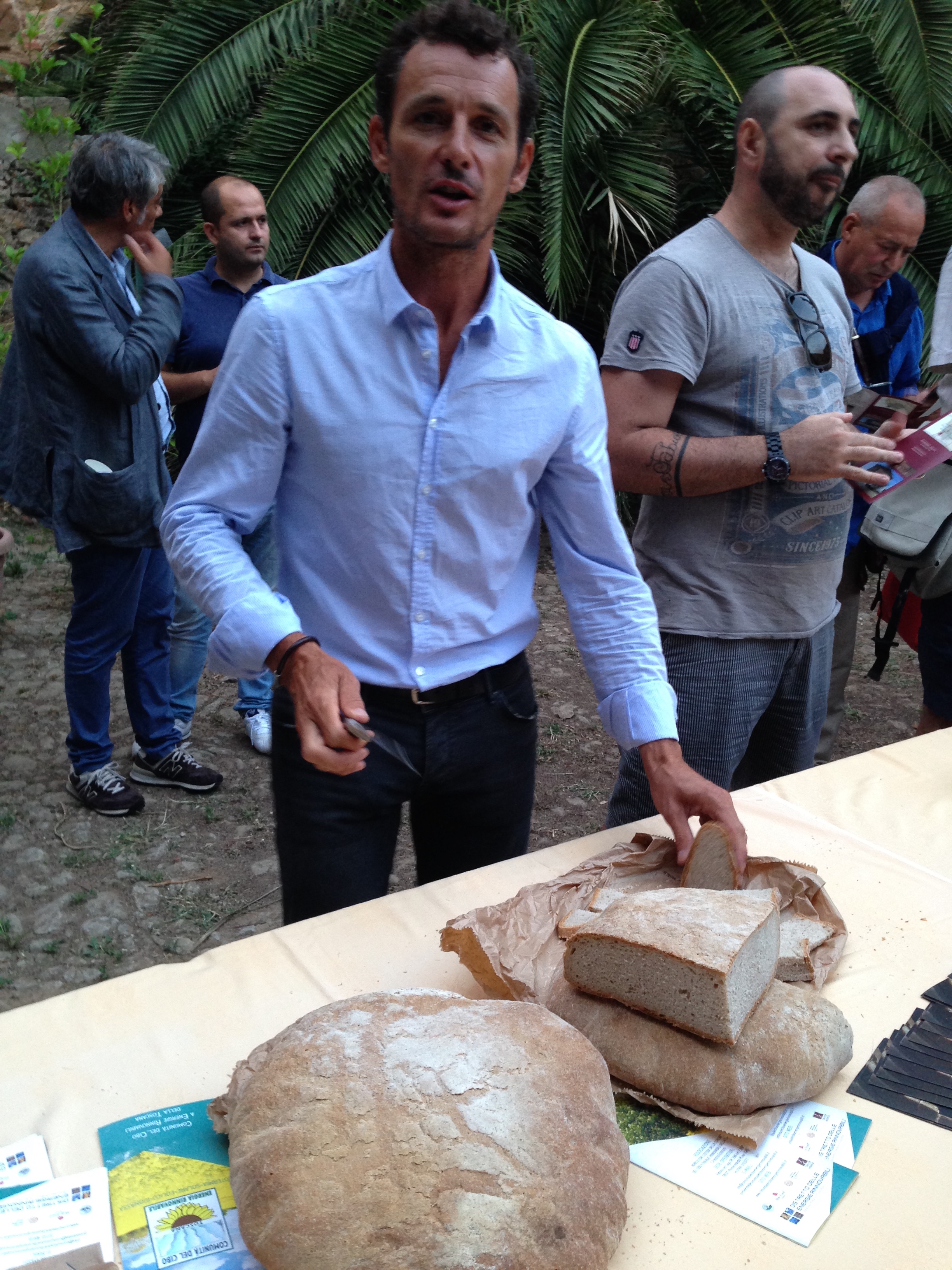 Luca Scarcella from Piedmont region shares his bread Luca Scarcella dal Piemonte ed il suo pane

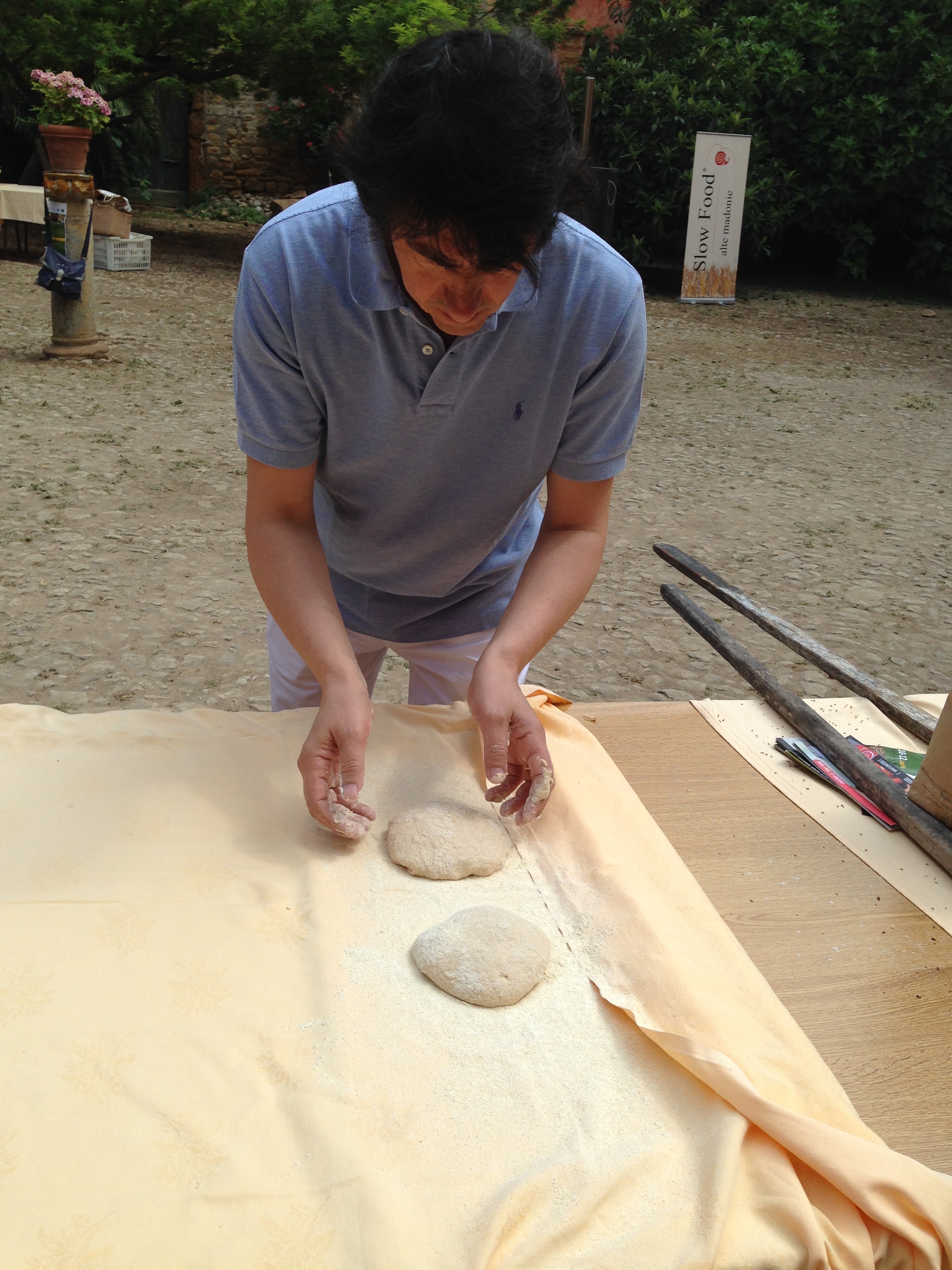
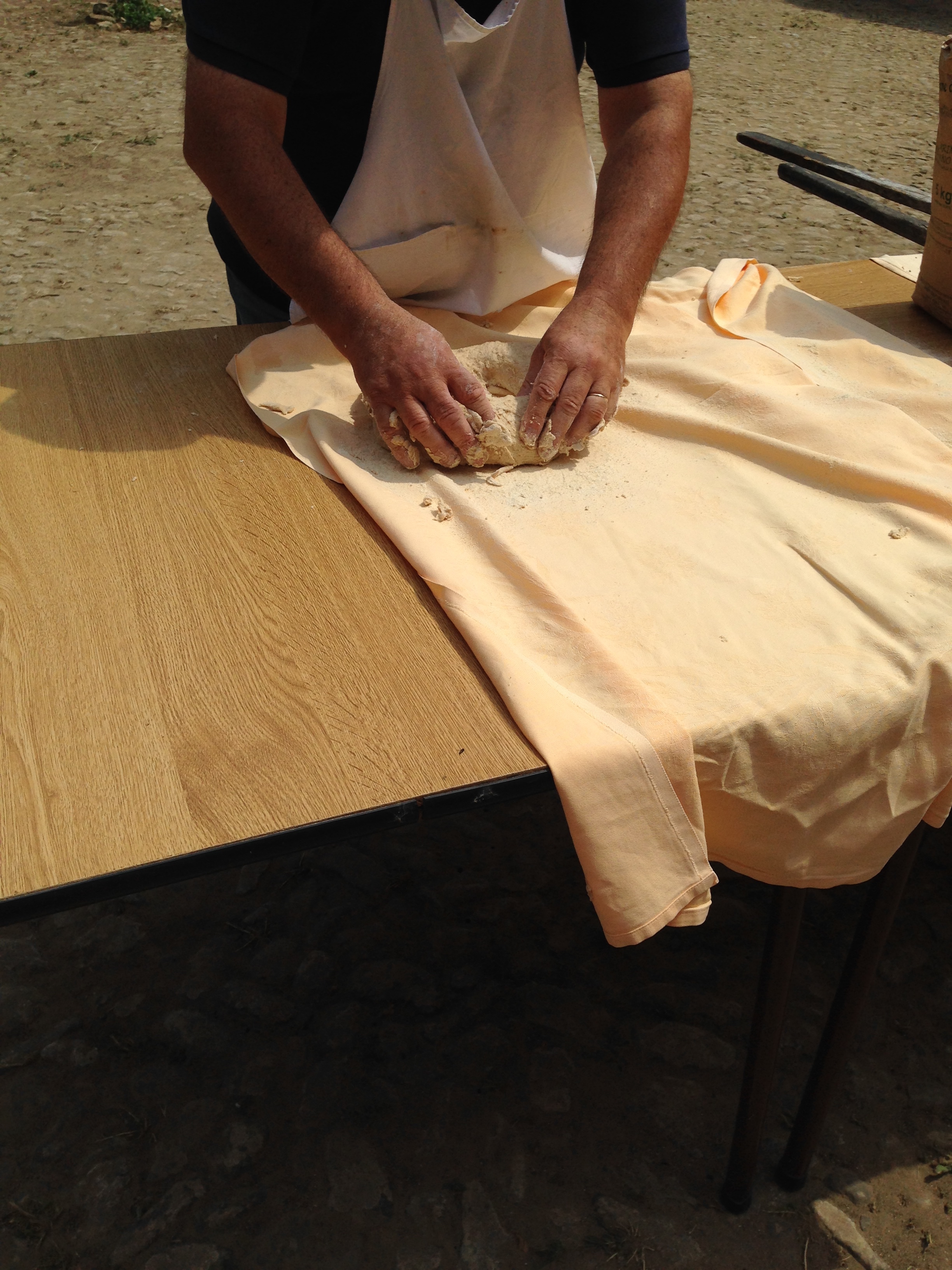
On Saturday, Tommaso Cannata(left) and Massimo Grazioli prepared and baked bread 
 The event offered the opportunity to share knowledge and experiences, which supported the value of tradition and passion found in the group of artesans/artists. This testimonial of the event cannot do justice to so many spontaneous expressions of passion and tradition. Vincenza Scala, seen in picture below, from a town close to Monreale, Sicily, sharing her bread, made of Maiorca grain. When I tasted the bread, I realized its flavor reminded me of the bread I would eat when staying with my grandmother. As I shared my experience with Vincenza, she handed me her brochure, where I learned that her business is named Tastes of the Past, and it is so in tribute to her own grandmother with whom she learned the art of bread-making.
L’evento ha offerto ai tanti artigiani/artisti di condividere le loro sapienze ed esperienze che esprimevano il valore della tradizione e passione che li distingue. Questa testimonianza dell’evento non potra’ mai esprimere nell’essenza tutte le spontanee espressioni di passione e tradizioni. Vincenza Scala, nella foto in basso, proveniente da un paesino vicino Monreale, Sicilia, presenta il suo pane realizzato con grano Maiorca. Quanto ho assaggiato il pane mi ha ricordato del sapore del pane che consumavo quando stavo dalla mia nonna. Quando ho condiviso questa mia esperienza con Vincenza mi ha dato il suo depliant, dove ho letto che la sua attivita’ si chiama Ai Sapori di un Tempo, e questo in onore alla Sua nonna con la quale ha imparato l’arte della panificazione.
Vincenza Scala 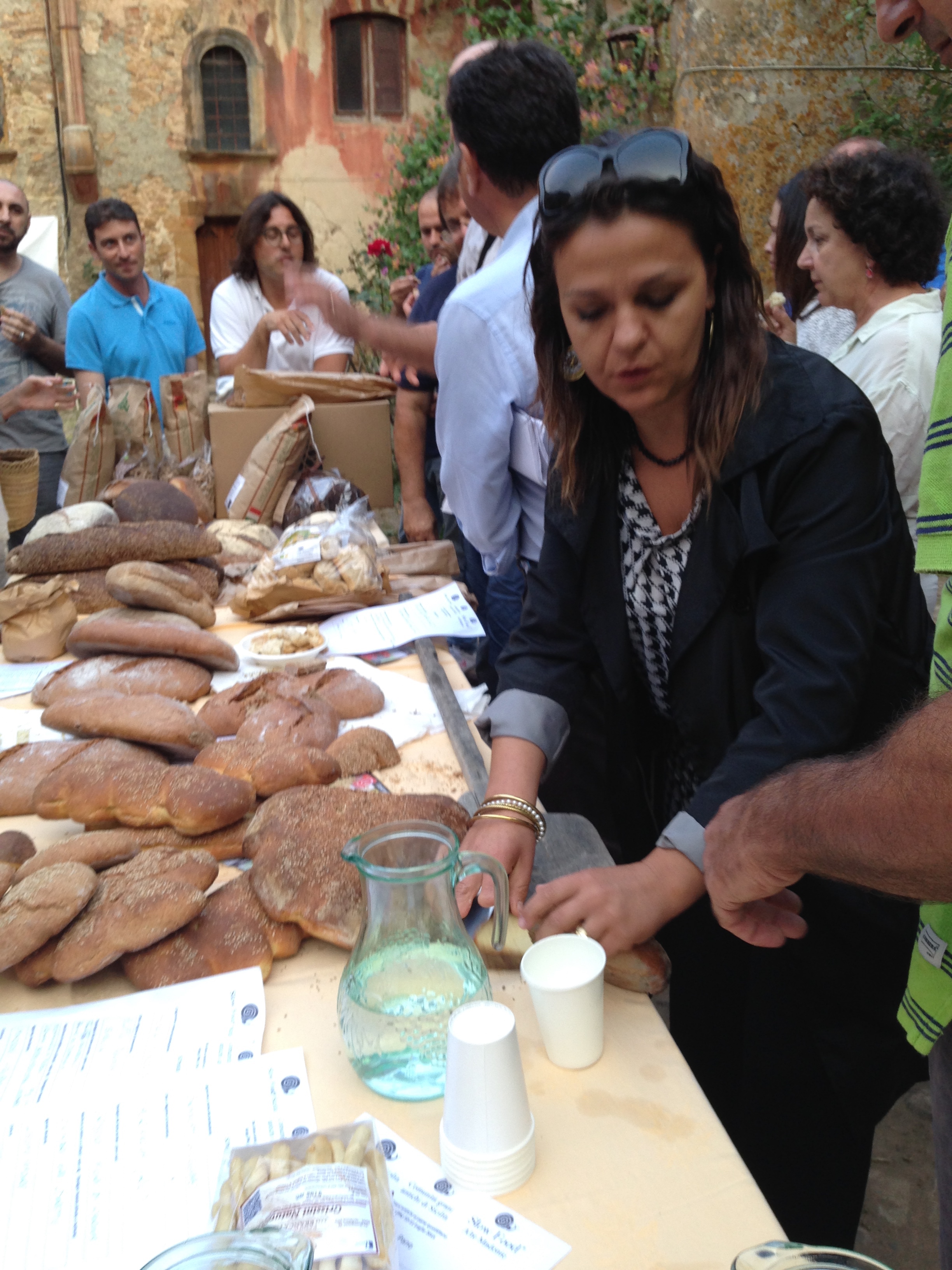 There was a tasting of a local olive oil, “u crastu”, conducted by one of its producers Giuseppe Giaimo. The u crastu olive cultivar is native to the Madonie basin close to Gangi and there are trees that date back 500 years. As stated by Giuseppe, “u crastu” olive oil has entered the Slow Food context because it follows the Slow Food principles; it is a product that is good, clean and fair. To quote Giuseppe, the “u crastu” olive oil identifies its territory. It is clean, because it abides to the natural process of the olive plant, with no interventions as pesticides. The olives are picked manually and great care is taken in the whole process from care of the land to final product. I tasted the oil and would like to share a citation describing the oil from the 2015 Guide of Extravergin Olives Oil, Slow Food Publishing. “Monocultivar with light and pleasant fruitiness, with a recollection of freshly cut grass and a trace of white flowers. This is confirmed at tasting with an initial sweet taste, which evolves into a gentle bitterness and becomes pungent. Long finale with a nuance of cardoons.” Si e’ degustato un olio d’oliva, “u crastu”, presentato da uno dei suoi produttori, Giuseppe Giaimo. Questo cultivar e’ autoctono ed appartiene esclusivamente allo specifico territorio del bacino delle Madonie dove gli alberi secolari risalgono fino a 500 anni fa. Come indicato da Giuseppe, questo olio e’ entrato nel contesto Slow Food perche’ sposa in pieno la filosofia di Slow Food, di un prodotto buono, pulito e giusto. L’olio “u crastu” e’ un prodotto che identifica il territorio. E’ pulito in quanto segue il processo naturale della pianta e si estrae il suo frutto senza interventi particolari quali pesticidi. Le olive vengono raccolte manualmente e l’intero processo dalla cura della terra al prodotto finale e’ portato avanti con grande cura. Ho degustato l’olio e desidero citare la Guida sugli Extravergini 2015, Slow Food Editore. “Monocultivar dal fruttato leggero e piacevole, che ricorda l’erba appena falciata con sentori di fiori bianchi. In bocca le sensazioni olfattive trovano piena conferma con gusto inizialmente dolce che evolve poi con un garbato amaro e picante avvolgente. Finale lungo, con richiamo di cardo.”

The Slow Food Event took place at Gangivecchio over the course of two days, Friday and Saturday. At the Saturday meeting, Prof. Di Tullio shared his thoughts on the topic calling the bread-makers “Awakeners of Happiness”. He stated that eating good bread daily as part of a healthy diet provides nutrients and nutritional supplements that are fundamental to one’s health and well being. Prof. Di Tullio pointed out the nutritional value of utilizing natural sour dough in bread-making. L’evento Slow Food si e’ svolto a Gangivecchio nel corso di due giornate, Venerdi’ e Sabato. All’incontro di Sabato, il Prof. Di Tullio e’ intervento presentando le sue riflessioni sull’argomento ed indicando che I panificatori sono “Risvegliatori della Felicita’”. Prof. Di Tullio ha dichiarato che consumare buon pane quotidianamente e’ parte di una dieta sana e fornisce nutrienti ed integratori che sono fondamentali per la salute ed il benessere. Il Prof. Di Tullio ha espresso il valore nutrizionale dell’utilizzo della pasta madre naturale nella produzione del pane.
Sourdough by Massimo Grazioli
Pasta madre di Massimo Grazioli 
In center photo below, Mrs. Giovanna who hosted the event at the Gangivecchio Estate.
Al centro della foto in basso, la Signora Giovanna che ha ospitato il gruppo presso Tenuta Gangivecchio 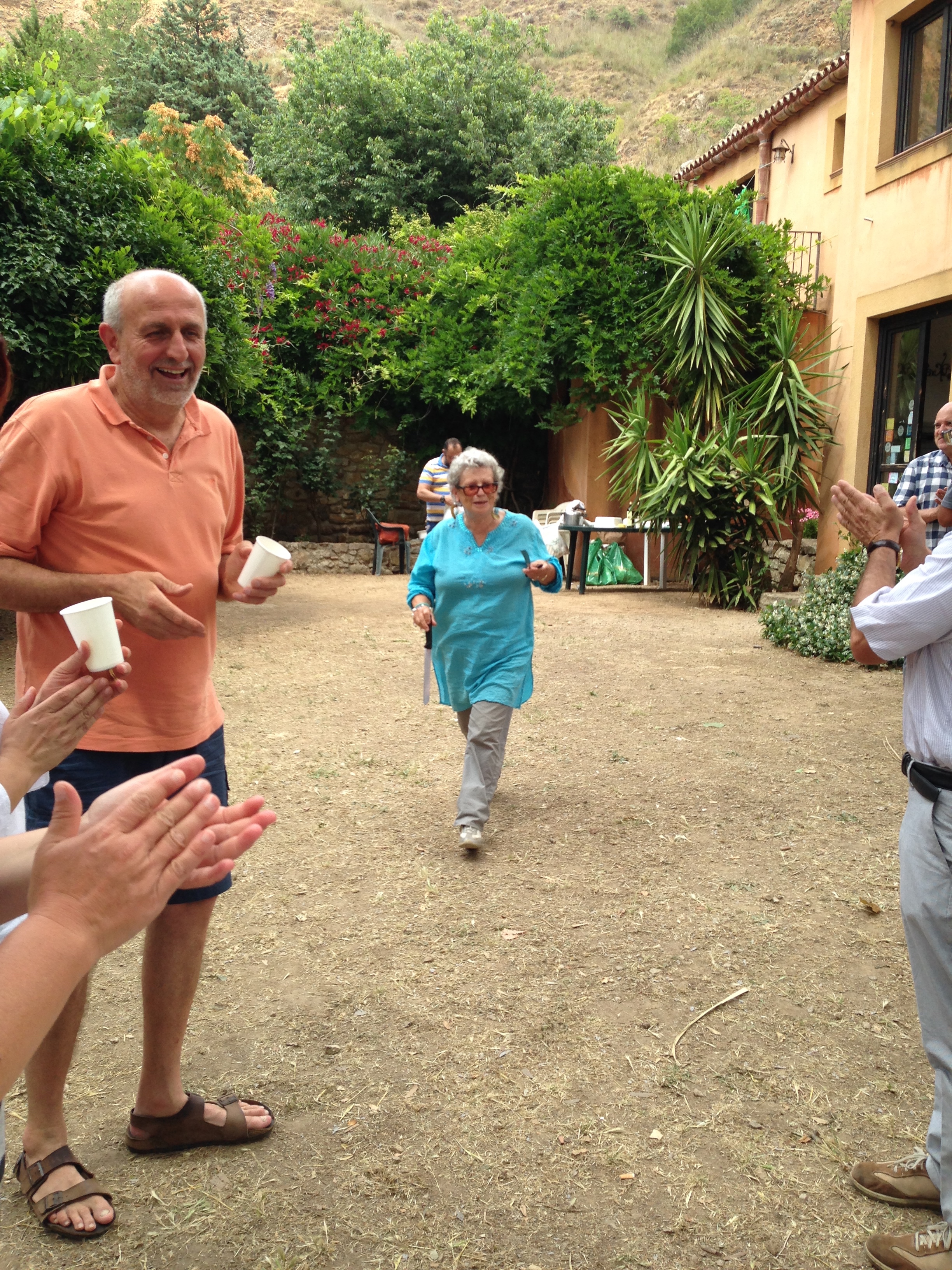
It is not possible to cover all the nuances and many expressions of passion displayed in the art of bread-making by many, some not mentioned here. The Mayor of Gangi , Giuseppe Ferrarello, joined the program at times and the great pride of the people of Gangi in sponsoring this event was clear to all.
Non e’ possibile raccontare tutte le sfumature e le varie espressioni di passione che sono state manifestate in quest’arte della panificazione da tanti, alcuni non menzionati. Il Sindaco di Gangi, Giuseppe Ferrarello, ha partecipato in vari momenti dell’evento e l’orgoglio della popolazione di Gangi nello sponsorizzare l’evento era evidente
Closing remarks by Saro Gugliotta and Carmelo Giunta before a fabulous lunch at the Gangivecchio Estate.
In chiusura ringraziamenti da Saro Gugliotta e Carmelo Giunta prima di un pranzo eccezionale presso la Tenuta Gangivecchio

In closing, I would like to share two short anecdotes I heard during the event. The first relates to one of the participants, Filippo Drago, from Castelvetrano, who comes from a long family tradition of bread-making. His grandparents purchased stone mills and in sharing some of his childhood memories he stated that the stone mill was his playground. As a boy, he would play there and dive into the grains; in sharing his stories, it was obvious that this art and the process leading to bread-making in its various phases is and has been a great part of Filippo’s life. The trade of bread-making is often passed down from one generation to the next and this was confirmed by many of the participants who are carrying out their family tradition.
In chiusura, vorrei raccontare due brevi aneddoti che ho sentito durante l’evento. Il primo si riferise ad uno dei partecipanti, Filippo Drago, di Castelvetrano, che appartiene ad una famiglia con una lunga tradizione nella panificazione. I suoi nonni acquistarono mulini e nel raccontare alcune storie della sua infanzia Fillippo disse che il mulino era il suo parco giochi. Da giovane giocava al mulino e si tuffava nel grano; nel suo racconto era evidente che quest’arte ed il processo che porta alla produzione del pane nelle sue varie fasi e’ ed e ‘ stata una parte integrante della sua vita. Quest’arte molto spesso si tramanda da padre in figlio, confermato da altri partecipanti che portano avanti una tradizione di famiglia.
Finally, I would like to close sharing a description made by Antonio Cera regarding the label he created for his panterrone, the one made in the shape of a pigeon. Precisely, it is a carrier pigeon. Antonio stated that he was inspired two years ago and dedicated this creation to his father. The label for his carrier pigeon is folded lengthwise to represent a feather and when this is opened the feather takes the shape of an airplane. This is to represent travel. However, inscribed inside the label are words from St Augustine, “Life is like a book, and he who doesn’t travel has only read one page.” Following this theme, the ingredients used in this panterrone come from different regions of Italy and the white pepper from Malaysia; thus representing other parts of the world. Antonio’s message was to give recognition to other professional artisans in the world who carry out the trade of bread-making and this is his way of acknowledging them, too.
Infine, desidero concludere con una descrizione fatta da Antonio Cera sull’etichetta che ha creato per il suo panterrone, quello realizzato nella forma di un piccione viaggiatore. Antonio ha raccontato che e’ stato ispirato dal padre, due anni fa, ed ha dedicato questa realizzazione al padre. L’etichetta del suo piccione viaggiatore e’ piegata per lungo e la forma rappresenta una piuma che quando viene aperta prende forma di aereo. Con cio’ rappresenta il viaggiare. Stampate nell’etichetta vi sono delle parole di Sant’Agostino: “La vita e’ un libro, e chi non viaggia ha soltanto letto una pagina”. Seguendo questo tema, gli ingredienti utilizzati in questo panterrone provengono da varie regioni d’Italia ed il pepe bianco dalla Malesia; cio’ per rappresentare altre parti del mondo. Il messaggio di Antonio ha lo scopo di riconoscere che vi sono altri professionisti nel mondo che creano prodotti eccellenti e questo e’ il suo modo di riconoscere il loro impegno.
.
One never stops learning!! Each time I return to Sicily, I seem to feel inspired and look at my surroundings from different perspectives, always seeing the old from a different angle. Yesterday, while driving to a beach on the Eastern Coast, a drive I have done many many times, I discovered details on the way that I had never noticed in the past. Then, while at the beach itself, I went to the cafe’ for a much needed coffee and sat in front of a row of potted plants. One of the plants just caught my attention. As I looked at it, I thought the fruits on that tiny tree reminded me of tangerines. As the owner of the facility was sitting close-by, I turned to him to ask: “Is this a tangerine?” To my biggest surprise, he replied it was not!!!
I then proceeded to ask him what that plant was and he proudly replied that the plant was Chinotto. Now, my entire life I have known a drink, in Italy, called Chinotto, and frankly, I have never liked it due to its bitter taste. Since that conversation at the beach, I have done a little research and learned that indeed Chinotto is a citrus fruit also known as Citrus Myrtifolia, due to the shape of the leaves that resemble the shape of the Mirto leaf, AKA Myrtle.
As I read about this plant, I learned that the fruits ripen in June but can remain on the plant as long as two years. The facts on the origin of the plant are contradictory; some sources state it is a Mediterranean plant, others state its origins are in Southern China.
What I found fascinating was that after this discovery, in a land where Chinotto drink is quite popular, so many people I asked about the plant had never seen one themselves. I am intrigued and fascinated by all of this. The picture below portrays the Chinotto plant I encountered at the beachfront and as its owner stated, it has grown in this location, in front of the sea developing an affinity to the sea and he will leave it right there year-round and never move it!
Chinotto Tree


Finally, it was interesting to learn that Chinotto is also one of the main ingredients in Campari, an Italian drink known around the world!!!
I’m back!!!!!


This post is not on Sicily
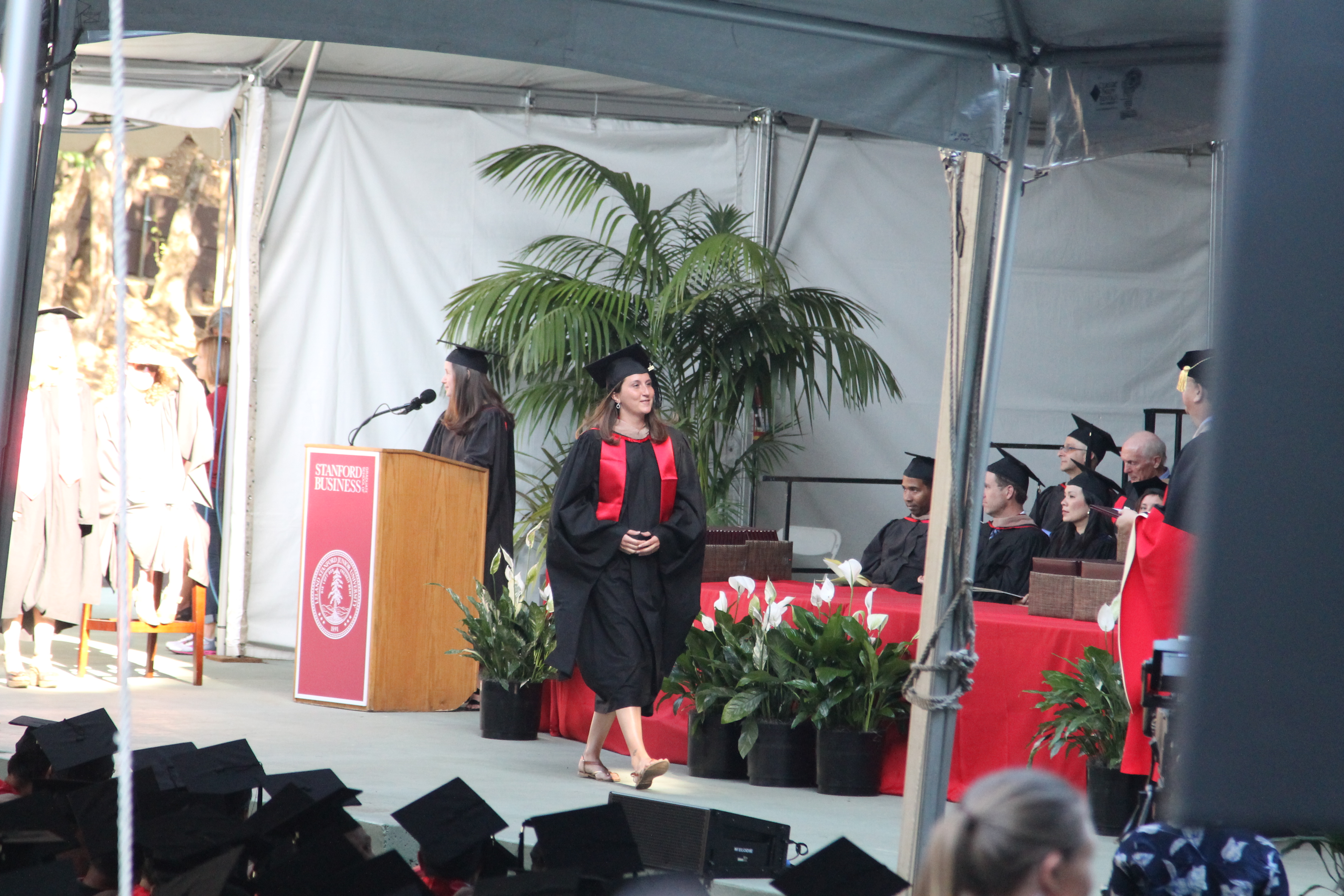
Last weekend, I had the great pleasure of attending my daughter, Julia’s, graduation from Stanford Graduate School of Business. Besides the actual graduation ceremony, I enjoyed spending time with so many of Julia’s colleagues, whom I had met in previous visits to Stanford, and also some of their families.
There are no words to express the joy a parent feels when witnessing memorable milestones reached by their children.
Following are just a few pictures to share this event and tell Julia, CONGRATULATIONS!!!!!!
Julia walking to receive diploma
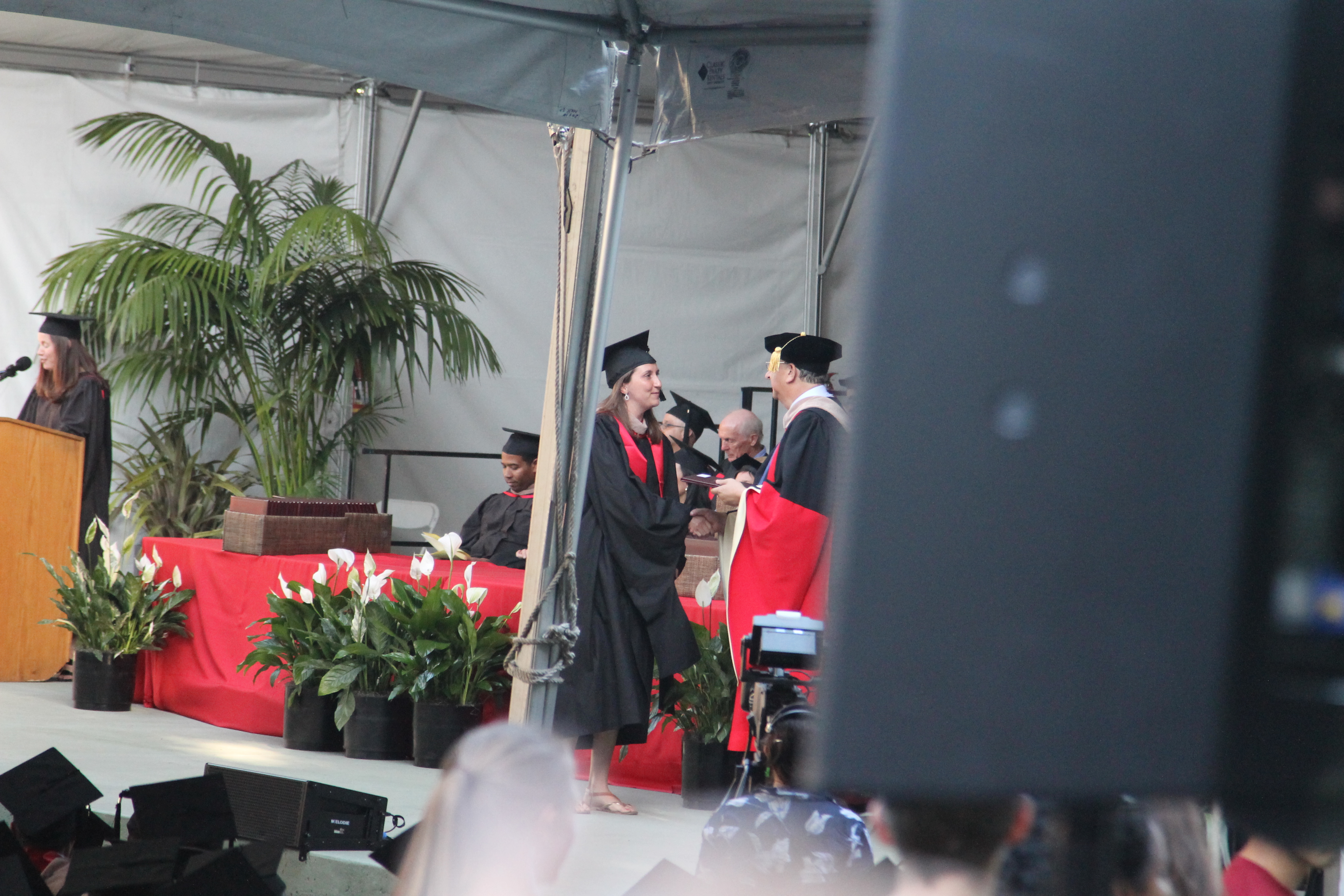
Love that Smile!!!!

Julia and Chris

Julia and I

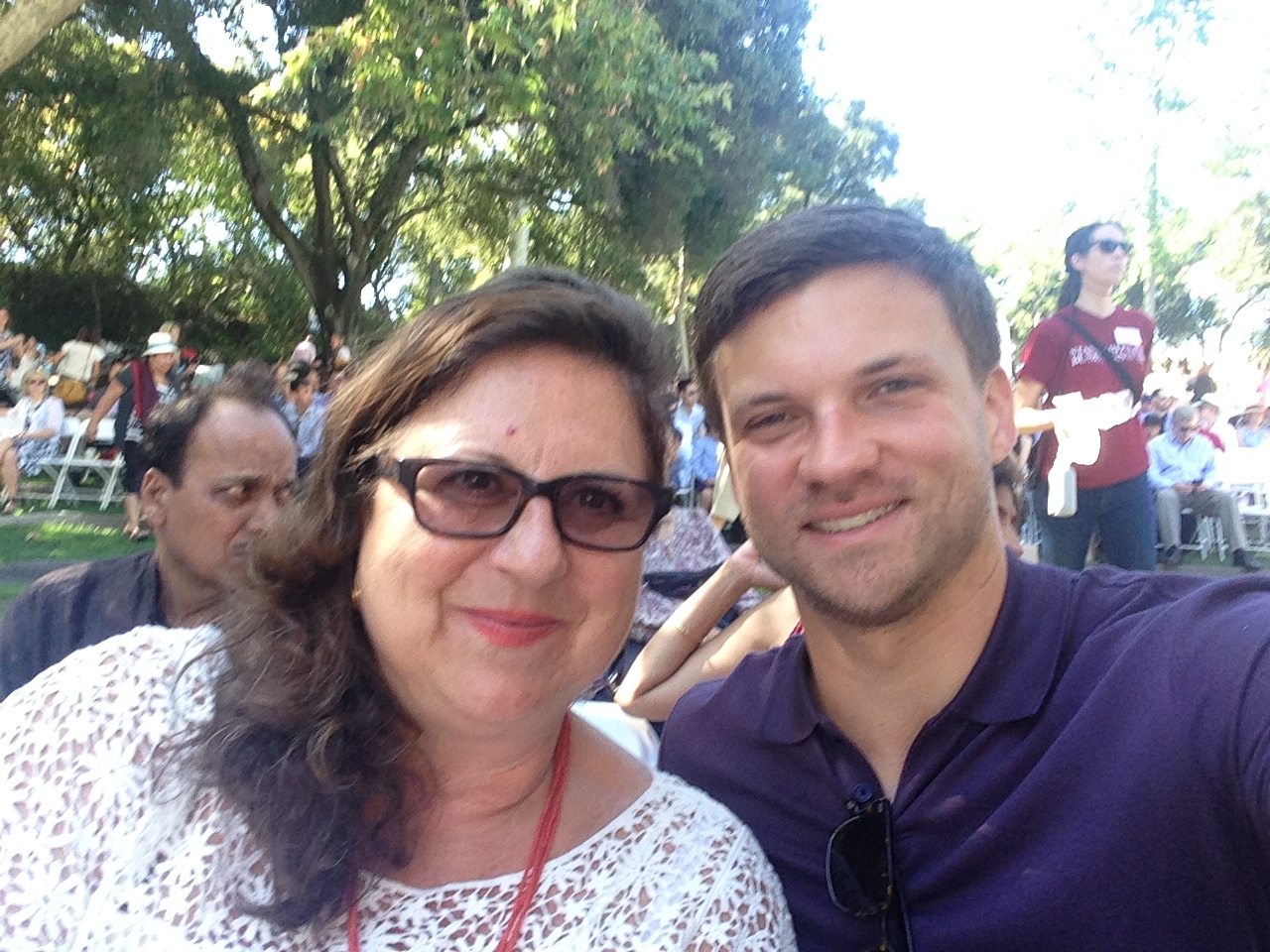
Chris and I taking a selfie while waiting for event to begin!!!!
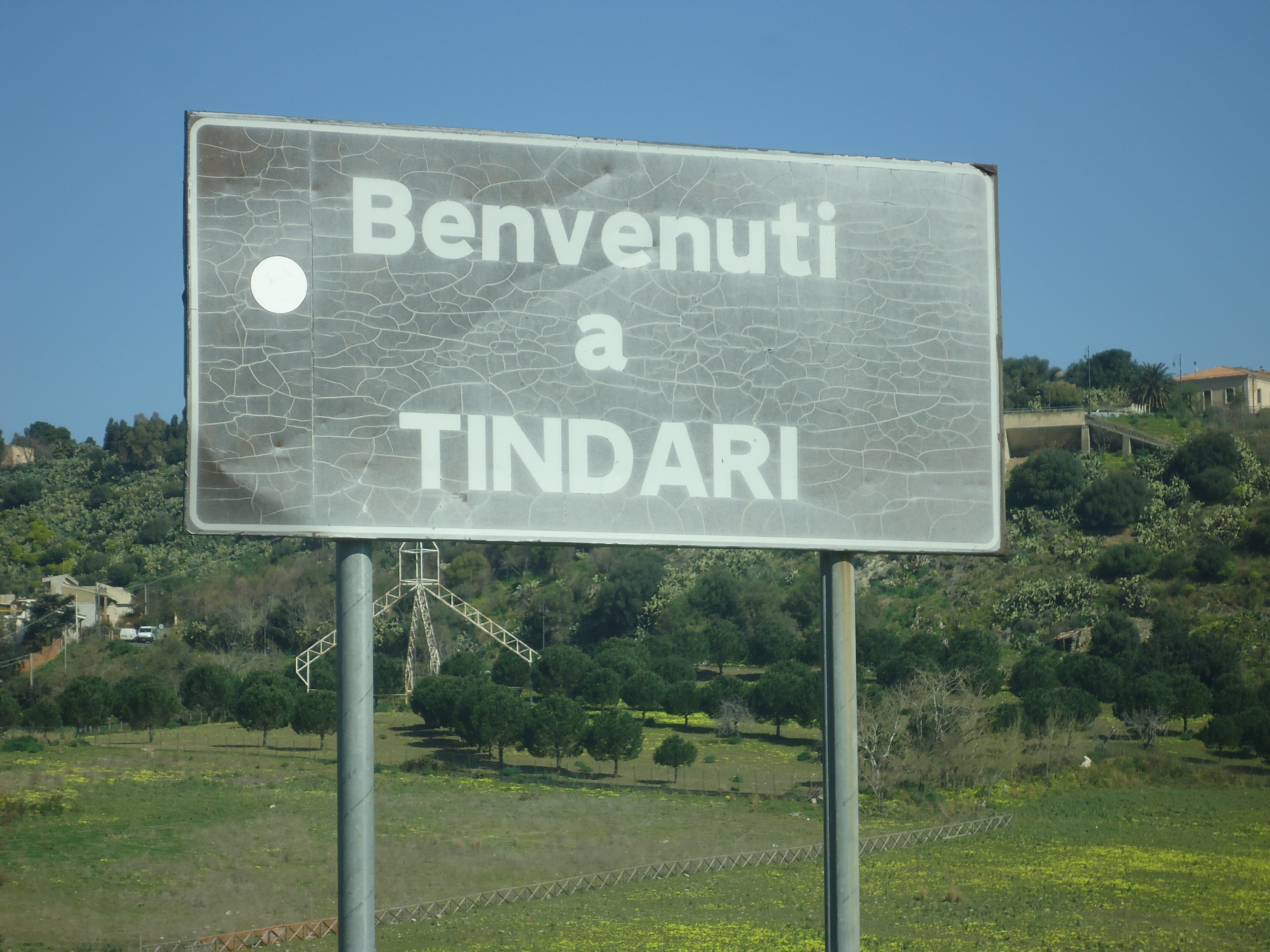
On the Northern Coast of Sicily, the Tyrrenean Coast, on the Eastern side, between Milazzo and Capo d’Orlando, lies the Sanctuary of Tindaris, perched upon a hill overlooking the sea. This is the Sanctuary of the Black Madonna, which was carried here by ship from the East in order to be saved from destruction.
Sanctuary as it appears to the traveller arriving through the rolling hills.

Welcomne to Tindaris sign
Side view of the Sanctuary as seen from town

Other side of the Sanctuary overlooking the sea

Front entrance to Sanctuary

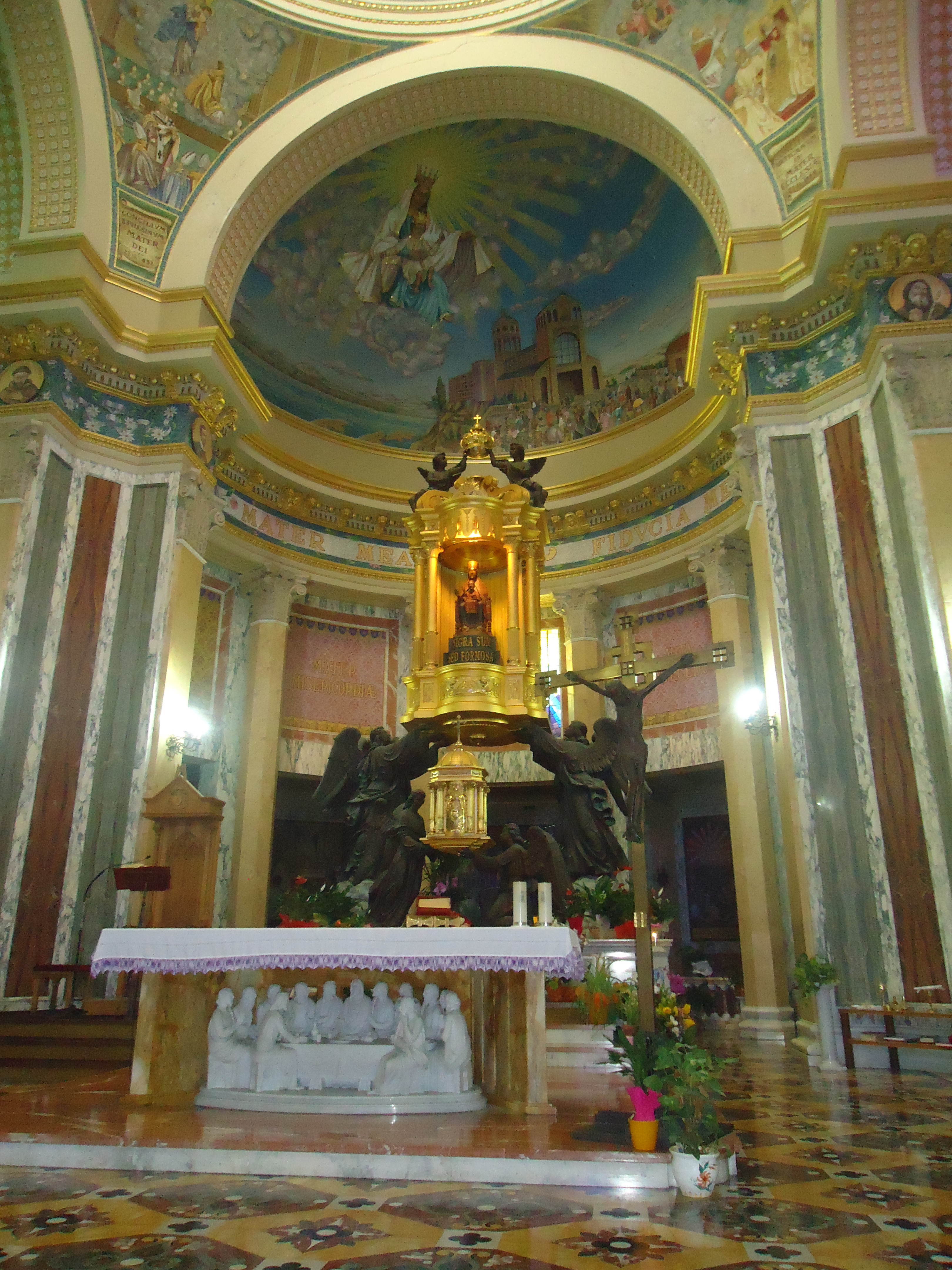
Interior of the Sanctuary
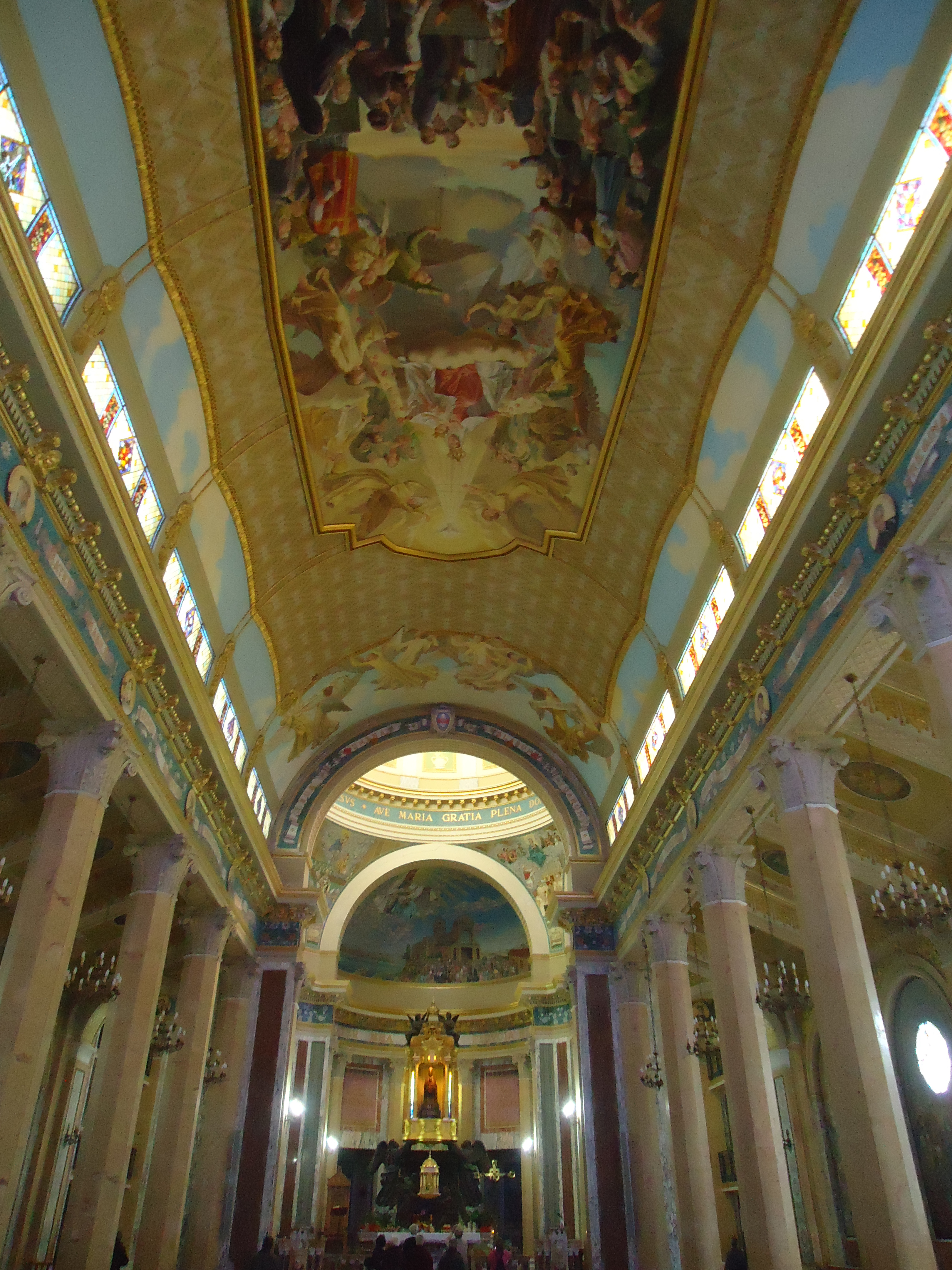
Black Madonna statue holding the Child
The gorgeous marble mosaic floor

Upon exiting the Sanctuary one catches a glimpse of the Northern slopes of Mt. Etna!!

Driving along the Eastern coast of Sicily, not far from the city of Catania, is the town of Acireale. This towns offers visitors the opportunity to visit a Nativity which dates back to the mid 1700’s. The Nativity, located on a road leading down from Acireale to the towns overlooking the sea, is located in a cave, “a rutta”, inside a church, the Chiesa S. Maria della Neve.
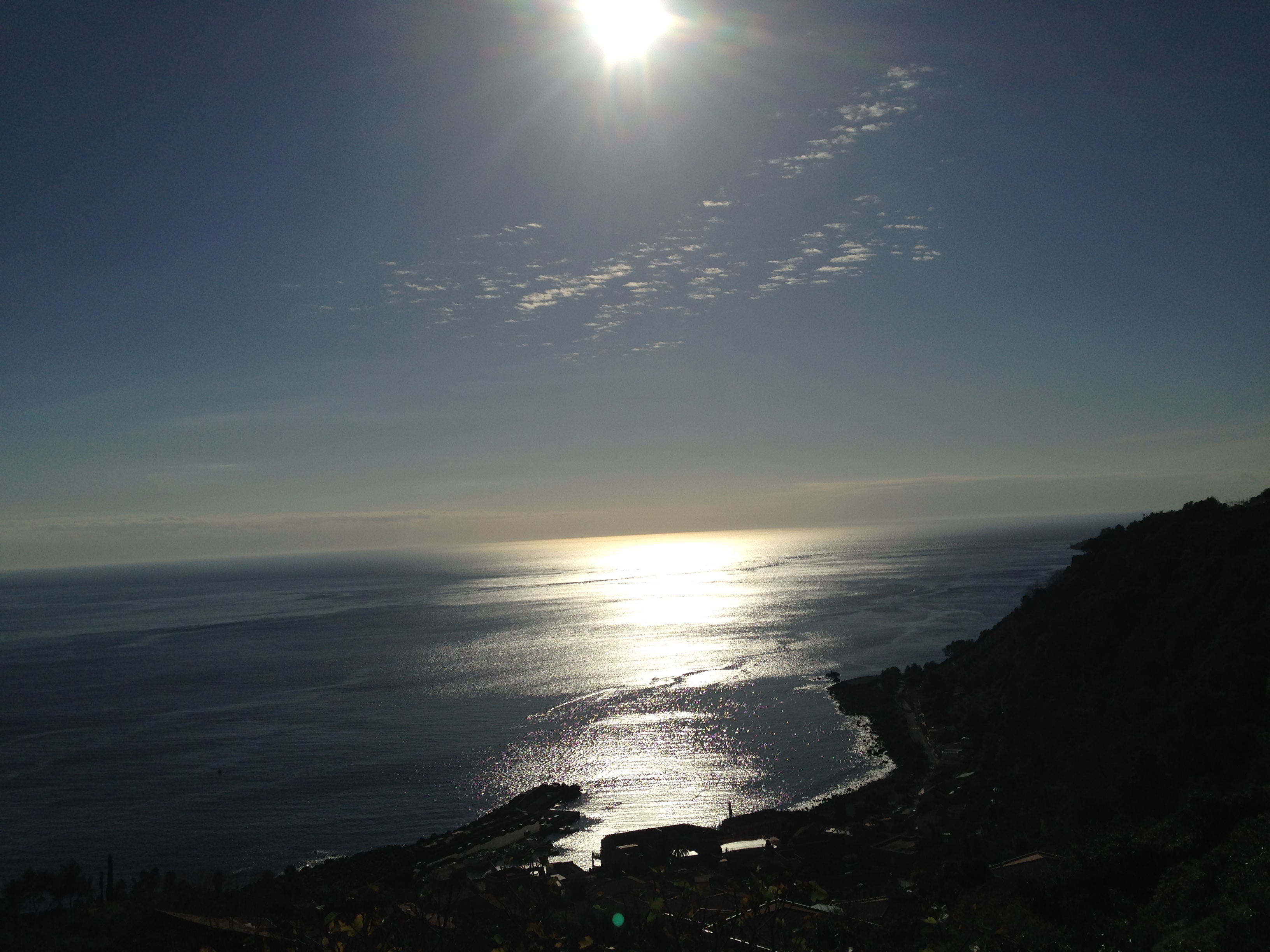
View from the church
Poster at front entrance of Church
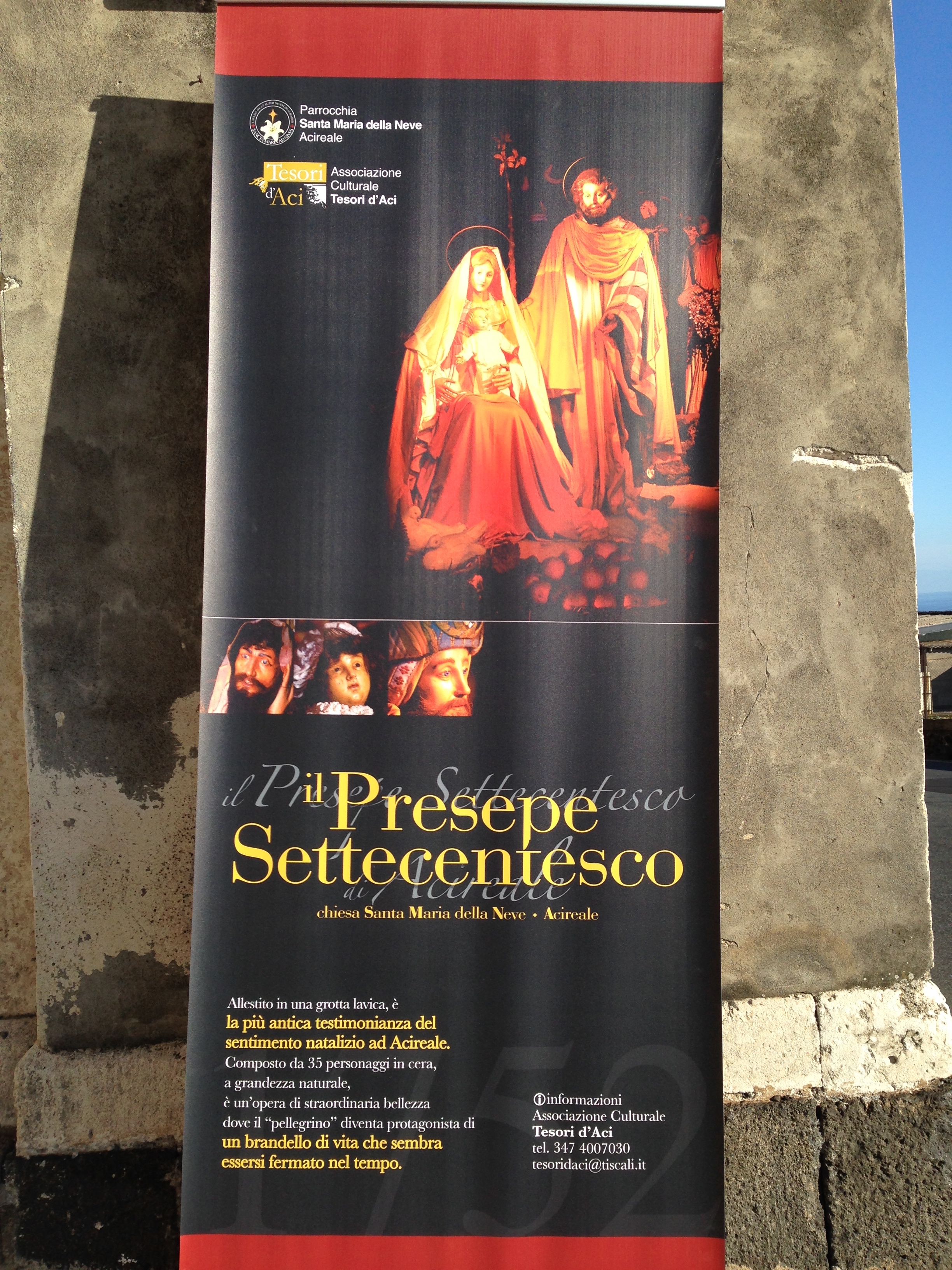
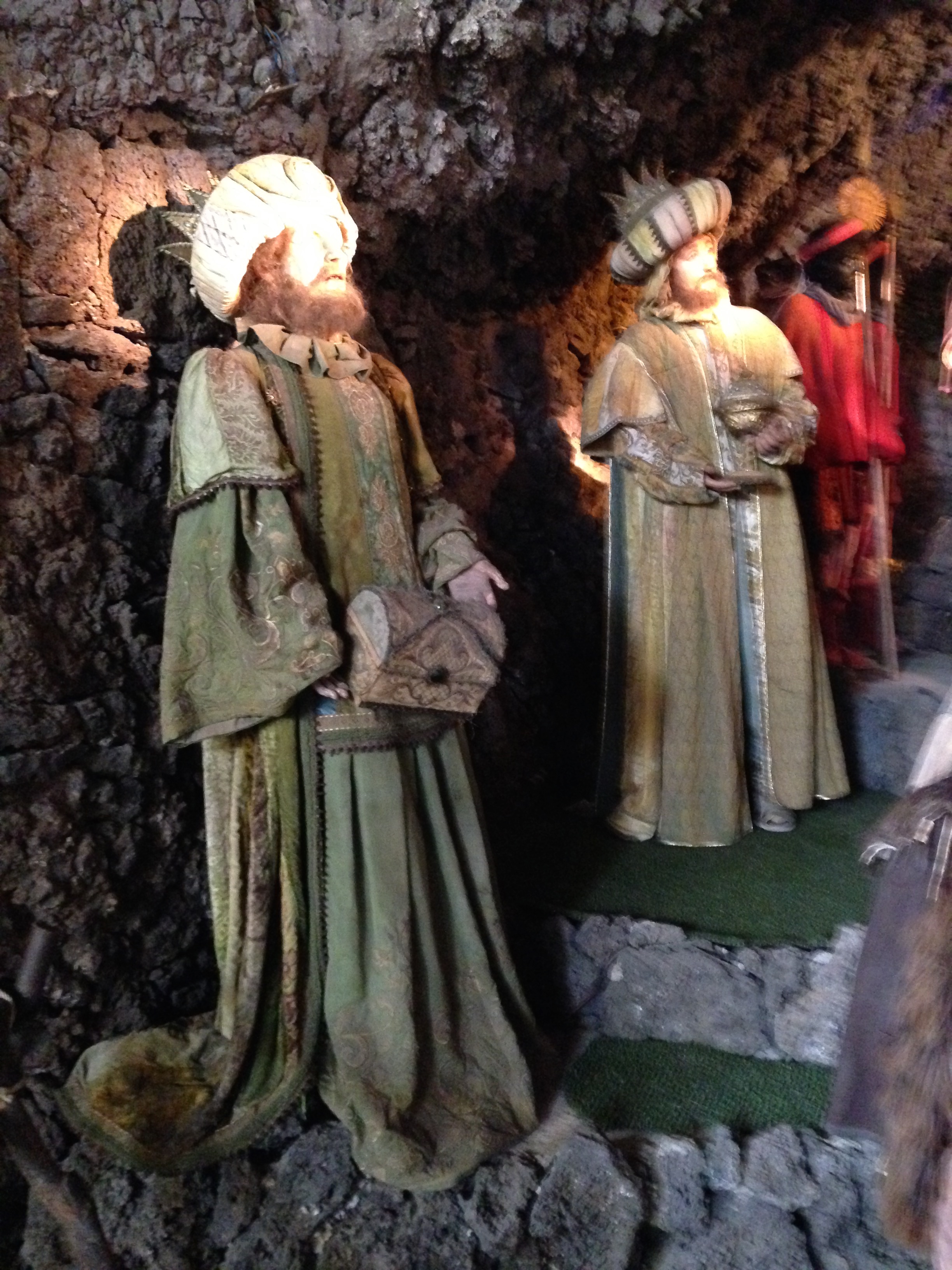
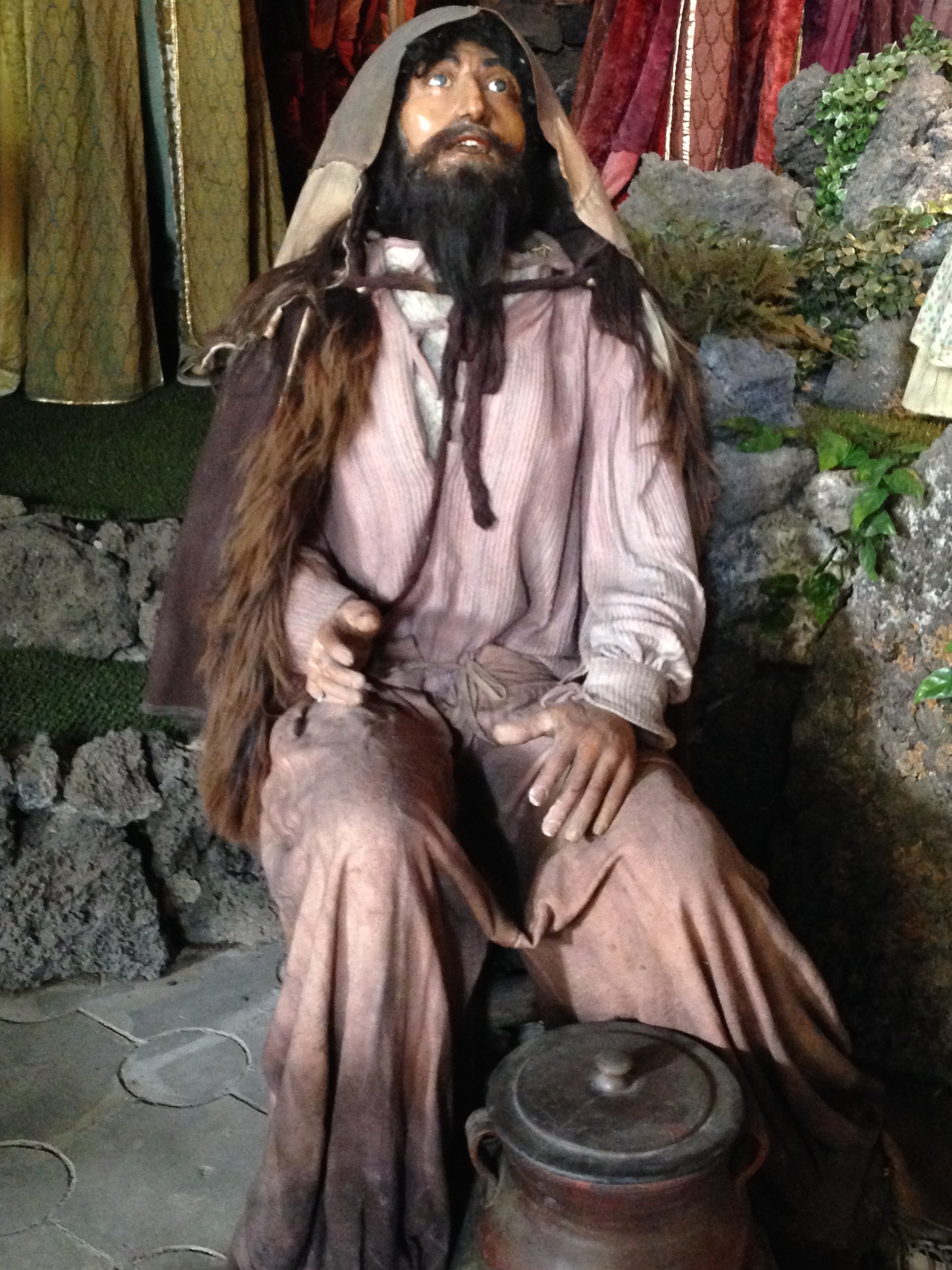
The Nativity has 34 figures, man size figures, that have heads made of wax. The faces, made of wax, portray the exceptional talent of the local artisans who made them truly look authentic. There are facial expressions and wrinkles that close up make the pieces look so close to reality.
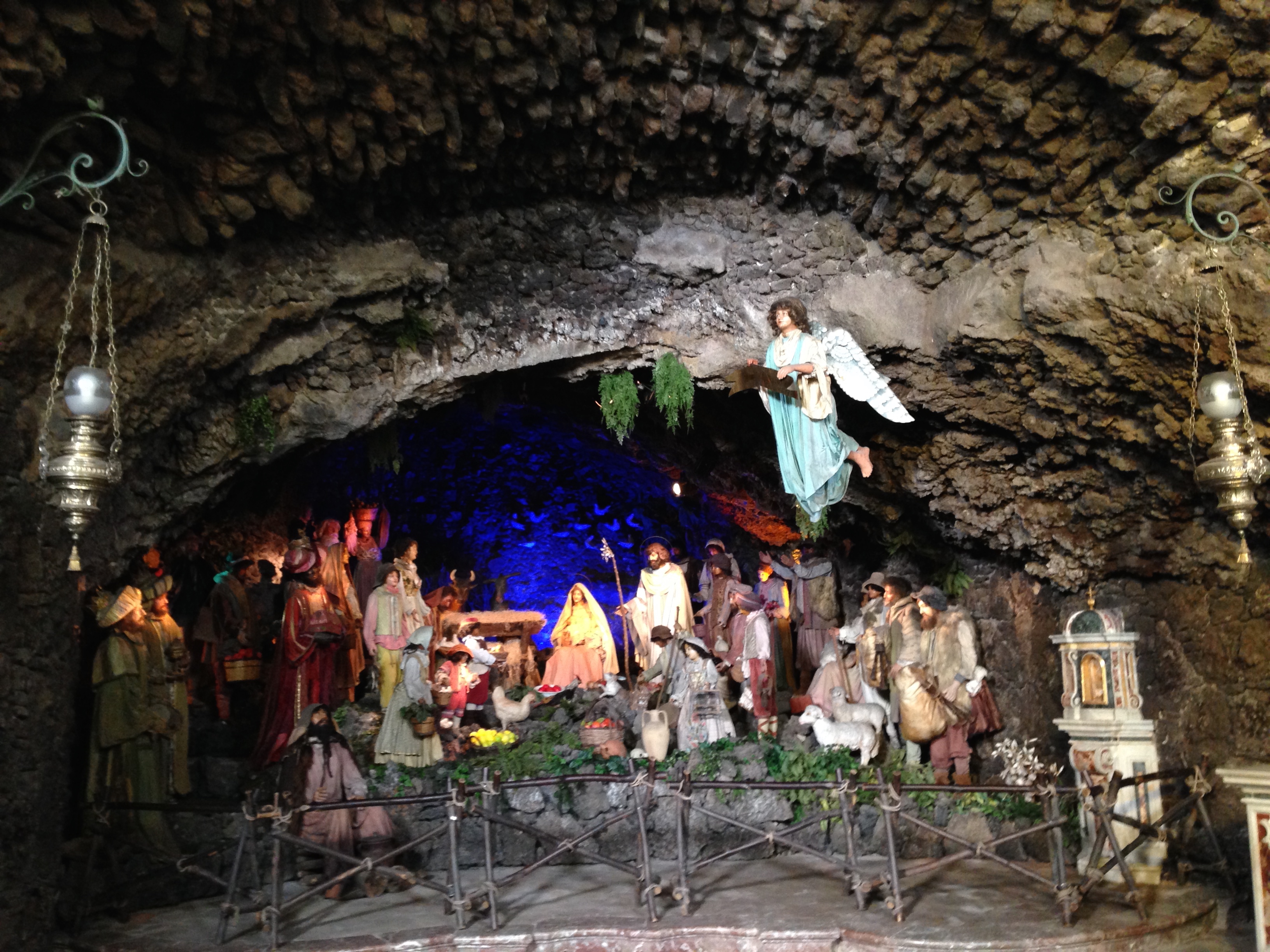
The costumes also date back to the middle of the 18th Century and are made of authentic material of the era. There is gold trimmed damask on the pieces representing the wealthy, but even the costumes of the common folk are elaborate pieces of artwork that have withstood the test of time (the Nativity has undergone two restorations since its making).
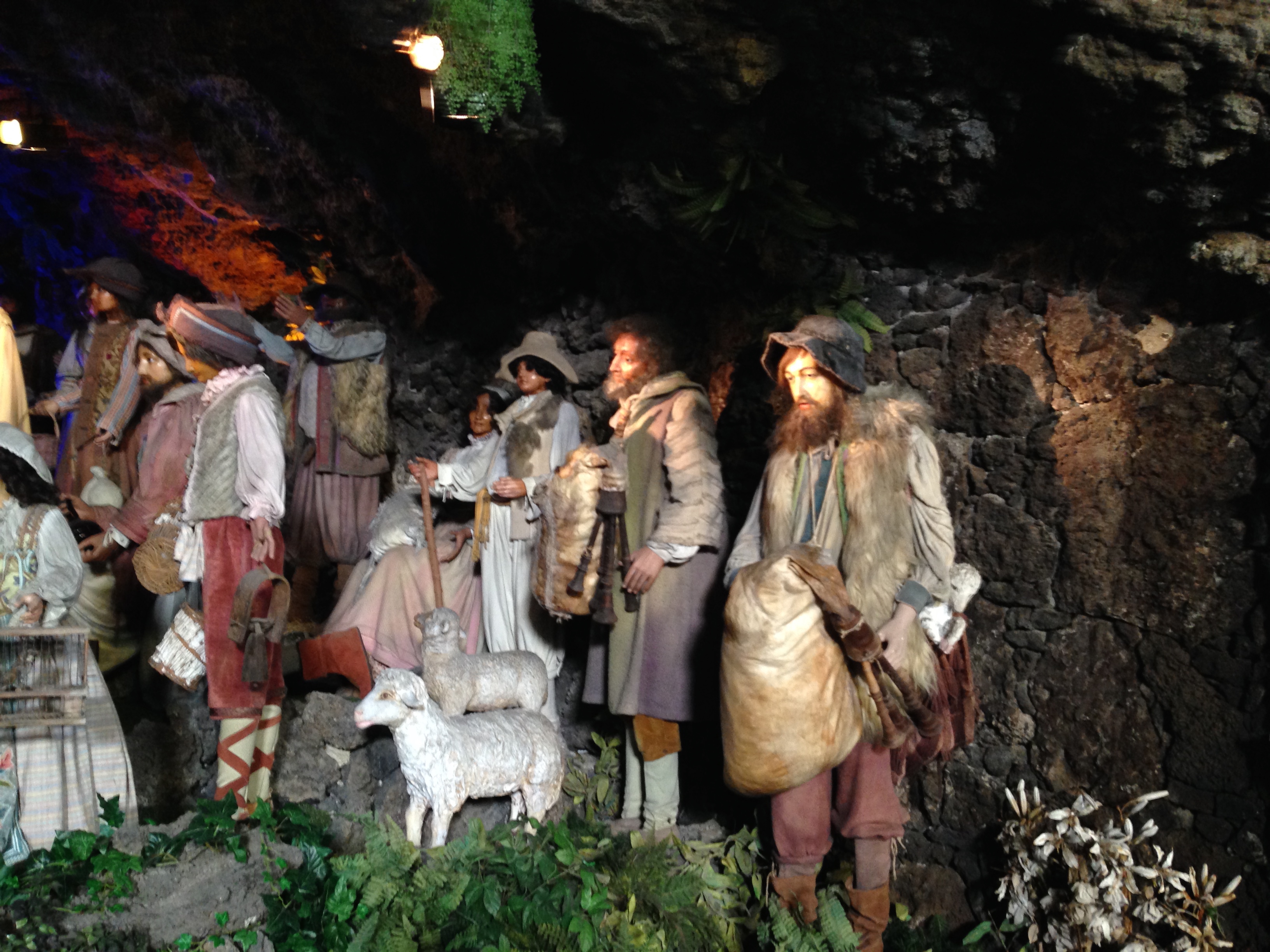
The Nativity was put together to include items of the Sicilian tradition as lemons, tomatoes and the typical water jug.
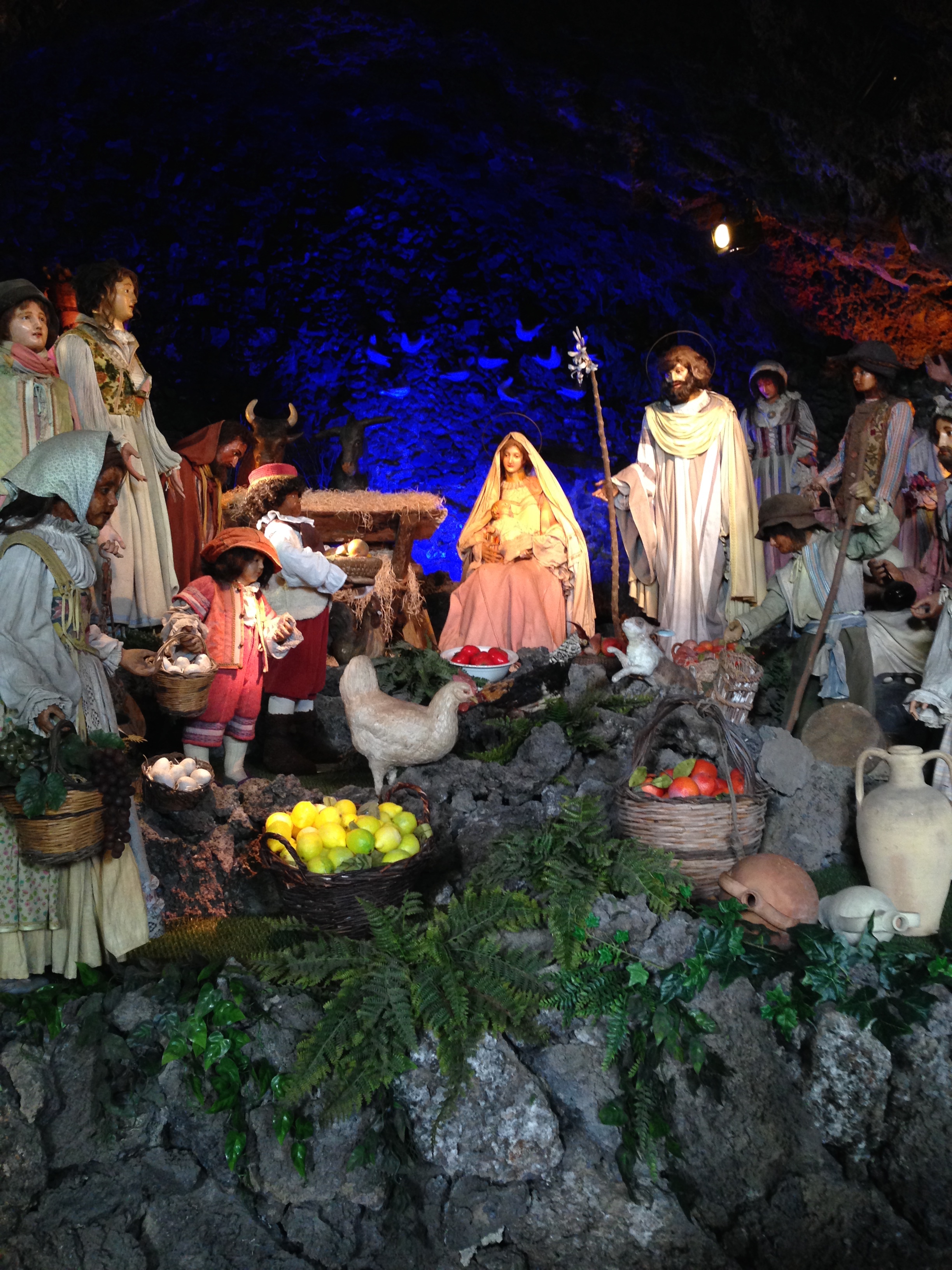
Also, there are two characters from the Acireale tradition, “Innaru”, which means January, and was the coldest month, is personified in a man, Innaru, who is warming up in front of a fire;
and “U meravigghiatu da stidda”, a character whose facial expression shows his surprise when he witnesses the passing of the comet.
The animals in the Nativity are real examples that have been embalmed.
When I visited the Nativity last December, I just stood in front of it for quite some time simply in awe at its beauty and testimonial of wonderful work of art created over the centuries by the local artisans!!!
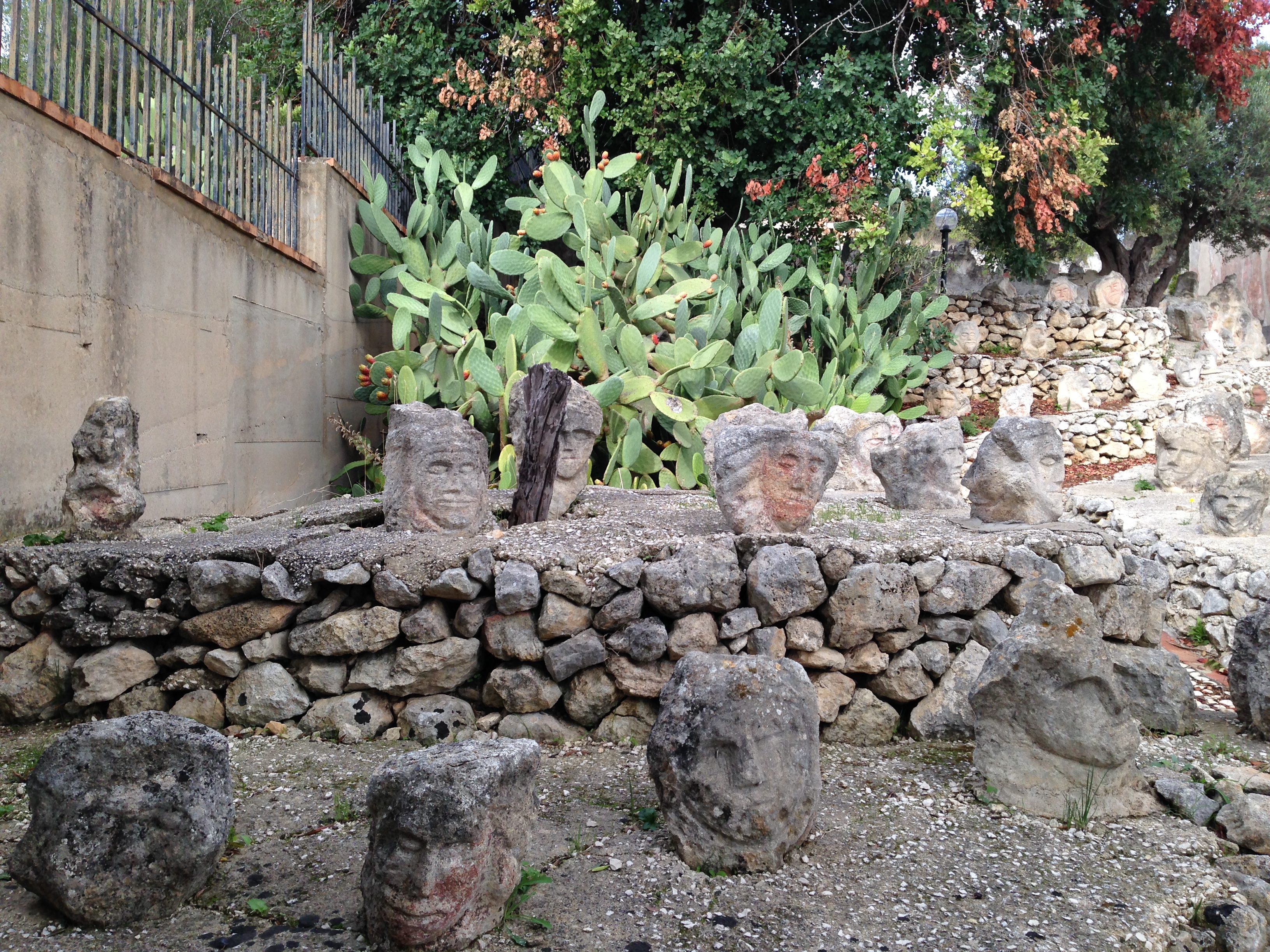
Three kilometers from the town of Sciacca lies Il Castello Incantato, The Enchanted Castle. This property is now a testimonial to years of work carried out by one of Sciacca’s most intriguing residents, Filippo Bentivegna. Bentivegna spent years sculpting faces into stones. Unfortunately, the majority were stolen, but what remains today is on display along a path winding up the property grounds.
Filippo Bentivegna was a local resident of Sciacca who emigrated to the USA. He had emigrated to the USA as many other young people from Sicily in search of a better life. Among other work he carried out in the USA was his contribution, while living in Chicago, to the construction of the railroad heading West.
Sadly, his experiences in the USA were quite negative, as he was heart-broken, beaten up badly and when he returned to his native Sicily his mind was no longer as it had been before. After his return, he purchased a plot of land and started his patient work. During the day, he would sculpt faces on stones, at night he would return home and take care of his aging mother.
There are about three thousand stones with sculpted faces on display in the Castello Incantato and I was told that before these were saved thousands more had been stolen.
Posters describing Bentivegna

Some of the sculpted heads at Il Castello Incantato




It may be worth researching more information on this interesting character…………..
 Sicily & MORE Explored by Rosanna