A drive to the Southern Western Coast of Sicily in the Fall reveals true Fall colors as the vineyards offer the spectacular shades ranging from gold to burgundy.
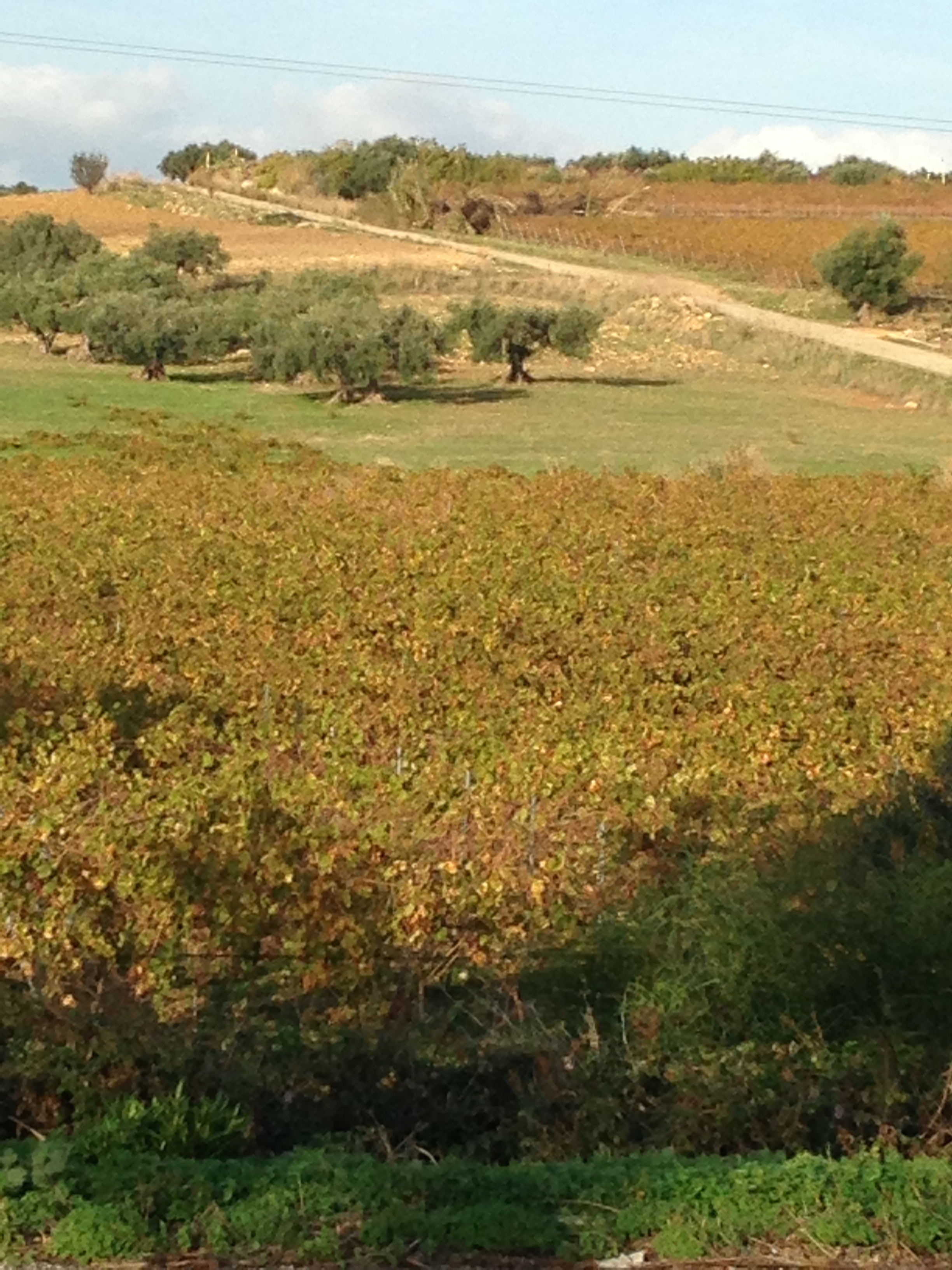


One of the towns I had longed to visit for years is the town of Sciacca and I finally had the opportunity to drive to that town and spend a couple of days visiting it and its surrounding area.
The town of Sciacca is an old SPA town and people visit its Thermal Baths year round. In the Fall, it is quiet during the week as many of its residents leave for study or work elsewhere on the island, but I was told that on weekends the action returns to the town.
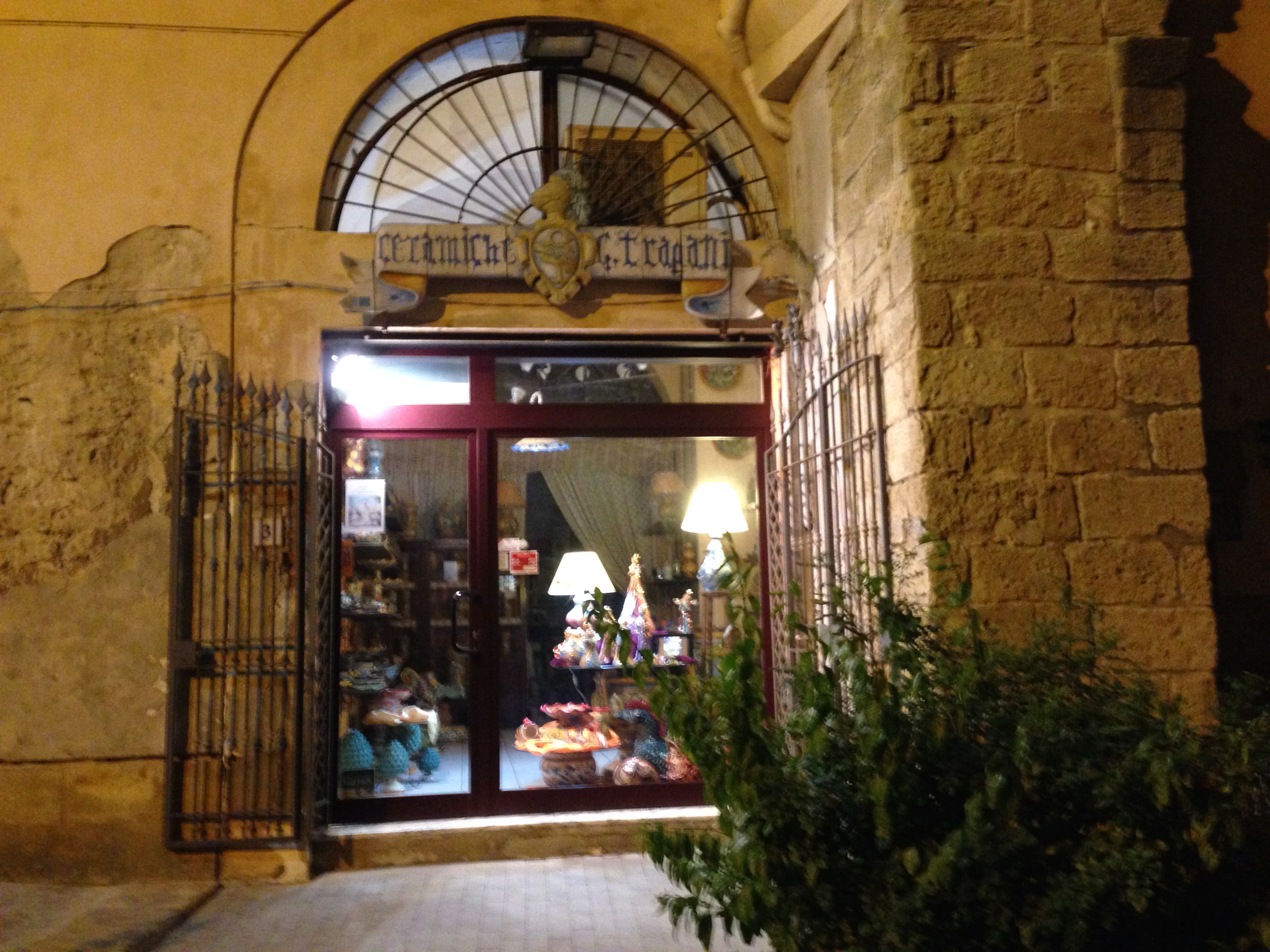
Personally, I visited mid week and enjoyed the quiet atmosphere, walking along its streets and alleys. The town of Sciacca is also known for its ceramics and ceramic shops line many of its streets. I spent some time in one of the local ceramic shops as I engaged in an interesting conversation with the ceramist regarding Sicilian ceramics of various towns.
Ceramic Shop
Notice the risers on the steps below adorned with tiles

Conte Luna – Great Bed and Breakfast run by the Montalbano Family

Heading to the Belvedere – overlooking the harbor – from the center of town

Belvedere


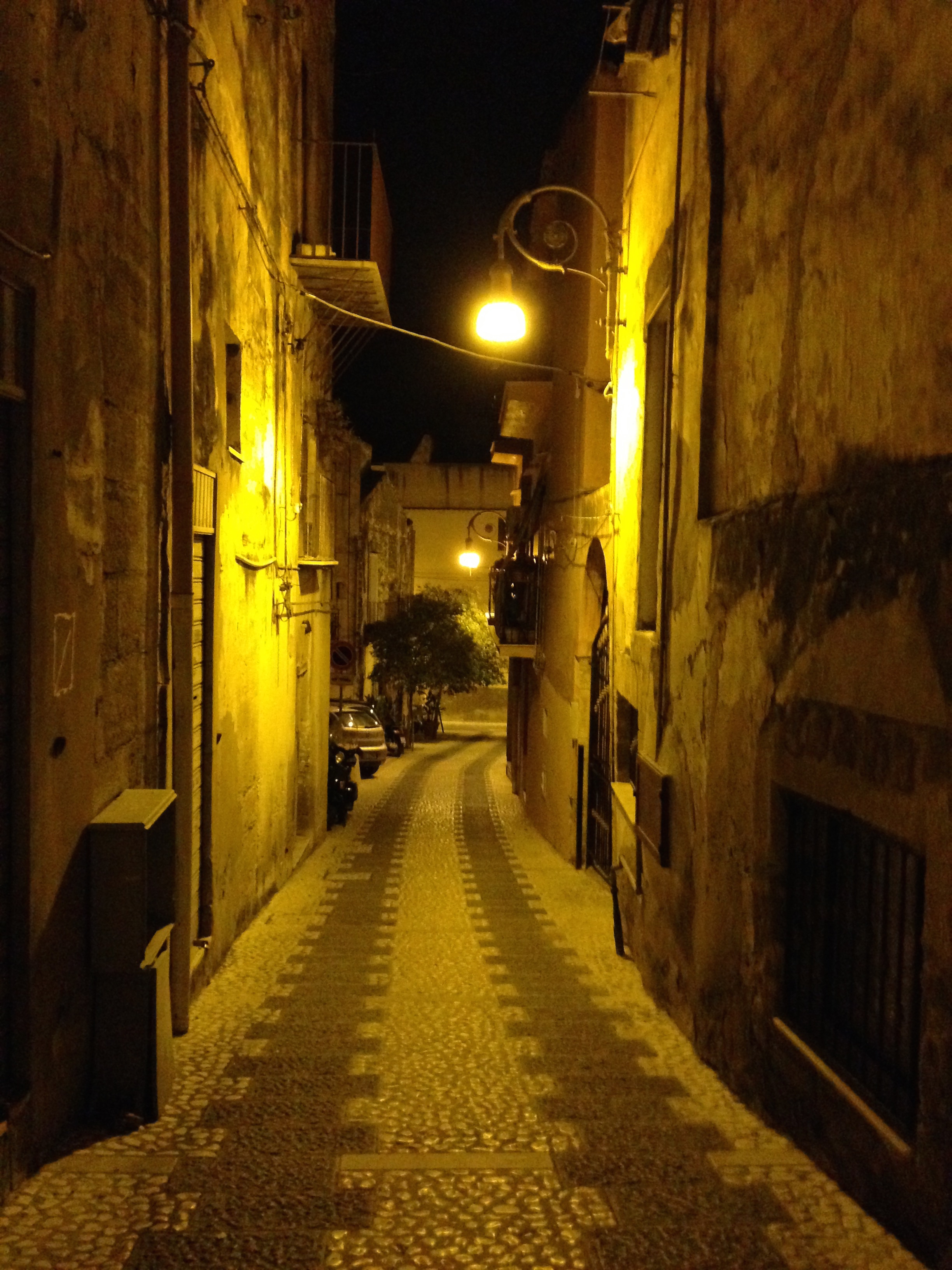
Quaint alleys
I always enjoy observing the different designs of balconies around Sicily

Beautiful place to visit!!!
While visiting Sicily, I enjoy spending time with my friend, Roberta. She lives in the countryside, on Mt. Etna, with a breathtaking view of the foothills and the Ionian Sea, seeking a quiet life!!! Roberta’s vocation has always been cooking, as she is fascinated by the process of creating a variety of dishes from scratch. She was trained in French Cuisine, but her inclination to try every kind of cuisine she comes in touch with has made her a cook of many cultures. In the past, Roberta ran a catering service, Lapecheronza, which offered its customers a variety of dishes.
It was while working as a caterer, that Roberta realized there were two elements in her work that were in contrast with her beliefs. The first was that her pace of life had become too fast and she realized that was not healthy for herself and represented a quality of life different from the one she wanted to maintain. The second element that interfered with Roberta’s principles was that although her dishes were cooked utilizing the best quality of ingredients available, and it was all cooked with love, the final product was not as healthy intrinsically as it was aesthetically appealing. From that experience, Roberta realized she needed to focus on the type of healthy food one should consume daily, and not the rich foods of celebration. Consequently, Roberta stopped her successful catering business to move to the countryside.
View from the house

Living in the countryside has opened up new practices in the art of food production. Roberta’s new business is named by the principle behind her new choices, Altri Ritmi, which means A Different Pace. She grows her own fruits and vegetables and preserves the extra produce. Slowly she has succeeded in growing and producing the majority of food she consumes and is self-sufficient. She produces jams and marmalades, fruit juices, dehydrates fruits, makes tomato sauces, cans artichoke hearts, eggplant sauces, pepper sauces, cans fresh tuna, cooks Zakuska, a Romanian tomato sauce with vegetables, and more. The one pride in Roberta’s food production has become making pasta and bread utilizing original Sicilian whole organic wheat.
Checking some pasta that was drying
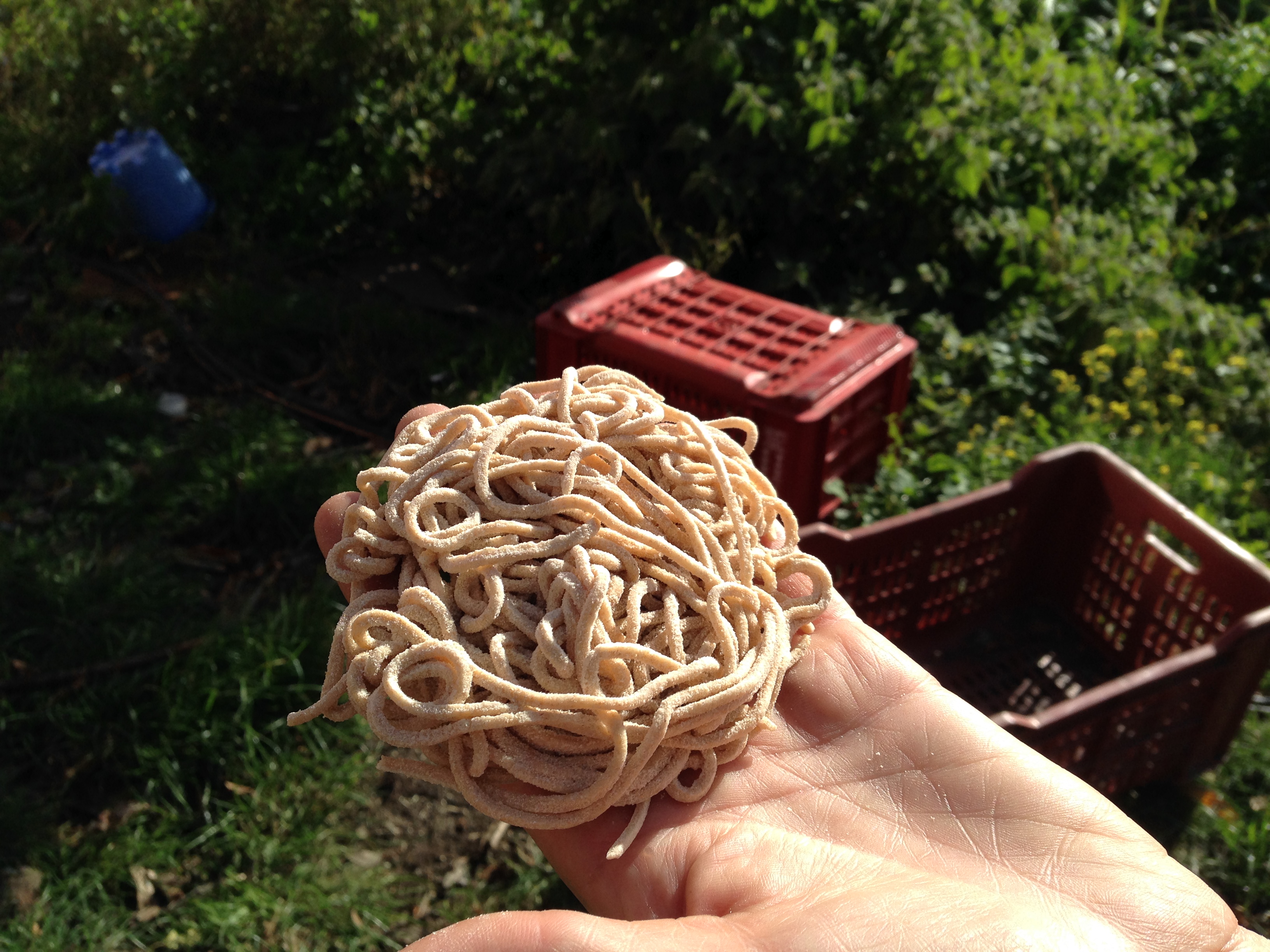
Thanks to her new experiences, Roberta has learned about wheat. She has learned about the human interventions made to wheat crops from the timeframe dating from the early fifties to the seventies. During that time period, wheat crops were radiated with x-rays and gamma rays and the result of these interventions was twofold. While on one side it improved production, on the other side it changed the structure of the gluten content of the wheat, gluten, which became more resistant resulting in the growth of food allergies.
Wheat Research Field in Caltagirone

Nowadays, Roberta offers cooking classes both online as well as in her home thus sharing her knowledge. Today she is making bread and I have come to visit and share this experience. In Sicily, the original wheats, that were preserved by the Research Wheat Field in Caltagirone, which I visited and wrote about in a post on this blog in July 2013, include more than sixty types of original Sicilian wheat. The entire selection is not available for purchase on the market, but only present at the experimental site. The wheats that are available for purchase are just a few. The most utilized is Timilia, and then there are the varieties called Sicilia, Margherito, Russello, Farro Lungo, Perciasacchi.
Robert is fluent in English and can be contacted for inquiries at: robitimpa@gmail.com
Following are some photos taken today while making bread!
The night before……..mixing…..
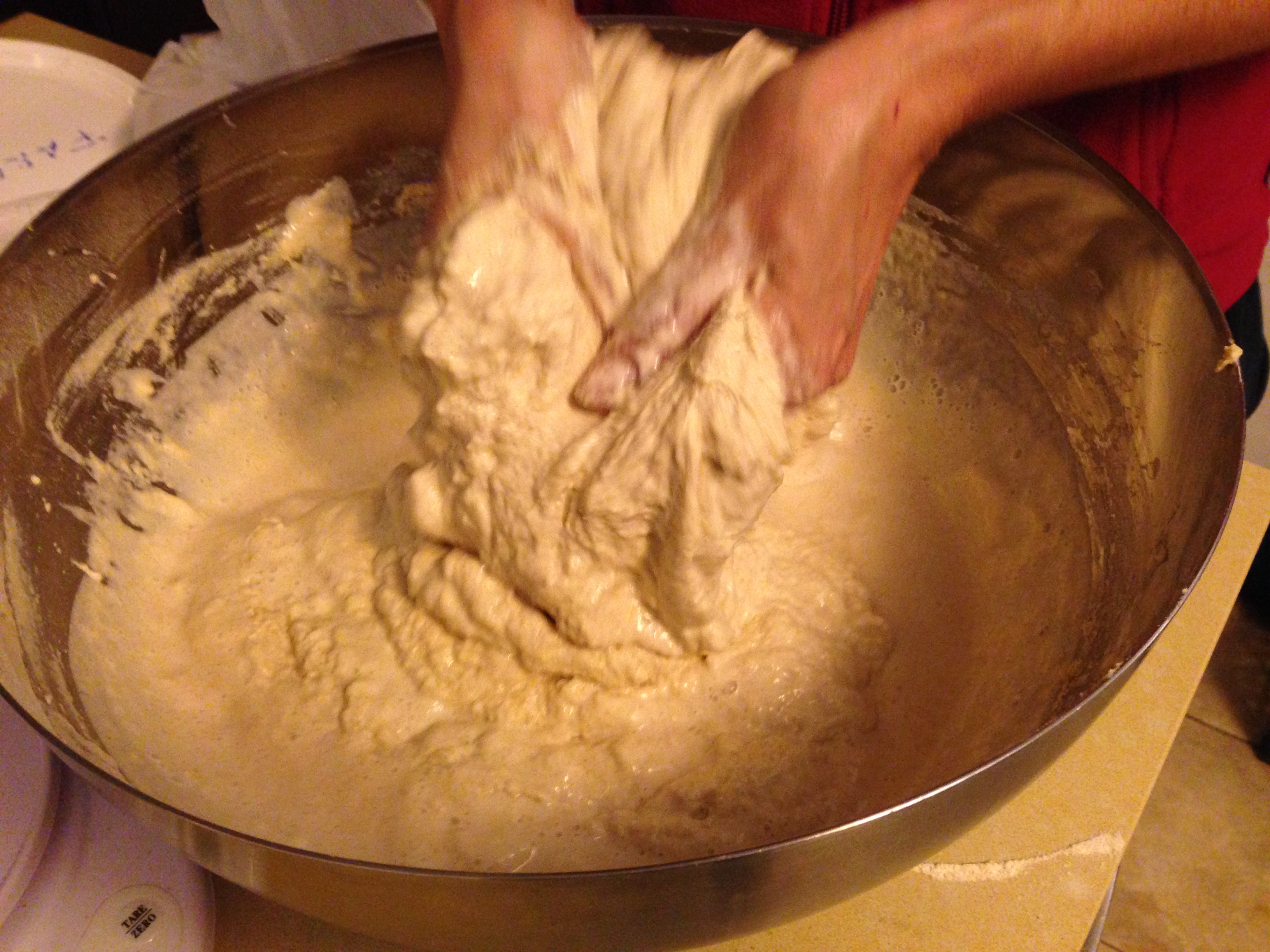
kneading………

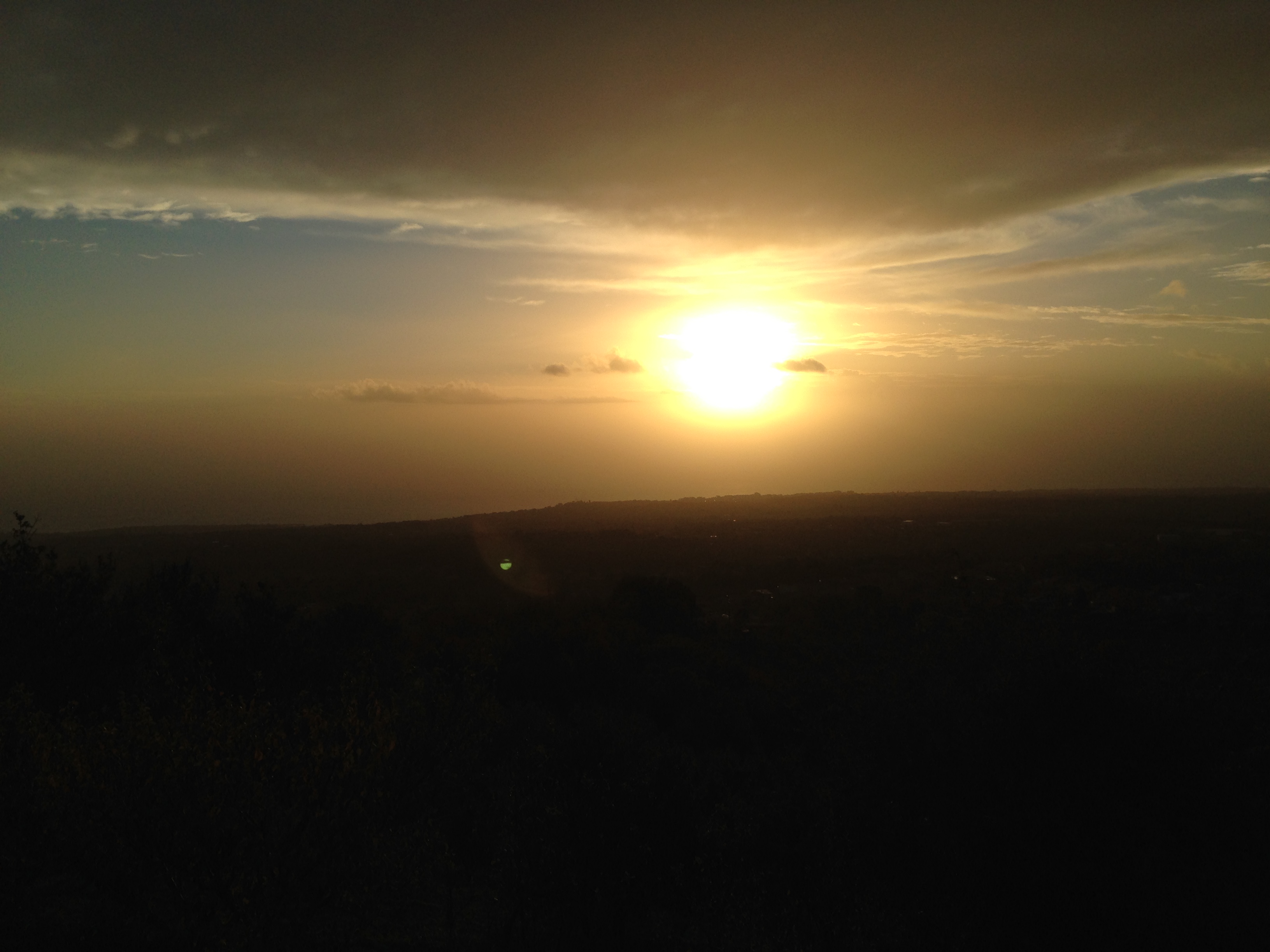
Up at sunrise…….
Preparing baskets for baking
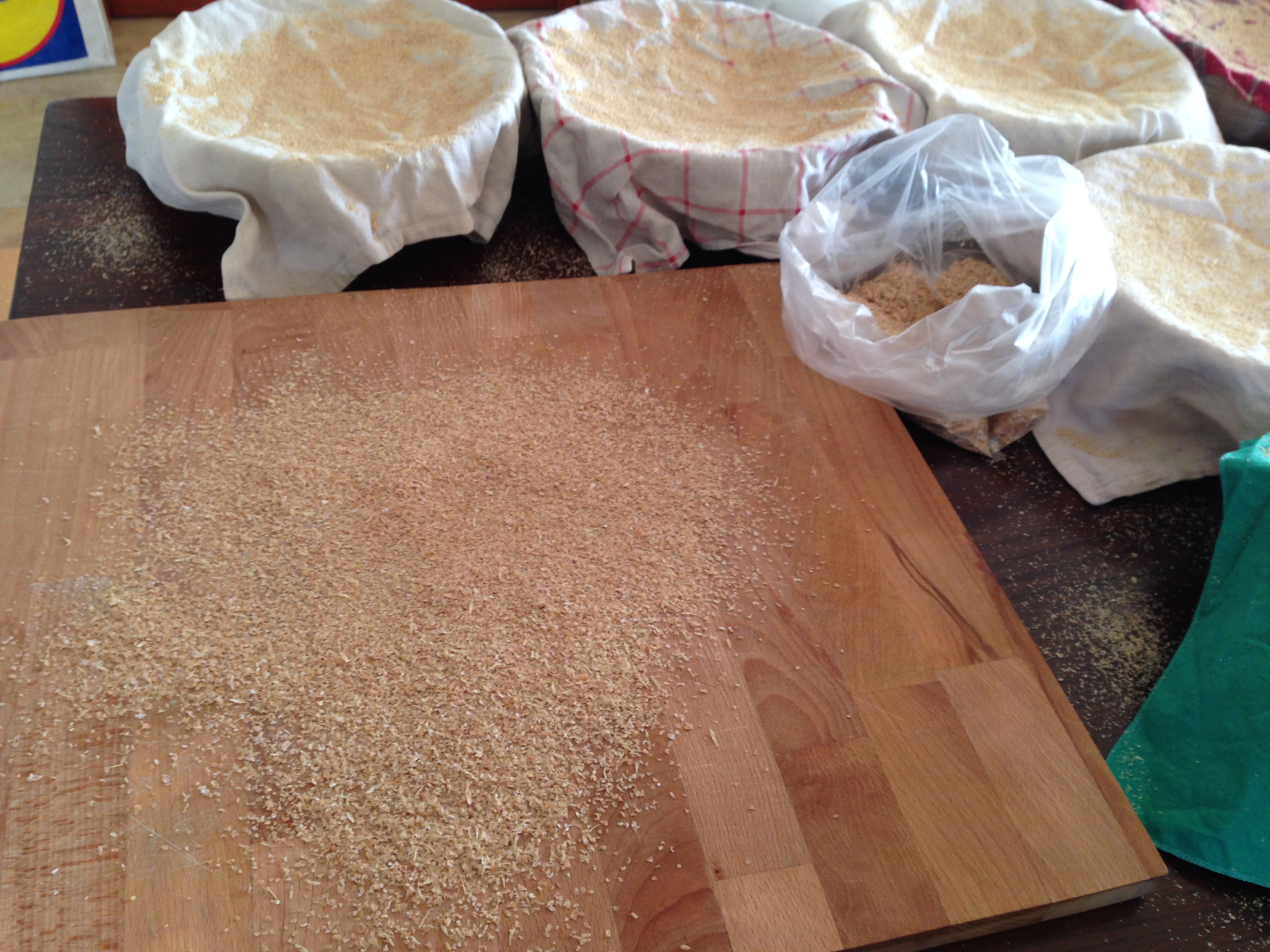
Ready for oven

Preparing wood burning oven
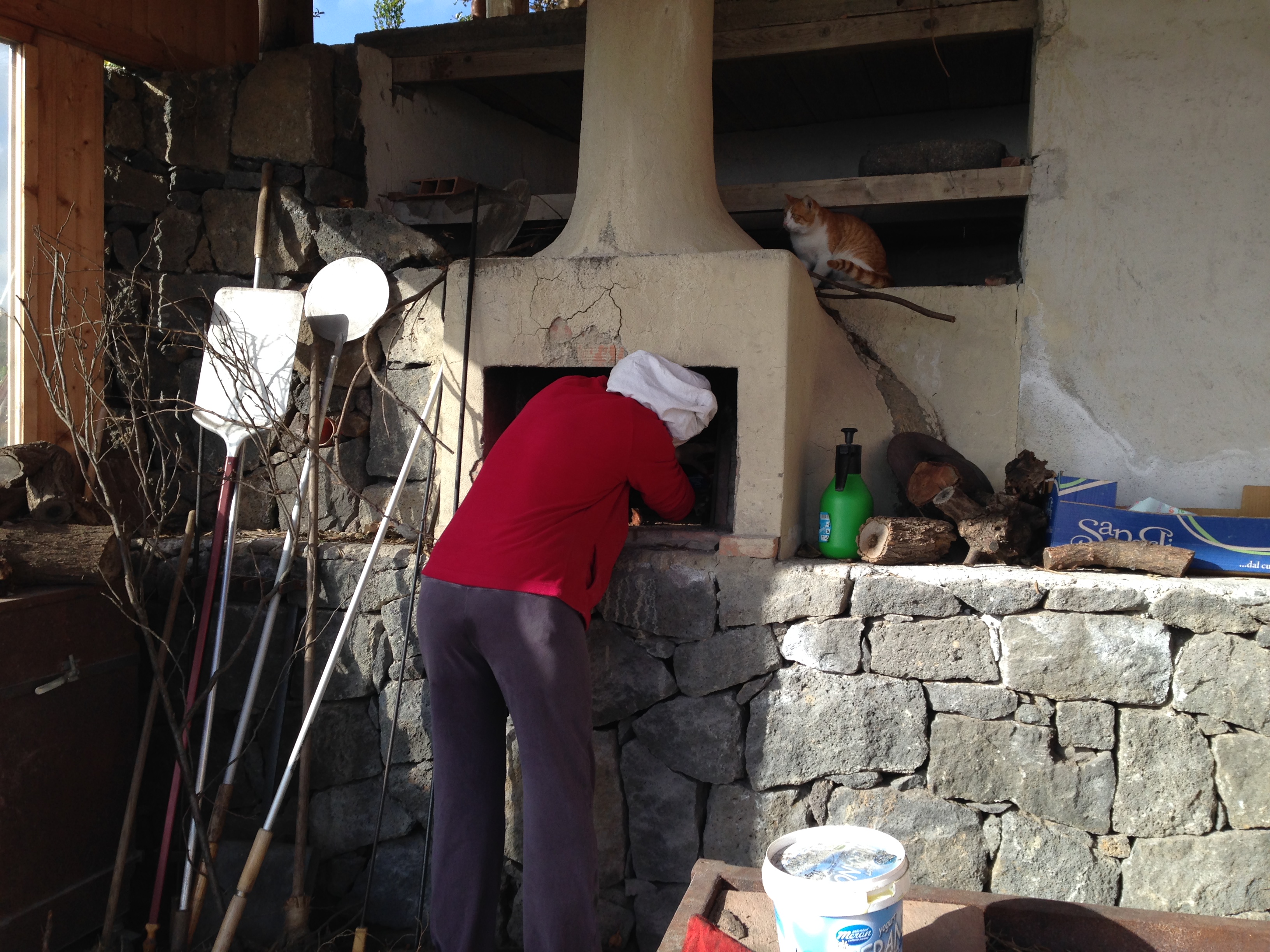
Great fire
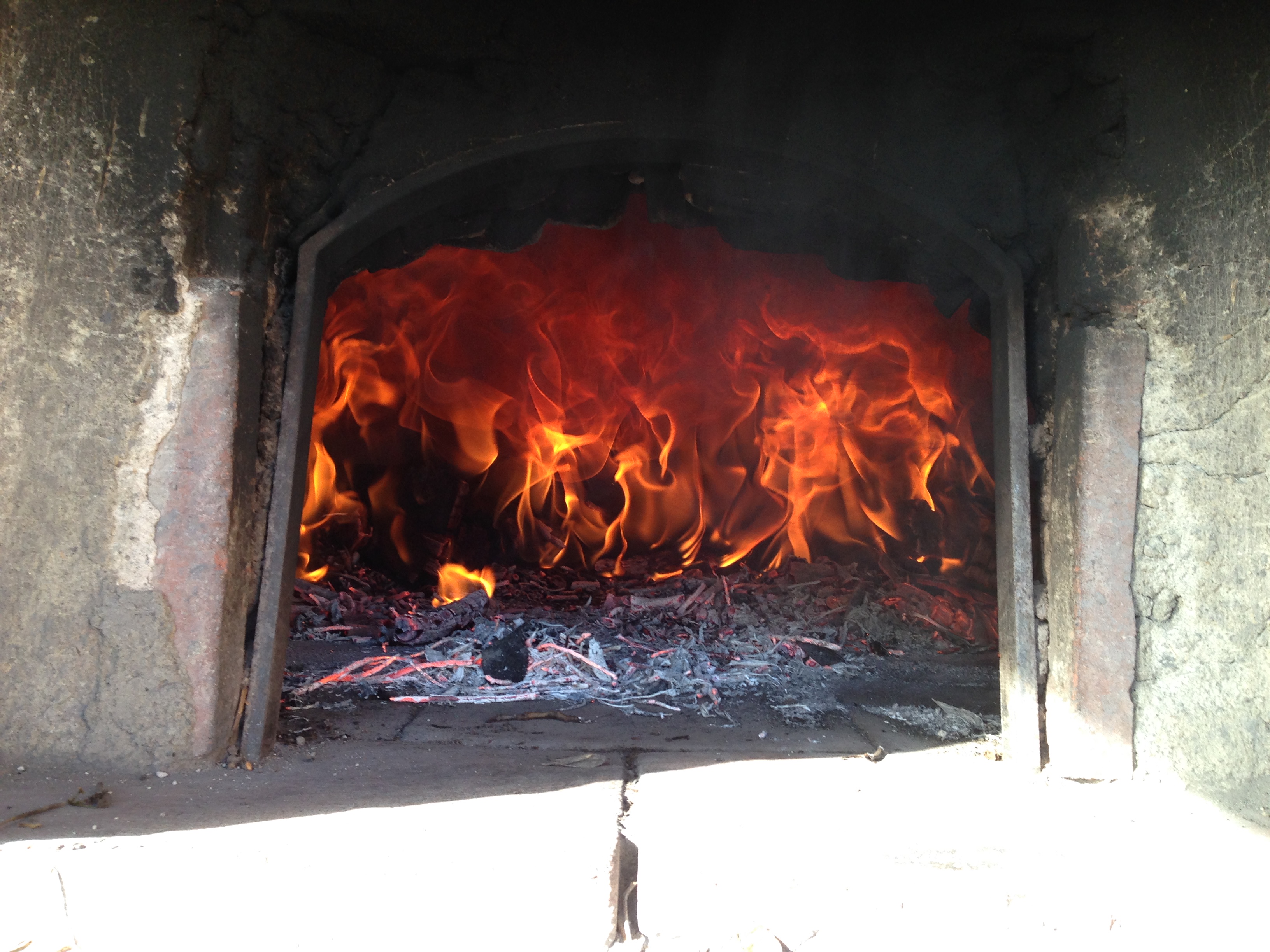
Placing bread in oven

Quick check inside oven

Taking bread out of oven
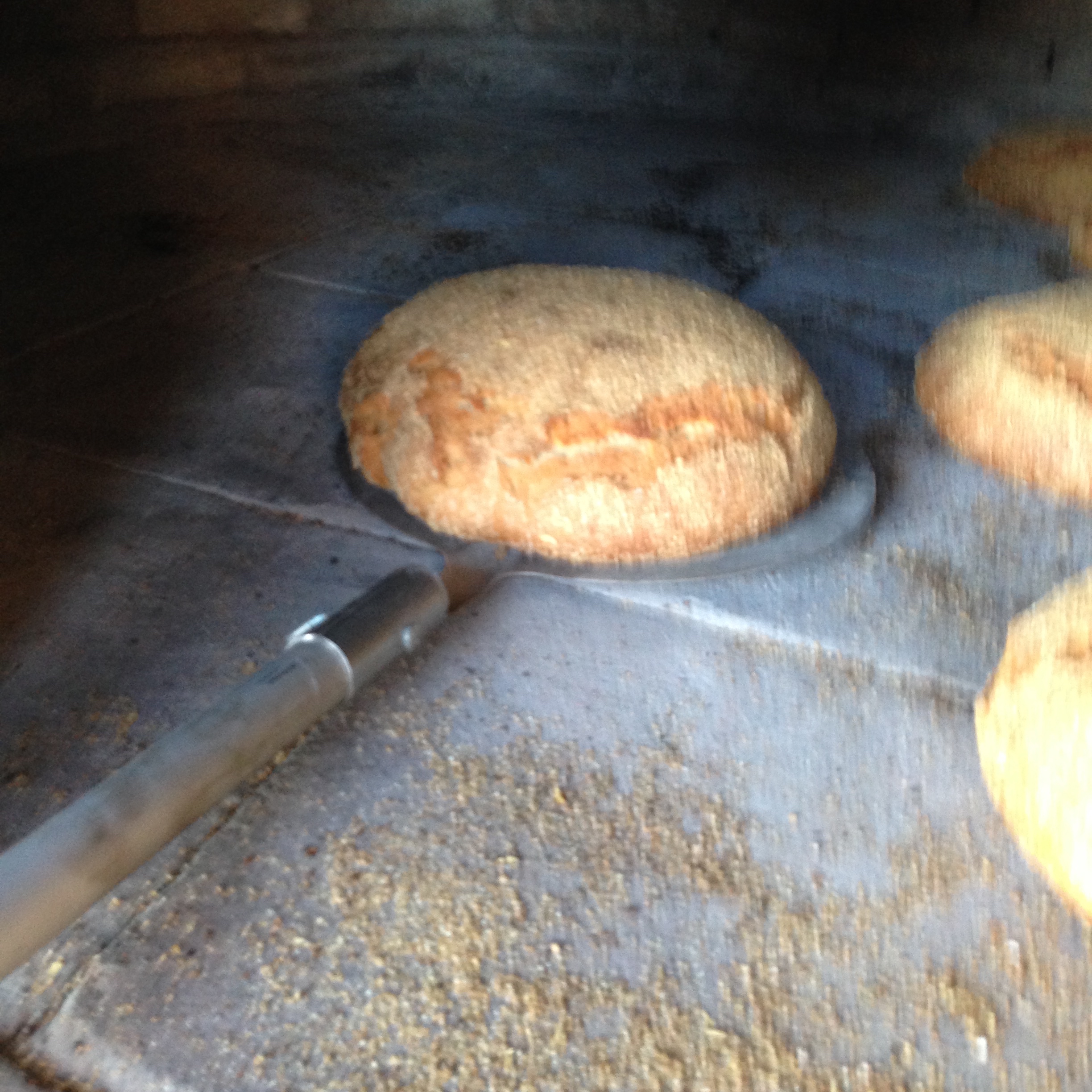
Wonderful fragrance…..
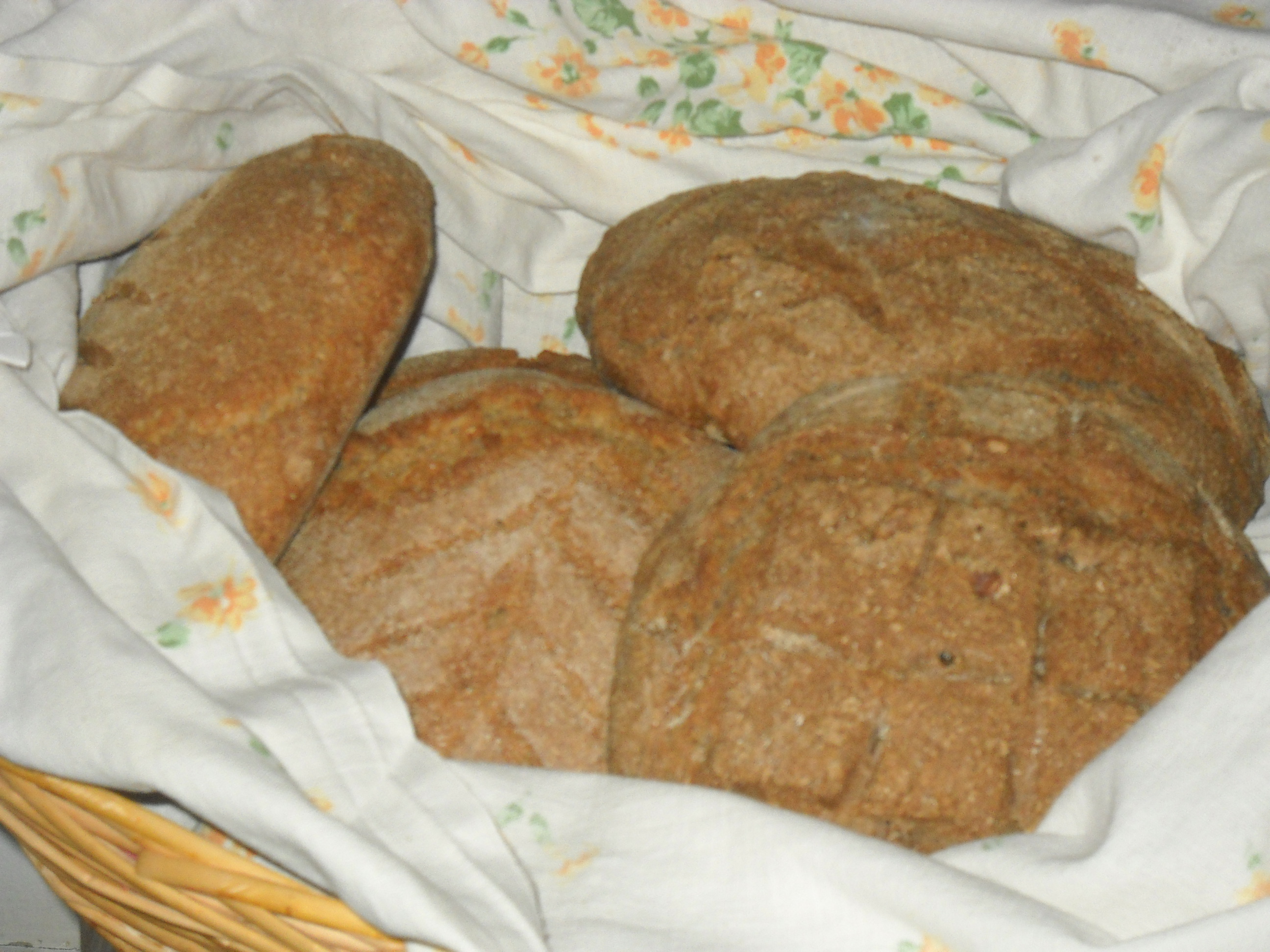
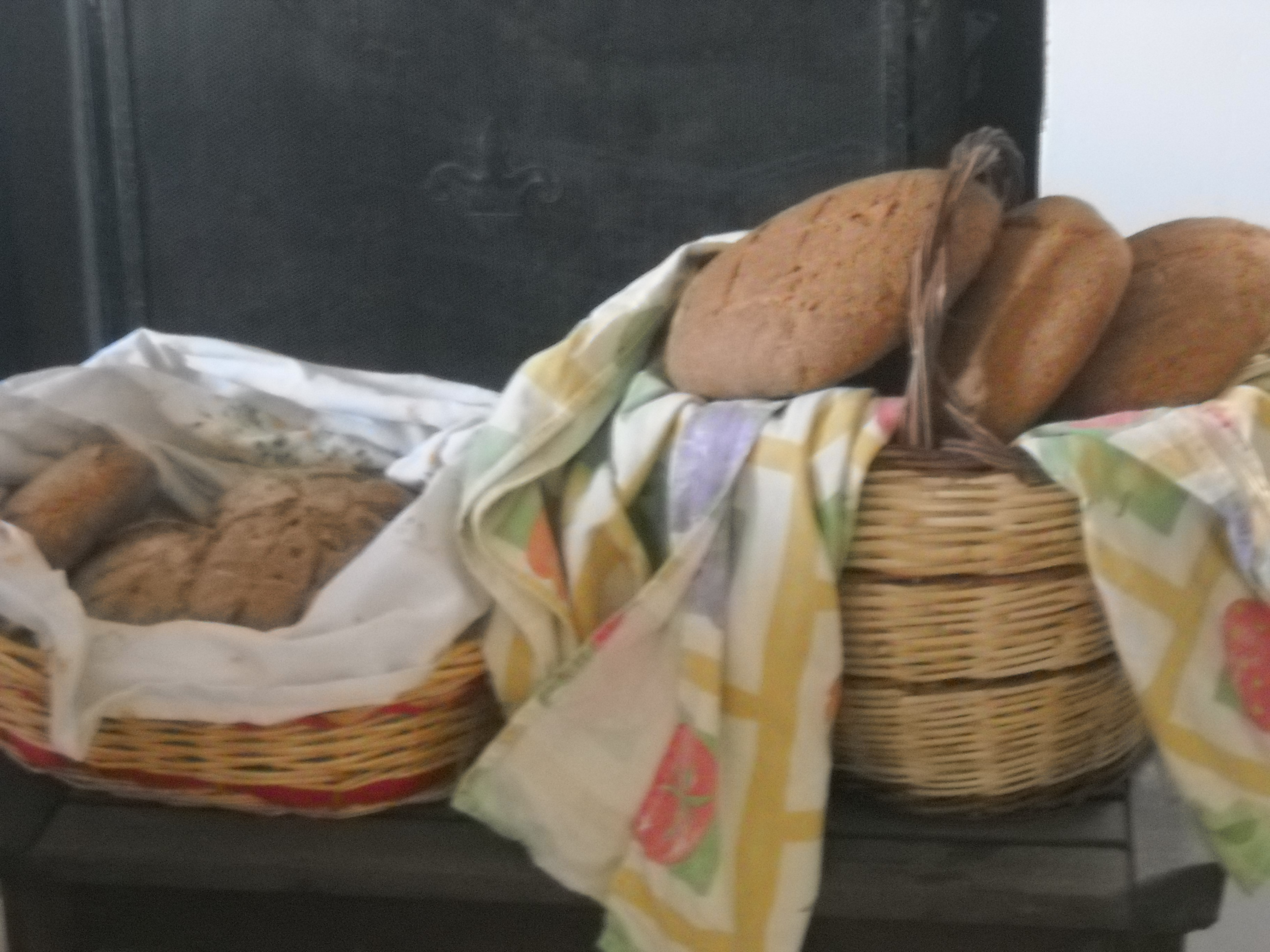
Great taste!
I recently was invited to attend an event at the Museo del Carretto Siciliano, Museum of the Sicilian Cart, located in the town of Aci S.Antonio. Aci S. Antonio is famous for the many artists and artisans that have lived and still live there that have dedicated their lives to the creation of Sicilian Carts.
The event was the presentation of a book on the Sicilian Cart, Il CARRETTO SICILIANO, Memoria e tecnica per non dimenticare. written by GIUSEPPE DI BELLA. This book not only travels through the history of the Carretto Siciliano and some of the artists and artisans that have composed its history, but it also takes the task one step forward. The book provides technical details, through 3D modeling and rendering, created by both the author, Giuseppe Di Bella, and Andrea Raiti.
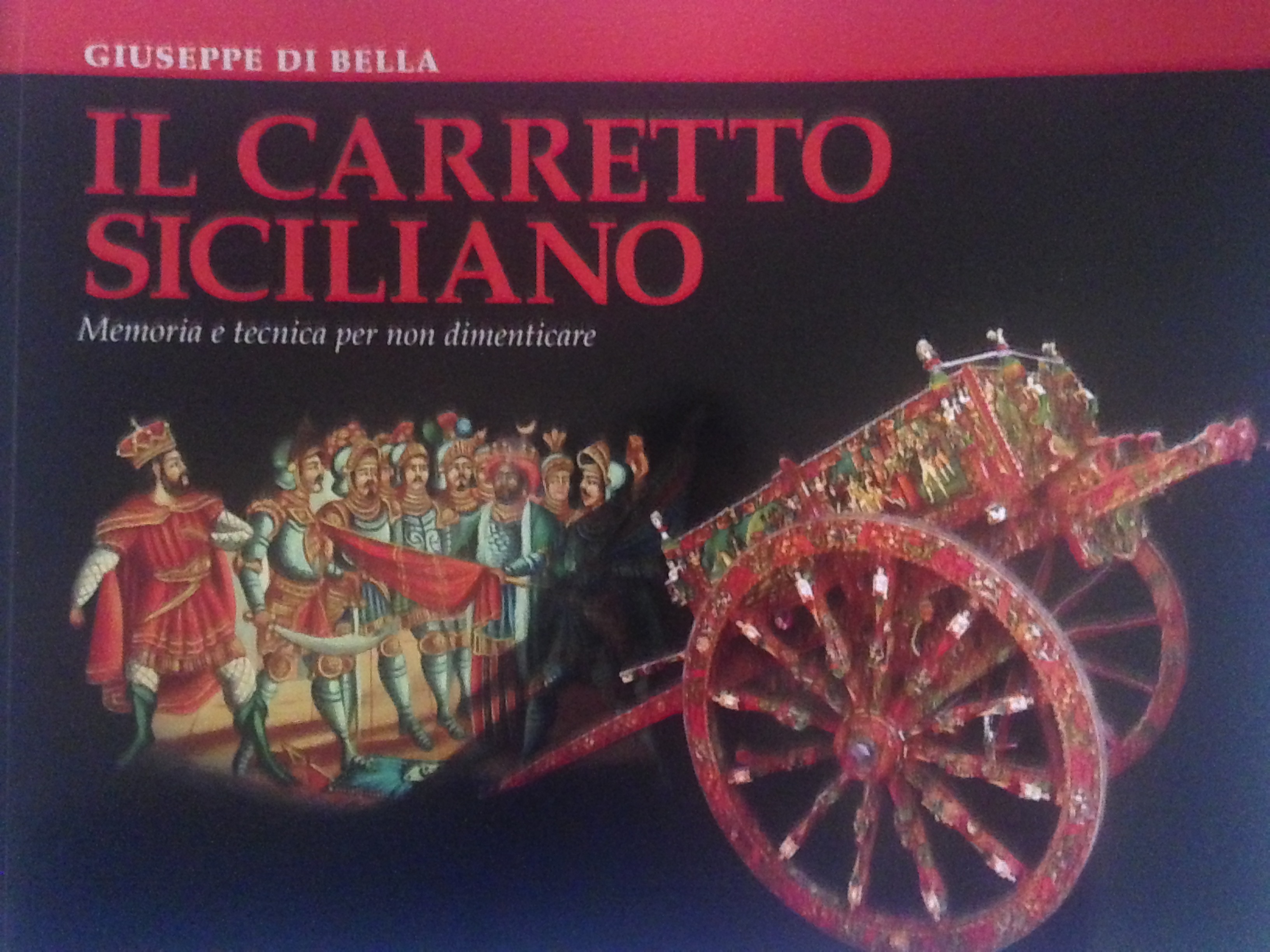
I was invited by Signora Nerina Chiarenza, a female artist, painter of Carretti Siciliani, who for over forty years has carried out the art of painting il Carretto Siciliano.
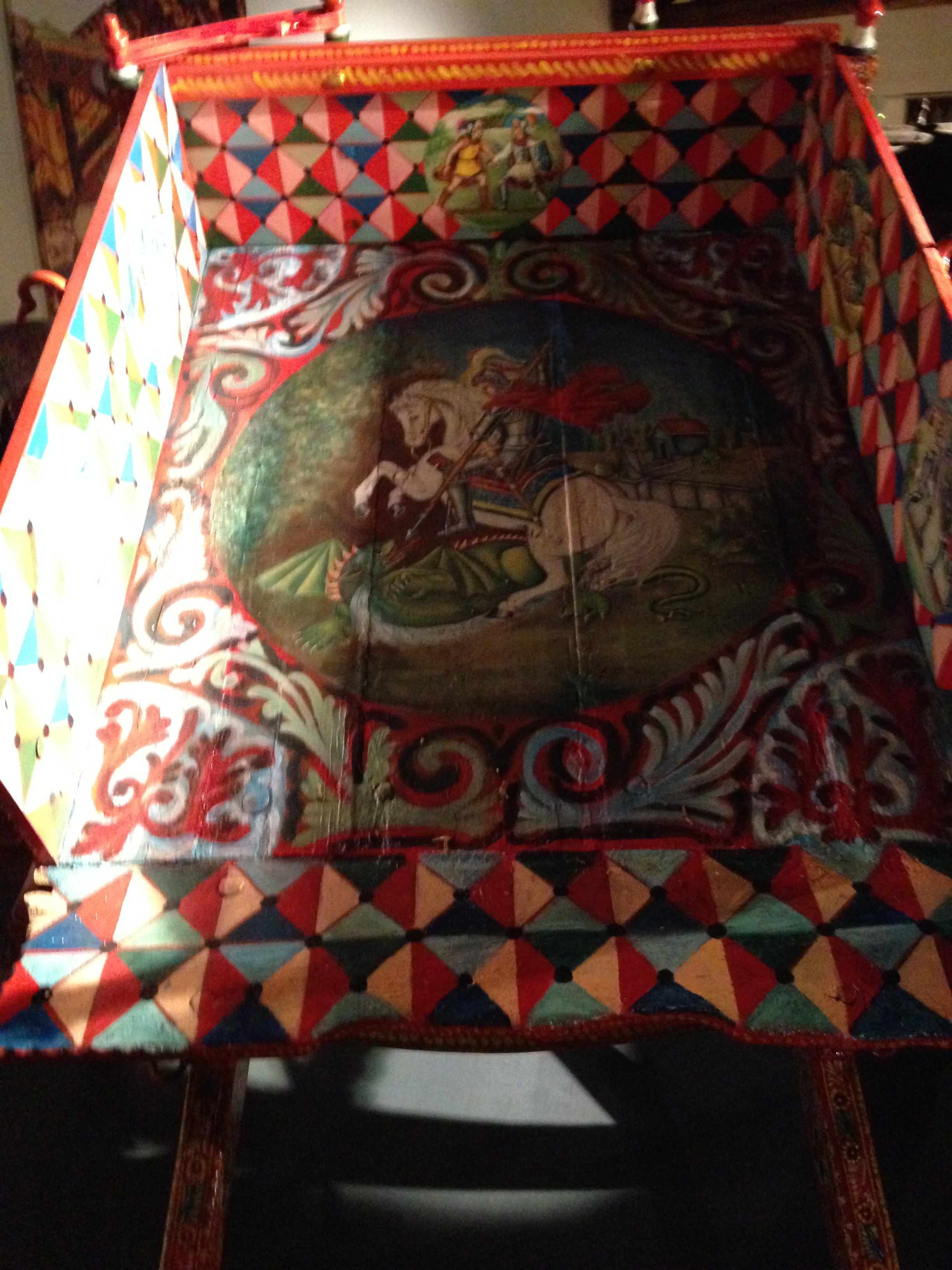
Picture of two “sponde laterali” sides of a carretto on display during the event and painted by Sig.ra Nerina Chiarenza.

As those presenting the book stated, this book revisits the history of the Carretto Siciliano through three paths, the artistic in the paintings, the folkloristic aspect and the engineering aspect in its technical descriptions and details. Many interesting facts were shared regarding the history of the Carretto Siciliano. To cite one example, it was interesting to learn that a Carretto Siciliano was built in such a way that one thousand kilograms of lava rock could be carried without any strain to the animal pulling it; the weight would be equally distributed among the parts of the cart.
Several artists who were present at the event were recognized for their commitment to this trade over scores of years. One of the members of the panel presenting the book is also a musician, who travels around the world sharing the Sicilian storytelling tradition. He shared some interesting anecdotes tied to Sicilian traditions and while playing his guitar sang some traditional Sicilian stories.
After the presentation, everyone visited the Museum. The Museum of the Sicilian Cart in Aci S. Antonio was inaugurated recently, in July of 2014, and will grow as a testimonial of the history of the Sicilian Cart.
Museo del Carretto Siciliano
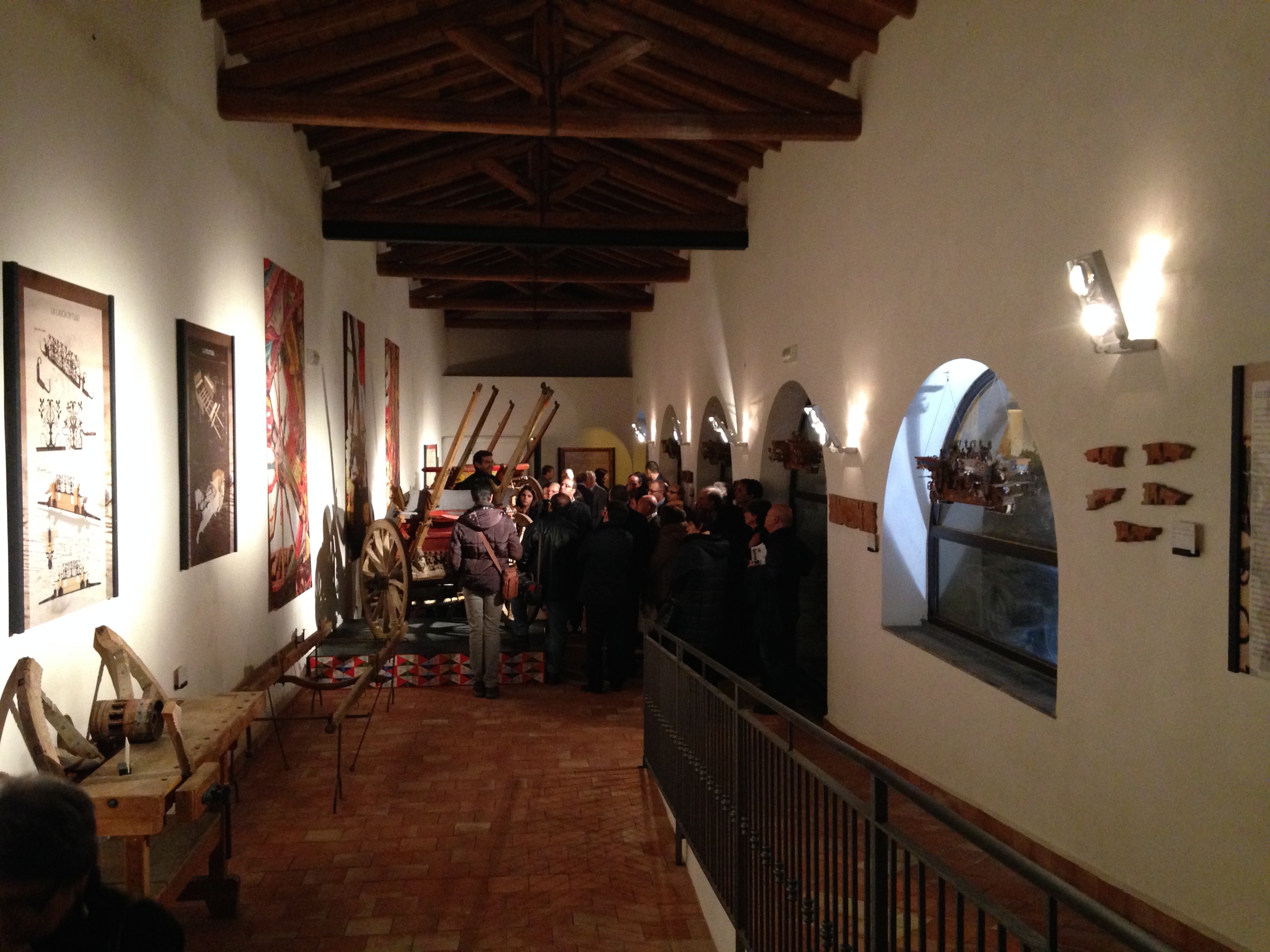
Some carts on display at the Museum


On November 1st, 2014, I joined a group of local residents of Catania in a day of exploring the city under the program “Trekking Urbano” which was carried out in several cities around Italy. The purpose of the activity was for the local residents to take the time to visit some areas of the city and learn about its history with regards to architecture, politics and culture to name a few. I had attended the first Urban Trekking that took place a few years ago in Catania and it is described in another post in this blog.
This year marks the one hundredth anniversary of the beginning of the Great War. Each city participating in the Urban Trekking program this year in Italy, on this specific weekend, had a theme connected to the general era of the early 1900’s. For Catania, the theme was “CATANIA La Belle Epoque.” The focus of the excursion around the city was to visit some locations that offered testimonials of the time when this city enjoyed a period of splendor. Specifically, during the first decade of the 1900’s Catania was a city that offered an array of activities as a number of theaters, cinemas, trendy coffee shops, elegant buildings built in the Liberty style. All of this was taking place in the beginning of the 20th century, just a short time before this atmosphere would be interrupted by the start of the Great War.
Etna ‘ngeniuosa, a cultural association, was running this specific program on that day. I have taken day trips with the guides of this association in the past, mostly with Matilde and Aristide who founded it years ago. Now, for the first time, I realized how the association has grown and how many more guides are part of it. There were three guides on this specific day’s excursion, November 1st, and they were Matilde, Teresa and Oreste. I have known Matilde for years and always enjoy her outstanding explanations and respect her deep knowledge of local history.
Following are just few highlights of the city visit; the actual experience was much more in detail and vivid!
Our meeting place was Piazza Universita’. Here one can see two buildings of the University of Catania quite familiar to me as I attended this specific branch of the University of Catania before moving away many years ago!!

The Sangiorgi Theater was built in 1860. Its architect, after whom the Theatre was named, came from a humble local family. Sangiorgi traveled abroad and brought his newly acquired knowledge of architectural styles back to Catania. This building portrays a style that was influenced by Sangiorgi’s visit to Paris. During the early 1900’s this was one of the great places in the city. Here there was a hotel, a restaurant, cafe’, the theatre which offered performances that were more in the style of Cafe’ Chantal in Paris than other local theatres.
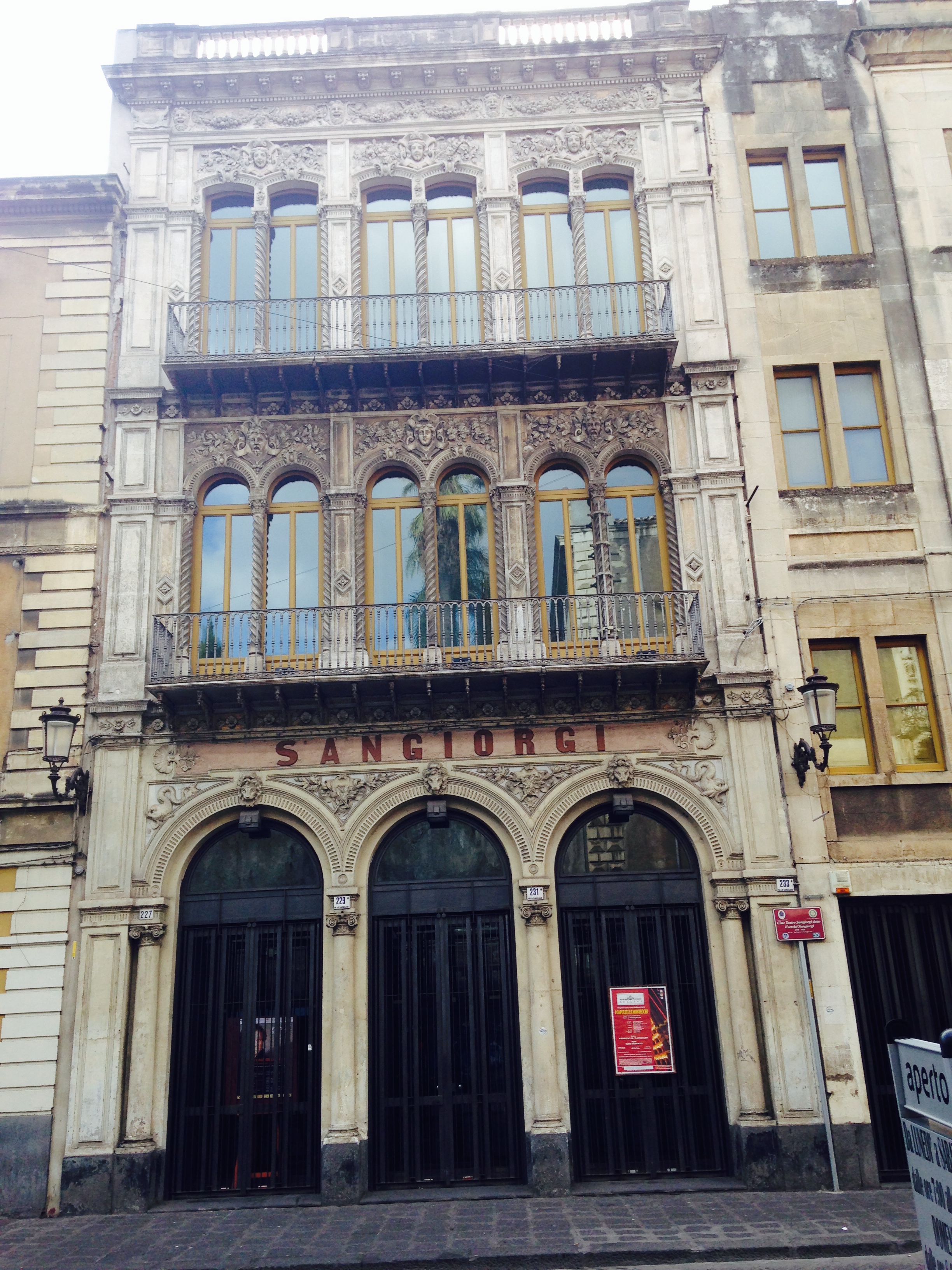
Negozio Frigeri
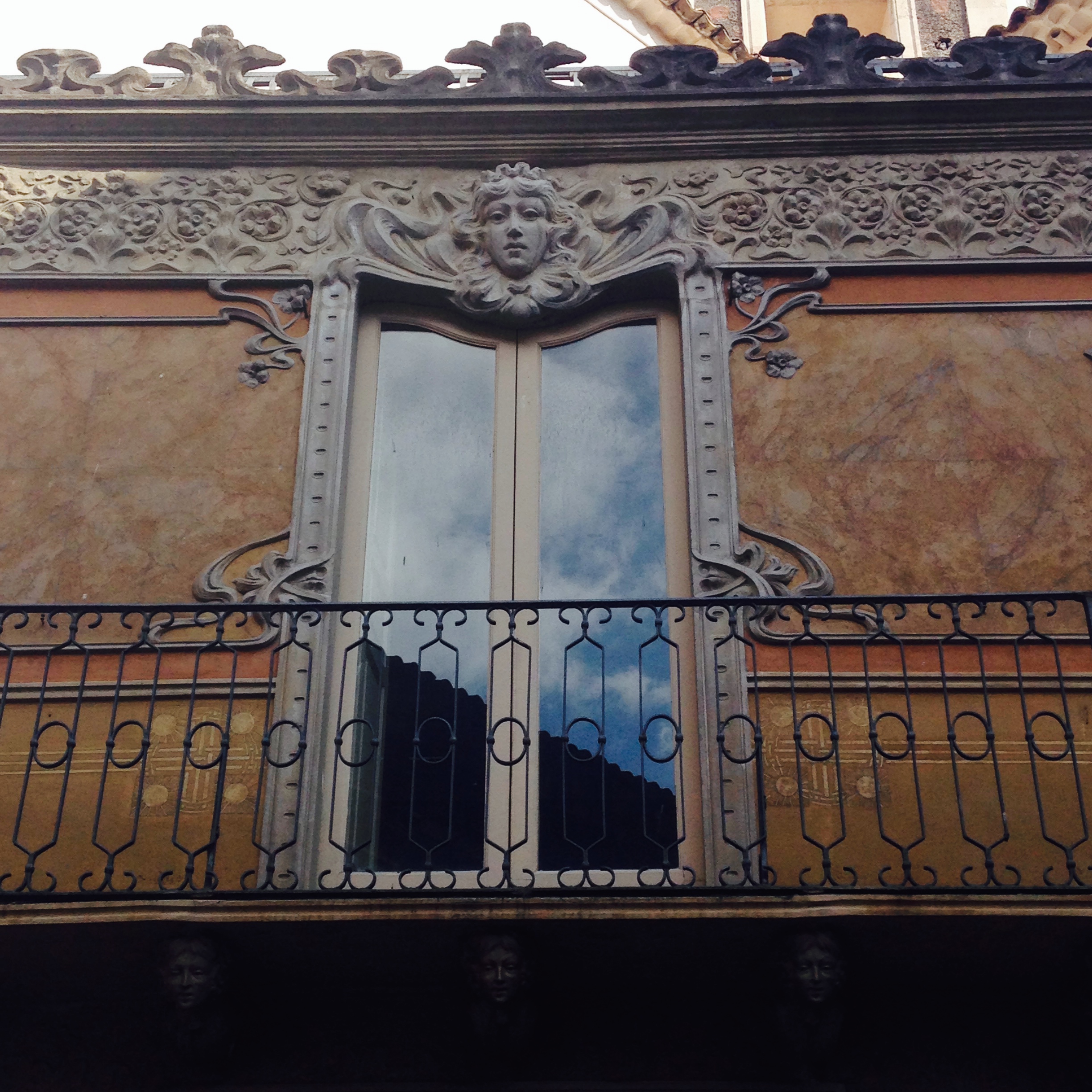
I had photographed this building in the past while walking by as it is absolutely gorgeous.

Negozio Frigeri is in the Liberty Style portraying some architectural details that are not usually found in the city. As our guide pointed out, the band of flowers is usually adorning country villas and not buildings constructed in the city.
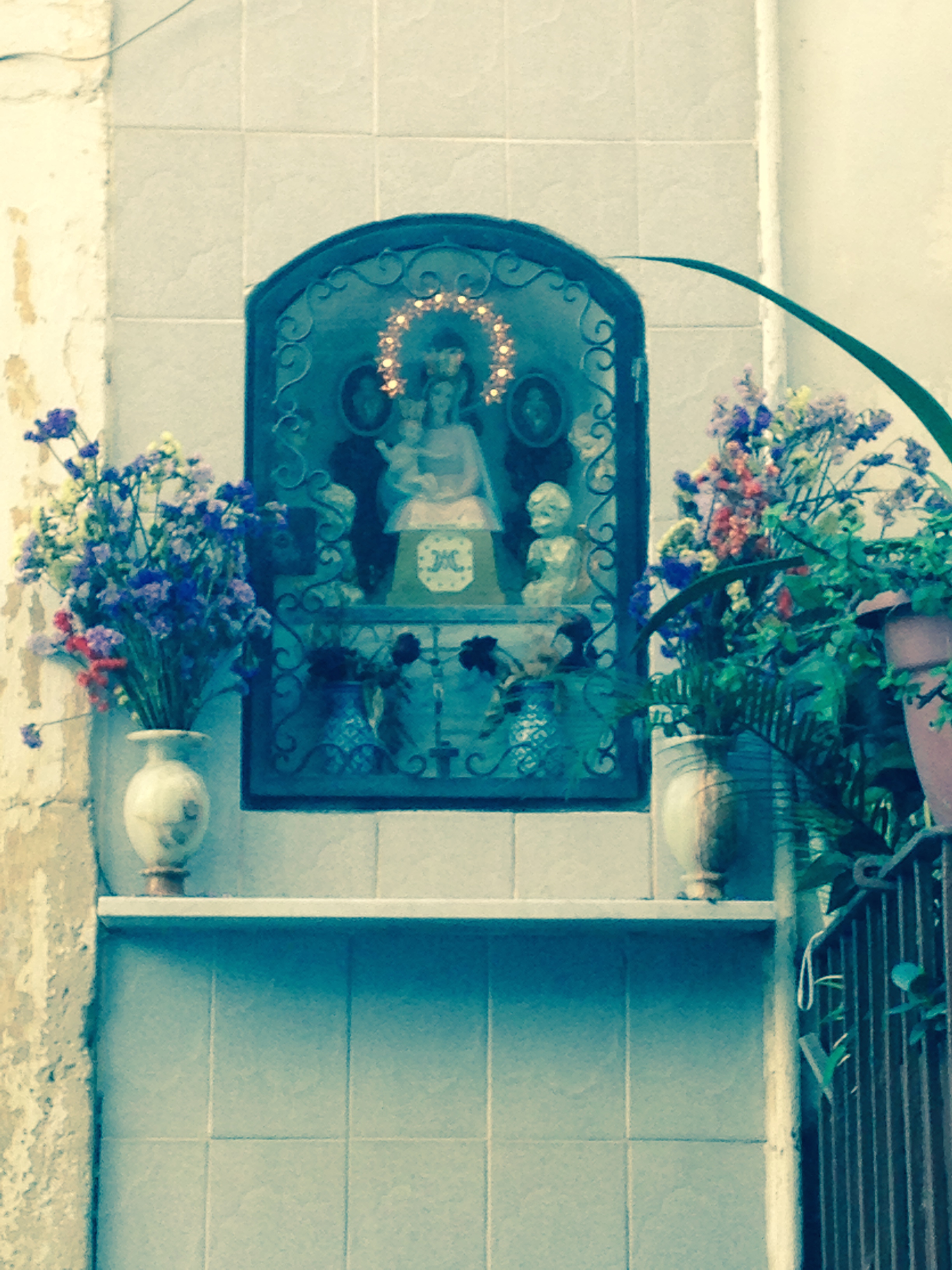
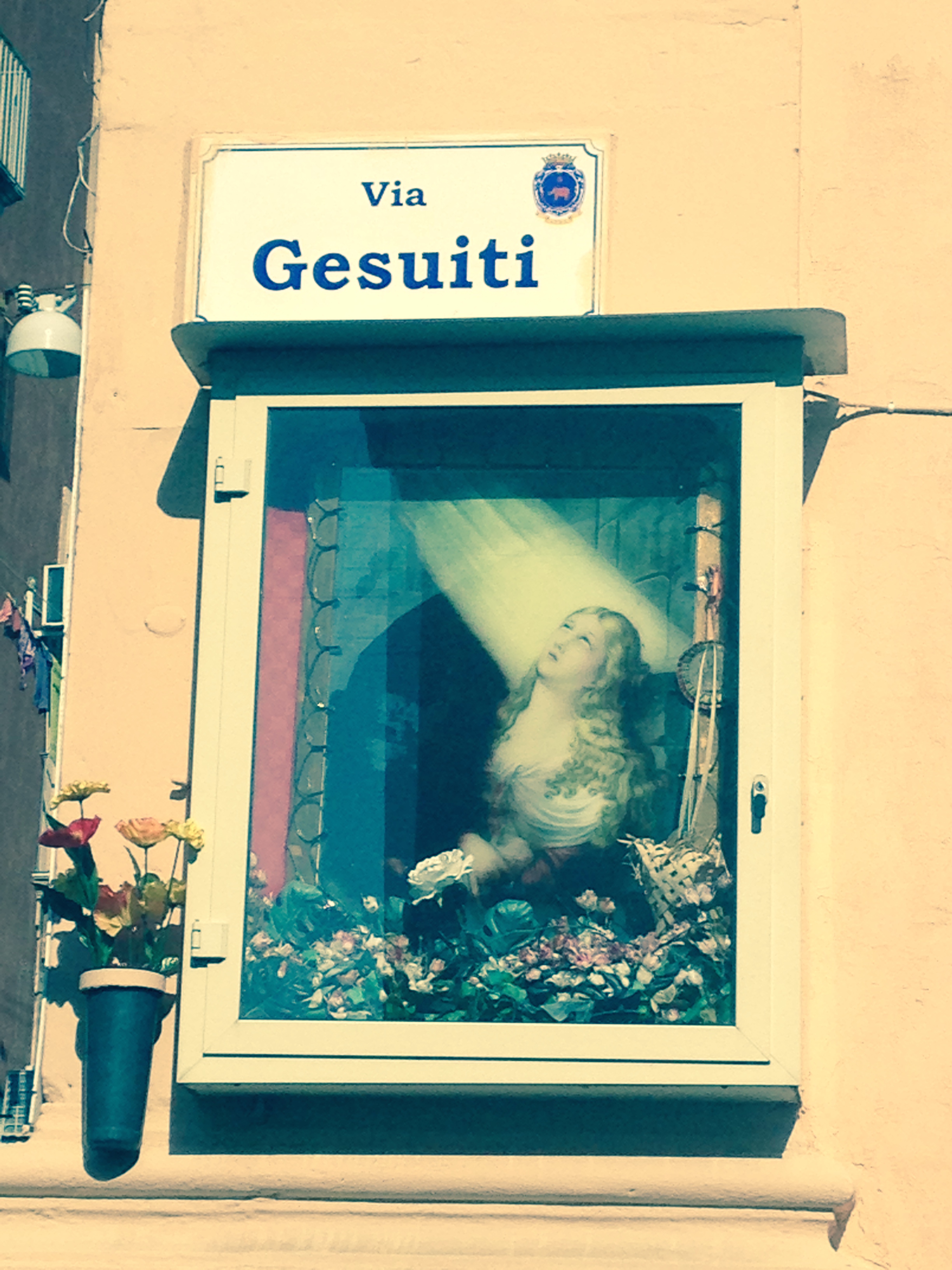
As we walked, I took pictures of three “altarini.” These were not part of the guided tour, but I am always fascinated by them.
These “altarini” usually represent religious figures and people stop for a moment of reflection and some also place fresh flowers in the proximity.

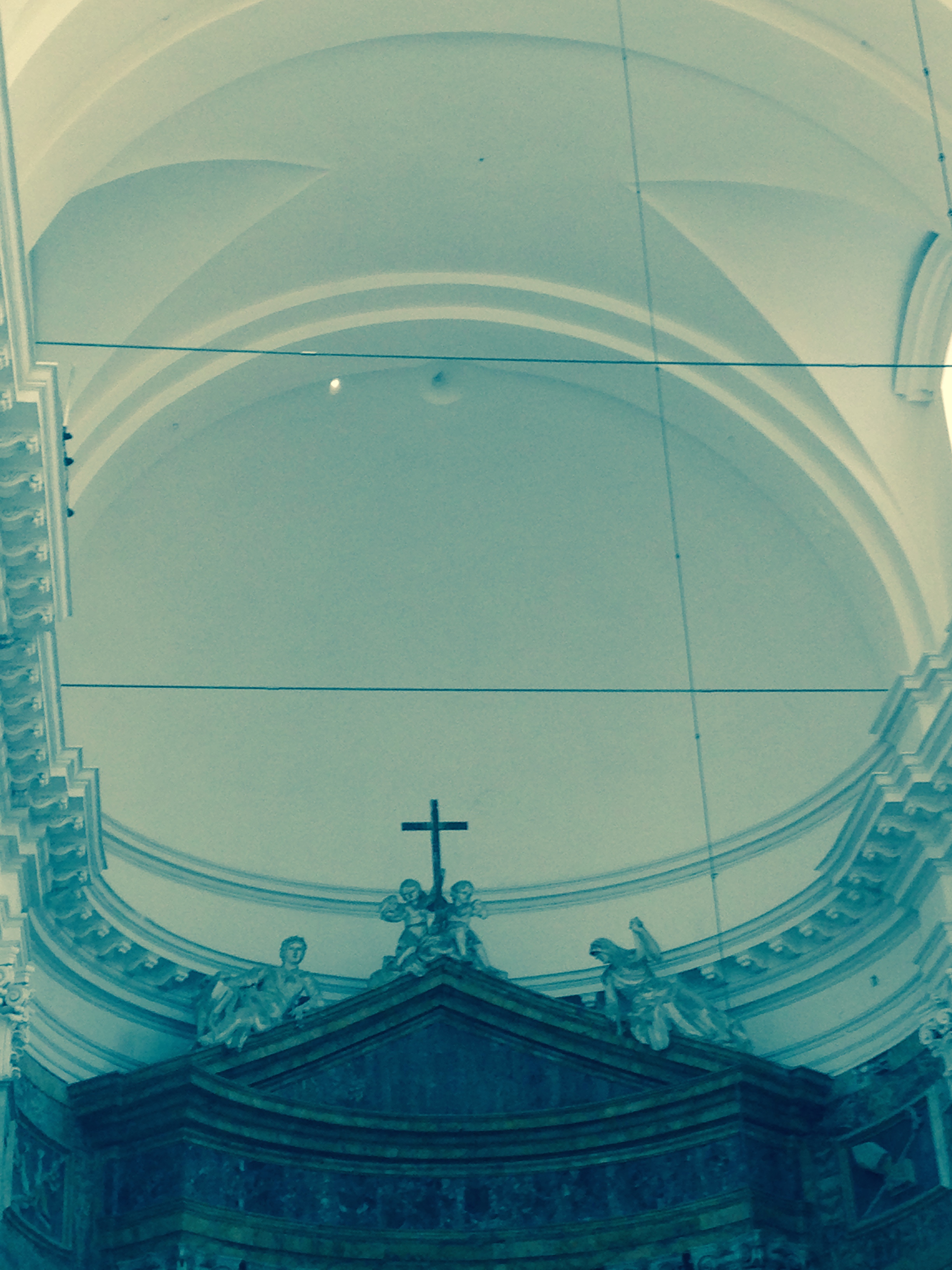
The one church we visited was Chiesa San Nicola in Piazza Dante. This church has a sundial built into the marble floor and I remember years ago visiting the church while the sundial was being restored.
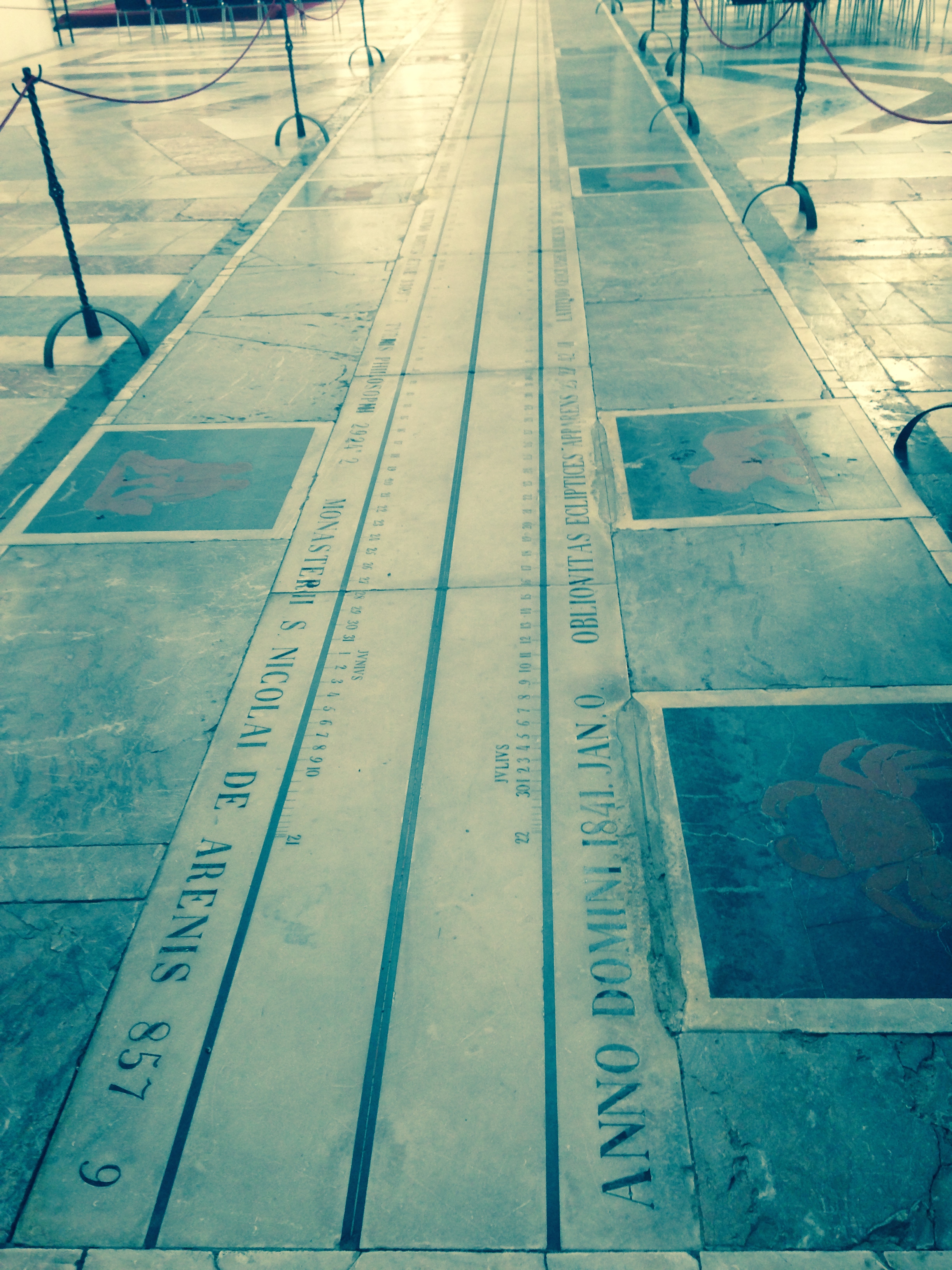
The picture below shows the inside of the cupola of the church where the hole allows the sun ray to pierce through and hit the sundial.
Our final destination on that day was the Roman Amphitheater in Piazza Stesicoro. This point used to be in the outskirts of the city as Roman theatres were usually built in that location. Now it stands in the heart of the city as the busy streets with their traffic wrap around it!
These are just a few of the buildings and history shared on that day !! Thank You Etna ‘ngeniousa!!!

Ragusa Ibla, a baroque gem lying in the Val di Noto, in the southeastern part of Sicily, is a live showcase of circus performers when each year the Ibla Buskers Festival is held. This year marked the twentieth year since the festival started. For four nights in October, there were street performers all over town carrying out their talent and skills with an audience which reached the thousands over the period of the festival. Some of the many performances included acrobats from various countries, a fire handler, an artist creating music on crystal glasses, storytellers,and musicians.
The colors of the baroque buildings in their golden hues at night under the glow of the street lights added to the whole ambience and sense of magic!
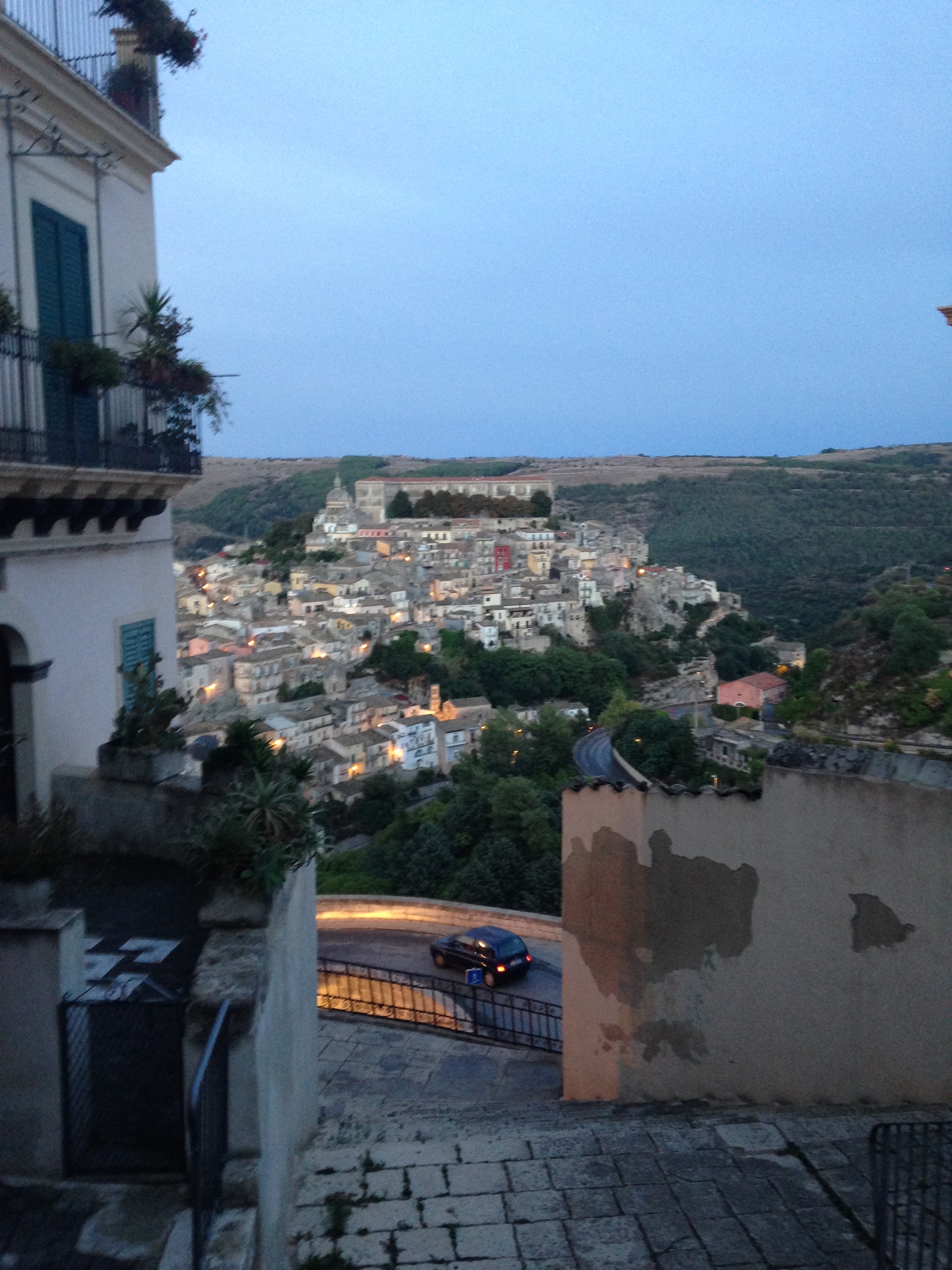
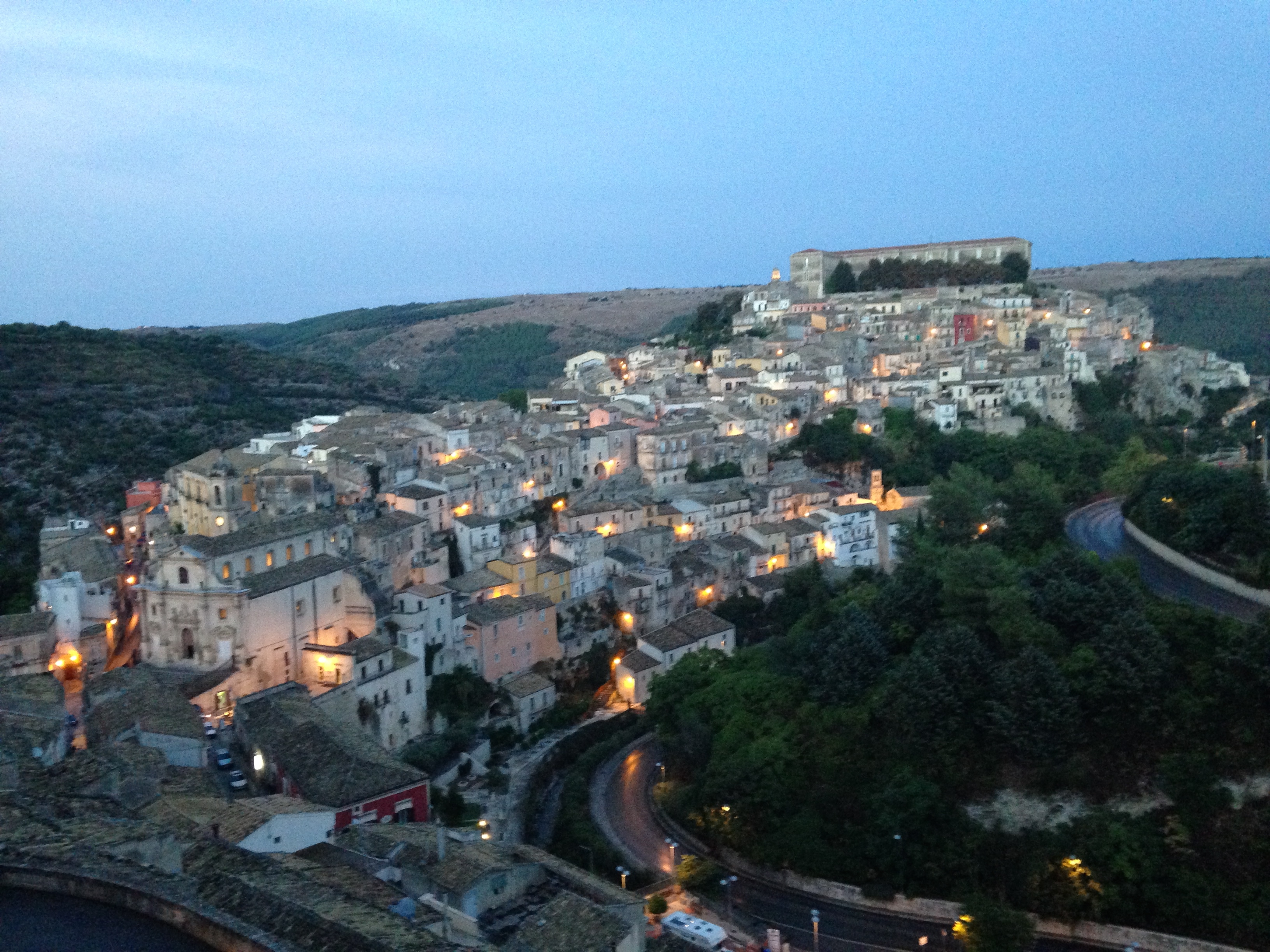
Ragusa Ibla seen from the top of the staircase leading to it from Ragusa up high.
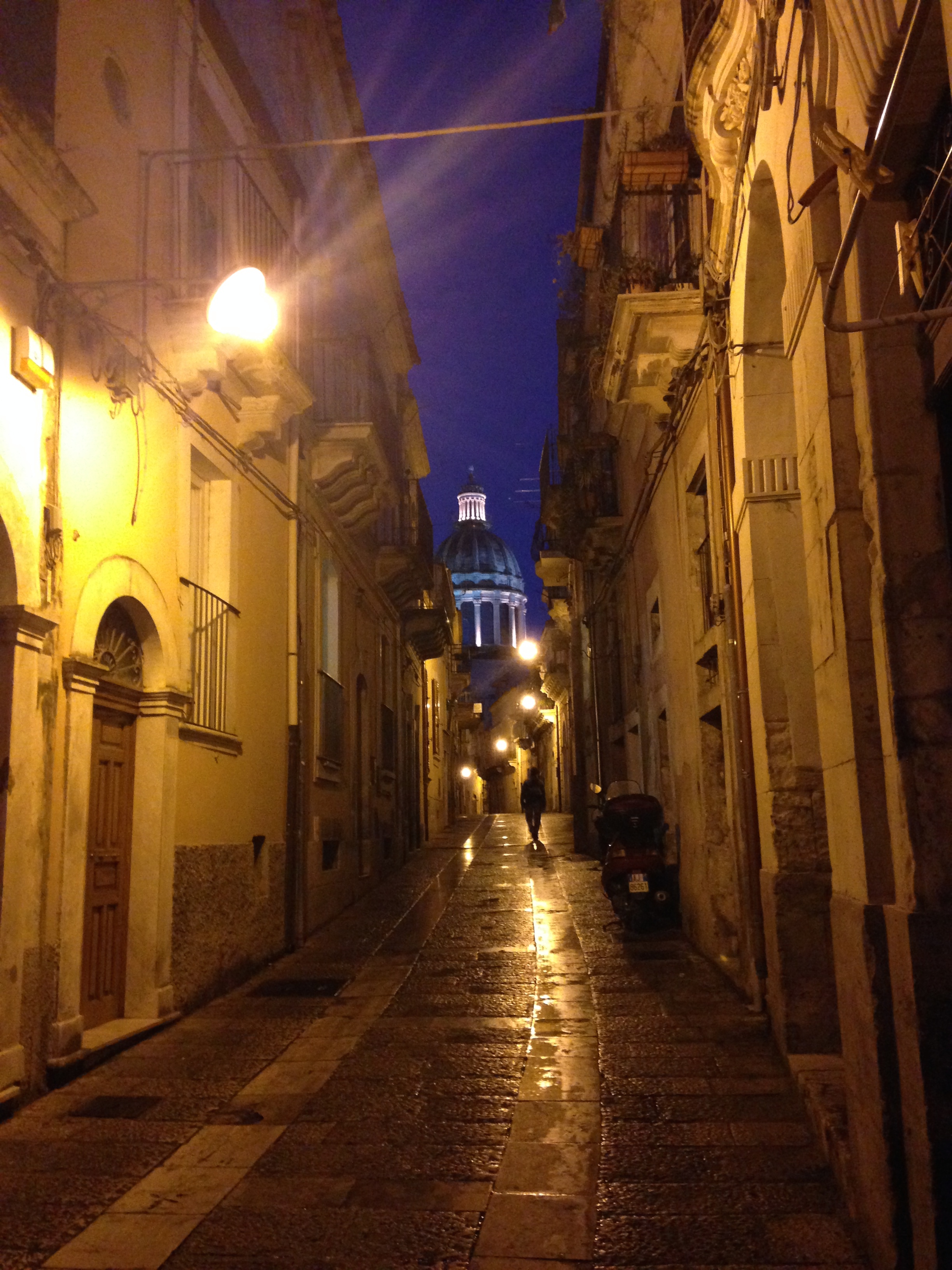
Ragusa Ibla alley

Baroque balcony

Master of ceremony and his sidekick

Fire handler

Acrobat
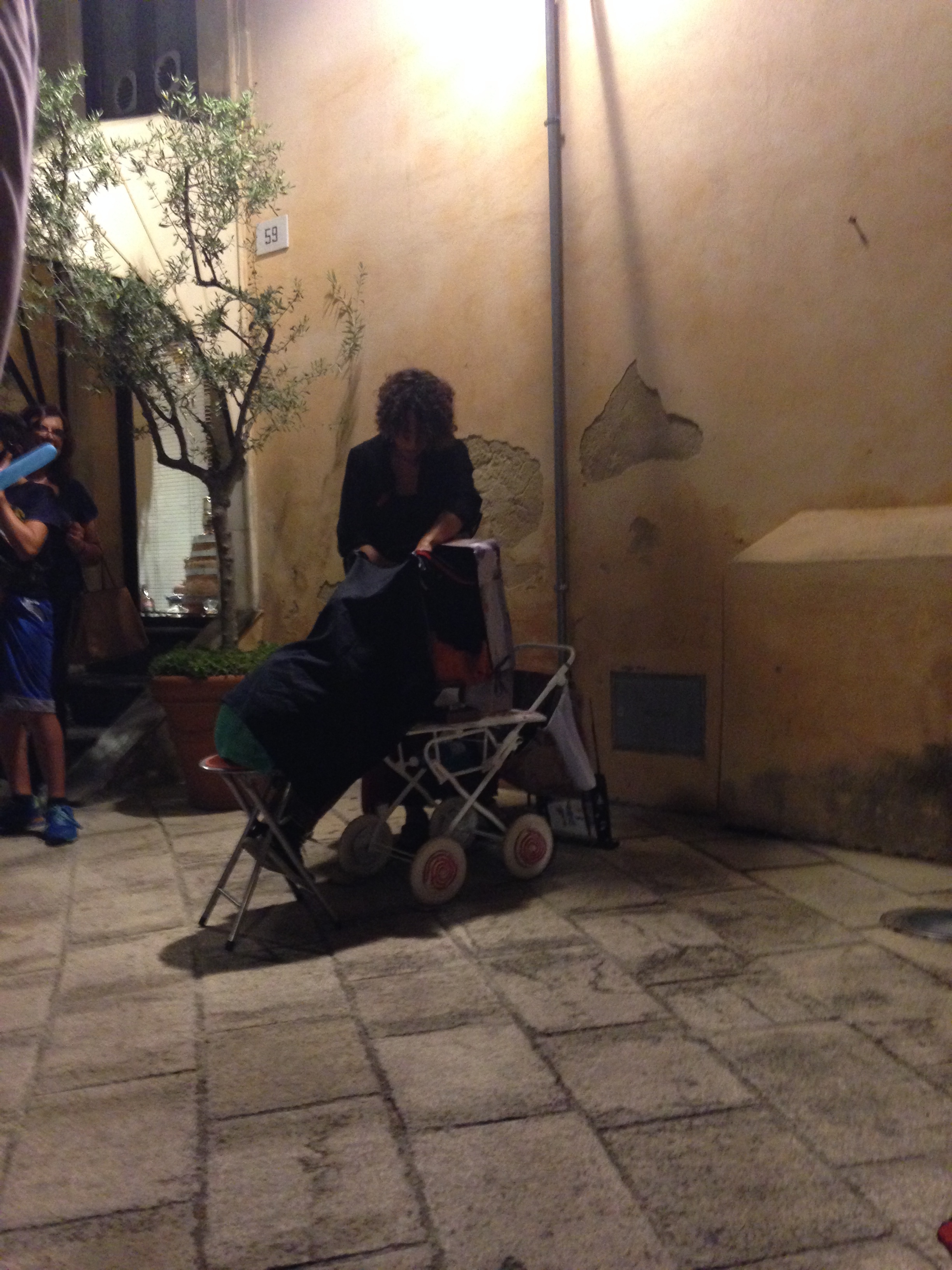
Enchanting storyteller

Great band

Fortune teller
The town of Noto was built after the earthquake of 1693 on a different site of the original town, Noto Antica, destroyed by the earthquake.
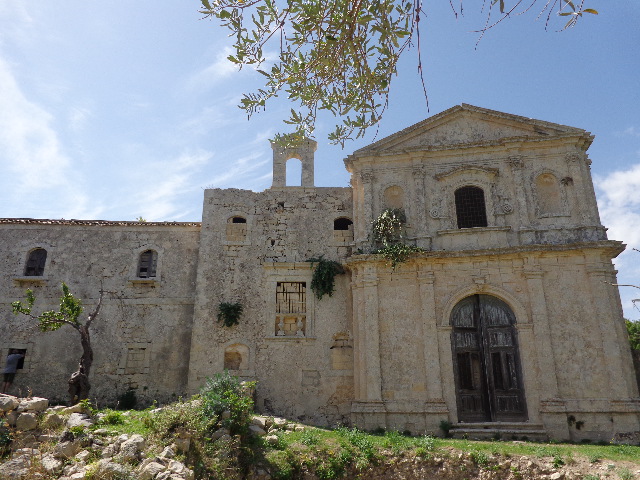
A visit to the Ancient Noto site reveals some ruins that date back to the Greek period as well as buildings built after the earthquake, as for instance the Eremo, Monastery, built after the earthquake and abandoned just one hundred years later.
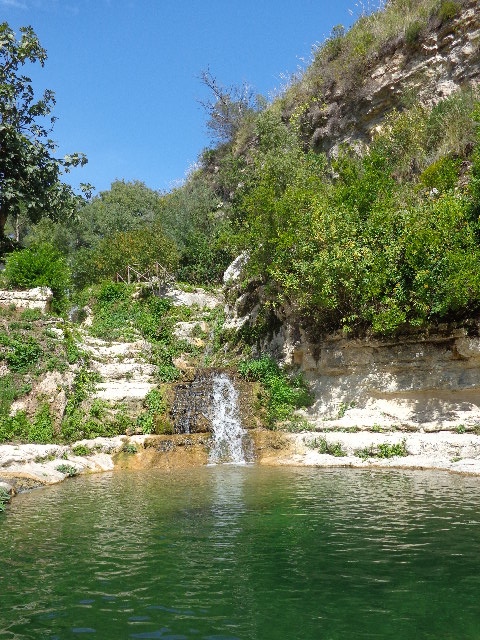
A visit to the site would not be complete without exploring the natural surroundings, including a natural pond with a small waterfall feeding it and one hidden behind some trees beyond it which is best left alone for its dangerous nature.

Entrance to Noto Antica
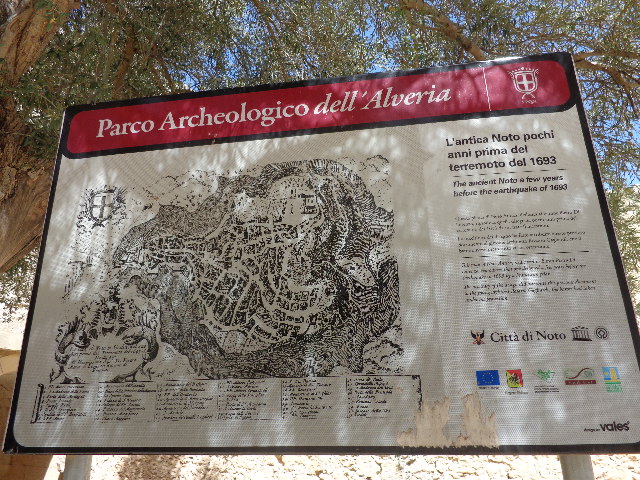
Entrance on the Mountain Side
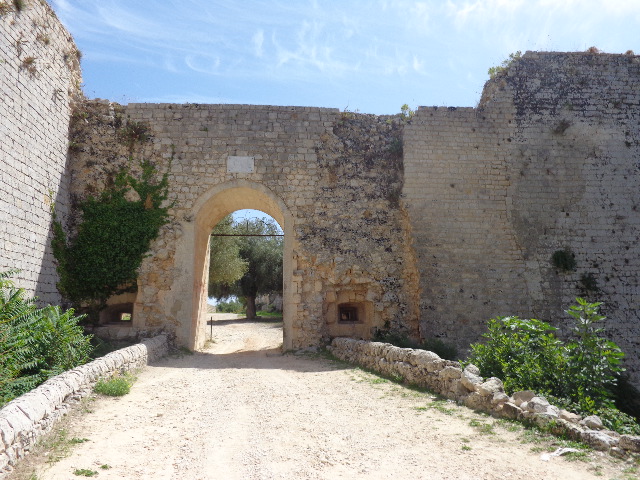
Palazzo Reale
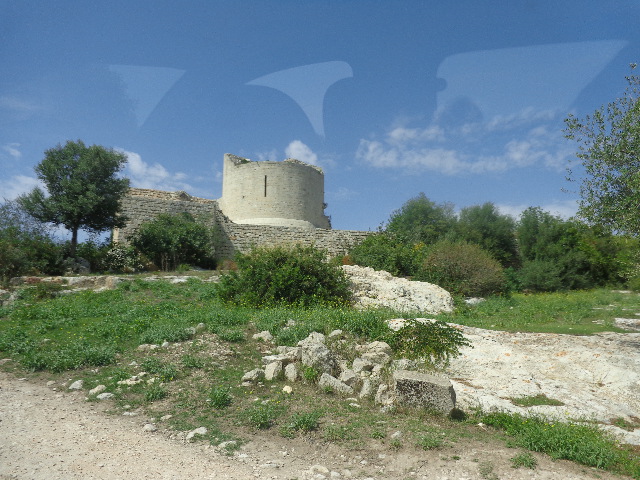
Heroon – Greek Burial Site

Eremo S. Maria della Provvidenza – Monastery (built after the earthquake)
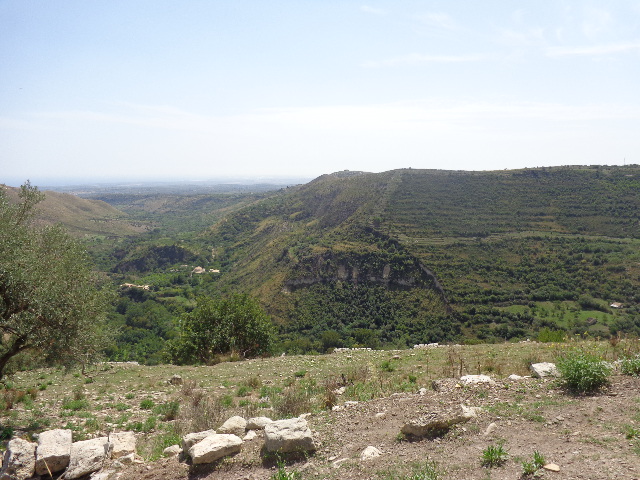
A View from Monastery
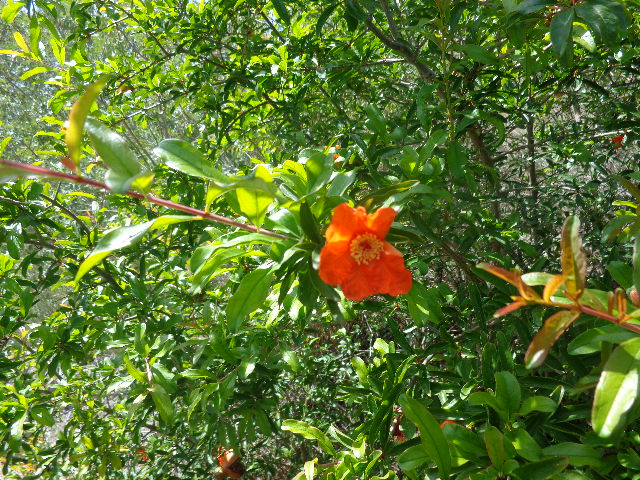
Wild Pomegranate

Pomegranate Flower
Caroub Tree
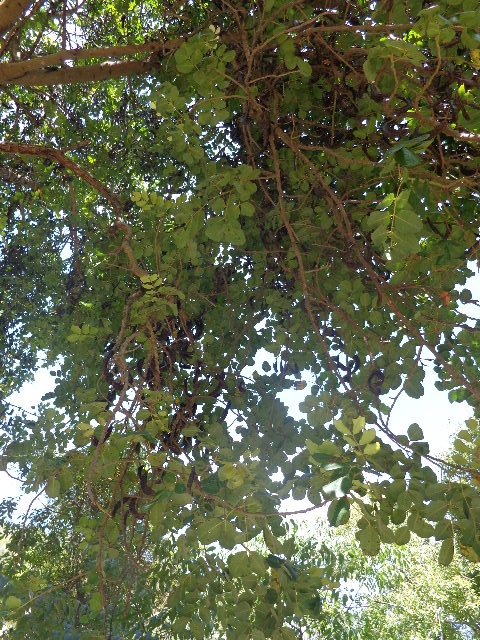
Caroub
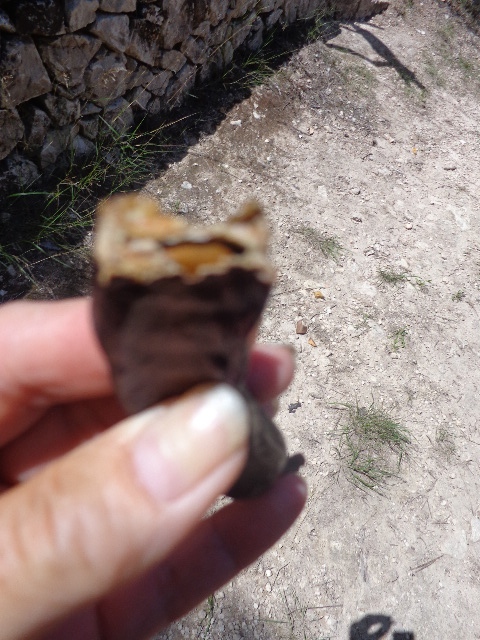
Fig Tree

Natural Pond
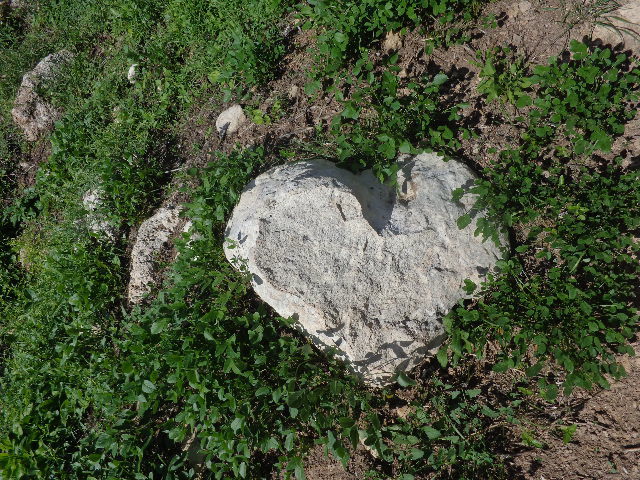
Heart in Stone
Simply Magical!!!!
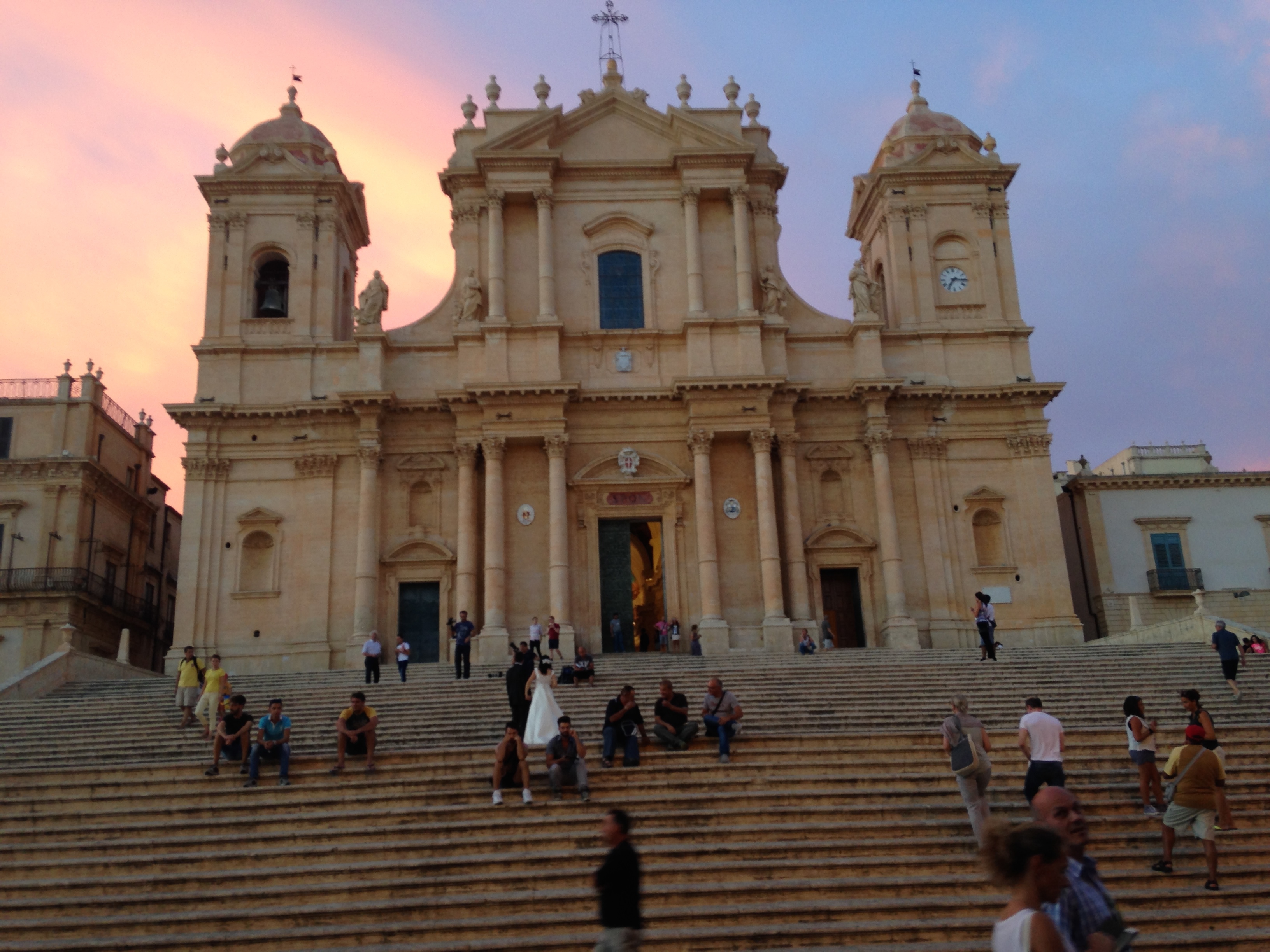

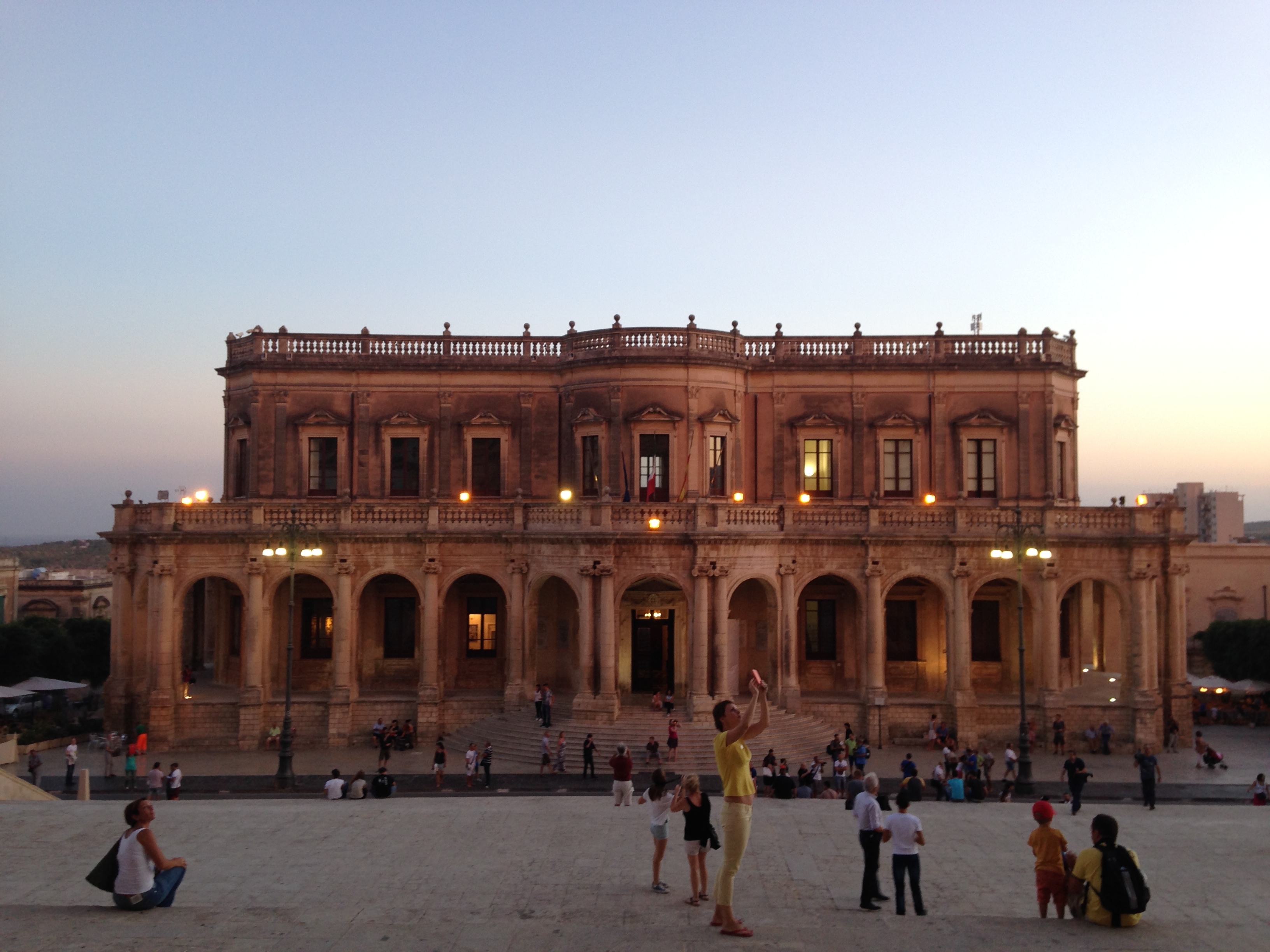
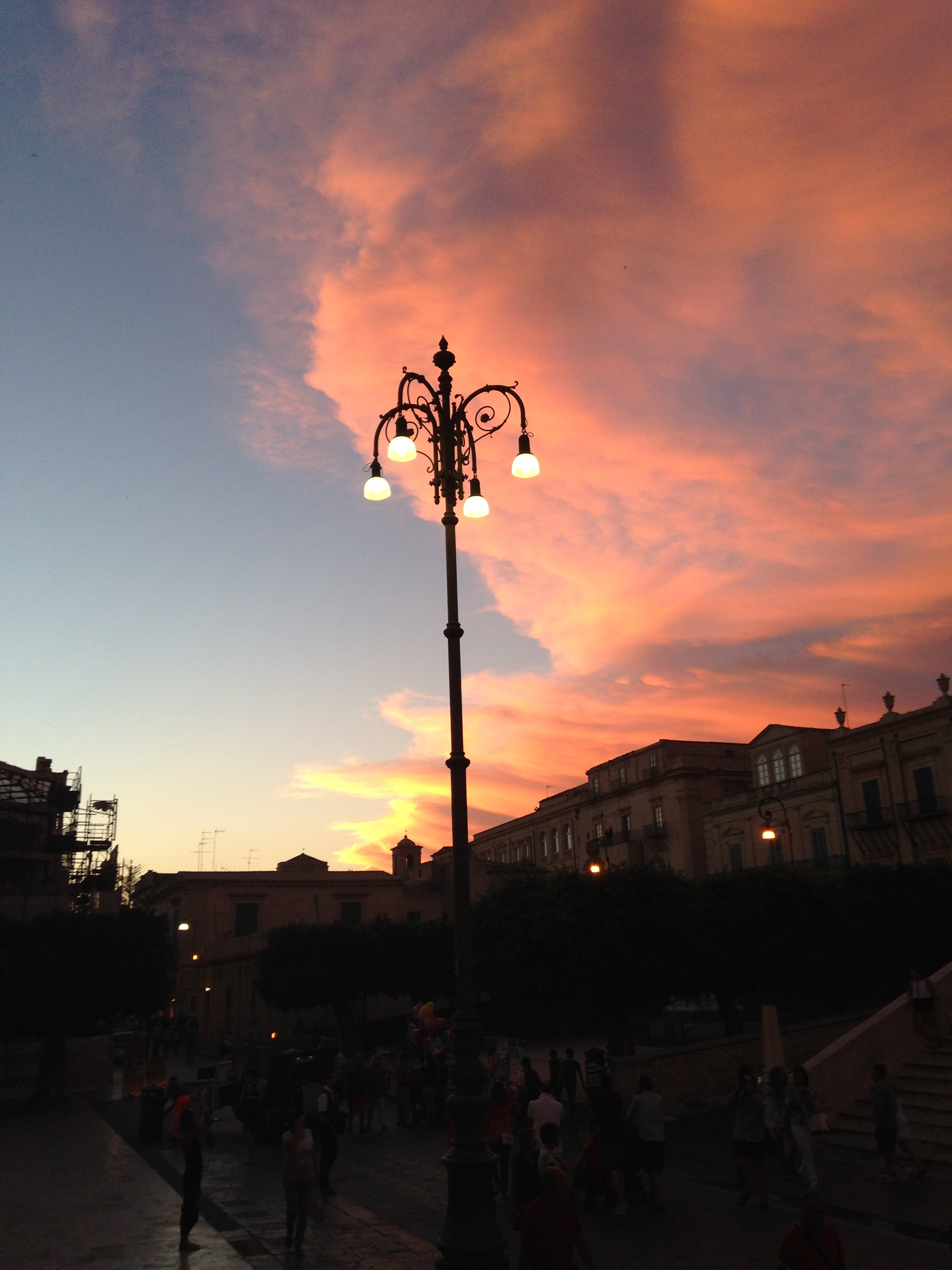


In the heart of the ancient section of the city of Catania lies an architectural testimonial to the city’s history. It is the Terme della Rotonda, the Roman Bath ruins where one can find the layers of two thousand years of Catania’s history.
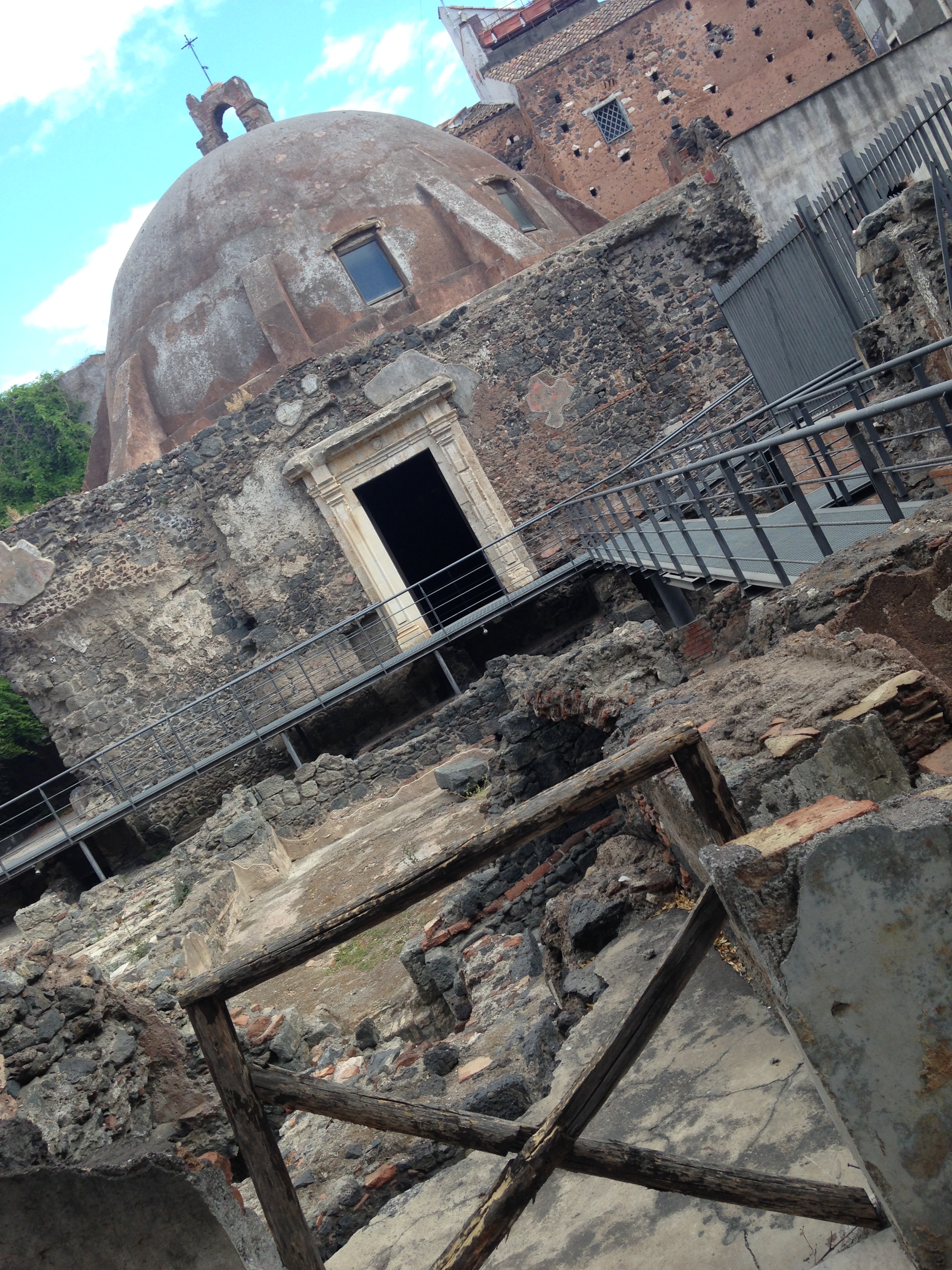
Nowadays, what remains of the Roman Baths is below street level. The Baths were built in the first century A.C., modified in the third and abandoned in the fifth. Roman Baths were an important element of Roman lifestyle and when the Empire ended so did their purpose, as the Christian lifestyle of the times did not lend itself to this kind of practice.
As one can often see in Roman structures, there were elements which still display today great practices in construction. For instance, in the circular structure seen below there were some lateral columns that separated the two levels of the structure. The purpose was to allow hot air to travel between the two levels and escape through the open bricks on the sides.

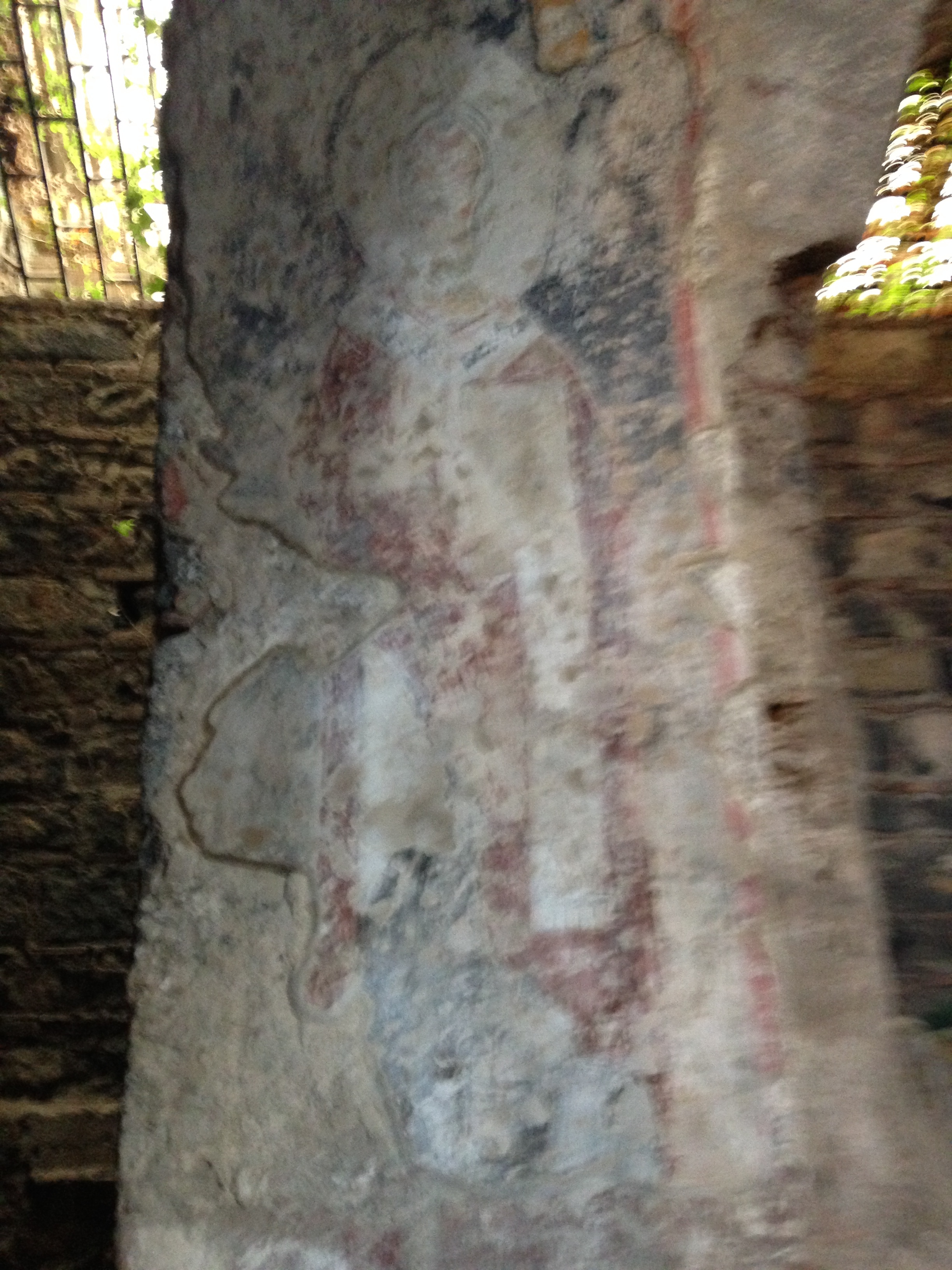
Over time, the Baths were literally forgotten and a neighborhood in the city of Catania was built over them. During that process, an Orthodox Church was built in the VII Century A.C. It was built over the original baths and later on it became a Roman Catholic church. This is the only building in the city of Catania that remained untouched by the 1693 earthquake. Not only did the church remain intact, but many of its frescoes testifying different times in history can still be seen today.
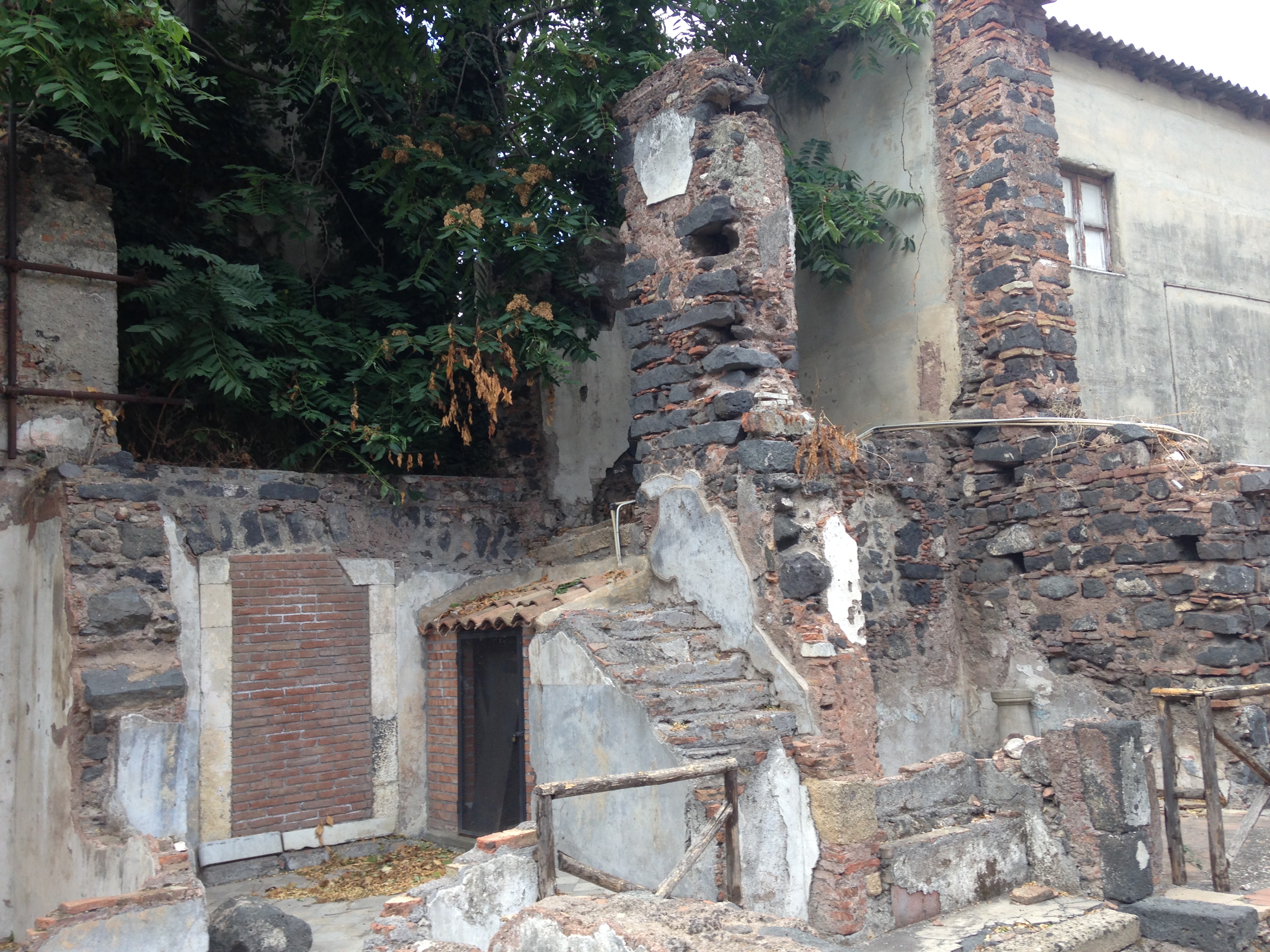
This area of Catania was hit hard by the bombing of WWII in 1943. Today, one can see the ruins to witness the event as in the picture below of a building and a small chapel which had been built on the site in the XVIII century.
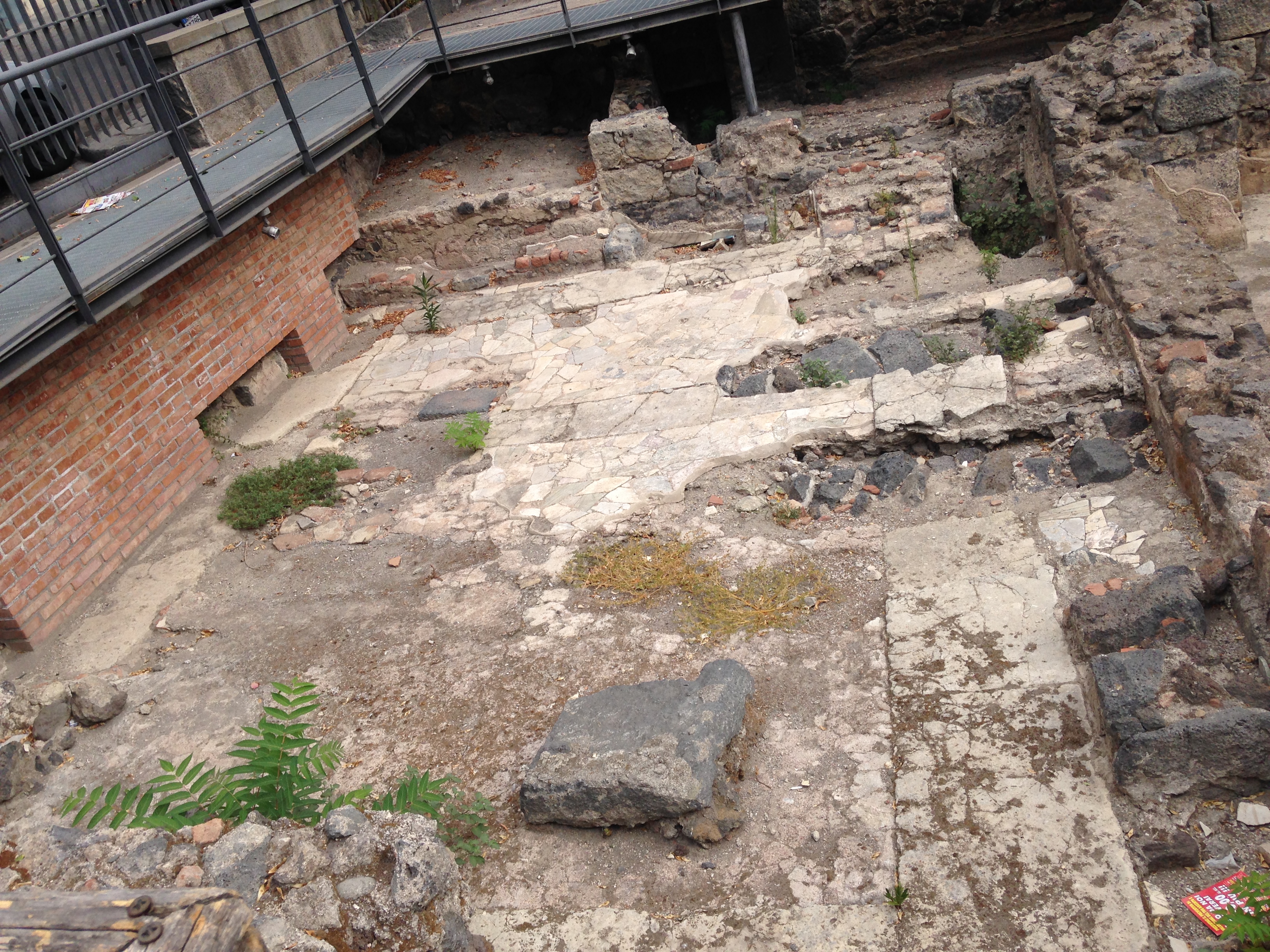
The picture below shows the area of the Baths that was the Sauna; the marble pieces of the floor are the remains of the original Roman floor. In this area heating was provided by warm air sent into the room through a pipe.
Finally, on one side of the site, one can see the remains of a cemetery built in the Middle Ages.. When this cemetery was uncovered, the finding of 200 burial sites provided many artifacts and evidence to better understand the lives of those who were buried here. The remains below are believed to belong to a warrior, dating back to the period between the end of the XIII and the beginning of the XIV centuries. Based on the height of the warrior, it is believed this was not a Sicilian, but perhaps one of the soldiers fighting with Frederick II.

More excavations are about to start on this site which keeps unfolding precious layers of Catania’s history!
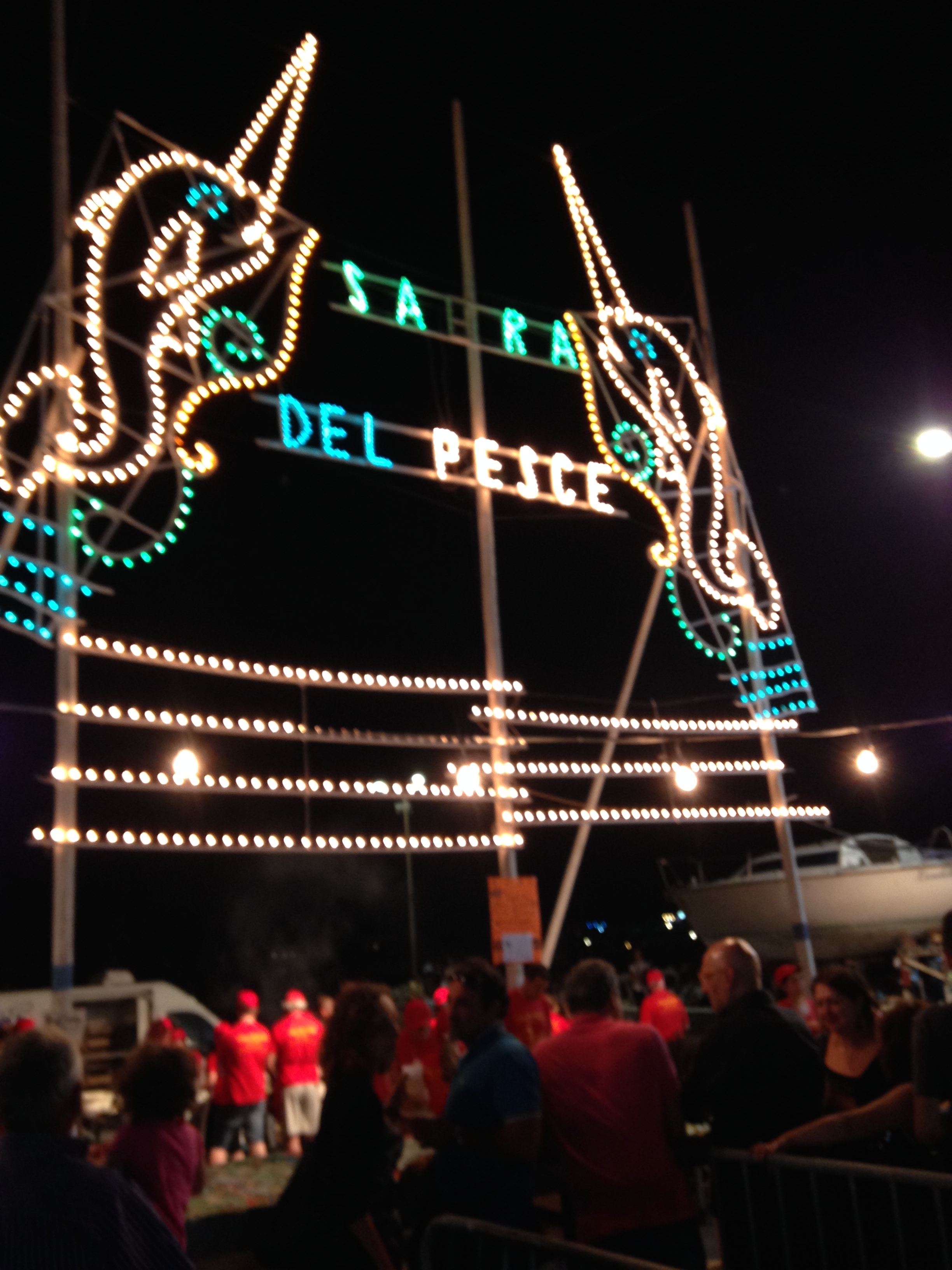
La Sagra del Pesce Spada, Swordfish Festival, takes place each summer in the town of Acitrezza. Acitrezza is located about fourteen kilometers north of the city of Catania on the eastern coast of Sicily. There are nine towns in the municipality of Catania that have names that start with ACI; this is due to the river Aci that flows in the area. One of the legends of this area, dating back to the time of the Greeks, states that the river Aci got its name from the shepherd, Aci. Aci was in love with Galatea, a local nymph, but unfortunately for him, the giant Polyphemus was also in love with Aci. Consequently, in a moment of anger, after seeing the two lovers together, Polyphemus threw a rock at Aci and killed him. As Galatea poured so many tears over Aci’s corpse, the Gods decided to turn Aci into a river and its waters still flow in this area today.

The swordfish festival this year was quite enjoyable on a pleasant summer night. Close to the harbor, some grills were set up and the fish was cooked right there. This Swordfish was seasoned with olive oil and freshly squeezed lemon juice and served with a salad and a glass of wine..

Besides the swordfish, there were also “crispelle” as seen in the picture below. These are fried stuffed dumplings which are stuffed with either ricotta cheese or anchovies. To distinguish one kind from the other, the ricotta ones are round and the anchovy ones are elongated.
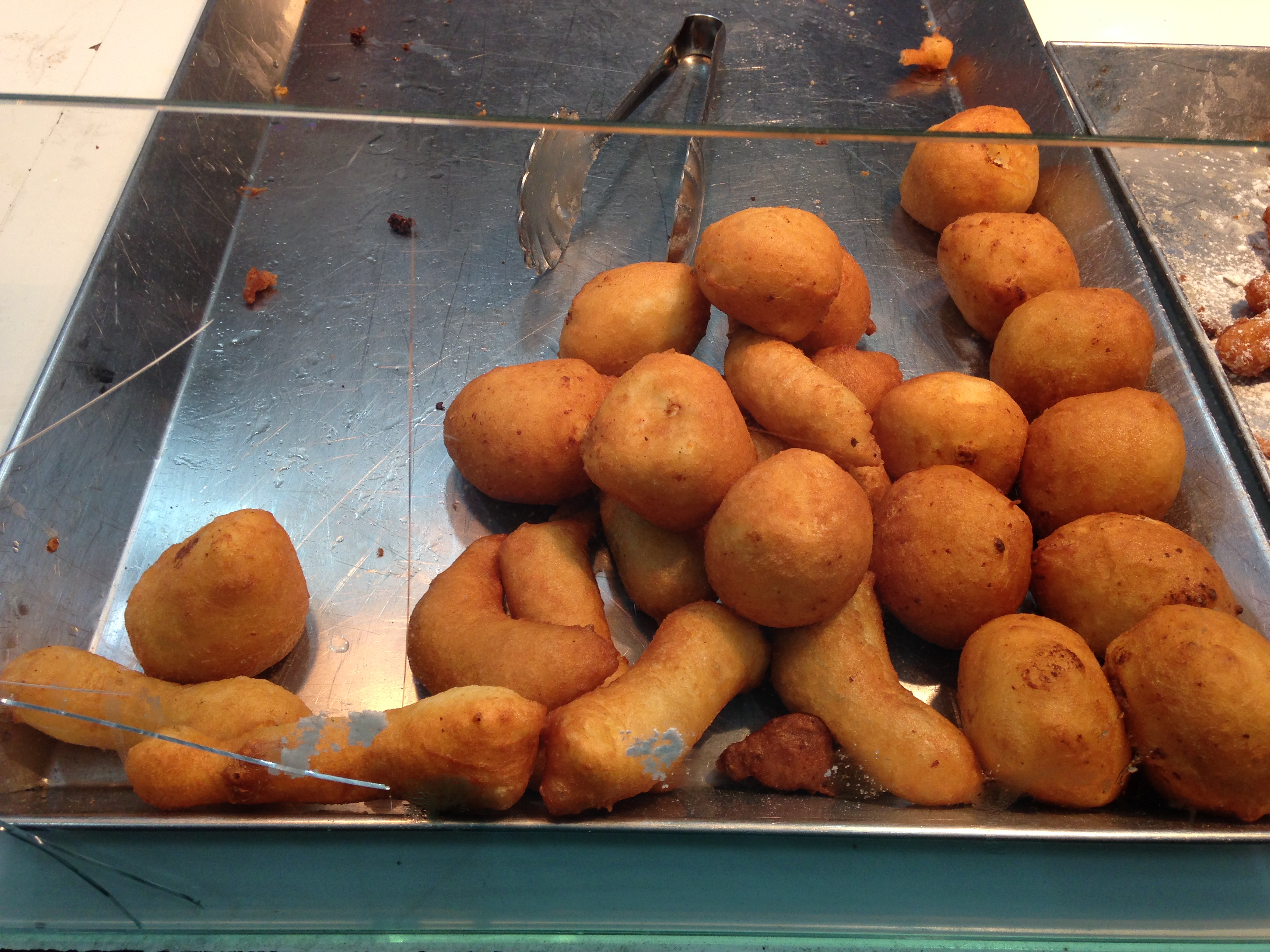
To top it all off, Crispelle di Riso, rice sticks deep fried and covered in powdered sugar.

San Vito Lo Capo, a coastline town located on a peninsula on the northwestern side of Sicily, offers its unique personality which reverberates of its Arab influence. It is famous for its Cous Cous festival, held each year in September, and which sees chefs from all over the Mediterranean competing in their preparation of Cous Cous recipes. A stroll down the main street of SanVito lo Capo provides the evidence of the Arab influence in both the architecture of the town as well as in the dishes served at the restaurants.
Over the last few years, as I have travelled around Sicily, I have visited San Vito lo Capo a few times. Thinking back at the very first time I visited this town I was a teenager and went to San Vito lo Capo with my mother over an Easter holiday. At that time, the town was a quaint fisherman’s town untouched by tourism. Mother and I stayed at a bed and breakfast that was not even marked as one, just a lady who was renting out rooms in her home.
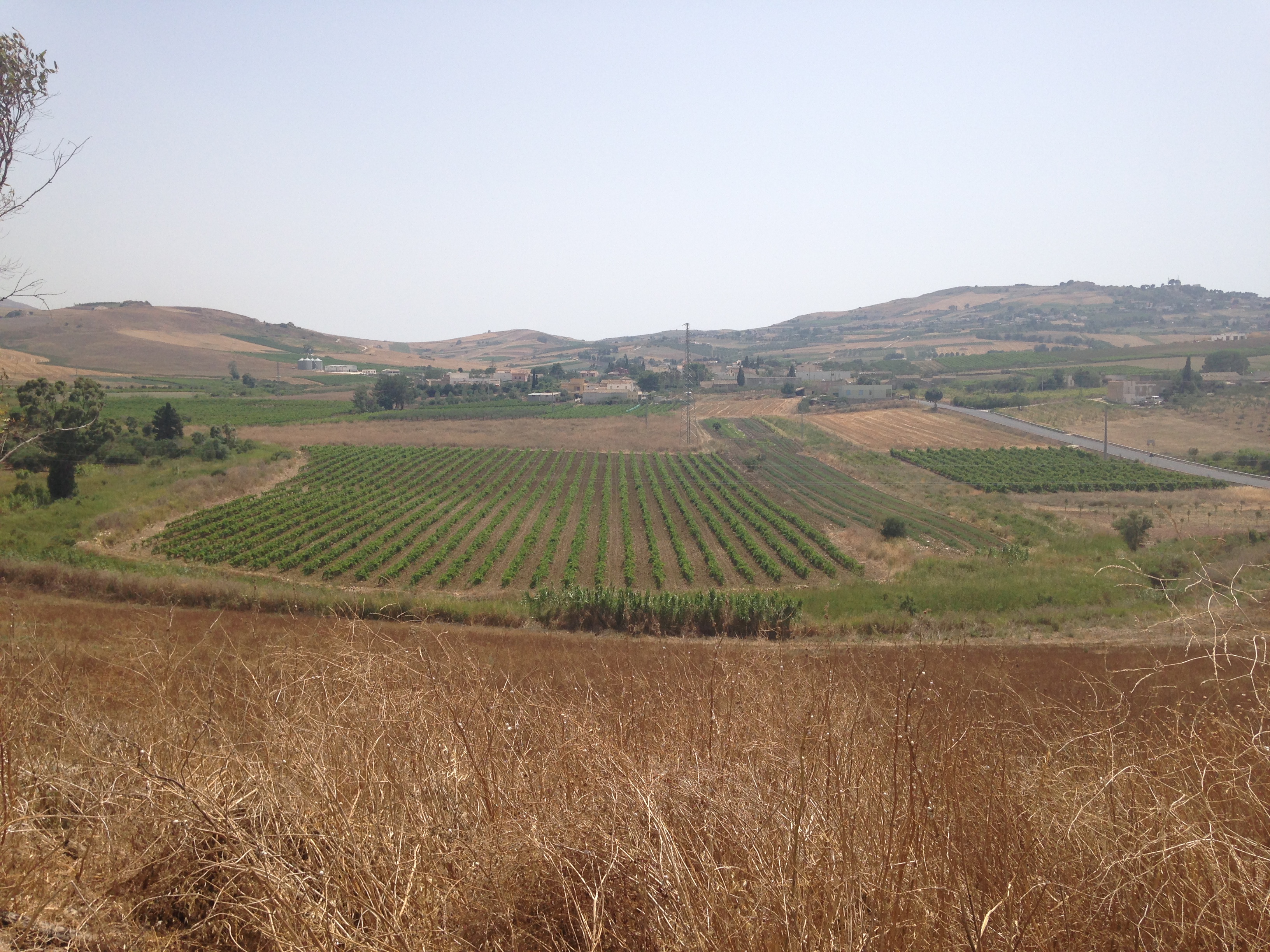
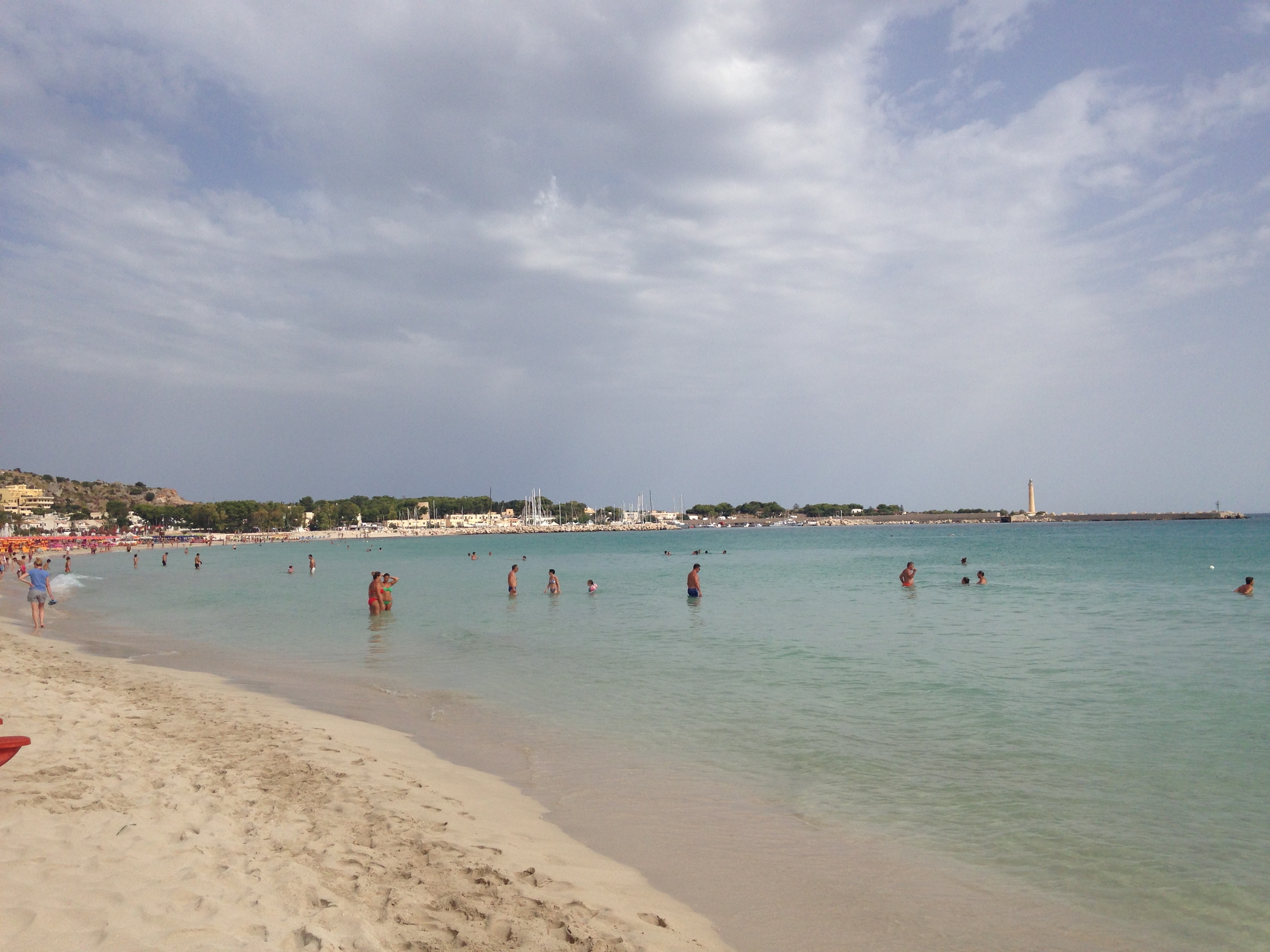
Nowadays, San Vito lo Capo is full of hotels and restaurants and a very crowded beach resort over the summer months. However, it still holds it beauty mixing the Arab influence in its architecture and cuisine with gorgeous emerald-green beaches. Driving up the peninsula to reach the town of San Vito, one can enjoy the many vineyards scattered along the valleys and hills.
Vineyards on the way to San Vito lo Capo
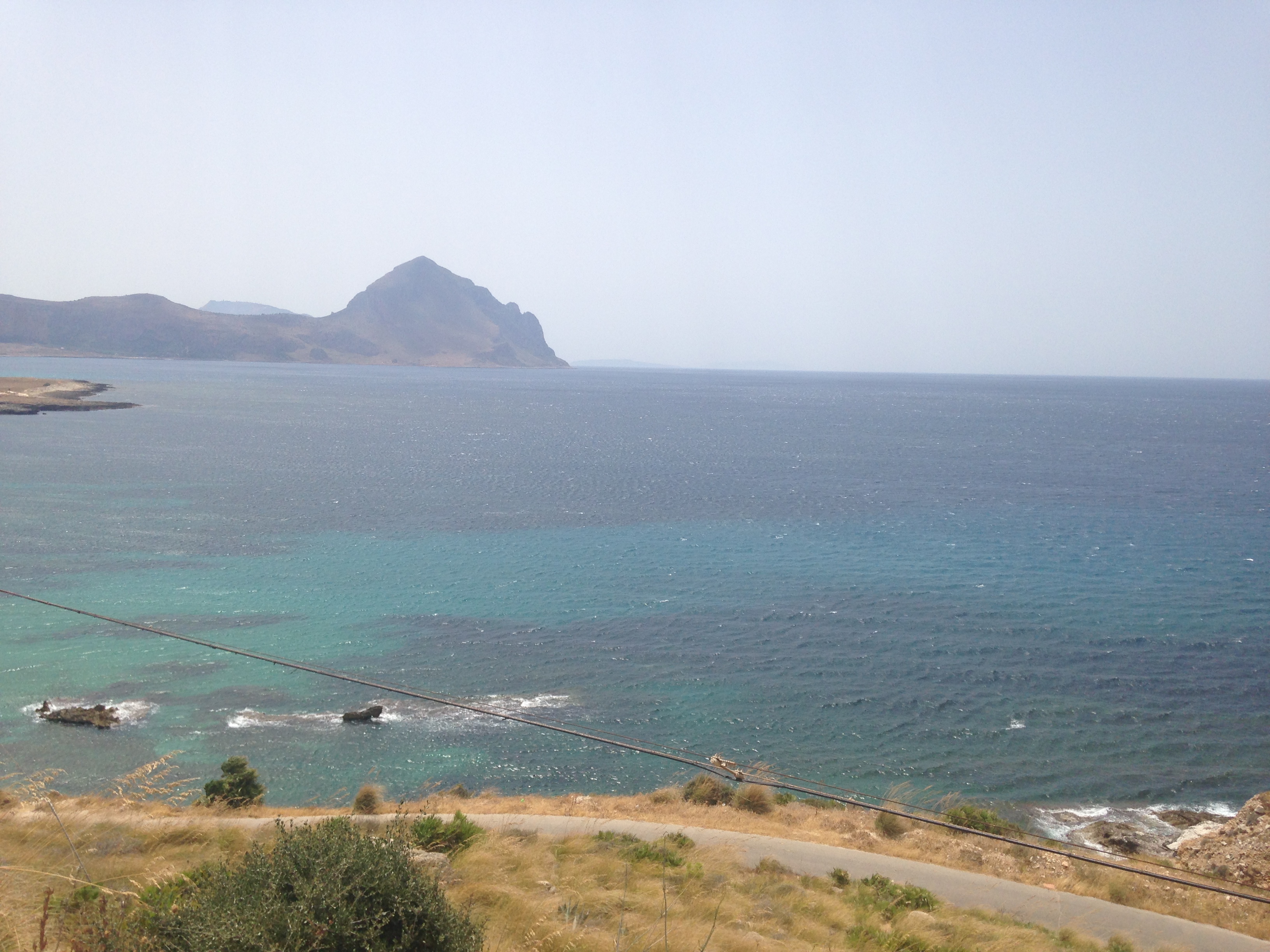
Before arriving to the town itself with its own beautiful beeches, one travels up some hilly roads overlooking the glistening sea.
Last week, I drove to San Vito not just to revisit this beautiful location, but because a special person was there. I had been contacted days earlier by a former student, Emma. Back in 2011, when I was a teacher of English to Speakers of Other Languages at Longfellow MS in Virginia, Emma was a Norvegian student of mine. At the end of that school year, I left full time teaching to pursue other endeavors and Emma returned to her native country, Norway. Emma had made quite an impression on me and over the years I had wondered how she was doing. Consequently, I was very happy last week when she contacted me asking if I were is Sicily and that she was planning a trip to Sicily with her mother. I realized that due to my plans and hers the only way we could meet would be in San Vito, so I decided to drive out there and join Emma and her mother, Ellen. Reuniting with Emma and catching up was a very enjoyable experience and we had a wonderful time together at the beach, swimming, talking, and enjoying the evening stroll down the streets of San Vito.
Emma in 2011 in our classroom at Longfellow MS, Virginia, USA

Reunited at the beach in San Vito lo Capo, Sicily
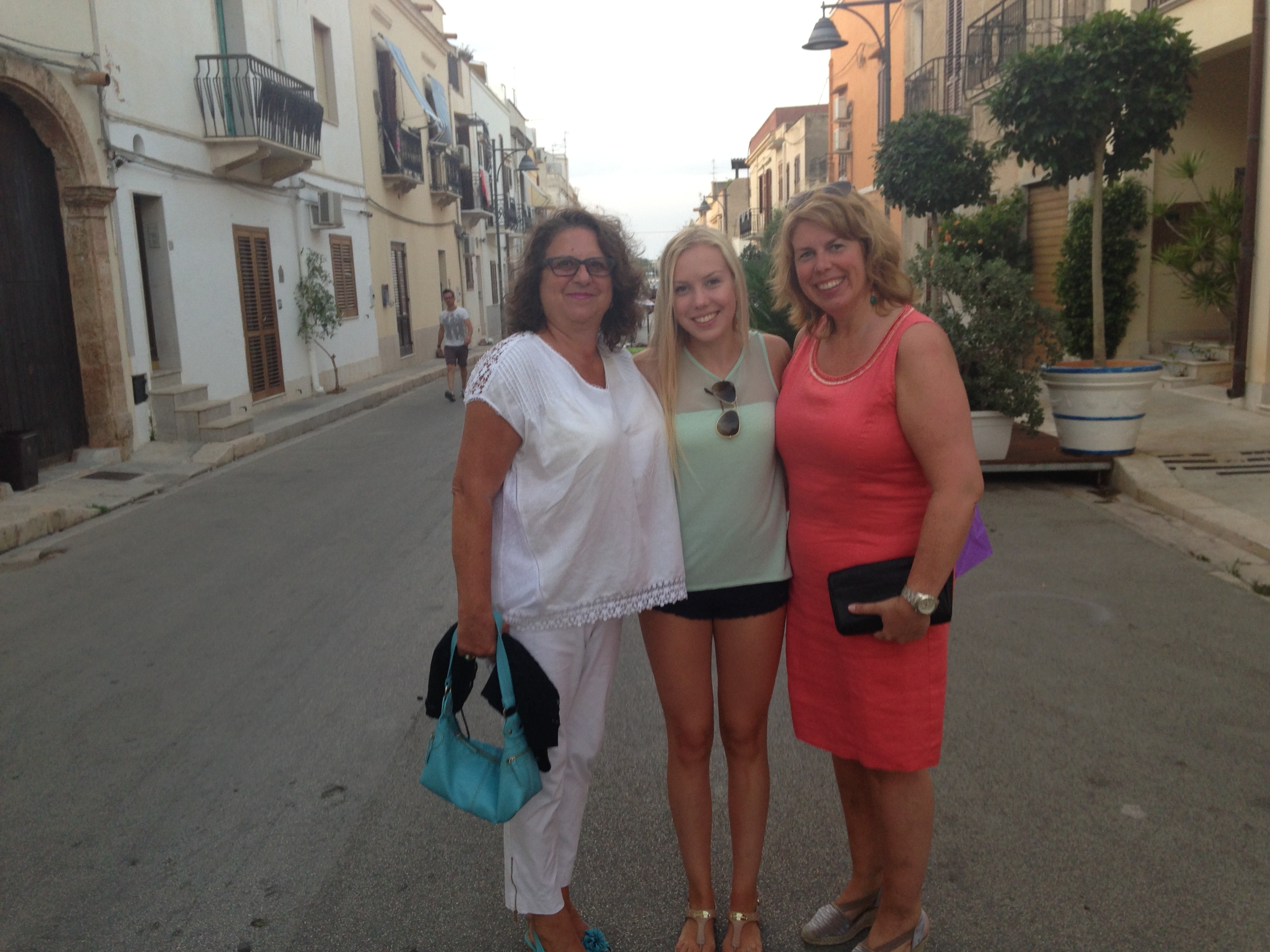
Emma and I in San Vito lo Capo – July 2014

Emma, Mother Ellen and I in San Vito lo Capo – July 2014
The Aeolian Islands lie off the coast of Sicily on the north-eastern side and in 2012 I wrote about my visit to one of them, the island of Salina, where I enjoyed a weekend with the Slow Food group. For quite a long time, I had wanted to visit another one of the Aeolian Islands, the island of Stromboli and its active volcano; finally this year, as soon as I could, I made plans to go and visit Stromboli. As I planned the trip hurriedly, it turned out to be quite a learning experience on the choices to make on how to travel to the island. Leaving my hometown of Catania, on the eastern coast, I drove to Milazzo, on the northern coast of Sicily and took the hydrofoil to Stromboli. As I had been so busy that I had not had time to research the hydrofoil schedules to Stromboli, I had made the assumption that there would be plenty to choose from during this high season of travel to the islands and that one should not have to worry about missing the hydrofoil. My assumptions proved to be wrong!!! After a little adventure in trying to park my car for the three days I would be in Stromboli, I missed the hydrofoil by one minute. It literally pulled away from the pier as I arrived. It was not a pleasant surprise to learn that the next hydrofoil would not leave for three and one half hours!!!!!!!!!!!!Wow!!!!!!!!!!!! Consequently, I reminded myself I was having fun, and proceeded to wait those hours at the cafe’ close to the pier!!!!!!!!!All of this, of course, after having driven the motorway for hours and having rushed to park my car in order to catch the hydrofoil. As I sat down on the ferry, I was determined to not allow these little incidents to spoil my trip and enjoyed the scenery. We stopped at each of the Aeolian islands on the way and the trip was well worth it when I saw the volcanic island appear.
Stromboli seen from the hydrofoil

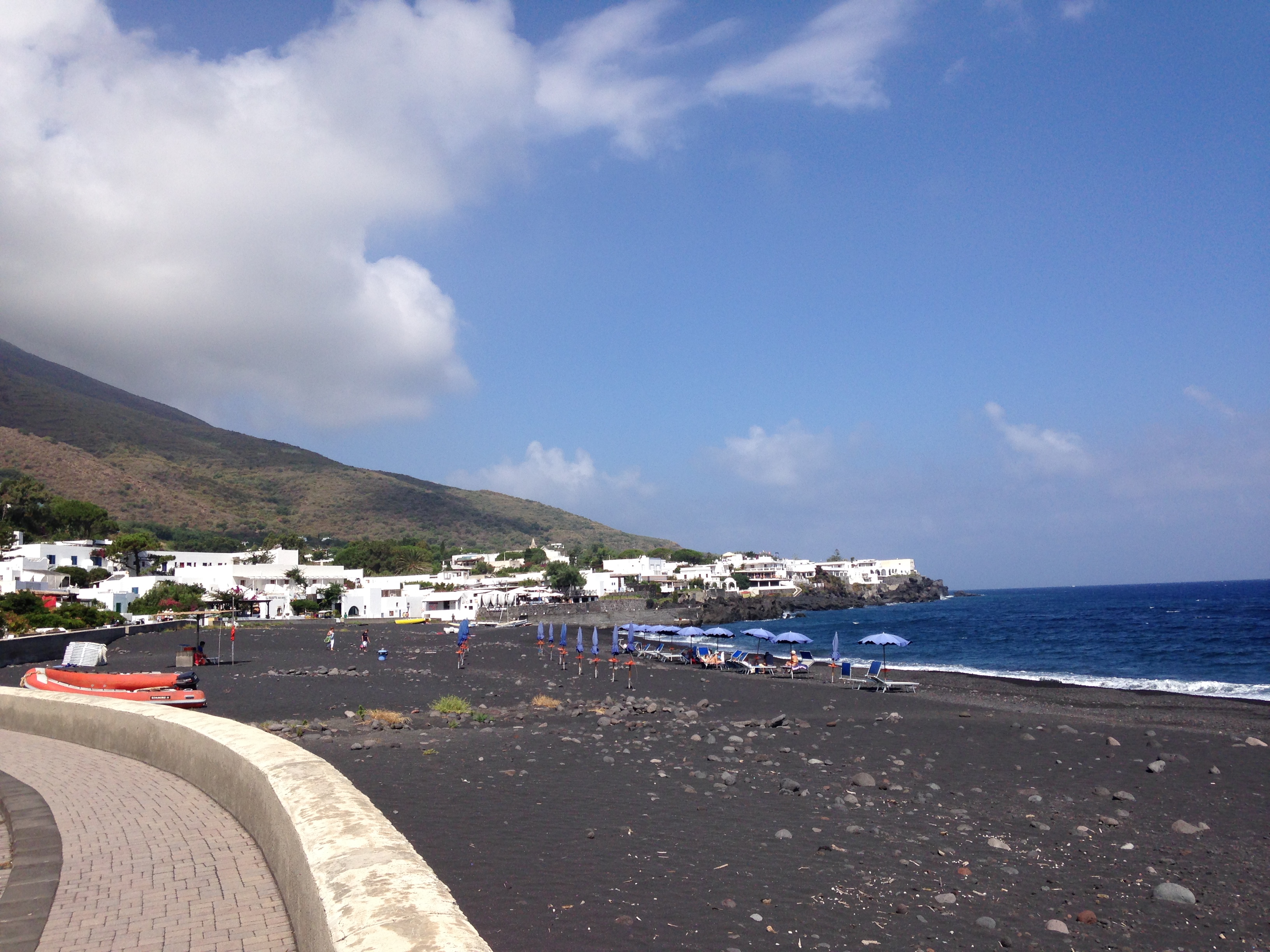
Once I reached the island, I realized this was as place where I would do a lot of walking and enjoy the beautiful scenery. There are many tiny alleys leading around the island and the bright colors of the vegetation enrich the beauty of the white stucco houses and the so many beautiful terraces.
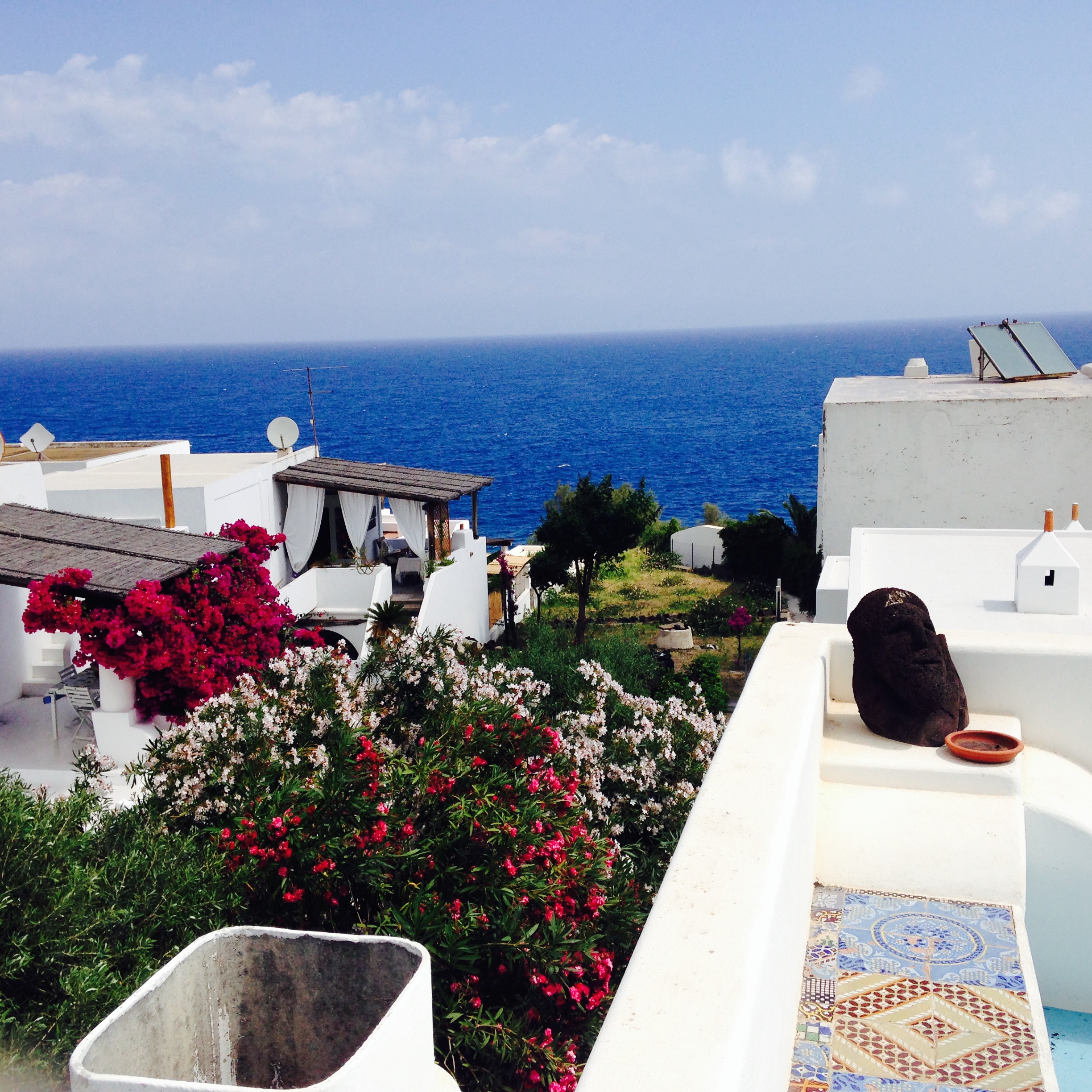
Below is my favorite house in Stromboli located in front of the sea

While walking along an alley, I heard some sounds to the side and I went in that direction; after walking down a tiny alley and following the sounds, I found the most beautiful cove. It was there, in that cove, that I met Patrizia and Claudia who would become my travel companions for the rest of my stay.
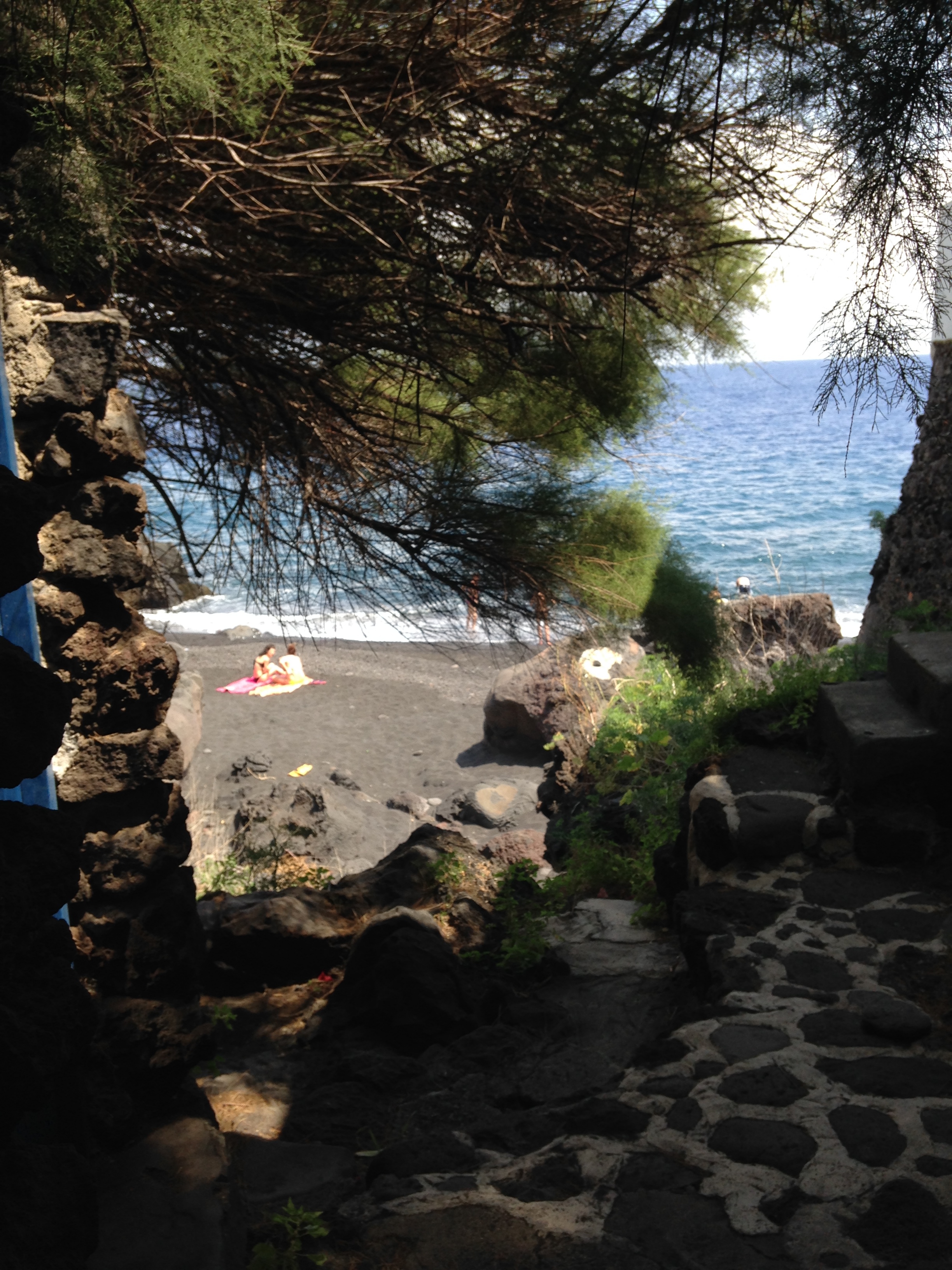
Black sand beaches
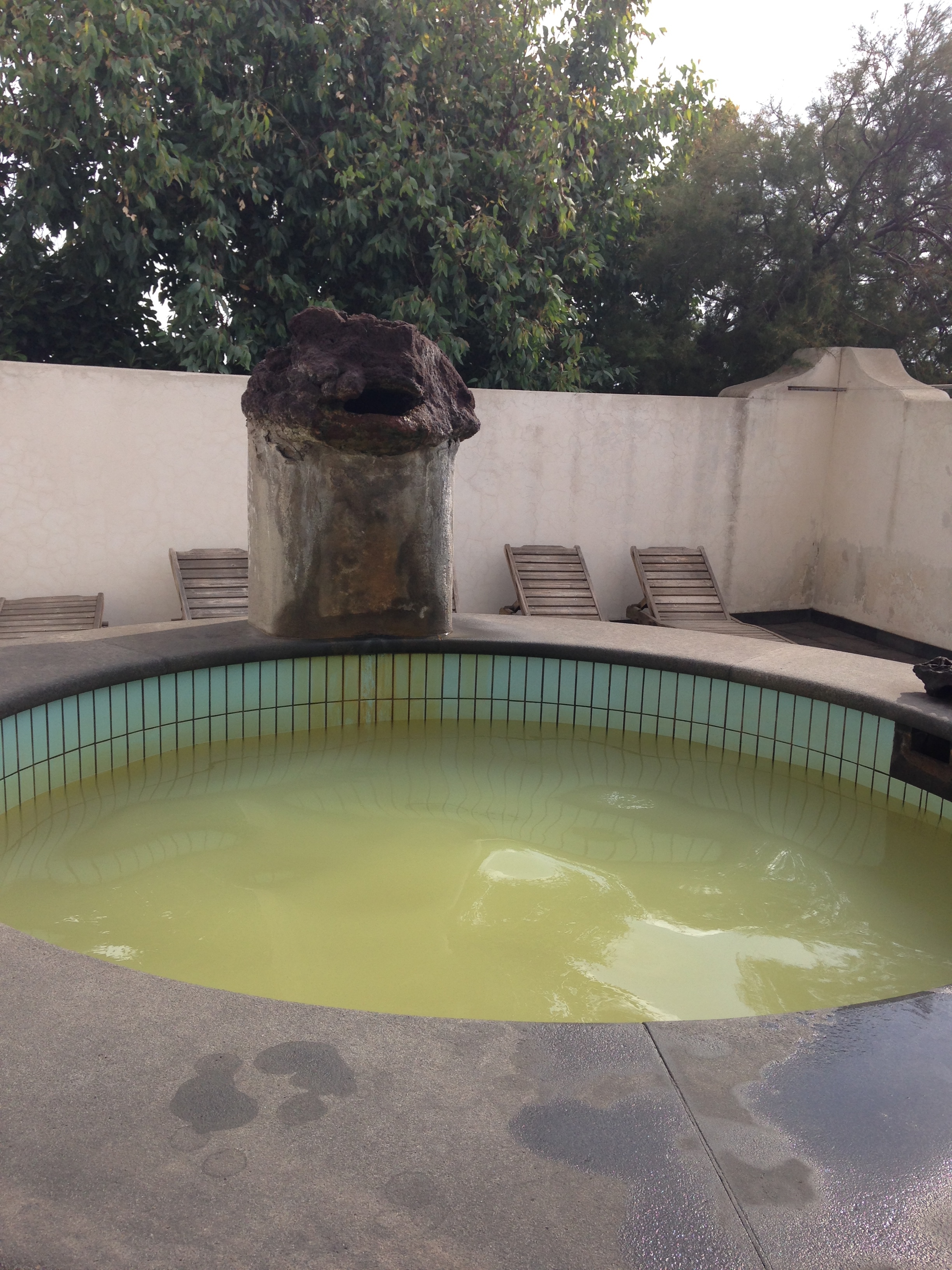
One of the pleasures on this island are the geothermal baths!!
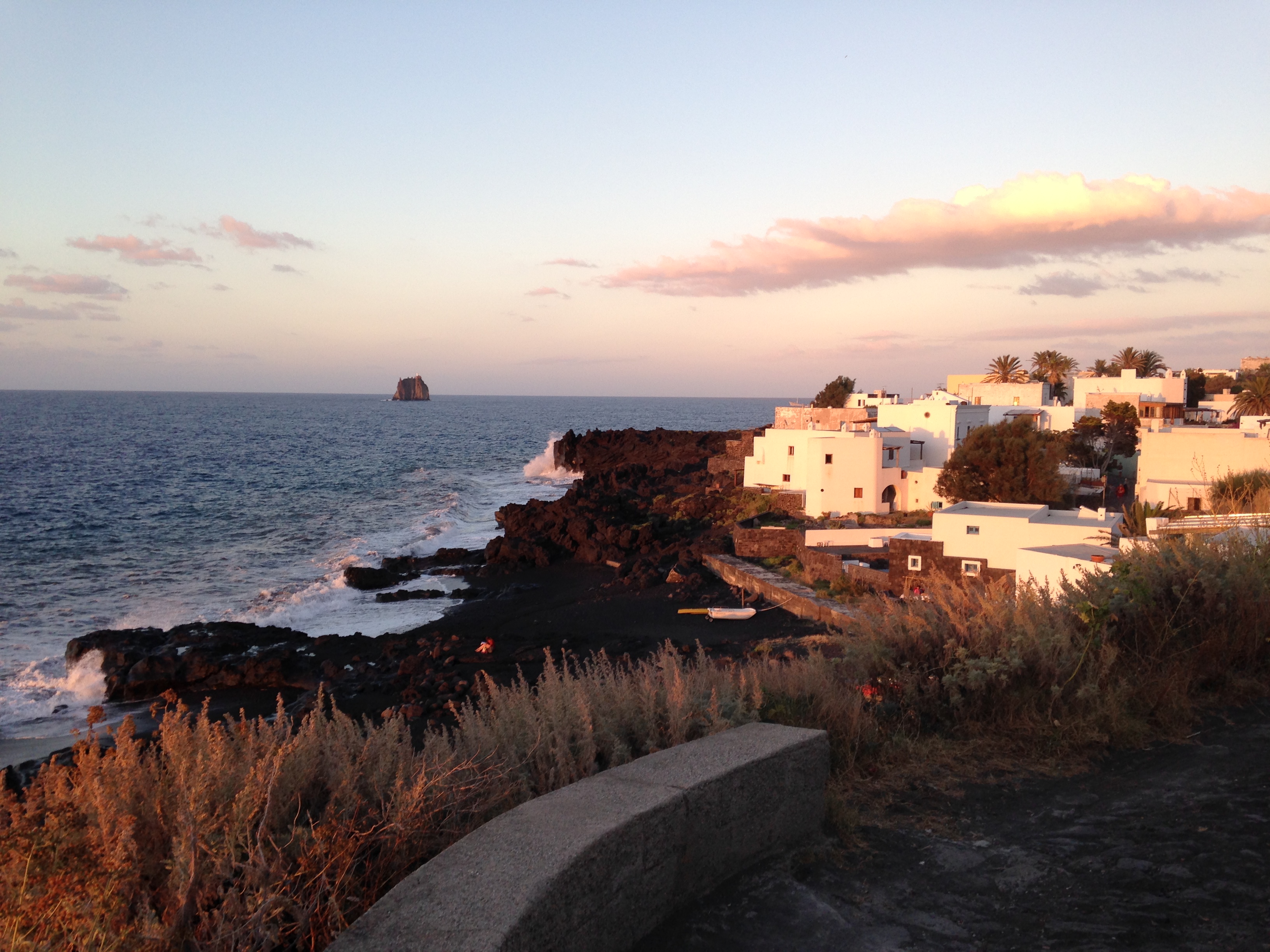
At sunset, hiking up to the observatory to view the volcanic eruption
After viewing the eruption from the observatory, the following evening Patrizia, Claudia and I took a boat trip to the area in which one could view the eruption from sea.
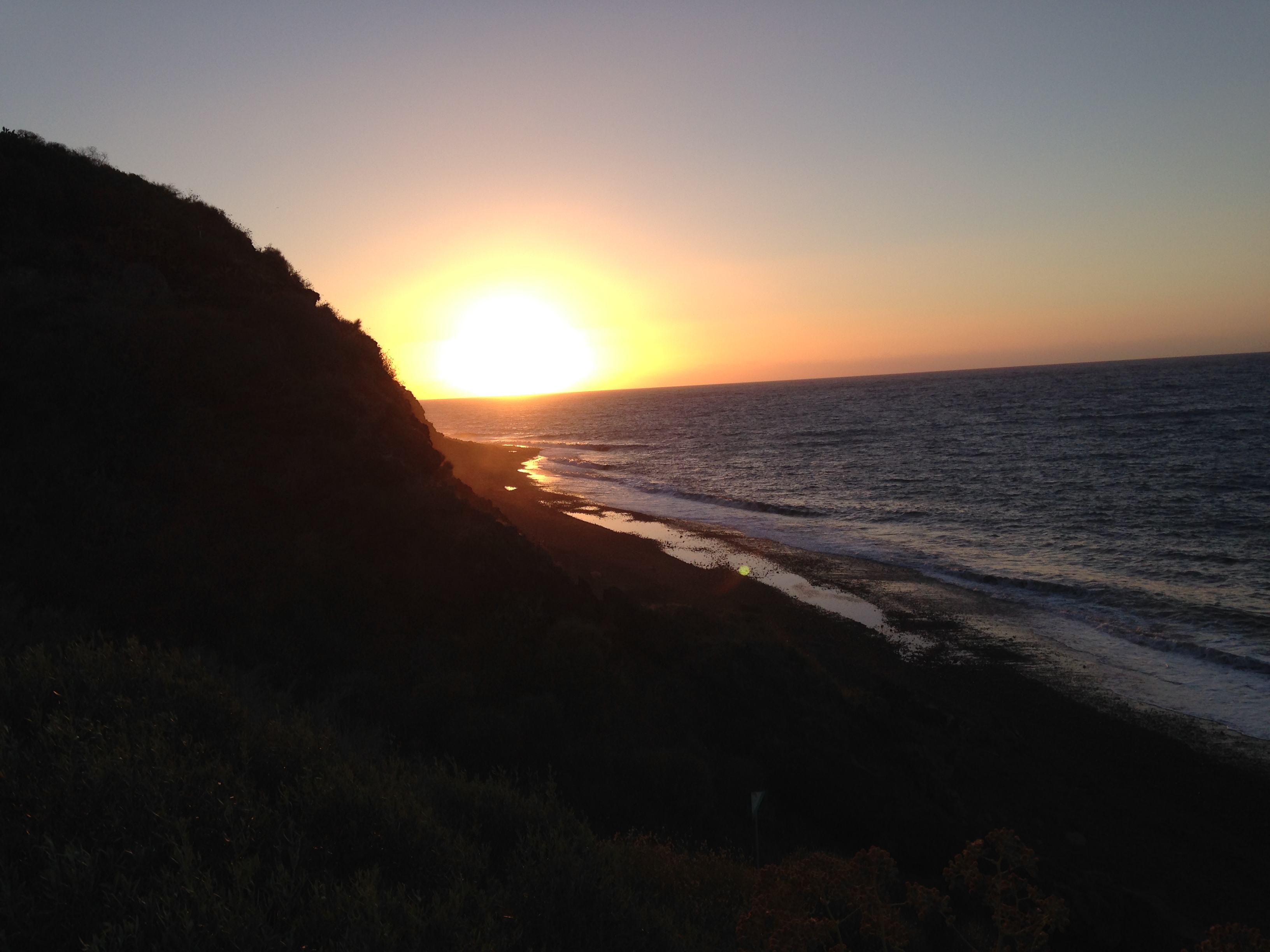
As always, pictures cannot do justice to the first hand experience. Amazing!!!!!
This post will just “show” and not “narrate” just some of the food and colors I have enjoyed since returning to Sicily.
Tuna

Sea Urchins

Mussels

Back home cooked mussels, “Pepata di Cozze”, and enjoyed with childhood friend, Lina!

Baked Ricotta

Tenerumi – a vegetable of this season

Bread

At Lina’s mountain home, picking Mulberries, “GELSI”, for breakfast

Oregano growing at Lina’s

Oregano dried
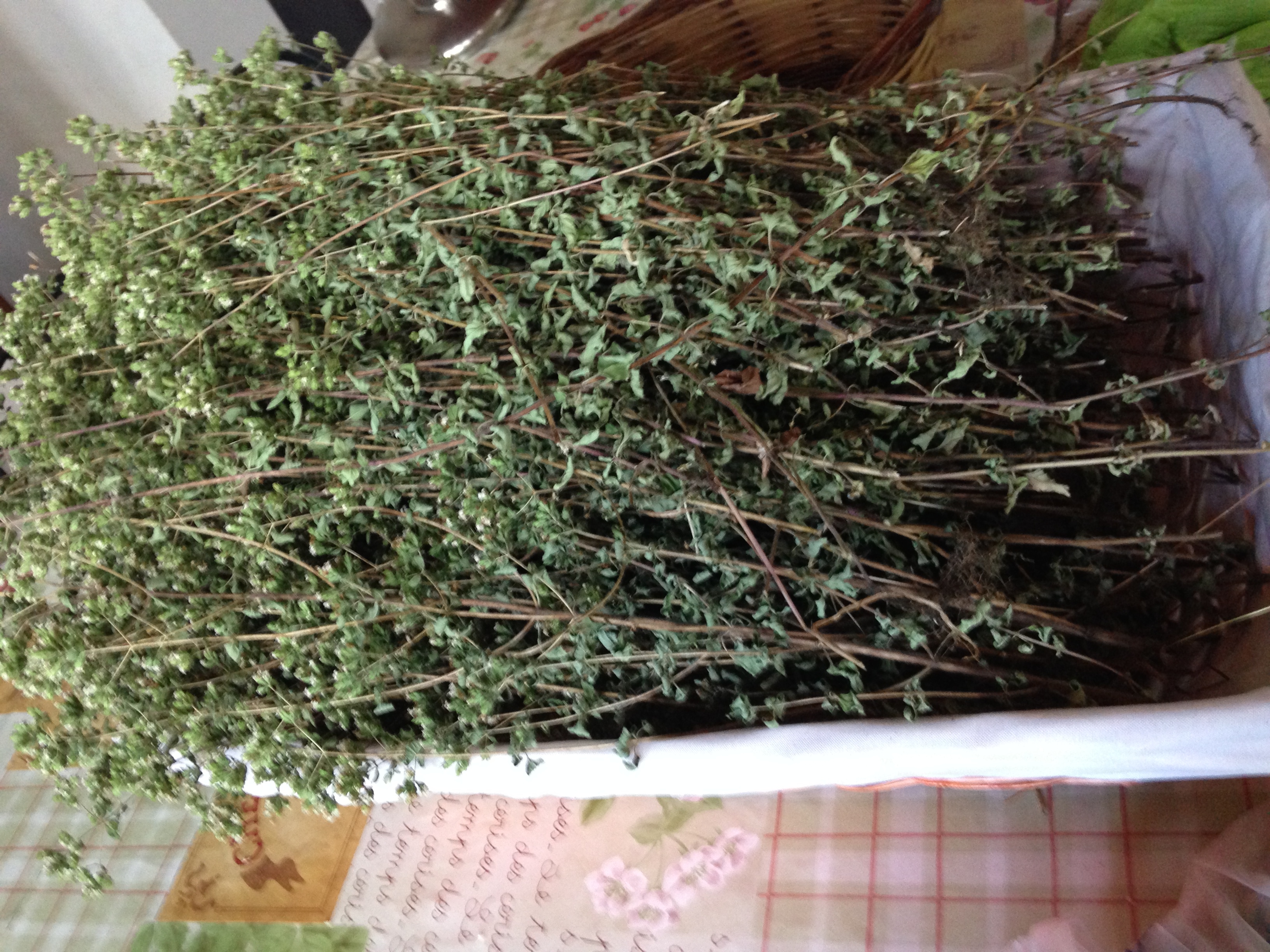
Helping Lina jar the oregano 
Lina’s casarecce tossed in cherry tomatoes, arugula and lemon jest!

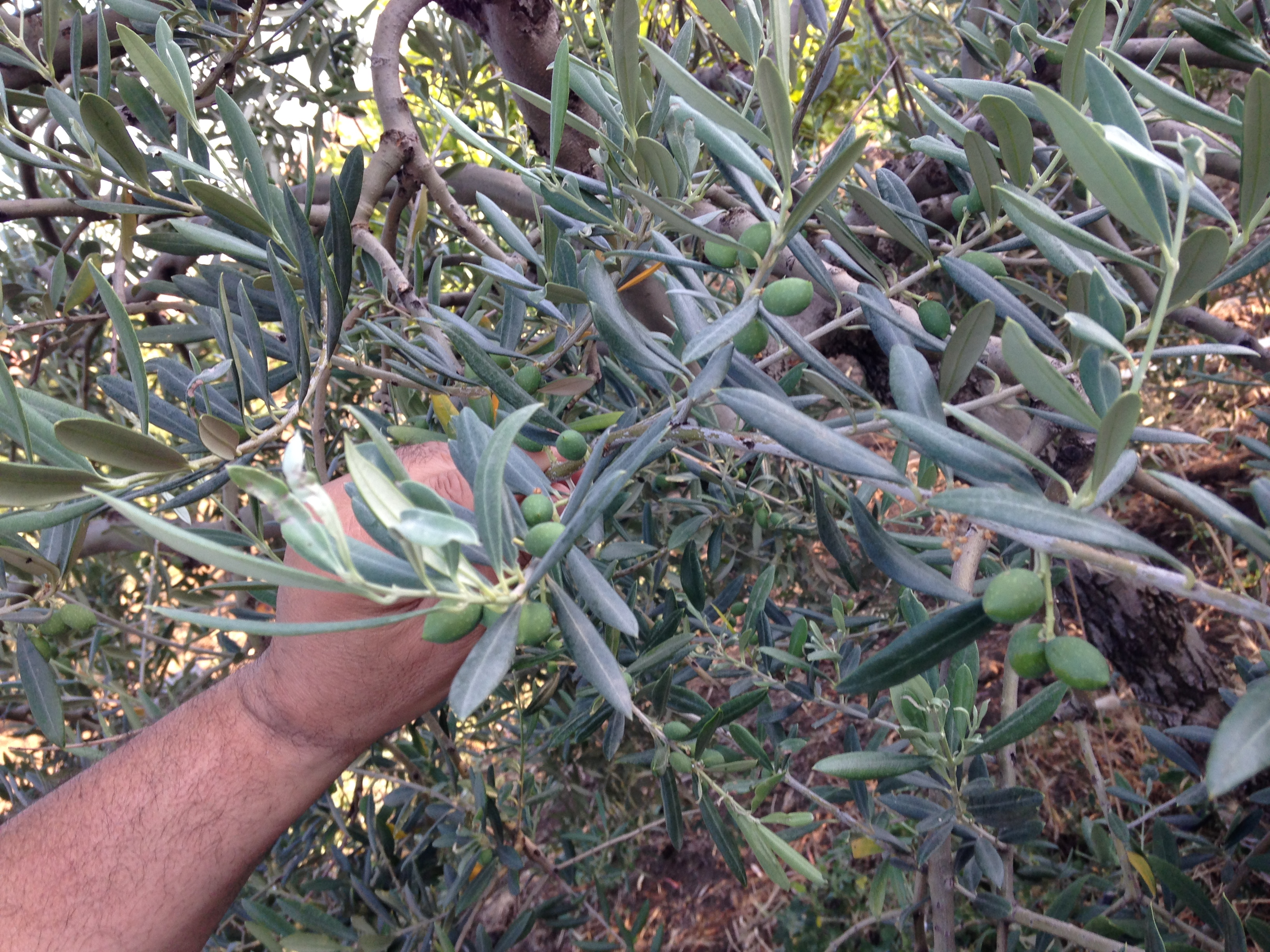
Checking the olives which we will harvest in October
Finally, those wonderful lemons!!!!!!!

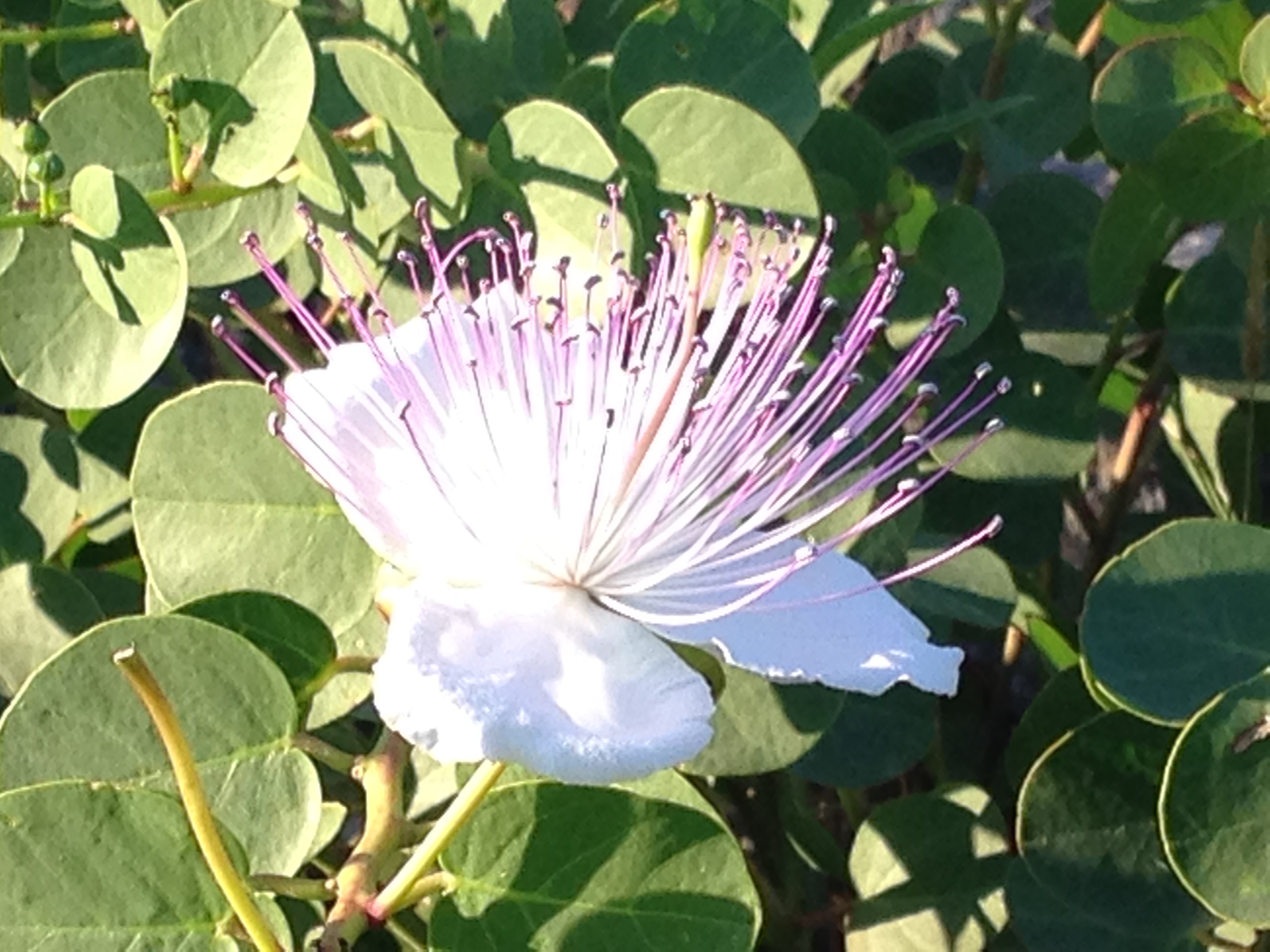
and Caper flowers
 Sicily & MORE Explored by Rosanna