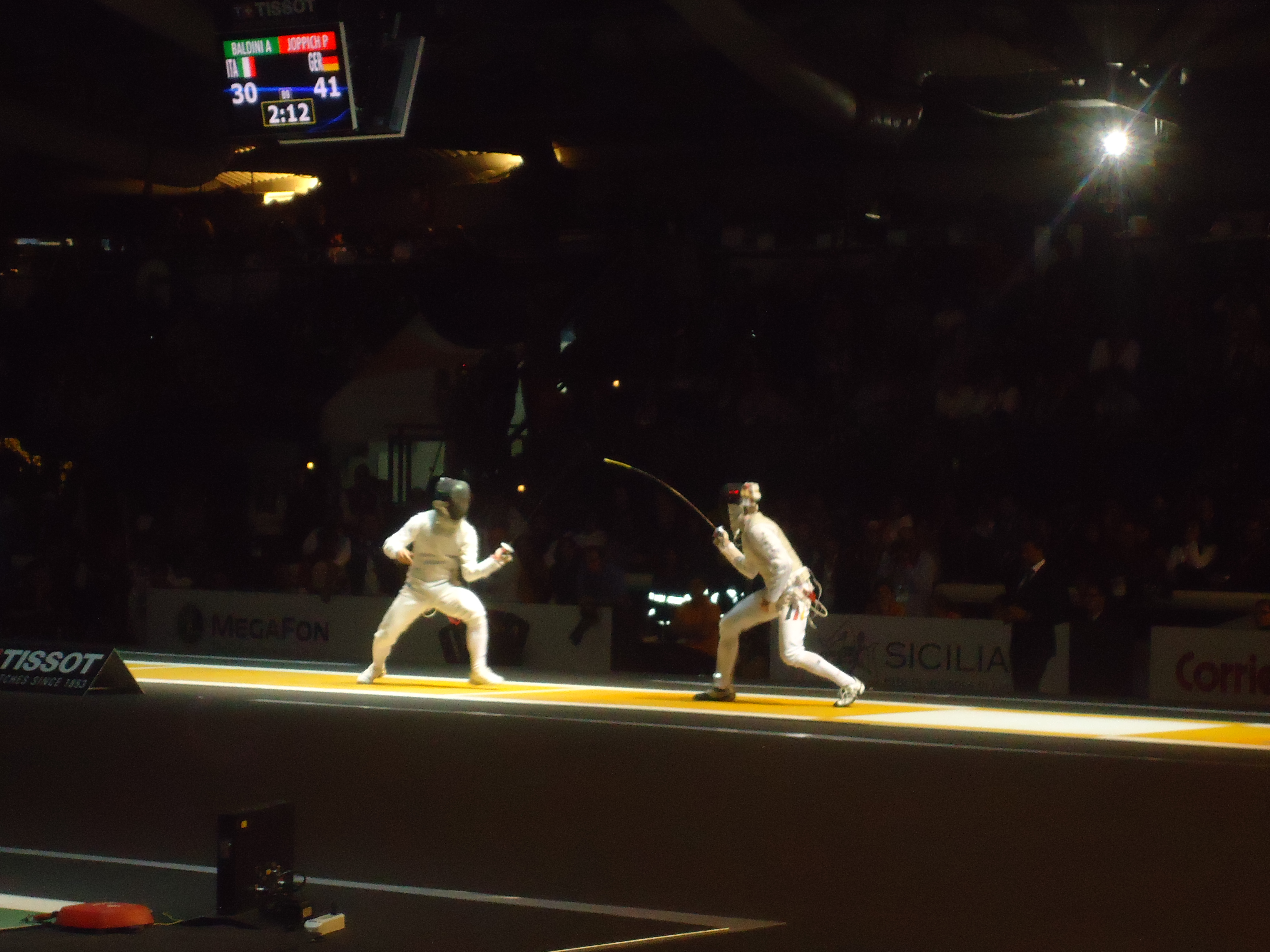
The 2011 World Fencing championships were held in Catania from October 8th to the 16th. This event was decisive for the qualifications of the participating teams for the XXX Olympics Games to be held in London in 2012. The Italian team took away the most medals, a total of 11 medals, 4 Gold, 3 Silver and 4 Bronze. Many were the athletes that carried out an exceptional performance, but the highlight was Paolo Pizzo. Pizzo, originally from Catania, and at 28 a cancer survivor, won a Gold Medal right here in his home town. Below are some pictures taken the last day of the event. As one can see, the Mascot for the event was The Prickly Pear, a fruit very common in this area and which is ripe and enjoyed at this time of the year.
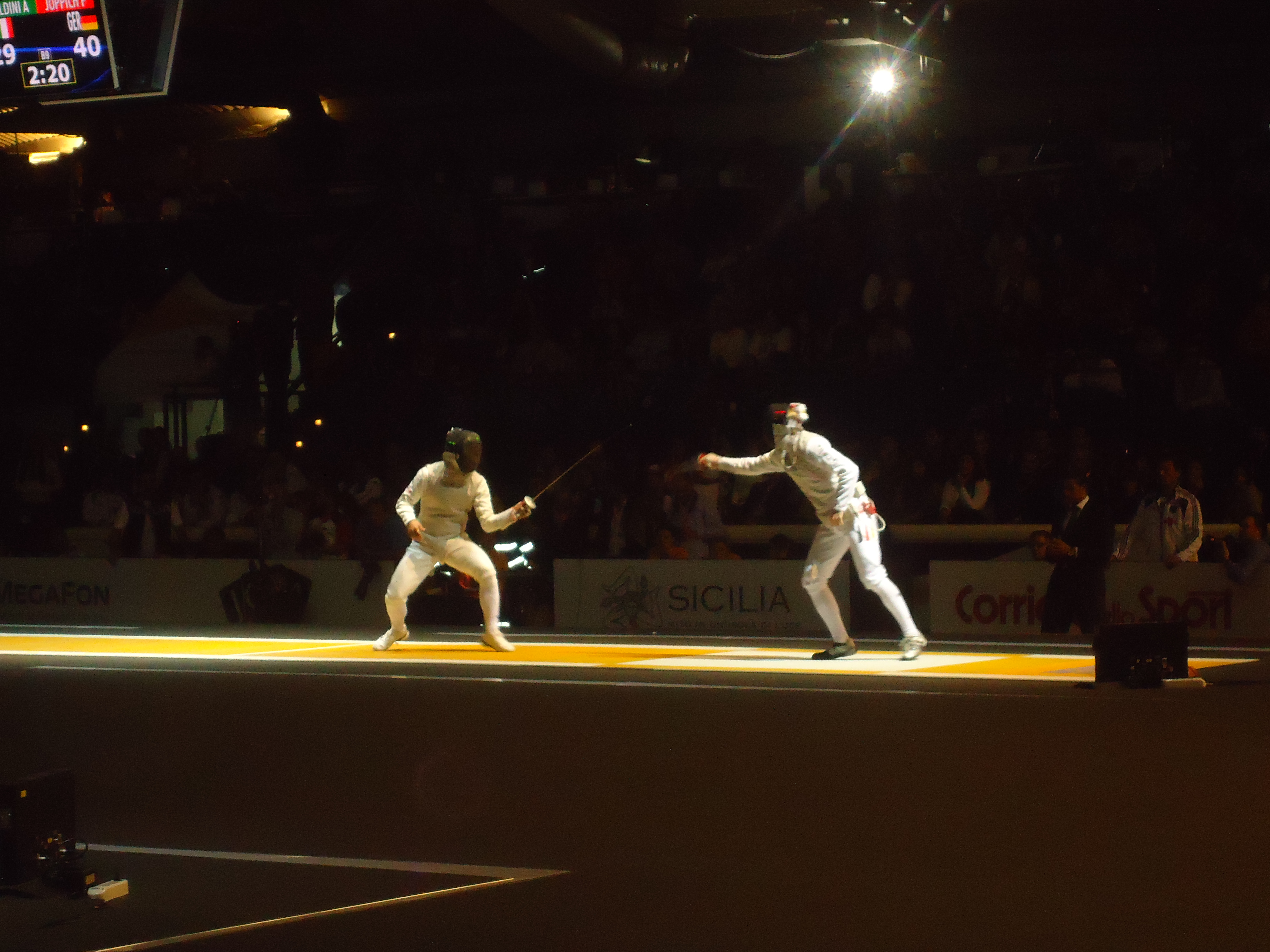
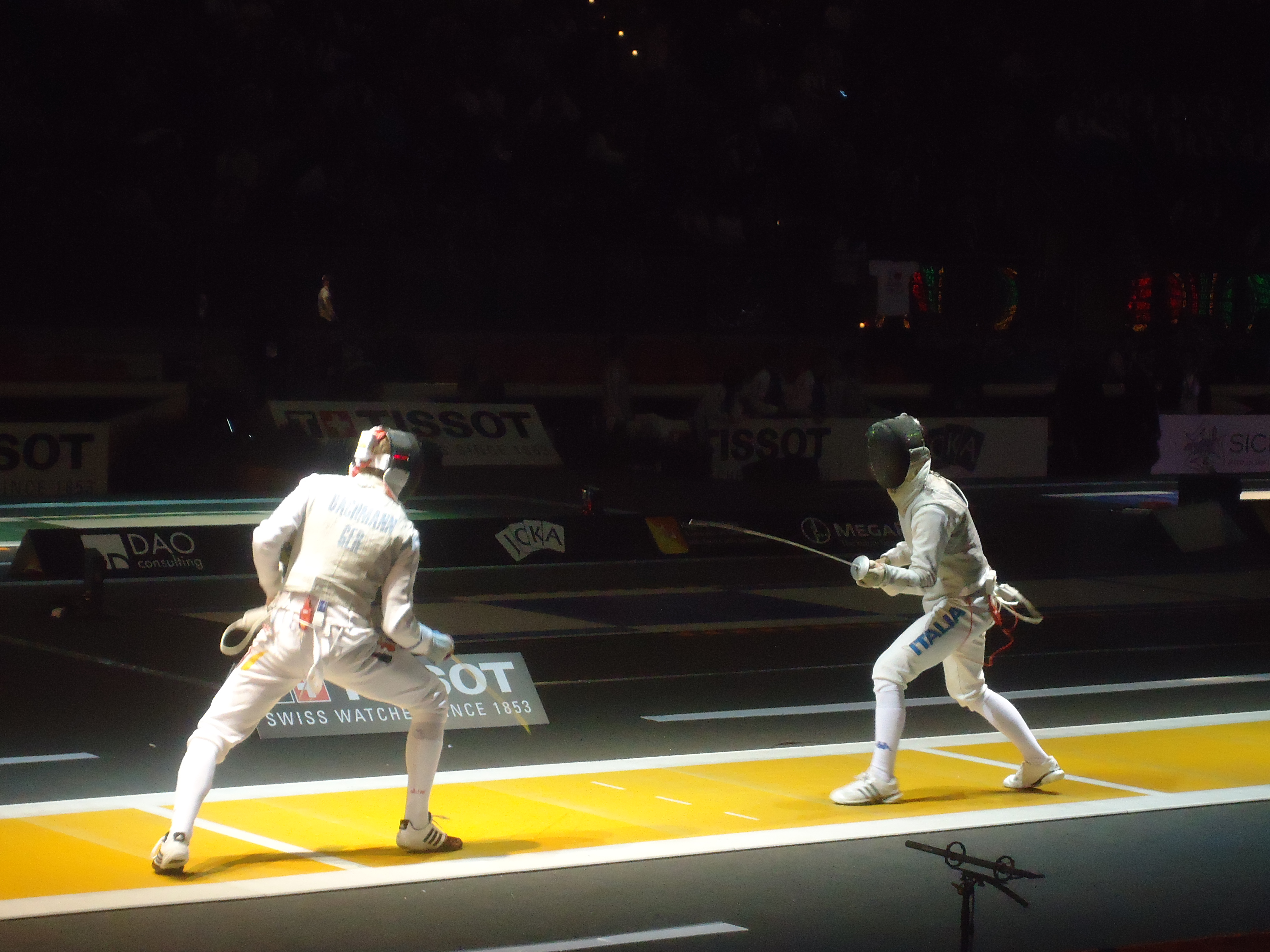
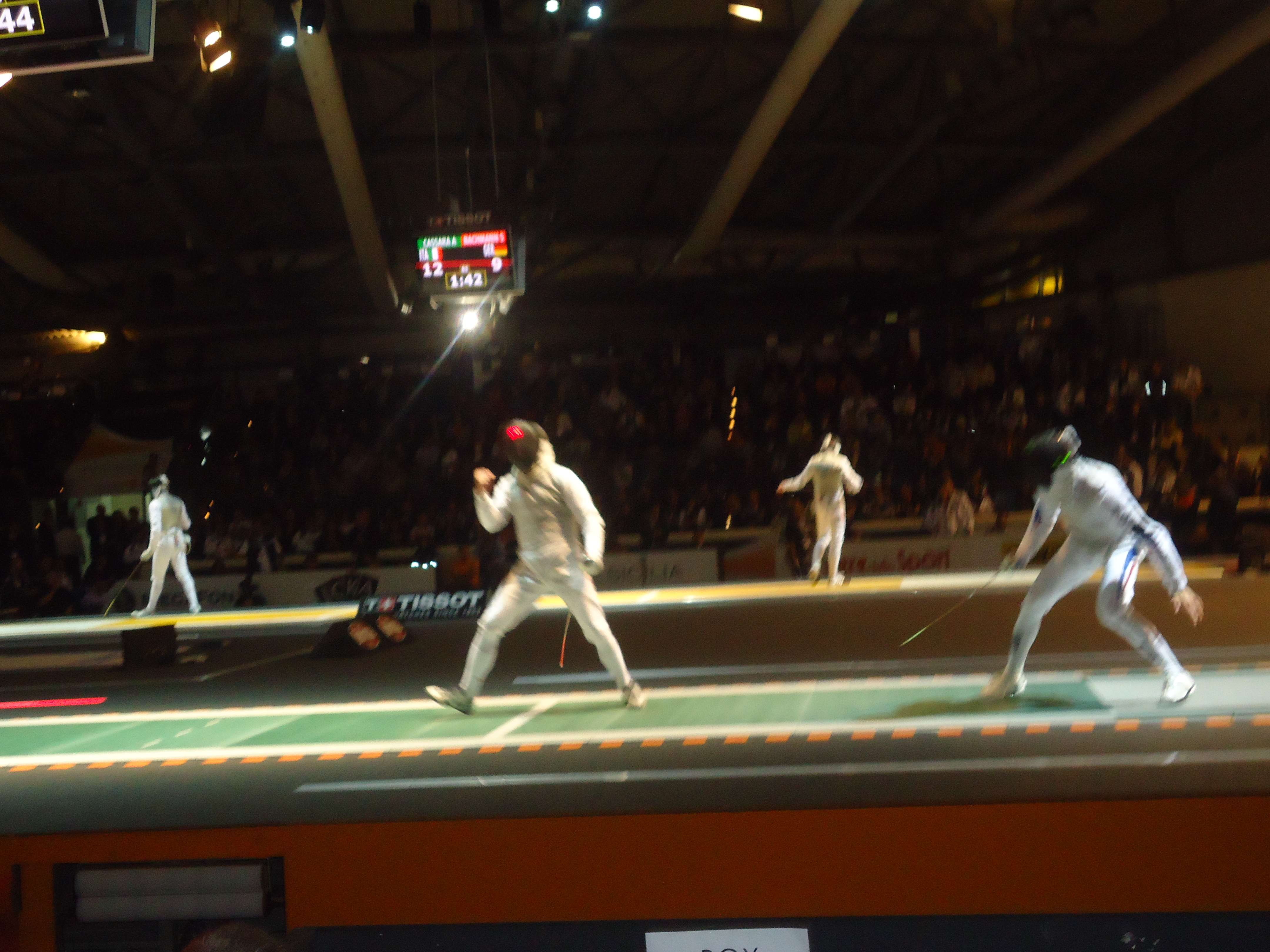
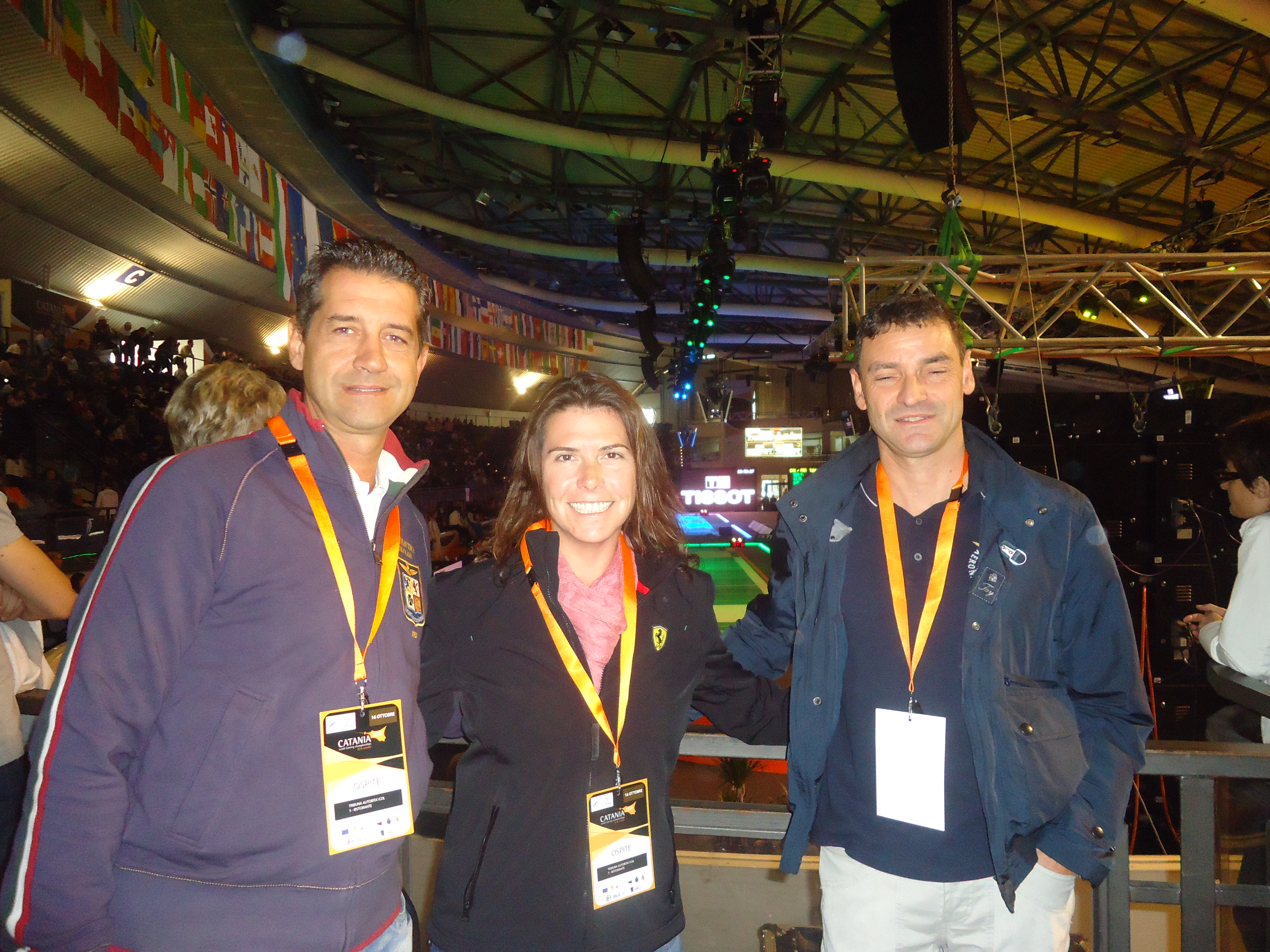

This post was written on September 5th, however, I never published it and just found it in the drafts. Consequently, I am posting it today, October 29th.
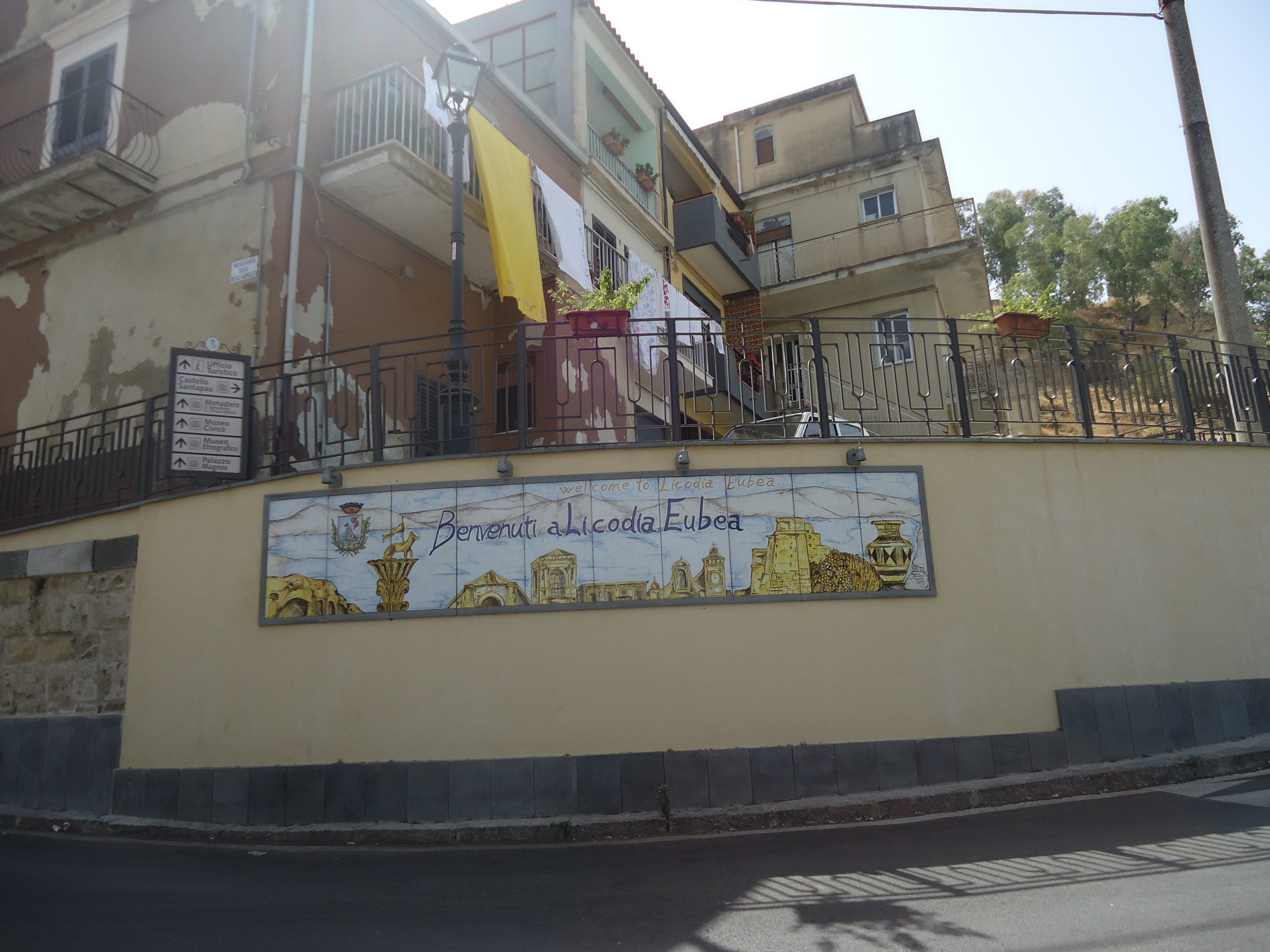
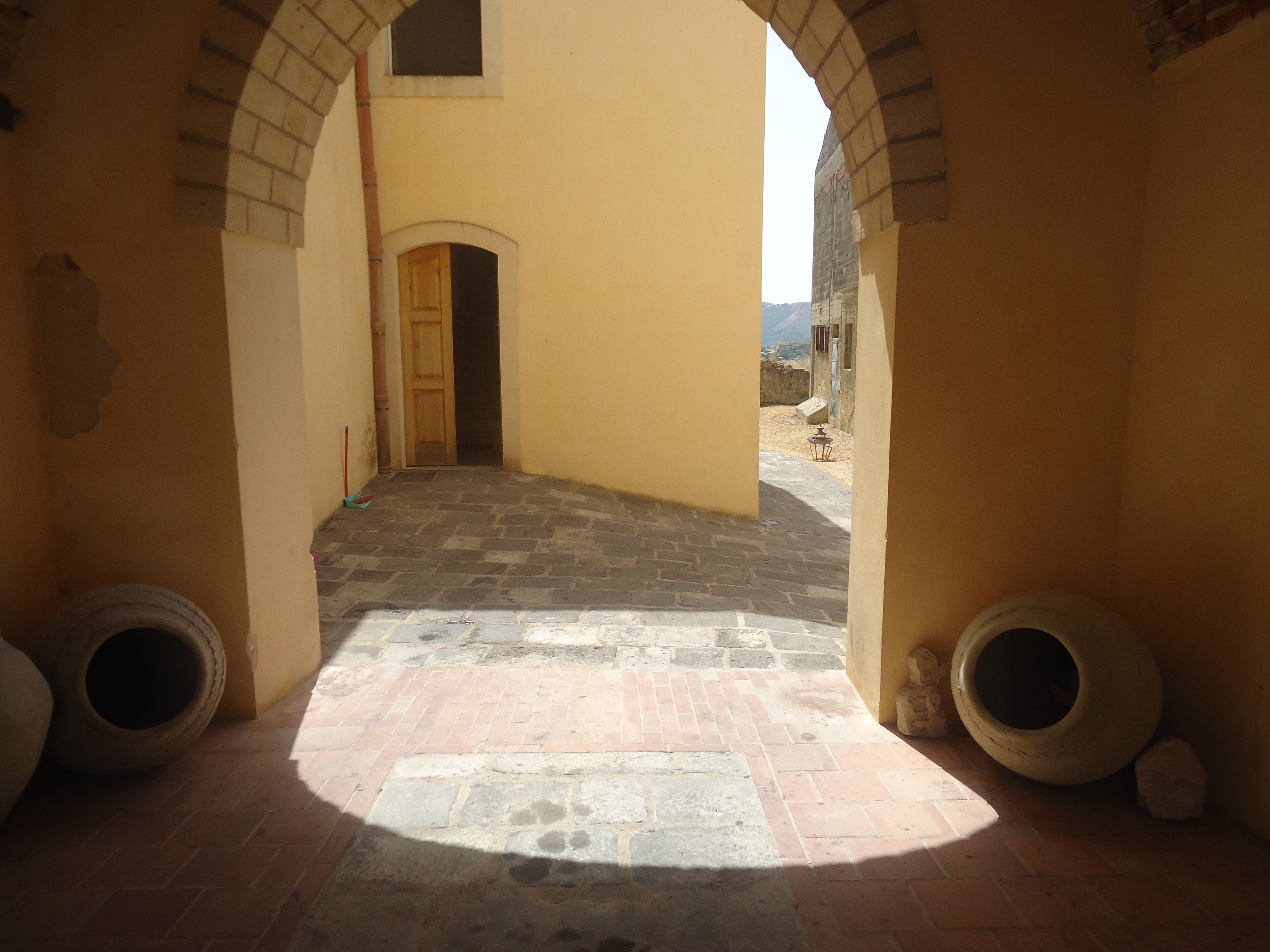
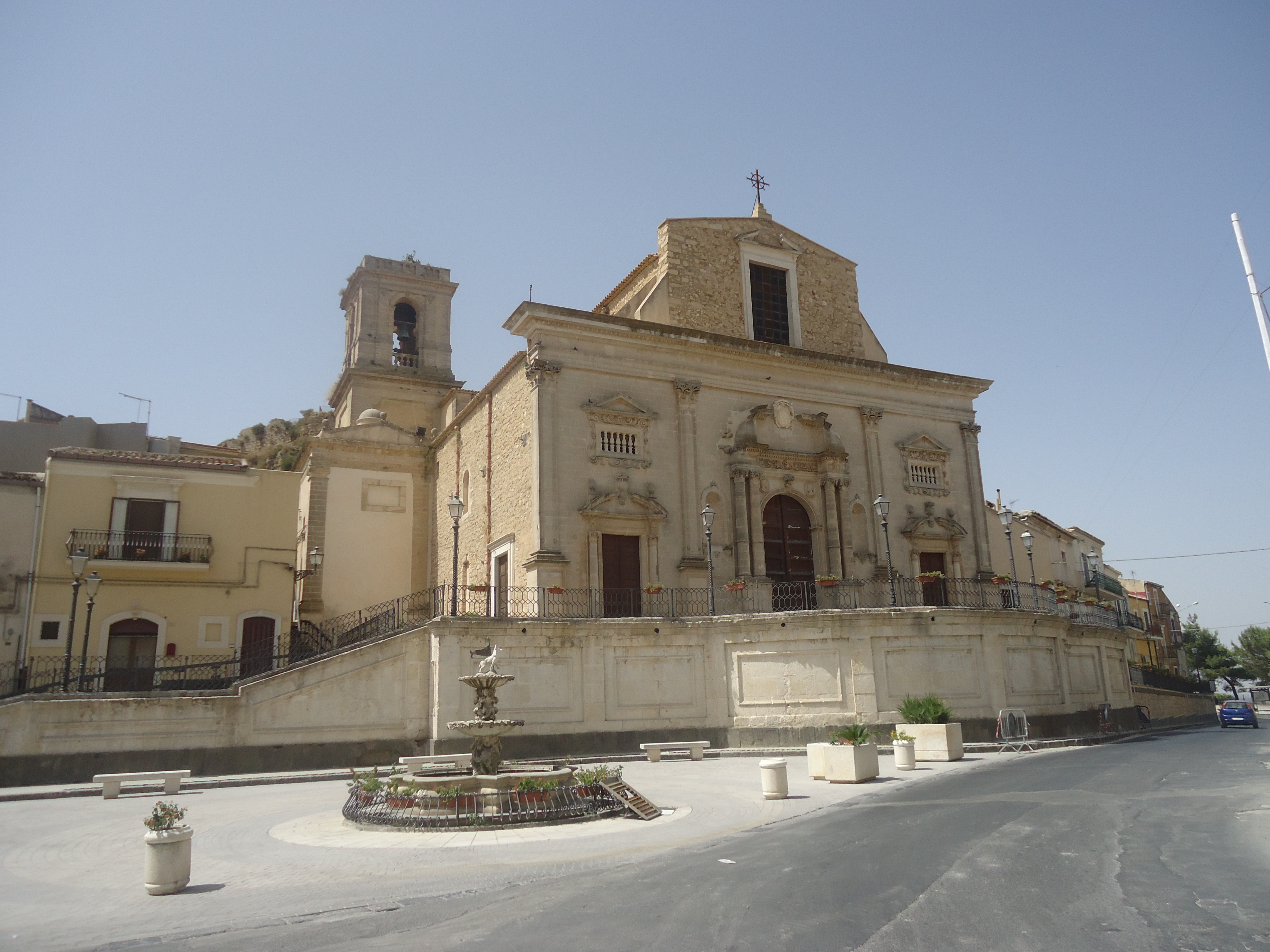
Leaving Catania and heading S.W., one travels along the Piana di Catania, Catania Plains. At the beginning of September, after months with no precipitation, the terrain is very dry and at times one can see fires along the way. My plans were to spend the night in Caltagirone, visiting Maria, my childhood friend, but I wanted to stop in Licodia Eubea on the way. After passing the Plains, one takes SS194 , heading S.W. Along the way, there are orchards, olive groves, and fields of prickly pears. After arriving in Licodia Eubea, I parked the car and enjoyed a walk thorugh the town. The annual Grape Festival was to be held that night, so the town was buzzing with all the preparations. I enjoyed the architecture of the town as some examples can be seen in these pictures. In its past history, this town was inhabited by the Greeks, the Romans and the Arabs.
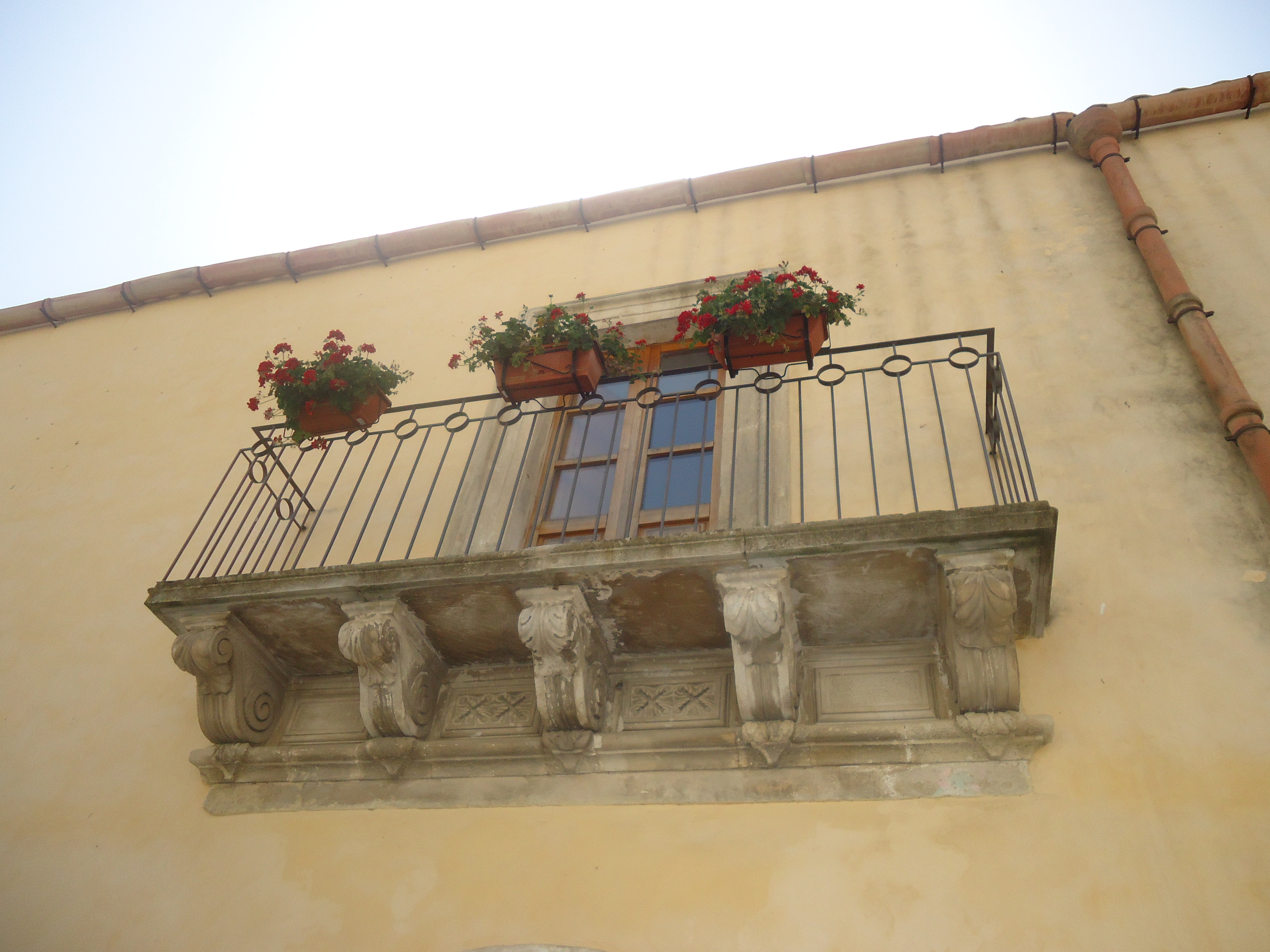
Following are some pictures I took in Licodia Eubea. 1. The ceramic welcome sign. 2. A courtyard. 3. The Church of Santa Margherita. 4. A balcony.
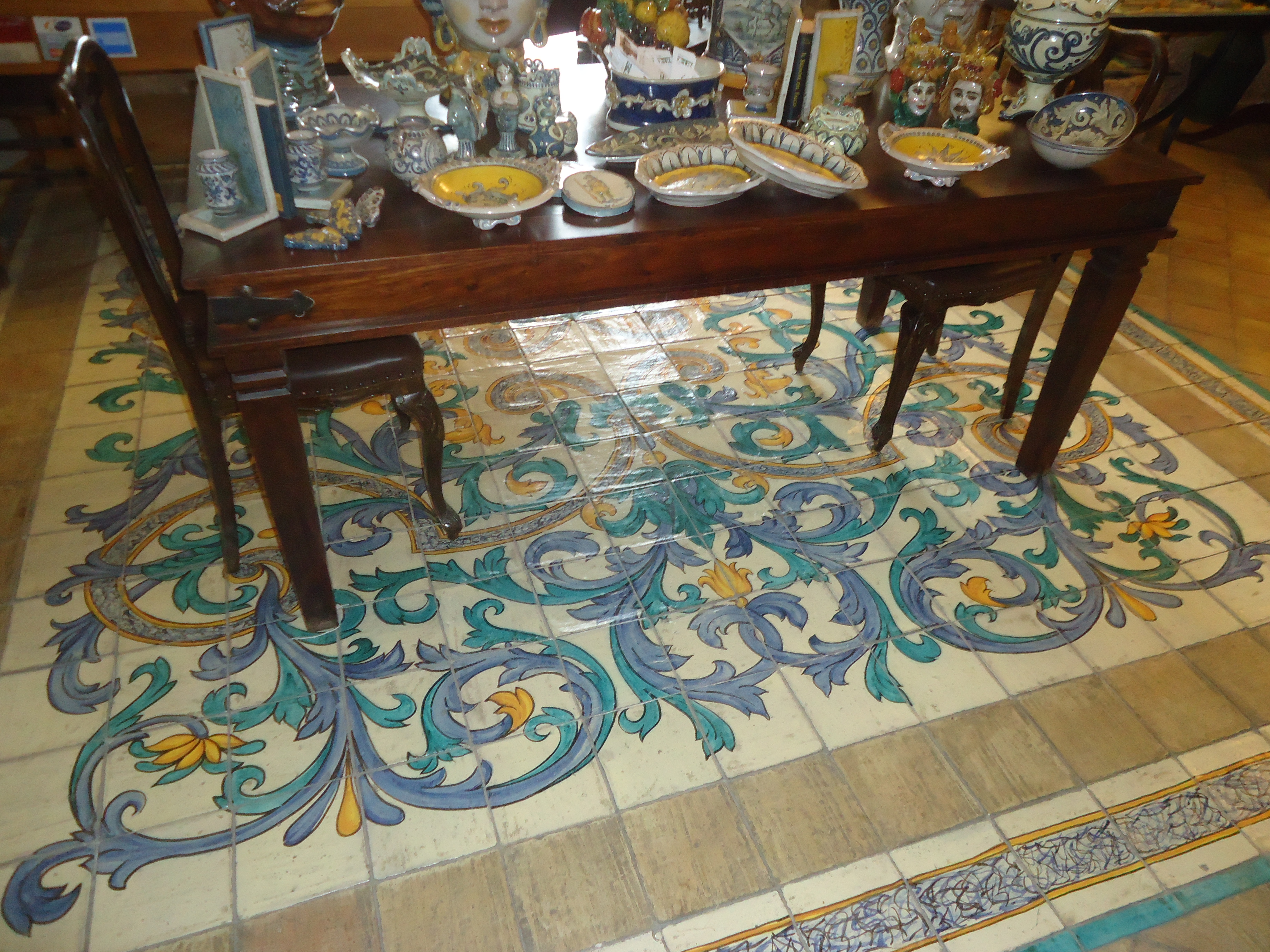
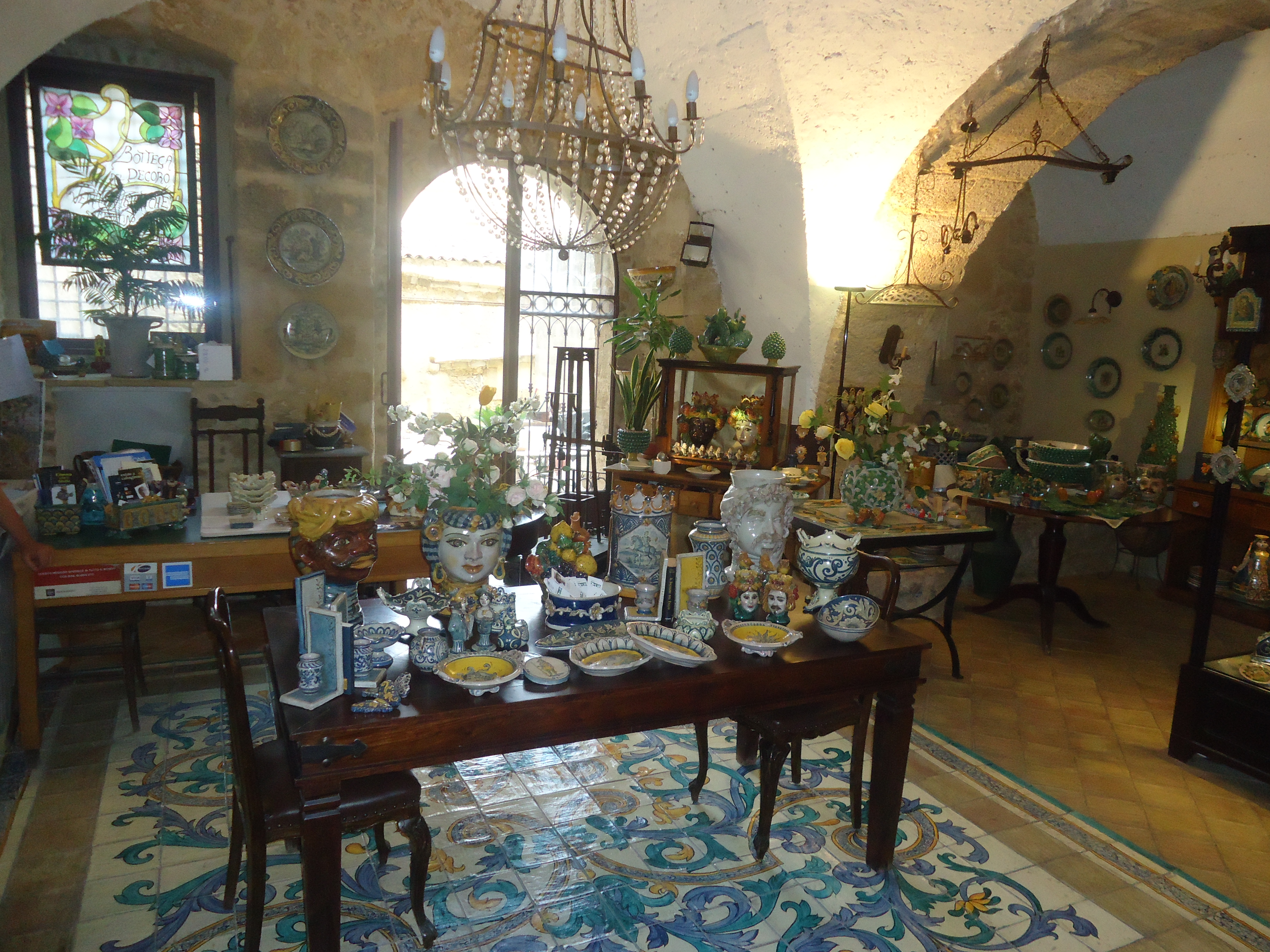
Caltagirone is famous for its ceramics. The current ceramic artists re-create many patterns of the past centuries. These pictures show some ceramics on display in a shop, the famous stairs adorned in ceramics, and the ceramic decorations of some walls in the town.
In the picture of the ceramics on display on a table, the ceramic under the table is a replica of a pattern of the 17th century and the artists will create such tiles, on order, to be inserted into the floor of any private residence.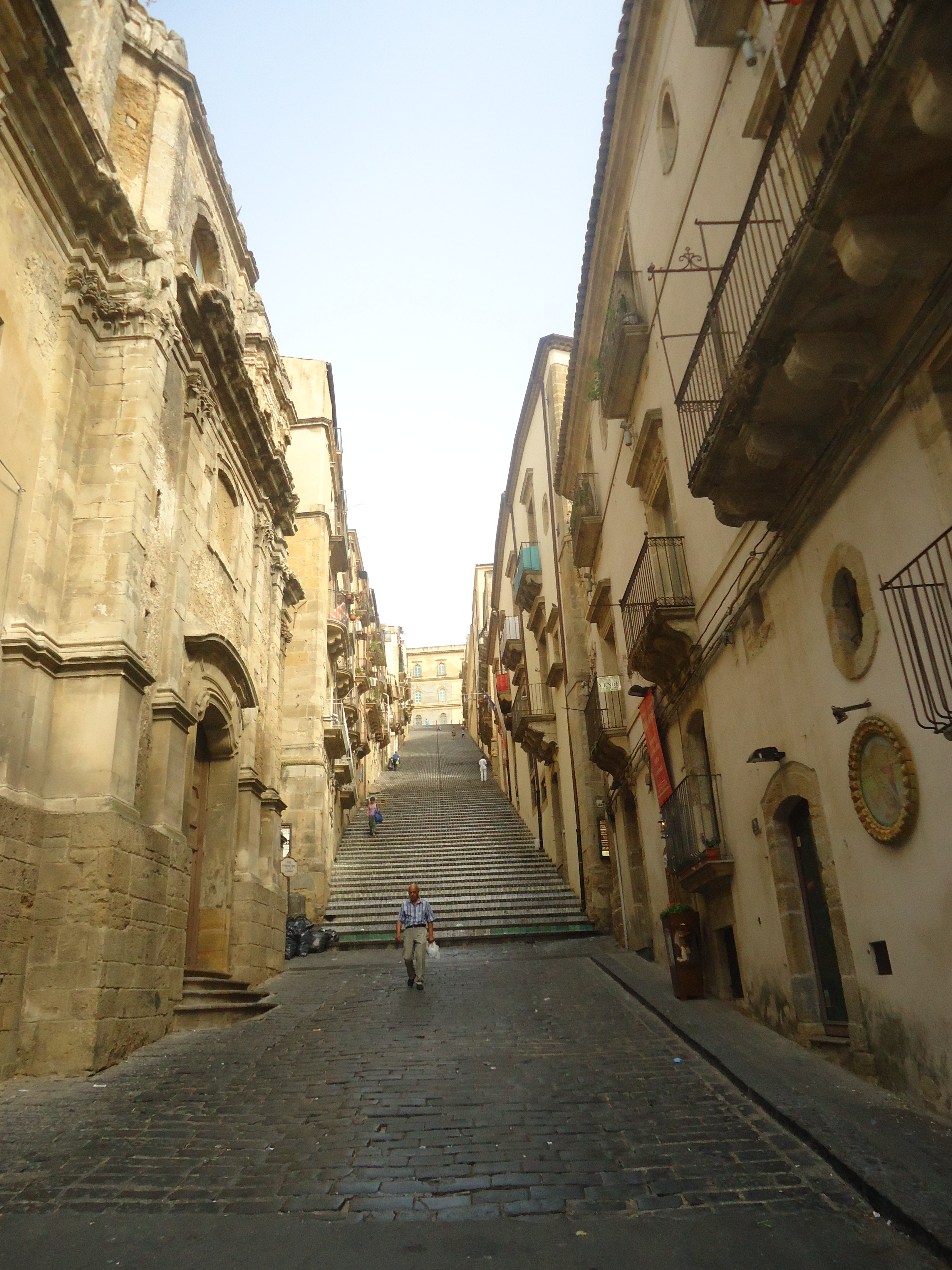

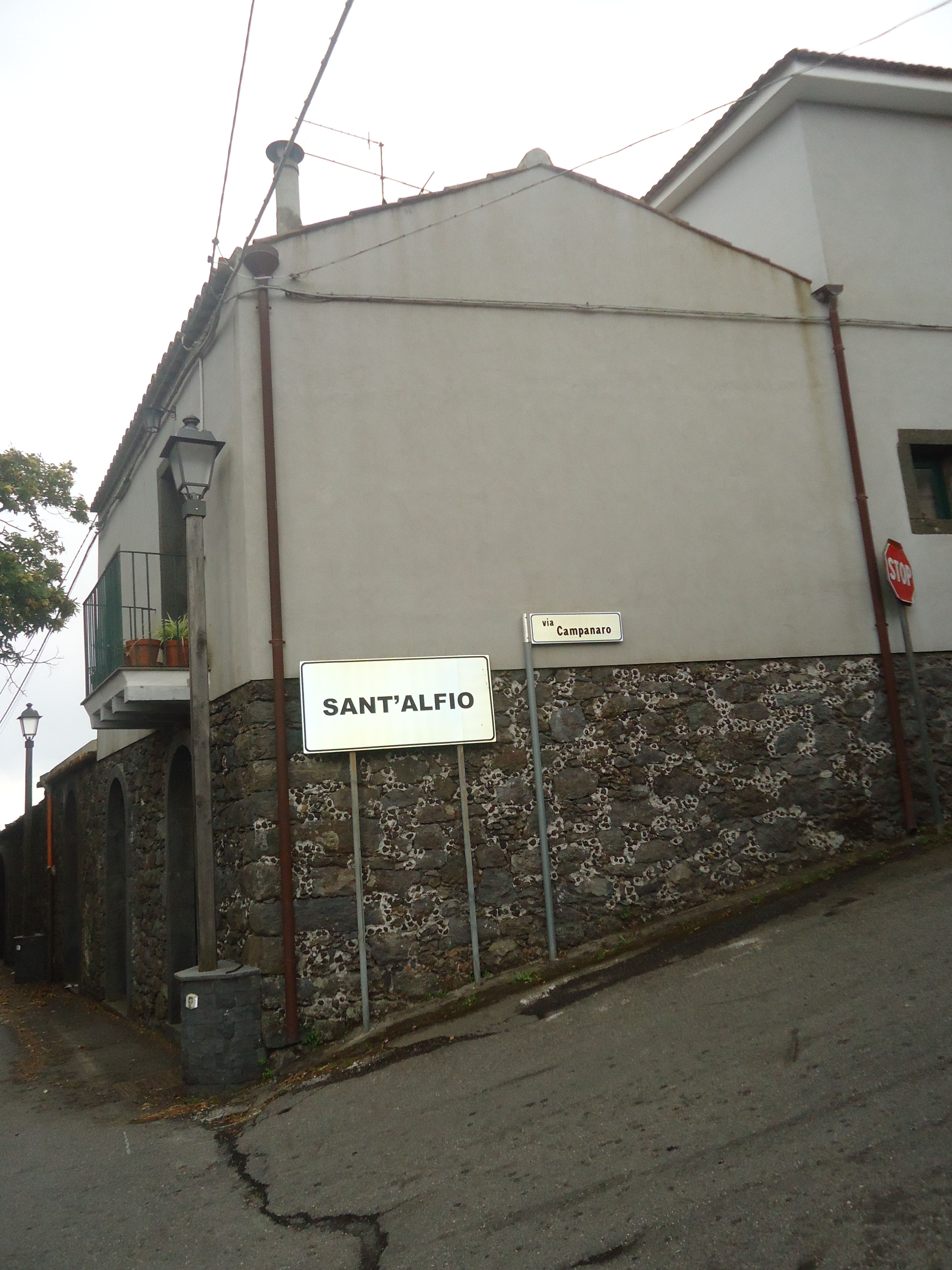
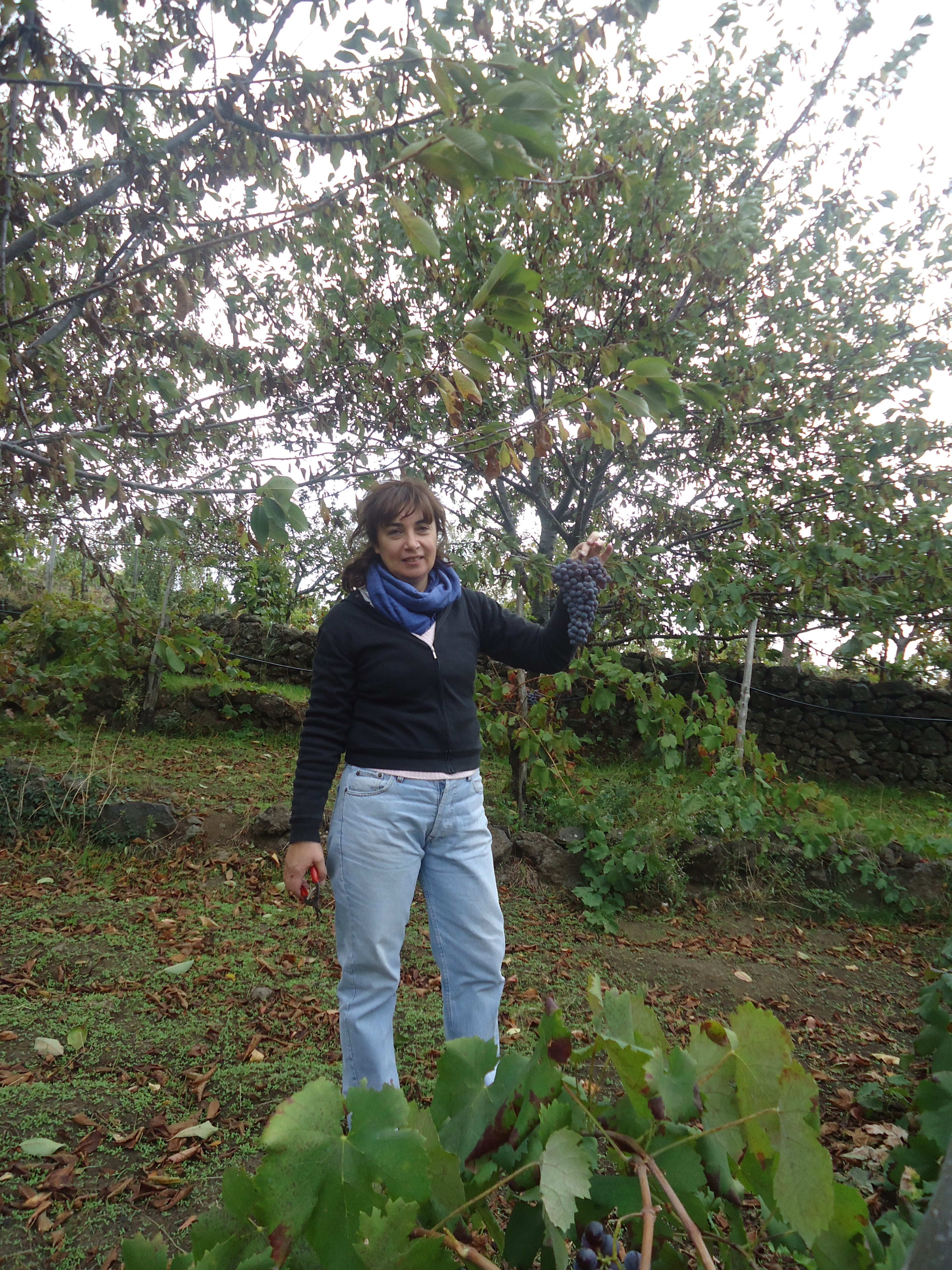
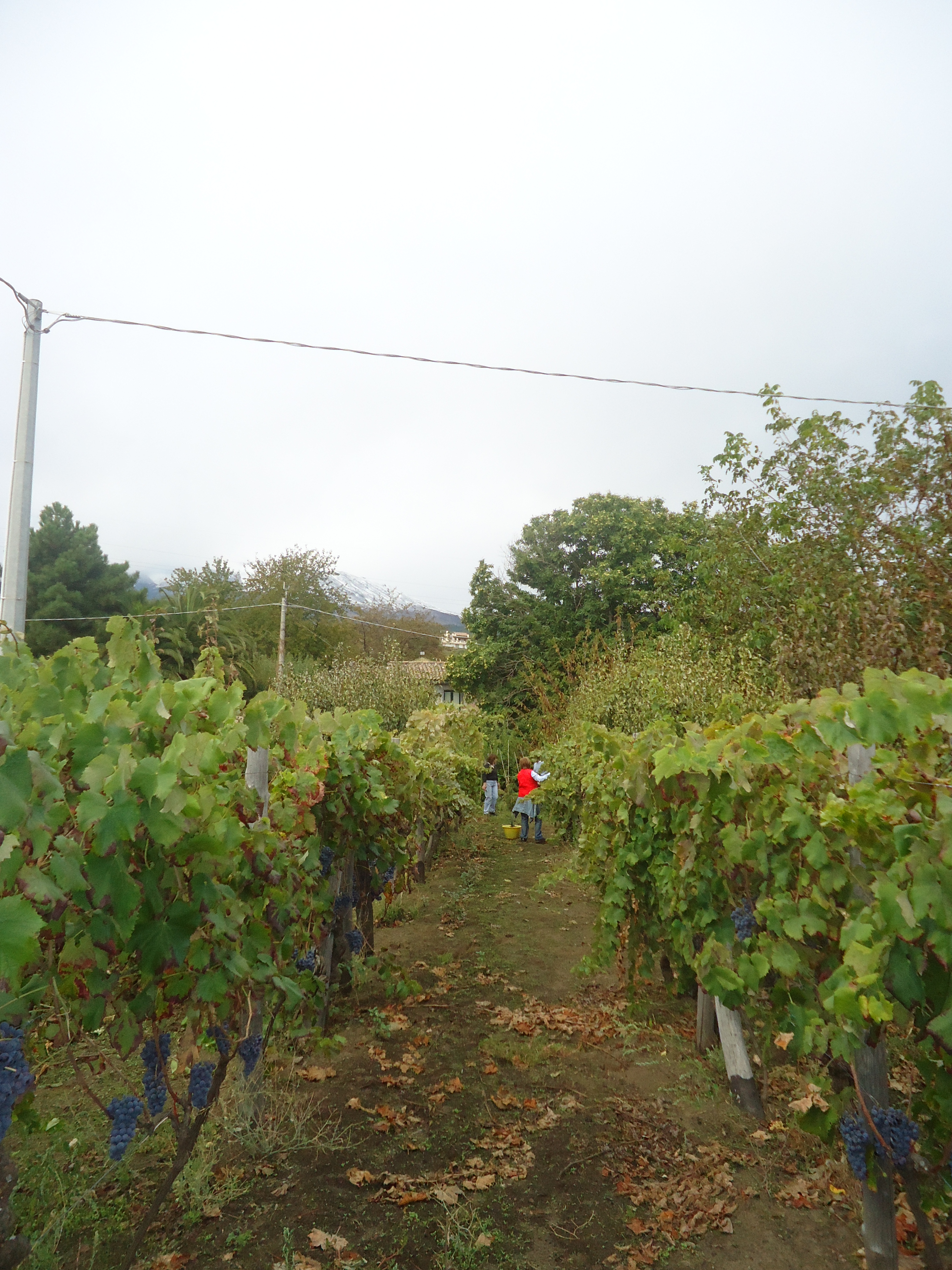
Franca is a good high school friend and on Sunday I joined her, family and friends to harvest grapes on her property in Sant’Alfio, on Mt. Etna. It was a windy cold day, the first this season, but we had a fabulous time. The grape harvest was later than the previous ones I had attended as the vinyard is at a much higher altitude. The backdrop to the property was a snow covered Etna, the first snow this Fall.
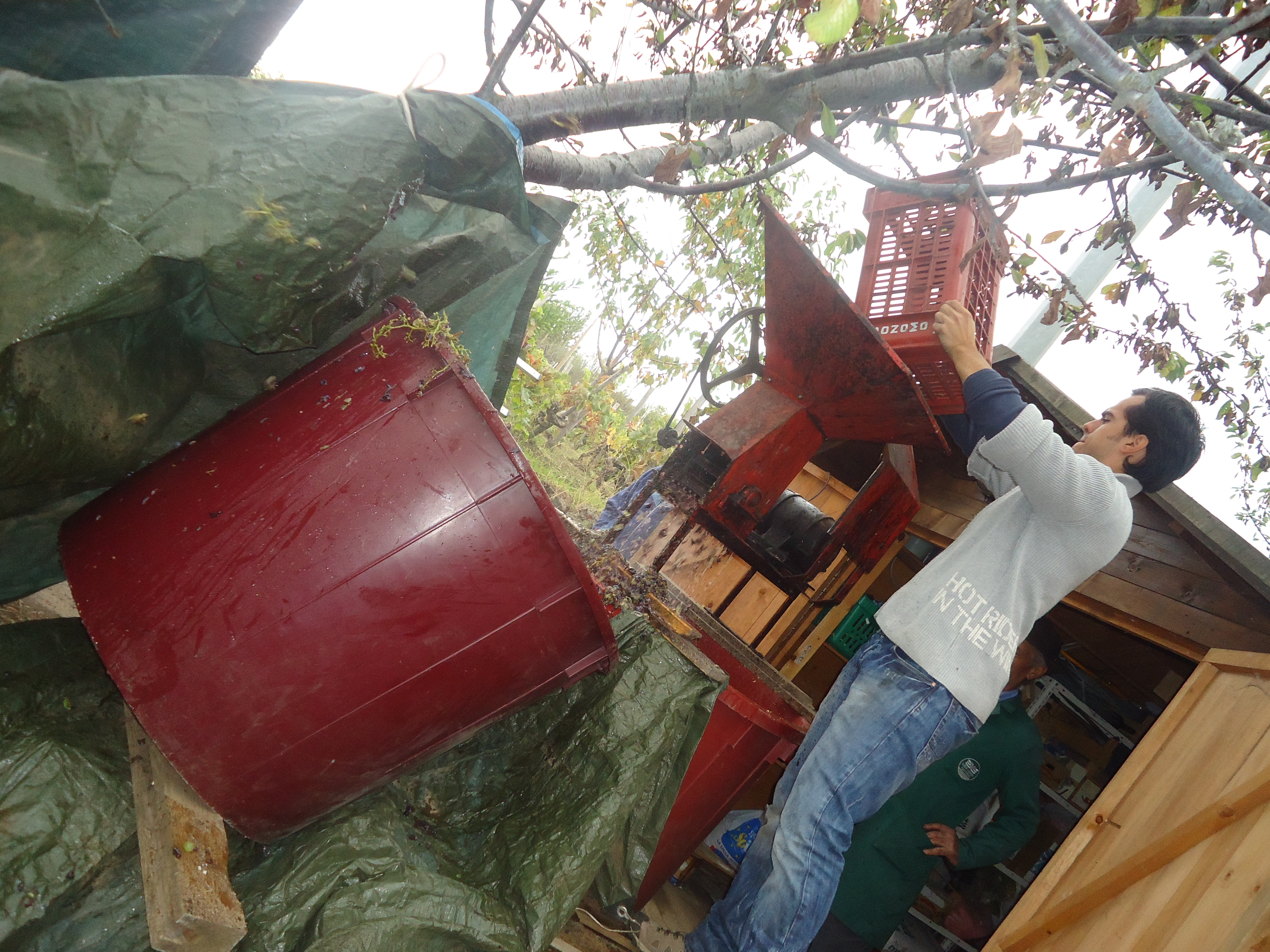
After picking the grapes, the grapes were squeezed as in the picture below and then divided for two purposes. One batch would be boiled and made into Vino Cotto, or cooked wine. The other batch would start fermentation to make wine.
This is truly homemade grape harvest and wine making!
I have a passion for olive oil and my taste buds are used to enjoying the very best kind right here in Sicily. So while shopping at a local farmer’s market recently and talking to a vendor, Julia Cali’, while buying her olives, I learned I could visit the olive mill when her father Franco Cali’ would take the freshly picked olives to make olive oil. So last night, I joined Julia and Franco at the olive mill to experience the olive oil making process and buy my olive oil.
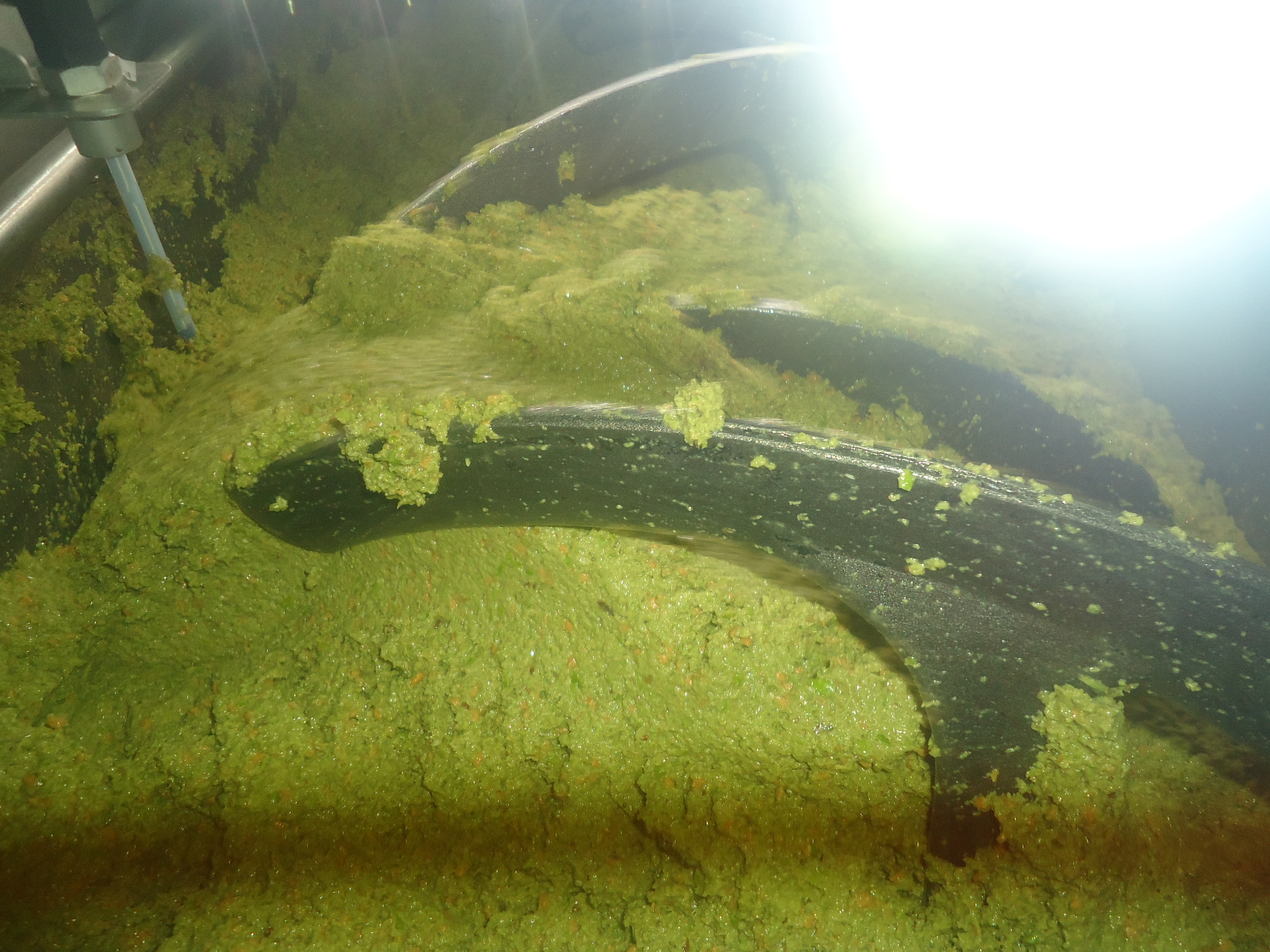
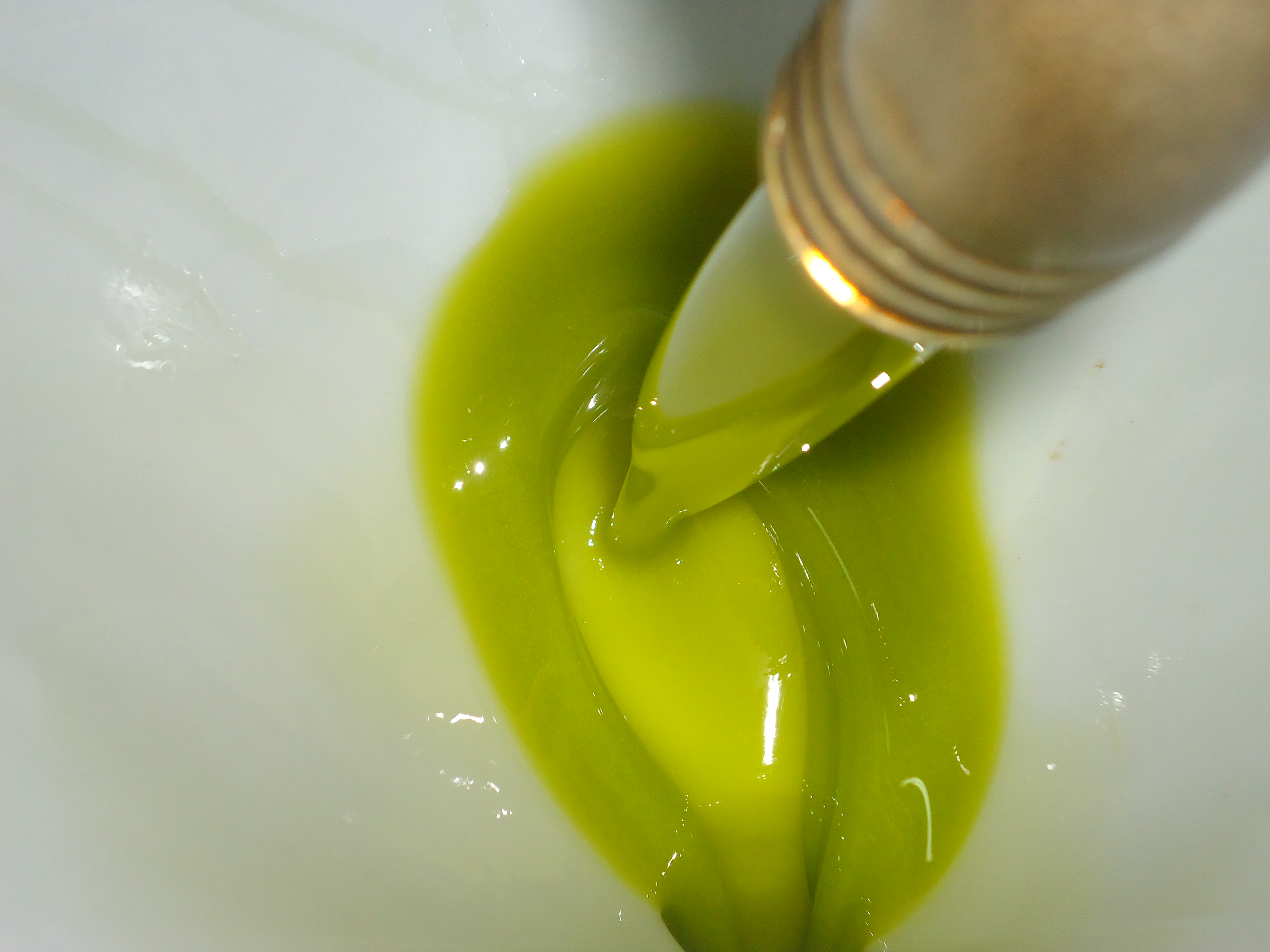
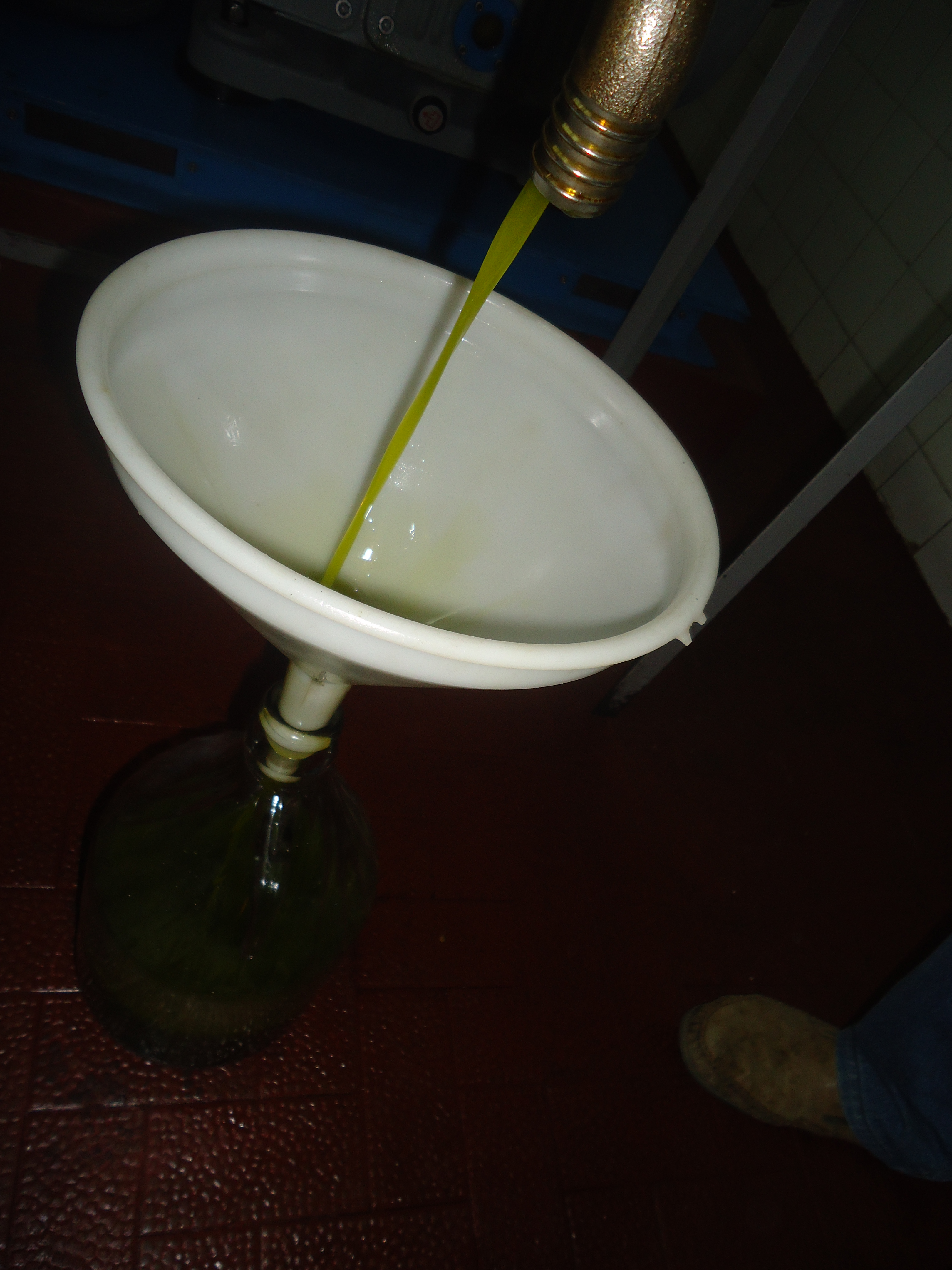
As I drove up to the olive mill and stepped out of my car, my senses were hit by the strong fragrance of olives permeating the surrounding air. I thoroughly enjoyed watching the entire process of preparing the olives, washing them, crushing them and then the final product flowing into my jug. These olives are the variety that grows right here in the Mt. Etna region and they are called Nocellara Etnea.
Franco Cali’ has a passion for what he does and it shows. He explained how he prefers making the olive oil early in the season, in the beginning of October when the olives are at their best. By making the oil at this stage of the olives’ ripening process, the oil he produces from his batch is less in quantity, but better in quality. The yield is about 10% at this stage; for 500 kilos the yield is 50 litres.
This oil is unfiltered and will improve as it sits and sediment sets on the bottom. It is pungent with a slight bitter after taste which requires an accustomed palate. Personally I love it!
Below are pictures taking last night at the olive mill and the final picture shows an old fashioned olive press, made of wood, standing next to a Sicilan cart.
I want to thank Julia and Franco for inviting me to join them and allowing me to enjoy this experience.



As I drove home, I stopped at the baker’s to buy piping hot bread and enjoy Pani Cunzatu, bread dressed with olive oil, salt and pepper, at home. It calls for black olives but I had none! Next time!

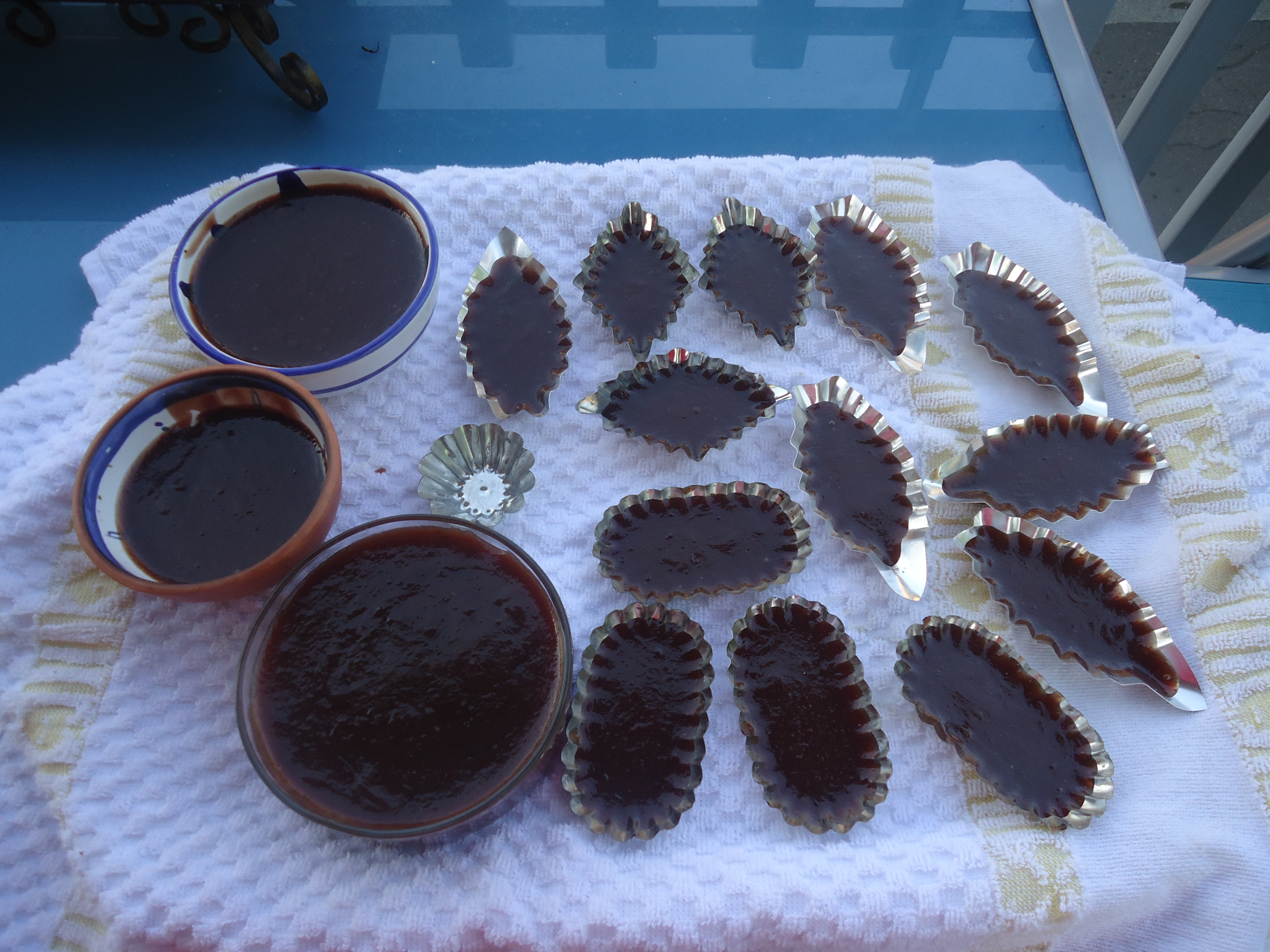
Autumn brings many culinary traditions on the island of Sicily and one of them is making Mostarda. Mostarda is make from the juice squeezed out of the mosto grapes and cooking it until it is ready to be dried in the sun. Recently, while enjoying an outing on Mike and Elena’s property, Rosi and I picked some mosto grapes so I could try and make mostarda for the very first time. This experience comes from childhood memories of watching my grandmother Francesca carry out this process.
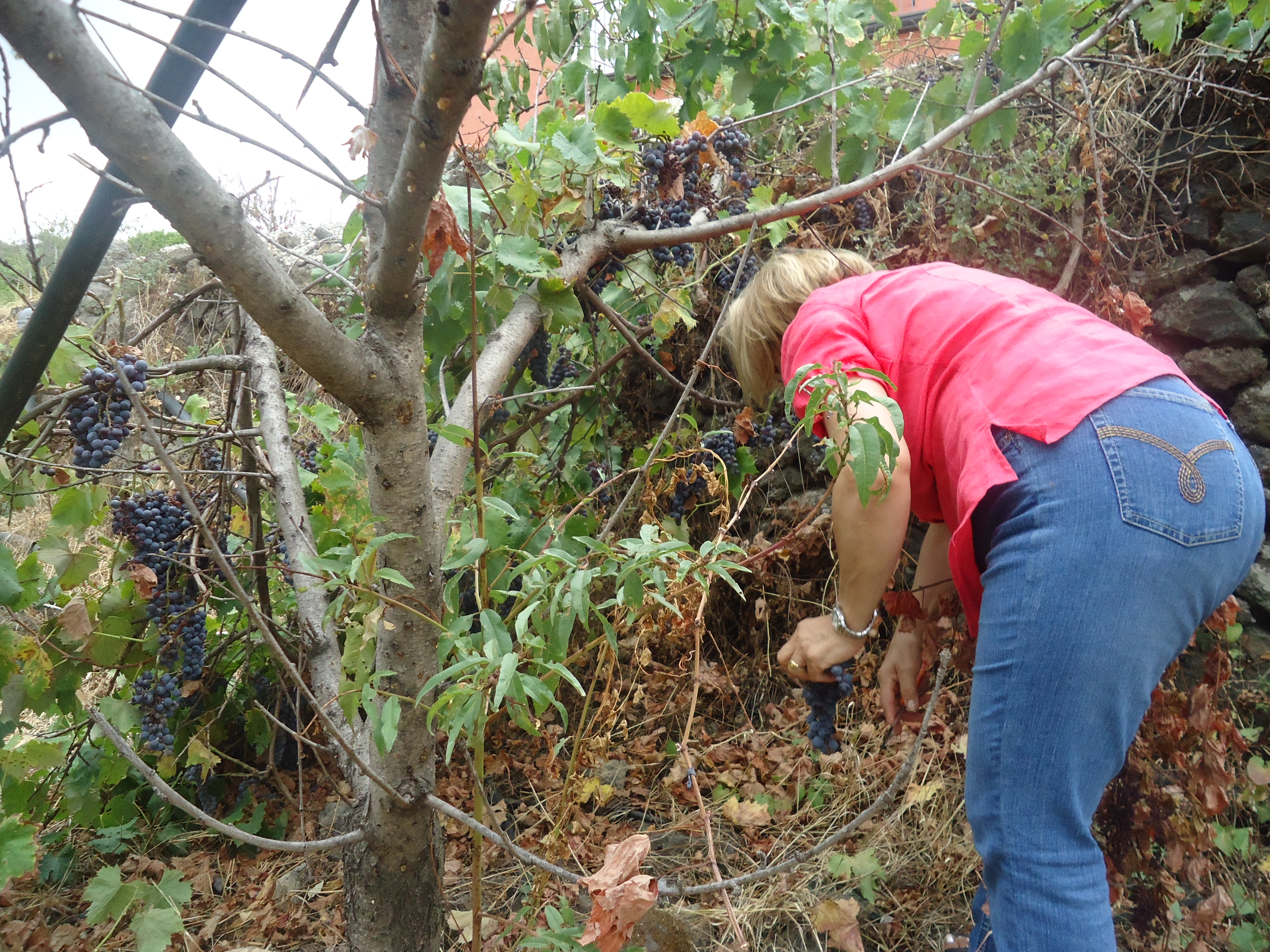
After squeezing the grapes and making sure there are no solid particles in the liquid, one cooks the juice reducing it 50% and then it needs to stand for 12`hours. After twelve hours, one adds corn starch and sugar until the mixture thickens. After cooling, the mixture is placed in molds and then it needs to dry in the sun for several days.

Anyone walking down the streets of Sicily will enjoy the appetizing display of a variety of cakes and pastries at the many local pastry shops. My favorite one is located just a block from my home and whenever I feel the need to enjoy a tiny pastry, I head over there. The name of the shop is Arte Pasticcera, The Art of Pastry.
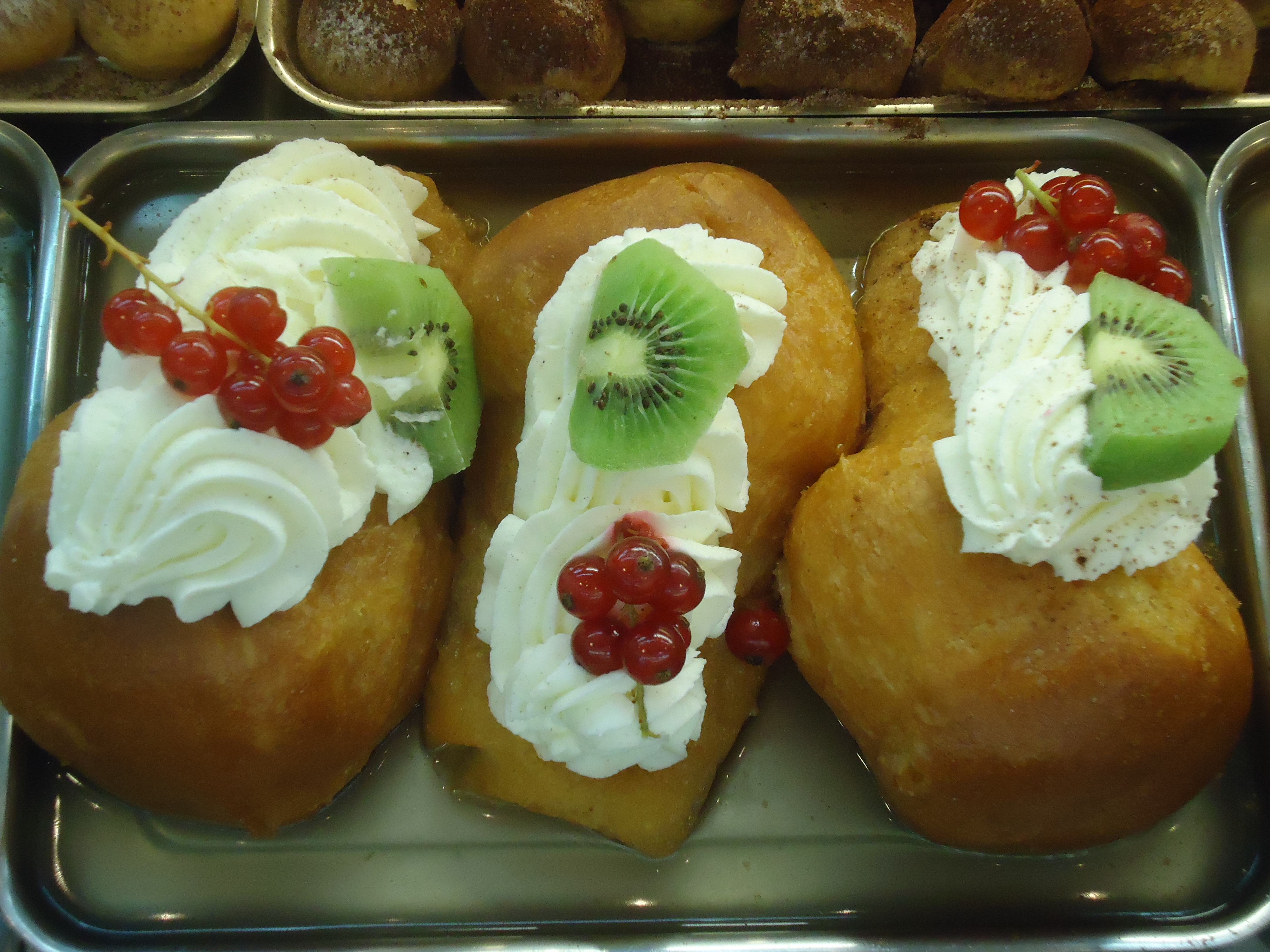
Each day, fresh pastries are made and believe me they sell quickly, so they are always fresh. My favorite pastry is Rhum Baba, and I always enjoy the mignon or tiny version as not to overdue it. Below is a picture of three regularly sized Rhum Babas.
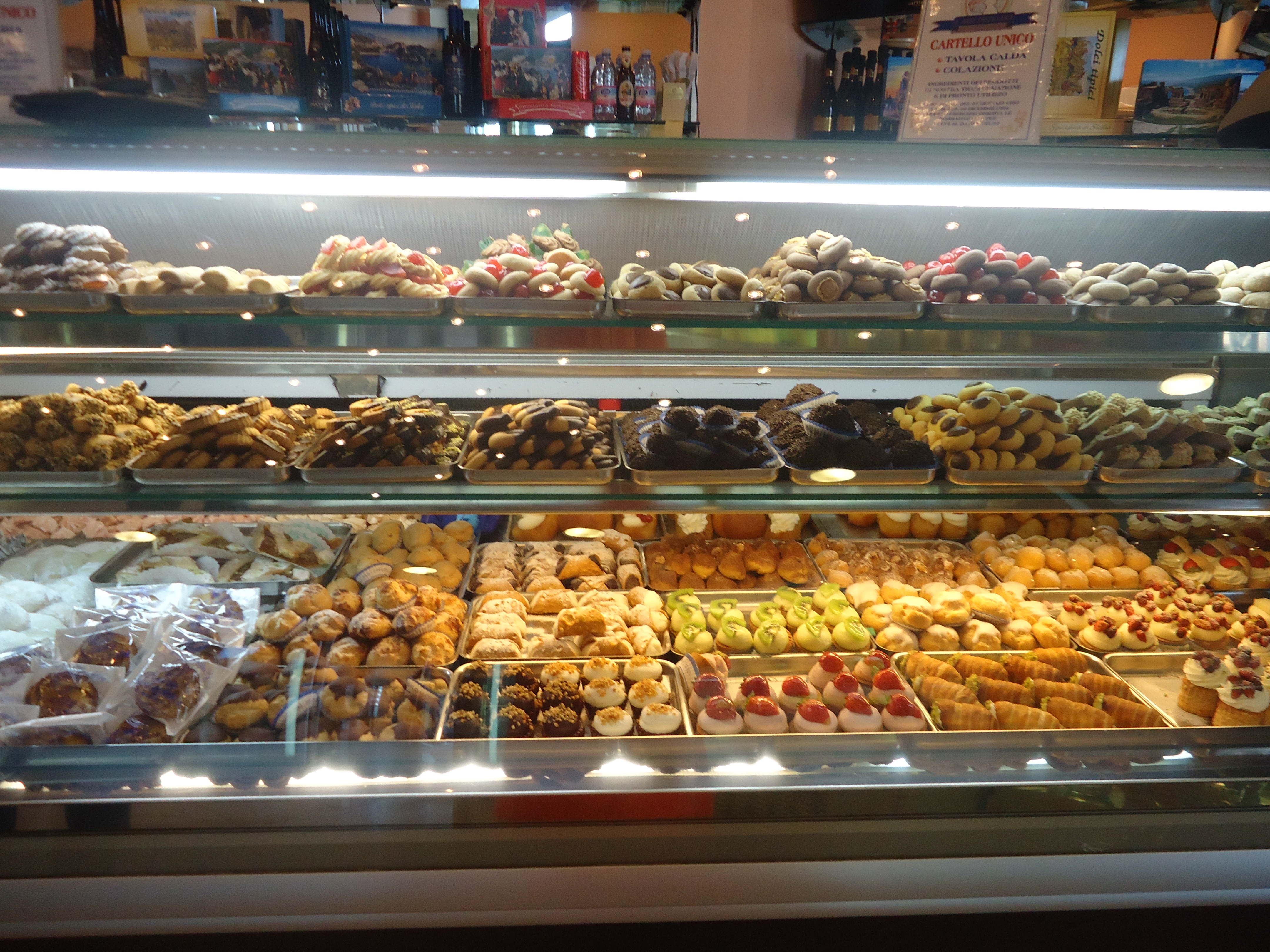
Lemon trees are everywhere in Sicily and lemons are used in a variety of desserts. Below one can see some lemon cakes which the chef brought out as I was in the shop. Lemon cakes here are very light; they are made of layers of light sponge cake and a light lemon custard. Fresh lemon zest is the final touch. Other cakes on display in the picture below have fresh tiny strawberries as the topping. The cream on top is light whipped cream. Literally, these desserts melt in one’s mouth. On the bottom shelves in the picture are the Torroncini, made with almonds.

Finally, below is a picture of the Pasticcini case. On the bottom shelf are the pastries made each day; to the left, on the bottom shelf are the Paste di Mandorla, almond pastries, individually wrapped and that keep their freshness for a couple of days. Finally, on the top shelf are the cookies called Dessert.
At the end of my last visit, as the chef saw me from the kitchen taking the pictures above, he came out for a picture of the two of us in front of the goodies.

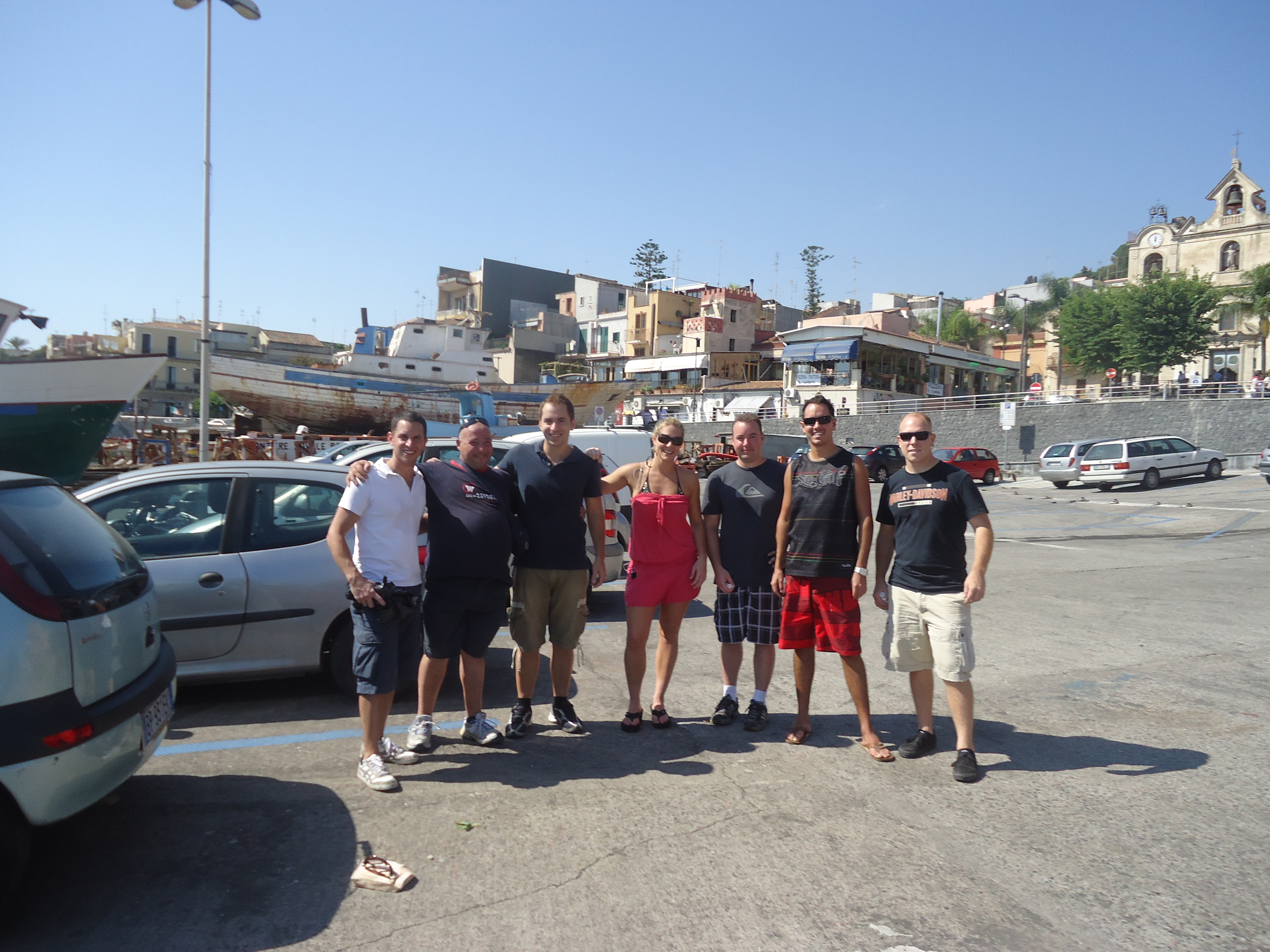
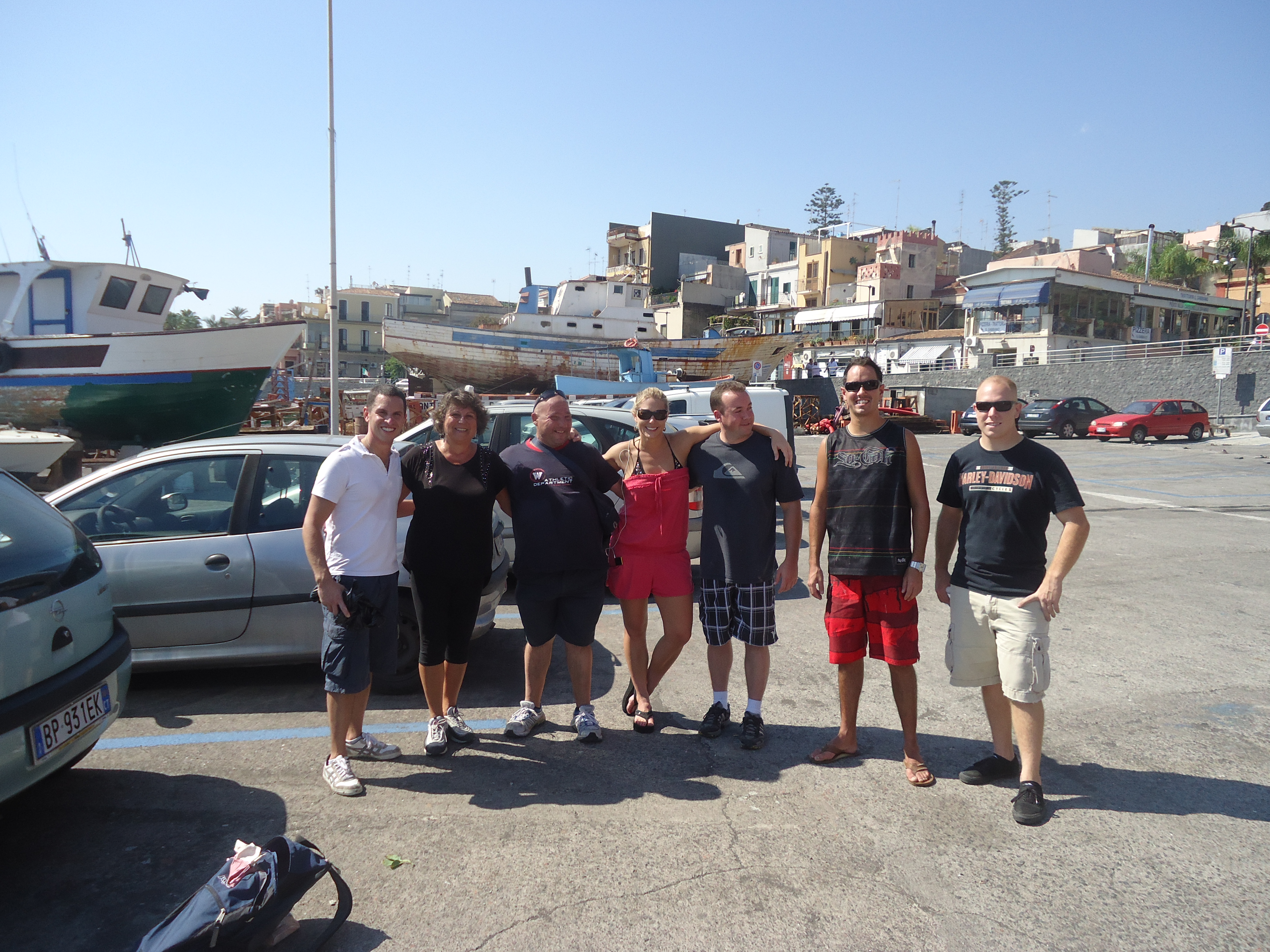
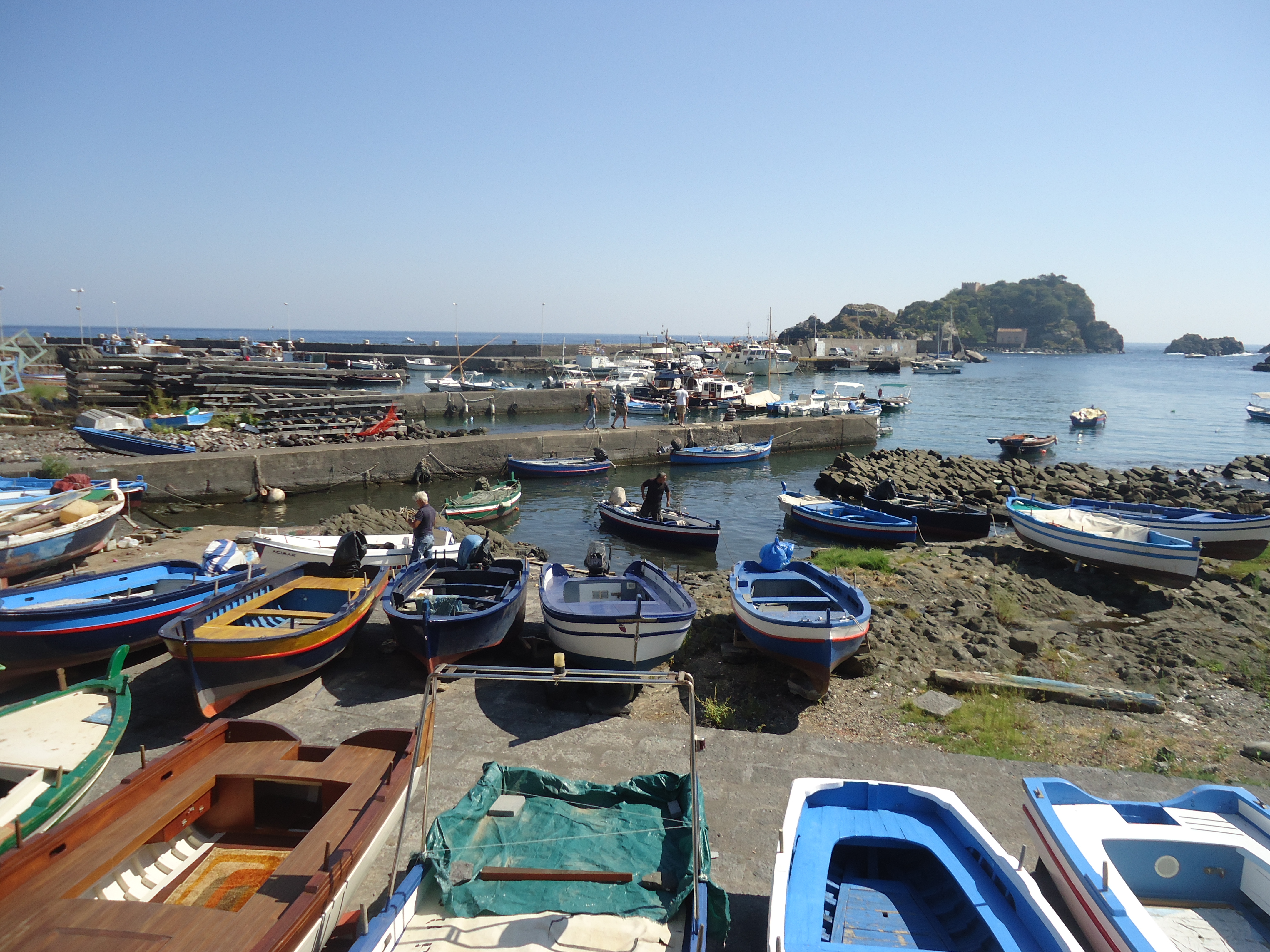
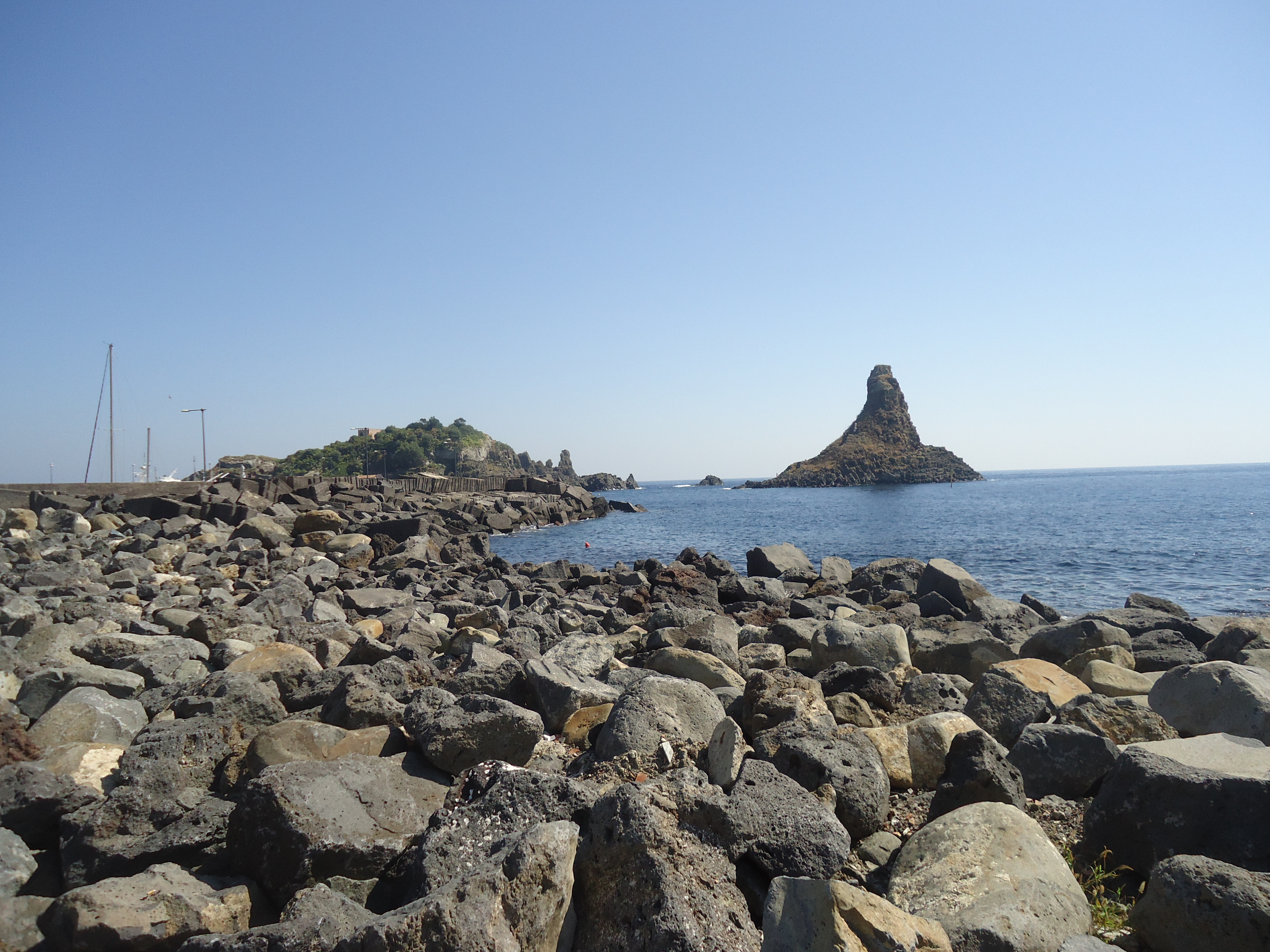
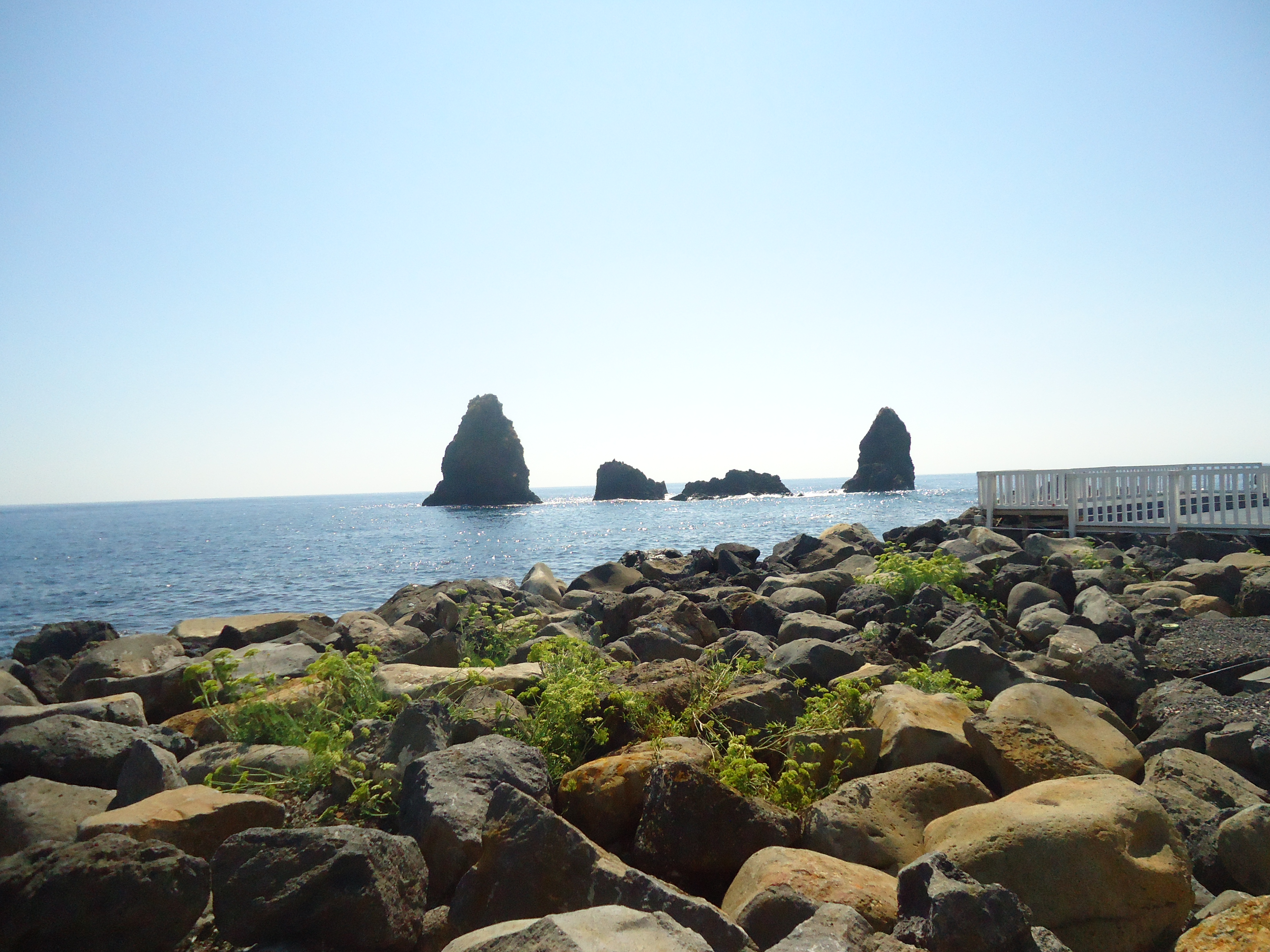
Acitrezza, one of the local sea towns, famous for its fishing past even featured in some of the local literature, as in I Malavoglia, by Giovanni Verga, is a quaint town bustling with activity in the summer months. Unfortunately, litter is present in the area around the pier and the fishermen’s harbour, and takes away from the naturual beauty. On Friday, September 30th, the local newspaper had a small article informing there would be a clean up of one areas of the town, to be carried out by some local Americans stationed in the area. Reading the article at the time the clean up was starting, I immediately drove the five minutes to Acitrezza to join the crew and lend a hand. Pictures below, of some of the clean up crew, were taken immediately after the clean up ended. Also, pictures of the Faraglioni, large rocks in the sea, which local mythology claims are the result of the rocks the Giant Polyphemus threw at Ulysses and his crew as they were escaping the area and the fury of the Giant.
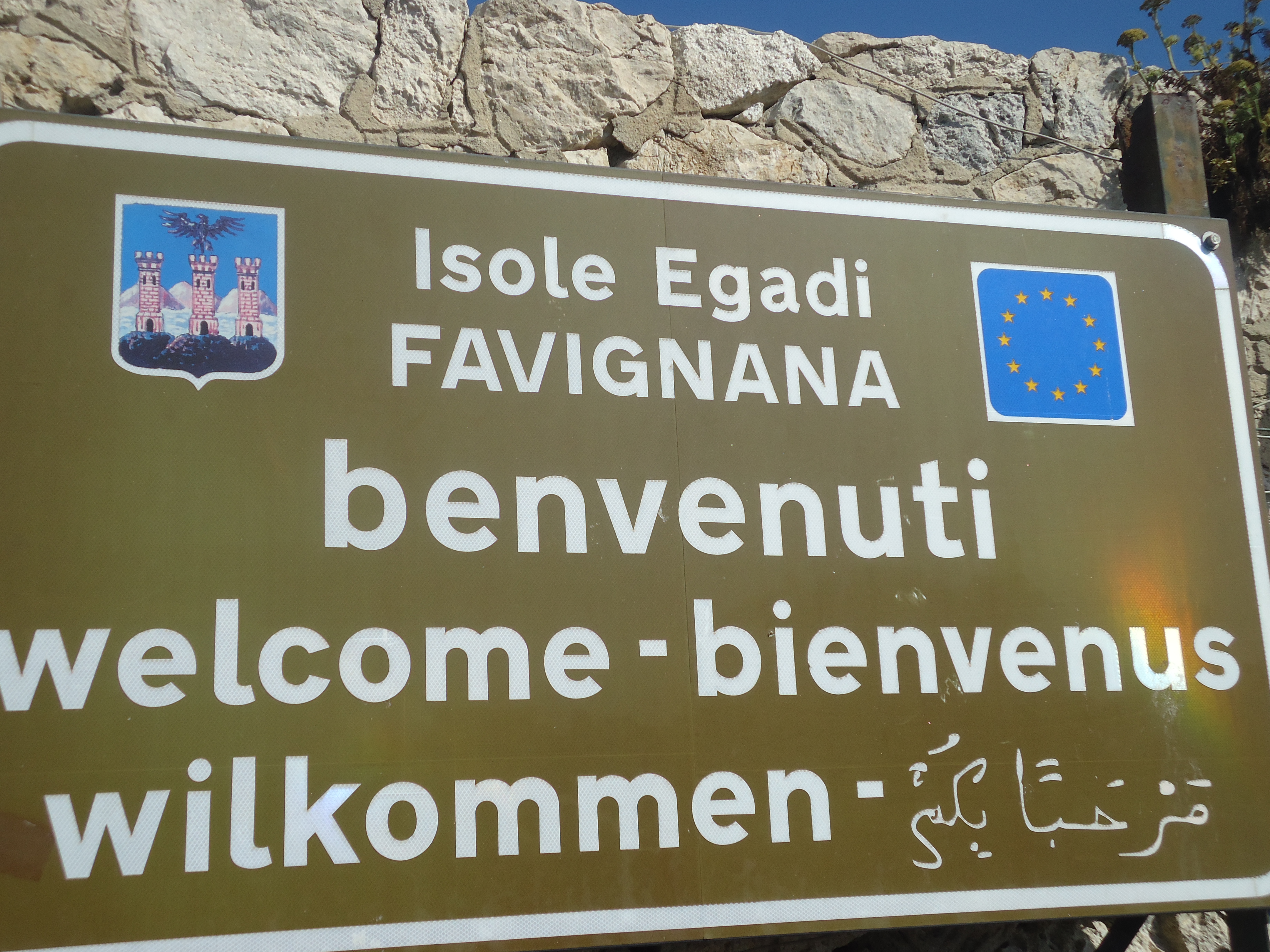
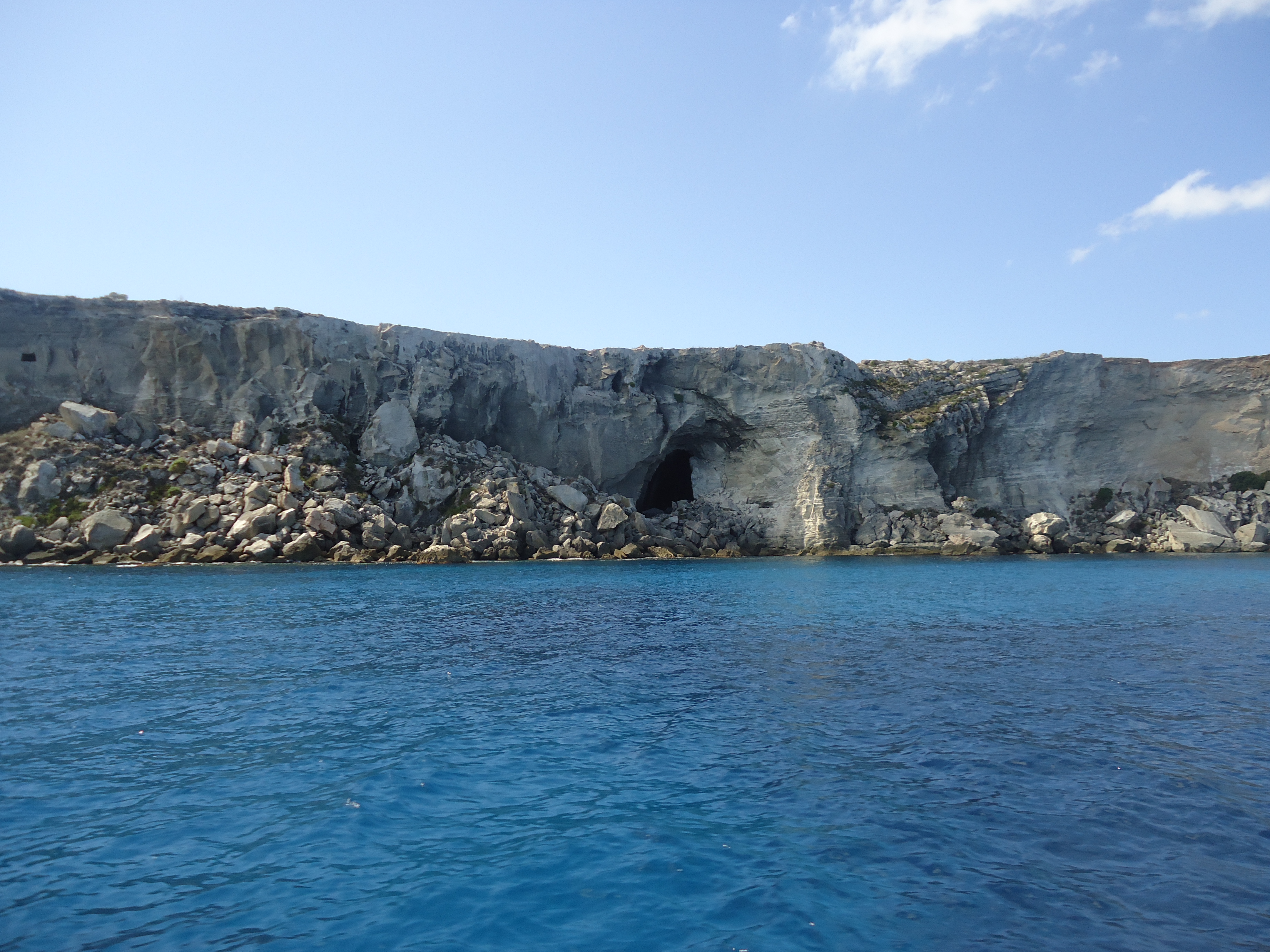
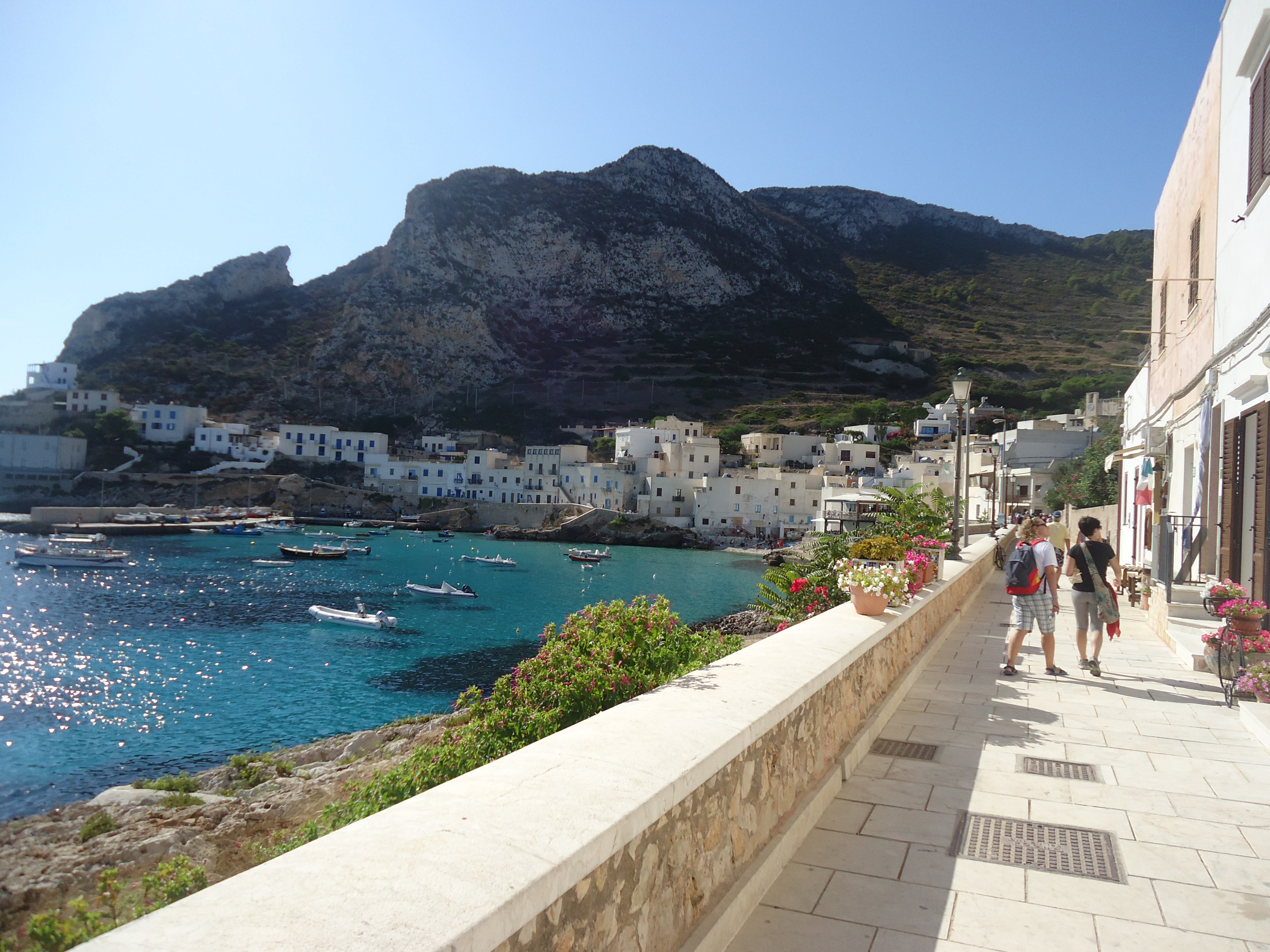
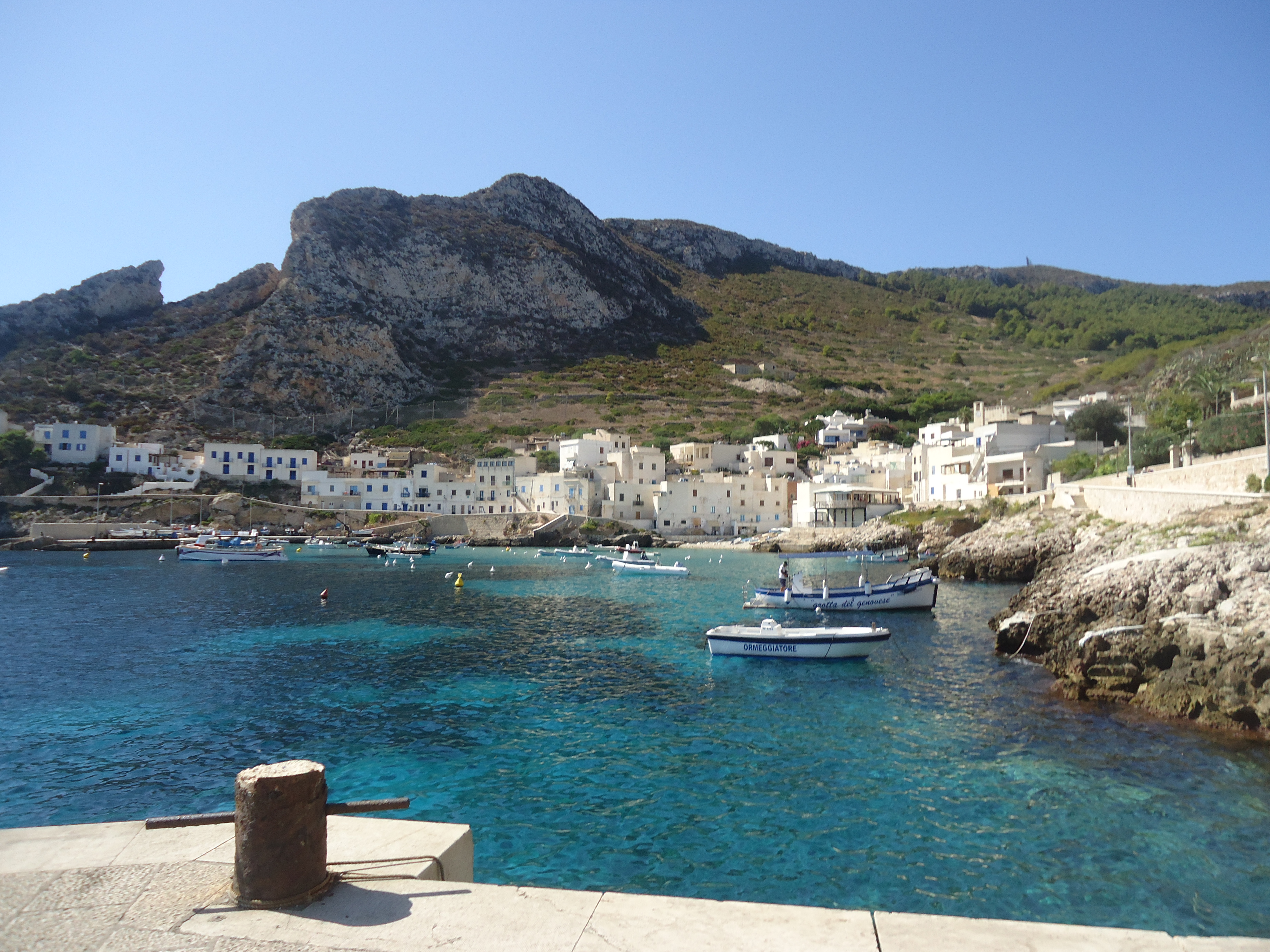
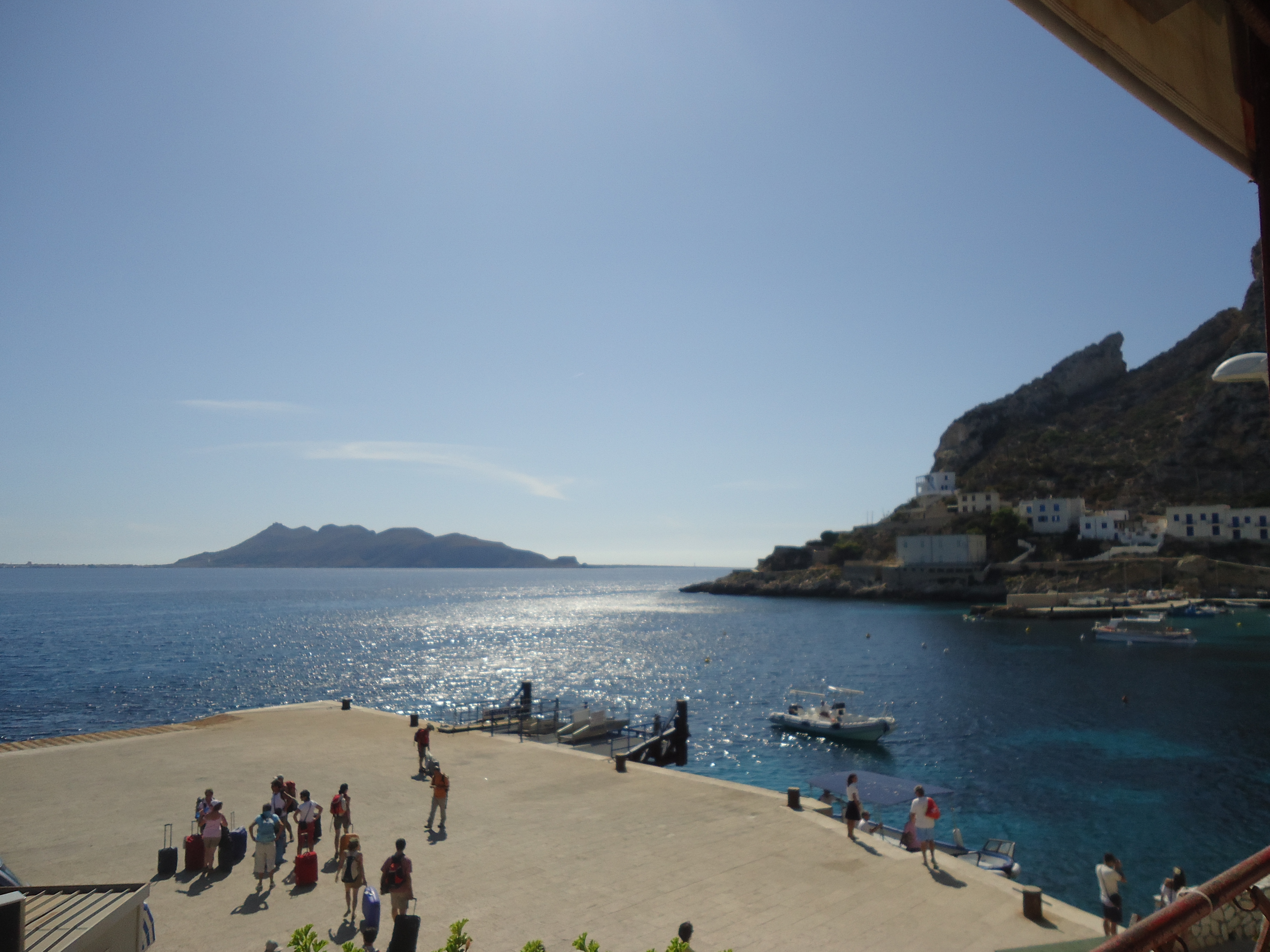
Off the western coast of Sicily lie the Egadi Islands, Favignana, Levanzo and Marettimo. A recent visit to two of the islands, Favignana and Levanzo, was delightful. Departure took place from the harbour of the city of Trapani. The weather was superb, as the sun was shining and the sea sparkling. On the way to the islands, the boat made a few stops allowing the passengers to enjoy a refreshing swim in those crystal blue waters.
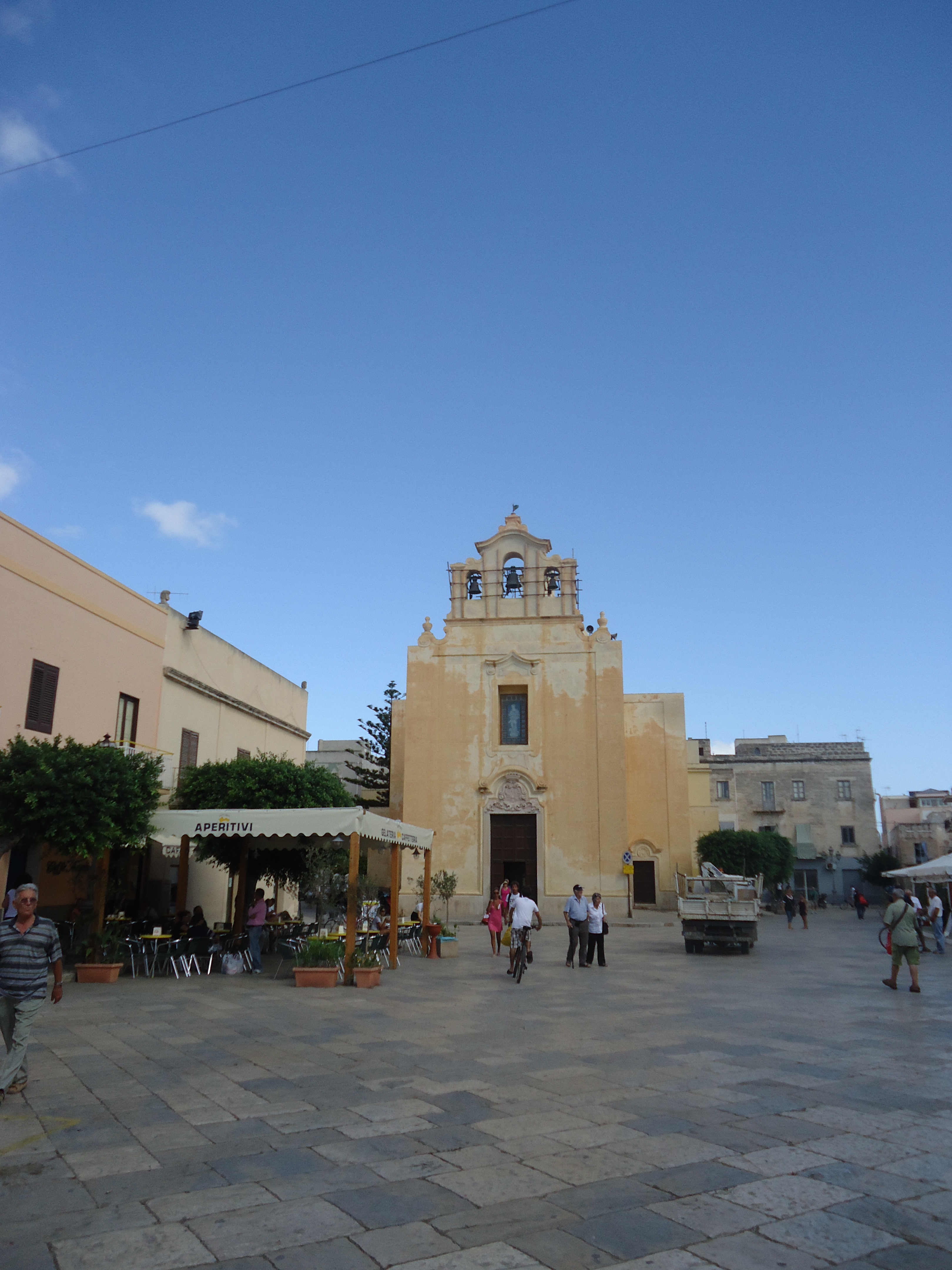
A walk along the back roads of Favignana provided a peaceful experience in a place that certainly carries a slow pace. The locals were going about their daily business as if there were no tourists around.
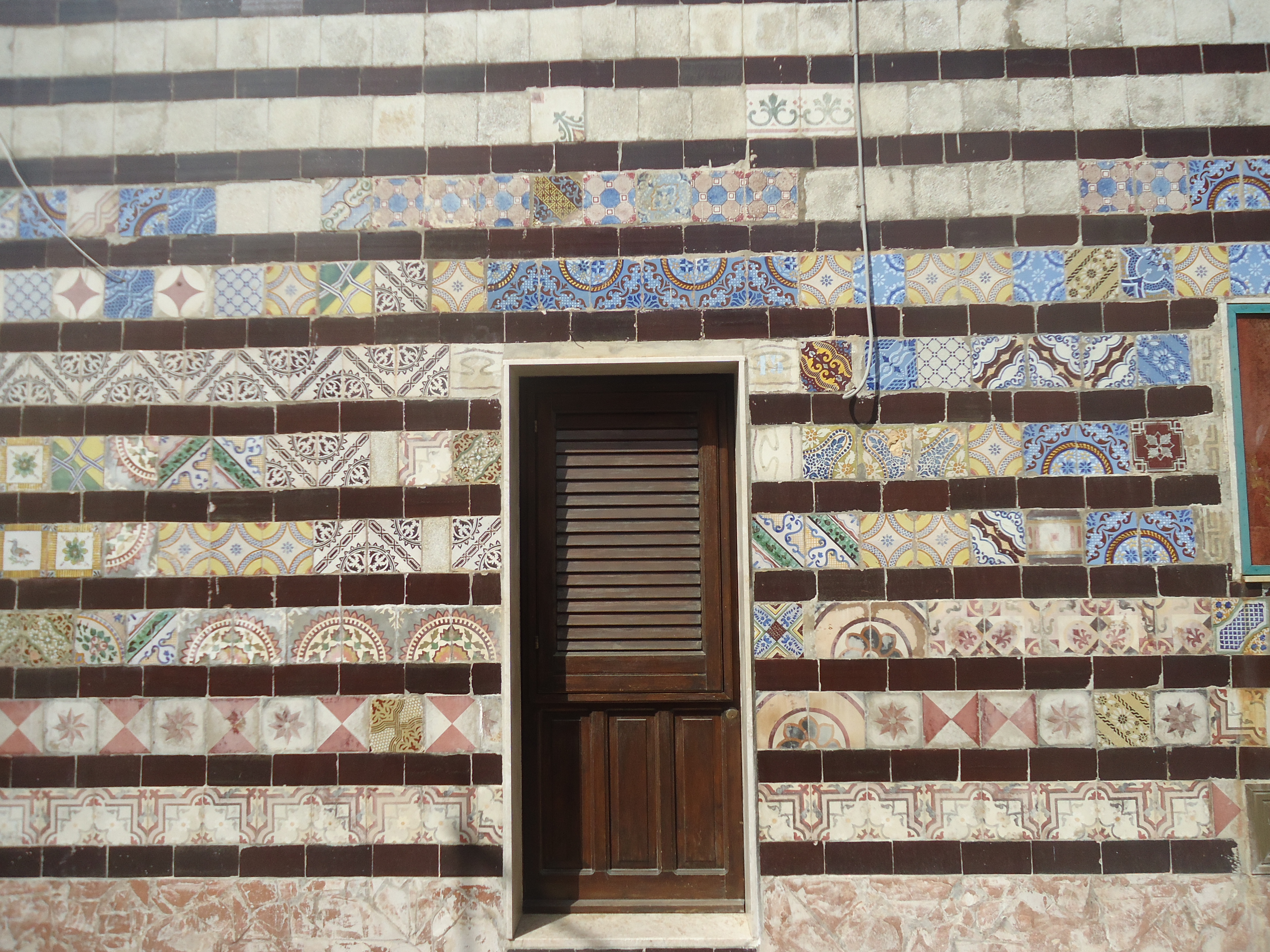
The following pictures show the beauty of those places. The first four pictures were taken in Favignana and the last three ones in Levanzo.

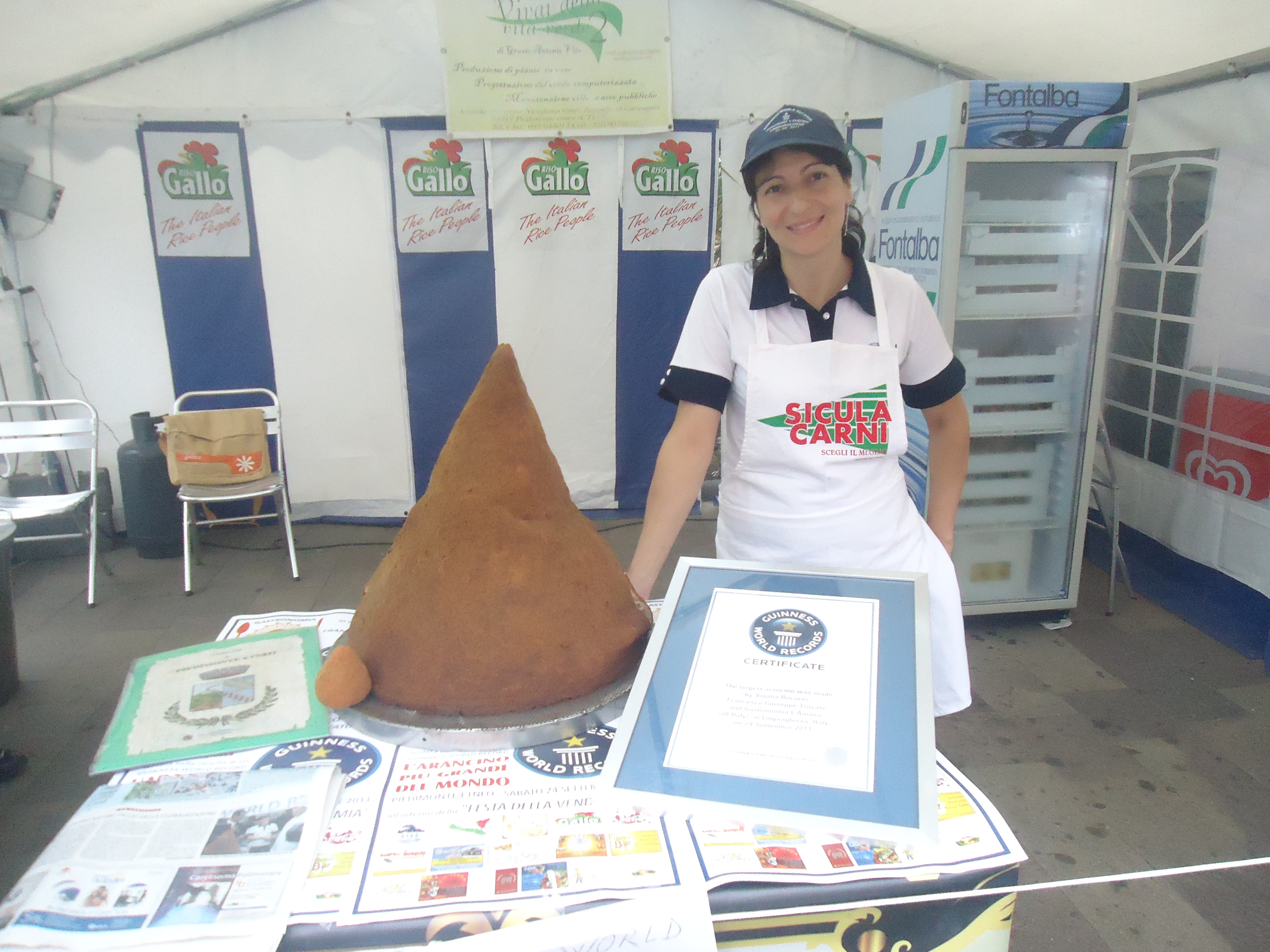
WOW!!! This past weekend this arancino (rice ball) made in Piedimonte Etneo by two Linguaglossa chefs was awarded the Guiness World Record for its size. It is displayed in its giant size weighing in at 20 kilos and 205 grams and next to it, on the left hand corner, is the size of a regular arancino. Arancino is a traditional Sicilian food .
I dedicate this entry to all my friends who over the years have enjoyed making and eating arancini at my home in Virginia. Below is a picture of the giant arancino with one of the chefs who created it.
A visit to the wineries of the city of Marsala on the western coast of Sicily would not be complete without a visit to the Cantine Florio, Florio Winery, established in 1833. The winery is located in a Baglio along the coastline of the city. Baglio is the name of large facilites which, with a large gate on the main road, held enclosed quarters of the wine making factory. The Baglio had a center courtyard and all the buildings which allowed those operating inside a totally self sufficient facility with wine making quarters, living facilities, and food processing and storage for the people living at the Baglio. There are several Baglio facilities along the coast of the city of Marsala. Obviously, the coastline location of the Baglio allowed immediate accesss to the sea, as a means of transporting the goods abroad. Today, the Florio winery is a testimonial to the successful wine production of the past and is one of the largest producers of Marsala. At Cantine Florio one can see both the large wooden barrels containing the aging wine as well as the modern steel barrels.
Ironically, the creation of Marsala is owed to some British entrepreneurs. During the years of embargo on the ports of Portugal and Spain, the British realized that Marsala had its own valuable wine which could become a product to export. In fact, the city of Marsala was located on what they called “The Sun Belt.” It was a British entrepreneur who decided to take some barrels of wine from the Florio winery to England; during the voyage, he added alcohol to the barrels to allow the wine to stand the long trip to England. After arriving in England, he realized that the mixture had created a wonderful wine, which is Marsala, known all over the world.
At the Florio facility, the floor of the wine cellars is made of TUFO, a rock found on the islands of the area. This rock is crushed to form the pavement of the cellars. The guide told the group that the tufo rock had an impact of the air of the cellars and the closeness to the sea with its salty air also added to the effects on the wine during the aging process.
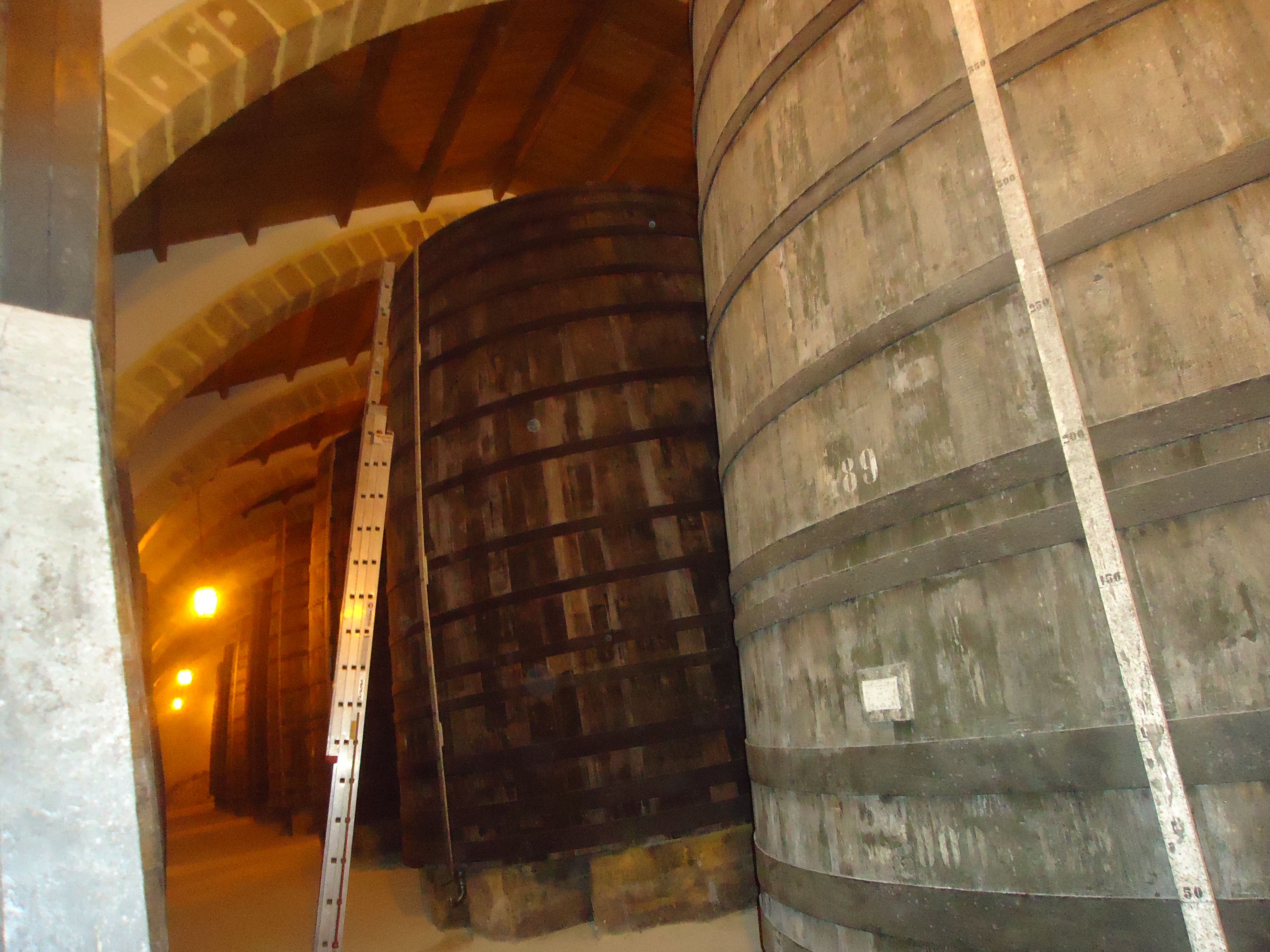
Marsala is aged in barrels which are filled leaving enough space on the top to allow for oxidation In fact, the wine ages through this oxidation.
The rich history of the Florio winery sees the business go from a family run one to being purchased by other companies as Cinzano, who owned it from 1924 to 1998. Today a holding company owns the winery, Ilva di Saronno, and through them three big names have come together: Corvo, Duca di Salaparuta and Florio.
The guide conducting the tour of the Florio winery shared a very interesting anecdote with the visitors. During the Prohibition in the USA, a great marketing strategy was adopted by the Florio winery. Bottles labeled as Hospital Size were exported to the USA for medicinal purposes. Notice the words in red on the bottle below stating Hospital Size in red.

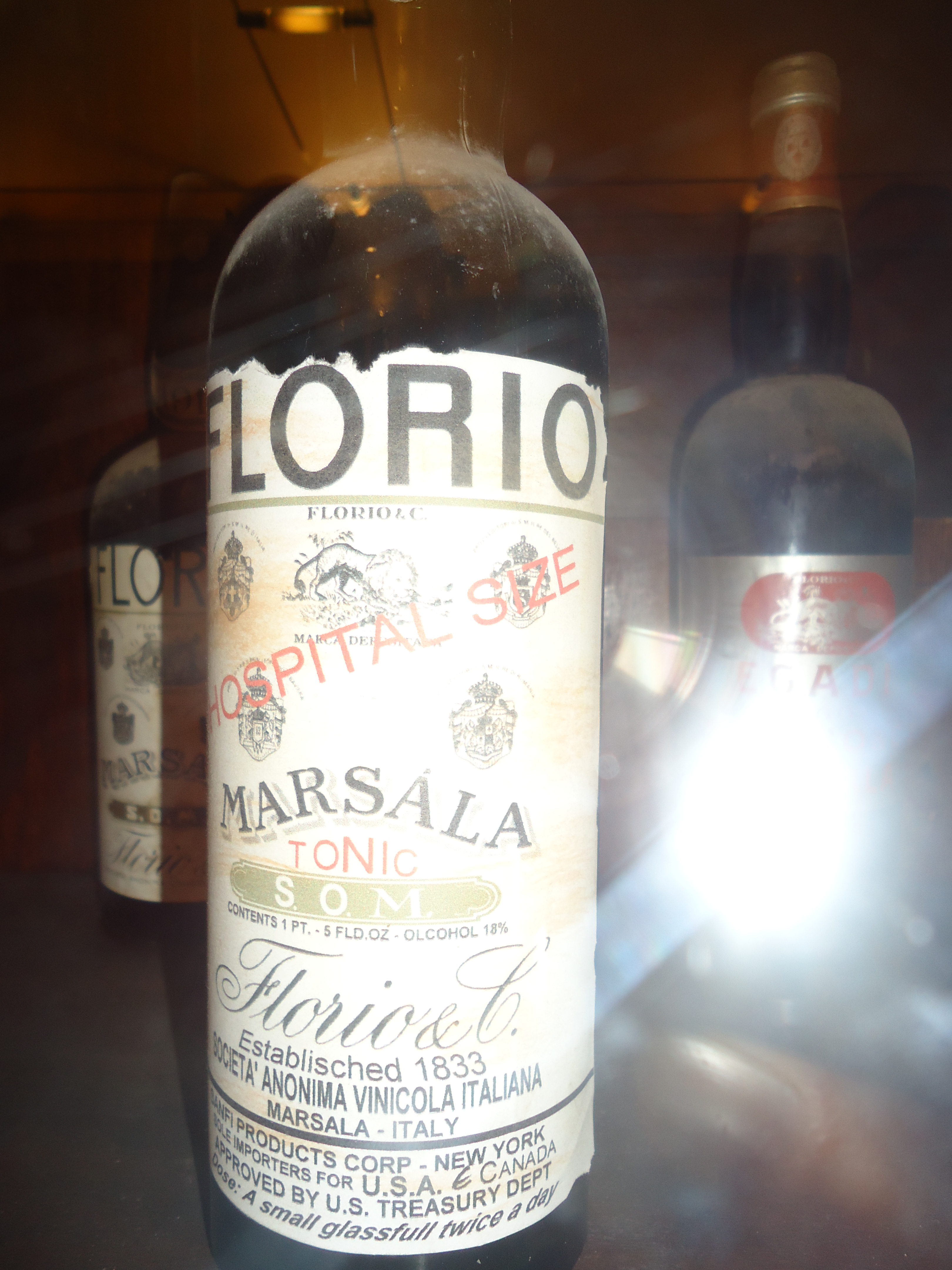
As the group listened to the guide explain this strategy, everyone present, remembered how the beneficial effects of Marsala were publicised in the 50’s and 60’s also in Italy. A tradition familiar to anyone who was a young person in those years was the fact that a favorite breakfast Italian grandmothers would serve in the morning was hand beaten eggs with a spoonful of Marsala, Zabaglione. The belief was that Marsala would give people strength!
Below are some pictures taken at the Florio winery.

Below is the barrel displayed at the San Francisco World Fair in 1915.


Finally, the winetasting at the end of the tour was phenomenal. Held in a brand new hall which opened to the public just two weeks ago, the guide left the visitors to savour the experience independently, guided by a video displayed on a large screen. The wines were the following:
Terre Arse, a Marsala Vergine, originally from the coastline towns of Birgi and Spagnola, made from the Grillo grape. It was paired with parmesan, as shown in the above picture. The grapes are grown along the coast and picked at the end of September, as shown by the picture taken last week in Spagnola and shown below. This Marsala is aged for over eight years in oak barrels containing 1,800 liters.

Targa, Marsala Semisecco, paired with sweet gorgonzola, also made from the Grillo Grape, and aged over five years in old oak barrels.
The third wine tasted was a Moscato, liquor, named Ambar and paired with a Cantuccio (a dipping biscuit or cookie made with almonds).
Quite a pleasant day for the taste buds!!!!!!
I arrived at my desitnation in Spagnola, across from the island of Mozia, in the evening. The owner of the campground greeted me with Pani Cunzatu (a loaf of bread with olive oil, cheese, tomatoes and olives) and a glass of wine. Quite a welcome! I vsited with the owners, Lucio and Rosi, and their family. The next morning Lucio drove me to the city of Marsala and introduced me to the owner, Mr. Bonomo, of one of the wine cellars, Cantine Mothia. Mr. Bonomo had been a third generation wine barrel maker until he purchased the Mothia Wine cellars approximately 15 years ago. He was very proud to show me around and explained so much about wine making.
As one enters the facility, the large courtyard displays a variety of old fashined tools and machinery used in the past.

In the past, the above machine was used as the wine press; a blindfolded horse was attached to the pole and would go around the machine, thus pressing the grapes. Below, is a picture of today’s wine press.

Later that afternoon, I returned to the winery to watch the grapes being pressed as shown in the picture below.
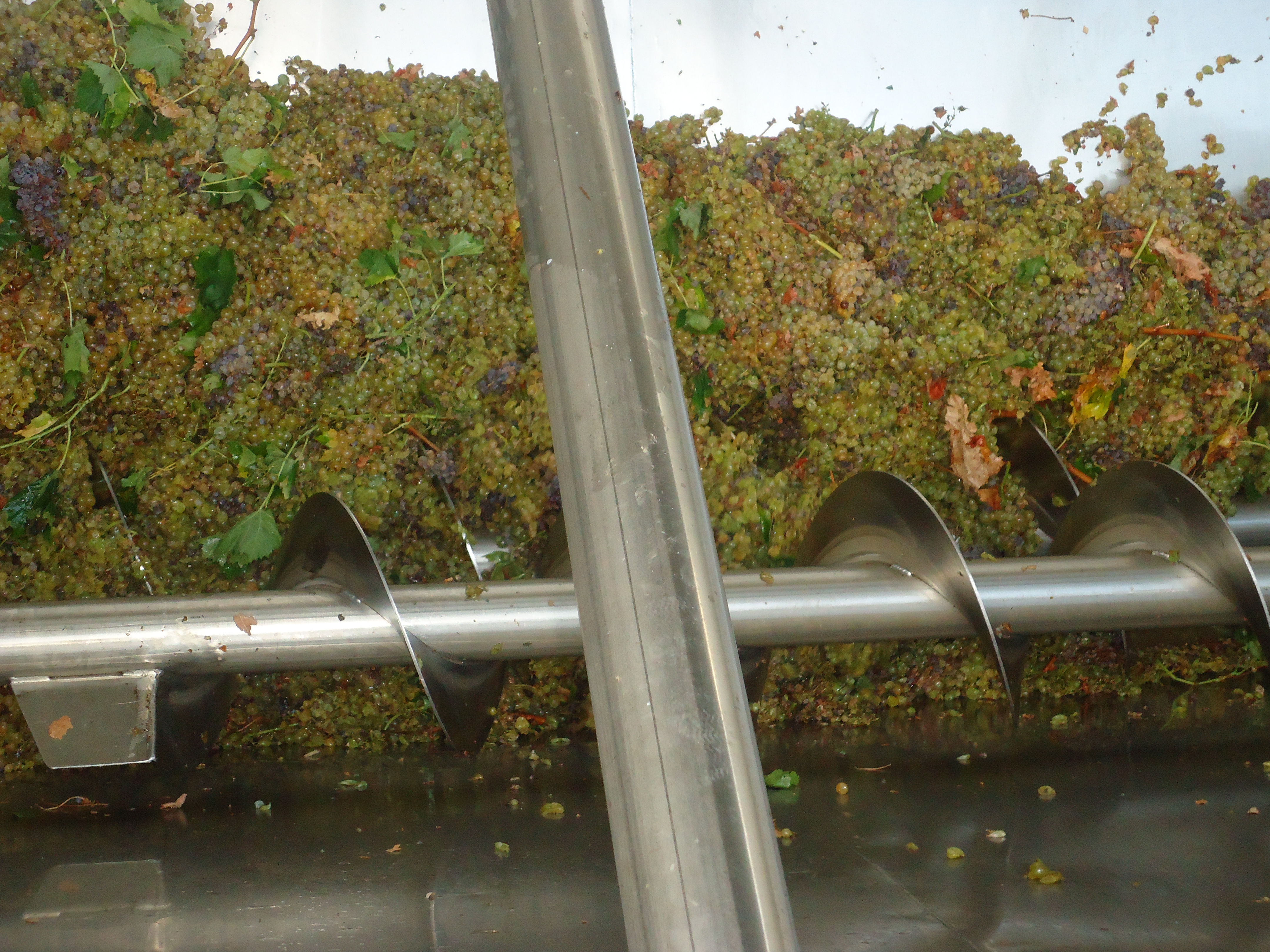
It was interesting to learn that nothing is wasted in the whole process of winemaking. In fact, the grape stalks are burnt to create energy, the “vinaccia”(morc) is made into “grappa” and the grape seeds are made into oil.
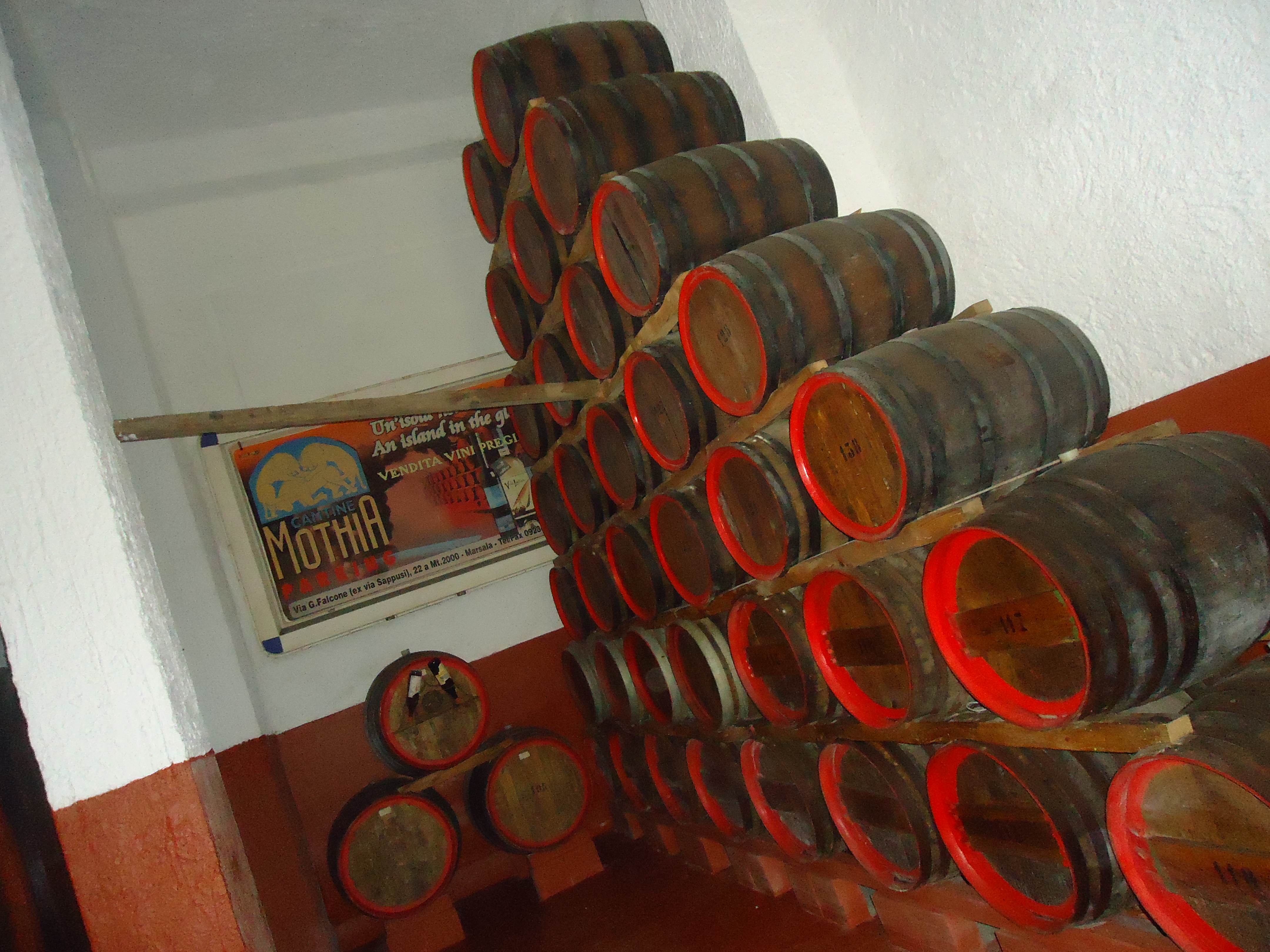
Besides the large steel wine barrels containg the recent wine, there were some old wooden barrels which contain a wine which has been aging for forty years. See picture below.
The grape variety used to make the Marsala wine is Grillo. Mr. Bonomo won a Gold Medal for his Mulsum wine made from the Grillo grape and below one can see the proud winemaker displaying his medal.

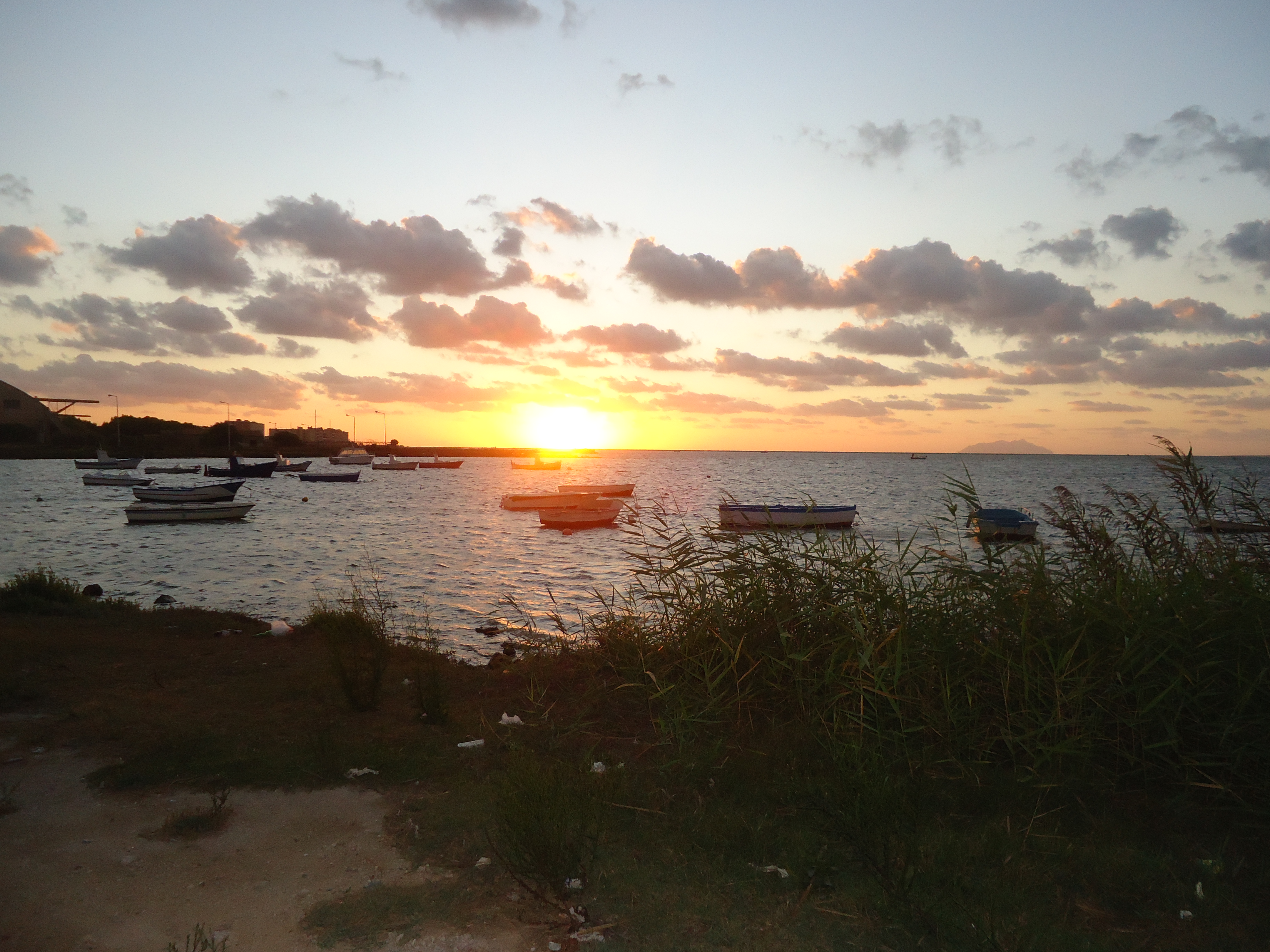
The campground owned by Lucio and Rosi is a peaceful location adorned by a rich mediterrranean vegetation and a warm hospitality. Their son runs a kite surfing school, all year, at the facility. There are kayaks and canoes for rent and one can visit the island of Mothia, which is just across the campground a short distance. As one travels along the coast road from the campground, one can enjoy the view of the salt deposits with their old fashioned windmills. The sunset is at sea, as this is the western shore, so there are just breathtaking views to be had day and night. Below are some pictures of the facility and the surroundings, but pictures could never capture the whole experience.


 Sicily & MORE Explored by Rosanna