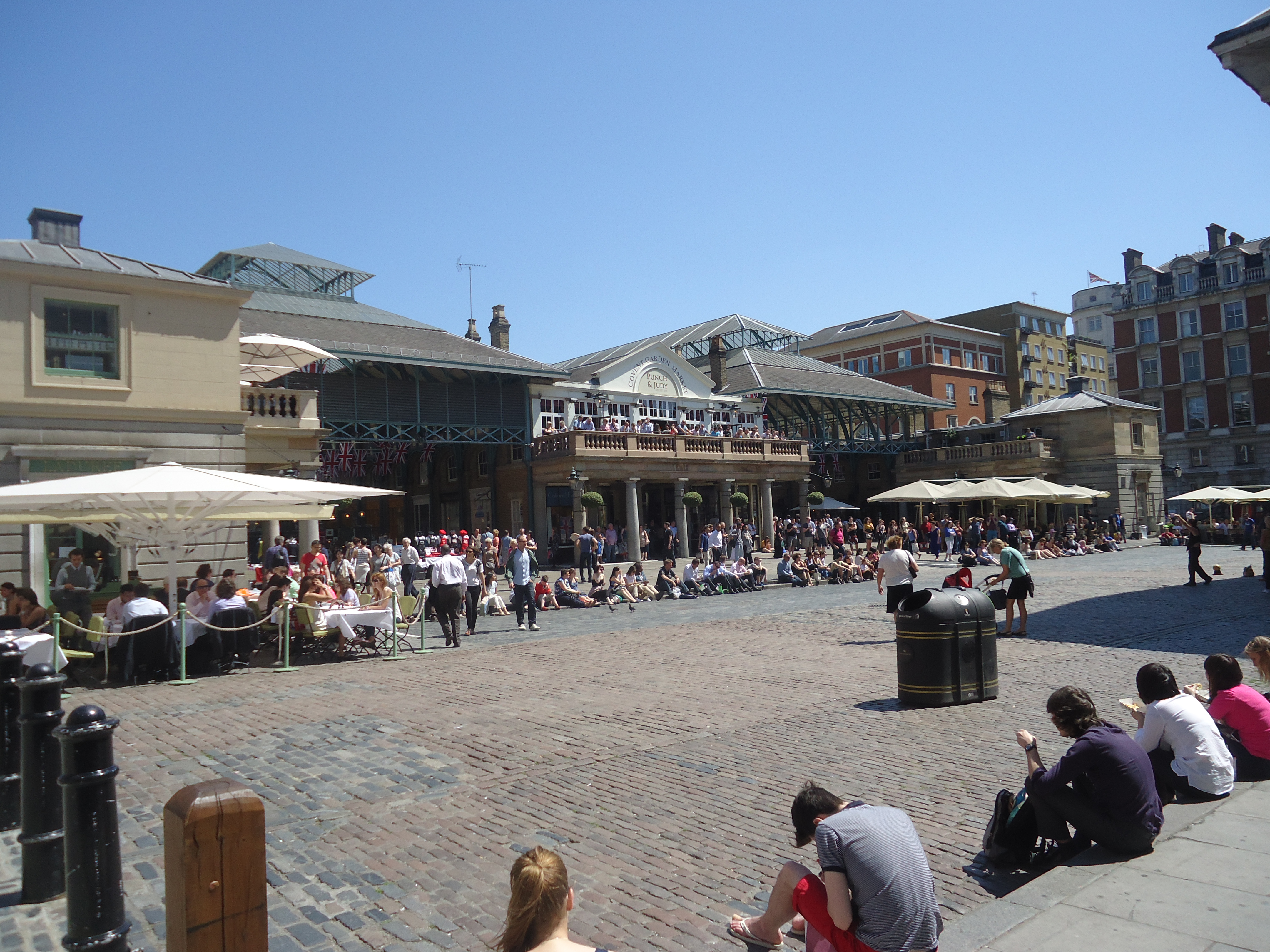
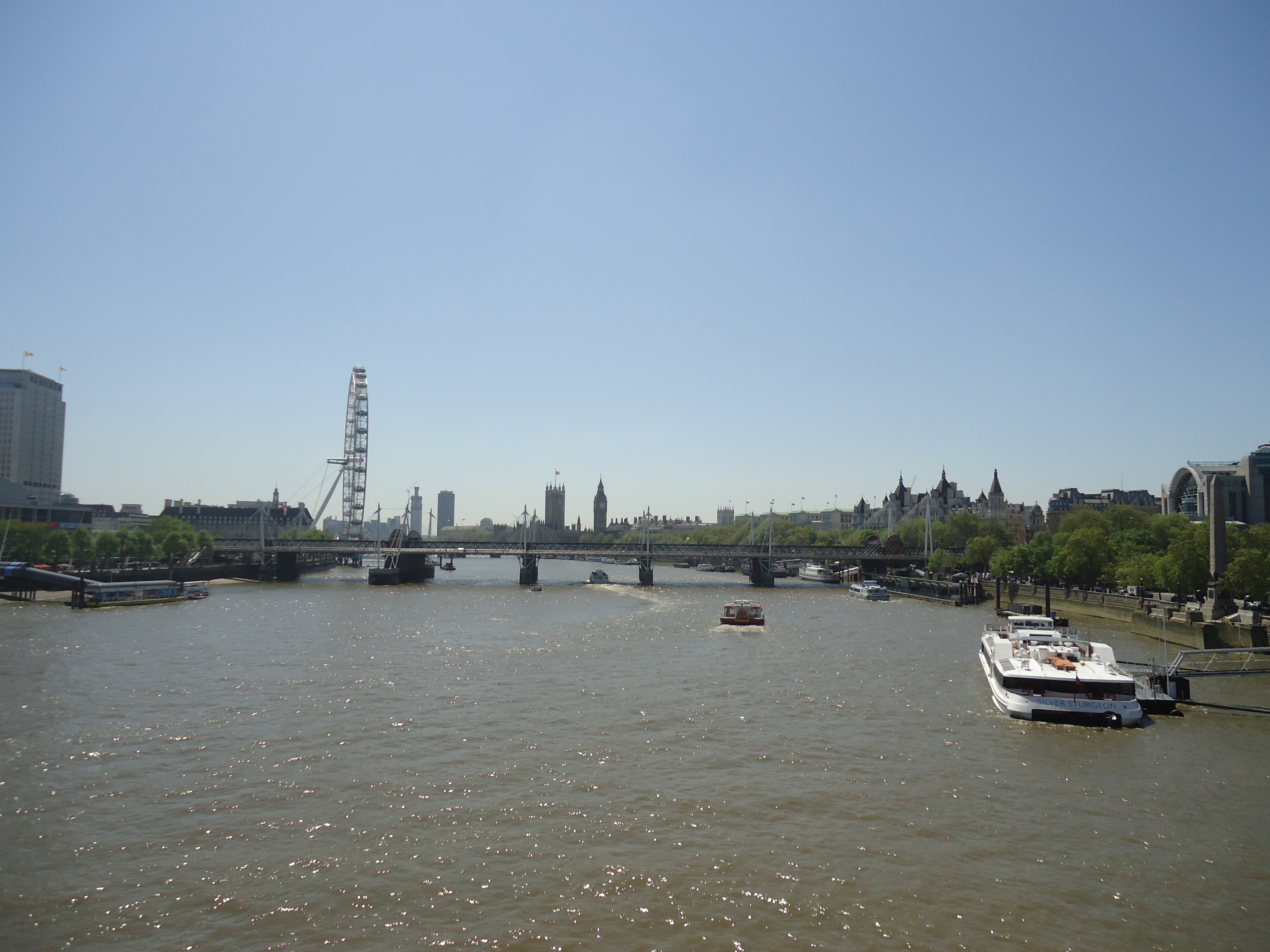
To experience London on a hot day is a wonderful gift and today the temperature in London was 25 degrees centigrade! In addition, the city exuded a different kind of warmth as it prepares for the Queen’s Diamond Jubilee just a few days away. With just a few hours to spare, I took my walk in the city today. One can take this walk leisurely in just a couple of hours; starting at Waterloo Station, walk by the Eye. Then proceed across the Westminster Bridge, go by the Houses of Parliament and Big Ben. A right hand turn onto Parliament St. and Whitehall and soon one reaches Trafalgar Square. Cross Trafalgar Square and walk up St. Martin’s Lane; next, take a right on NewRow. At this point one can enjoy a visit to Covent Garden with all of its live activities. There are usually performers in the square and many shops and restaurants. After Covent Garden it is an easy walk back to Waterloo Station by walking down Waterloo Bridge.
Big Ben caught by the EYE
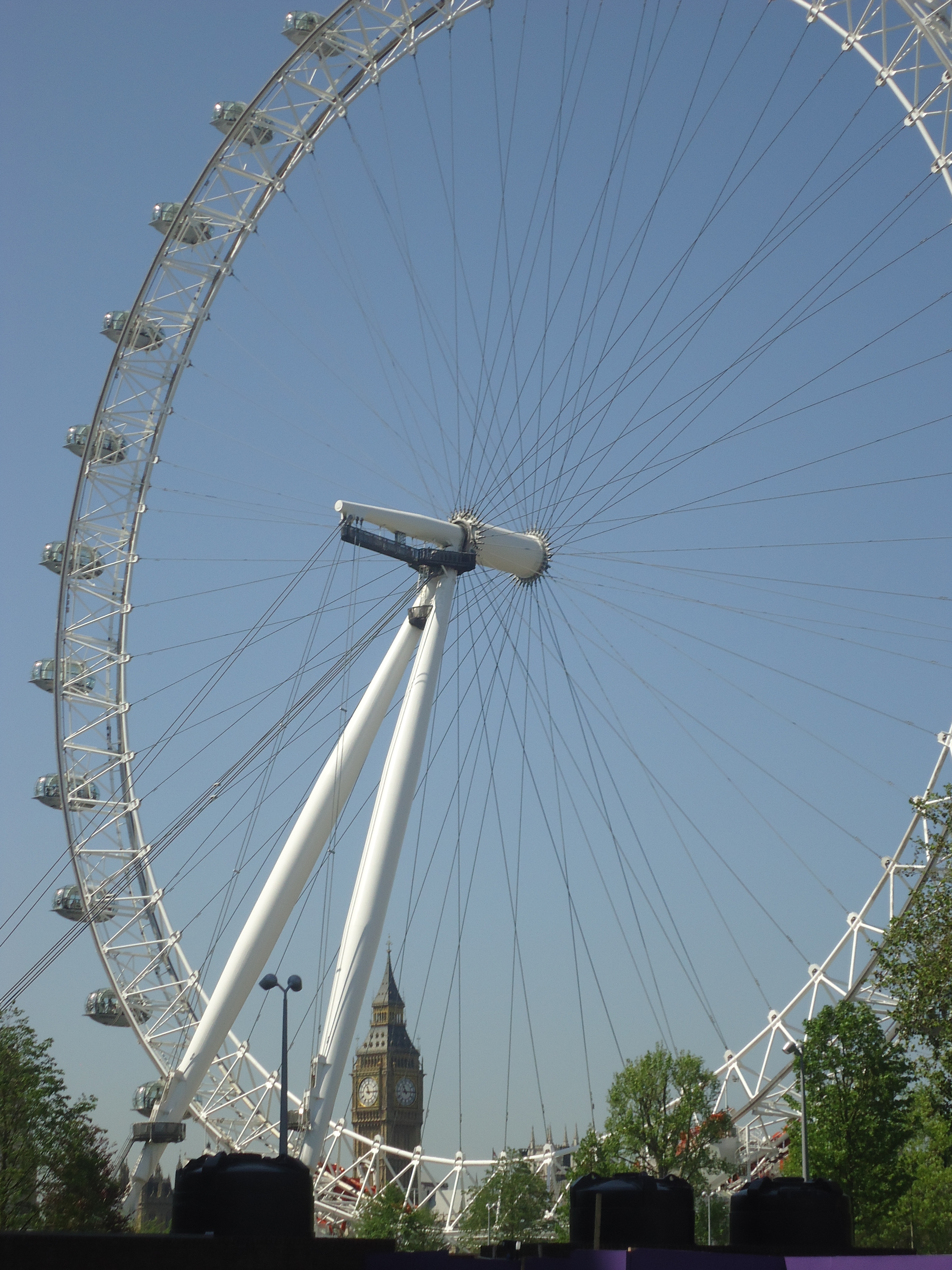
A Cadbury’s Flake in Vanilla Cone brings back Childhood Memories
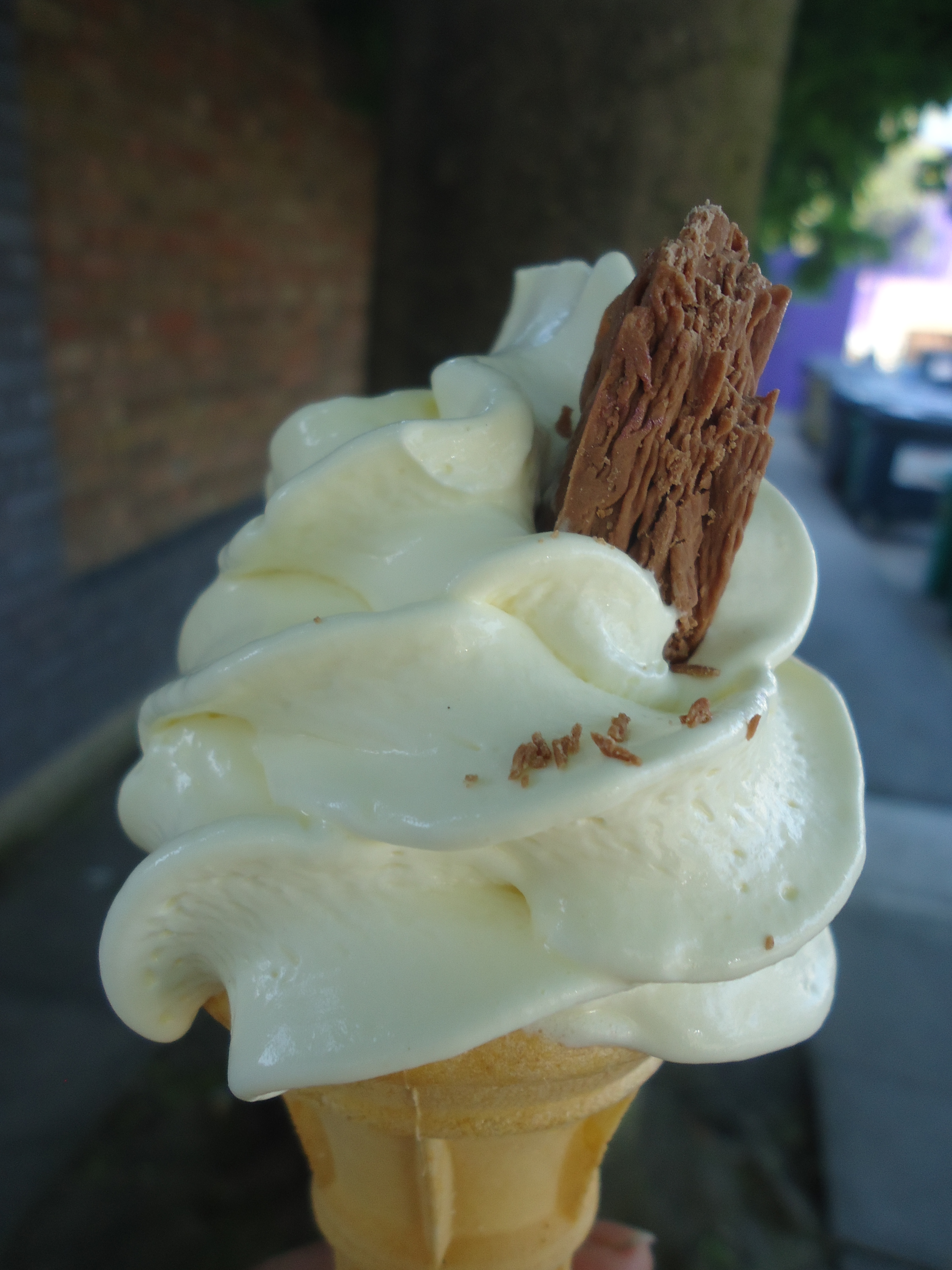
The EYE from another Angle
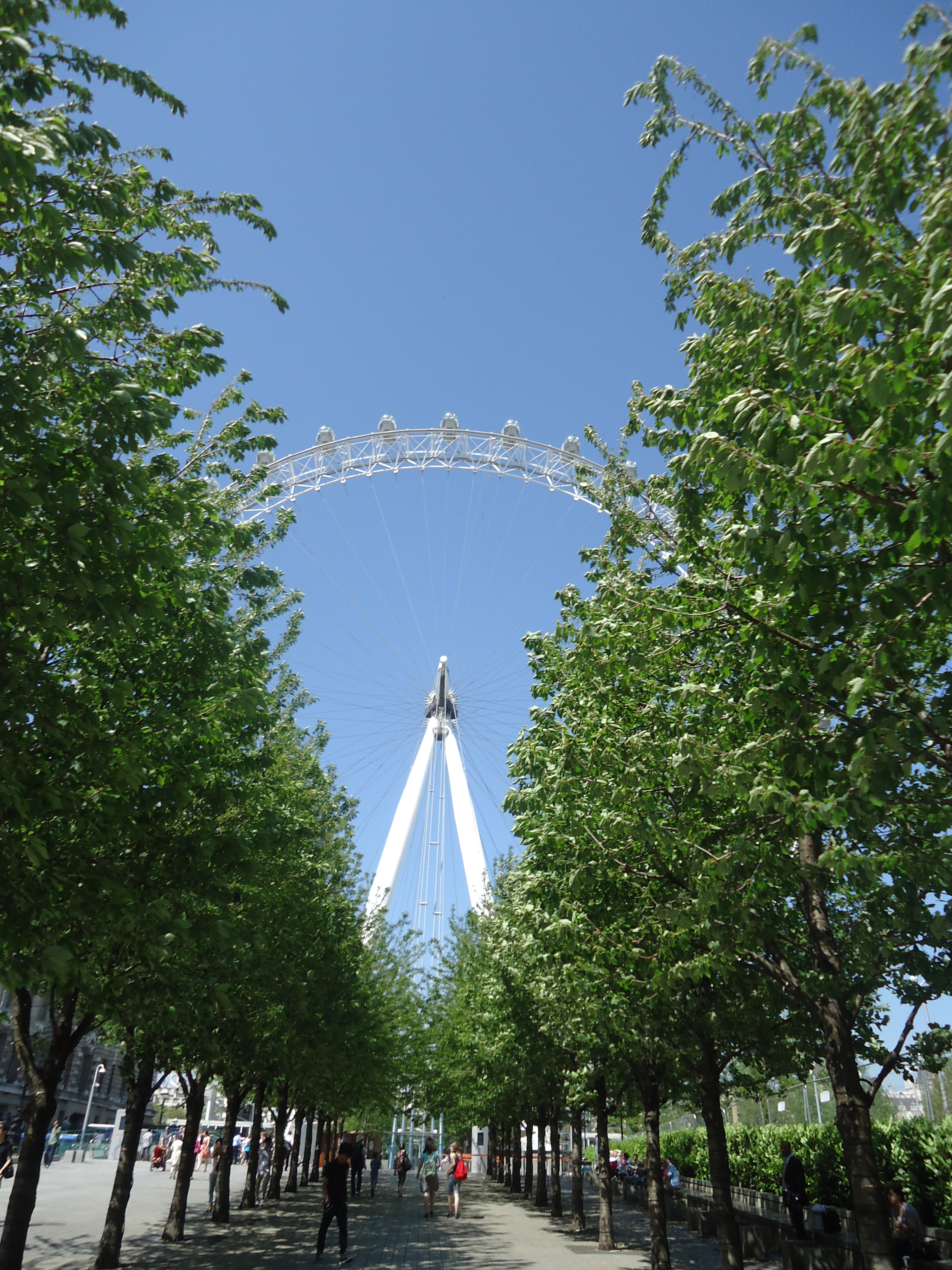
Big Ben at Noon
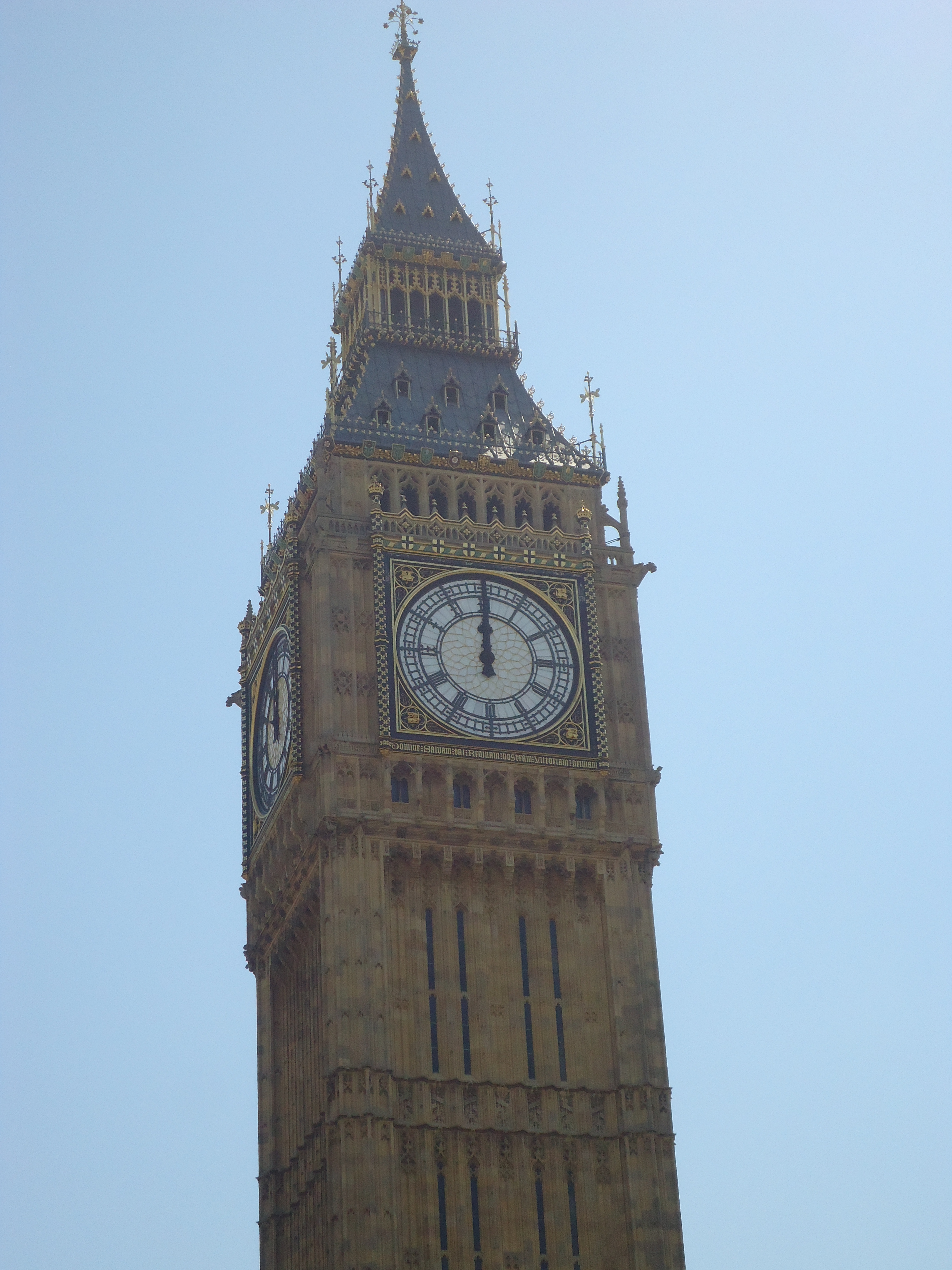
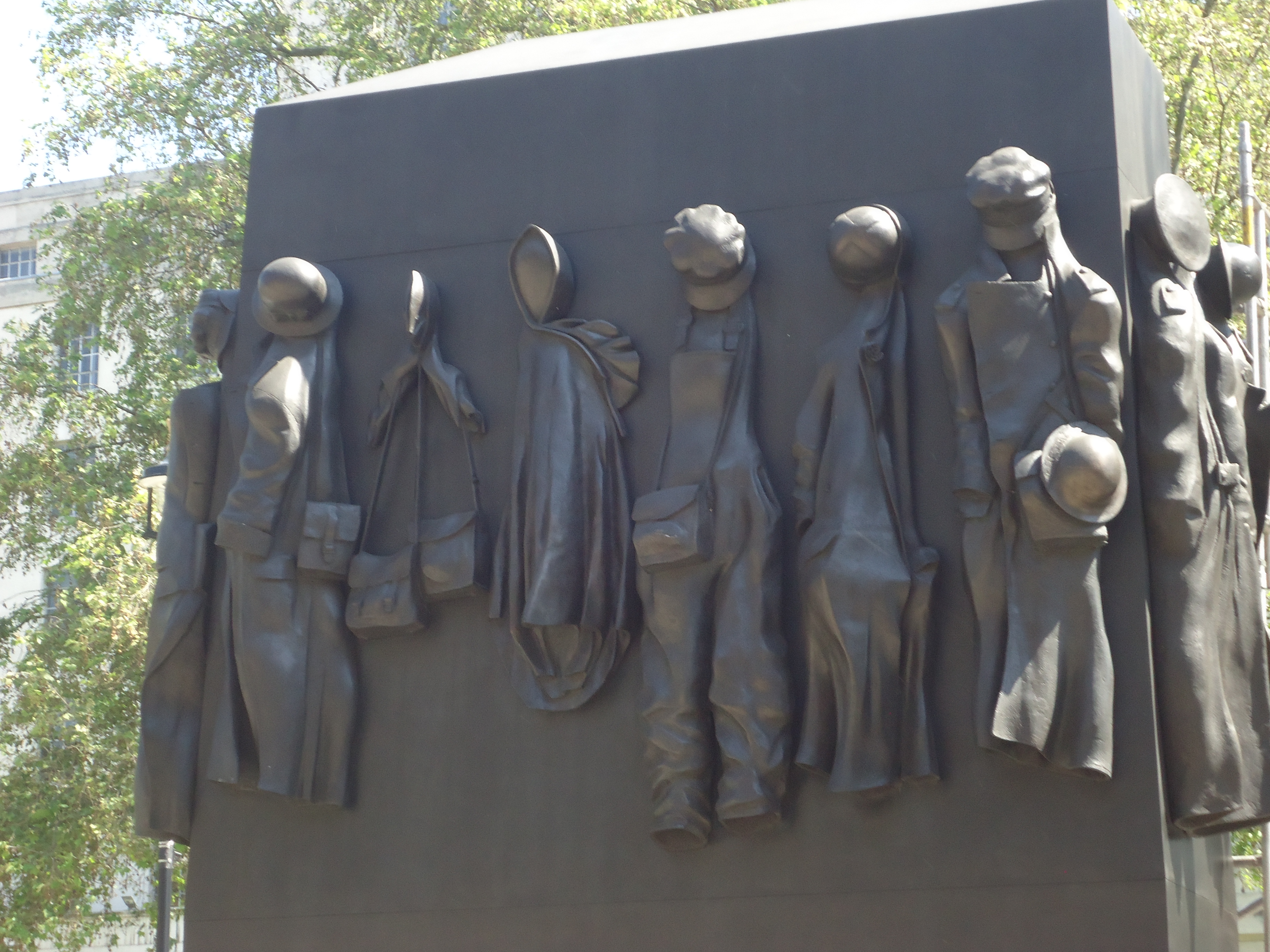
Women of WWII Memorial at Whitehall
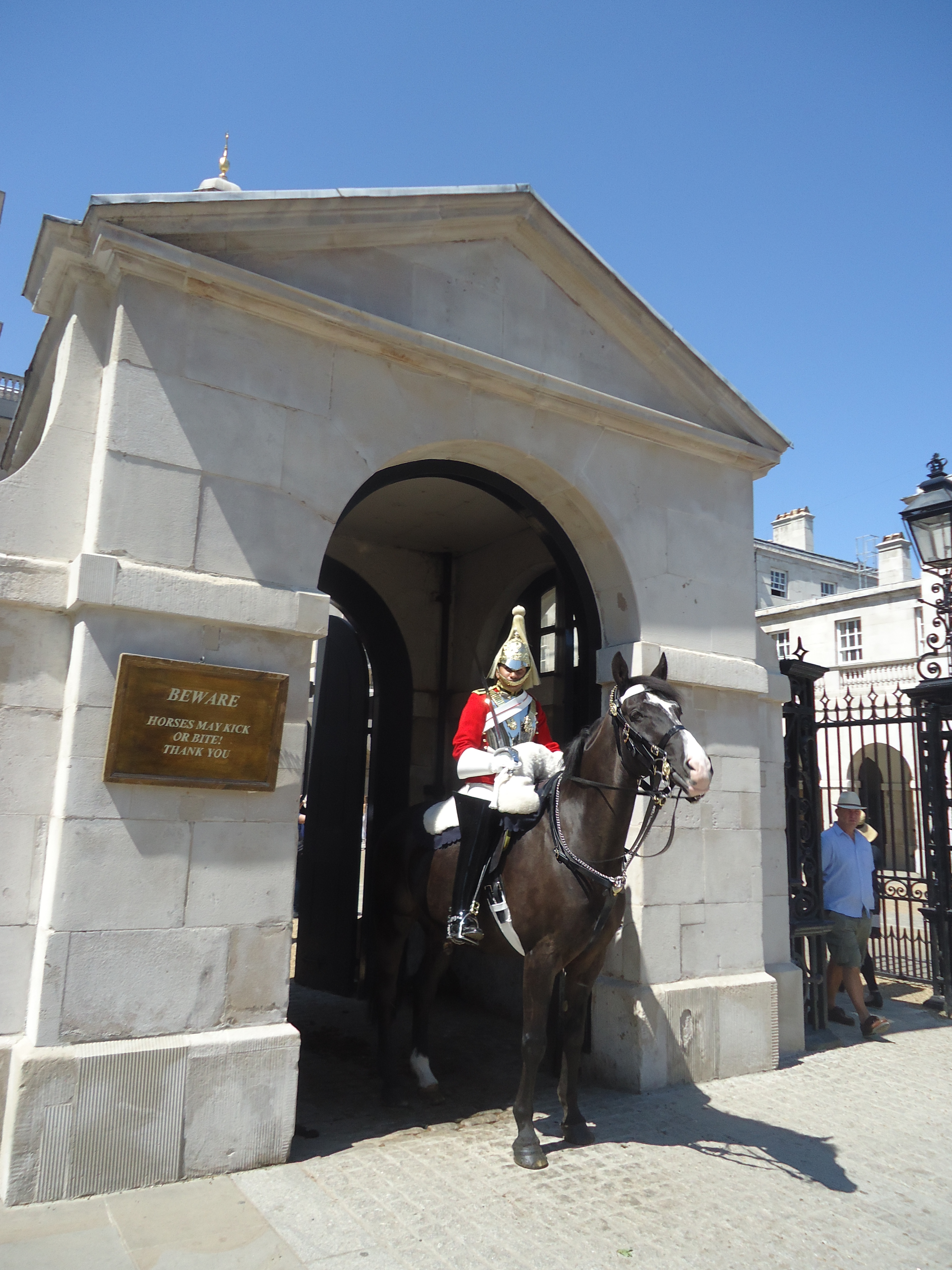
Guard at Whitehall
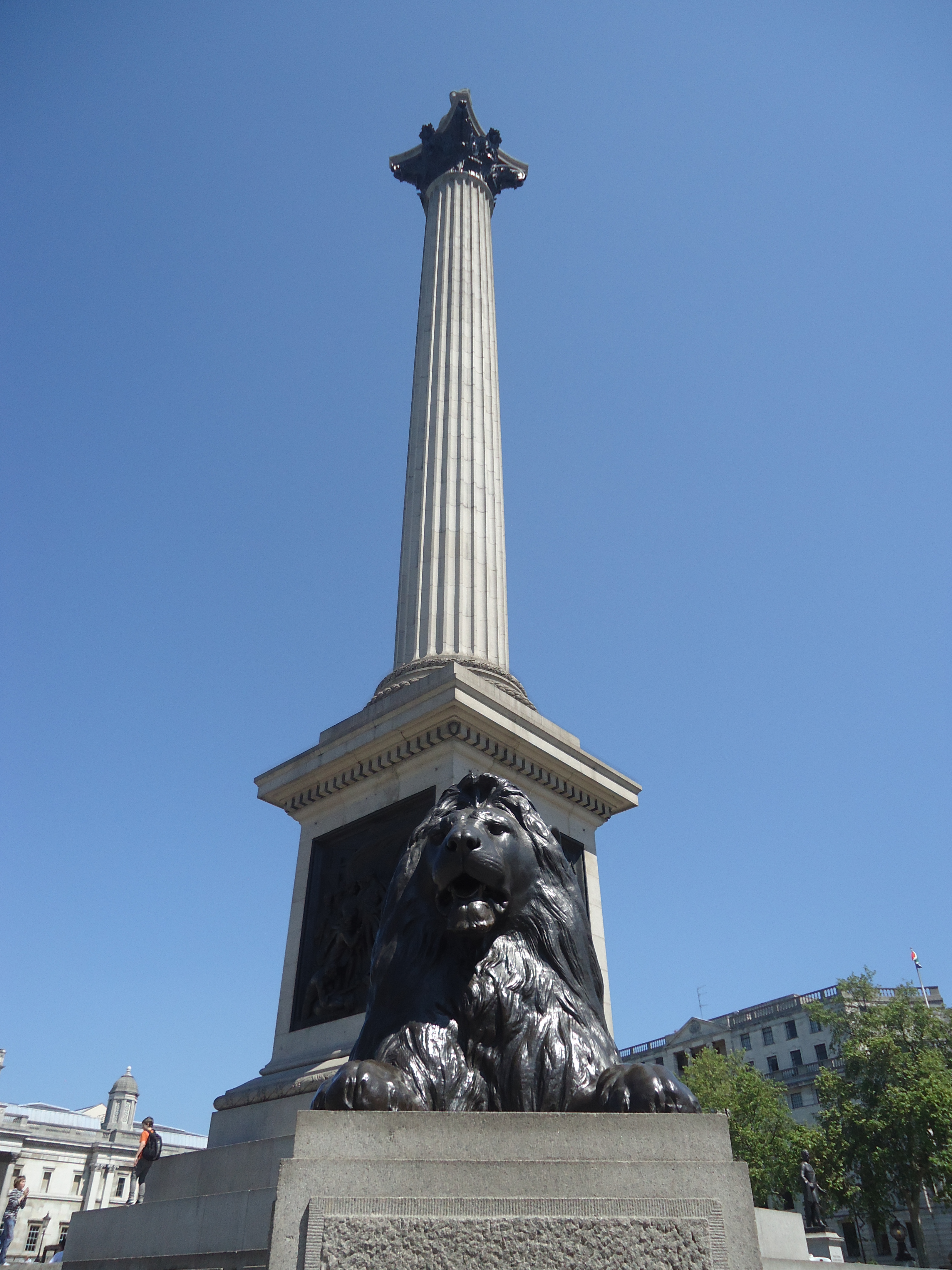
A Corner of Trafalgar Square
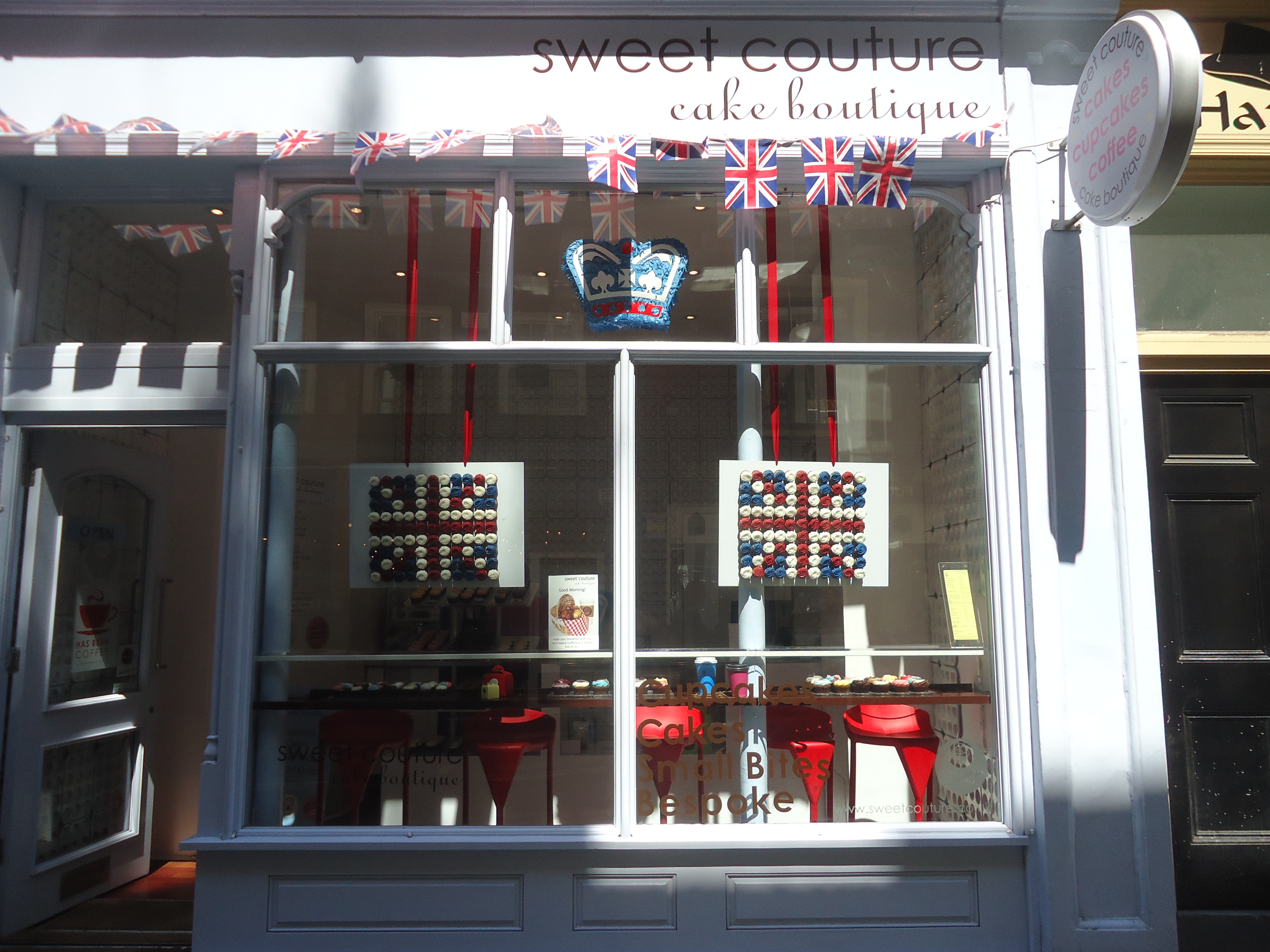
Those Union Jacks are made of Cup cakes
A performer at Covent Garden
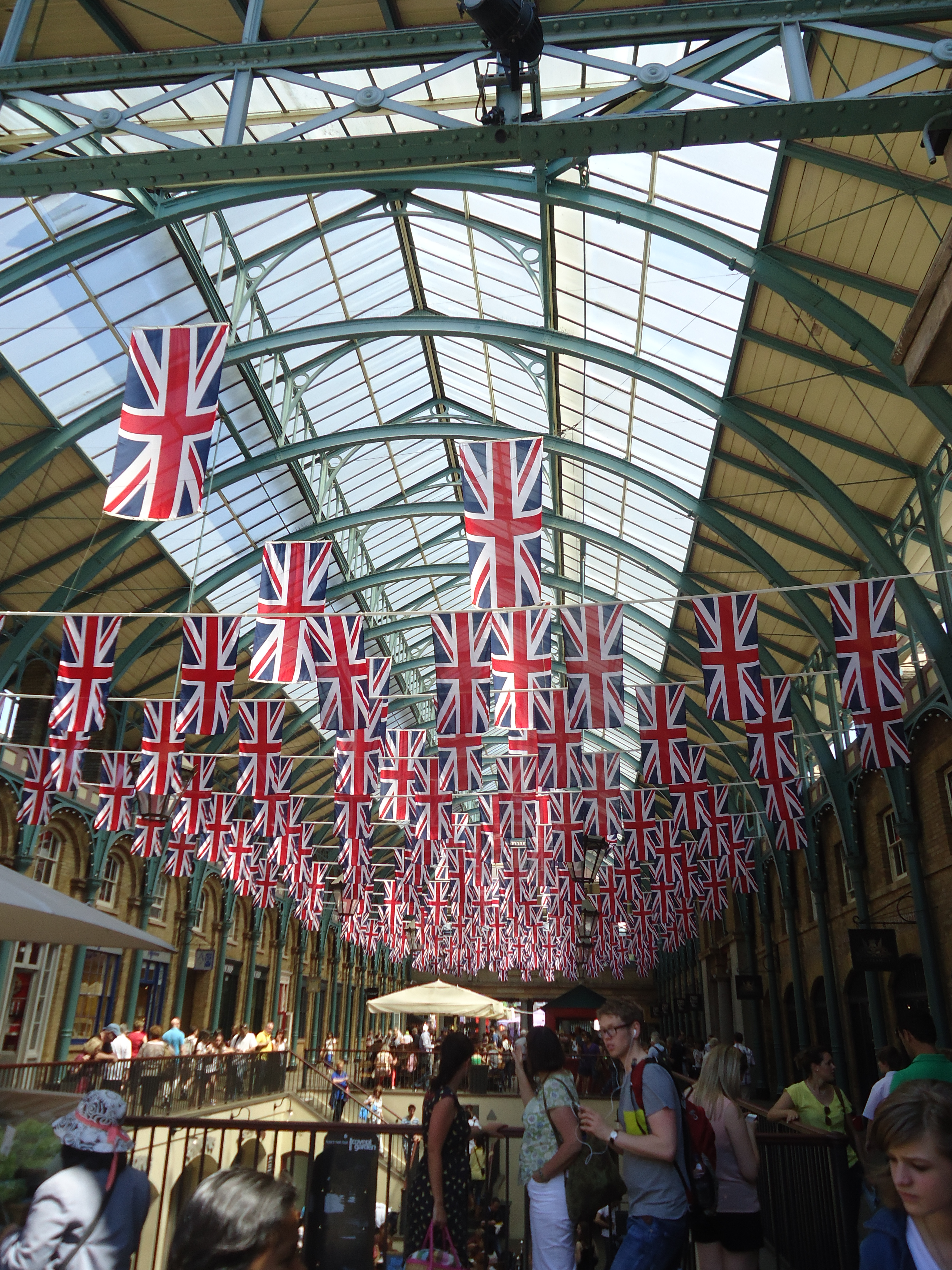
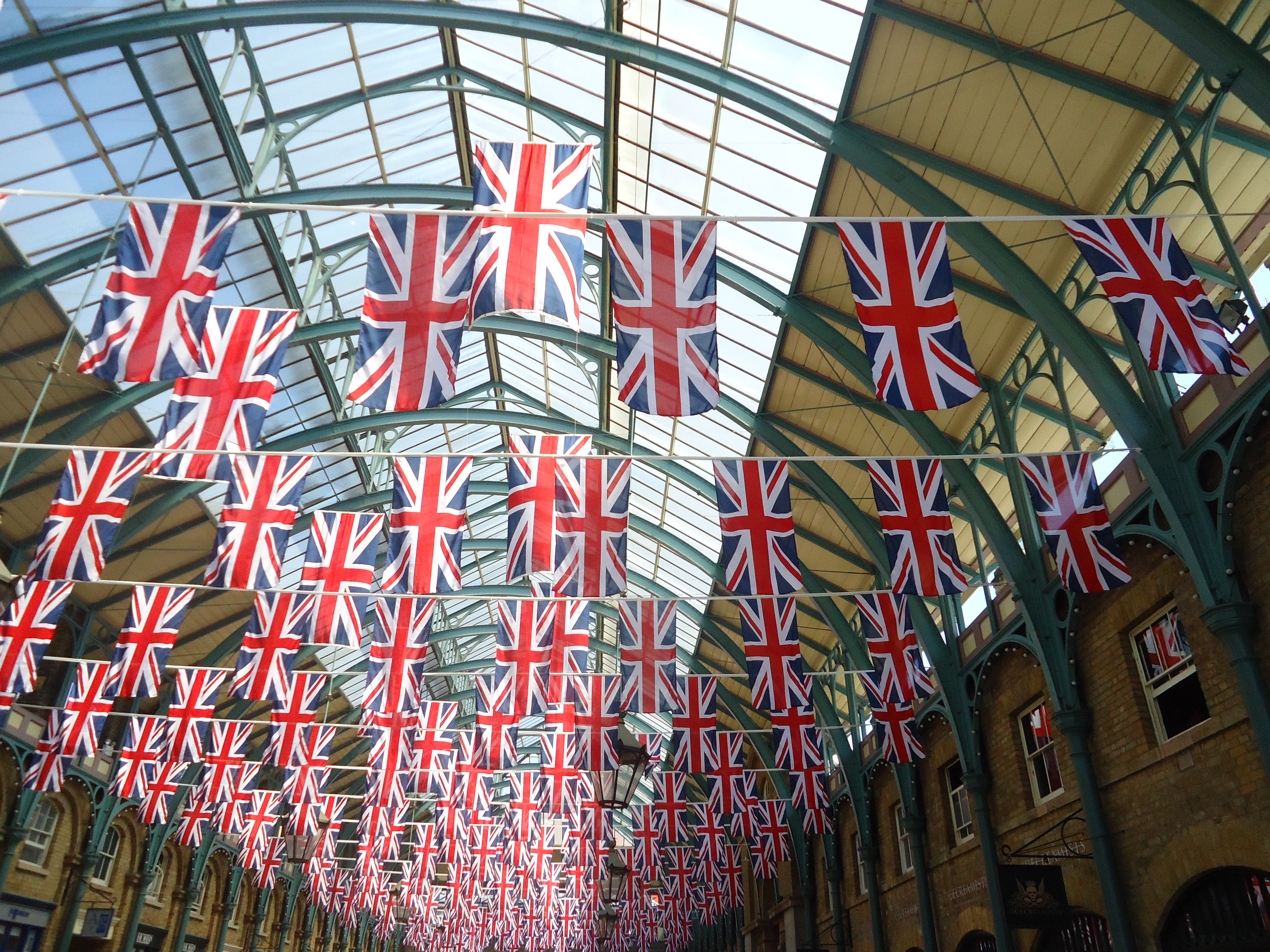
Union Jacks at Covent Garden – The Diamnod Jubilee is just Days Away
Thames as seen from Waterloo Bridge
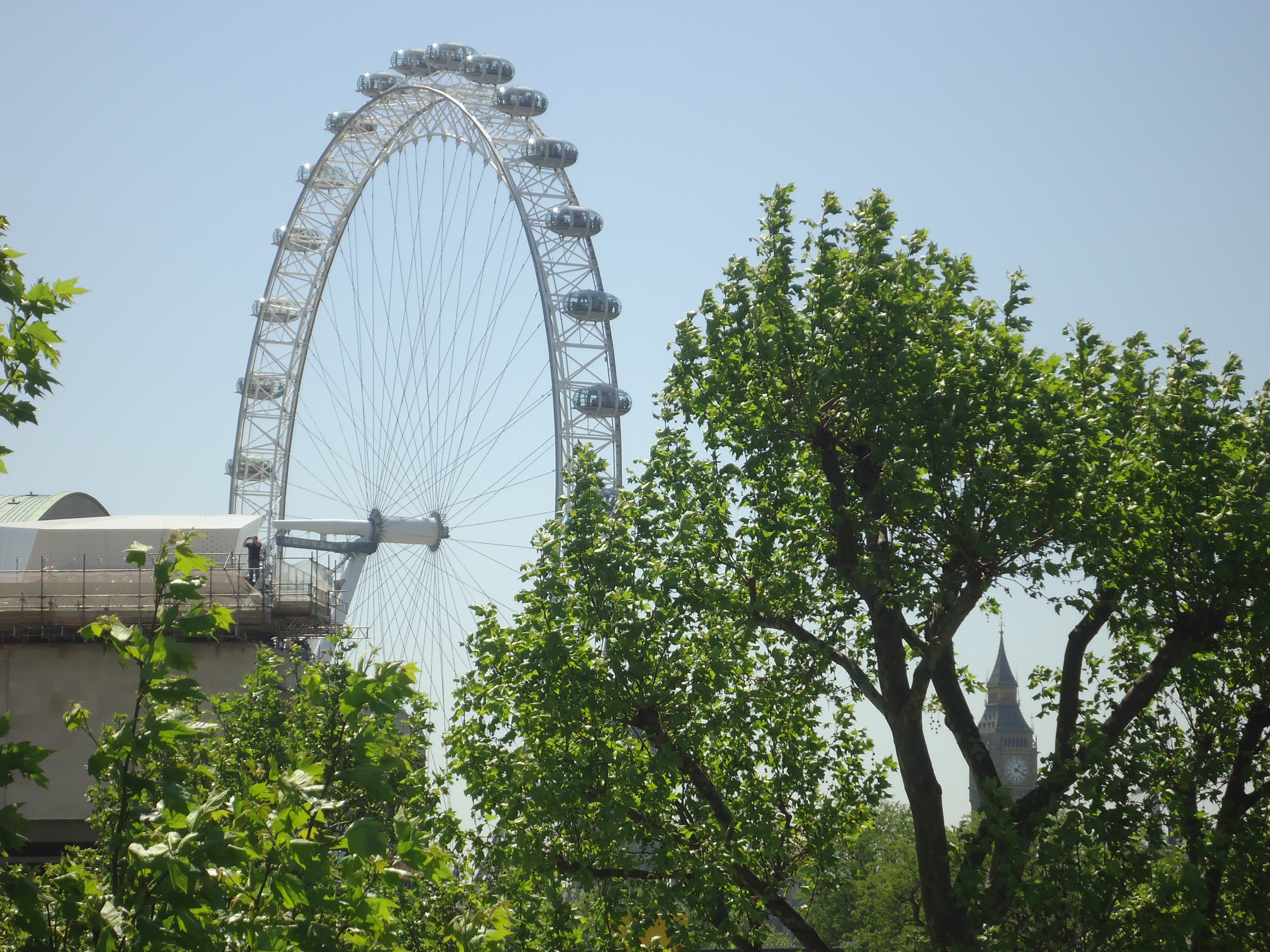
Big Ben seen through the Trees
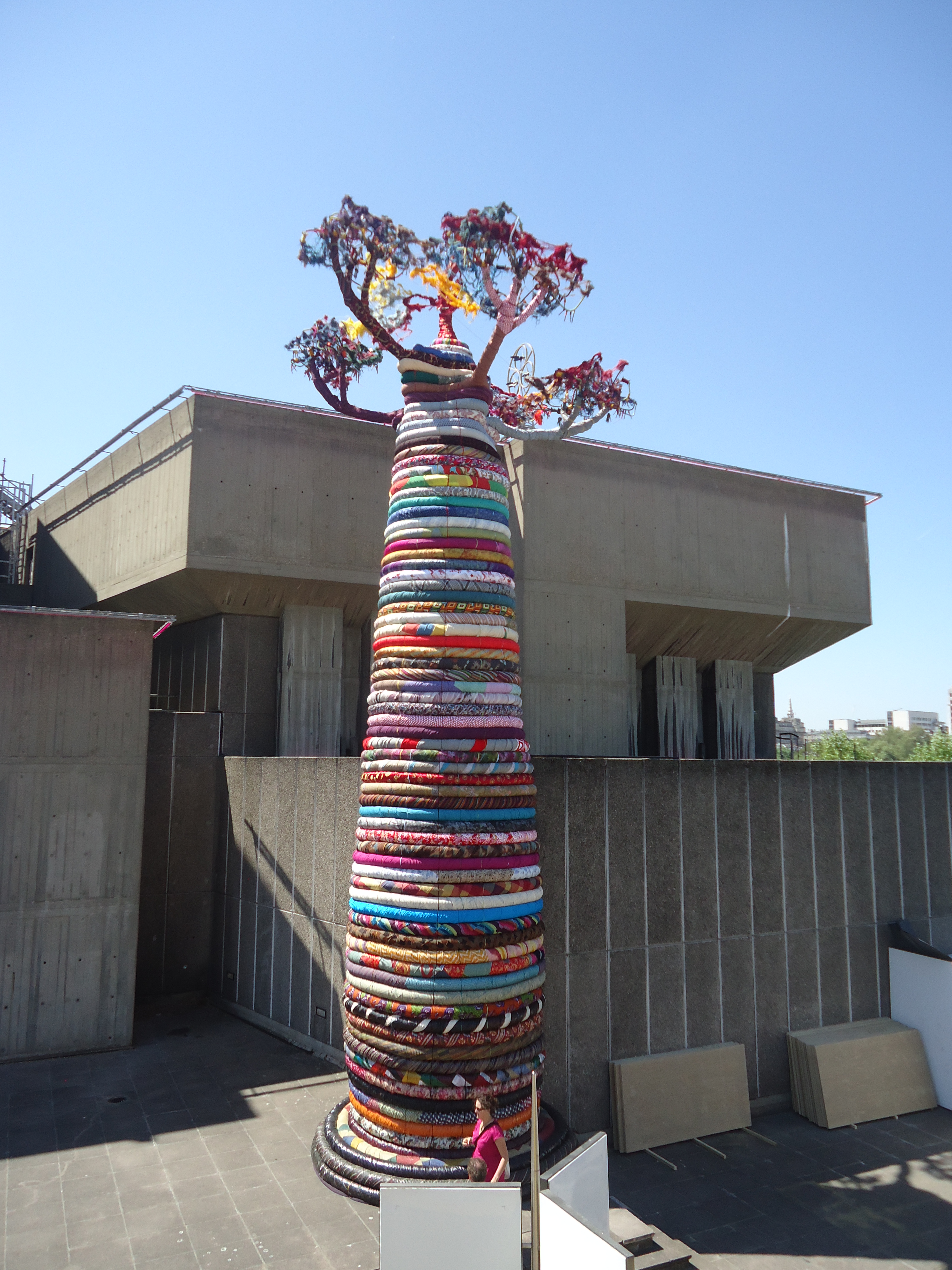
A Cloth Tree set up for the Festival of the World which will be Held on South Bank Summer 2012
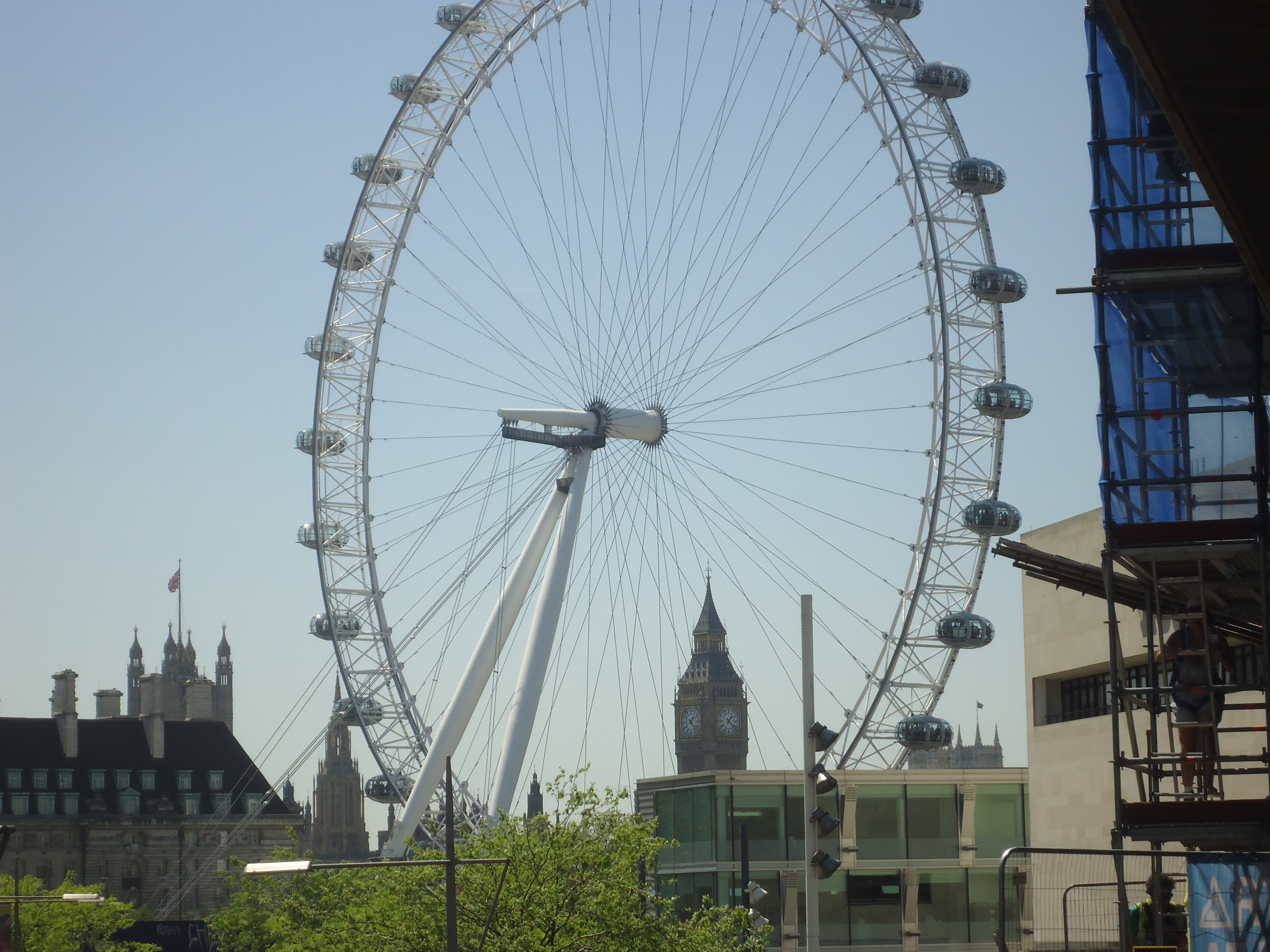
Final Big Ben caught by the EYE
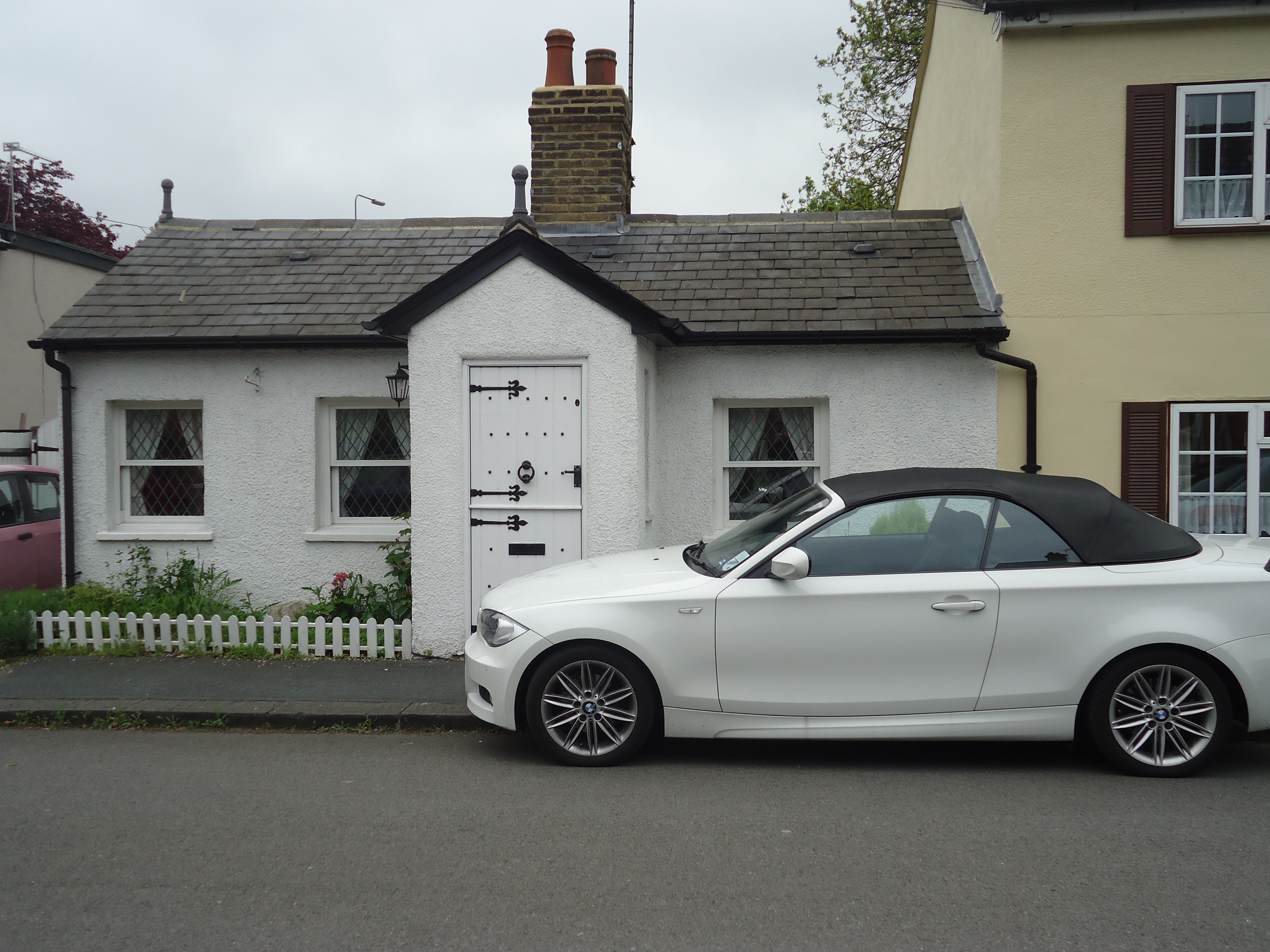
While visiting family in England, daily walks are a must and following are some shots taken during those walks in Addlestone, Surrey.
Quaint cottage almost the size of the car in front of it
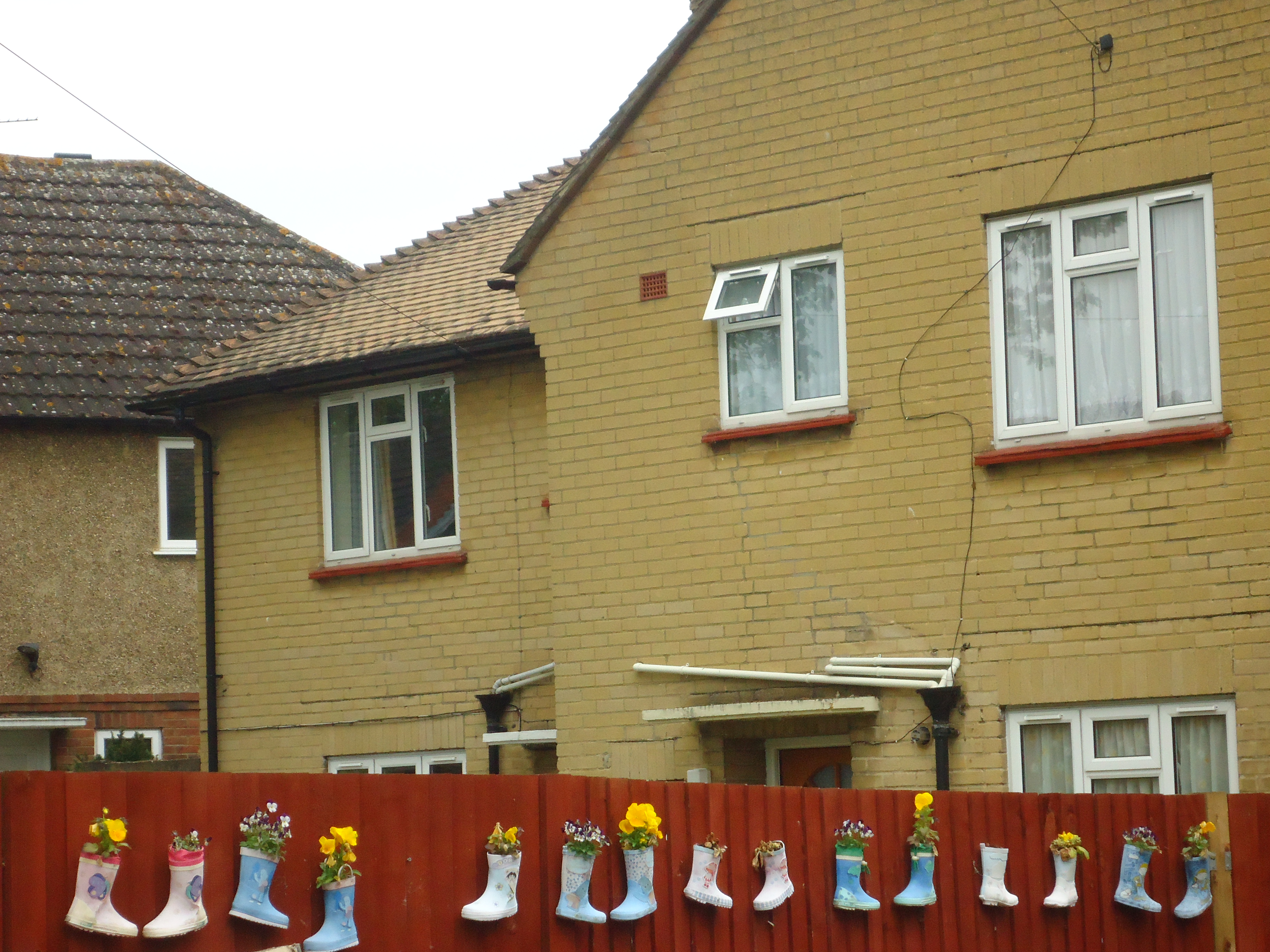
Love those wellington flower containers
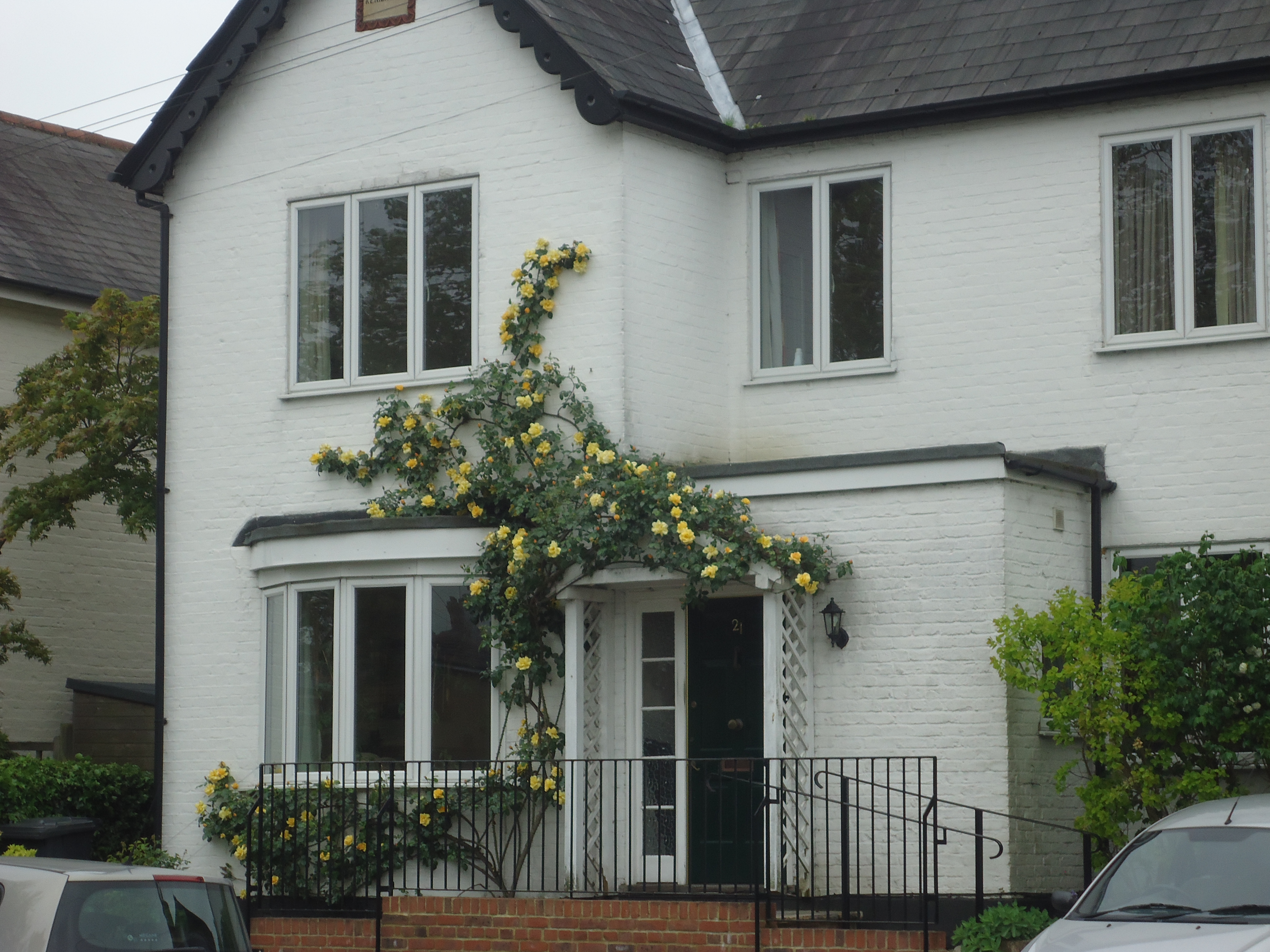
Lovely yellow roses
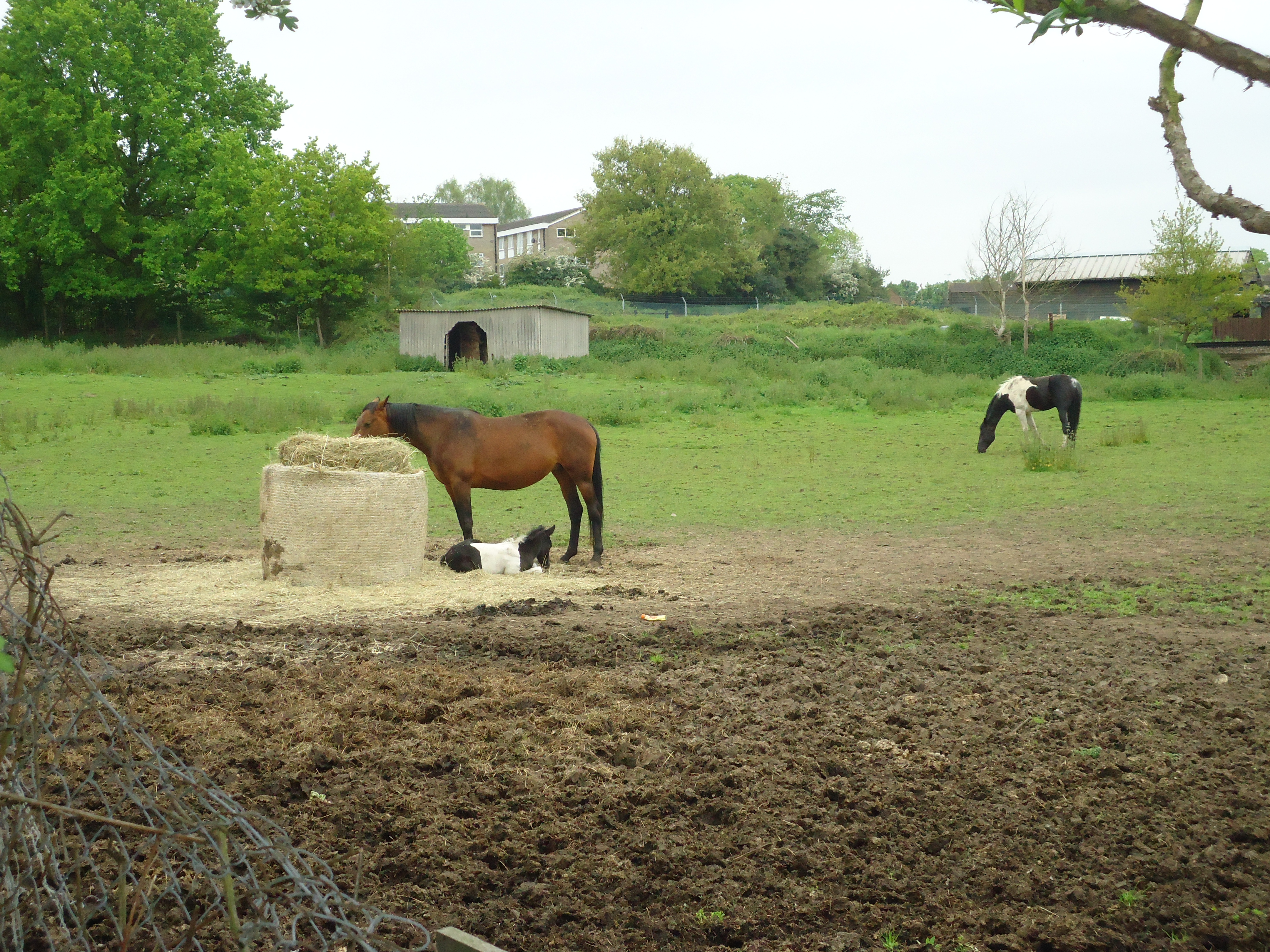
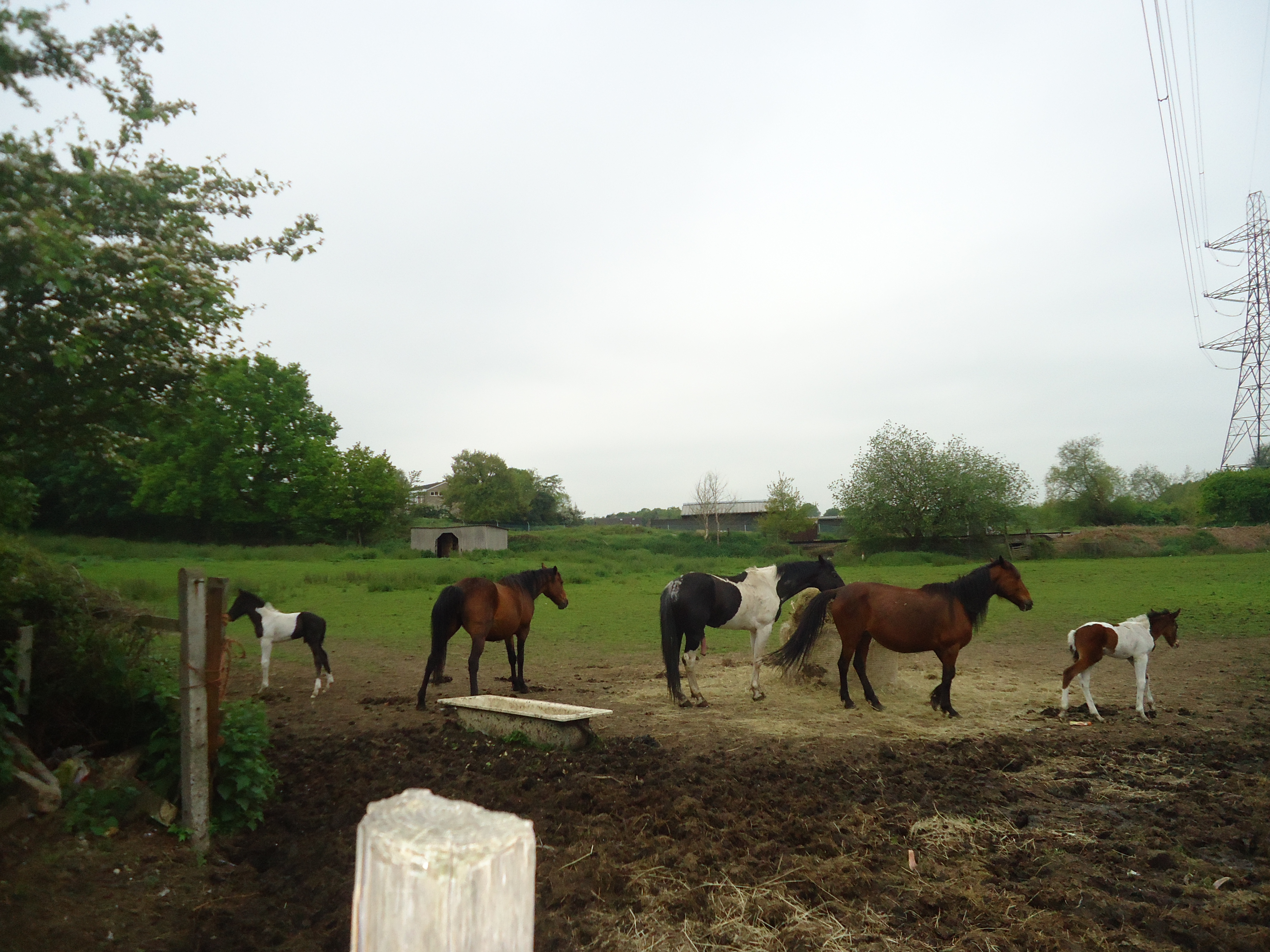
Horses…………
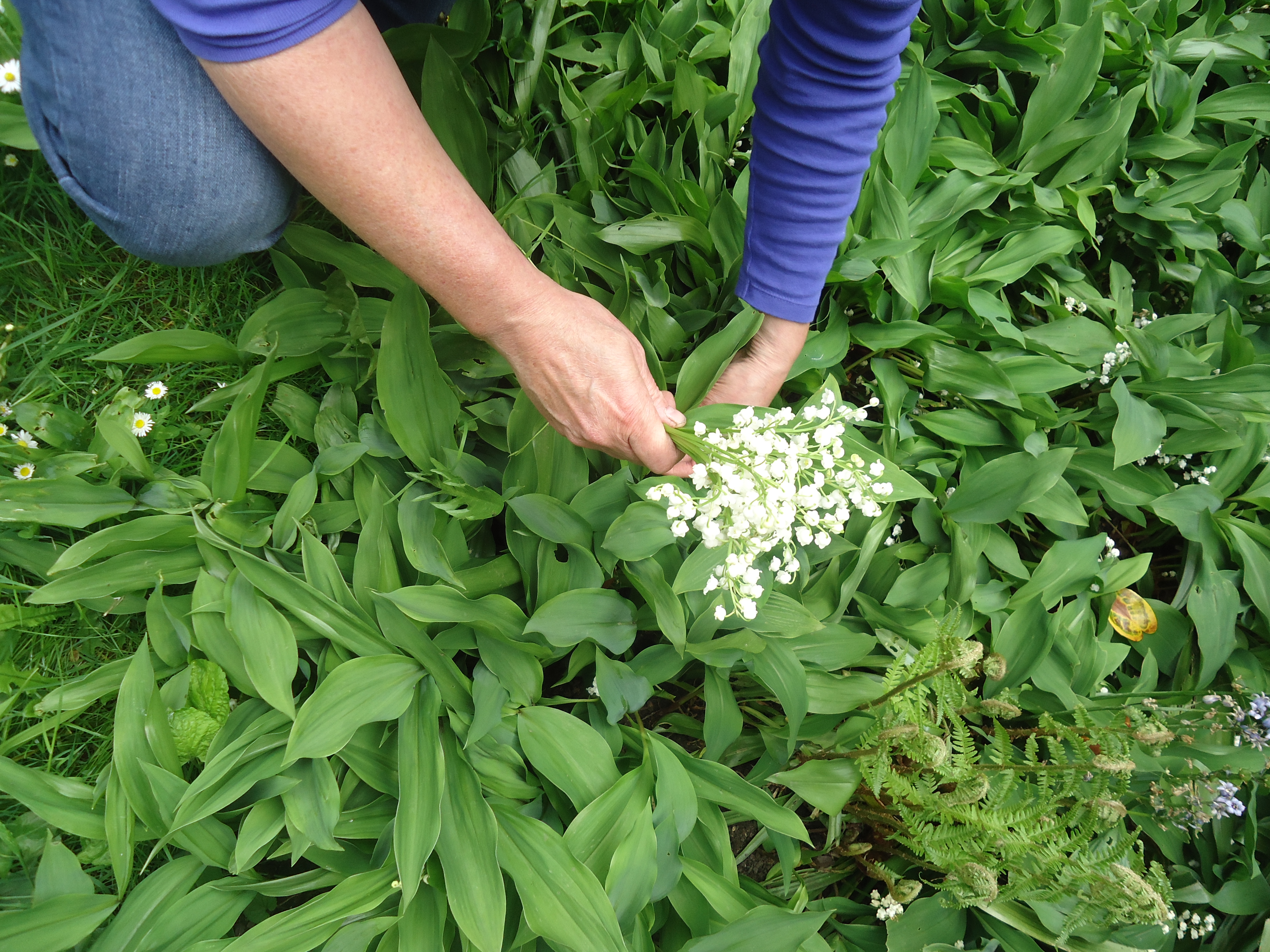
Quick stop at a friend’s………..Sue’s Lillies of the Valley and vegetable garden


Finally, picking up Ted at school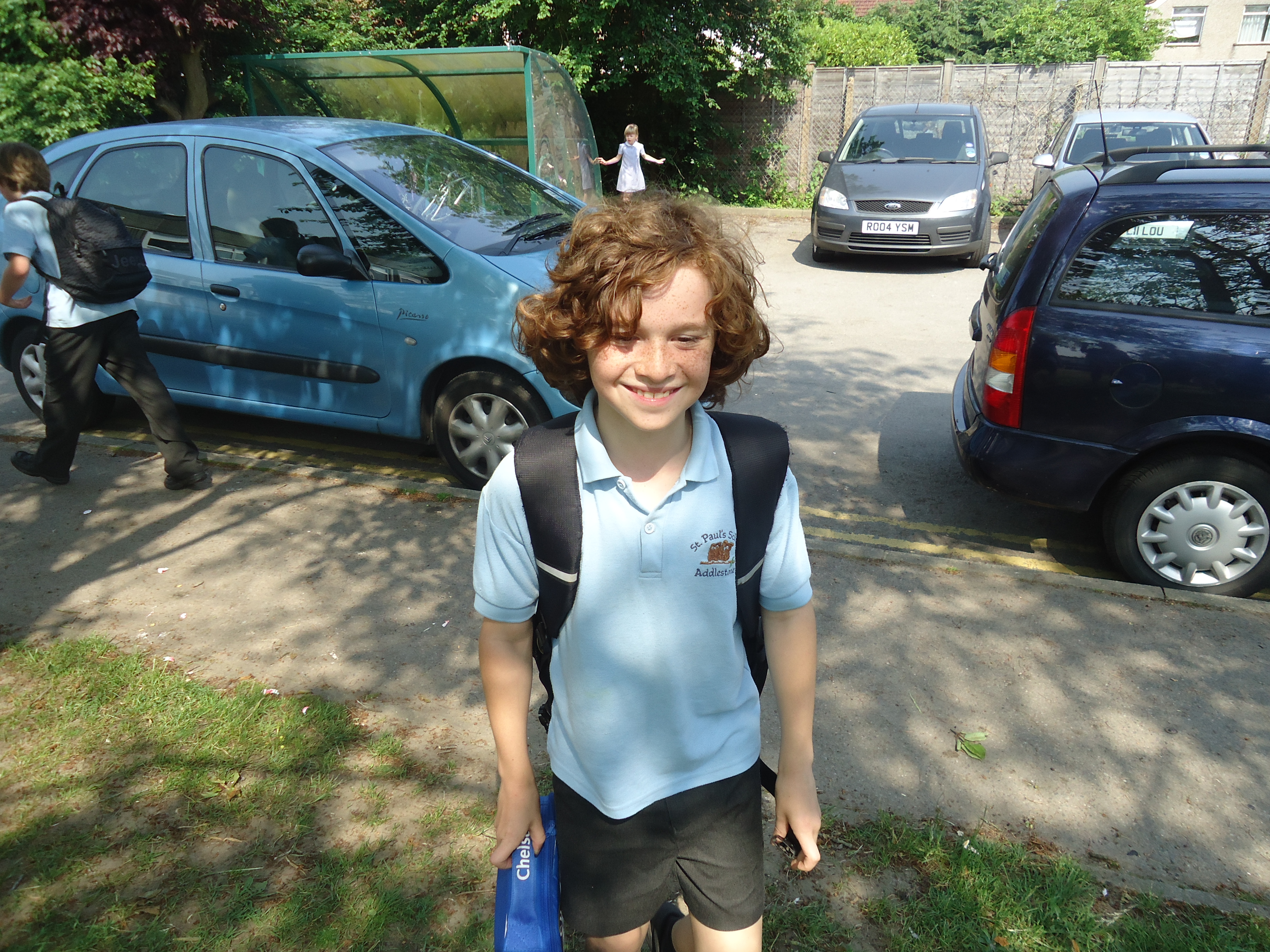
On the Northeastern side of Mt. Etna, just a few kilometers away from the town of Linguaglossa,lies an organic vineyard, the Scilio Estate in the Galfina Valley. The estate covers an area of 28 hectares and the Scilio family has run this business for four generations. On a recent visit to the estate, I had the pleasure of enjoying the peaceful ambience of the estate and also the warm hospitality of the owners, Mr. and Mrs. Scilio. When Mr. Scilio and his wife conducted a wine tasting, I sampled some of Sicily’s native grapes. Nerello Mascalese is one of these native grapes and its rich flavor and full body are ideal for some of Sicily’s traditional rustic recipes which contain ingredients such as eggplant and tomatoes. The white wine was a blend of two other native grapes, Carricante and Catarratto. This vineyard lies on the rugged terrain of the volcano where the soil has the richness of years and years of lava flows and having Mt. Etna in the backdrop only adds to the beauty of the natural environment.
View from my room
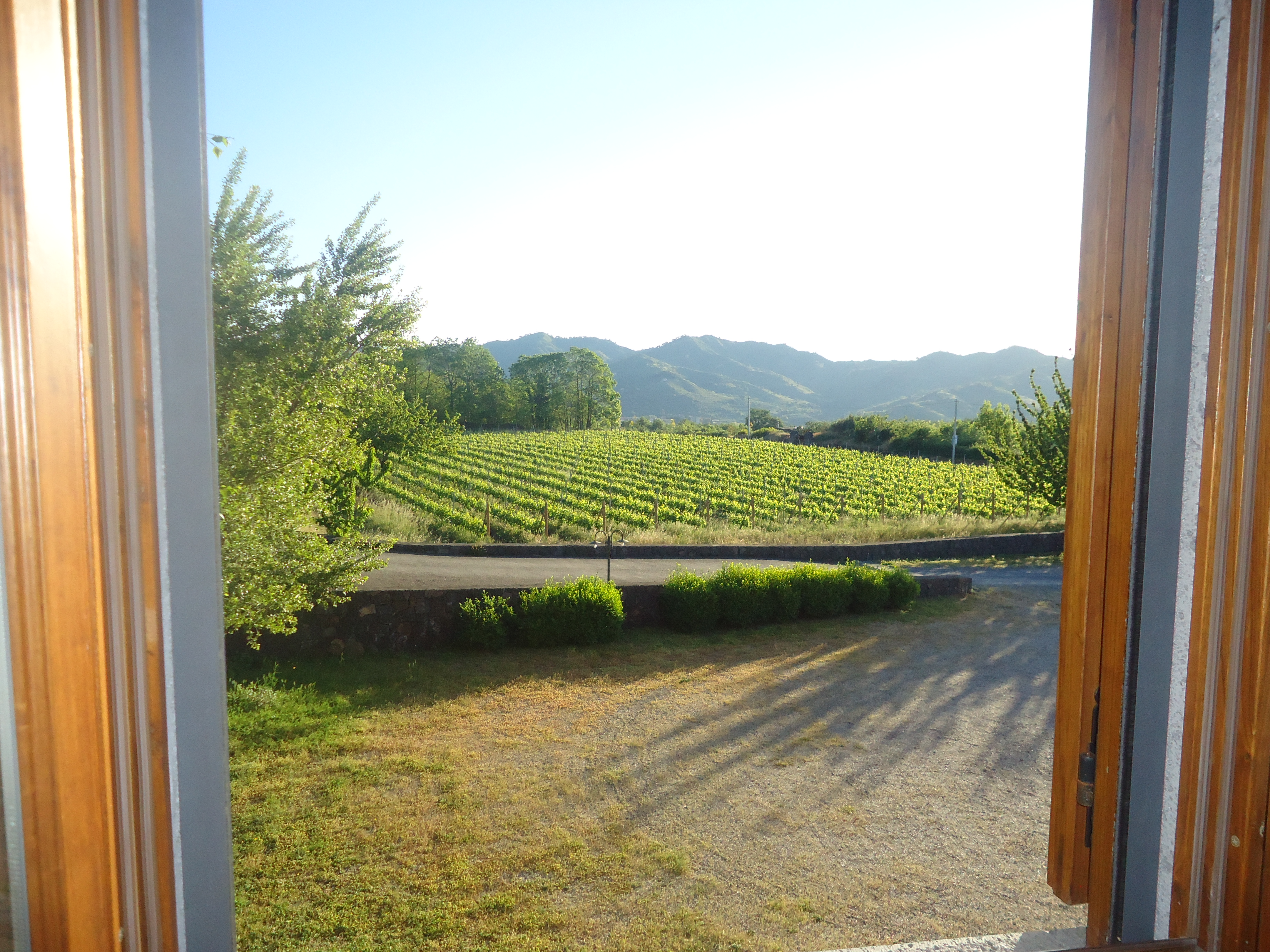
View from courtyard
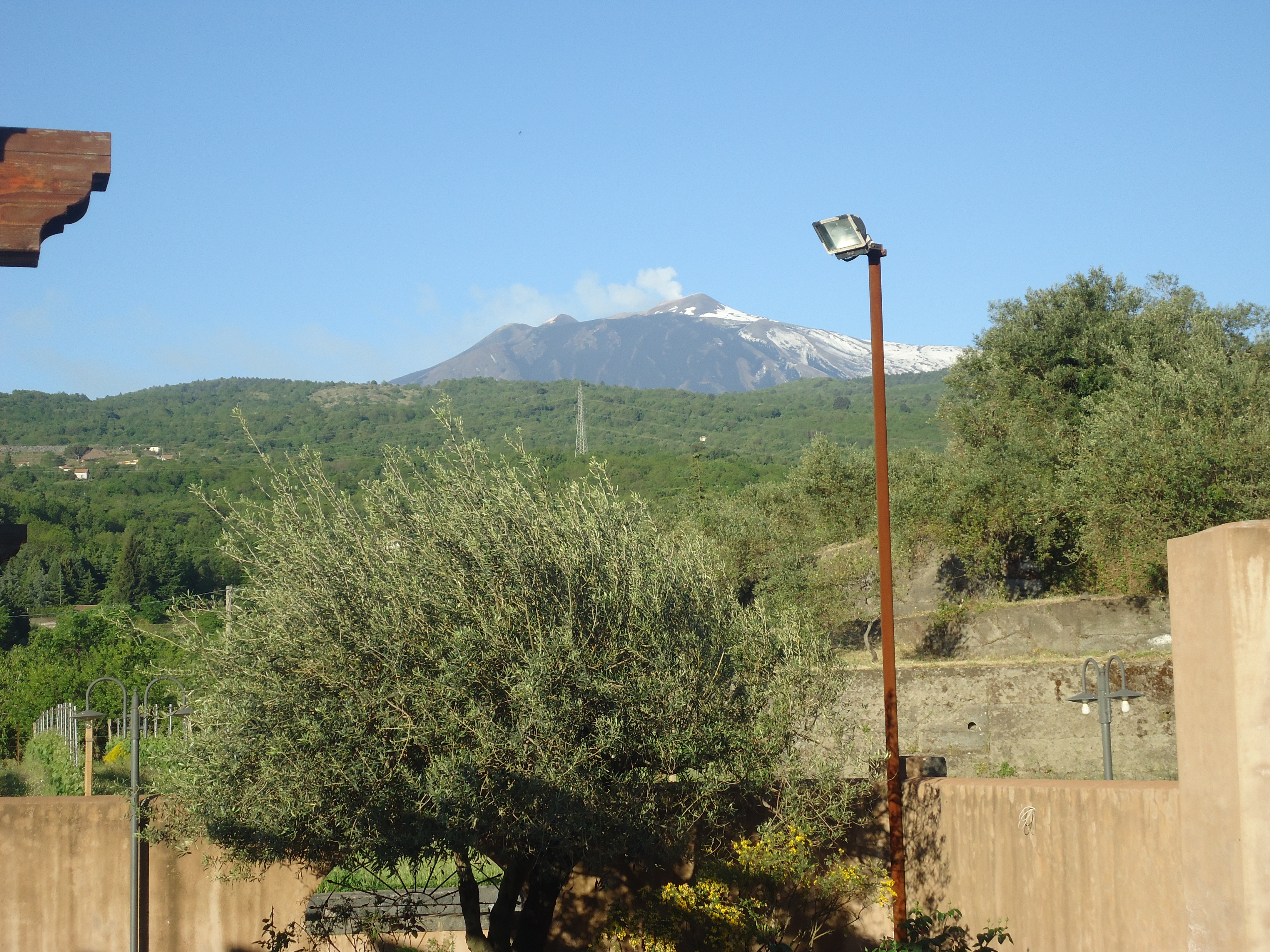
Courtyard at Scilio Winery

View from one of the tables at restaurant

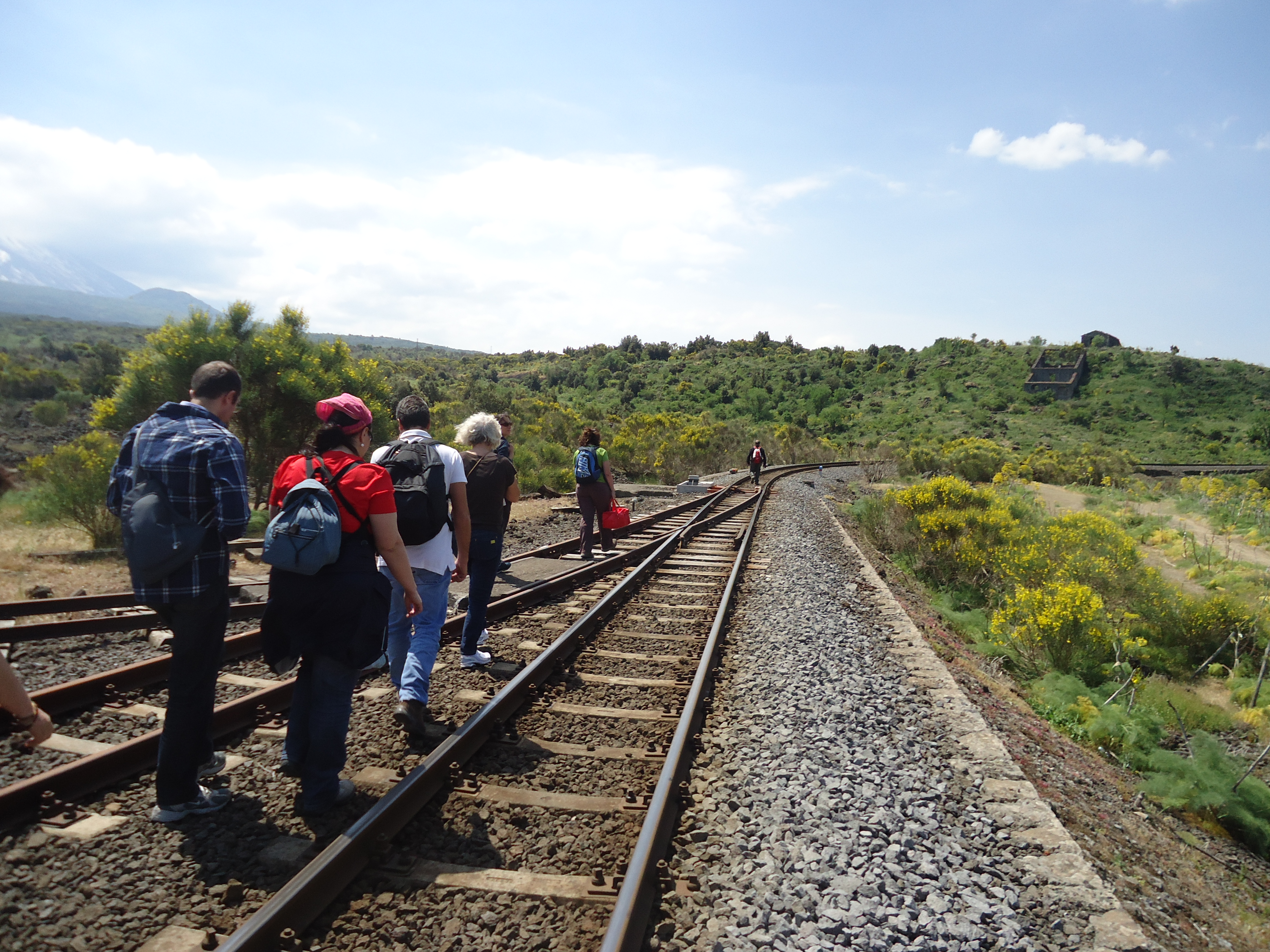
Travelling by train has always been a favorite as one can enjoy the scenery without having to focus on driving and may engage in interesting conversations with other passengers along the way. Last weekend, I joined a group of trekkers and we boarded a train that would take us half way around the perimeter of Mt. Etna, traveling west. One boards the train in the center of Catania, at the Cirumetnea train stop, Borgo. In this case, the plan was that after a two hour train ride, the group would get off the train and walk through a nature reserve and around a lake enjoying the countryside for approximately 5 kilometers, to reach the town of Randazzo. After visiting Randazzo and enjoying a break including ice cream, later in the afternoon, the group would board the train and return to Catania.
As I sat down with my friend Gill who was visiting from Virginia, next to me was a man in his forties. He was well dressed and taking many, many pictures. We started talking about the beautiful scenery which passed in front of us and he shared that he had not taken this trip on the train in 30 years. He was coming from Bologna where he moved as a college student and remained to work and start a family. He shared how growing up in Bronte, the town we reached after 90 minutes, he would commute each day on this train to attend high school in CAtania. I asked what he did on such a long ride and he replied he would take a nap on the train in the morning and do homework in the afternoon, on the way home. He was dressed very neatly and shared with hidden excitement that he was going home to surprise his mother. After he said this, I realized the following day was indeed going to be Mother’s Day.
As one travels west on the circumetnea, the train chugs up and down as the terrain goes from sea level up to 922 meter elevation. Randazzo which we walked to past Maletto stands at 753 meters, so luckily the walk to that town was not uphill. The scenery one passses on this trip is breathtaking and so different from the eastern side of Mt. Etna. As my friend Gill who was with me commented, “This is Heidi Country.” At that elevation, the green pastures remind the visitor of the alps and there are a variety of colors bursting over the green meadows dotted with cows, sheep, goats, and horses.
The most enchanting views were of the enormous fields filled with “ginestra”, called broom in English. (Ginestra sounds better!!)
Field of “ginestre” – Mt. Etna in the backdrop


Off the train starting the walk to Randazzo. I asked, “Are we sure the next train comes by in one hour?”
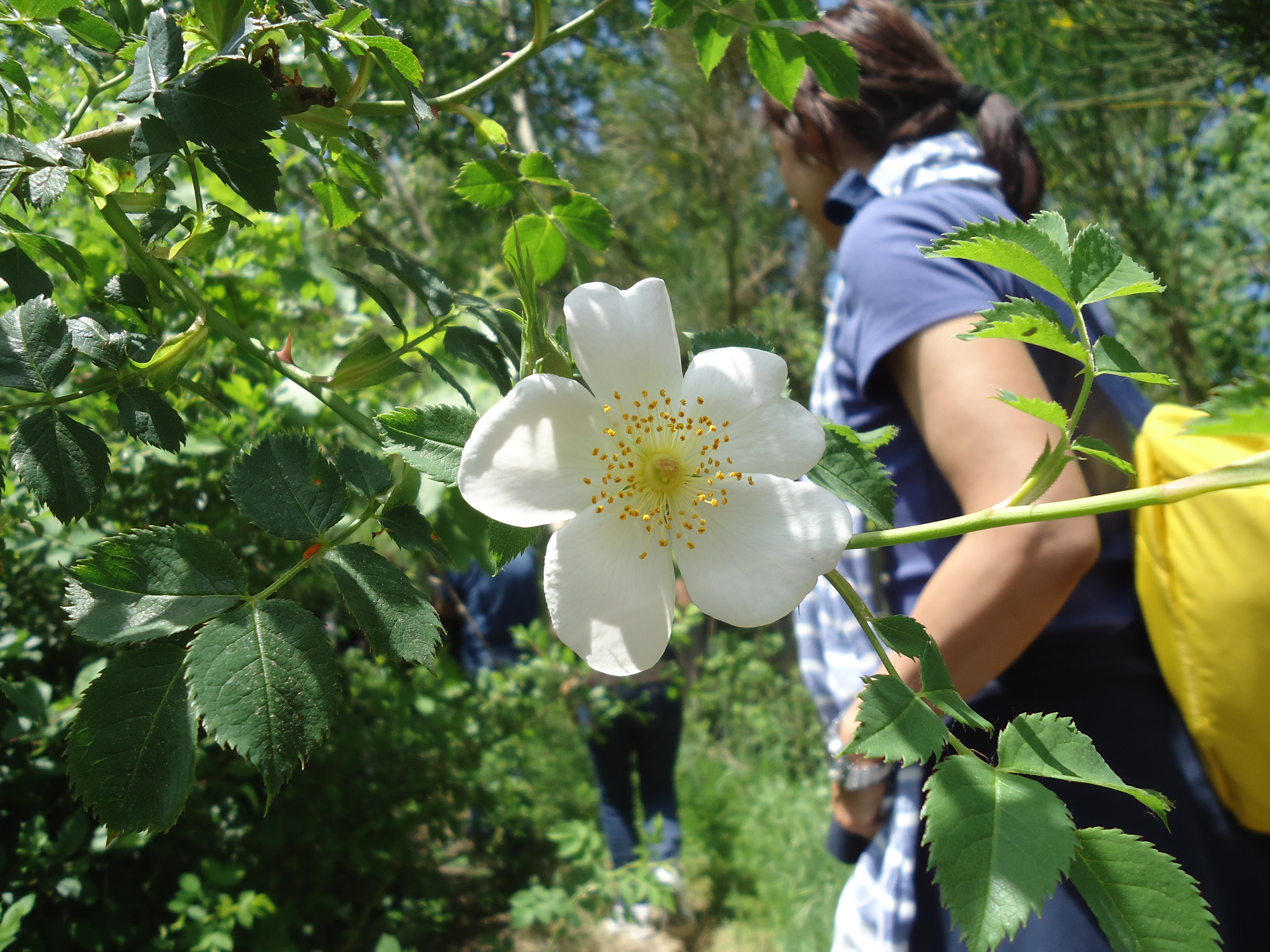
The botanist leading the group explained that this is the pioneer Rose bush.
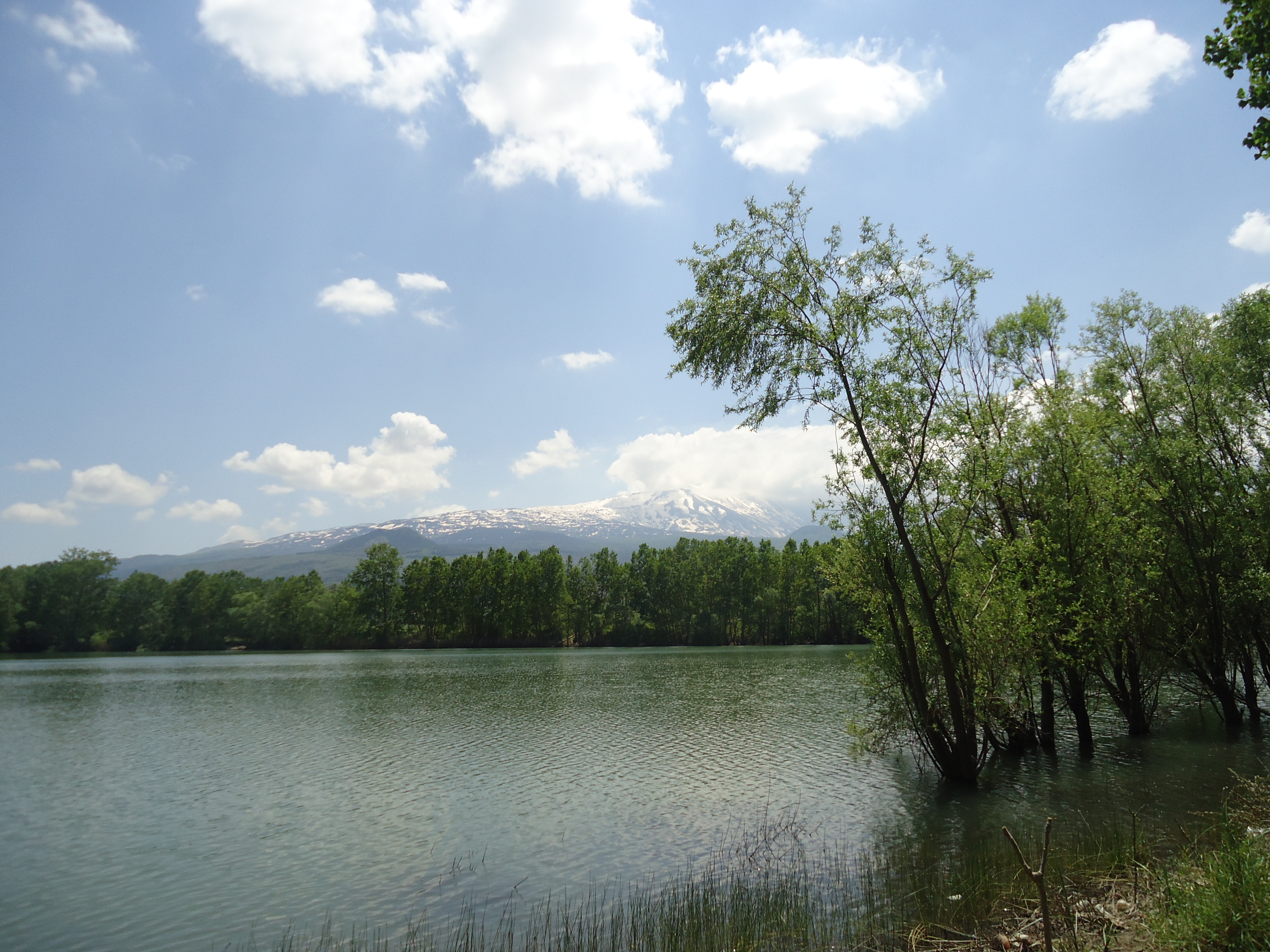
Lago Gurrita – Lake Gurrita
 Final trek through Randazzo to catch the train back to Catania.
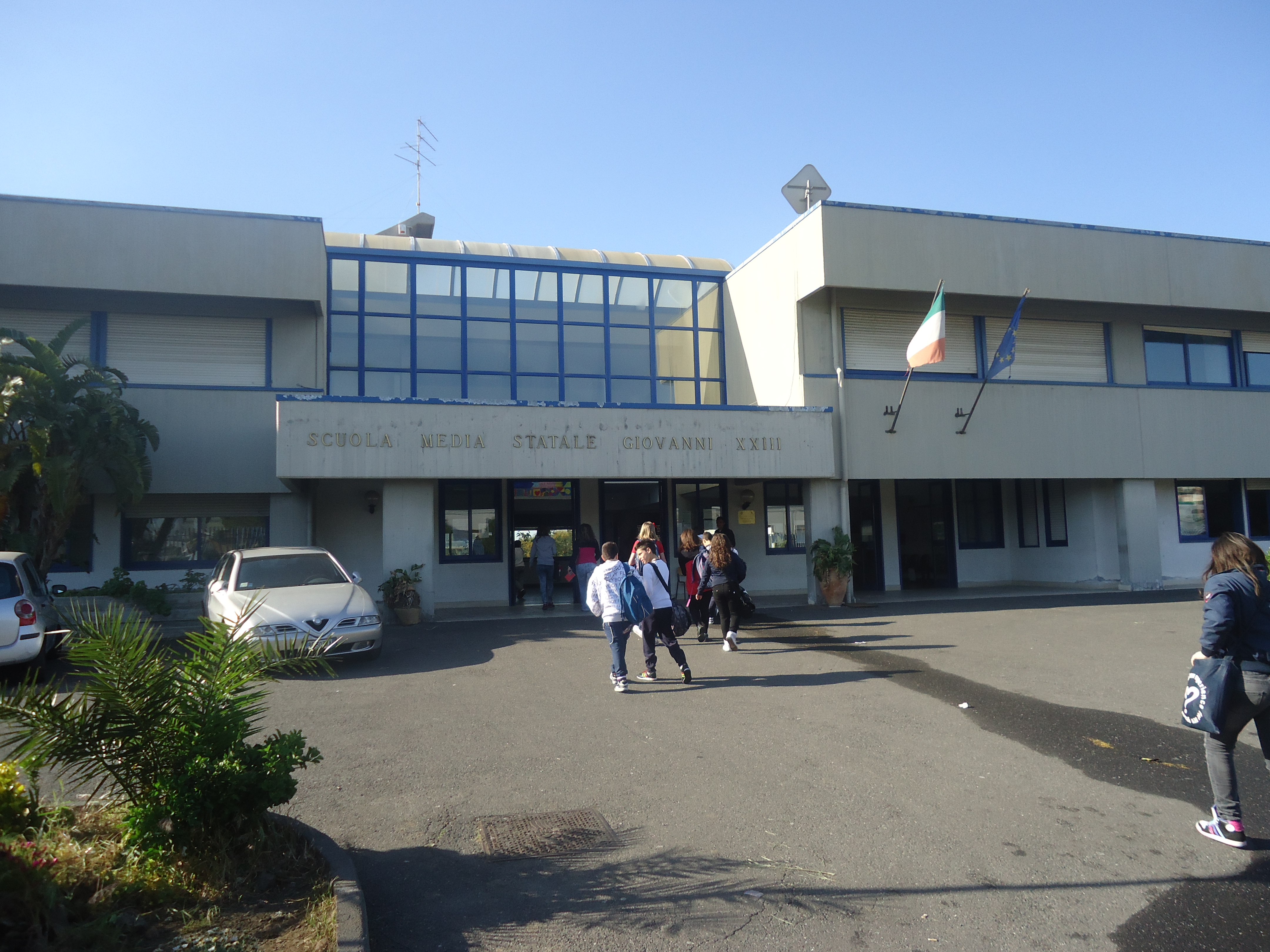
Recently, I was invited to join a group of middle school teachers and their students in welcoming an Italian young reader’s writer, Antonio Ferrara. Before the event, all present had read at least one of the two books the author would discuss. The book I had read was “Ero Cattivo”, I Was Bad. In this story, the main character is Angelo, a young boy who is cynical and has carried out violent acts. During the course of the story, Angelo spends some time in the country at a rehab community where his leader is Father Costantine, a true example of “blind goodness and absolute altruisim”. The qualities that set Father Costantine apart, are exactly what Angelo abhors.
The story is a wonderful example of the power of a nurturing environment, positive reinforcement, believing in the potential in all people and building the circumstances to make a young person become a responsible one.
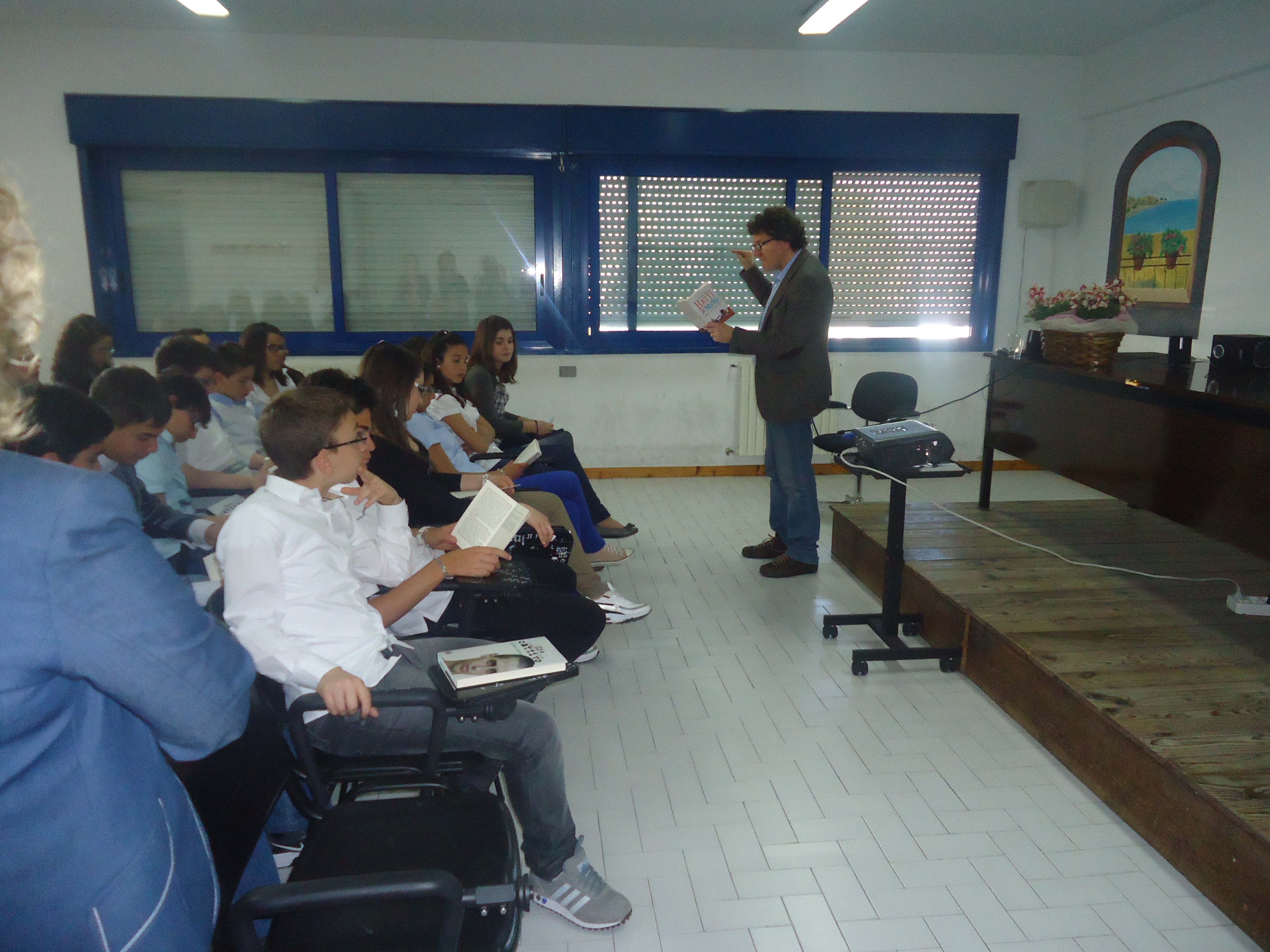
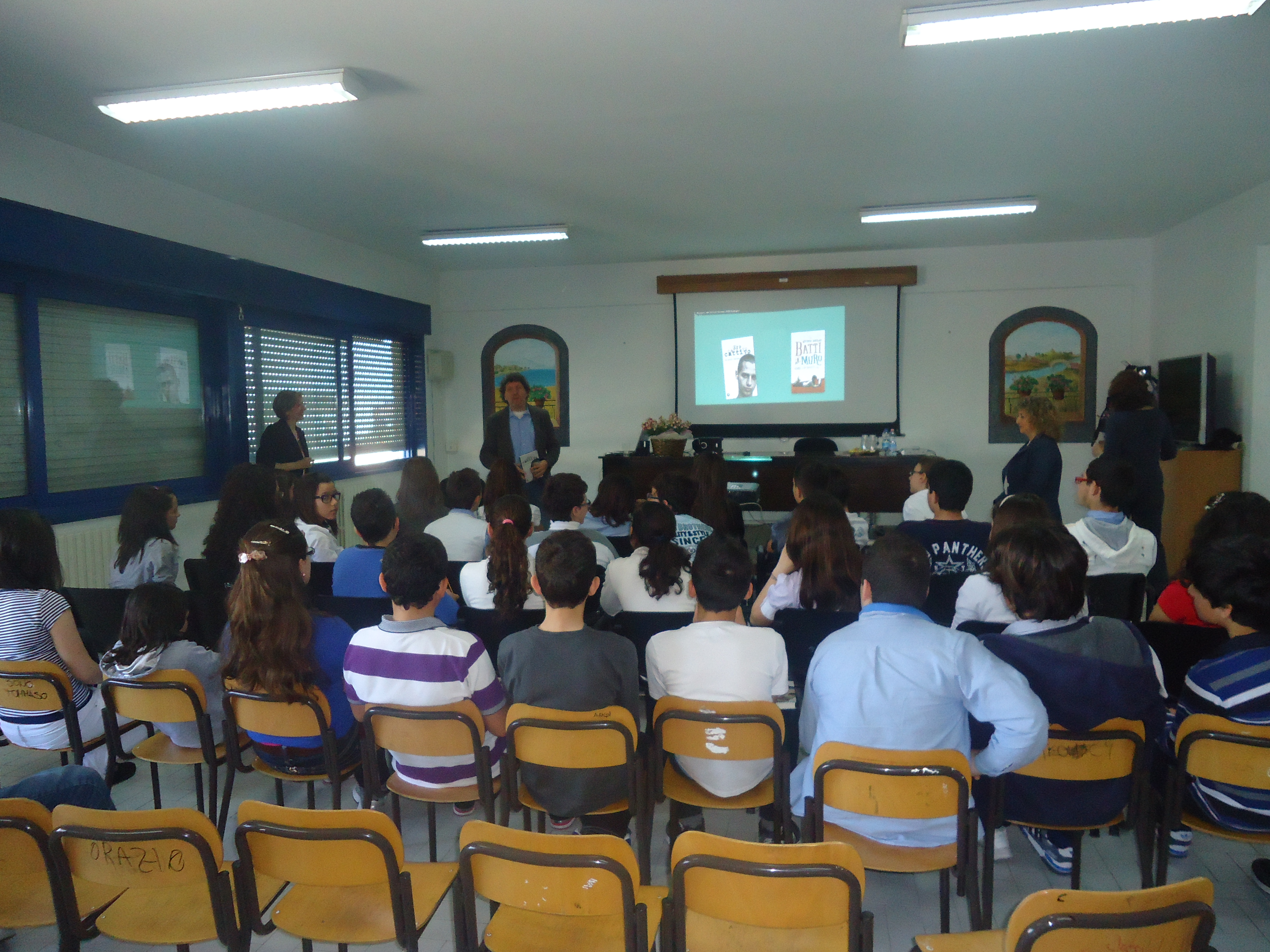
The students had been guided by their teachers in an exceptional manner and were well prepared with their questions for the author. Of course, Ferrara, who spent years working in rehab centers in the north of Italy, at the beginning of his career, is a wonderful character himself. He was delightful, entertaining, funny, charismatic and immediately engaged the students. He explained many details regarding the writing and publishing of a book to allow the students to better understand the whole process.
He read passages from his book and questioned the students on the interpretation. He allowed time for the students to express themselves and feel truly valued during the whole program. Finally, a booktrailer was shown on the screen and it can be found on youtube by searching for Ero Cattivo. This book is one of the finalists at the 2012 Andersen Prize. The event was very engaging and the two hour session just flew by!
Heartfelt thanks to Rosa, my good friend and French teacher at the school, who invited me to join her, her colleagues and their students for this event at Giovanni XXIII Middle School in Catania, Sicily.

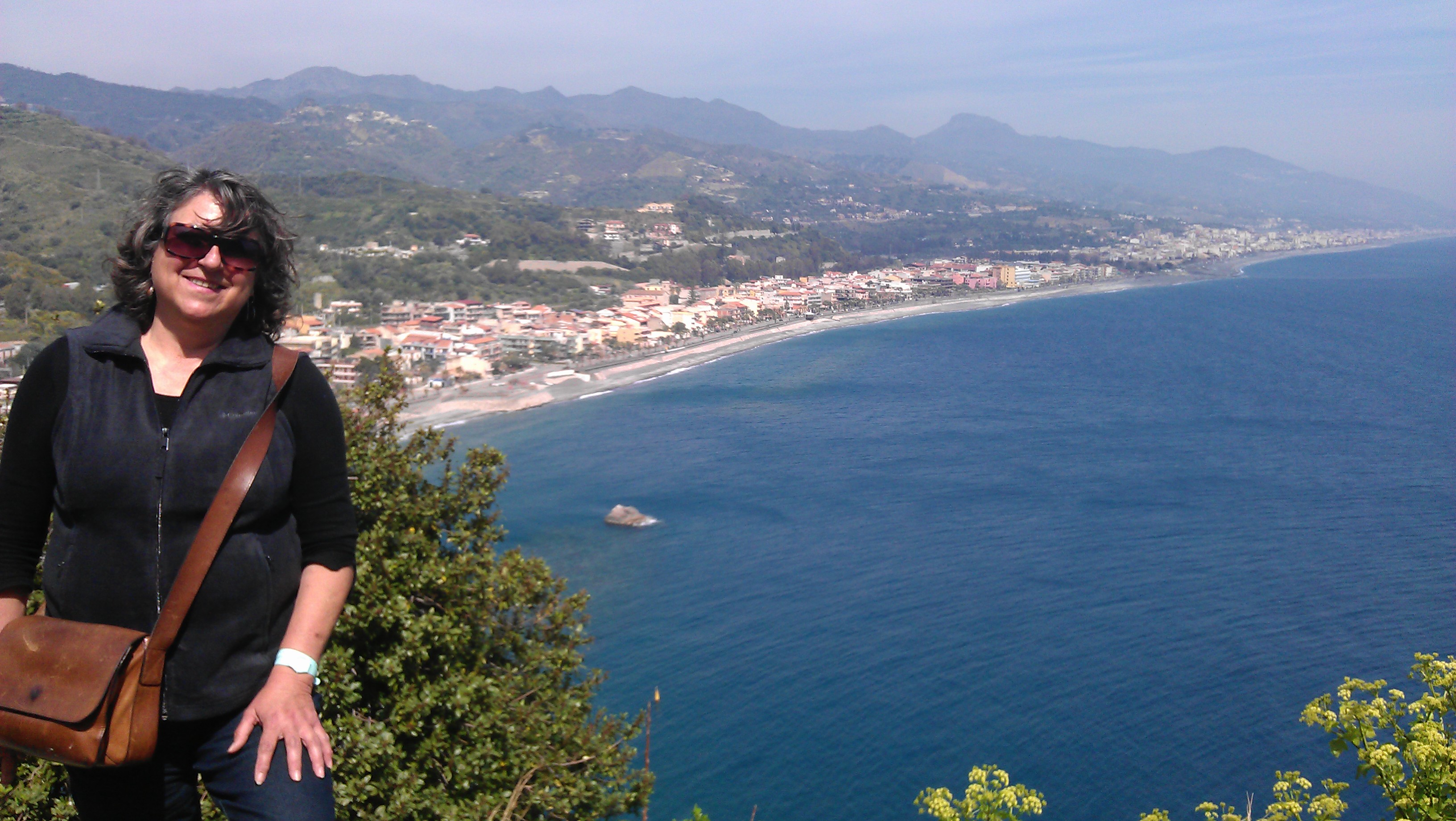
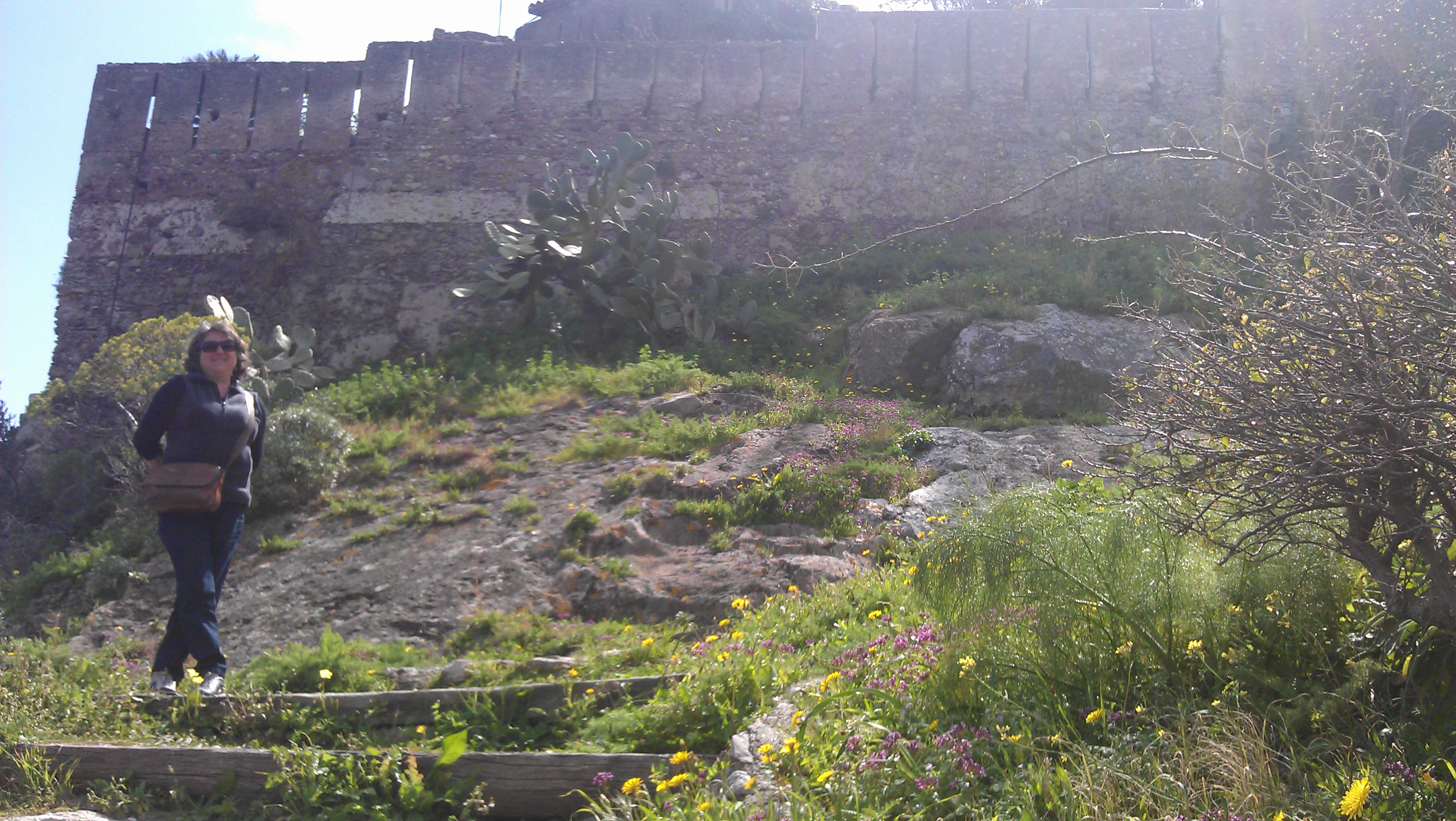
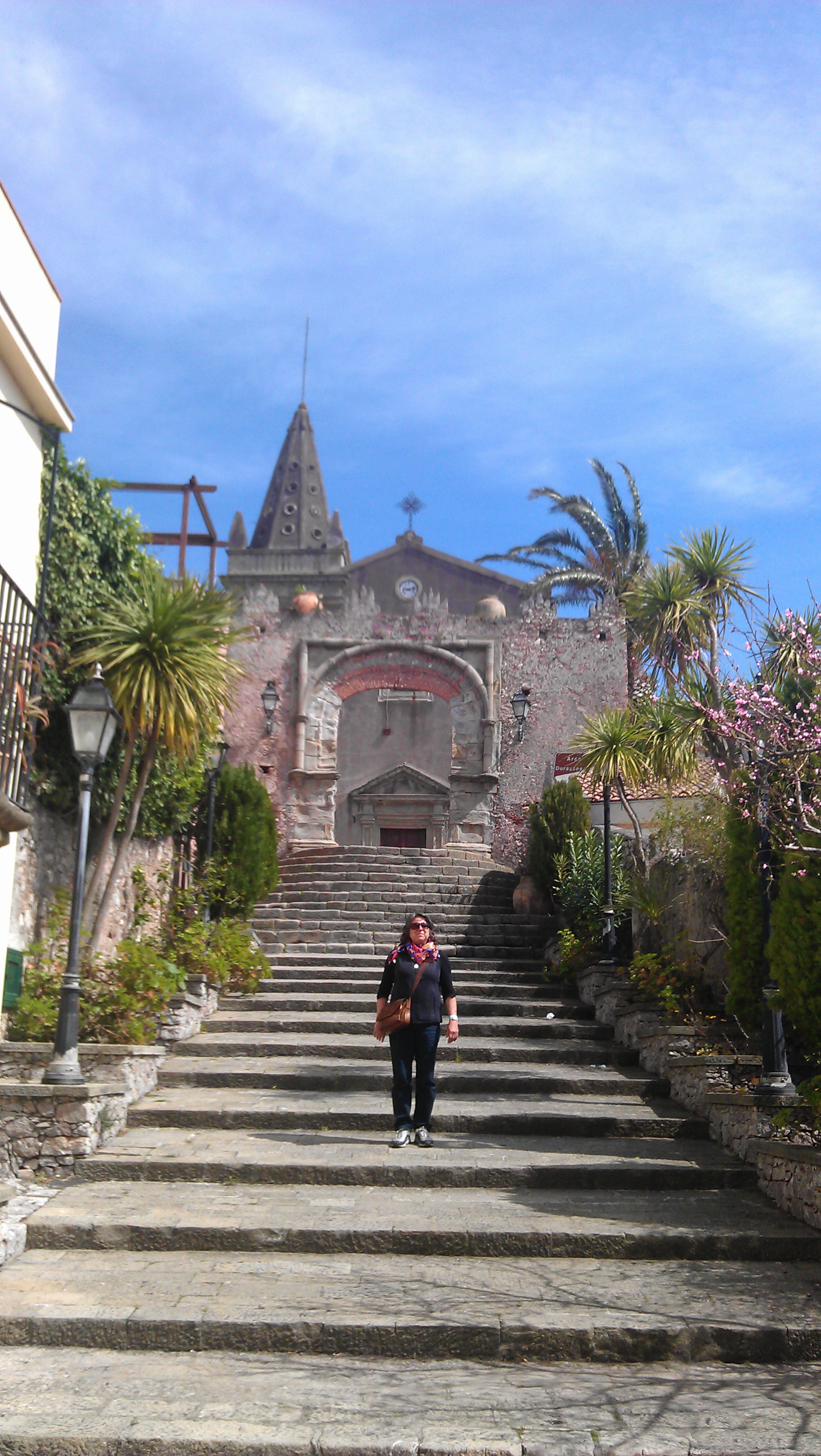
Traveling along the eastern side of Sicily, on SS114, just over half way between the cities of Catania and Messina, one can turn inland and drive up to Forza D’agro’. Forza D’Agro’ is a medieval hamlet perched on the top of a hill at 420 meters altitude. One drives up to it on winding roads and hairpin curves, which one becomesw accustomed to in Sicily, but the scenic view is breathtaking. Recently, after a morning of work at the classroom in nature, Angela joined me in exploring the surrounding area and I drove us to Forza D’Agro’. The hamlet is made up of tiny alleys going up and down its extension and at each turn there is a surprising view to enjoy of the coastline and mountainous surrounding areas. One highlight was a stop to talk with a local elderly man, who had just locked his vegetable garden right next to his tiny home sitting on a bluff, overlooking the entire coastline. He admitted he has enojoyed his entire life sitting in front of his modest home and taking in the beauty.
Below are some pictures taken on the trip to Forza D’Agro’.
A stop along the road climbing up to Forza D’Agro’

Ruins of a XIV century castle
“…instead I seek the secret soul of things, and in order to find it, many times, I must look inside their facade consumed by time and unrecognizable.” ALBERTO SAVINIO
Church in Forza d’Agro’
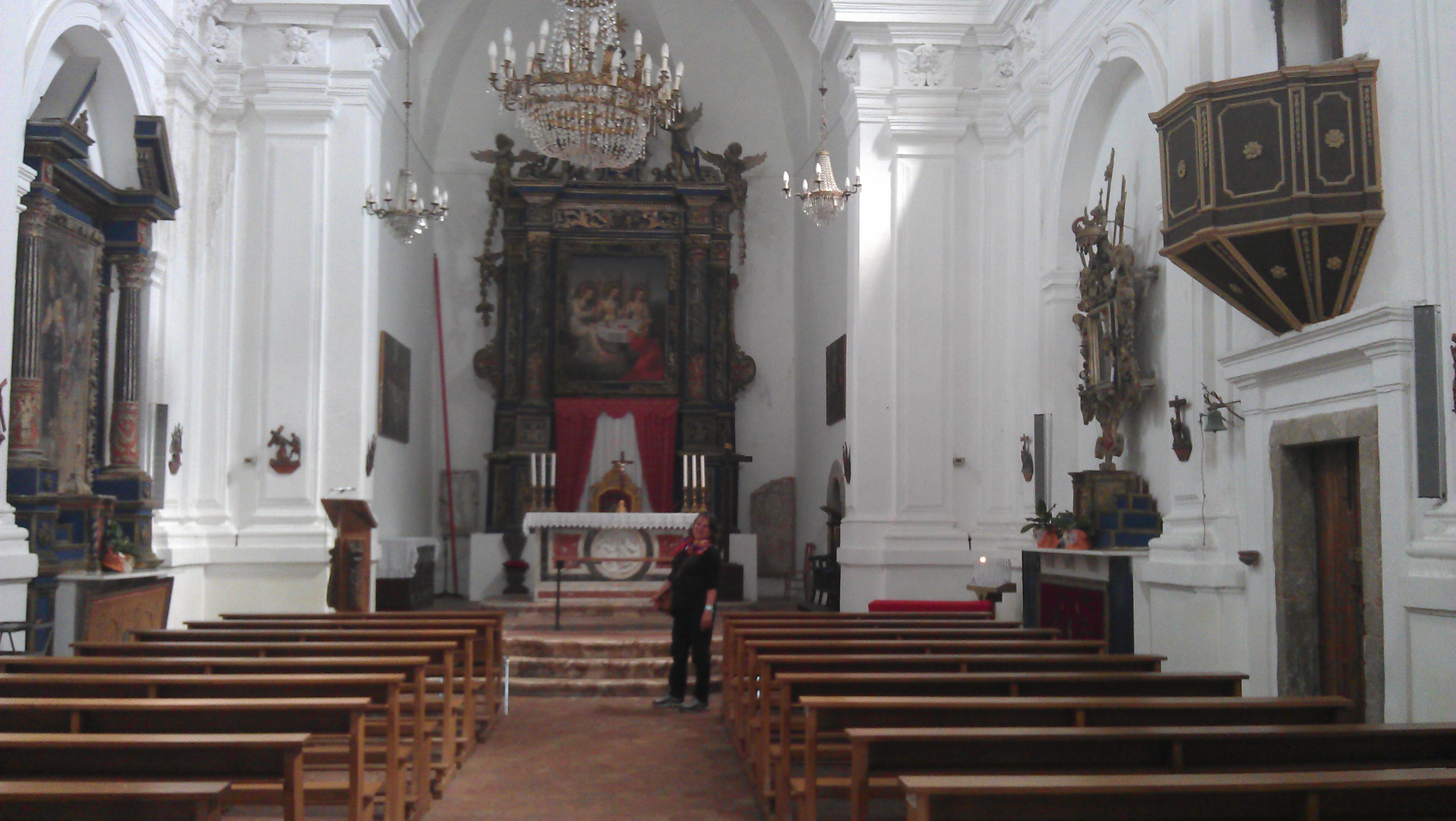
Thank You, Angela, for joining me on this excursion, being a wonderful guide and taking the pictures.
Not far from Forza D’Agro’ and perched on another rocky hill is the town of Savoca. It is a quiet town, which many residents have left to live on the coast. As one walks along the streets of this town, the majority of people are tourists. In talking to the locals, it is indeed confirmed that many locals have moved away. One of the town attractions is the Cappuccini convent where the cript contains about thirty mummies and another is Bar Vitelli.
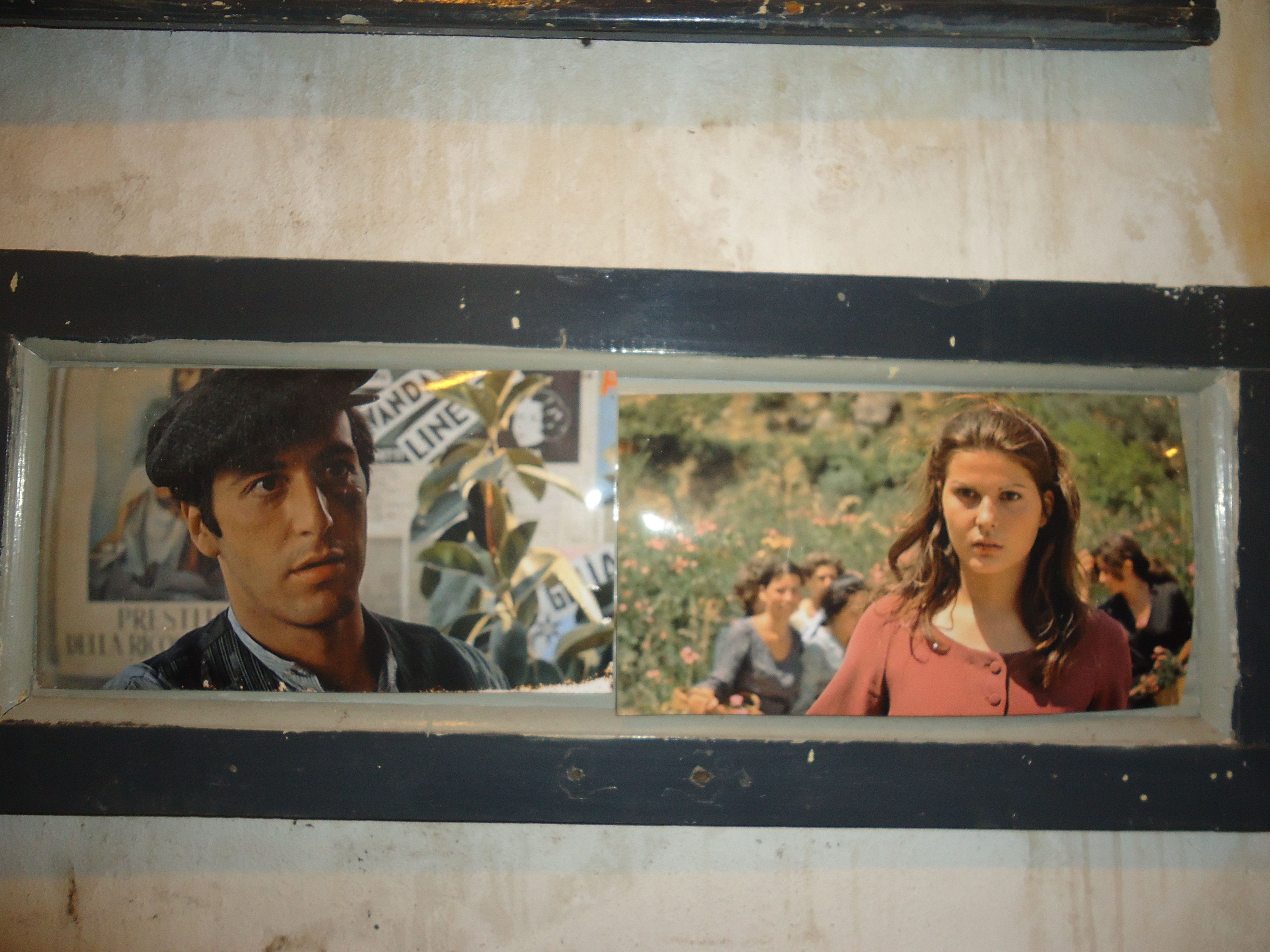
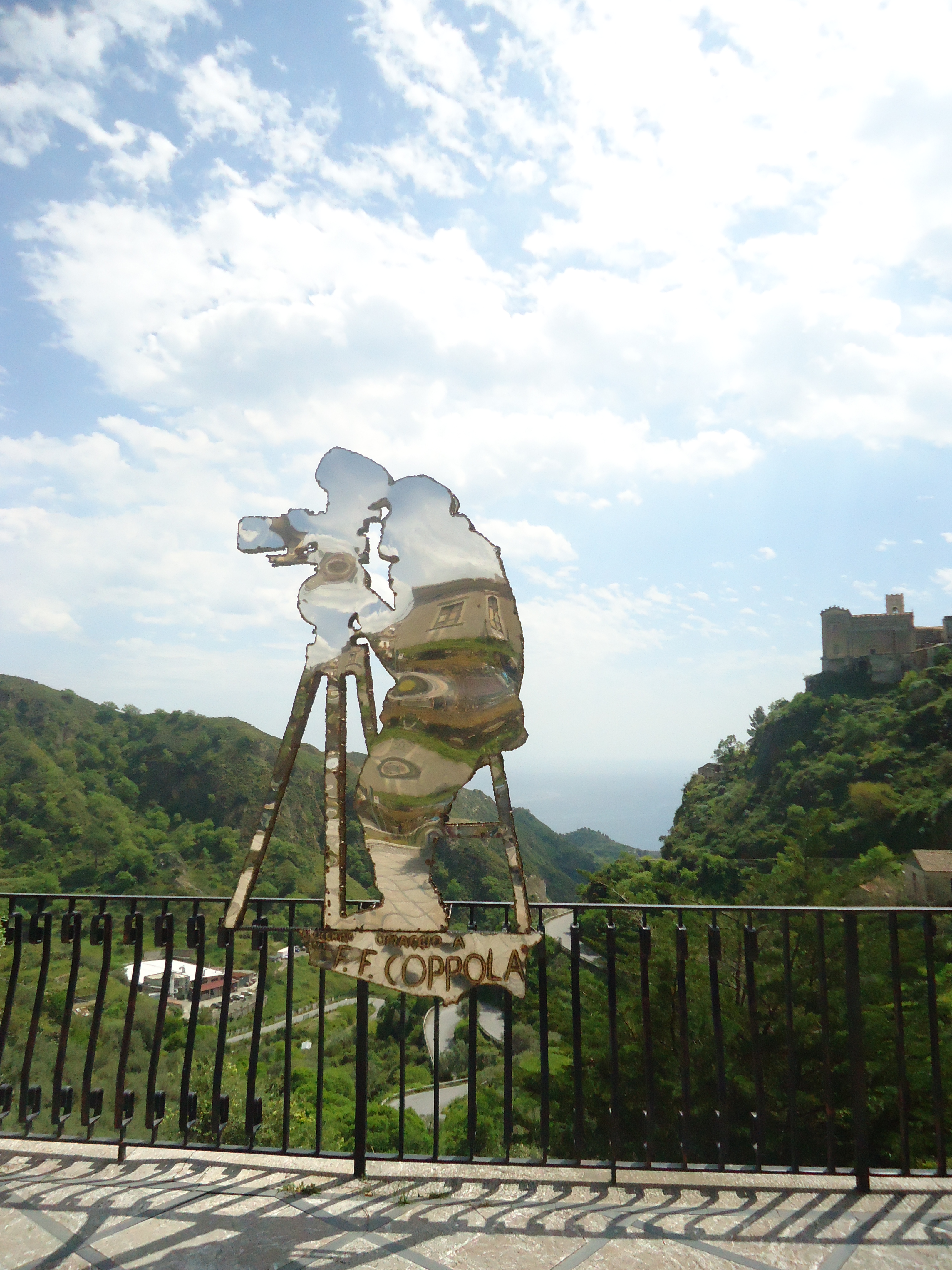
Hollywood put this little town on the map in the seventies when Francis Ford coppola chose this location for his movie, The Godfather. In fact, the Bar Vitelli was the setting of scenes of the movie and inside it today one can see many pictures that attest to that. Interestingly enough, the locals told me that Bar Vitelli was just an abandoned building when Coppola visited Savoca. He chose to make it into Bar Vitelli to shoot scenes of his movie and today Bar Vitelli is a tourist attraction. It serves only Granita di Limone (Lemon Ice) and allows tourists to just sit and remember the movie scenes shot there. One can find all the Italian cafe’s have to offer at the Bar across from it on the square overlooking the gorges below.
Bar Vitelli
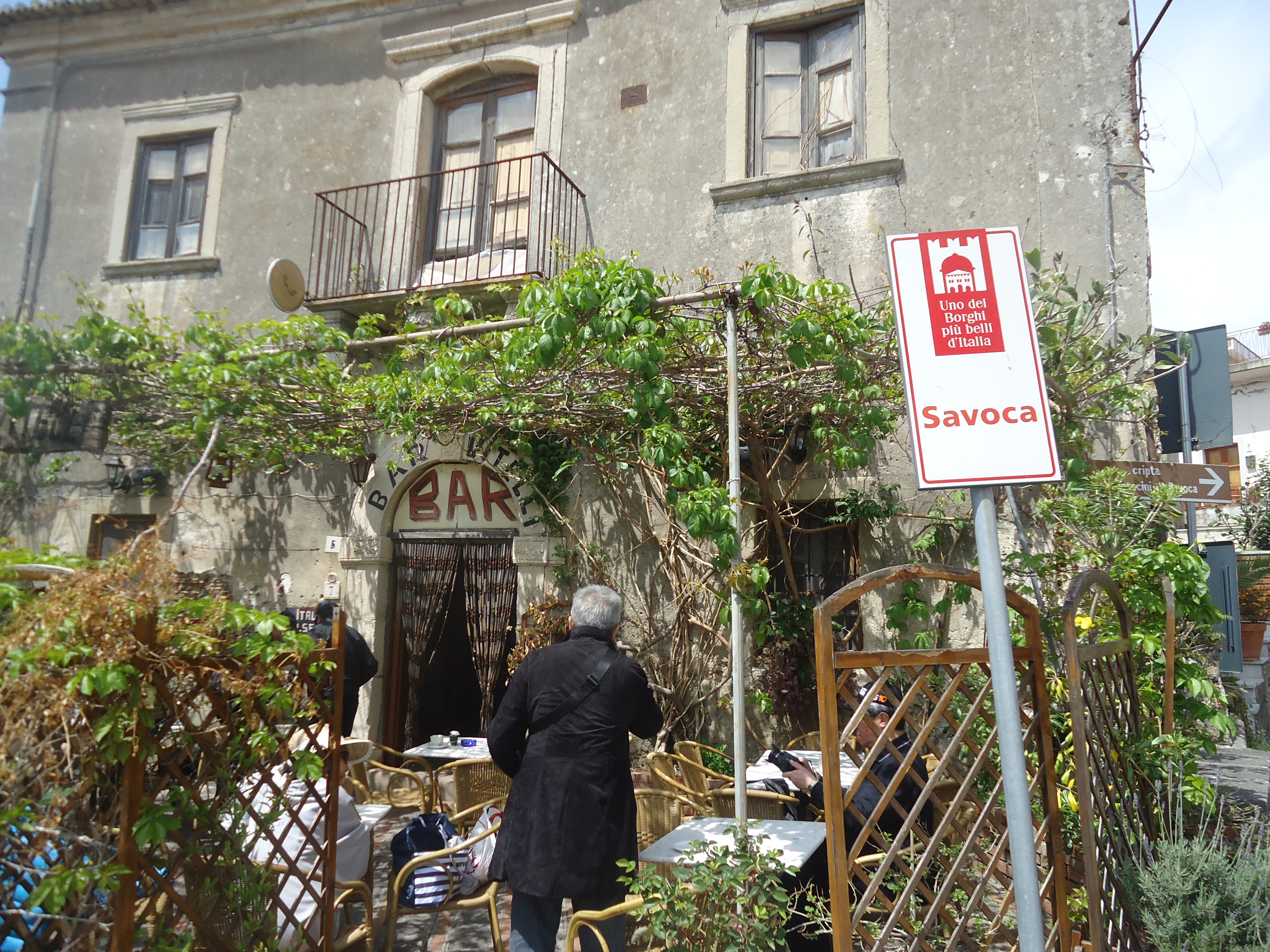
Inside Bar Vitelli many pictures from the movie, The Godfather, are displayed.
A tribute to F.F. coppola in the square across from Bar Vitelli
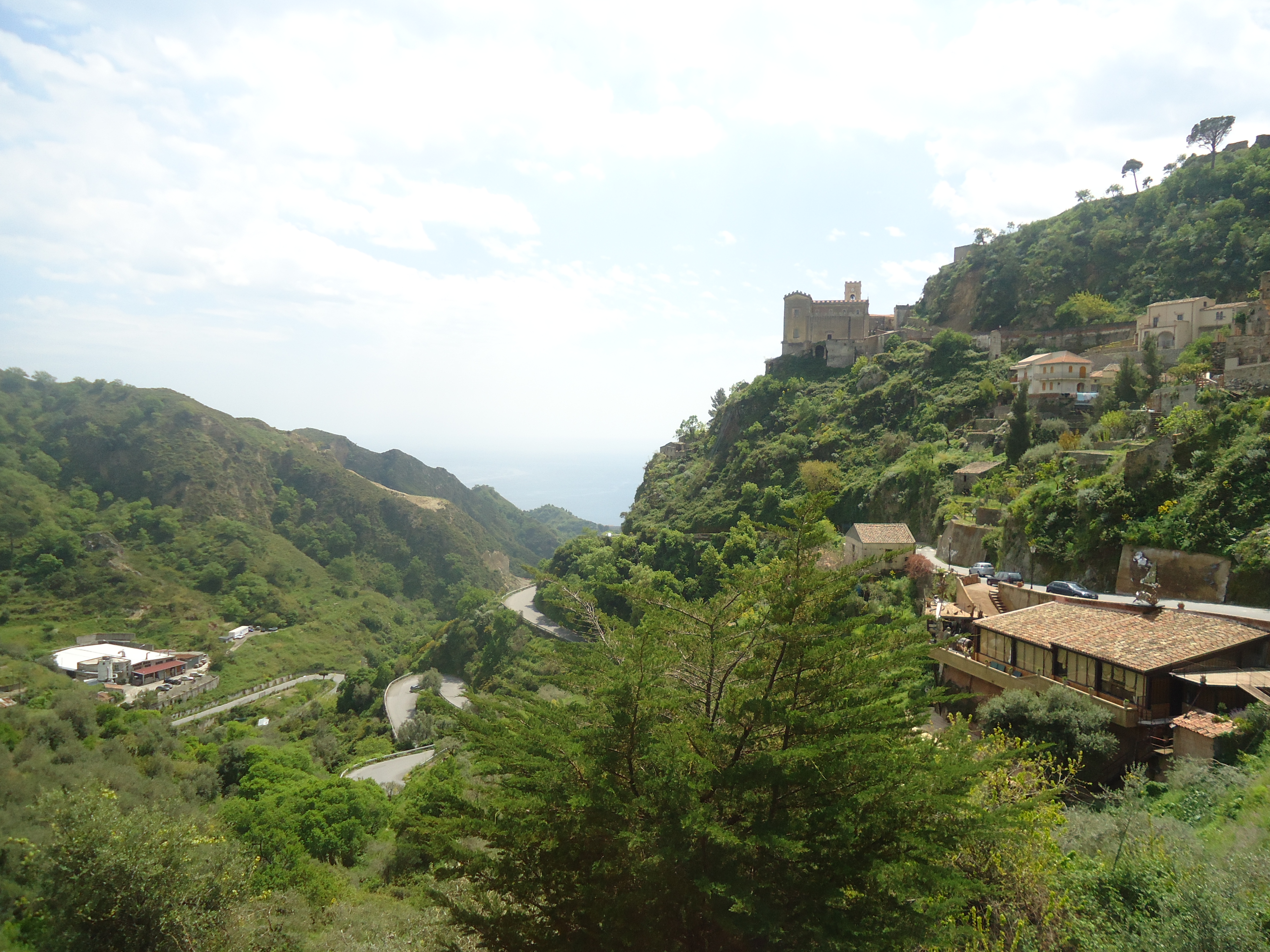
View from the square of one of the roads to the coast
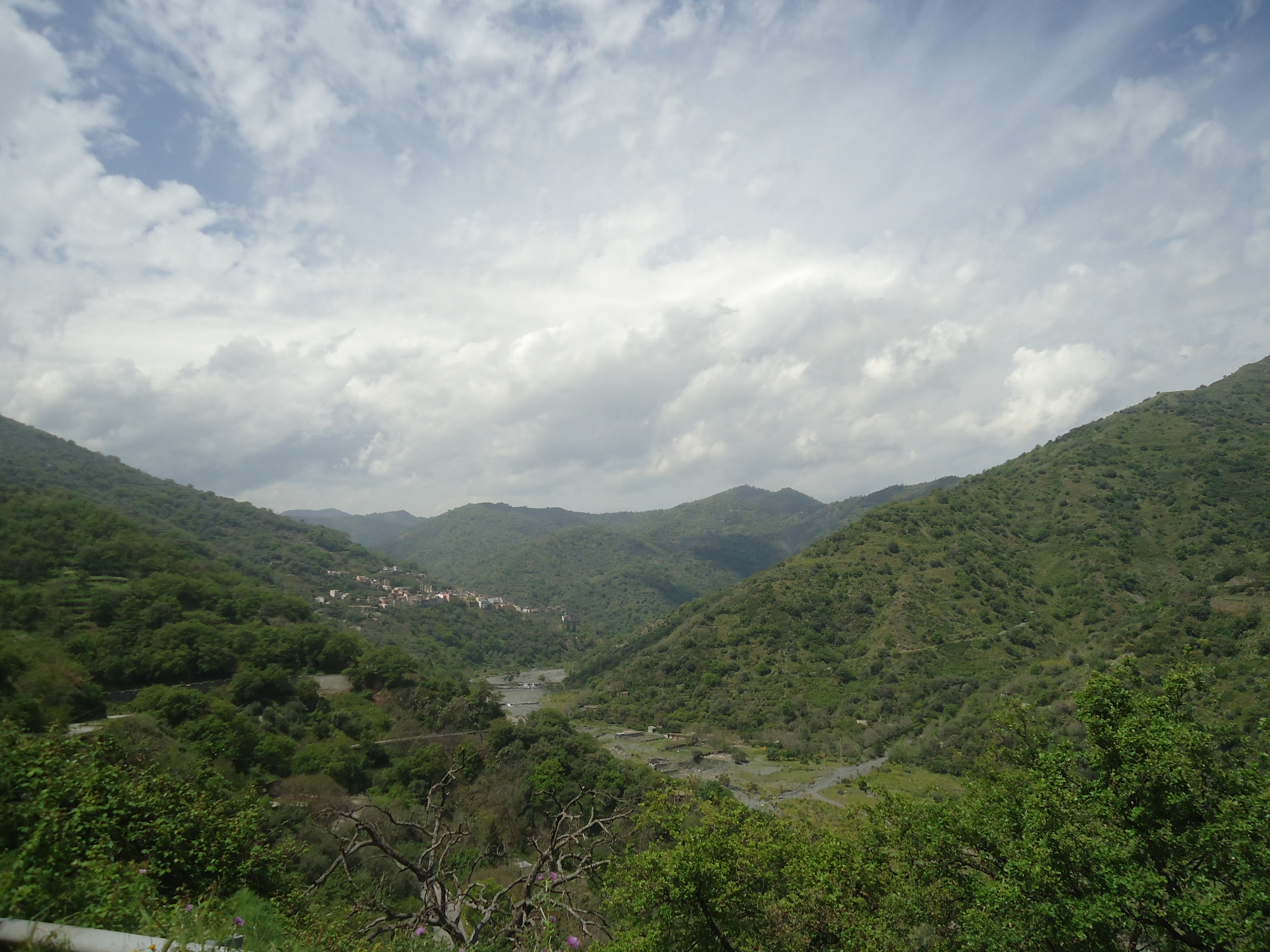
Driving down to the coast on a very narrow back road, at the bottom of the hills, I was quite surprised when I ran into army tanks, on a routine training.

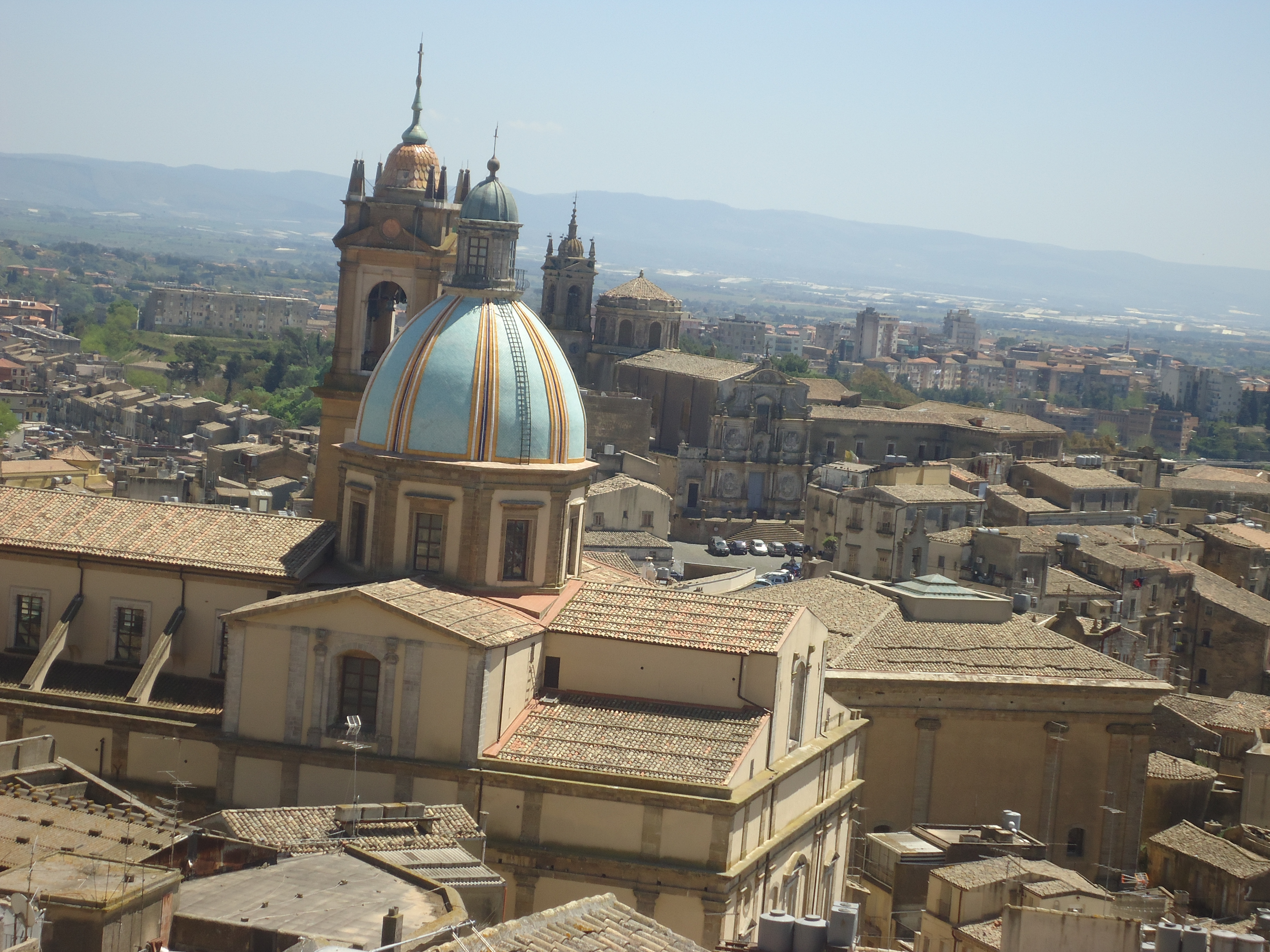
Caltagirone is one of those towns one revisits with pleasure as it always has a new angle of its beauty to offer, and in my case I love returning so I can visit my childhood friend, Maria. Caltagirone stands at 600 meters above sea level, inland, 76 kilometers southwest of Catania. In Springtime, during the drive from the eastern coast ,one enjoys rolling hills and plush vegetation. It is a quaint town famous around the world for its ceramics. The baroque architecture of the town is enriched by the variety of ceramic adorning buildings, squares, streets, steps, walls and more. On a recent visit I stayed with Maria and her husband Toto’ and was joined by friends, Adriana and Letizia, and together we enjoyed relaxing strolls around town. Following are pictures taken during this visit.
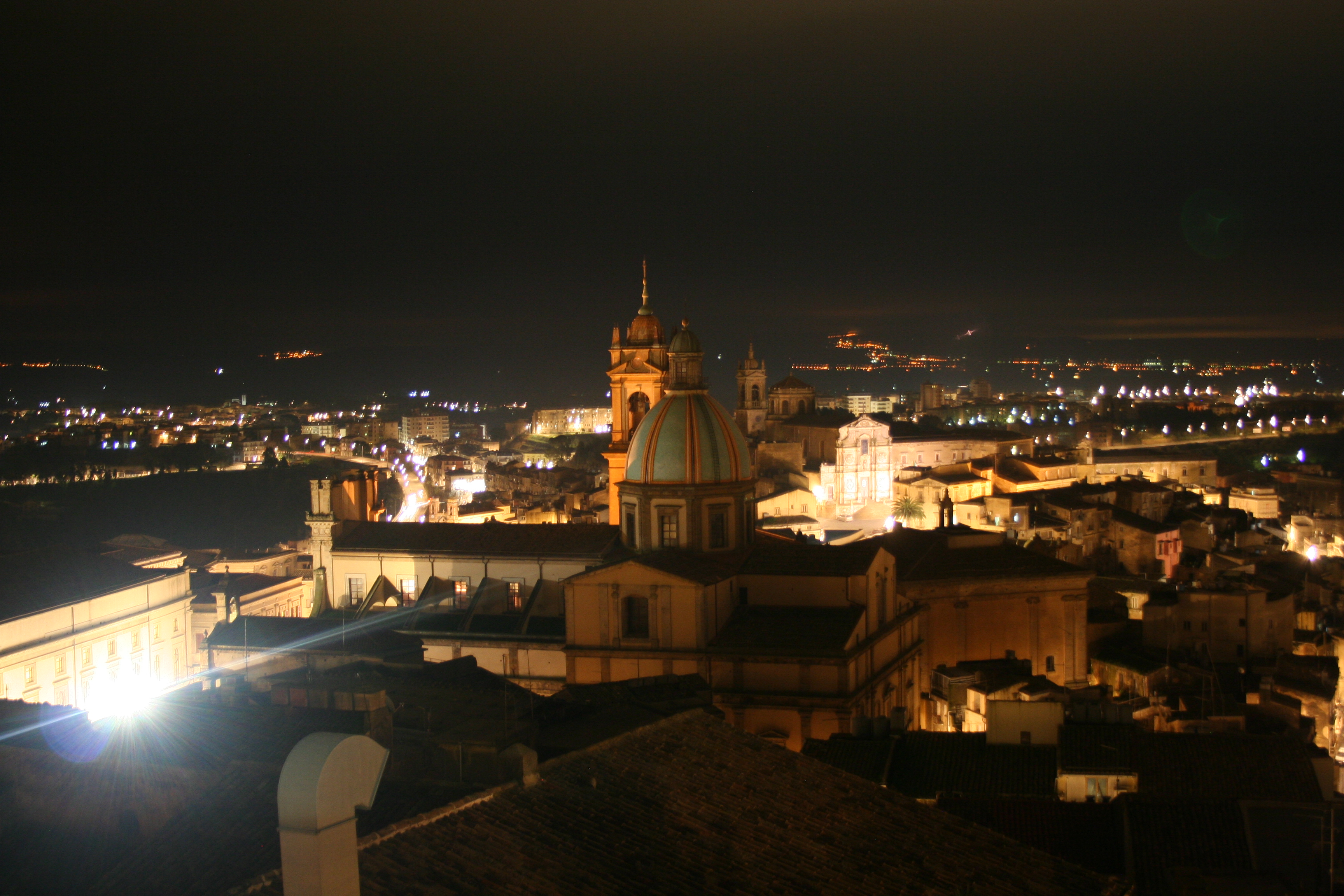
Caltagirone rooftops as seen from Letizia’s balcony.
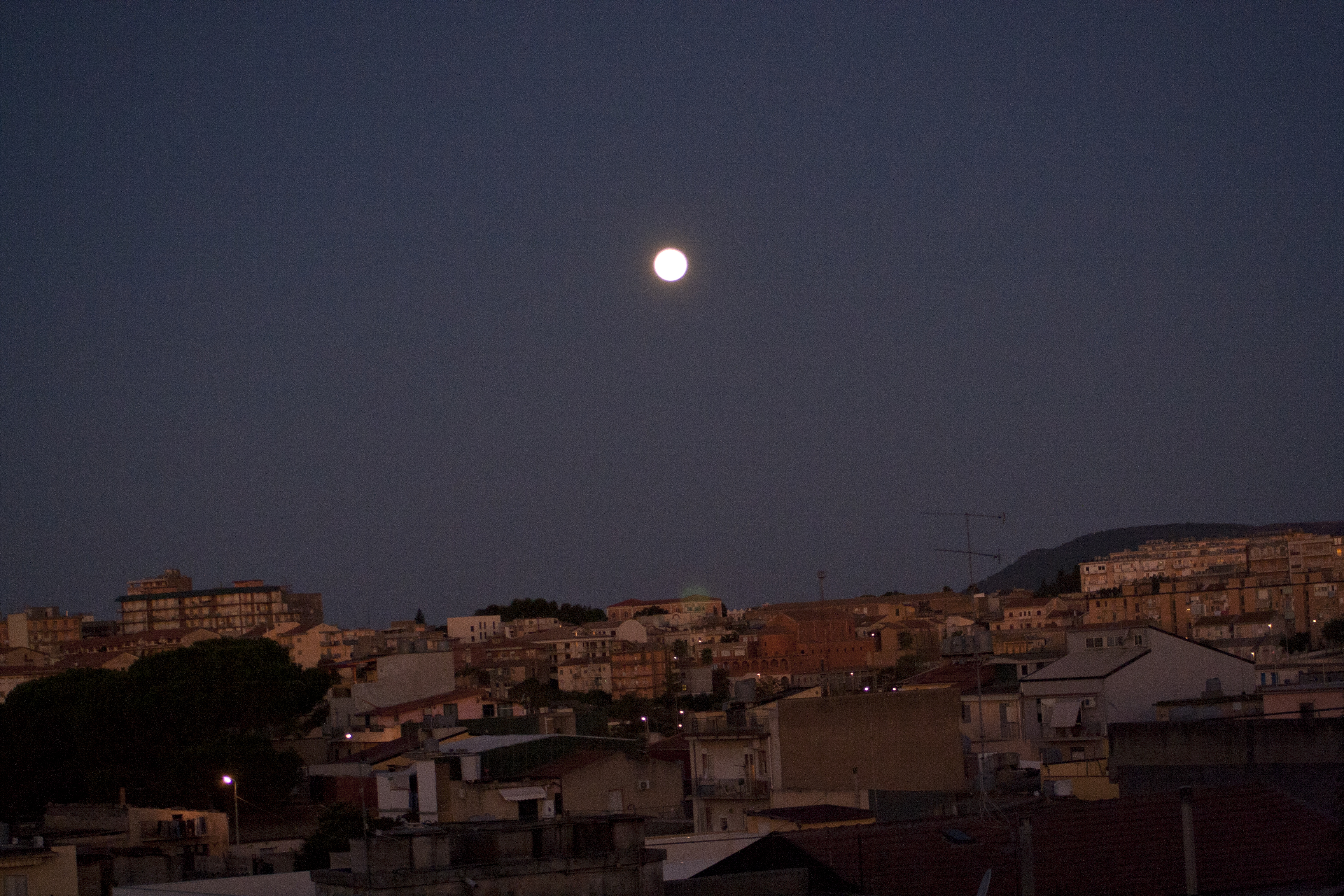
Rooftops at night
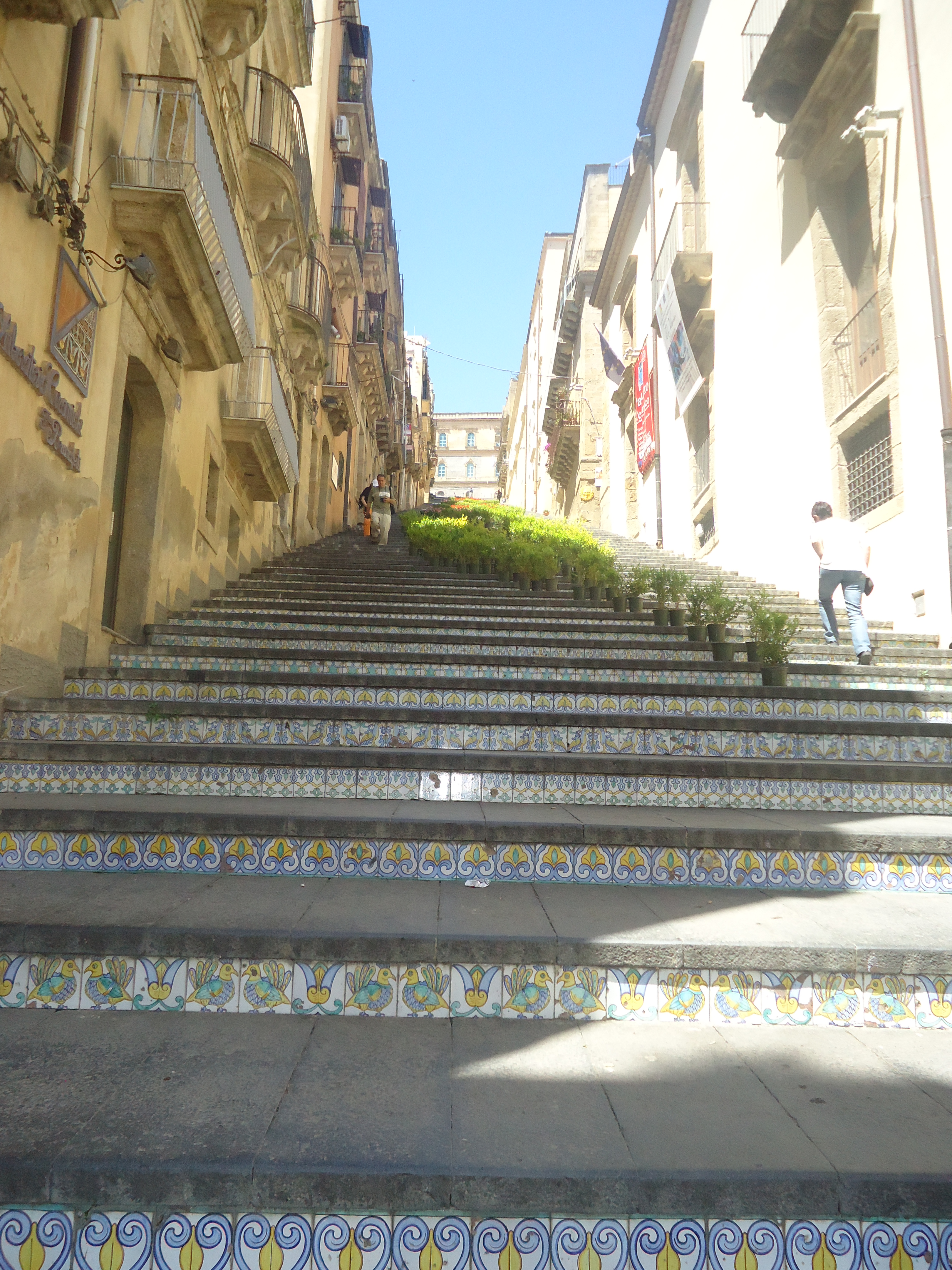
There are 142 steps, the steps at S. Maria del Monte, built in the 17th century to connect the old and new parts of town, are decorated with ceramic tiles which display patterns taken from the Sicilian ceramic tradition dating from the tenth to the twentieth centuries.
The steps are adorned during the year with flower pots to create original and continuosly changing patterns.
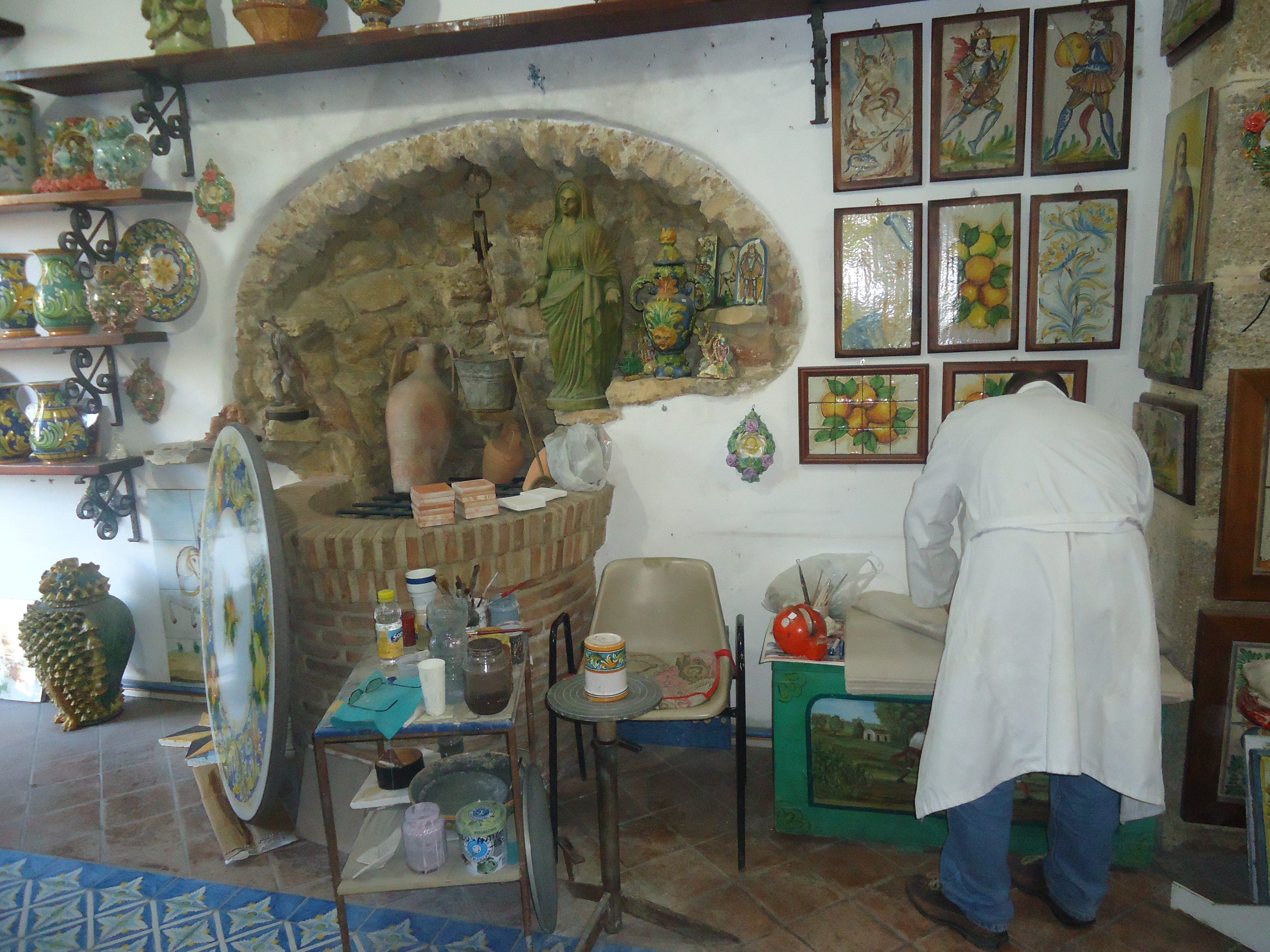
Maria and a local ceramic artisan in his shop. The plate they are holding is of the type that was used to dry homemade tomato paste in the sun. 
You can see a round piece standing upright – it is a tabletop made of lava rock covered in ceramic. These are used in gardens.
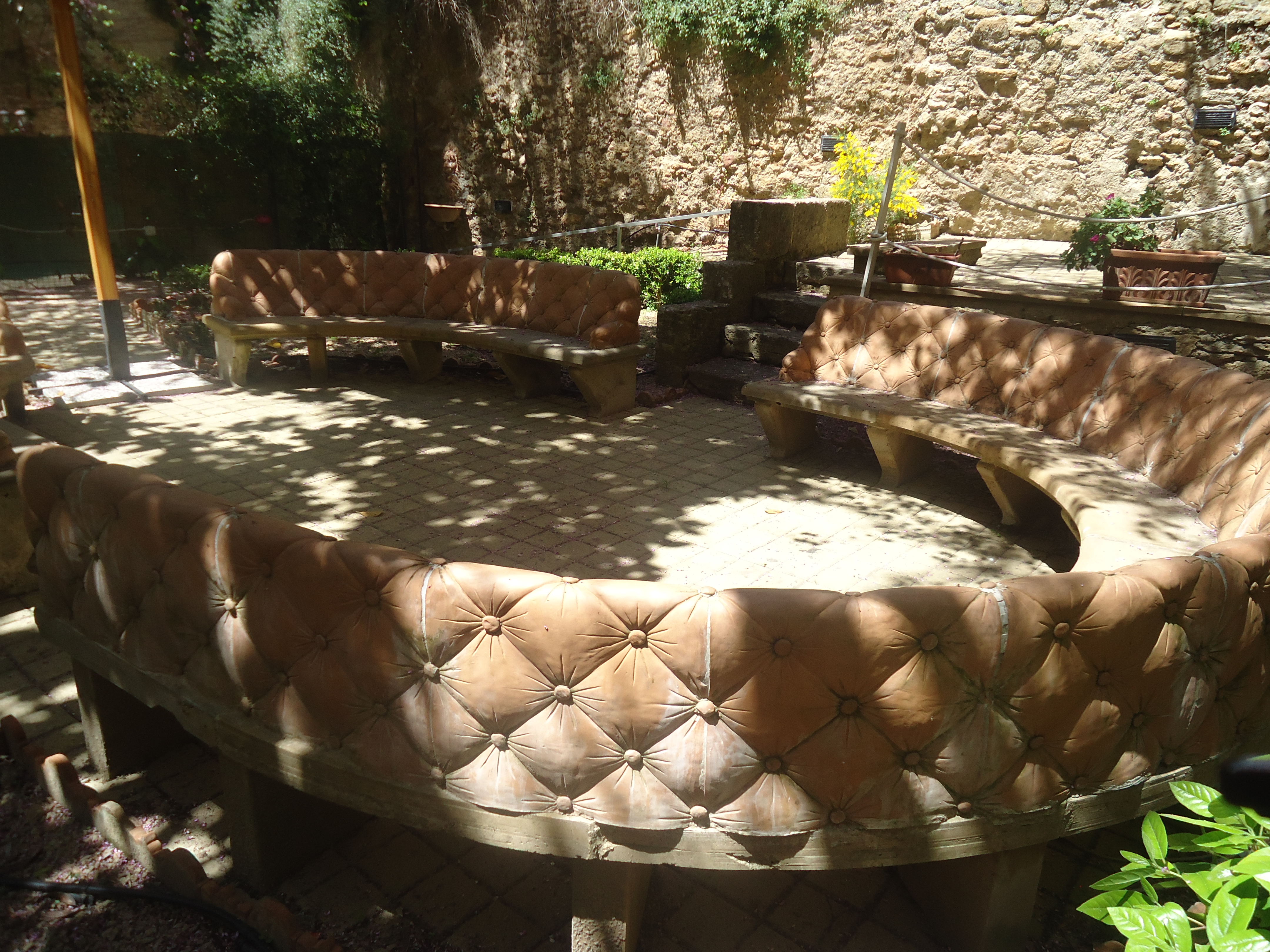
A small park with benches made of ceramic.
The following pictures were shared by Maria and Toto’, Toto’ being the photographer. They were taken during the Feast of Saint James, Patron Saint of Caltagirone. The St. James festivities are held each year on July 24th and 25th. At that time, the steps are adorned with oil lamps to form the pattern of a religious image.


Caltagirone by night
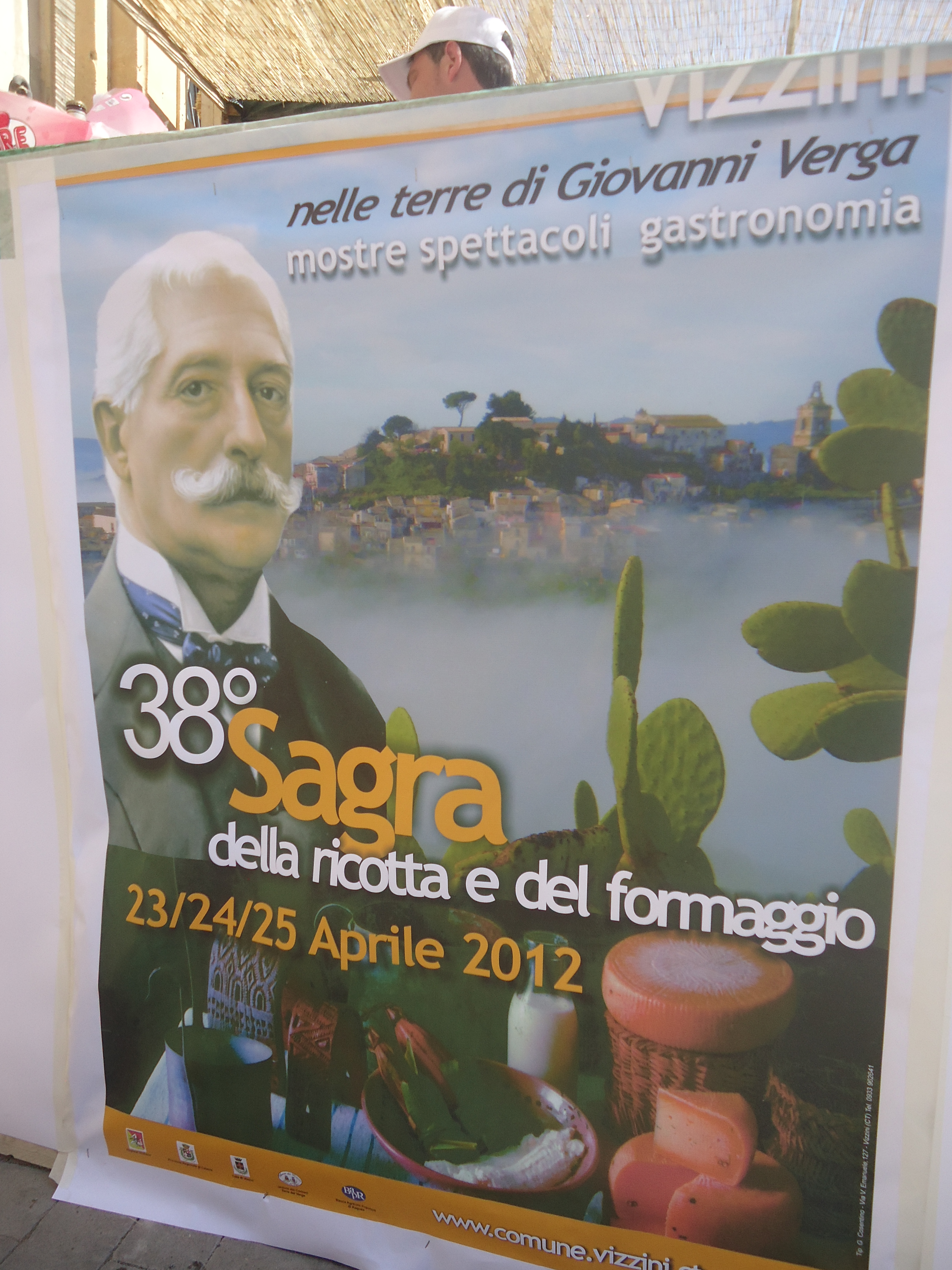
Each year, in April, a Ricotta Festival is held in Vizzini, Sicily. A group of ricotta producers set up their work station in one of the squares of the town and make the ricotta right there in front of all the folks who gather around. The streets come alive with a variety of activities, singers, bands, flag waving performers, and artisans selling their goods. This year, the event took place on the 23rd, 24th and 25th of April and below are some pictures taken during the event.
Ricotta making

Ceramic Vendor

Sicilian Cart

Flag Performers from the town of Motta S. Anastasia

Ricotta arancino

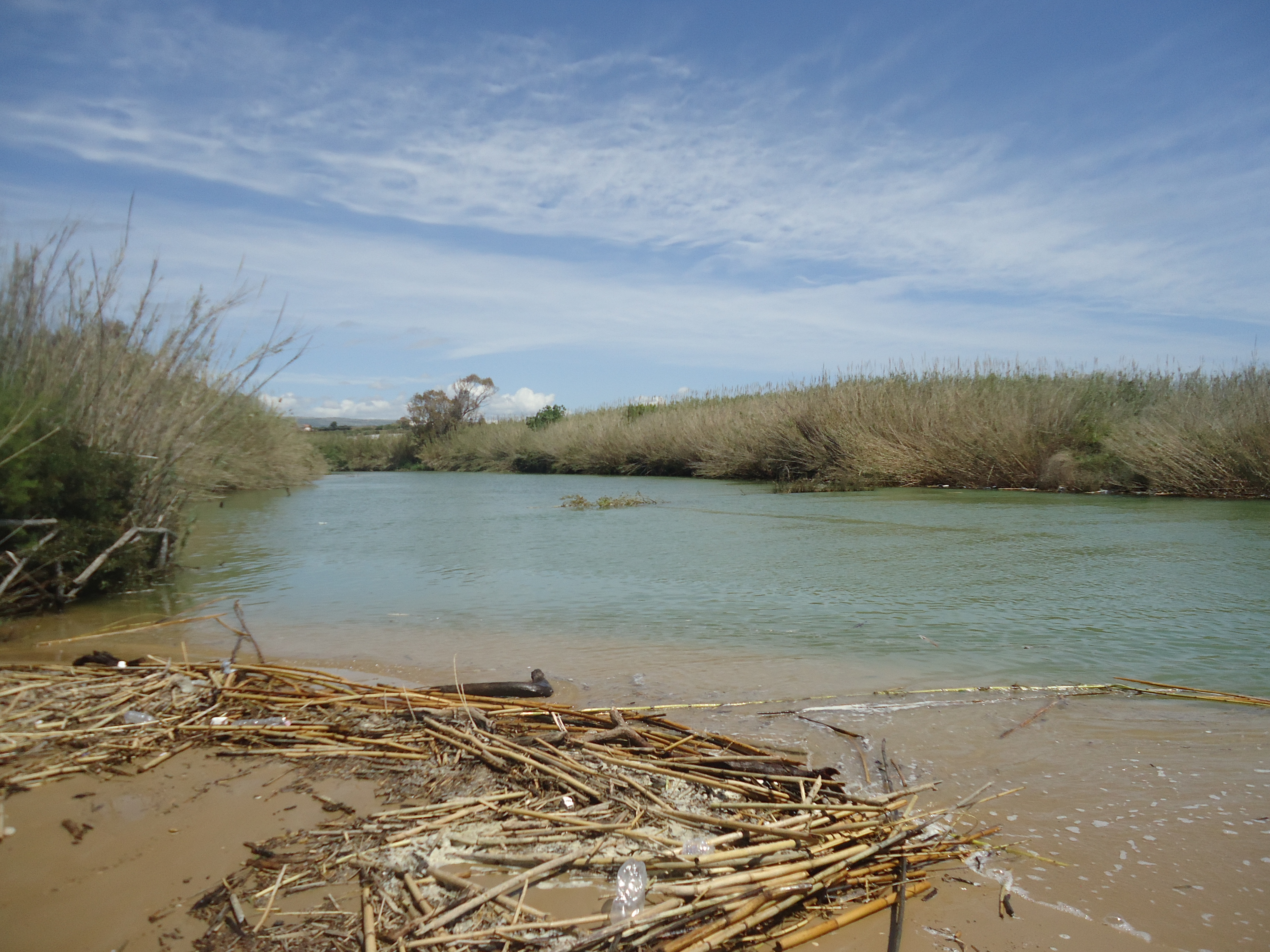
There is a nature reserve, Macchia Foresta`del Fiume Irminio, between the towns of Marina di Ragusa and Donnalucata on the Mediterranean Coast of Sicily. Taking a walk through this reserve one can observe many examples of the Mediterranean pioneer vegetation along sand dunes. The Irminio River, which starts 52 kilometers north of the coast, flows into the sea within this reserve. Below are some pictures taken during a recent visit.

One view of the mouth of the Irminio river
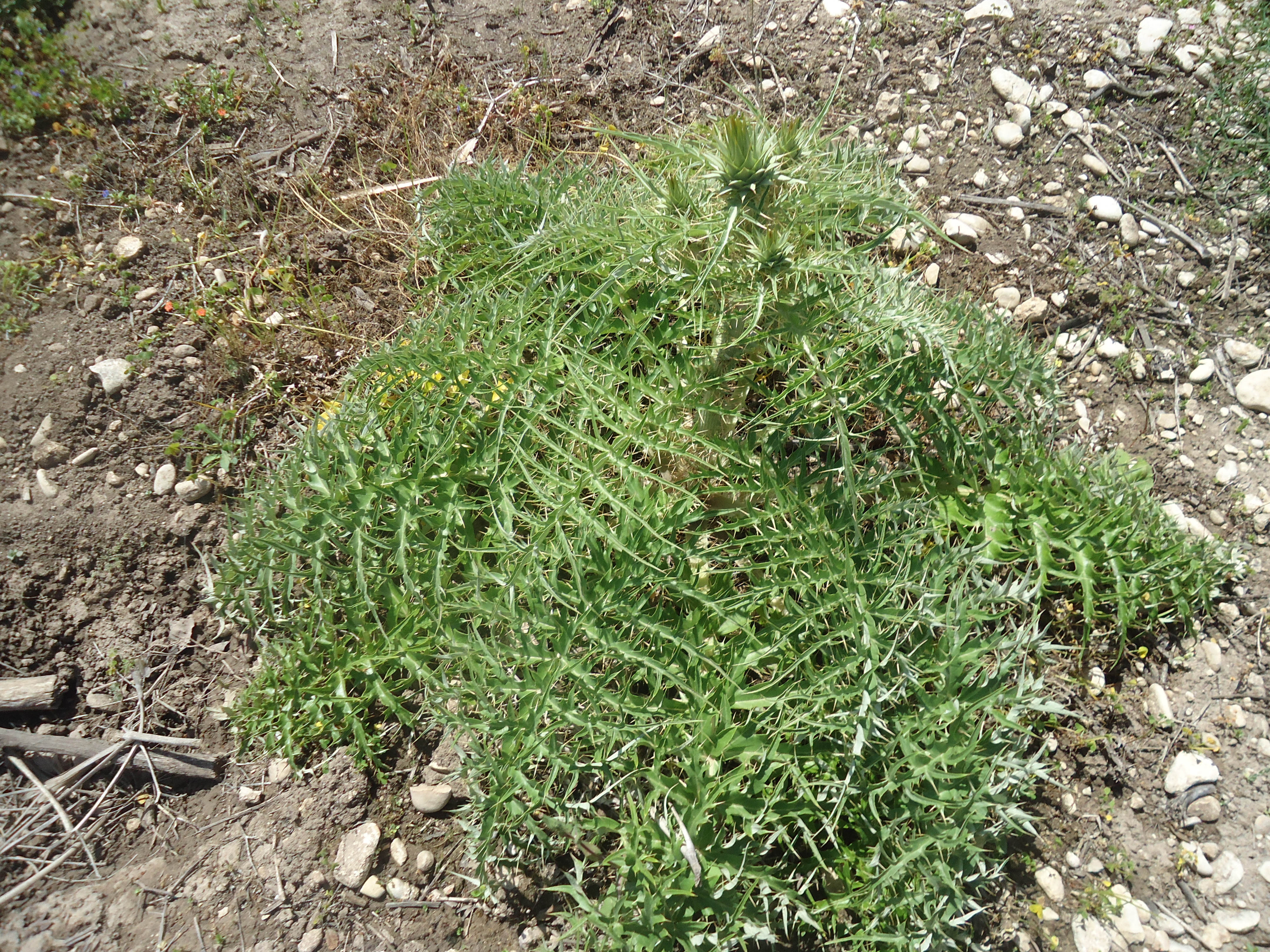
A wild artichoke plant – notice the tiny artichoke on top of the middle of the plant
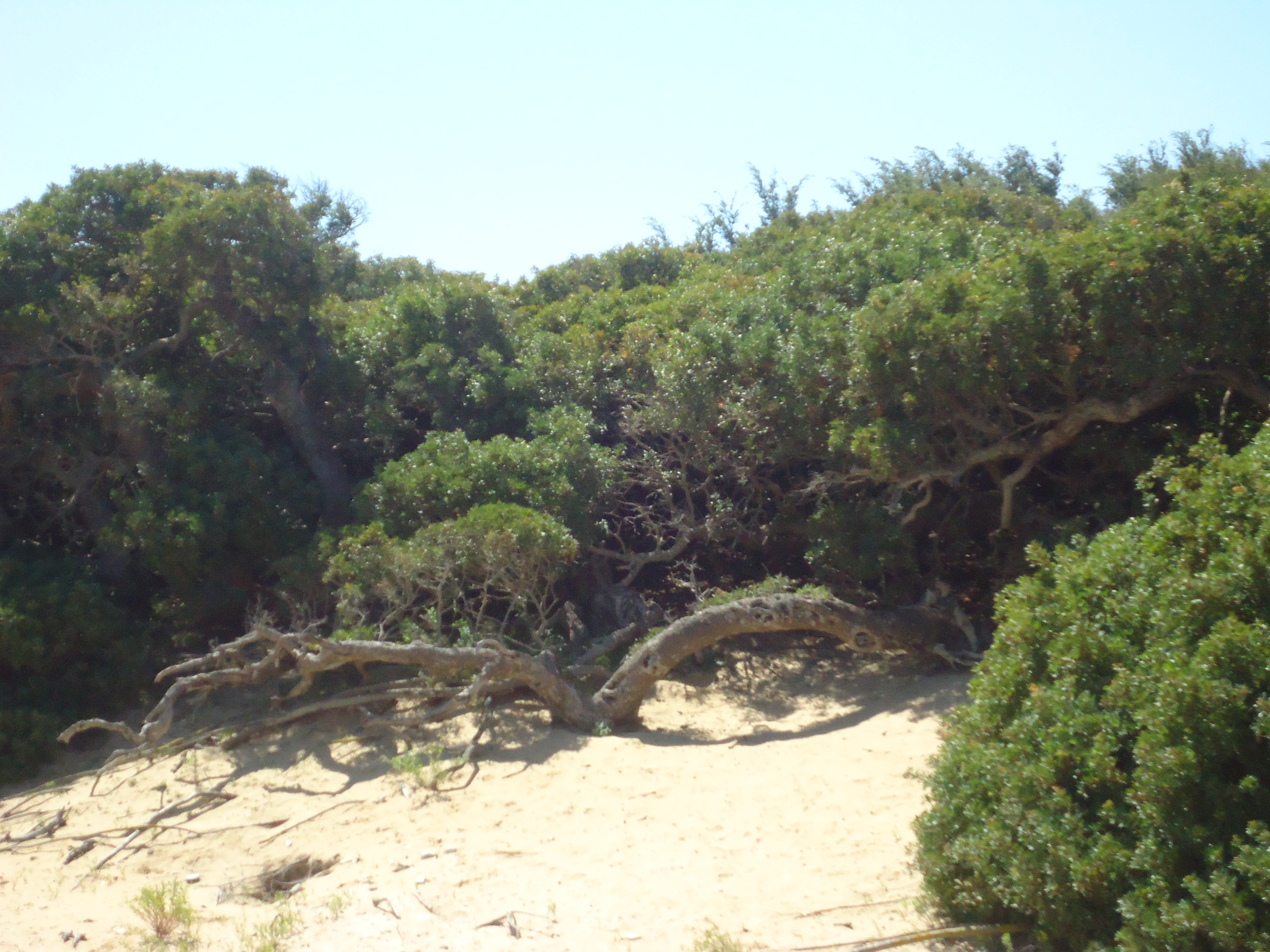
Below is the view from the spot where I enjoyed a picnic with some friends, at the mouth of the river.

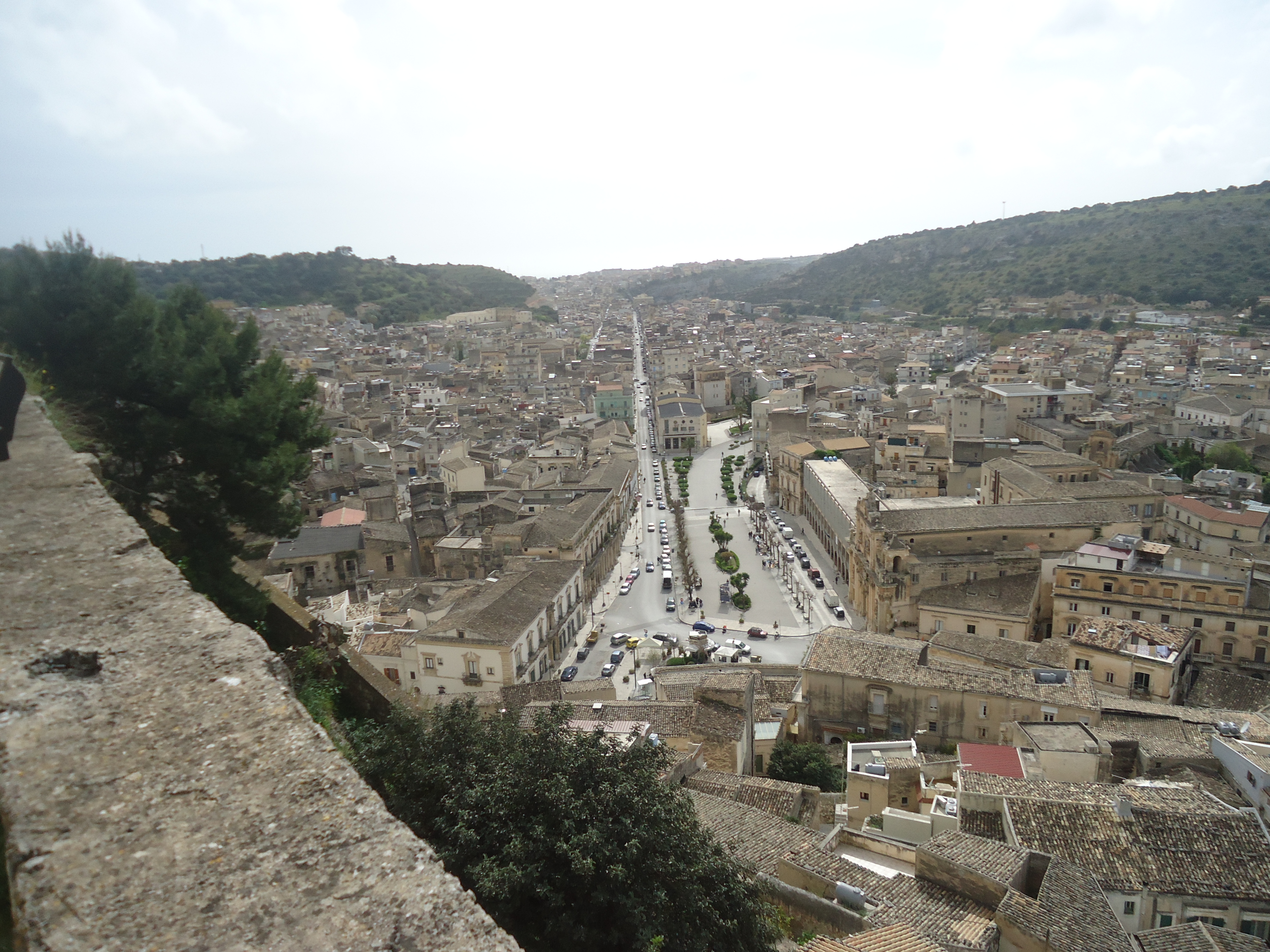
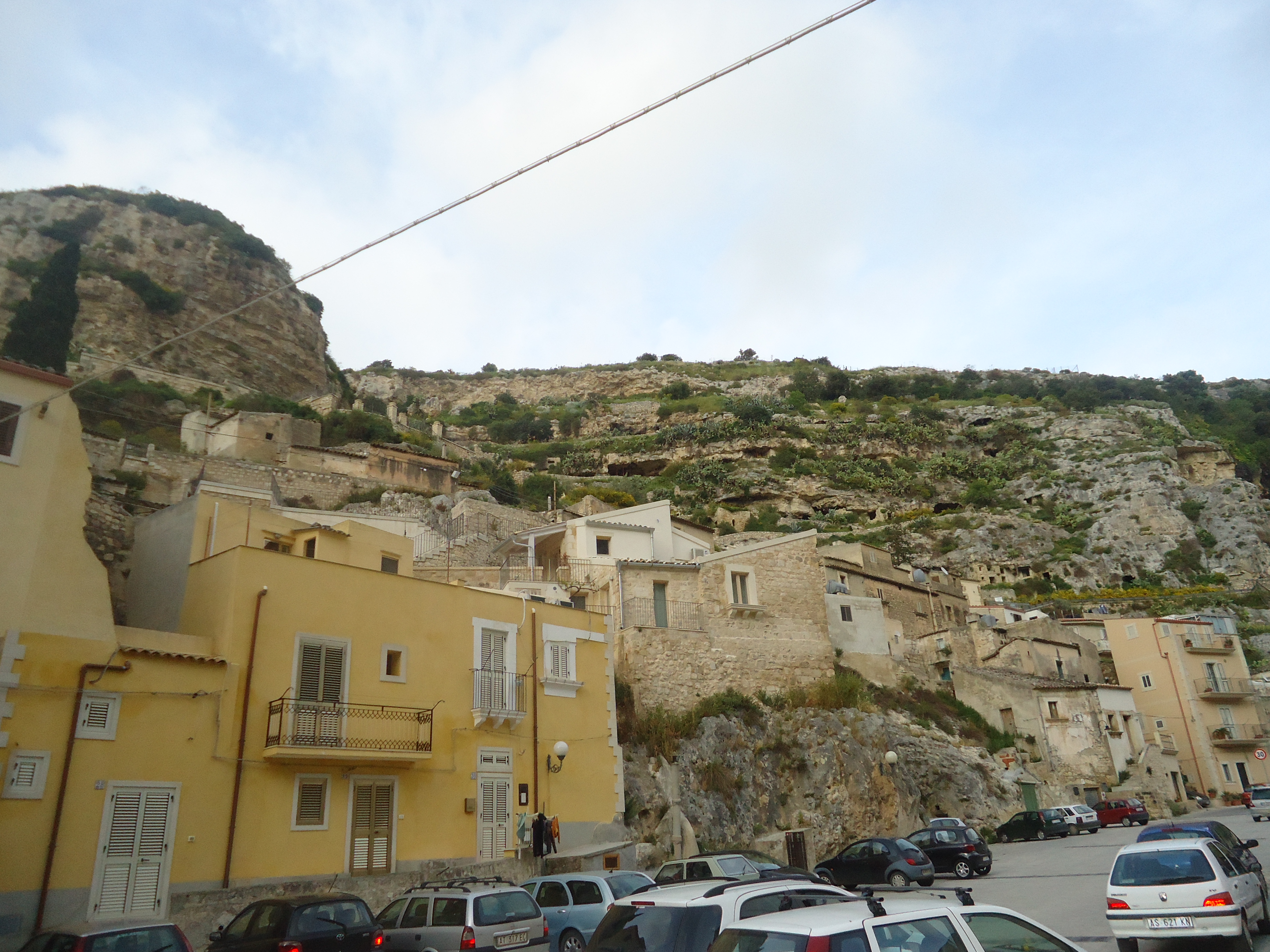
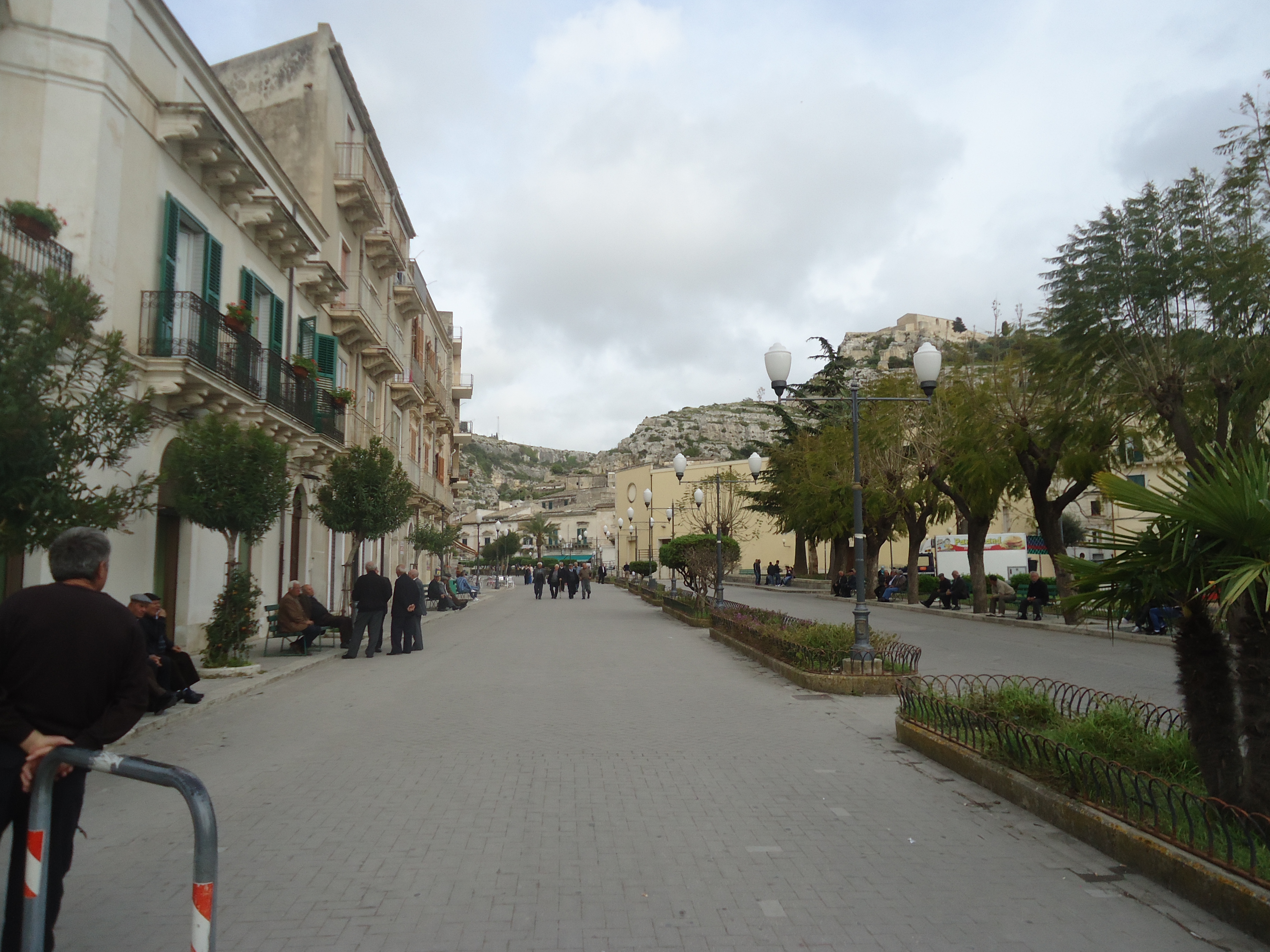
Scicli is the most southern town in the municipal district of Ragusa. It is only eight kilometers from the coast, the Mediterranean Coast. Scicli is one of the towns which were rebuilt after the 1693 earthquake, thus offering stunning examples of the Baroque style. The town sprawls on the bottom of the interesecting point of three valleys and the rocky mountains above embrace it and offer breathtaking views.
Last summer, I had reached Scicli from the northern town of Modica and it had appeared lying there on the bottom of the valley.
Yesterday, on a sunny Sunday afternoon, I drove to Scicli driving up from the coast with some friends and a trekking group. We walked along the streets of Scicli and enjoyed taking in the architecture of the buildings. We visited some of the many churches along the way and then climbed up one of the steep hills leading to the highest point from which we could look down at the entire town. Up there stands what remains of the church of San Matteo.
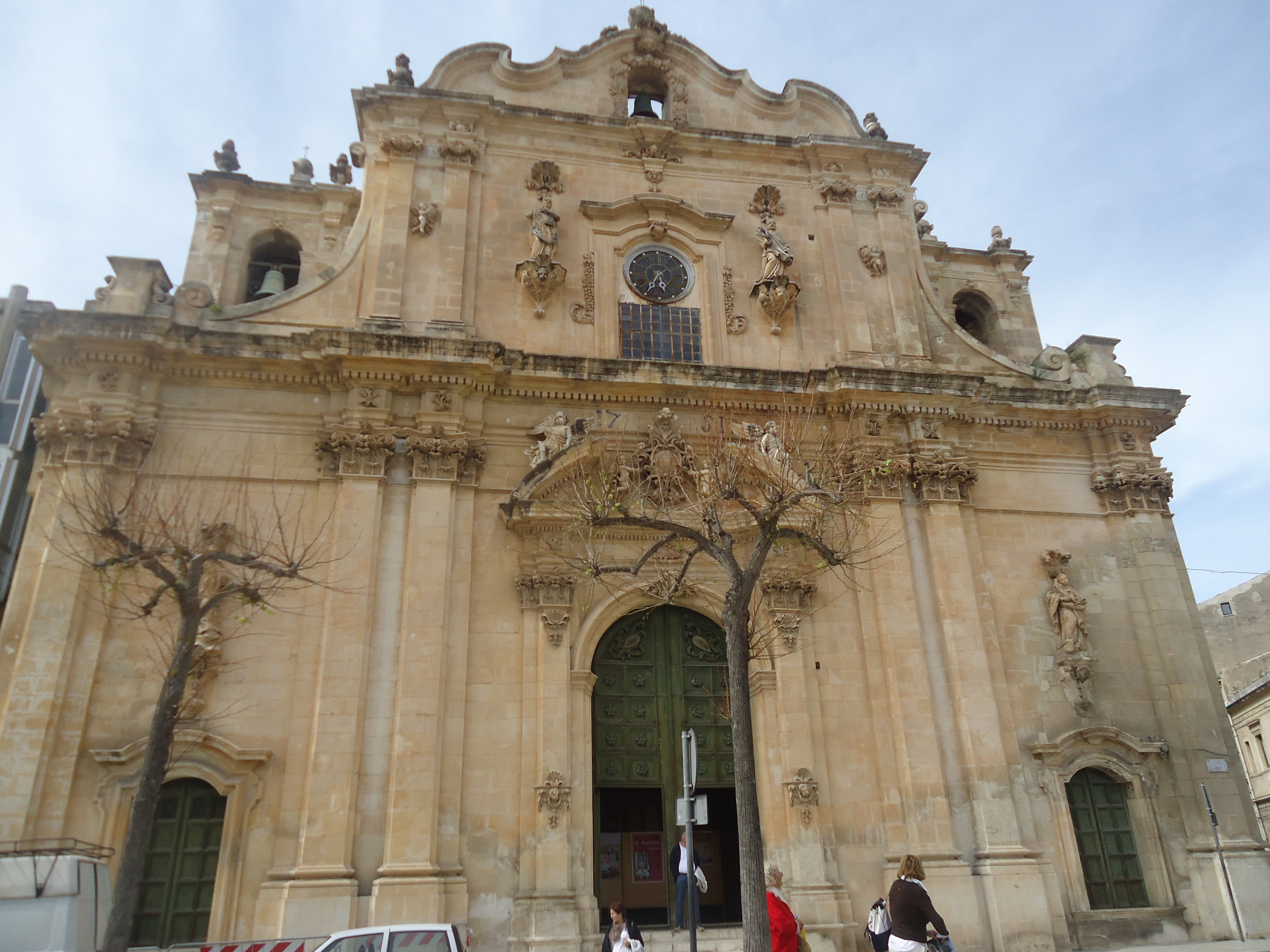
Chiesa Madre Main Church
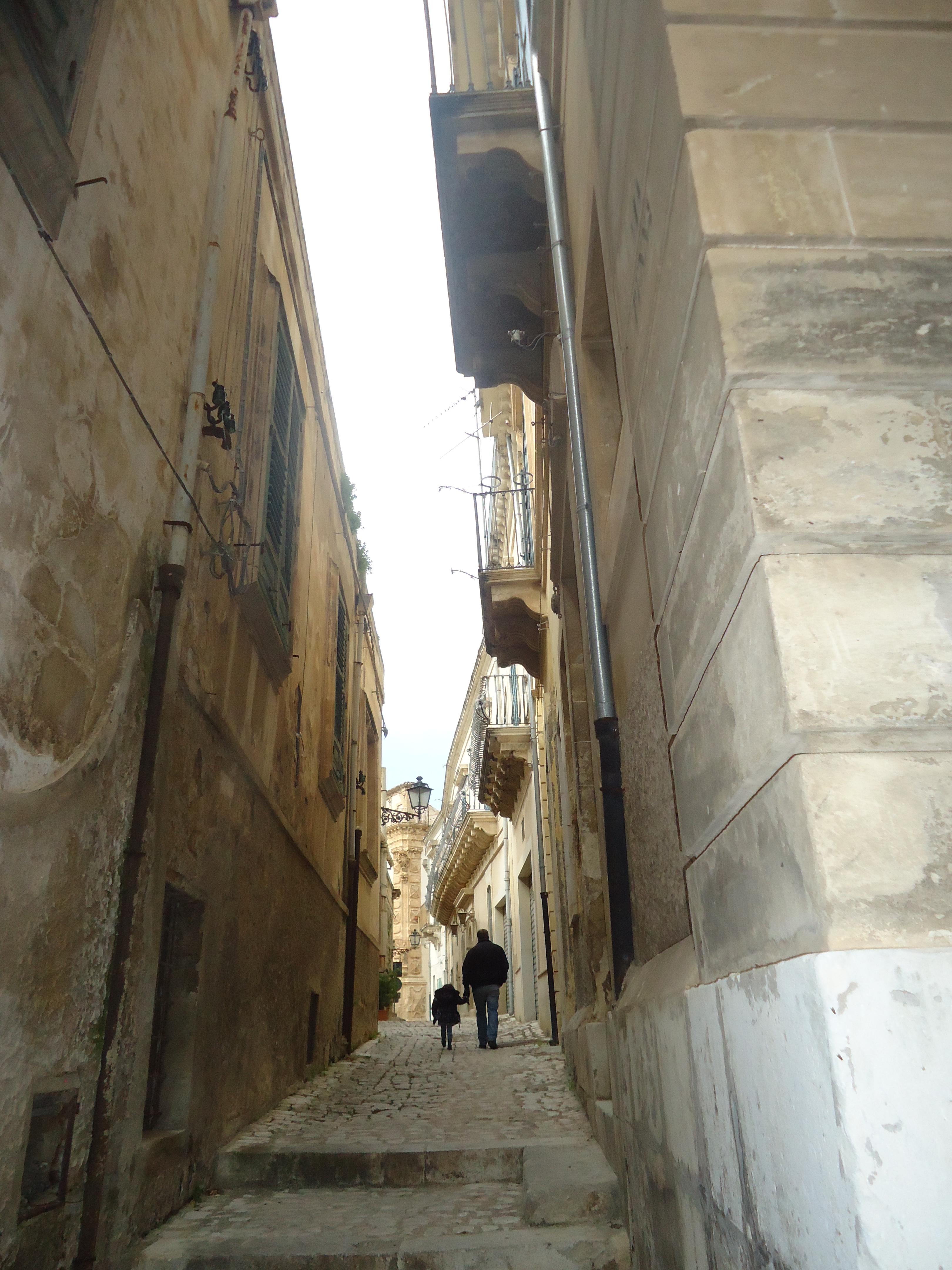
One of the tiny alleys along the way
Palazzo Beneventano
As one of the group stated, “This is not just baroque – this is super-baroque.”

Walking up to the highest point

The view of Scicli down below
A lady sitting in front of her home crocheting

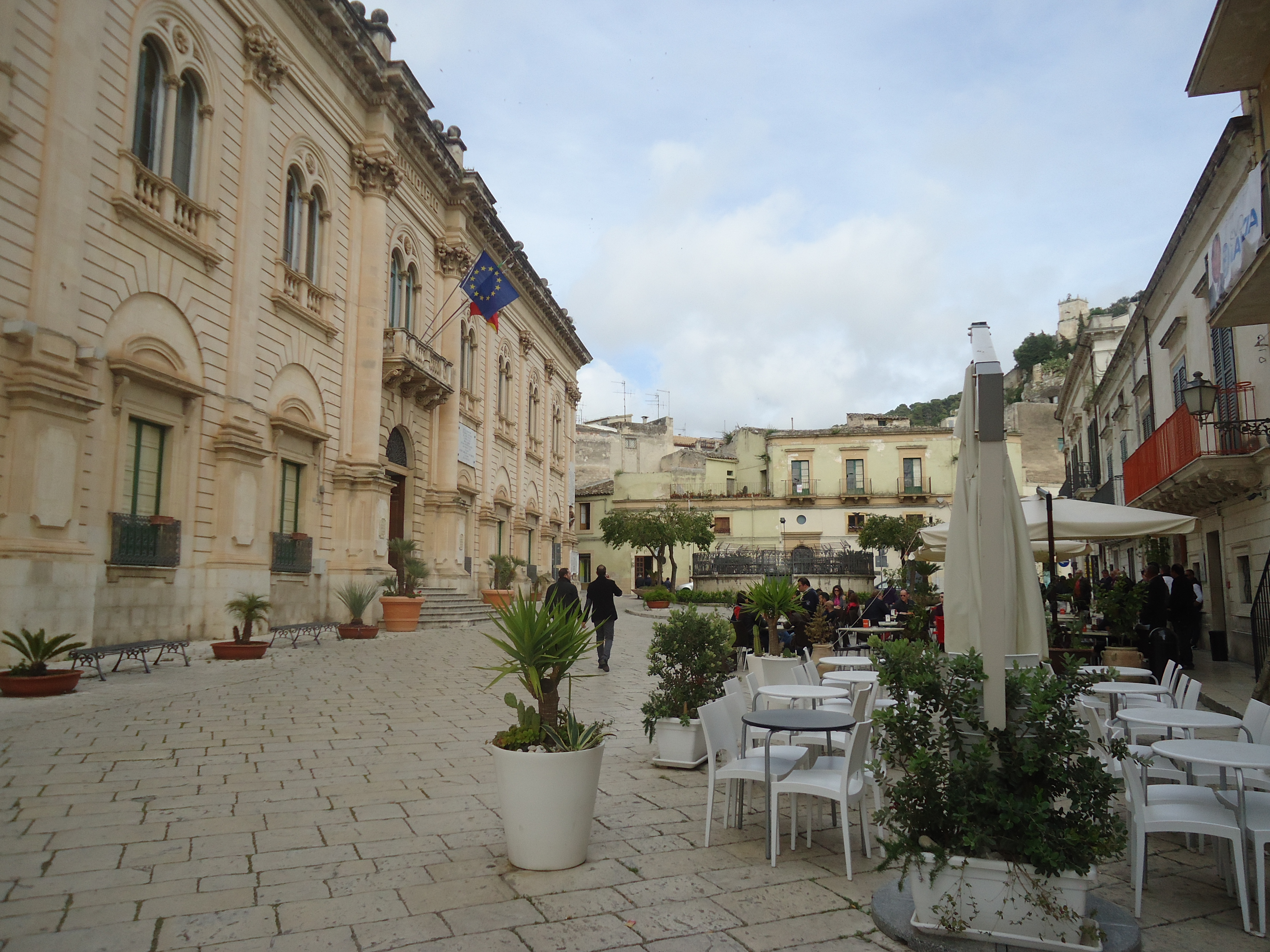
Town Hall square and cafe’
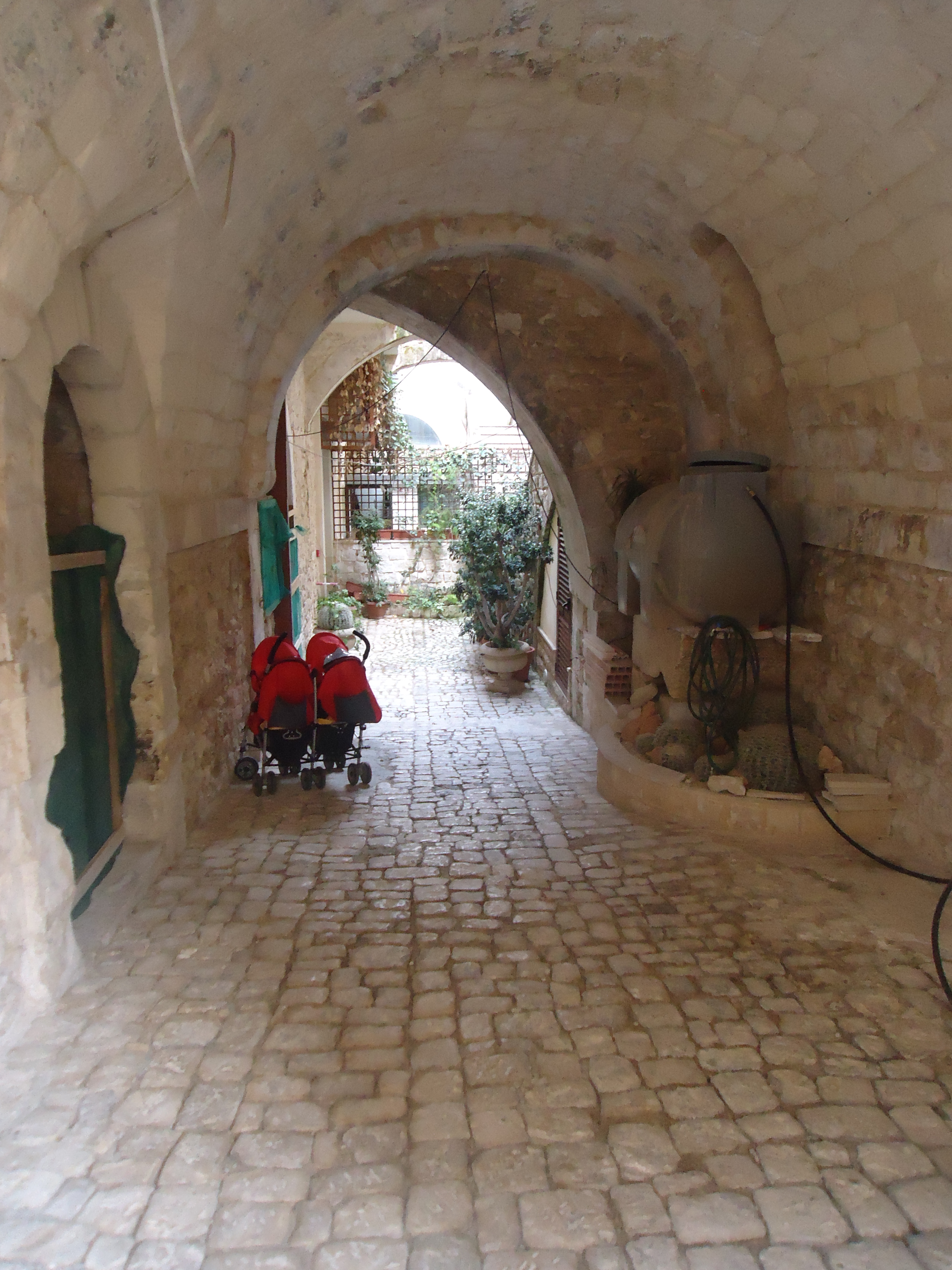
A private courtyard
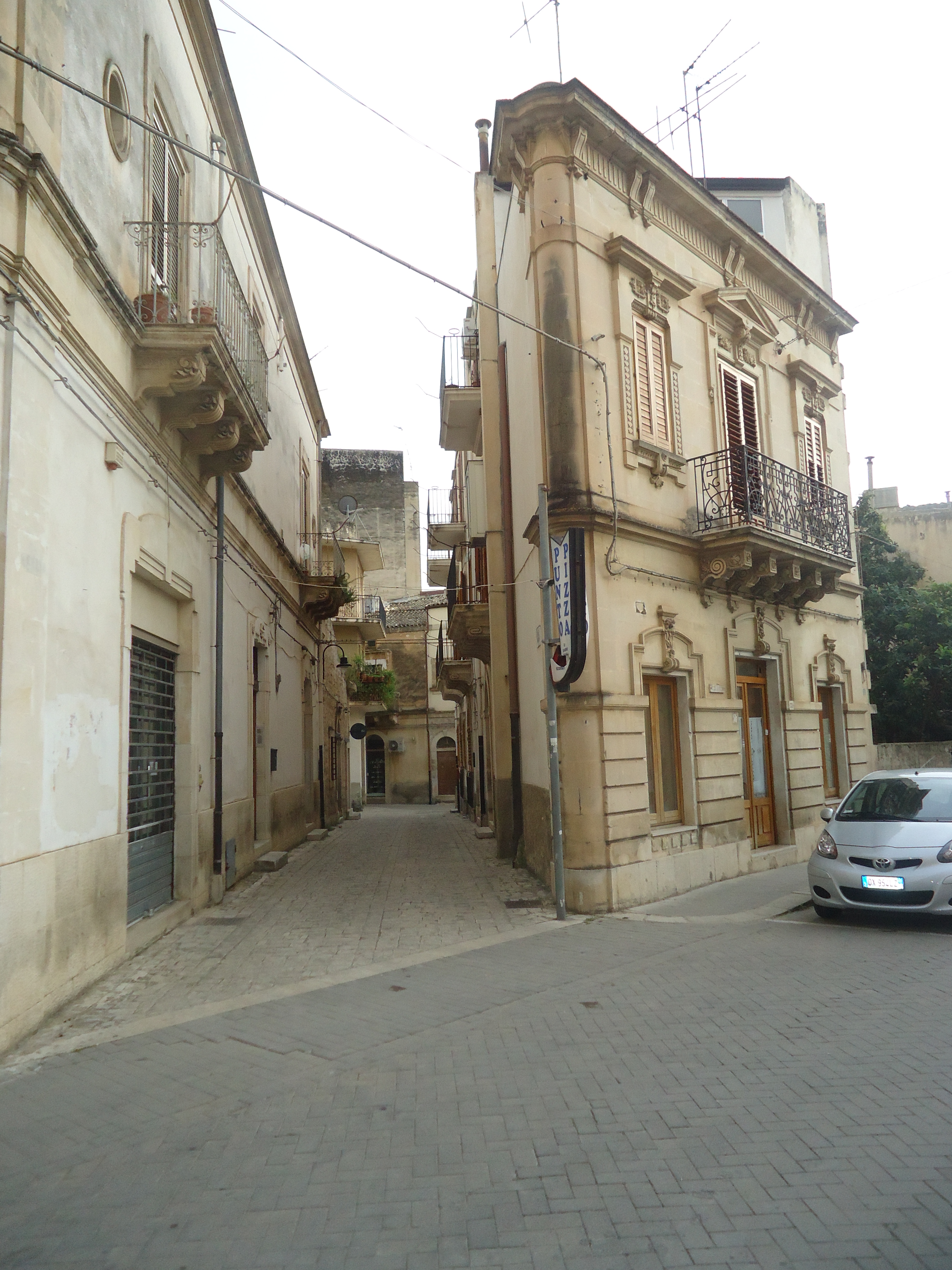
Necropolis above the town
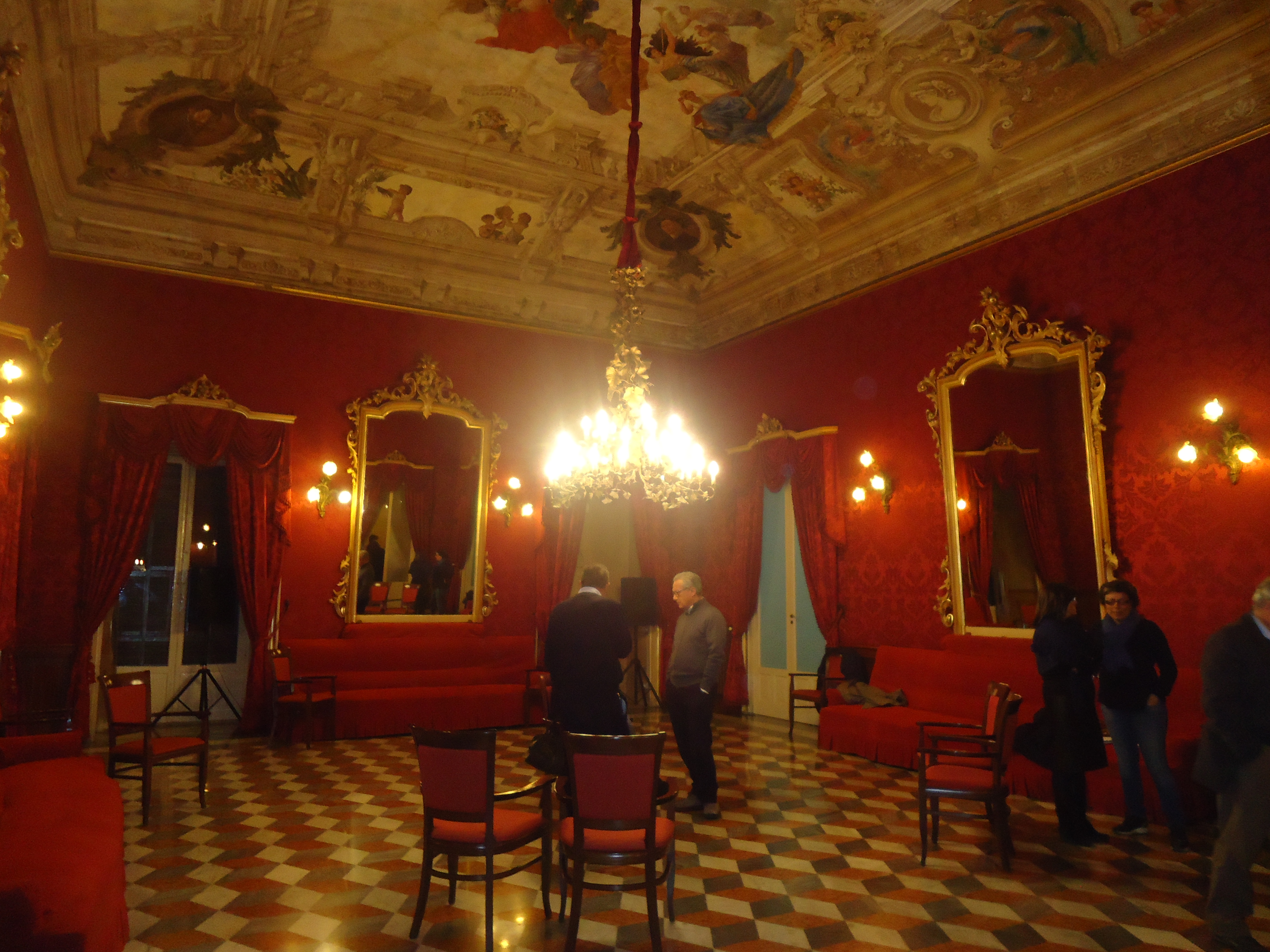
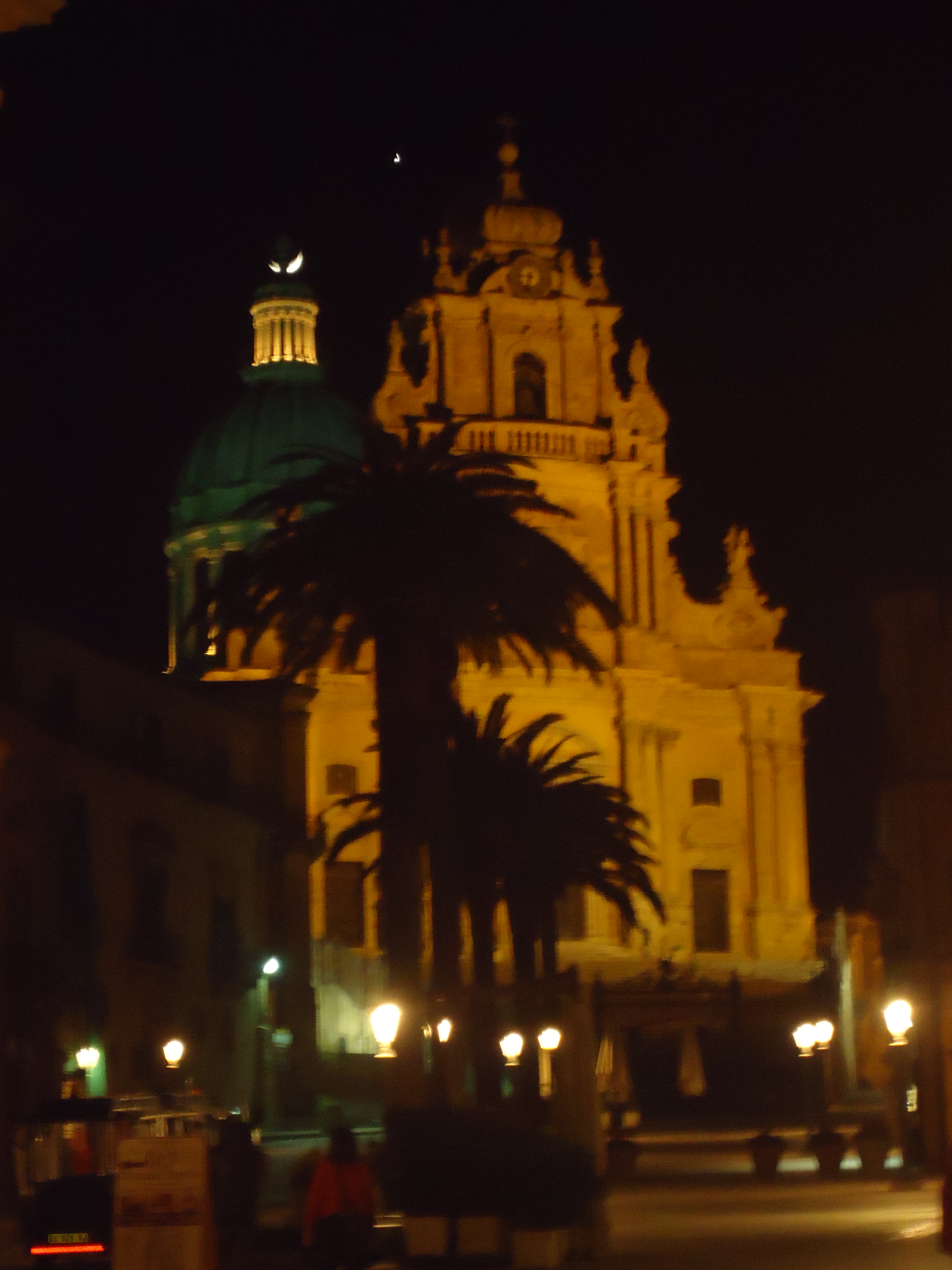
Ragusa Ibla, in the southern part of Sicily, offers an enchanting atmosphere at night. It was rebuilt after the earthquake of 1693 in the baroque style.
Upon arriving from the east, one can view the whole town at a distance, below the level of the highway, and it looks like a nativity scene.
Maria, Angela and I upon arrival in Ragusa Ibla.
Maria, Angela and Michele

The balconies look like lace.
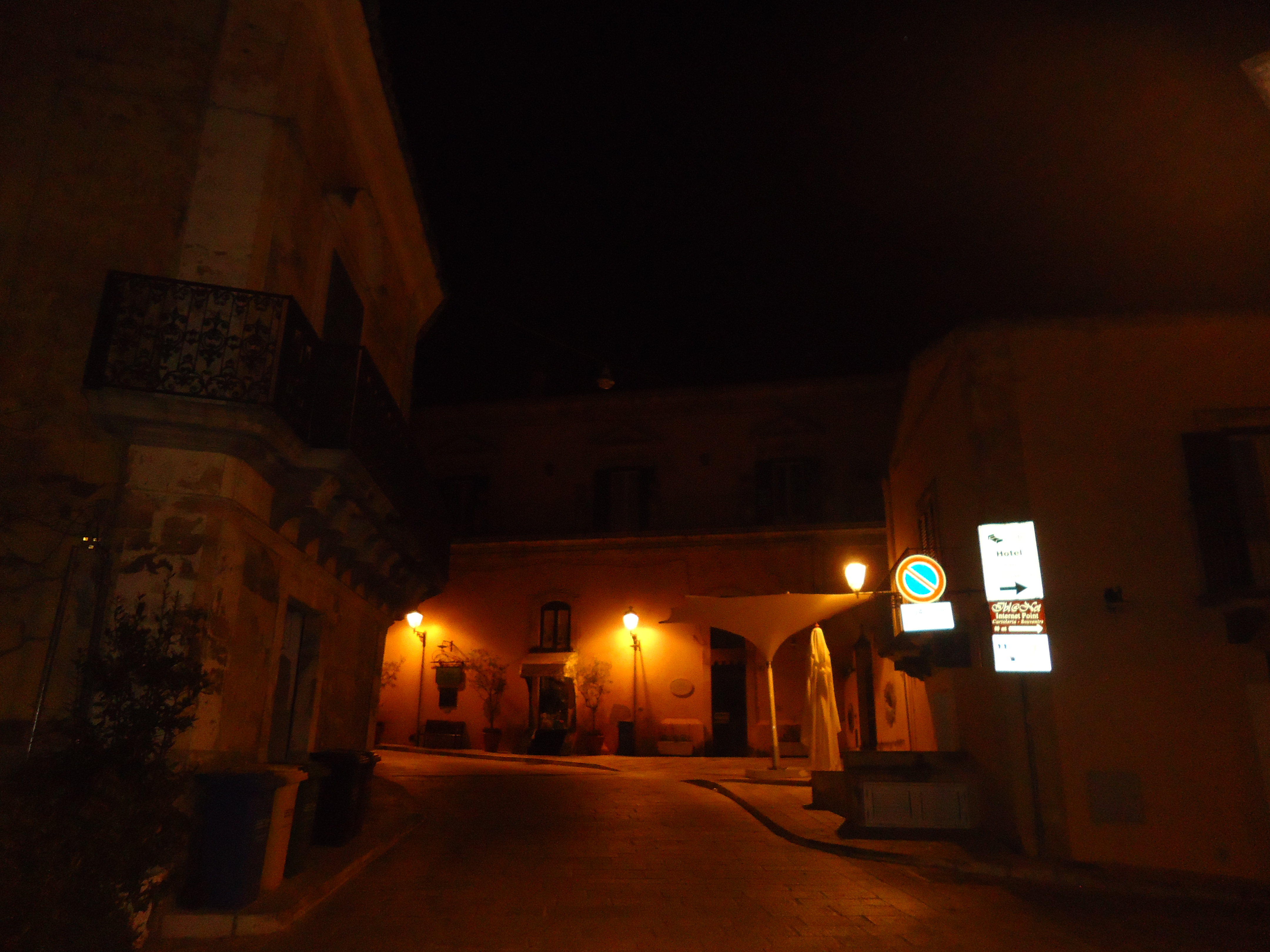
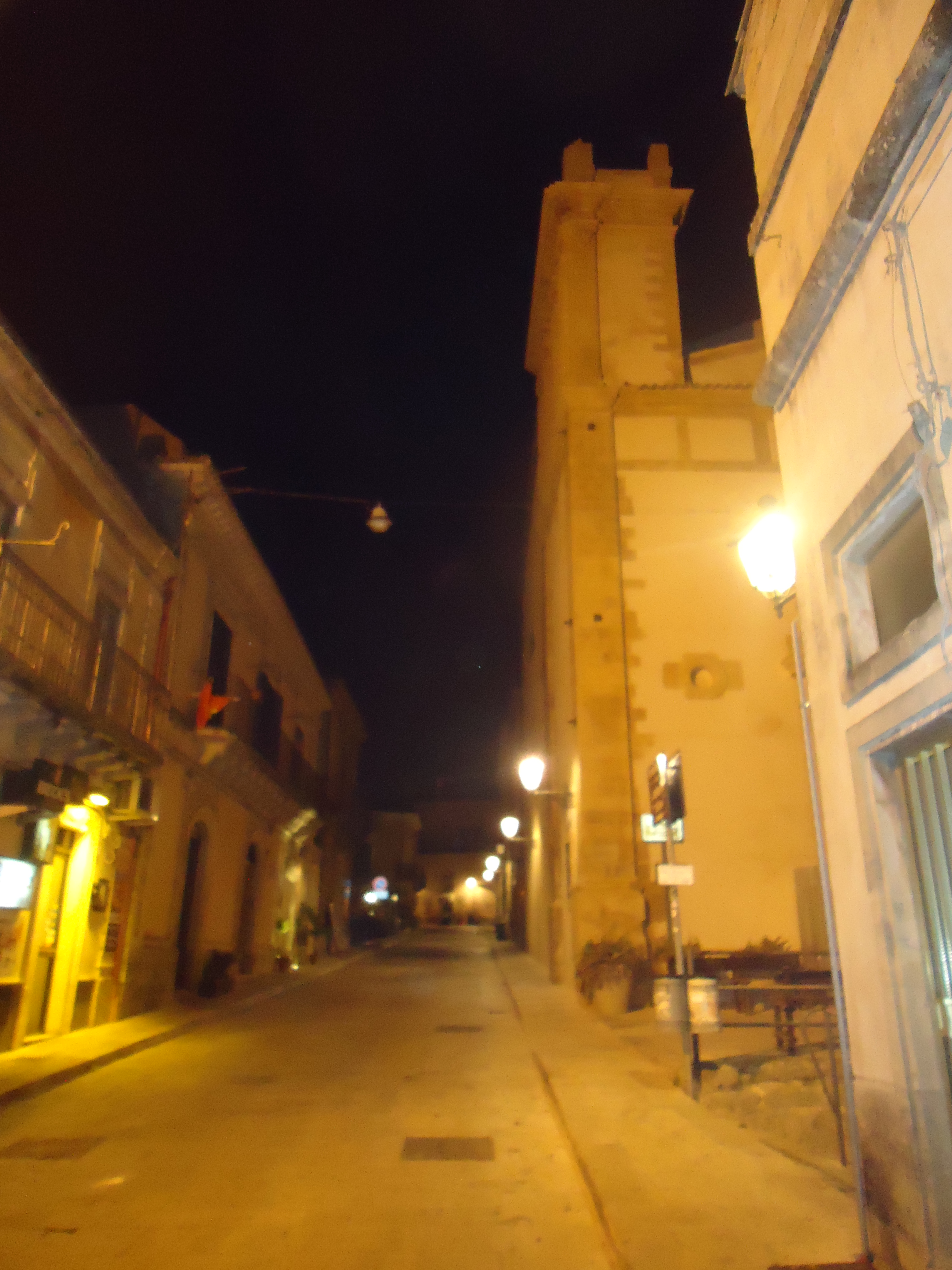
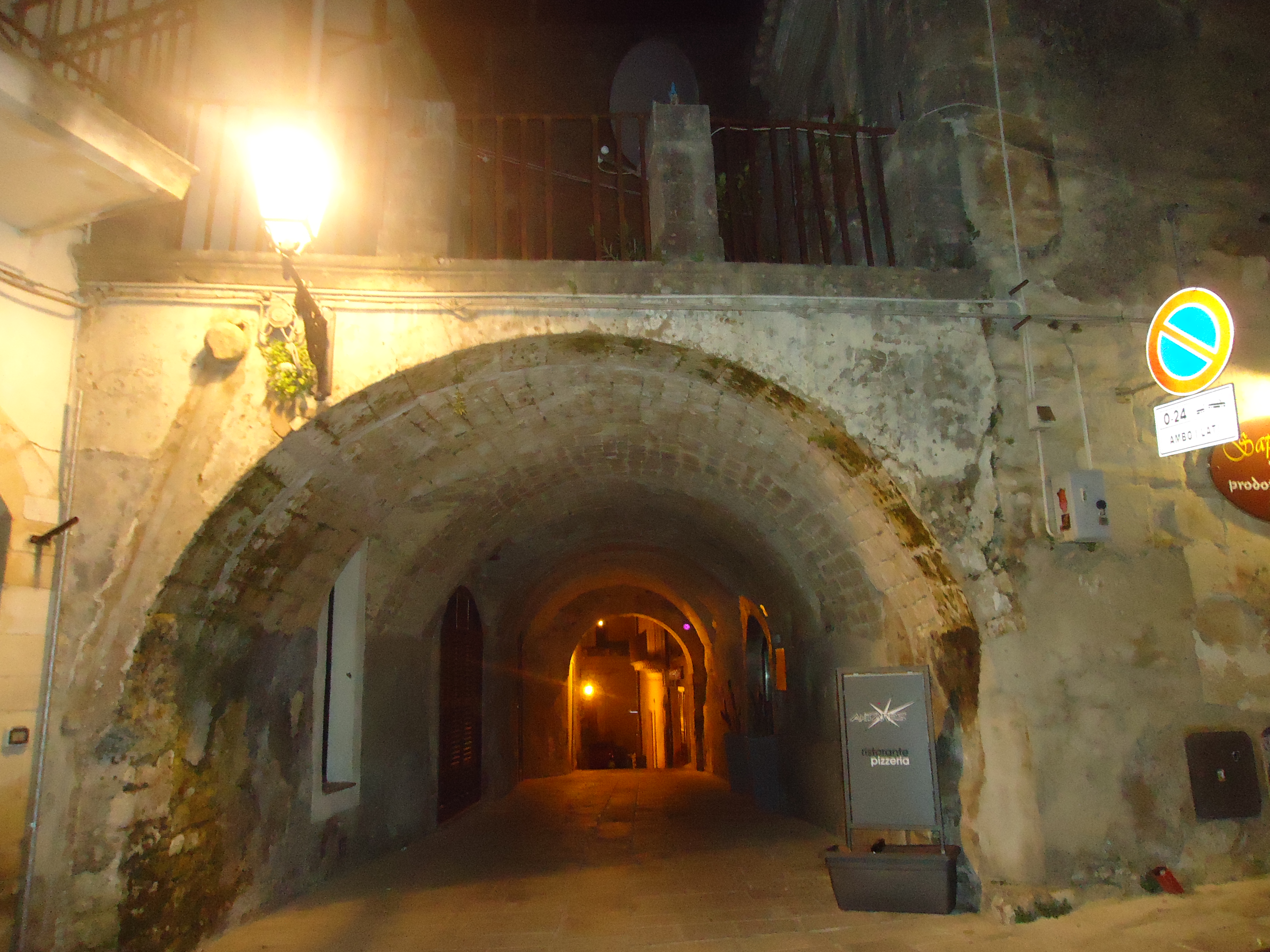
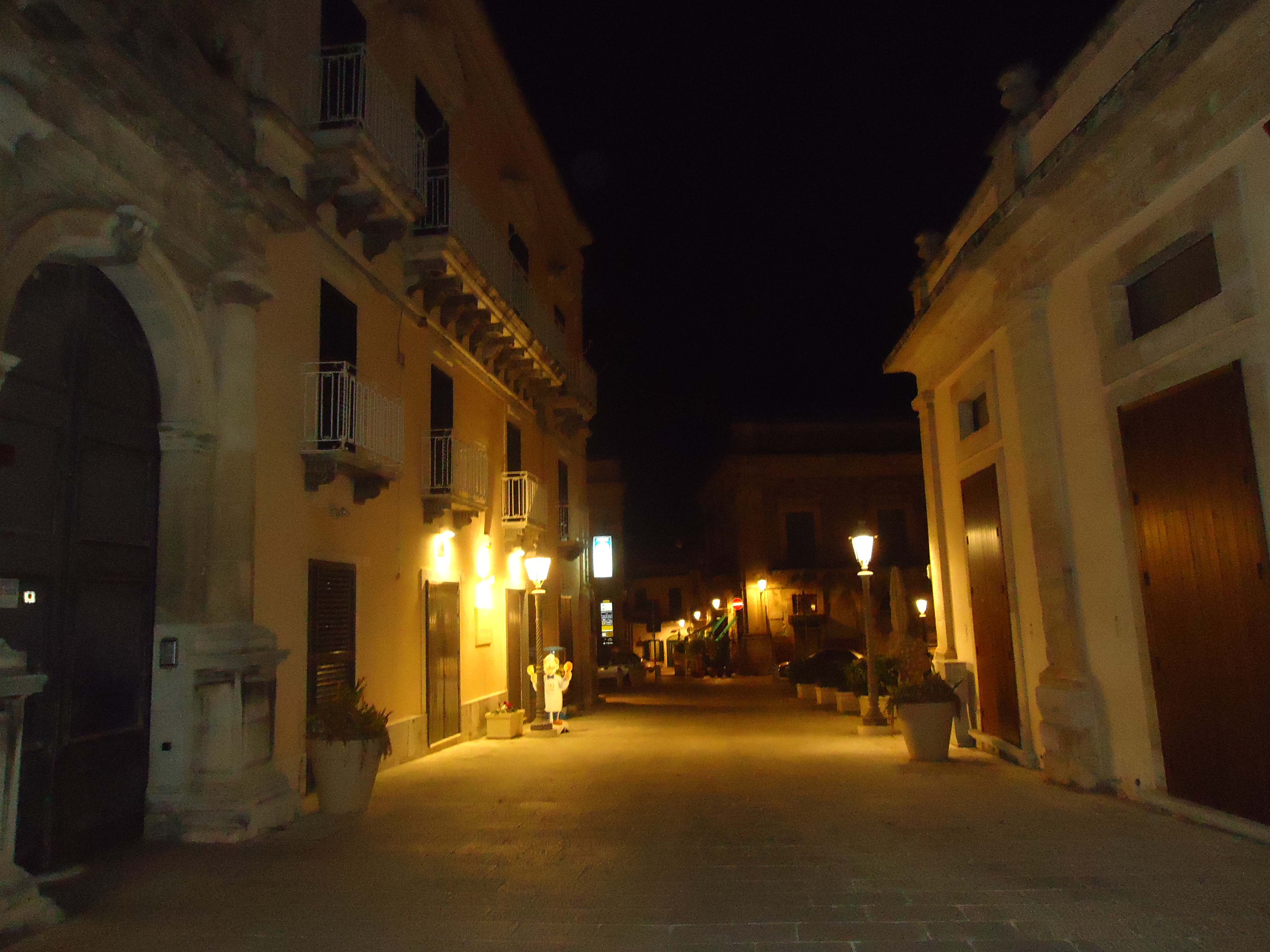
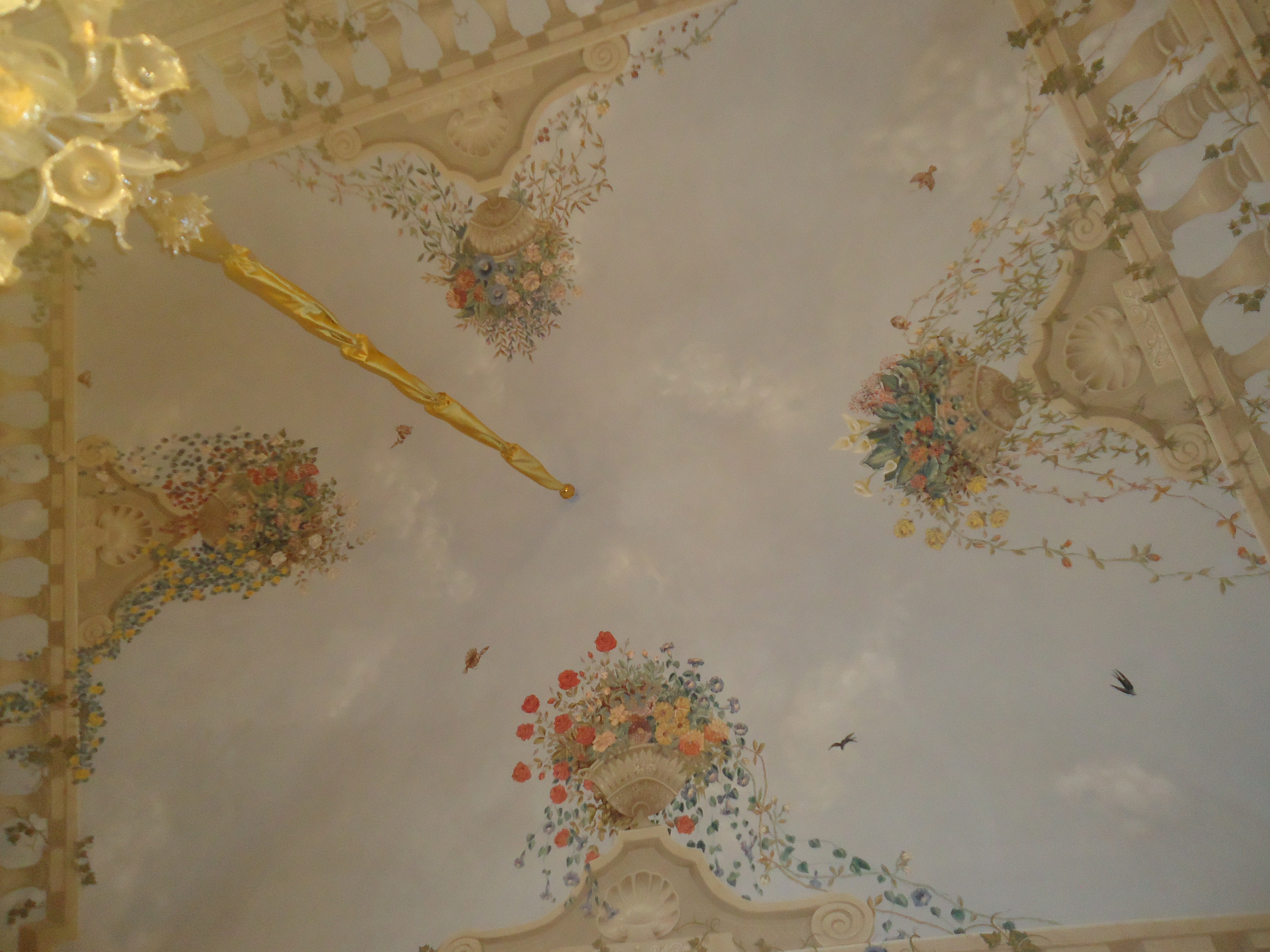
A stop to visit the interior of one of the buildings.
The moon was bright behind the blue dome.
 Sicily & MORE Explored by Rosanna